تميز الإيثير السليلوز — موثوق به من قبل أكثر من 1000 شركة حول العالم احصل على عينة مجانية
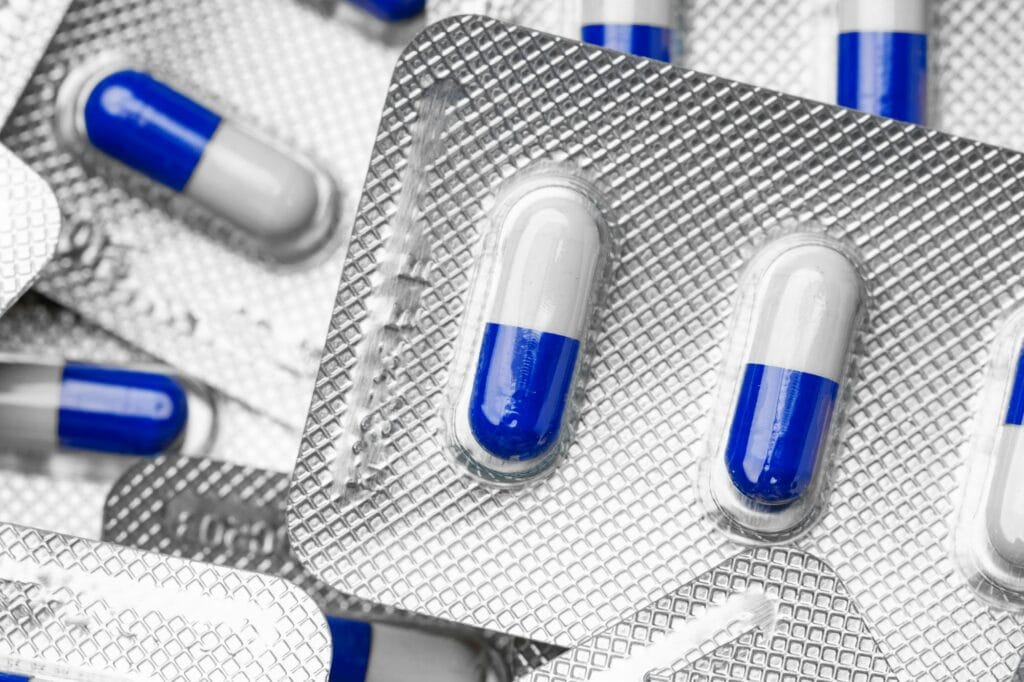


توفر إيثرات السليلوز من الدرجة الصيدلانية من LANDERCOLL أنظمة طلاء الأقراص بأداء موثوق لتشكيل الغشاء، ولزوجة مستقرة، وتطبيق طلاء ناعم، وتغطية سطحية موحدة، وجودة طلاء متسقة.
من طلاء الأفلام الشفاف والطلاء الملون إلى الطلاء الواقي، والطلاء اللوني، وأنظمة الطلاء سريعة التحرر — يُعد اختيار درجة اللزوجة المناسبة من HPMC وتركيبة الطلاء أمرًا أساسيًا لتحقيق مظهر موحد للأقراص واستقرار العملية.
— HPMC · هيبروميلوز · طلاء فيلمي · طلاء الأقراص · تجانس الطلاء · USP · EP · JP
 طلاء الفيلم
 طلاء مصبوغ
 تجانس الطلاء
 حماية السطح
تتطلب تطبيقات طلاء الأقراص منتجات من إيثرات السليلوز المناسبة للاستخدام الصيدلاني مع الوثائق الملائمة. ليست كل درجة من إيثرات السليلوز مناسبة للاستخدام الصيدلاني.
قبل التقييم أو التطبيق التجاري، يجب على العملاء تأكيد مواصفات المنتج، ورقة البيانات الفنية، ورقة بيانات السلامة، شهادة التحليل، المعلومات المتعلقة بدستور الأدوية، وأي مستندات تنظيمية أو متعلقة بالجودة مطلوبة وفقًا لشكل الجرعة، السوق المستهدف، وعملية التأهيل الداخلية الخاصة بهم.
HPMC (هيدروكسي بروبيل ميثيل سليلوز) هو البوليمر الأساسي المكون للفيلم في أنظمة طلاء الأقراص الصيدلانية. يذوب أو يتشتت في سوائل الطلاء، ويتم رشه بشكل متسق، ويجف ليشكل فيلمًا موحدًا يحسن مظهر القرص، ويوفر حماية للسطح، ويدعم استقرار عملية الطلاء. يعتمد أداء الطلاء النهائي على درجة لزوجة HPMC، وتركيز البوليمر، ونوع الملدن، ونظام الصبغة، ومعايير الرش، وتركيبة الطلاء الكاملة.


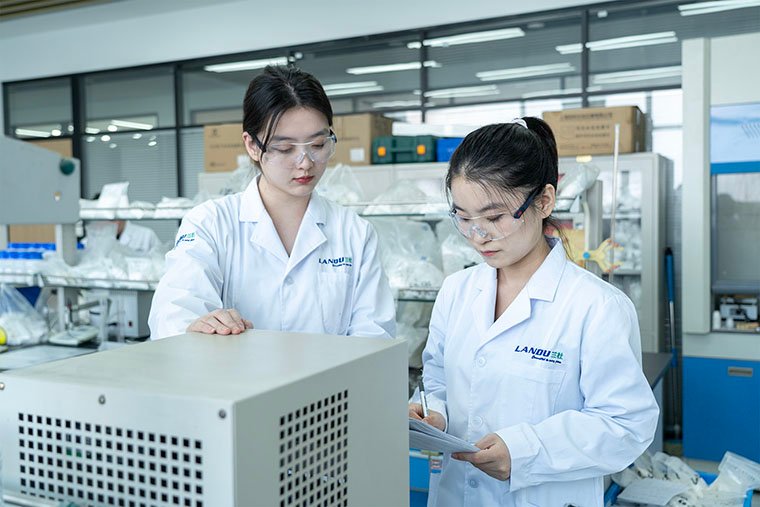 فيلم · توحيد اللون · حماية السطح
يعد طلاء الأقراص عملية مهمة في تصنيع الجرعات الصلبة. يمكنه تحسين مظهر القرص، وإخفاء الطعم أو الرائحة غير المستحبة، ودعم التعامل مع القرص، وحماية سطح القرص، وتحسين سهولة البلع، وتوفير أداء طلاء وظيفي اعتمادًا على تصميم التركيبة.
LANDERCOLL يوفر درجة صيدلانية مناسبة HPMC (هيدروكسي بروبيل ميثيل سيلولوز)، المعروف أيضًا باسم هيدروكسي بروبيل ميثيل سيلولوز، لأنظمة طلاء الأقراص الصيدلانية. يُستخدم HPMC على نطاق واسع كبوليمر مكون للفيلم لأنه يمكنه تكوين طبقة طلاء موحدة عند إذابته ورذاذه وتجفيفه وصياغته بشكل مناسب مع الملدنات المناسبة والأصباغ ومكونات الطلاء الأخرى.
يساعد اختيار درجة مناسبة من HPMC تركيبات الطلاء على تحقيق لزوجة مستقرة، وقابلية جيدة للرش، وتكوين طبقة ناعمة، وتغطية متساوية، ومظهر ثابت للأقراص. وهو مفيد بشكل خاص في طلاء الأفلام سريعة التحرر، والطلاء الواقي، وطلاء الألوان، وأنظمة طلاء الأقراص الحساسة للرطوبة، وبعض مفاهيم الطلاء الوظيفي المختارة.
Looking for pharmaceutical-grade HPMC for your tablet coating system?
اطلب توصية بمنتجTablet coating requires a polymer that can dissolve or disperse properly, form a stable coating solution, spray consistently, dry into a uniform film, and maintain suitable film strength and appearance. Without a suitable film-forming polymer, coatings may show poor coverage, uneven appearance, cracking, peeling, roughness, picking, sticking, or inconsistent performance across batches.
A typical tablet coating system includes a film-forming polymer, plasticizers, pigments, and functional excipients — each influencing coating appearance, process performance, and final tablet quality.
| مكون | Function in Tablet Coating |
|---|---|
| HPMC / Film-Forming Polymer | Forms the main coating film |
| Plasticizer | Improves film flexibility and reduces brittleness |
| Pigments / Colorants | Provide tablet color and identification |
| Opacifiers | Improve opacity and appearance |
| Anti-Tacking Agents | Reduce sticking during coating process |
| Water / Solvent System | Dissolves or disperses coating ingredients |
| Suspending Agents | Help maintain uniform distribution of insoluble ingredients |
| معدّلات الأس الهيدروجيني | Adjust coating system conditions where required |
| سواغات وظيفية أخرى | Adjust appearance, protection, release behavior, or process performance |
LANDERCOLL provides pharmaceutical-grade HPMC as the primary film-forming polymer for tablet coating, with selected CMC grades for specialized coating systems. All grade selections should be confirmed through coating trials and customer qualification.

Hypromellose for film-forming tablet coating systems
HPMC is the primary LANDERCOLL cellulose ether product for tablet coating applications. Suitable pharmaceutical-grade HPMC can be used as a film-forming polymer in coating formulations where stable viscosity, good film formation, smooth spraying, and uniform surface coverage are required. Depending on the formulation and process, HPMC may be used in clear coatings, pigmented coatings, protective coatings, color coatings, and selected functional coating systems.

Selected cellulose derivative for viscosity, suspension, and stabilization support
CMC is not usually the main film-forming polymer for standard tablet film coating, but suitable pharmaceutical-grade CMC may be used in selected systems where viscosity control, suspension stability, or stabilizing performance is required. Its use should be evaluated according to dosage form, formulation system, coating process, and required documentation.
Different tablet coating systems require different HPMC viscosity directions and formulation design strategies.
Film clarity, smooth coating, sprayability
Pigment suspension, film uniformity, stable viscosity
Surface protection, film strength, coating consistency
Uniform color, smooth appearance, pigment stability
Fast coating process, thin film formation, tablet appearance
Surface protection, film integrity, process stability
Specific performance target, process compatibility
Suspension stability, spray consistency, uniform coverage
The dosage of HPMC in tablet coating depends on coating type, solution viscosity, solids content, target film thickness, tablet core properties, spray process, and desired coating weight gain.
HPMC concentration in the coating liquid is usually selected according to viscosity, sprayability, and solids content. Coating weight gain is determined by the final dosage-form requirement. Final values should be confirmed through formulation testing, coating process trials, appearance evaluation, disintegration or dissolution testing, and customer validation.
Depends on coating solids and target film thickness
Depends on pigment loading and suspension stability
Depends on surface protection target
Depends on opacity and color uniformity requirement
Usually selected for low to moderate coating weight gain
Depends on dosage form and performance target
Depends on solids content, viscosity, and sprayability
Depends on formulation and validation requirements
HPMC helps form a continuous film on the tablet surface after spraying and drying. A good film-forming polymer supports smooth appearance, complete surface coverage, and coating integrity — the foundation of all tablet coating performance requirements.
Coating solution viscosity directly affects spraying, atomization, surface coverage, drying behavior, and process efficiency. HPMC grade and concentration should be selected to achieve a stable viscosity suitable for the specific coating equipment and process parameters being used.
Uniform coating is critical for appearance, identification, handling performance, and functional consistency. HPMC supports even film formation when properly formulated, dissolved, and processed — helping reduce batch-to-batch variation in coating quality.
A suitable HPMC coating can help protect the tablet surface from abrasion, dusting, handling damage, and selected environmental exposure depending on the complete coating system design and storage conditions.
In pigmented coating systems, all coating ingredients must remain uniformly suspended throughout the spraying process. HPMC can help support coating suspension stability and more consistent color distribution across the tablet batch.
A stable coating solution or suspension helps improve spray consistency and reduce common process issues such as nozzle blockage, uneven coverage, tablet sticking, or rough surface appearance during the coating run.
Tablet coating can significantly improve color, gloss, smoothness, branding recognition, and final product appearance. HPMC supports smooth film formation and stable coating performance that contributes to a professional, consistent tablet finish.
When tablet coating performance fails during development or production, HPMC grade, coating formulation, and process parameters are often the first variables to review.
Poor viscosity control, weak spray consistency, tablet movement issues.
Supports stable coating liquid viscosity when properly selected and hydrated.
Poor atomization, high viscosity, fast drying, pigment instability.
Helps control viscosity and film formation for smoother coating appearance.
Brittle film, poor plasticizer balance, unsuitable polymer system.
Supports film formation; plasticizer balance remains important.
Excessive tackiness, high spray rate, poor drying balance.
Supports controlled film formation when properly formulated.
Pigment settling, poor suspension, weak mixing.
Supports coating suspension stability for more consistent color distribution.
High viscosity, poor dispersion, pigment agglomeration.
Requires optimized viscosity and dispersion through grade selection.
Poor adhesion to tablet core, unsuitable coating system.
Supports film integrity; tablet core compatibility remains critical.
Poor hydration, wrong grade, unstable coating liquid.
Grade selection supports viscosity consistency throughout the coating run.
Understanding these variables helps formulators optimize HPMC grade selection, polymer concentration, and coating process parameters for target coating performance.
Different HPMC viscosity grades provide different coating solution viscosity, sprayability, film strength, and process behavior. Lower viscosity grades are typically preferred for coating applications where sprayability and thin film formation are priorities.
Higher polymer concentration may increase coating solids and film formation efficiency, but it can also increase viscosity and affect sprayability. The right balance between solids content and viscosity is critical for process performance.
Plasticizers influence film flexibility, brittleness, cracking tendency, and overall coating performance. The plasticizer must be compatible with HPMC and selected according to the coating type and regulatory requirements.
Pigments and opacifiers affect suspension stability, color uniformity, opacity, viscosity, and surface appearance. Their particle size, concentration, and dispersion quality all influence final coating results.
Water-based and hydroalcoholic systems can behave differently in terms of dissolution rate, drying speed, viscosity, and coating process conditions. Solvent choice should be aligned with regulatory requirements and equipment capability.
Core hardness, porosity, friability, shape, surface roughness, and moisture sensitivity all affect coating adhesion, film formation, and overall coating quality. The coating system must be compatible with the tablet core.
Spray rate, atomization pressure, nozzle type, inlet temperature, bed temperature, and airflow strongly affect coating uniformity and film quality. Process parameters must be optimized alongside the coating formulation.
Proper HPMC dissolution or hydration is important for stable coating viscosity and smooth spraying. Incomplete hydration can lead to lumps, viscosity variation, or spray inconsistency.
Pan coating and fluid-bed coating processes may require different coating viscosity, solids content, spray behavior, and drying balance. Equipment type and scale should be considered during formulation development.
Choosing the right HPMC requires balancing film formation, solution viscosity, sprayability, drying behavior, tablet appearance, and dosage-form requirements. Review these 10 key questions before grade selection.
What type of tablet coating are you developing (clear, pigmented, protective, color, or functional)?
What coating equipment is used (pan coater or fluid-bed coater)?
What target coating weight gain is required?
What viscosity range is suitable for the spray process?
What polymer concentration and solids content are planned?
Will pigments, opacifiers, plasticizers, or anti-tacking agents be used?
Is the coating water-based or solvent-based?
What tablet core properties must be considered?
What pharmacopoeia or documentation requirements apply?
What disintegration, dissolution, appearance, and stability targets must be achieved?
LANDERCOLL can help review your tablet coating direction and recommend suitable HPMC grade options for evaluation.
اطلب توصية بالدرجةLANDERCOLL pharmaceutical-grade cellulose ether for tablet coating is supplied in packaging suitable for protected transportation, storage, and pharmaceutical production handling, depending on selected grade and customer requirement.
Because cellulose ether can absorb moisture, proper storage helps maintain powder flowability, dissolution behavior, viscosity performance, and product stability.
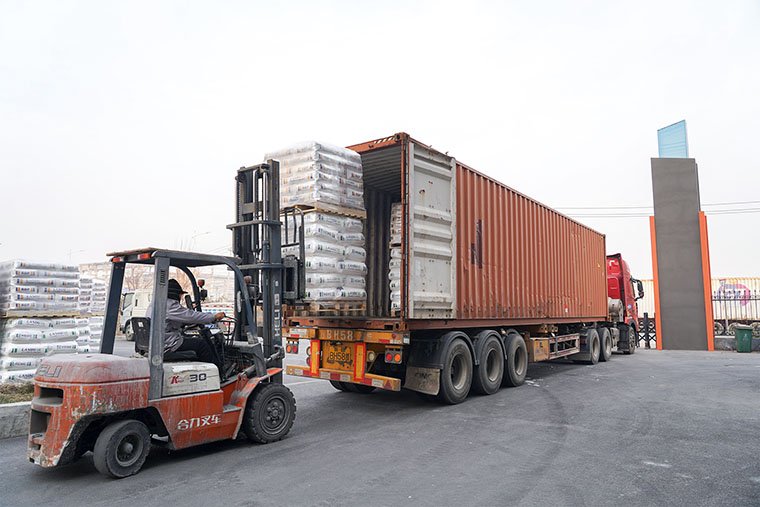
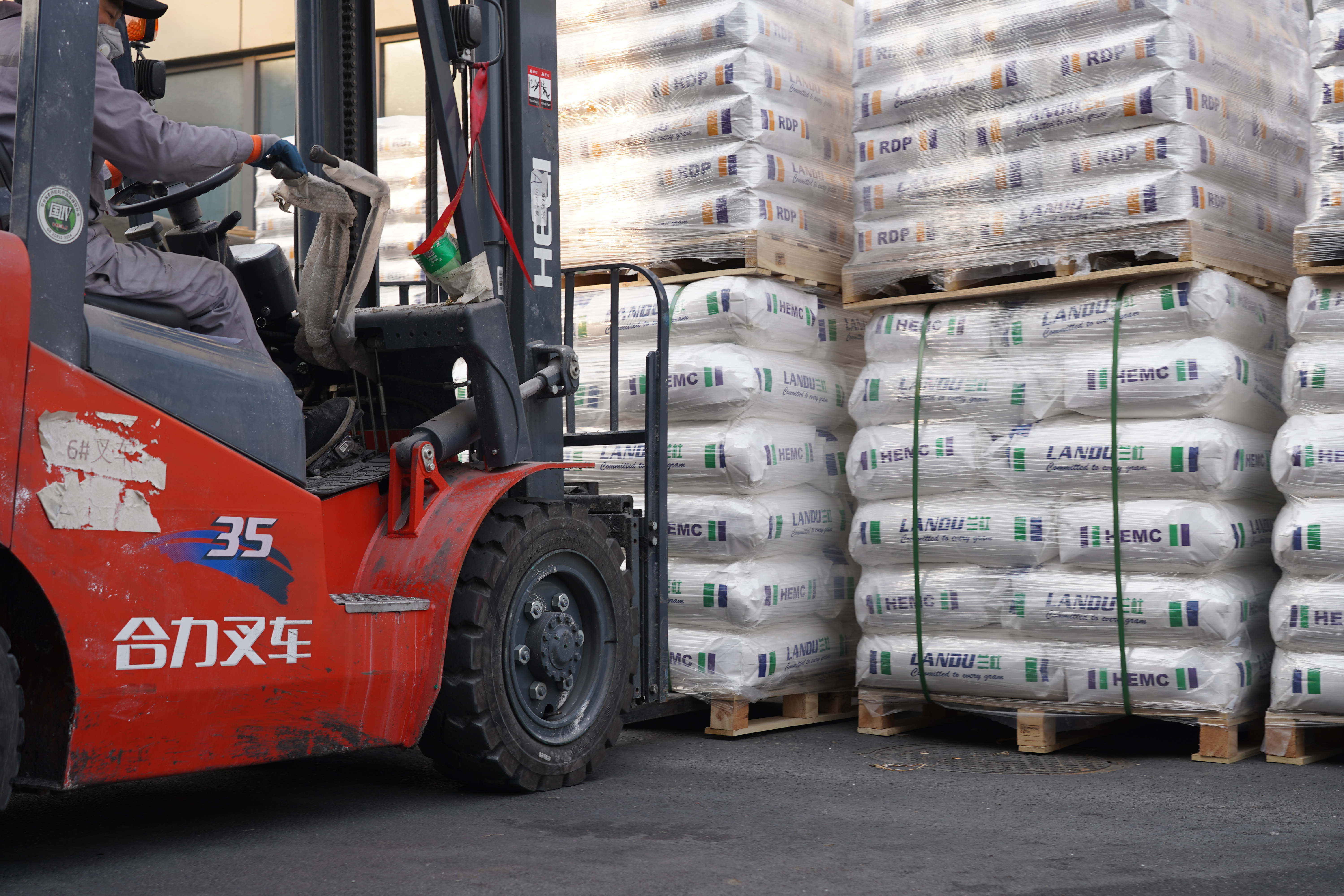 25 kg · Sealed · GMP
LANDERCOLL can provide product-related documents to support pharmaceutical evaluation, purchasing review, quality assessment, and internal approval processes.
| Document Type | الغرض |
|---|---|
| ورقة البيانات الفنية | Grade specifications, viscosity, and physical properties |
| Safety Data Sheet | Handling, storage, and safety information |
| شهادة تحليل | تأكيد الجودة الخاص بالدفعة |
| Product Specification | Detailed grade parameters |
| Pharmaceutical Grade Statement | Where applicable |
| Pharmacopoeia-Related Information | Where applicable |
| Microbiological / Heavy Metals Data | Where applicable |
| Residual Solvent Information | Where applicable |
| Allergen / GMO / TSE-BSE Statements | Where applicable |
| Packaging & Storage Information | Packaging specs and storage requirements |
| Export Documentation | Where applicable, for import/customs purposes |
If your tablet coating system has poor film formation, unstable viscosity, rough surface, color variation, spray inconsistency, cracking, sticking, peeling, or poor coating uniformity — the HPMC grade and coating formulation may need to be reviewed.
LANDERCOLL can help evaluate suitable HPMC grade directions based on your coating type, viscosity target, solvent system, coating equipment, tablet core properties, and documentation requirements.
HPMC grade selection for tablet coating
Coating viscosity direction and solids content guidance
Film-forming performance support
Pigmented coating formulation discussion
Coating process compatibility review
Pharmaceutical documentation support
Sample and quotation communication
Long-term qualified supply discussion
HPMC, also known as hypromellose, is the most widely used cellulose ether in pharmaceutical tablet coating systems. It acts as the primary film-forming polymer, helping create a smooth, uniform coating layer on the tablet surface.
HPMC helps form a smooth and uniform coating film, control coating solution viscosity, support spray consistency, improve tablet appearance, and provide surface protection depending on the formulation design and coating process.
Yes. Suitable pharmaceutical-grade HPMC can be used in pigmented coating systems, where it helps support film formation, coating solution viscosity, and suspension stability of pigments and opacifiers.
Yes. Suitable low viscosity HPMC grades are commonly used in immediate-release film coating systems. Final disintegration and dissolution behavior should be confirmed through formulation testing and product validation.
HPMC coating performance is affected by viscosity grade, polymer concentration, plasticizer type and level, pigment system, solvent system, spray rate, drying conditions, coating equipment type, and tablet core properties. All of these factors should be considered together during formulation development.
The dosage depends on coating formulation design, solids content, target viscosity, coating weight gain, and process requirements. There is no universal standard — final dosage should be confirmed through coating trials and product validation.
HPMC can help improve film formation, viscosity control, and coating uniformity, but coating defects may also be caused by process conditions, plasticizer balance, tablet core quality, drying rate, spray settings, and equipment setup. A systematic approach to formulation and process optimization is recommended.
No. Tablet coating requires suitable pharmaceutical-grade HPMC with appropriate specifications, documentation, and customer qualification. Industrial or construction-grade HPMC is not appropriate for pharmaceutical use.
Lower viscosity grades are typically preferred for tablet coating because they provide better sprayability and thinner film formation. However, the optimal viscosity grade depends on the coating system, solids content, process equipment, and target performance. LANDERCOLL can help recommend suitable grade directions.
Start with coating type, target viscosity, coating process equipment, tablet core properties, solvent system, coating weight gain target, and documentation requirements. LANDERCOLL can help recommend suitable pharmaceutical-grade HPMC directions for evaluation and testing.
Whether you develop clear film coating, pigmented coating, protective coating, immediate-release coating, color coating، أو selected functional tablet coating systems — LANDERCOLL can help you choose suitable pharmaceutical-grade HPMC for better film formation, viscosity control, coating uniformity, and process stability.
Our team supports pharmaceutical manufacturers with grade recommendations, viscosity direction guidance, documentation support, sample supply, and qualified long-term supply discussion.
Pharmaceutical-Grade HPMC for Tablet Coating · Film Coating · Coating Uniformity · Surface Protection · Hypromellose · USP · EP · JP
