Excelência em Éter de Celulose — Confiável por mais de 1000 empresas globalmente Obter amostra grátis

Construção, Revestimentos, Cuidados Domésticos, Cuidados Pessoais, Farmacêuticos, Alimentação, Cerâmica, Petróleo & Indústria — nove setores, um ateliê.
 i. Construção
 ii. Tintas
 v. Pharma
 vi. Comida
Diferentes indústrias usam éter de celulose por diferentes razões. Em materiais de construção, é frequentemente escolhido por sua retenção de água, trabalhabilidade, tempo aberto e desempenho antigotejamento. Em tintas e revestimentos, é valorizado por sua capacidade de espessamento, controle reológico, nivelamento e estabilidade de armazenamento. Em produtos de cuidados domésticos e pessoais, ajuda a criar a viscosidade, textura e consistência do produto adequadas. Em sistemas farmacêuticos e alimentícios, pode auxiliar na ligação, estabilização, controle de textura e confiabilidade do processo.
Como cada aplicação tem seus próprios requisitos técnicos, selecionar o éter de celulose correto não se trata simplesmente de escolher um nome de produto. Requer compreensão do sistema de formulação, processo de produção, mercado-alvo e desempenho esperado no uso final.
A LANDERCOLL ajuda os clientes a combinar a solução de éter de celulose certa com o ambiente de aplicação adequado, para que o desenvolvimento de produtos e a produção industrial possam avançar com maior confiança.
Esta página fornece uma visão geral dos principais setores de aplicação que atendemos e dos desafios de formulação que o éter de celulose pode ajudar a resolver.
Os produtos de éter de celulose LANDERCOLL são usados em uma ampla gama de indústrias onde o controle de viscosidade, trabalhabilidade, gerenciamento de água, estabilização, textura e consistência da formulação são críticos. Cada bloco abaixo marca um território de aplicação — clique para entrar.





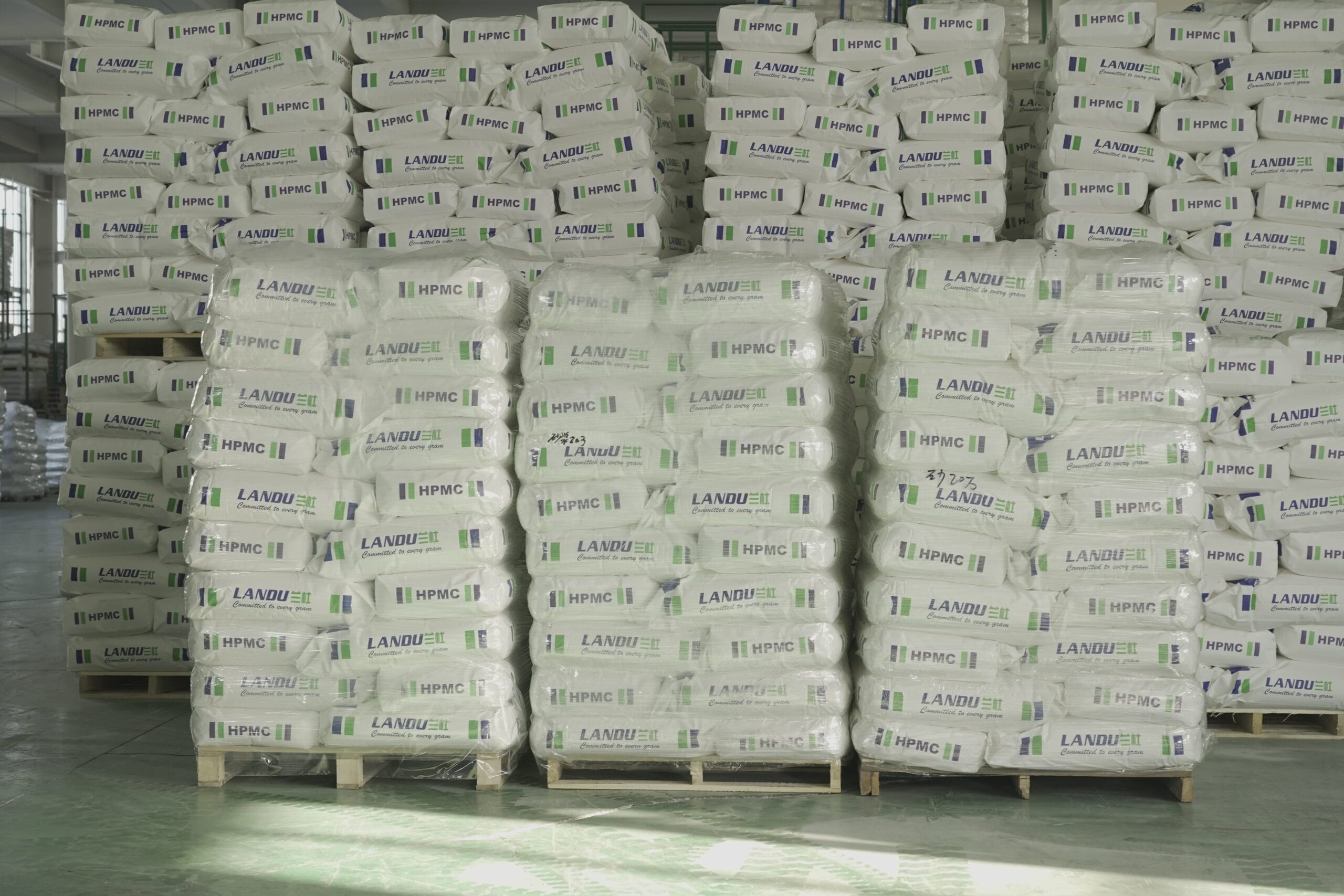

A construção é uma das áreas de aplicação mais importantes para o éter de celulose. Em sistemas à base de cimento e gesso, o éter de celulose é amplamente utilizado para melhorar a retenção de água, trabalhabilidade, desempenho antigotejamento, comportamento relacionado à adesão, consistência e sensação de aplicação. Ajuda empreiteiros e usuários finais a obterem melhor manuseio durante a aplicação, ao mesmo tempo que ajuda os fabricantes a produzirem formulações secas mais confiáveis.
Em muitos produtos de materiais de construção, o éter de celulose contribui para uma mistura mais fácil, espalhamento mais suave, tempo aberto melhorado e comportamento de umidade mais controlado. Essas propriedades são importantes porque as formulações de construção devem ter desempenho não apenas na fábrica e durante o armazenamento, mas também no canteiro de obras sob condições reais de operação.
Para os fabricantes, o éter de celulose certo pode melhorar a consistência da produção e ajudar a diferenciar a qualidade do produto final. Para os aplicadores, pode ajudar a tornar os produtos mais fáceis de espalhar, modelar e finalizar.
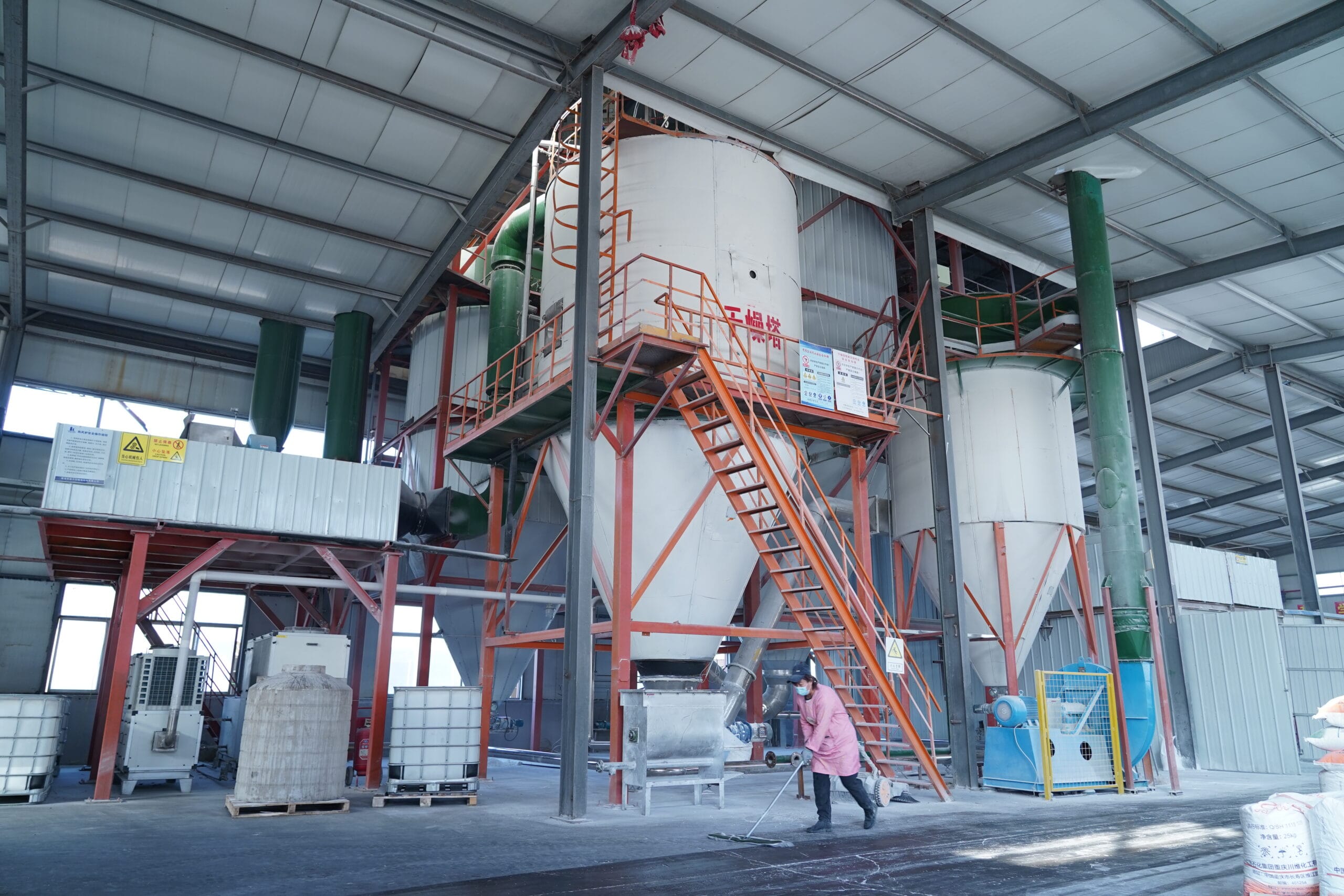
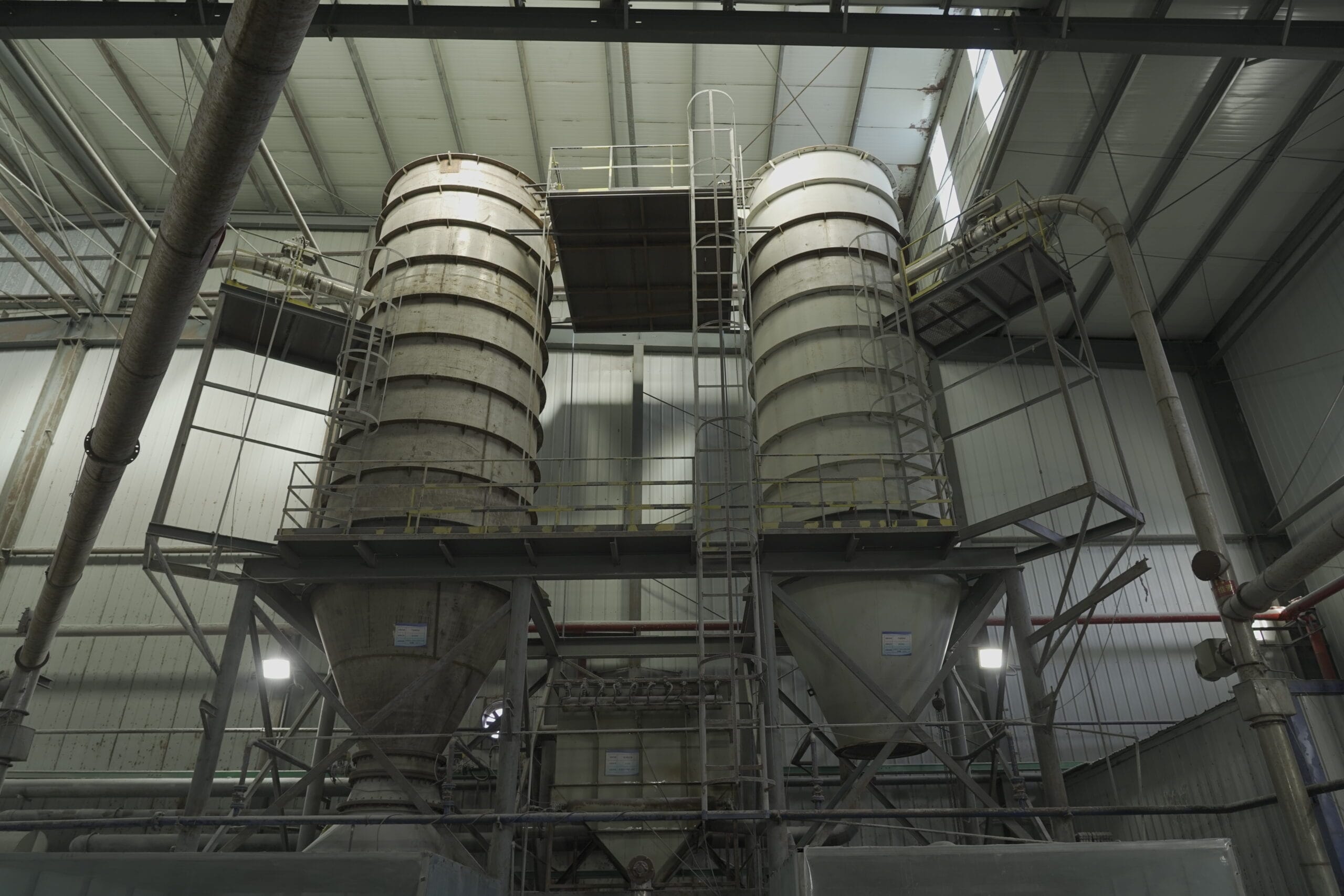
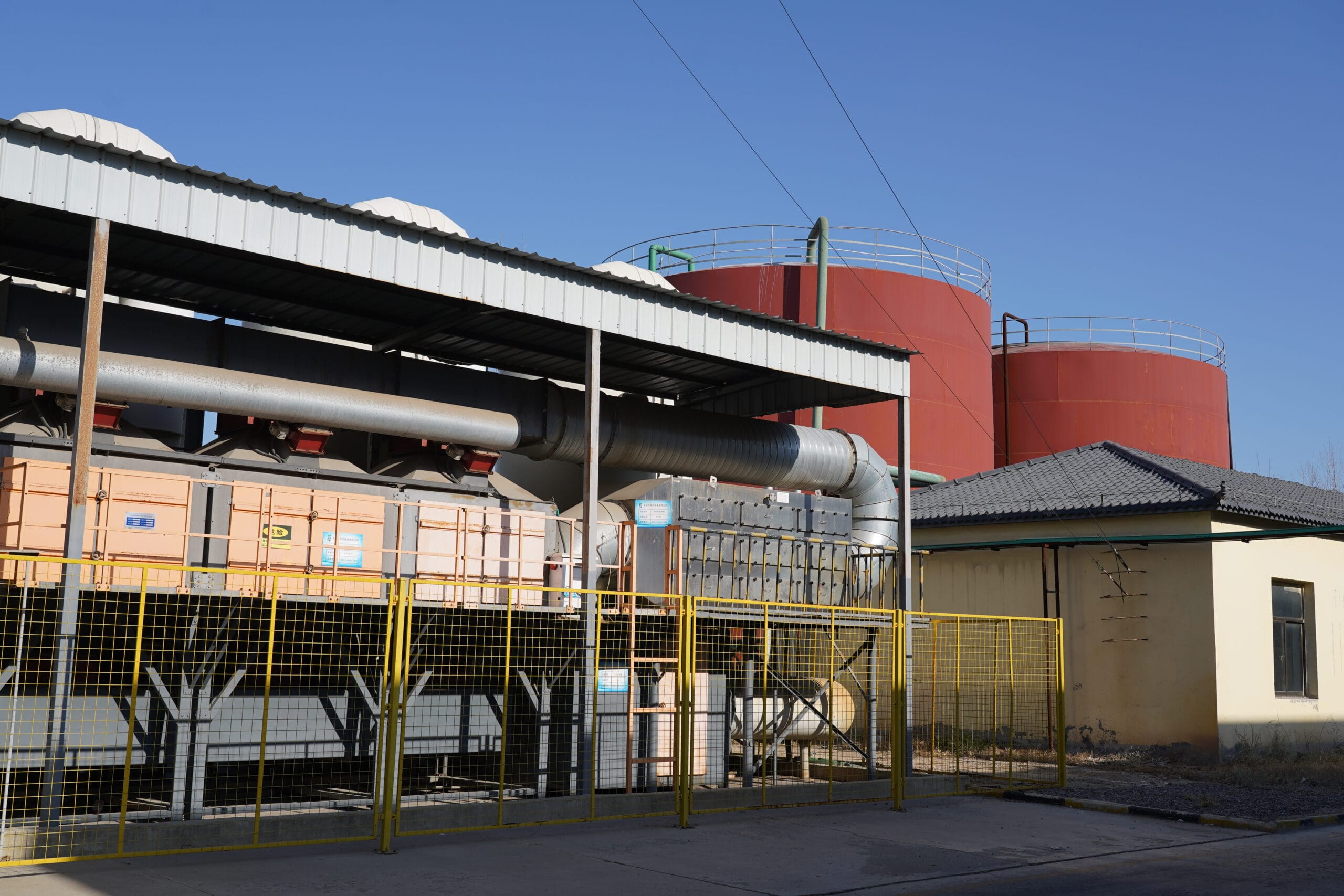
Reologia confiável, nivelamento e estabilidade de armazenamento para sistemas modernos de revestimento à base de água.
Em tintas e revestimentos, o éter de celulose é usado principalmente para suporte ao espessamento, controle reológico, comportamento de fluxo, nivelamento, propriedades de pincelamento, aplicação com rolo, suspensão de pigmentos e estabilidade de armazenamento. Uma formulação de revestimento bem projetada deve permanecer estável no recipiente, aplicar-se suavemente durante o uso e formar uma superfície consistente após a secagem.
Fabricantes de tintas à base de água frequentemente precisam equilibrar o aumento da viscosidade, facilidade de aplicação, comportamento antiespato, nivelamento, controle de escorrimento e desempenho de armazenamento. O éter de celulose correto pode ajudar a melhorar esse equilíbrio e apoiar tanto a eficiência da produção quanto a experiência do usuário.



Controlled viscosity, refined texture, and stable appearance for modern cleaning products where both performance and user experience matter.
In household cleaning products, cellulose ether is commonly used to adjust viscosity, improve texture, support appearance, and help stabilize product systems. In liquid detergents and cleaning formulations, the right thickening system is important not only for product handling and dispensing, but also for consumer perception and brand positioning.
Manufacturers often need a formulation that is easy to pour, easy to spread, visually stable, and pleasant to use. Cellulose ether supports these objectives while also helping maintain consistency during storage and transportation.
Balanced viscosity, refined texture, and stable formulations for products where sensory feel matters.
Cellulose ether is widely used in personal care products because texture, stability, appearance, and user experience are central to product quality in this sector. Whether the product is a shampoo, body wash, hand soap, facial cleanser, lotion, or cream, formulators often need ingredients that help create a smooth and stable system with the right feel during application.
In this application area, cellulose ether can support viscosity adjustment, suspension behavior, texture development, and formulation consistency. It may also help improve the overall sensory profile of the product by contributing to a more refined and controlled texture.

Functional cellulose derivatives for binding, coating, controlled release, and formulation support.



In pharmaceutical formulations, cellulose derivatives are valued for their functional versatility and reliable performance in excipient-related applications. Depending on the product type and formulation design, cellulose ether may be used in roles such as binding, coating, controlled release support, stabilization, or process assistance.
Pharmaceutical manufacturing requires strict attention to consistency, functionality, and formulation design. The selected excipient must support both process efficiency and final dosage performance. Cellulose ether solutions used in this field are therefore chosen with close attention to grade suitability, target use, and formulation compatibility.
For companies working in pharmaceutical development and production, cellulose ether can provide practical value in a wide range of oral solid dosage and related formulation systems.
Texture, stability, consistency, and water management for food systems where every detail of formulation matters.
 bakery systems
 sauces & dressings
 dairy formulations
In food systems, cellulose derivatives are used where texture, stability, consistency, water management, and process control are important. Food manufacturers often need ingredients that can support product appearance, improve handling behavior, and contribute to a more stable finished system.
Depending on the application, cellulose-based ingredients may be used to help manage viscosity, improve texture, support suspension, stabilize product structure, or maintain uniformity in processing and storage.
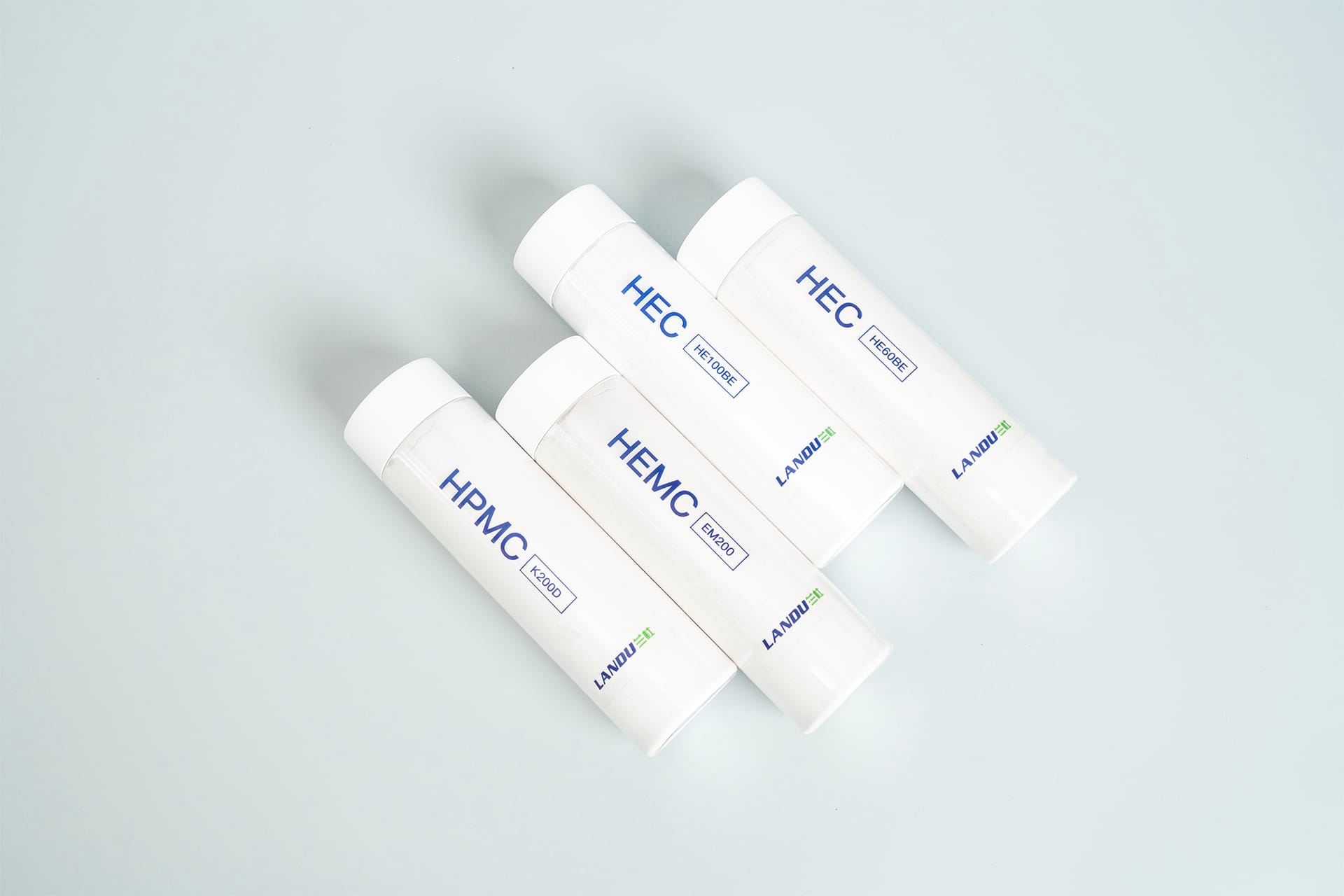
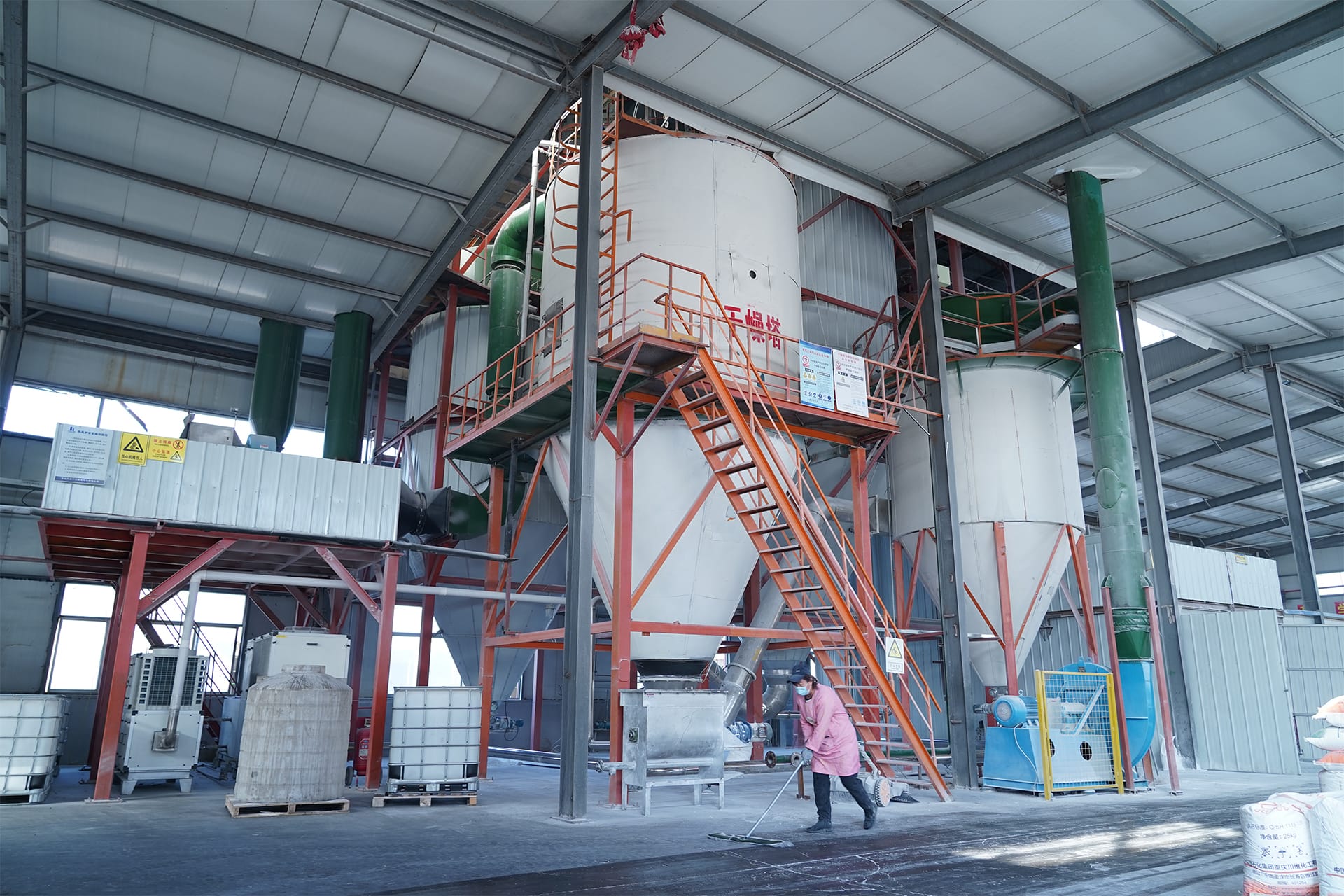

Binding performance, workability, and process consistency for ceramic formulation systems — from pressing to extrusion.
In ceramic processing, cellulose ether can play an important role in supporting binding performance, workability, shaping behavior, and process consistency. Ceramic systems often require careful control of moisture, plasticity, handling properties, and green strength before firing.
Manufacturers working in ceramic formulations may use cellulose-based additives in systems such as tile bodies, glaze preparation, extrusion processes, or pressing applications.
Viscosity control, fluid behavior, and process stability for demanding operational environments.
In oilfield systems, cellulose ether and related cellulose derivatives may be used where viscosity control, fluid behavior, and process stability are required. These applications often demand practical performance under challenging operating conditions, making additive selection an important part of fluid formulation design.
Oilfield-related formulations such as drilling fluids and other service systems need to maintain suitable rheology and system behavior to support process effectiveness.
viii · rig · schema
Beyond the major sectors listed above, cellulose ether is also used in a variety of industrial formulations where thickening, binding, stabilization, suspension control, and process consistency are required.
These additional application areas may include adhesives, paper-related systems, textile printing, welding materials, specialty fluids, and other industrial products where formulation performance must be carefully balanced with processing needs.





A cellulose ether product that performs well in one application may not be the best choice for another. That is why an application-based selection process is essential. Instead of choosing a product only by name, buyers and formulators should consider how the product needs to perform in a real working system.
Factors such as viscosity profile, dissolution behavior, water retention, anti-sag performance, texture, suspension support, and storage stability all influence the final result. LANDERCOLL supports customers by helping connect product type with practical application needs — reducing development time, improving formulation efficiency, and supporting more reliable production outcomes.
Our team can help you review the application, identify key performance goals, and recommend suitable product options for evaluation — across construction, coatings, detergents, personal care, pharma, food, ceramics, and specialty sectors.
Tell us about your formulation goals, processing method, and target market. We'll review the application, identify key performance priorities, and recommend suitable cellulose ether grades for your trial stage.
Share your current setup, challenges, and performance targets. We'll help you evaluate alternative grades, troubleshoot inconsistencies, and work towards more reliable production outcomes with application-oriented recommendations.
To help customers better understand formulation design and product selection, LANDERCOLL provides technical articles, application guides, brochures, FAQs, and other useful resources. Each "issue" below is a curated collection — designed to support research, sourcing decisions, and product development across multiple industries.
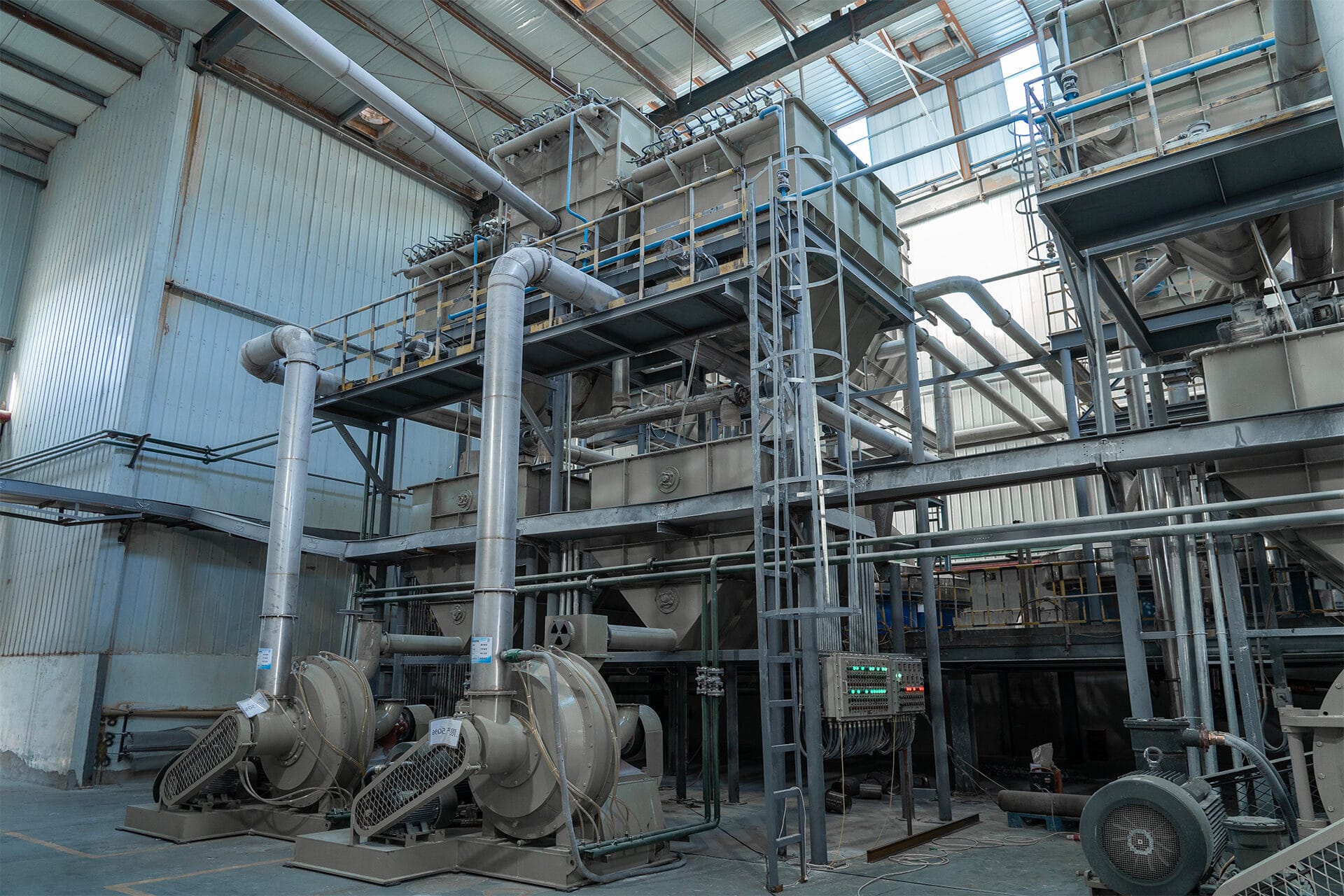
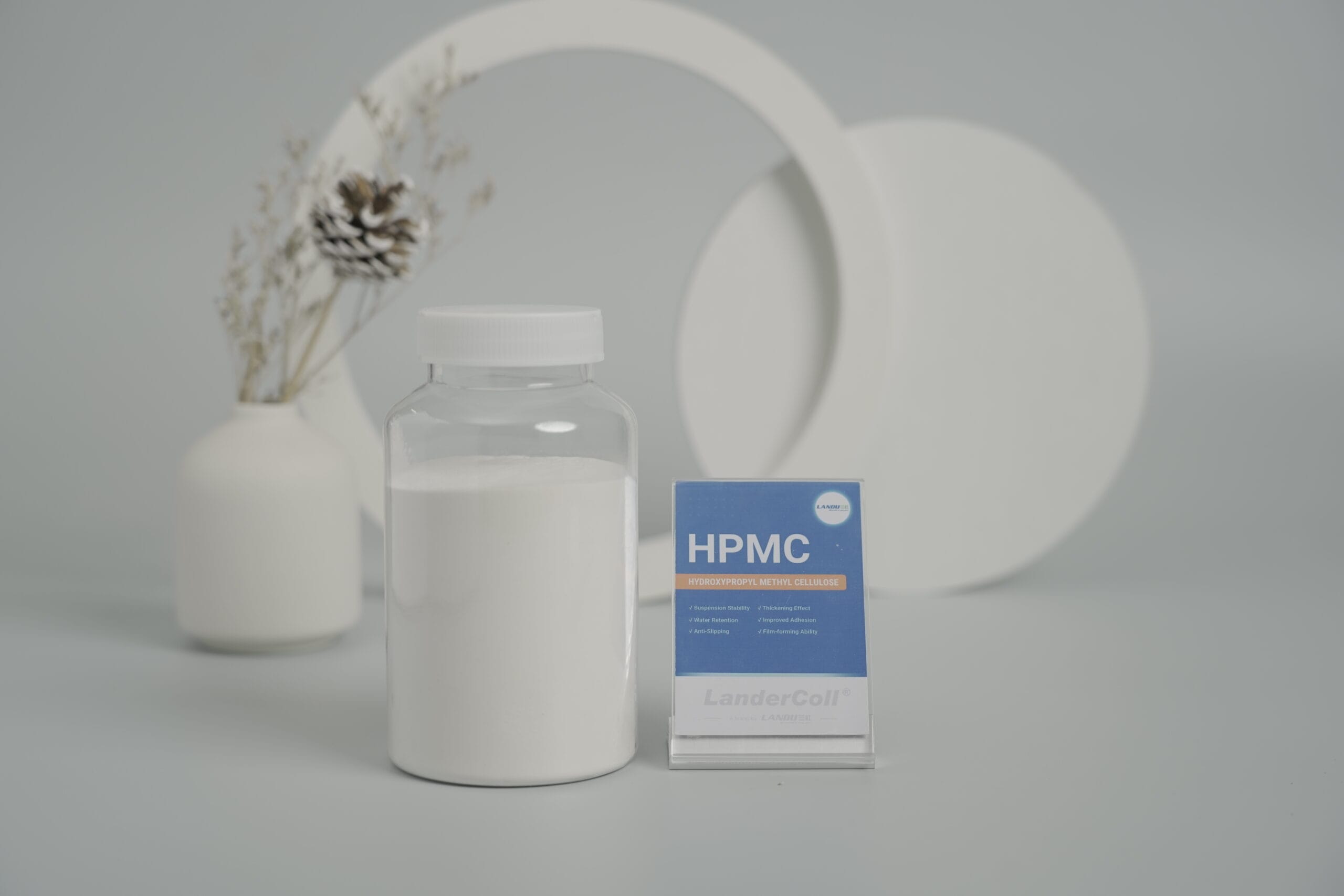
Explore our application sectors, discover how cellulose ether improves formulation performance, and connect with LANDERCOLL for support tailored to your product and market needs.
