Excelência em Éter de Celulose — Confiável por mais de 1000 empresas globalmente Obter amostra grátis
Soluções de CMC e HPMC de grau alimentício para estabilidade ao congelamento e descongelamento, controle de umidade, retenção de textura, gerenciamento de cristais de gelo e consistência de processamento em formulações de alimentos congelados.
LANDERCOLL éter de celulose grau alimentício ajuda fabricantes de alimentos congelados a melhorar a textura do produto, retenção de umidade, estabilidade ao congelamento e descongelamento, controle de cristais de gelo e consistência da formulação em refeições prontas congeladas, massas congeladas, sobremesas congeladas, vegetais congelados e sistemas selecionados de alimentos congelados.
 Pratos Prontos
 Massa Congelada
 Sobremesas Congeladas
 Legumes Congelados
Éter de celulose de grau alimentício para estabilidade ao congelamento e descongelamento, retenção de umidade, controle de cristais de gelo e consistência de textura em massa congelada, refeições prontas, sobremesas, vegetais, recheios e sistemas alimentares congelados selecionados.
CMC de grau alimentício é amplamente utilizado em sistemas de alimentos congelados para retenção de umidade, ligação de água, estabilidade ao congelamento e descongelamento, redução de perda por gotejamento e suporte de textura em refeições prontas congeladas, vegetais, recheios e molhos. HPMC é especialmente valioso em massa congelada e aplicações de panificação congelada onde as propriedades de retenção de água e o comportamento de gelificação térmica suportam a estabilidade da massa e o desempenho de cozimento. As dosagens iniciais típicas variam de 0.1%–2.0%, dependendo do tipo de produto e dos requisitos de congelamento e descongelamento.

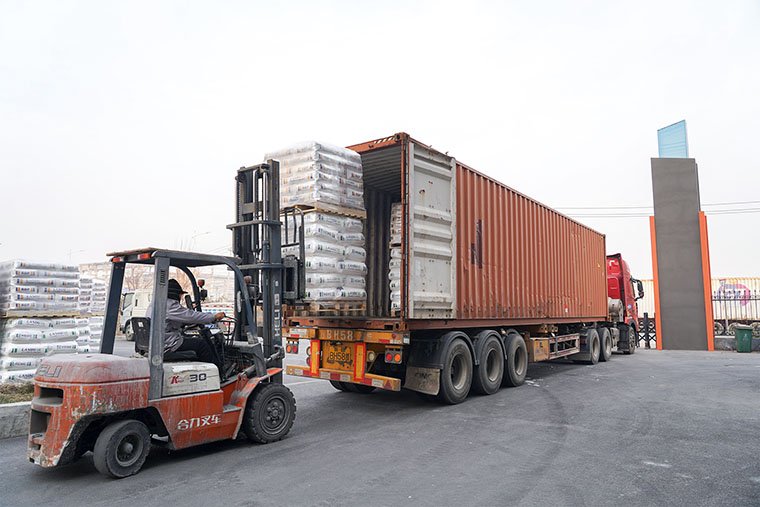 Congelamento-Descongelamento · Umidade · Textura
Os produtos alimentícios congelados enfrentam desafios únicos de formulação que não existem em sistemas alimentares em temperatura ambiente ou refrigerados. Durante o congelamento, armazenamento, transporte e descongelamento, a umidade migra, os cristais de gelo crescem, as texturas se degradam e a integridade estrutural pode ser comprometida. Gerenciar essas mudanças requer ingredientes funcionais que possam ligar a água, suportar a estrutura e manter a qualidade do produto em todo o ciclo de congelamento e descongelamento.
LANDERCOLL fornece CMC e HPMC de grau alimentício adequado para aplicações selecionadas de alimentos congelados. A CMC é amplamente utilizada para retenção de umidade, ligação de água, estabilidade de suspensão e suporte de textura em sistemas congelados. A HPMC é especialmente valiosa em massa congelada e sistemas selecionados de panificação congelada onde seu comportamento de gelificação térmica e propriedades de retenção de água ajudam a suportar a estrutura durante o descongelamento e cozimento.
Um grau adequado de éter de celulose pode ajudar os fabricantes de alimentos congelados a reduzir a perda de umidade, minimizar danos por cristais de gelo, melhorar a textura após o descongelamento, suportar o manuseio da massa em sistemas de panificação congelada e manter uma qualidade de produto mais consistente em toda a cadeia de frio.
Procurando éter de celulose de grau alimentício para sua formulação de alimentos congelados?
Solicite uma Recomendação de ProdutoA categoria de alimentos congelados é uma das mais tecnicamente exigentes na fabricação de alimentos, exigindo ingredientes que suportem congelamento, armazenamento congelado e descongelamento sem perda significativa de qualidade.
| Categoria do Produto | Principais Desafios de Formulação |
|---|---|
| Massa Congelada | Estabilidade ao congelamento e descongelamento, viabilidade do fermento, manuseio da massa, desempenho de panificação |
| Pão Congelado e Panificação | Retenção de umidade, textura do miolo, volume após o cozimento |
| Sobremesas Congeladas e Sorvete | Controle de cristais de gelo, textura, comportamento de derretimento |
| Refeições Prontas Congeladas | Retenção de textura, controle de umidade, estabilidade do molho |
| Legumes Congelados | Perda de umidade, degradação da textura, perda de exsudação |
| Recheios e Coberturas Congelados | Estabilidade ao congelamento e descongelamento, viscosidade, consistência da textura |
| Produtos de Carne e Frutos do Mar Congelados | Retenção de umidade, perda de exsudação, textura após descongelamento |
| Massas e Macarrão Congelados | Textura, controle de umidade, qualidade da superfície |
| Sopas e Molhos Congelados | Estabilidade da viscosidade, separação de fases, textura |
O processo de congelamento cria um estresse físico significativo nas estruturas dos alimentos. A água se expande ao congelar, formando cristais de gelo que rompem as paredes celulares e interrompem as redes de gel. A celulose éter grau alimentício ajuda a ligar a água, modificar a formação de cristais de gelo, suportar a integridade estrutural e manter a consistência da textura ao longo do ciclo de congelamento e descongelamento.
LANDERCOLL fornece CMC e HPMC de grau alimentício para aplicações selecionadas em alimentos congelados. Todas as seleções de grau devem ser confirmadas por meio de testes de congelamento e descongelamento, avaliação sensorial e qualificação de segurança alimentar do cliente.
Carboximetilcelulose de grau alimentício para retenção de umidade e estabilidade
CMC é amplamente utilizado em formulações selecionadas de alimentos congelados porque proporciona forte capacidade de ligação de água, modificação de viscosidade e suporte de textura em sistemas alimentares aquosos. Em alimentos congelados, a CMC ajuda a reduzir a perda por gotejamento, limitar a migração de umidade, suportar a estabilidade de suspensão em molhos e recheios congelados e manter a consistência da textura após o descongelamento.
Hidroxipropilmetilcelulose de grau alimentício para massa congelada e panificação
HPMC é especialmente valioso em aplicações de massa congelada e panificação congelada. Suas propriedades de retenção de água ajudam a manter a umidade da massa durante o congelamento e descongelamento, enquanto seu comportamento de gelificação térmica suporta a formação de estrutura durante a etapa de cozimento. O HPMC também pode ser considerado em formulações selecionadas de sobremesas congeladas e alimentos congelados especiais.
Diferentes sistemas de alimentos congelados exigem diferentes perfis de desempenho de éteres de celulose. A tabela abaixo fornece uma referência prática de seleção para formuladores de alimentos e desenvolvedores de produtos.
Freeze-thaw stability, dough handling, baking performance
Moisture retention, volume, crumb texture after baking
Structure support, moisture retention, crumb quality
Controle de cristais de gelo, textura, comportamento de derretimento
Retenção de textura, controle de umidade, estabilidade do molho
Drip loss reduction, moisture retention, texture
Estabilidade ao congelamento e descongelamento, viscosidade, consistência da textura
Moisture retention, drip loss reduction, texture
Textura, controle de umidade, qualidade da superfície
Viscosity stability, phase separation control, texture
Frozen food formulations vary widely by product type, moisture content, fat level, protein content, starch system, and processing method.
| Componente | Function in Frozen Food Formulations |
|---|---|
| Água | Primary moisture source and freeze-thaw medium |
| Éter de Celulose (CMC / HPMC) | Moisture retention, freeze-thaw stability, texture support |
| Starch / Modified Starch | Thickening, texture, freeze-thaw stability support |
| Proteins | Structure, water binding, texture |
| Gordura / Óleo | Richness, mouthfeel, texture |
| Emulsificantes | Texture, fat distribution, freeze-thaw support |
| Salt / Seasoning | Flavor and preservation support |
| Açúcar / Adoçantes | Sweetness, texture, freezing point adjustment |
| Estabilizantes / Hidrocoloides | Texture, water management, freeze-thaw stability |
| Leavening Agents | Volume and texture in frozen bakery systems |
| Conservantes | Shelf-life support where applicable |
| Outros Ingredientes Funcionais | Adjust texture, nutrition, stability, or processing behavior |
Cellulose ether dosage in frozen food products depends on product type, moisture content, target texture, fat level, starch system, and freeze-thaw requirements.
These dosage ranges are starting references only. Final dosage should be confirmed through freeze-thaw testing, drip loss measurement, texture analysis, viscosity testing, sensory evaluation, and shelf-life trials under actual frozen storage and distribution conditions.
Cellulose ether helps improve product stability through freeze-thaw cycles by supporting water binding, limiting ice crystal growth, and maintaining structural integrity — particularly important for products that may experience temperature fluctuations during distribution and retail storage.
One of the most important functions of cellulose ether in frozen foods is its ability to bind water and reduce drip loss upon thawing. By holding water within the food matrix, cellulose ether helps maintain product weight, texture, and eating quality.
CMC can help limit the growth of ice crystals during frozen storage through its water-binding properties. Smaller, more uniform ice crystals result in less structural damage to the food matrix and better texture retention after thawing.
Cellulose ether supports the structural integrity of frozen food products, helping them maintain a more acceptable texture after thawing — critical for frozen ready meals, vegetables, and meat and seafood products.
In frozen dough systems, HPMC helps maintain dough moisture and workability during freezing and thawing. Its thermal gelation behavior supports structure formation during baking, helping frozen dough products achieve good volume, crumb structure, and surface quality.
In frozen ready meals and frozen fillings, CMC helps maintain sauce viscosity, prevent phase separation, and support texture consistency after thawing and reheating — ensuring acceptable quality to the consumer after microwave or oven reheating.
Suitable cellulose ether grades help maintain predictable behavior during mixing, forming, filling, and freezing operations — supporting consistent product quality across production batches and reducing quality variation in the finished frozen product.
Cellulose ether can help improve many frozen food quality challenges, but final product performance depends on moisture content, fat level, protein content, starch system, freezing rate, storage temperature, thawing method, packaging, and complete formulation design.
Poor water binding, weak structure, ice crystal damage.
CMC improves water binding and reduces drip loss.
Ice crystal damage, moisture migration, weak matrix.
Supports structural integrity and moisture retention.
Temperature fluctuation, poor water binding.
CMC helps limit ice crystal growth.
Phase separation, viscosity loss, poor stabilizer system.
CMC maintains sauce viscosity and stability.
Weak structure, poor moisture retention, yeast damage.
HPMC supports dough stability and baking performance.
High drip loss, poor water binding.
Improves water-holding capacity.
Moisture loss, weak structure, gluten damage.
HPMC supports moisture and structure in frozen bakery.
Freeze-thaw stress, starch retrogradation, poor stabilizer.
CMC supports viscosity stability in frozen sauce systems.
Understanding the key variables that influence cellulose ether behavior in frozen food systems is essential for successful formulation development.
Higher moisture increases freeze-thaw stress and the demand for water-binding capacity.
Fast freezing produces smaller ice crystals; slow freezing causes larger crystal formation.
Temperature fluctuations accelerate ice crystal recrystallization and quality degradation.
Slow thawing, microwave, or oven reheating affect texture and moisture release differently.
Influence water distribution, texture, and the effectiveness of cellulose ether.
Starch retrogradation during frozen storage interacts with cellulose ether water binding.
Affect freezing point, water activity, and hydration behavior.
Influences CMC hydration, viscosity, and stability in acidified frozen systems.
Too little may be insufficient; too much may create undesirable texture or processing difficulty.
Choosing cellulose ether for frozen food applications requires matching product type, moisture content, freeze-thaw requirements, texture target, and processing conditions. The following questions guide early-stage selection.
What frozen food product are you developing — dough, bakery, dessert, ready meal, vegetable, or sauce?
What is the primary quality challenge — drip loss, texture degradation, ice crystal growth, or sauce separation?
What moisture content and water activity does the product have?
What fat level and protein content are present in the formulation?
What starch or hydrocolloid system is currently used?
What freezing rate and storage temperature conditions apply?
What thawing or reheating method will the consumer use?
What texture target is required after thawing?
What processing steps are involved — mixing, forming, filling, freezing, packaging?
What food-grade documentation is required for the target market?
LANDERCOLL can help review your frozen food formulation direction and recommend suitable food-grade CMC or HPMC grade options for evaluation.
Solicite Recomendação de GrauLANDERCOLL food-grade cellulose ether for frozen food applications is supplied in packaging suitable for protected transportation, storage, and food production handling.
| Parameter | Referência |
|---|---|
| Standard Pack Size | 25 kg per bag or drum (depending on grade) |
| Inner Liner | Moisture-protective inner liner |
| Palletized Packaging | Available upon request |
| Custom Packaging | Available for qualified supply cooperation |
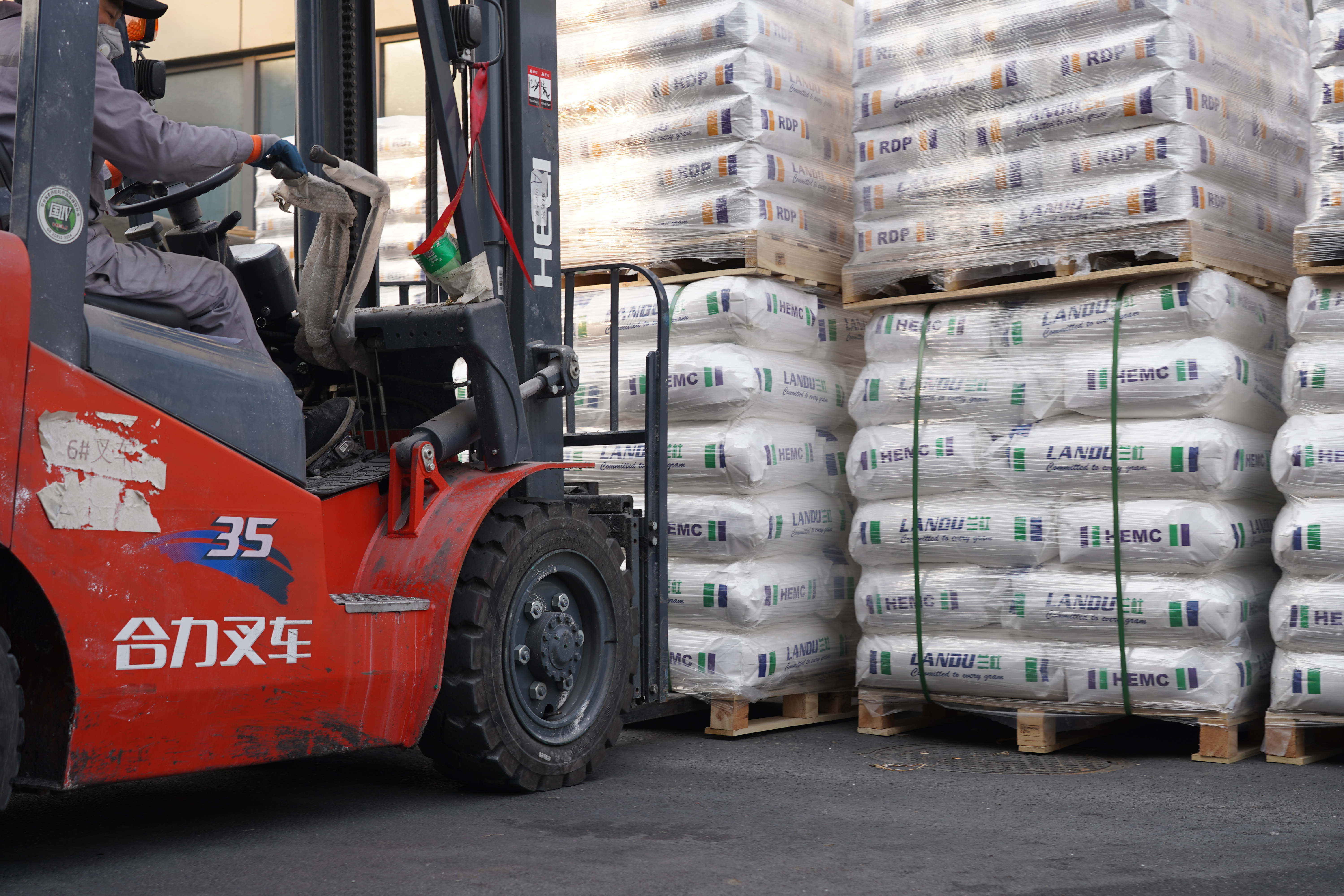 25 kg · Sealed · Food Grade
If your frozen food product has excessive drip loss, texture degradation after thawing, ice crystal damage, sauce separation, poor frozen dough baking performance, watery texture, or inconsistent quality during distribution, the cellulose ether type, grade, and dosage may need to be reviewed.
LANDERCOLL can help evaluate suitable food-grade CMC and HPMC options based on your product type, moisture content, fat level, starch system, freezing conditions, thawing method, texture target, and documentation needs.
Food-grade CMC and HPMC grade selection for your specific frozen food application
Dosage reference based on product type and freeze-thaw requirements
Drip loss reduction support for frozen meat, seafood, and vegetable products
Freeze-thaw stability discussion for frozen ready meals and sauce systems
Frozen dough and bakery support for dough handling and baking performance
Ice cream and frozen dessert texture support for ice crystal management
Documentation support including TDS, SDS, CoA, and food-grade compliance information
Sample and quotation communication for evaluation and commercial planning
LANDERCOLL provides comprehensive food-grade documentation to support frozen food formulation testing, supplier approval, quality review, and regulatory assessment.
| Document | Availability |
|---|---|
| Ficha de Dados Técnicos (TDS) | Available |
| Ficha de Dados de Segurança (FDS) | Available |
| Certificado de Análise (CoA) | Available |
| Product Specification | Available |
| Food-Grade Statement | Where applicable |
| Allergen Statement | Where applicable |
| GMO Statement | Where applicable |
| Halal / Kosher Information | Where applicable |
| Heavy Metals Information | Where applicable |
| Microbiological Data | Where applicable |
| Packaging and Storage Information | Available |
| Export-Related Documents | Where applicable |
Food-grade CMC and HPMC are the primary cellulose ethers used in frozen food applications. CMC is widely used for moisture retention, water binding, freeze-thaw stability, drip loss reduction, and texture support. HPMC is especially valuable in frozen dough and frozen bakery applications where its water-retention properties and thermal gelation behavior support dough stability and baking performance.
CMC helps bind water, reduce drip loss, limit ice crystal growth, support freeze-thaw stability, maintain sauce viscosity, and improve texture retention after thawing in selected frozen food systems. It is effective at low dosage levels and provides a clean functional contribution without significantly altering flavor or appearance.
HPMC helps maintain dough moisture during freezing and thawing, supports dough workability and handling, and contributes to structure formation during baking through its thermal gelation behavior. This helps frozen dough products achieve better volume, crumb structure, and surface quality after baking compared to formulations without HPMC.
Yes. CMC can help improve water-holding capacity in selected frozen meat and seafood formulations, reducing drip loss upon thawing and helping maintain product weight, texture, and eating quality. Final performance depends on protein content, fat level, salt level, and processing conditions.
Yes. CMC can help improve texture consistency and limit ice crystal growth in ice cream and frozen dessert formulations. It contributes to a smoother texture, more controlled meltdown behavior, and better quality maintenance during frozen storage and temperature fluctuations.
Typical starting reference ranges are 0.1%–2.0%, depending on product type, moisture content, cellulose ether grade, and freeze-thaw requirements. Gluten-free frozen bakery systems may require higher levels (0.5%–2.0%), while frozen sauces and ready meals typically use lower levels (0.1%–0.8%). Final dosage should be confirmed through freeze-thaw trials and sensory evaluation.
Yes. CMC can help maintain sauce viscosity, prevent phase separation, and support texture consistency in frozen sauce systems after thawing and reheating. This is particularly important for frozen ready meals where the sauce component must deliver acceptable quality after microwave or oven reheating.
No. Food applications require suitable food-grade cellulose ether with appropriate food safety documentation, regulatory compliance information, and customer qualification. Industrial-grade materials do not meet the purity, safety, and documentation requirements for food use.
Start with product type, primary quality challenge (drip loss, texture, ice crystals, sauce stability), moisture content, fat level, starch system, freezing conditions, thawing method, texture target, and required food-grade documentation. LANDERCOLL can help recommend suitable grade directions for evaluation based on your specific frozen food application.
Whether you produce frozen dough, frozen bread and bakery products, frozen desserts, frozen ready meals, frozen vegetables, frozen fillings, frozen meat and seafood products, frozen pasta, ou frozen soups and sauces — LANDERCOLL can help you choose suitable food-grade CMC or HPMC for freeze-thaw stability, moisture retention, texture improvement, ice crystal management, and processing consistency.
Our food-grade cellulose ether portfolio is supported by full technical documentation, food safety compliance information, and dedicated application support — helping your frozen food development team achieve more consistent product quality from production through to consumer use.
Food-Grade Cellulose Ethers for Frozen Foods, Bakery, Dairy, Sauces & Dressings, Beverage Systems, and Specialty Food Applications.
