Excelência em Éter de Celulose — Confiável por mais de 1000 empresas globalmente Obter amostra grátis
LANDERCOLL éter de celulose ajuda fabricantes de massa de rejunte a melhorar a suavidade de aplicação, estabilidade de preenchimento, retenção de água, retenção de forma, acabamento superficial e consistência da formulação de mistura seca.
Confiável para massa de junta de gesso, massa de junta à base de cimento, composto de junta de gesso, massa para rachaduras em paredes e sistemas de massa de junta seca pronta para uso.
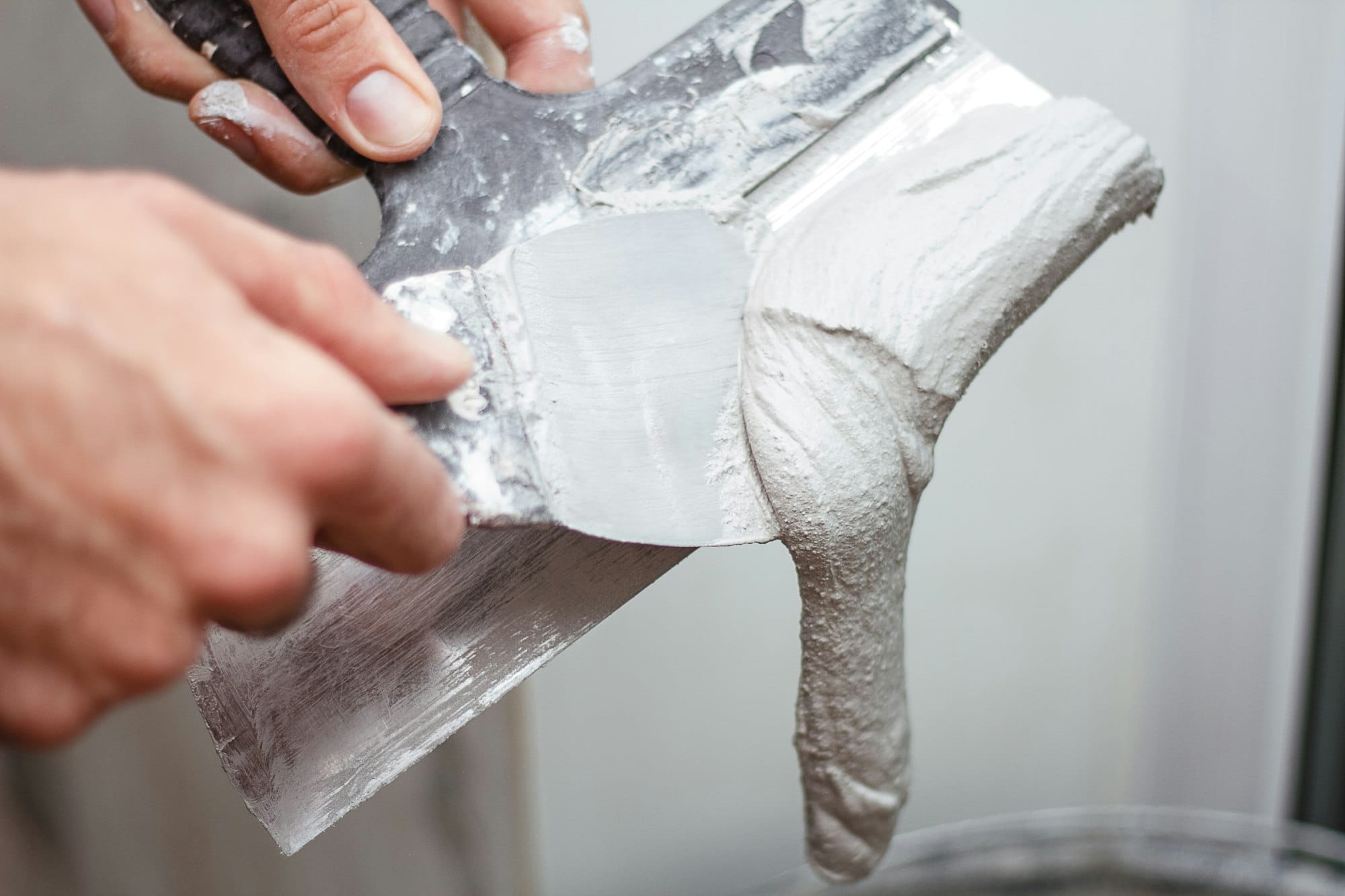
As massas para juntas são usadas para preencher vãos, juntas, rachaduras, costuras e imperfeições superficiais em paredes, tetos, placas, azulejos, alvenaria e outros substratos minerais. Uma massa para juntas confiável deve ser fácil de misturar, suave de aplicar, estável após o preenchimento, trabalhável durante o acabamento e adequada para lixamento ou preparação de superfície após a secagem ou cura.
A LANDERCOLL fornece éter de celulose HPMC e HEMC / MHEC para fabricantes de massa para juntas que precisam de melhor retenção de água, comportamento de preenchimento suave, consistência de formulação, desempenho antigotejamento, retenção de forma e qualidade de acabamento superficial.
O grau certo de éter de celulose ajuda as massas para juntas a permanecerem trabalháveis após a mistura, preencherem juntas suavemente, reduzirem a perda rápida de água, melhorarem a coesão e proporcionarem um comportamento de acabamento mais estável — seja o sistema à base de gesso, à base de cimento, modificado com polímero ou um produto de pó seco pré-misturado.
De costuras finas de placas a rachaduras largas e juntas flexíveis, o éter de celulose suporta um comportamento de preenchimento consistente em massa para juntas de placa de gesso, massa para juntas à base de cimento, composto para juntas de gesso, massa para rachaduras em paredes e sistemas de massa para juntas seca pré-misturada.
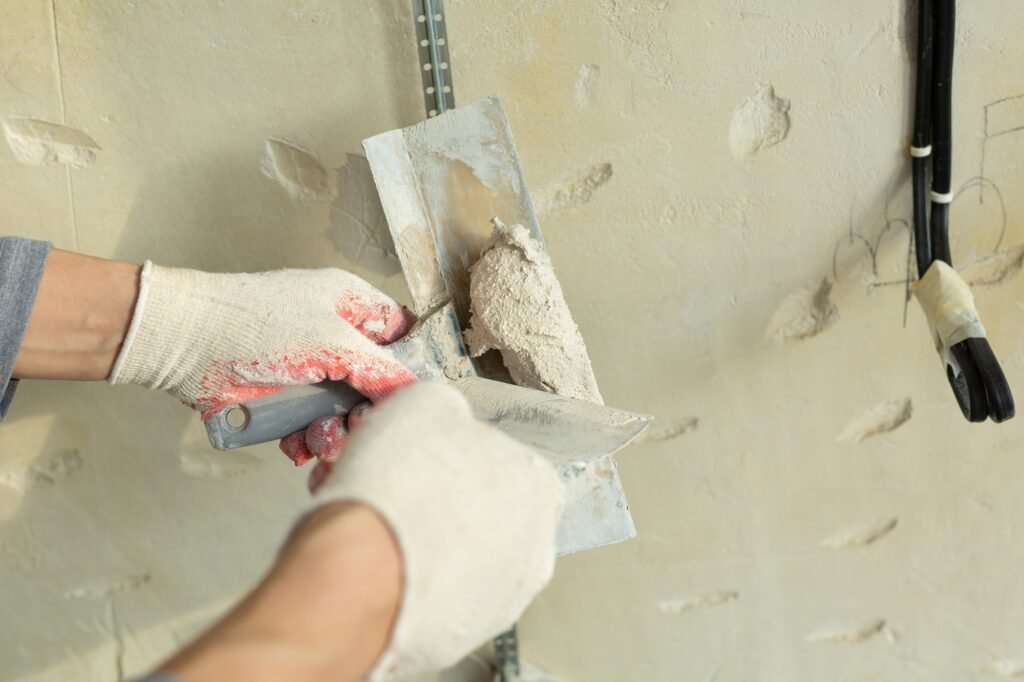
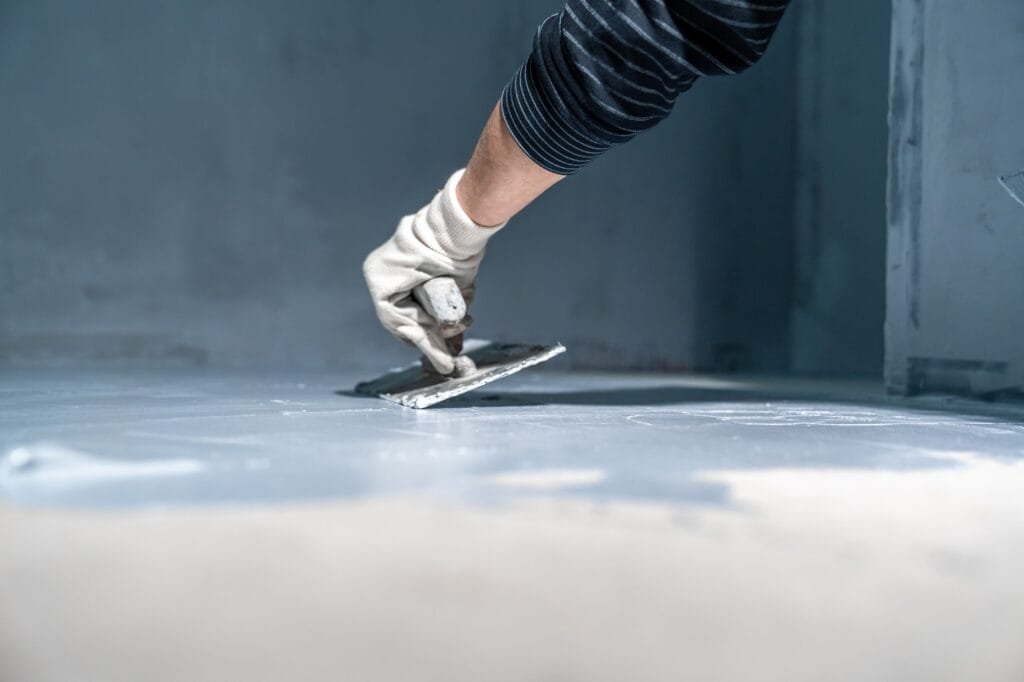
Massas de junta — também chamadas de compostos de junta, massas para rachaduras ou massas para costuras — são materiais de construção usados para preencher juntas, costuras, rachaduras, vãos e defeitos superficiais antes do acabamento, pintura, aplicação de revestimentos cerâmicos, pintura ou outros trabalhos de construção. Dependendo da aplicação, as massas de junta podem ser produtos à base de cimento, à base de gesso, modificados com polímeros ou em pó de mistura seca que são misturados com água no local antes do uso.
Tipos comuns de enchimento de juntas incluem: massa para juntas de gesso (composto para juntas de drywall), massa para juntas à base de cimento, composto para juntas de gesso, massa para rachaduras em paredes, massa para juntas finas, massa para juntas largas, massa para juntas flexível e massa para juntas seca pronta para uso.
Uma formulação típica de massa para juntas inclui cimento ou gesso como aglomerante, cargas, pós finos, pó de polímero redispersível, éter de celulose, retardadores, fibras, aditivos de controle de retração, pigmentos, aditivos hidrofóbicos e outros aditivos funcionais.
Após a mistura com água, o massa para juntas deve proporcionar consistência suave, bom comportamento de preenchimento, retenção de água controlada, estabilidade de forma, baixa flacidez e acabamento superficial adequado. O éter de celulose melhora essas propriedades do material fresco e favorece um desempenho de aplicação mais confiável em todos os tipos de massa para juntas.
Os selantes para juntas são aplicados em juntas finas, juntas largas, fissuras, emendas de placas, vãos em paredes e áreas de superfície irregular. O material deve ser suficientemente fluido para penetrar na junta de forma limpa, mas estável o bastante para permanecer no lugar após a aplicação — especialmente em superfícies verticais e em vãos profundos ou largos.
Sem éter de celulose adequado, os selantes de juntas podem secar muito rápido, escorrer de juntas verticais, encolher excessivamente, tornar-se difíceis de espalhar, apresentar acabamento superficial áspero ou perder consistência durante a aplicação.
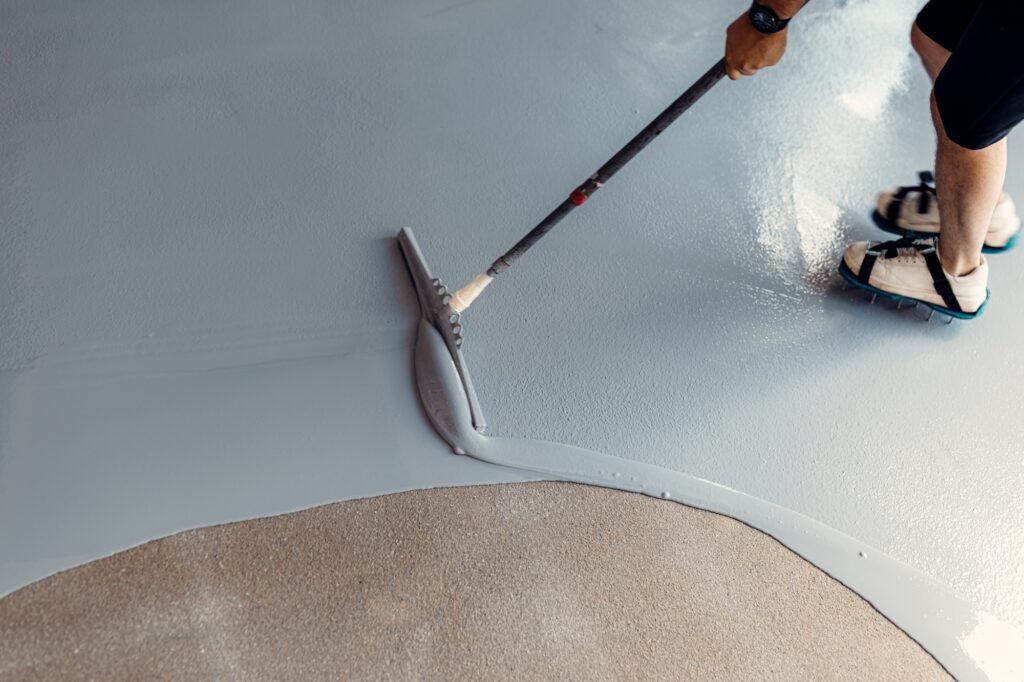
Cellulose ether helps control moisture movement, application feel, and wet structure so the filler remains smooth under the trowel and stable after placement.
Joint filler systems typically use medium viscosity cellulose ether grades at controlled dosage levels to improve water retention, smooth filling, anti-sag behavior, shape retention, and surface finish without creating excessively sticky or difficult-to-finish material.
Hydroxypropyl methylcellulose (HPMC) is the most widely used cellulose ether in joint filler and joint compound formulations. It provides water retention, thickening, workability improvement, and consistency control — helping the material retain moisture after mixing and remain workable during filling, smoothing, and finishing.
In both gypsum-based and cement-based joint fillers, HPMC improves smoothness, reduces harshness, supports stable consistency, and helps create a more uniform surface before painting, coating, or tiling.
HPMC is compatible with gypsum-based, cement-based, and polymer-modified joint filler systems.
Hydroxyethyl methylcellulose (HEMC / MHEC) is well suited for joint filler systems where anti-sag behavior, shape retention, open working time, and stable wet structure are critical performance requirements.
HEMC / MHEC helps improve the wet body of the material — allowing the joint filler to spread smoothly under tool pressure while maintaining enough structure after placement to resist sagging or deformation. This makes it especially valuable for wall crack fillers, wide joint fillers, vertical joint applications, and polymer-modified joint filler systems.
Joint filler formulations vary by binder system, joint width, application thickness, surface requirement, and target market.
| Componente | Function in Joint Fillers |
|---|---|
| Cement / Gypsum | Main binder system depending on product type. |
| Fillers / Fine Powders | Ajuste suavidade, textura, densidade e qualidade da superfície. |
| Agregados Finos | Support structure and filling performance in selected systems. |
| Redispersible Polymer Powder | Supports adhesion-related behavior, flexibility, and durability. |
| Éter de Celulose (HPMC / HEMC) | Improves water retention, workability, anti-sag behavior, and consistency. |
| Retarders | Control setting time in gypsum-based systems. |
| Fibers | Support crack resistance and reinforcement in selected systems. |
| Shrinkage-Control Additives | Help reduce shrinkage risk in selected joint fillers. |
| Pigments / Hydrophobic Additives | Used in selected colored or water-resistant joint filler systems. |
Different joint filler systems require different cellulose ether performance priorities across common application types.
| Tipo de Aplicação | Produto Recomendado | Principais Requisitos de Desempenho |
|---|---|---|
| Massa para Juntas de Placa de Gesso | HPMC / HEMC / MHEC | Smooth filling, open working time, surface finish. |
| Massa para Juntas à Base de Cimento | HPMC / HEMC / MHEC | Water retention, cohesion, anti-sag behavior. |
| Composto para Juntas de Gesso | HPMC / HEMC / MHEC | Smoothness, consistency, finishing behavior. |
| Massa para Rachaduras em Paredes | HEMC / MHEC / HPMC | Filling stability, body, shape retention. |
| Massa para Juntas Finas | Medium viscosity HPMC / HEMC | Fine texture, smooth surface, easy application. |
| Massa para Juntas Largas | Medium–high viscosity HPMC / HEMC | Body, anti-sag behavior, shape retention. |
| Massa para Juntas Flexíveis | HPMC / HEMC / MHEC | Polymer compatibility, workability, cohesion. |
| Massa para Juntas Seca Pré-Misturada | HPMC / HEMC / MHEC | Batch consistency, stable application, usability. |
The dosage of cellulose ether in joint fillers depends on formulation design, binder system, joint width, target smoothness, viscosity grade, water retention requirement, anti-sag requirement, and surface finishing target.
Cellulose ether supports water retention, smooth filling, workability, anti-sag behavior, shape retention, cohesion, and surface finishing across joint filler application types.
Water retention helps joint fillers maintain sufficient moisture during application and early setting or drying. This supports workability, smoother finishing, and more stable material behavior throughout the application window. Poor water retention causes rapid drying, rough finishing, cracking risk, shortened working time, and inconsistent joint appearance.
Joint fillers must enter seams, cracks, and gaps smoothly without dragging, tearing, or leaving voids. Cellulose ether improves consistency and flow behavior under tool pressure, making filling easier and more complete.
Good workability allows the joint filler to be mixed, applied, pressed into the joint, smoothed, and finished with less effort. HPMC and HEMC / MHEC reduce harshness and improve the overall application feel for both manual and machine application.
For vertical joints, wall cracks, board seams, and wide gaps, the filler must stay in place after application without slumping or sliding. Suitable cellulose ether grades improve wet material body and reduce sagging.
Joint fillers need to hold their shape after being applied into cracks, seams, or wide joints. Cellulose ether supports internal wet structure and helps reduce slump or deformation before the binder sets or dries.
A smooth, uniform surface is essential before painting, coating, tiling, or sanding. Cellulose ether supports surface finishing by improving water retention, consistency, and application smoothness.
Cellulose ether improves wet material cohesion and helps the formulation remain uniform during mixing and application. Better cohesion supports filling stability, reduces segregation, and delivers more predictable performance across batches.
Many joint filler performance issues in fresh material behavior can be traced to an unsuitable cellulose ether grade or dosage.
Low water retention, absorbent substrate, hot conditions
Improve water retention and extend working time
Poor filler balance, low workability, unsuitable viscosity
Improve smoothness and application feel
Weak rheology, excessive water, low viscosity
Improve anti-sag behavior and wet material body
Weak cohesion, wrong viscosity, too much water
Support wet structure and shape stability
Rapid drying, thick filling, poor curing, weak formulation
Support water retention and cohesion
Rapid water loss, rough powders, unstable consistency
Improve finishing behavior and surface smoothness
Excessive cellulose ether or unsuitable grade
Adjust grade and dosage balance
Wrong binder balance, high dosage, unsuitable formulation
Optimize grade, dosage, and full formulation balance
Understanding the key variables that influence cellulose ether behavior helps manufacturers make better formulation decisions and select the most suitable HPMC or HEMC / MHEC grade.
Cement-based, gypsum-based, and polymer-modified joint fillers have different water demand, setting behavior, and interaction with cellulose ether.
Fine powders strongly affect smoothness, water demand, surface finish, sanding behavior, and application feel.
Fine seams and wide joints require different viscosity levels, body, shape retention, and shrinkage-control design.
Redispersible polymer powder affects rheology, workability, and finishing behavior. Compatibility with cellulose ether should be evaluated.
Gypsum-based systems may require retarders. Cellulose ether grade and dosage should match the full setting control system.
Thin surface joints and deeper gap filling require different levels of body, cohesion, and anti-sag performance.
Highly absorbent surfaces draw water quickly from the filler, reducing working time and surface quality.
Viscosity affects water retention, filling behavior, anti-sag, shape retention, smoothness, and finishing quality.
Too little leads to poor water retention, rough application, or sagging. Too much may cause stickiness or difficult finishing.
Water dosage strongly affects consistency, filling stability, shrinkage risk, surface finish, and sanding behavior.
Selecting the right cellulose ether requires balancing water retention, smooth filling, workability, anti-sag behavior, shape retention, cohesion, surface finish, and sanding requirements — while accounting for binder system, joint geometry, and application conditions.
 Solicite Recomendação de Grau
Gypsum board, cement-based, crack filler, or compound?
Cement-based, gypsum-based, or polymer-modified?
Fine joints, wide joints, board seams, or wall cracks?
What application thickness and joint depth are required?
Do you need stronger anti-sag behavior for vertical surfaces?
Smoother filling or better finish for painting or coating?
What filler, polymer powder, and additive system is used?
Is sanding performance important after drying?
What working time and setting behavior are required?
What viscosity range and dosage level are you currently using?
LANDERCOLL can help review your joint filler formulation direction and recommend a suitable HPMC or HEMC / MHEC grade for laboratory testing and trial production.
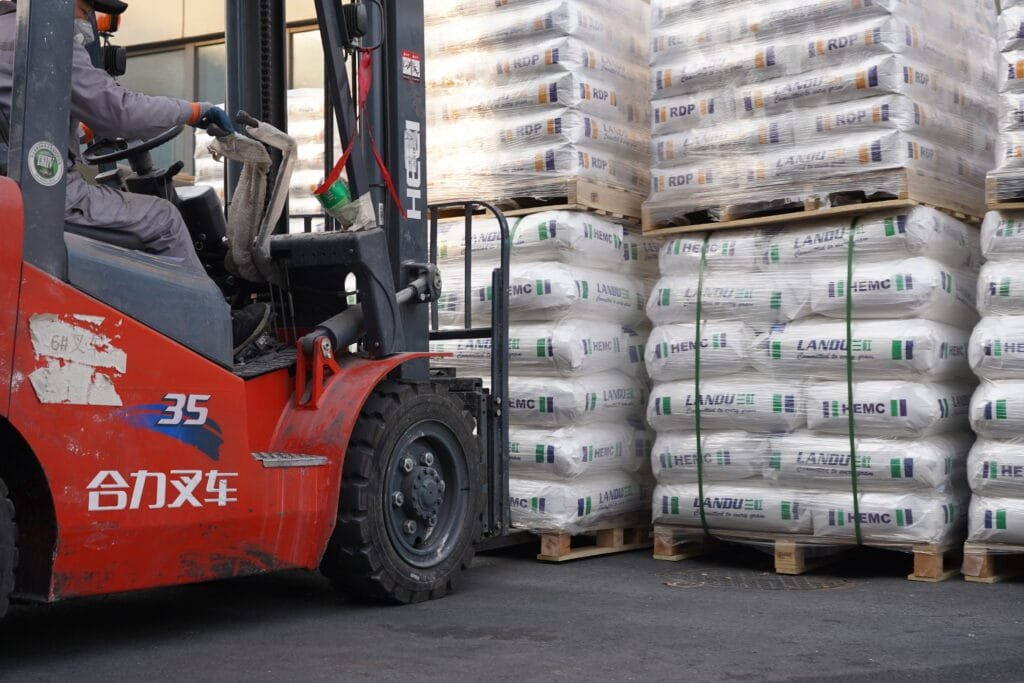
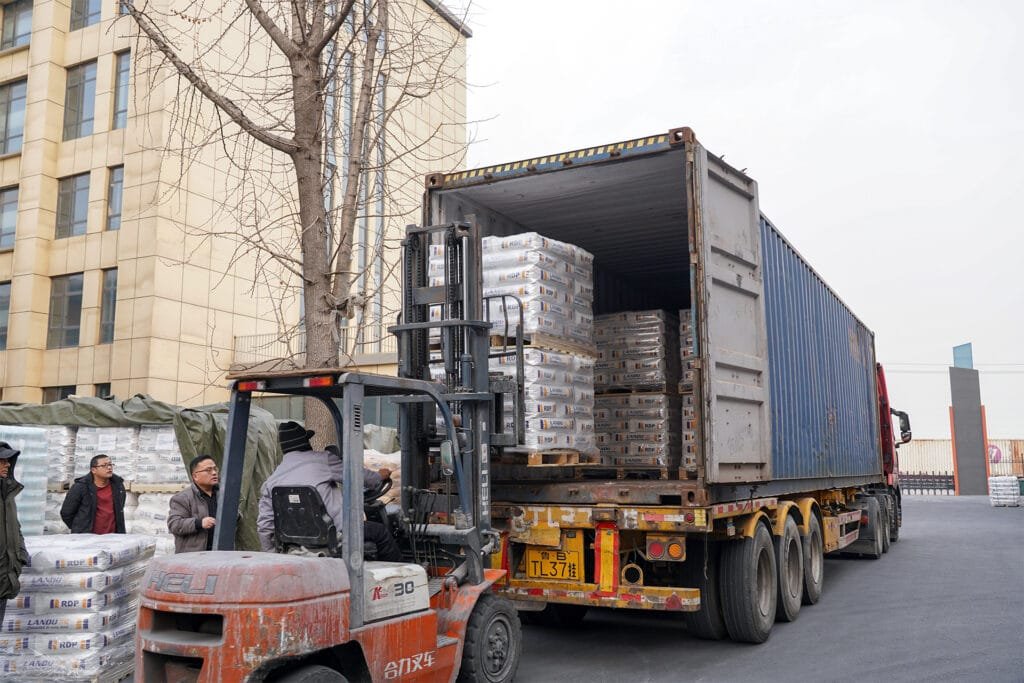
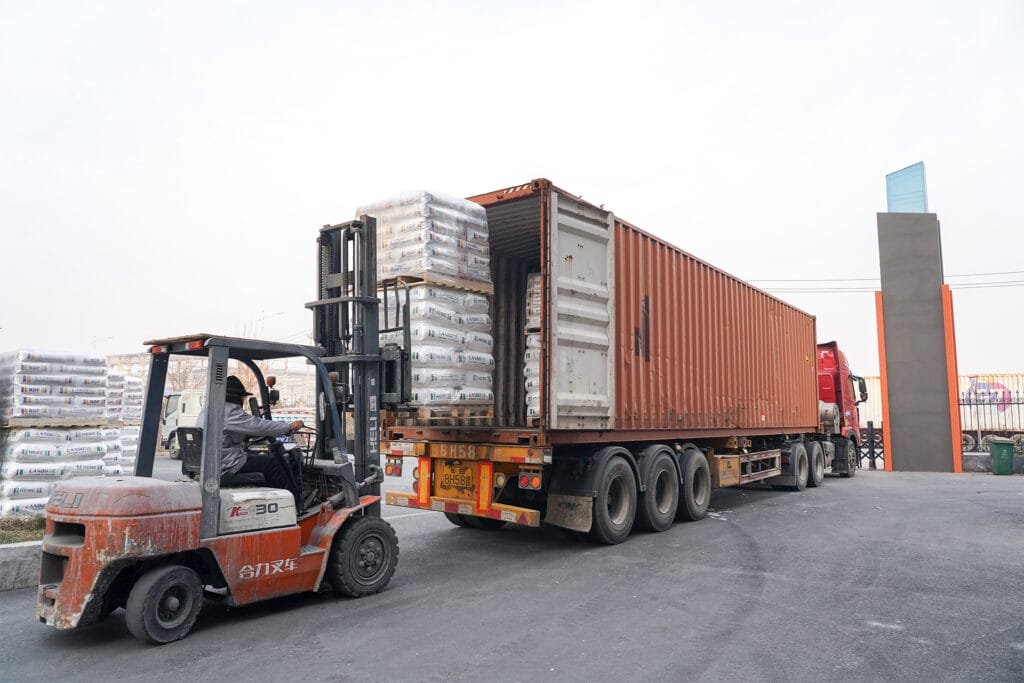
LANDERCOLL cellulose ether for joint filler applications is supplied in industrial packaging designed for drymix mortar production environments, international shipping, and warehouse storage.
LANDERCOLL can provide a full set of product documentation to support joint filler formulation development, purchasing review, quality approval, and import compliance.
If your joint filler dries too quickly, fills poorly, sags in vertical joints, has weak shape retention, feels sticky, shows rough surface finish, cracks after drying, or performs inconsistently across batches — the cellulose ether grade or dosage may need to be reviewed.
LANDERCOLL can help evaluate suitable HPMC and HEMC / MHEC options based on your binder system, joint width, application thickness, filler system, target smoothness, and finishing requirement.
HPMC and HEMC / MHEC grade selection for joint fillers.
Water retention improvement.
Smooth filling and workability support.
Anti-sag performance discussion.
Shape retention improvement.
Surface finish and sanding support.
Viscosity direction and dosage recommendation.
Sample arrangement and quotation communication.
HPMC (hydroxypropyl methylcellulose) and HEMC / MHEC (hydroxyethyl methylcellulose) are the most commonly used cellulose ethers in joint filler and joint compound formulations. Both improve water retention, smooth filling, workability, anti-sag behavior, consistency, and surface finishing.
HPMC improves water retention, workability, smooth filling behavior, formulation consistency, cohesion, and surface finishing in joint filler systems. It is widely used in gypsum-based, cement-based, and polymer-modified joint filler formulations.
HEMC / MHEC improves water retention, anti-sag behavior, open working time, shape retention, and stable wet application behavior. It is particularly useful for wall crack fillers, wide joint fillers, and vertical joint applications.
Water retention helps joint fillers remain workable during application and supports more stable setting or drying behavior. Poor water retention causes rapid drying, rough surface finish, cracking risk, and shortened working time — especially on absorbent substrates.
A common reference dosage range is 0.10%–0.50%, depending on binder type, joint width, application thickness, viscosity grade, and target performance. Final dosage must be confirmed through formulation testing.
Yes. Suitable HPMC or HEMC / MHEC improves consistency, water retention, and workability, which supports smoother joint filling, easier tool application, and better surface finishing.
Cellulose ether supports water retention and cohesion, which may help reduce cracking related to rapid drying or poor workability. Final crack resistance depends on the complete formulation, shrinkage-control design, curing conditions, and application thickness.
Stickiness is often caused by excessive cellulose ether dosage, an unsuitable viscosity grade, high polymer powder content, too much water addition, or an unbalanced filler system. Adjusting grade and dosage usually helps resolve this.
For wide joint fillers, consider medium to high viscosity grades with strong anti-sag behavior, shape retention, water retention, and body. Joint depth, filler system, polymer content, and surface finish target should all be considered.
Both improve water retention and workability. HEMC / MHEC is often preferred where stronger anti-sag behavior, shape retention, and extended open working time are required. HPMC is widely used for smooth filling, consistency, and surface finishing across a broad range of joint filler types.
Whether you produce gypsum board joint filler, cement-based joint filler, gypsum joint compound, wall crack filler, fine joint filler, wide joint filler, flexible joint filler, or ready-mix dry joint filler, LANDERCOLL can help you select the right HPMC or HEMC / MHEC grade for better water retention, smooth filling, anti-sag behavior, shape retention, and surface finish.
Contact our team to discuss your formulation requirements, request product samples, or get a quotation.
