Cellulose Ether Excellence — Vertrouwd door meer dan 1000 ondernemingen wereldwijd Gratis proefverpakking
LANDERCOLL HEC helpt fabrikanten van watergedragen coatings om de verdikkingsefficiëntie, viscositeitsstabiliteit, suspensie van pigmenten en vulstoffen, applicatieprestaties en opslagstabiliteit te verbeteren in formuleringen voor binnen-, buiten-, primer- en decoratieve coatings.
HEC (Hydroxyethylcellulose) is de primaire cellulose-ether die wordt gebruikt in watergedragen coatings. Het fungeert als een waterfaseverdikker en reologiemodificator die de viscositeit regelt, de suspensie van pigmenten en vulstoffen ondersteunt, de applicatie met kwast en roller verbetert, helpt bij het verminderen van uitzakken en zorgt voor een stabiele consistentie in het blik gedurende de opslag.
 Watergedragen coatings · HEC

Viscositeitscontrole en pigment suspensie voor een consistente applicatie met kwast en roller.
Emulsion · Pigment · RheologieWatergedragen coatings zijn coatingsystemen waarin water dient als de primaire vloeistoffase en dispersiemedium. Ze bevatten polymeeremulsies, pigmenten, vulstoffen, additieven en functionele modificatoren om decoratie, oppervlaktebescherming, kleur, gladheid of gespecialiseerde prestaties te leveren op een breed scala aan substraten en omgevingen.

Typische watergedragen coatingproducten omvatten binnenmuurverf, buitenmuurverf, latexverf, emulsieverf, primers, structuurcoatings, gevelcoatings, waterdichte coatings, beschermende coatings en geselecteerde industriële coatings. De verschuiving naar watergedragen systemen blijft groeien naarmate formuleerders streven naar een lager VOC-gehalte en betere milieunaleving.
Een typische watergedragen coatingformulering omvat polymeeremulsie, titaandioxide, pigmenten, vulstoffen, water, dispergeermiddelen, bevochtigingsmiddelen, ontuchters, conserveermiddelen, pH-modificatoren, coalescentiemiddelen, reologiemodificatoren en cellulose-ether.
Cellulose-ether — specifiek HEC (Hydroxyethylcellulose) — wordt gebruikt als het primaire waterfase-verdikkingsmiddel en reologiemodificator. Het regelt de viscositeit, ondersteunt de suspensie van pigmenten en vulstoffen, verbetert het applicatiegedrag met kwast en roller, helpt uitzakken op verticale oppervlakken te verminderen en handhaaft een stabiele consistentie in het blik tijdens opslag en distributie.
Zonder geschikte verdikking en reologiecontrole hebben watergedragen verven te maken met prestatie- en stabiliteitsproblemen die zowel de productiekwaliteit als de gebruikerservaring beïnvloeden. Een te lage viscositeit veroorzaakt pigmentbezinking, spatten en uitzakken. Een te hoge viscositeit of slechte reologie verhoogt de weerstand bij het kwasten en laat rollerstrepen achter. Onstabiele opslag leidt tot harde sedimentlagen die moeilijk opnieuw te dispergeren zijn.
LANDERCOLL HEC helpt bij het opbouwen van viscositeit in de waterfase en ondersteunt een gebalanceerde coatingstructuur. Het houdt pigmenten en vulstoffen in suspensie, terwijl de coating soepel kan vloeien onder applicatiekracht — en vervolgens voldoende body herstelt om uitzakken na applicatie te voorkomen.
Cellulose-ether helpt watergedragen coatings bij het bereiken van verdikkingsefficiëntie, viscositeitscontrole, reologisch gedrag, pigmentsuspensie, vulmiddelstabiliteit, applicatie met kwast en roller, egalisatieondersteuning, anti-uitloopondersteuning, opslagstabiliteit en coatinguniformiteit.
Water-based coatings must maintain stable in-can consistency, suspend pigments and fillers during storage, and deliver smooth brush and roller application with controlled leveling and anti-sag behavior. LANDERCOLL HEC helps manufacturers deliver products that perform consistently from production to end use.
HEC builds viscosity in the water phase, improving in-can appearance, application control, and suspension stability at typical dosages of 0.2%–1.0%.
Provides water-phase structure that flows smoothly under brush or roller force and recovers body to resist sagging on vertical surfaces.
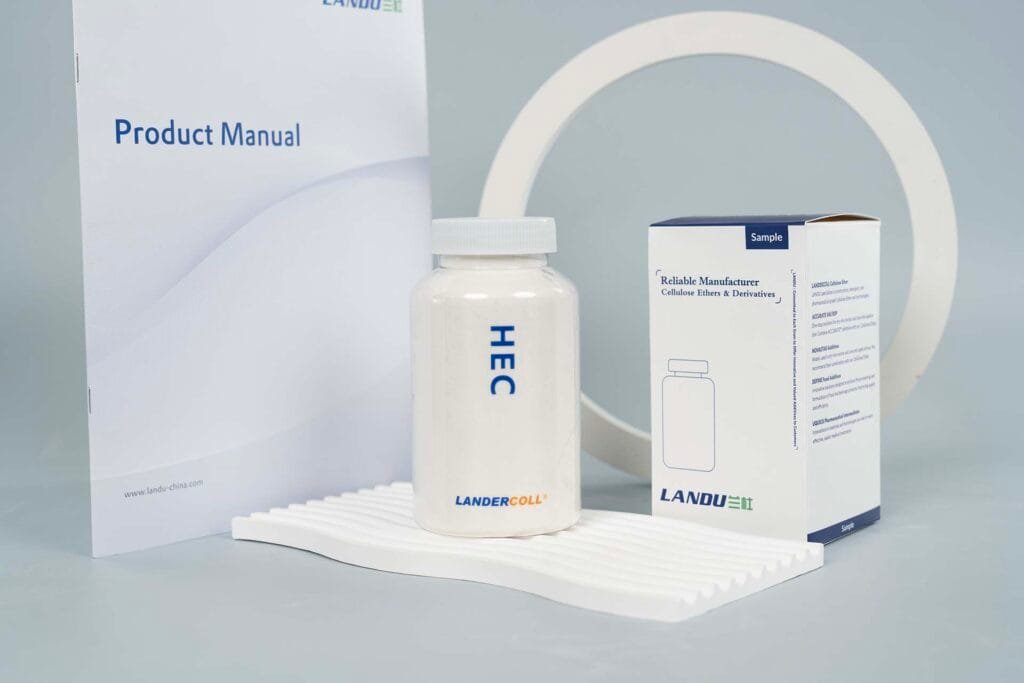
HEC is the primary LANDERCOLL cellulose ether product for water-based coating applications — delivering reliable thickening, viscosity stability, pigment suspension, and flow control in polymer emulsion systems.
HEC is widely used across interior wall coatings, exterior wall coatings, latex paints, emulsion paints, primers, decorative coatings, and selected industrial water-based coatings. It is a non-ionic, water-soluble cellulose ether with broad compatibility with anionic dispersants, surfactants, and polymer emulsions commonly used in water-based systems.
HEC hydrates readily in water and builds viscosity efficiently, providing consistent thickening performance across a range of coating types and pigment volume concentrations.
Water-based coating formulations vary by binder type, pigment and filler loading, target viscosity, application method, substrate, and market performance requirements.
| Component | Function in Water-Based Coatings |
|---|---|
| Polymeeremulsie | Main film-forming binder. |
| Titanium Dioxide | Provides whiteness and hiding power in selected coatings. |
| Pigments | Provide color and decorative appearance. |
| Vulstoffen | Adjust opacity, texture, body, cost balance, and coating properties. |
| Water | Main dispersion medium. |
| Dispergeermiddelen | Help disperse pigments and fillers uniformly. |
| Wetting Agents | Improve surface wetting and pigment dispersion. |
| Ontschuimers | Reduce foam during production and application. |
| Conserveermiddelen | Support in-can stability and microbial protection. |
| pH Modifiers | Adjust formulation pH and stability. |
| Coalescing Agents | Support film formation in selected systems. |
| Cellulose Ether (HEC) | Improves viscosity, rheology, suspension, and application performance. |
| Andere Additieven | Adjust leveling, open time, surface feel, durability, or special functions. |
Different water-based coating systems require different HEC viscosity profiles, suspension support, and rheology behavior. This table provides a practical starting reference.
| Water-Based Coating Type | Aanbevolen product | Belangrijkste prestatie-eisen |
|---|---|---|
| Interior Water-Based Coatings | HEC | Viscositeitsregeling, soepele applicatie, pigmentsuspensie. |
| Exterior Water-Based Coatings | HEC | Anti-uitloopondersteuning, coatinglichaam, opslagstabiliteit. |
| Water-Based Wall Coatings | Medium viscosity HEC | Verfbaarheid, rolapplicatie, nivelleringsondersteuning. |
| Water-Based Primers | Low to medium viscosity HEC | Stromingsregeling, penetratiebalans, stabiele viscositeit. |
| Water-Based Undercoats | Medium viscosity HEC | Body, dekkingsondersteuning, suspensiestabiliteit. |
| Decorative Water-Based Coatings | Medium to high viscosity HEC | Textuurcontrole, consistentie, applicatiestabiliteit. |
| High-PVC Water-Based Coatings | Medium to high viscosity HEC | Filler-suspensie, body, anti-bezinkingsondersteuning. |
| Industrial Water-Based Coatings | Selected HEC grade | Viscositeitsstabiliteit, compatibiliteit, gecontroleerde stroming. |
The dosage of HEC in water-based coatings depends on coating type, target viscosity, pigment and filler loading, PVC level, HEC viscosity grade, binder system, and application method.
In water-based coating formulations, HEC supports thickening, rheology control, pigment and filler suspension, brush and roller application, leveling, anti-sag behavior, and storage stability — the properties formulators and end users evaluate most directly.
HEC builds viscosity in the water phase of coating formulations. Proper thickening improves in-can appearance, application control, coating body, suspension stability, and overall formulation consistency. At typical dosage levels of 0.2%–1.0%, HEC can build a wide range of target viscosities depending on grade selection and formulation conditions.
Water-based coatings require carefully balanced flow behavior. They must remain stable in the container, flow smoothly during brush or roller application, and recover sufficient body to resist sagging on vertical surfaces. HEC contributes to this rheological balance by providing water-phase structure that responds appropriately to shear forces during application.
Titanium dioxide, calcium carbonate, kaolin, talc, silica, and colored pigments must remain evenly distributed during storage. HEC increases water-phase viscosity and structure, reducing the rate of pigment and filler settling and supporting more consistent color, opacity, and texture.
HEC supports smoother application by improving coating consistency, transfer efficiency, spreading behavior, and application feel during brushing and rolling. A well-thickened coating picks up and releases from the brush or roller more consistently, reducing uneven application.
Good leveling helps reduce visible brush marks, roller marks, and uneven film appearance in the dried coating. HEC supports flow balance when properly selected and dosed within the complete formulation system.
For vertical wall coatings and thicker applications, HEC helps improve coating body and structural recovery after application, reducing the risk of sagging or running on vertical surfaces before the film dries.
HEC helps maintain viscosity and suspension stability during storage. This reduces pigment and filler settling, prevents hard sediment formation, and supports more consistent coating performance after extended shelf aging or temperature variation during distribution.
Many water-based coating stability and application problems are related to viscosity, rheology, and suspension — areas where HEC grade and dosage selection directly affect performance.
Insufficient thickener, poor hydration, unsuitable grade.
Improve viscosity build and coating body.
Weak suspension, low viscosity, heavy pigments or fillers.
Support pigment and filler suspension.
Poor suspension system, low viscosity, additive incompatibility.
Improve formulation stability.
Unbalanced rheology, wrong viscosity, incompatible additives.
Support flow and leveling balance.
Low viscosity, poor rheology, excessive water content.
Support controlled application behavior.
Weak structural recovery, low thickener efficiency, high film build.
Improve body and anti-sag support.
Poor filler dispersion, unsuitable viscosity, unstable formulation.
Support smoother application consistency.
Poor hydration, pH effects, surfactant or preservative impact.
Improve viscosity stability through grade selection.
Understanding the variables that influence HEC behavior in water-based coatings helps formulators make better grade selections, optimize dosage, and avoid common production and stability problems.
Different polymer emulsions — acrylic, VAE, styrene-acrylic, pure acrylic — affect viscosity response, compatibility, and film formation. HEC grade selection should be evaluated with the specific binder system.
TiO₂, calcium carbonate, kaolin, talc, silica, and colored pigments influence viscosity demand, suspension stability, and opacity. Higher filler loading increases thickening demand on HEC.
High pigment volume concentration systems typically require stronger suspension support and greater coating body control, often benefiting from medium to high viscosity HEC at upper dosage ranges.
Formulation pH and the timing of pH adjustment during production can influence HEC hydration rate, viscosity development, and long-term stability.
Dispersants and surfactants affect pigment dispersion quality, foam behavior, viscosity development, and compatibility with HEC.
Defoamers and preservatives may influence coating stability, viscosity, and application behavior. Compatibility with HEC should be evaluated during formulation testing.
HEC must be properly dispersed and fully hydrated to deliver target viscosity. Poor hydration may cause lumps, delayed viscosity development, or unstable viscosity.
Mixing speed, addition sequence, hydration time, temperature, and shear conditions can all affect final viscosity and coating stability.
Too little HEC may not provide sufficient thickening or suspension. Too much may reduce leveling, increase brush drag, or produce excessive application resistance.
Choosing the right HEC grade requires balancing viscosity target, rheology profile, pigment suspension needs, application method, leveling requirements, anti-sag support, and storage stability.
What type of water-based coating are you producing? (interior, exterior, primer, decorative, industrial)
What target viscosity range (mPa·s or KU) do you need?
What polymer emulsion system is used?
What pigment and filler system is included, and at what loading level?
What pigment volume concentration does the formulation have?
Do you need stronger suspension, better leveling, or anti-sag support?
What application method is used: brush, roller, spray, or trowel?
What pH range and additive system are used?
What production process and hydration time are available?
What storage stability requirement is needed? (temperature range, shelf life)
LANDERCOLL can help review your water-based coating formulation direction and recommend a suitable HEC grade for testing.
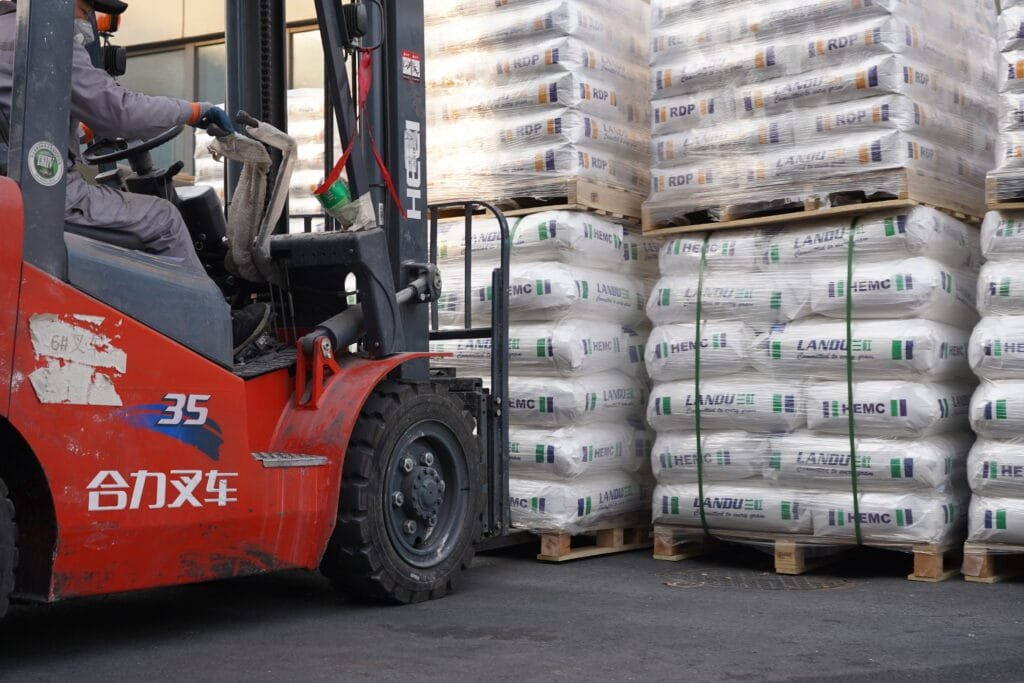
Vraag om technische ondersteuningLANDERCOLL HEC for water-based coatings is supplied in industrial packaging suitable for coating production, transportation, and storage. Full product documentation is available on request.
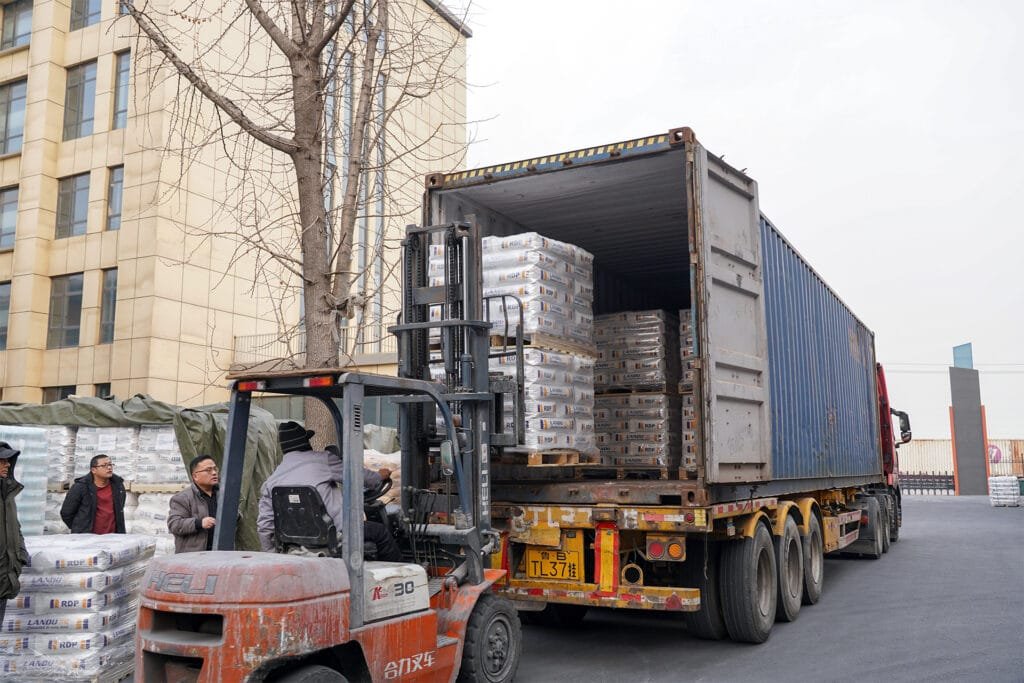
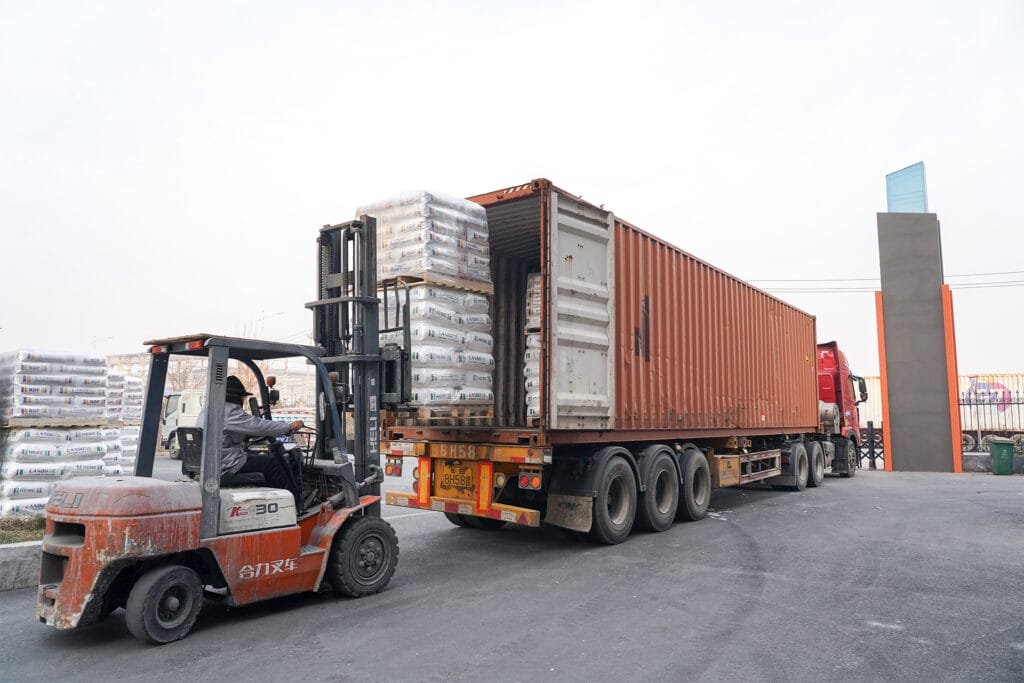
LANDERCOLL provides product-related documentation to support water-based coating formulation testing, purchasing review, and internal approval processes.
If your water-based coating has low viscosity, pigment or filler settling, storage separation, poor leveling, roller spatter, sagging on vertical surfaces, rough application feel, or unstable viscosity during storage, the HEC grade or dosage may need to be reviewed.
LANDERCOLL can help evaluate suitable HEC options based on your binder system, pigment and filler system, PVC level, target viscosity, application method, and storage stability requirement.
HEC grade selection for target viscosity and rheology.
Pigment and filler suspension support.
Flow and leveling discussion.
Anti-sag support guidance.
Brush, roller, and spray application performance.
Storage stability support.
Dosage reference and starting point recommendations.
Sample and quotation communication.
HEC (Hydroxyethyl Cellulose) is the most widely used cellulose ether in water-based coatings. It improves thickening, viscosity control, pigment and filler suspension, rheology behavior, brush and roller application performance, and storage stability across interior wall coatings, exterior wall coatings, latex paints, emulsion paints, primers, and decorative coatings.
HEC builds viscosity in the water phase, stabilizes pigments and fillers against settling, improves brush and roller application consistency, supports leveling, helps reduce sagging on vertical surfaces, and maintains stable in-can viscosity during storage. It is a non-ionic thickener compatible with anionic dispersants and polymer emulsions.
Thickening helps coatings maintain product body, reduce pigment and filler settling during storage, improve application control during brushing and rolling, reduce sagging on vertical surfaces, and support uniform coating appearance in the dried film. Without adequate thickening, coatings become watery, unstable, and difficult to apply consistently.
A common reference dosage range is 0.1%–1.0% by weight, depending on coating type, target viscosity, pigment and filler loading, PVC level, and formulation design. Interior coatings typically use 0.2%–0.7%, while high-PVC decorative coatings may require up to 1.0%. Final dosage must be confirmed through viscosity testing and stability evaluation.
Yes. HEC increases water-phase viscosity and structural support, which helps slow the rate of pigment and filler settling during storage. This supports more consistent color, opacity, and texture from the first use to the last. However, the complete suspension system — including dispersants, filler particle size, and formulation balance — also plays an important role.
HEC can support leveling by helping control the rheology profile of the coating. A properly selected HEC grade contributes to balanced flow behavior during and after application. However, final leveling performance also depends on binder type, surfactants, dispersants, defoamers, and viscosity balance across the full shear rate range.
HEC primarily improves fresh coating properties such as viscosity, suspension, rheology, and application stability. Final coating durability — including scrub resistance, weather resistance, adhesion, and film integrity — depends primarily on binder type, pigment system, additives, film formation conditions, substrate preparation, and curing.
Viscosity loss may be caused by poor HEC hydration during production, unsuitable grade selection, pH effects, surfactant or dispersant incompatibility, preservative interactions, high electrolyte content, temperature changes during storage, or excessive shear during mixing. Systematic storage stability testing and grade review can help identify and resolve the root cause.
Start by defining your coating type, target viscosity, binder system, pigment and filler loading, PVC level, pH range, additive system, application method, and storage stability requirement. Then contact LANDERCOLL with these parameters — our technical team can recommend suitable HEC grades and provide samples for formulation evaluation.
Whether you produce interior water-based coatings, exterior wall coatings, latex paint, emulsion paint, primers, undercoats, decorative coatings, high-PVC coatings, or selected industrial water-based coatings, LANDERCOLL HEC helps you achieve better viscosity control, pigment and filler suspension, smooth application performance, leveling support, and reliable storage stability.
LANDERCOLL supplies HEC cellulose ether to water-based coating manufacturers and paint formulators worldwide. Contact us today to receive an HEC grade recommendation, request samples, or get a competitive quote for your formulation project.
