Cellulose Ether Excellence — Vertrouwd door meer dan 1000 ondernemingen wereldwijd Gratis proefverpakking
LANDERCOLL levert geschikte conforme CMC, HPMC en geselecteerde cellulose-etherkwaliteiten voor voedselproducenten die bakkerijproducten, zuivelsystemen, sauzen, dressings, diepvriesproducten, dranksystemen, textuurbeheersingsformuleringen en voedselstabilisatieoplossingen ontwikkelen.
Voedselveilige cellulose-ethers ondersteunen verdikking, viscositeitscontrole, stabilisatie, suspensie, textuurverbetering, vochtbeheer en vries-dooistabiliteit wanneer ze zijn afgestemd op formulerings- en wettelijke vereisten.

Bakkerij · Zuivel · Sauzen · Diepvriesproducten · Dranken






Voedselfabrikanten hebben functionele ingrediënten nodig die helpen de textuur, stabiliteit, verwerkingsprestaties en productconsistentie te verbeteren. In geselecteerde voedselsystemen kan cellulose-ether worden gebruikt als verdikkingsmiddel, stabilisator, suspendeermiddel, vochtregelaar, textuurmodificator, filmvormer of structuurondersteunend ingrediënt, afhankelijk van de kwaliteit en formulering.
LANDERCOLL levert geschikte conforme CMC, HPMCen geselecteerde cellulose-etherproducten voor voedselfabrikanten die bakkerijproducten, zuivelsystemen, sauzen, dressings, diepvriesproducten, dranksystemen, textuurcontroleformuleringen en voedselstabilisatieoplossingen ontwikkelen.
Productselectie moet gebaseerd zijn op het beoogde gebruik, toepasselijke voedselvoorschriften, kwaliteitsdocumentatie, zuiverheidseisen, viscositeitsklasse, compatibiliteit met de formulering, verwerkingsomstandigheden en eindproducttesten. Niet elke cellulose-etherkwaliteit is geschikt voor gebruik in voedsel.
Acht soorten voedseltoepassingen · CMC en geschikte HPMC van voedingskwaliteit · 25 kg/zak of vat · TDS, SDS, COA en specificatie beschikbaar · toepassingsgidsen en exportdocumenten op aanvraag.
Cellulose-ether kan voedselfabrikanten helpen de producttextuur, viscositeit, stabiliteit, suspensie, mondgevoel, vochtretentie, vries-dooistabiliteit en procesconsistentie te verbeteren. Een geschikte cellulose-ether van voedingskwaliteit kan helpen de formuleringstabiliteit en verwerkingsbetrouwbaarheid te verbeteren wanneer deze correct wordt geselecteerd en getest.
Verdikking · Textuur · Stabilisatie · Vocht · Vries-dooiondersteuning
| Prestatie-eigenschap | Wat het Betekent voor de Voedselformulering |
|---|---|
| Indikken | Viscositeit en productbody opbouwen in watergebaseerde voedselsystemen |
| Viscositeitsregeling | Vloeigedrag aanpassen voor verwerking, vulling en consumentengebruik |
| Textuurmodificatie | Mondgevoel, gladheid en productstructuur verbeteren |
| Suspensiestabiliteit | Deeltjes, vezels en vaste stoffen gelijkmatig verdeeld houden |
| Ondersteuning van emulsiestabiliteit | Help fasestabiliteit te behouden in geselecteerde emulsiesystemen |
| Vochtafvoerend | Ondersteun waterretentie in bakkerij-, diepvries- en bewerkte voedingsmiddelen |
| Ondersteuning voor vries-dooi stabiliteit | Helpt textuur en structuur te behouden tijdens vries-dooicycli. |
| Ondersteuning bij vetreductieformulering | Verbeter de body en mondgevoel in systemen met verlaagd vetgehalte. |
| Productuniformiteit | Zorg voor een consistente uitstraling en textuur tussen batches |
| Verwerkingsconsistentie | Verbeter de betrouwbaarheid bij mengen, vullen en thermische verwerking. |
LANDERCOLL cellulose ether producten zijn geschikt voor een reeks voedseltoepassingen en formulatiesystemen — van bakkerij en zuivel tot sauzen, diepvriesproducten, dranken en stabilisatieoplossingen.
Vochtretentie, textuurbeheersing, structuurstabiliteit en verwerkingsgedrag in bakkerijsystemen.
Geschikte CMC / HPMCViscositeitscontrole, stabilisatie, suspensieondersteuning en verbeterde mondgevoel in zuivelformuleringen.
Geschikte CMC / Geselecteerde HPMCStabiele viscositeit, schenkbaarheid, suspensie en textuurbeheersing van schenkbare tot dikke sauzen.
Geschikte CMC / HPMCVochtregulatie, textuurstabiliteit, ondersteuning bij vries-dooicycli en verminderde impact van ijskristallen.
Geschikte CMC / Geselecteerde HPMCSuspensiestabiliteit, mondgevoelaanpassing, viscositeitscontrole en ondersteuning voor troebelingsstabilisatie.
Geschikte CMC / Geselecteerde cellulose-etherAdjust texture, mouthfeel, body, and structure in selected food formulations.
Geschikte CMC / HPMCImprove body, mouthfeel, and moisture management in reduced-fat food systems.
Suitable HPMC / CMCViscosity, suspension, water binding, emulsion support, and product uniformity.
Geschikte CMC / HPMCNeed food-grade product documents for supplier qualification? Request Food Product Documents →
A practical selection overview for food manufacturers and food technologists. Final product selection must be confirmed through food formulation testing, sensory evaluation, stability testing, and regulatory review.
| Food Application | Aanbevolen productrichting | Hoofdprestatiedoel |
|---|---|---|
| Bakkerij | Geschikte CMC / HPMC | Moisture management, texture, structure support |
| Zuivelsystemen | Geschikte CMC / Geselecteerde HPMC | Viscosity, mouthfeel, stabilization |
| Sauzen en Dressings | Geschikte CMC / HPMC | Thickening, pourability, suspension |
| Bevroren Voedingsmiddelen | Geschikte CMC / Geselecteerde HPMC | Freeze-thaw support, texture stability |
| Drankensystemen | Geschikte CMC / Geselecteerde cellulose-ether | Suspension, mouthfeel, viscosity control |
| Textuurcontrole | Geschikte CMC / HPMC | Body, mouthfeel, structure adjustment |
| Vetreductie | Suitable HPMC / CMC | Mouthfeel, body, moisture support |
| Voedselstabilisatie | Geschikte CMC / HPMC | Stability, water binding, consistency |
LANDERCOLL supplies food-grade CMC and suitable HPMC cellulose ether for food manufacturers. Each product line supports different thickening, stabilization, texture, and moisture-management requirements across food systems.
 Indikken
Functional cellulose derivative for thickening and stabilization
Carboxymethylcellulose (CMC) is a functional cellulose derivative widely evaluated in food formulations for its thickening, stabilizing, and water-binding properties. Suitable compliant food-grade CMC grades may be used where viscosity control, thickening, water binding, suspension stability, and texture improvement are required.
Textuur & Vocht
Cellulose ether for texture, moisture, and structure support
Hydroxypropylmethylcellulose (HPMC) may be used in selected food applications where thermal gelation behavior, film formation, moisture management, texture control, or structure support is required. HPMC forms a gel when heated and returns to solution on cooling — useful in certain hot-process food systems.
Looking for a specific food-grade cellulose ether? Share your food application, intended function, and documentation needs.
Vraag om een aanbeveling voor voedingskwaliteitContinue below for dosage direction, formulation challenges, manufacturer benefits, evaluation steps, documents, FAQ, and ingredient support.
Dosage depends on product type, intended function, viscosity grade, processing conditions, formulation composition, sensory target, and applicable regulatory limits.
| Food Application | Typical Reference Direction |
|---|---|
| Bakkerij | Depends on formulation and texture target |
| Zuivelsystemen | Depends on viscosity and stabilization target |
| Sauzen en Dressings | Depends on target viscosity and mouthfeel |
| Bevroren Voedingsmiddelen | Depends on freeze-thaw and texture requirements |
| Drankensystemen | Depends on suspension and mouthfeel target |
| Textuurcontrole | Depends on product structure and sensory design |
| Vetreductie | Depends on fat-reduction strategy and formulation |
| Voedselstabilisatie | Depends on stability target and processing conditions |
When viscosity, texture, suspension, moisture control, or compliance questions arise during food development, cellulose ether grade selection, dosage direction, and ingredient qualification are often the first areas to review.
| Common Challenge | Mogelijke oorzaak | Richting voor cellulose-etherondersteuning |
|---|---|---|
| Lage viscositeit | Insufficient thickener, wrong grade, poor hydration | Suitable CMC or HPMC may improve viscosity control |
| Poor suspension | Low structure, particle settling, weak viscosity | Cellulose ether can support suspension stability |
| Weak texture | Poor hydrocolloid balance, processing issue, low solids | Cellulose ether may support body and mouthfeel |
| Water separation | Weak water binding, unstable formulation, processing stress | Selected grades can support water management |
| Poor freeze-thaw stability | Ice crystal damage, water migration, weak stabilizer system | Cellulose ether may support texture stability in selected systems |
| Poor mouthfeel | Wrong viscosity profile, incompatible ingredients | Adjust grade, dosage, and hydrocolloid system |
| Processing inconsistency | Hydration issue, shear variation, temperature effects | Optimize grade selection and processing method |
| Compliance uncertainty | Grade not suitable for food use | Select suitable compliant food-grade material |
Practical advantages cellulose ether brings to food formulation development, ingredient qualification, and product performance.
Cellulose ether can help improve product body, smoothness, mouthfeel, and texture in selected food systems depending on grade, dosage, and full formulation design.
Suitable grades help adjust viscosity for processing, packaging, pouring, spreading, or consumer use — from thin beverages to thick sauces.
Cellulose ether can help support suspension, water binding, emulsion stability, and product uniformity in selected food applications.
In selected bakery, frozen, and processed food systems, cellulose ether may help support moisture retention and texture stability during storage.
LANDERCOLL can provide available product documents upon request to support ingredient evaluation and internal approval processes.
LANDERCOLL can discuss food application, intended function, viscosity requirement, and documentation needs for your formulation system.
Vraag om een aanbeveling voor voedingskwaliteitBefore selecting cellulose ether for food production, manufacturers should evaluate the product according to formulation, processing, sensory, quality, and regulatory requirements.
Confirm the intended food application — define product type, function, and performance target.
Identify the required function — thickening, stabilization, suspension, texture control, or moisture management.
Select a suitable compliant CMC or HPMC grade direction — based on viscosity requirement, purity, and regulatory compliance.
Review available technical and quality documents — TDS, SDS, COA, and specification information.
Conduct hydration and processing trials — assess dissolution behavior, hydration rate, and process compatibility.
Evaluate viscosity, texture, mouthfeel, and stability — measure performance in your specific formulation system.
Conduct shelf-life and storage testing — confirm product stability under real storage conditions.
Complete regulatory and quality approval before commercial use — ensure compliance with applicable food regulations.
Food manufacturers often ask when to use CMC and when to use HPMC. CMC is widely evaluated for thickening, stabilization, and suspension in water-based food systems; HPMC may support texture, moisture management, and structure in bakery, fat-reduction, and selected hot-process applications.
CMC is commonly used where thickening, viscosity control, suspension stability, water binding, and texture improvement are required — such as sauces, dressings, dairy-style products, beverages, and stabilization systems.
HPMC may be preferred in selected bakery, fat-reduction, plant-based, and hot-process applications where texture control, moisture management, film formation, or thermal gelation behavior is required. Suitable compliant grades must be selected for food use.
Need help choosing between CMC and HPMC? Ask for a Food Grade Recommendation →
LANDERCOLL supports food manufacturers with cellulose ether product selection, viscosity direction discussion, document communication, sample evaluation, and application matching based on intended food system.
Thickening, stabilization, suspension, and water-based food system applications.
Texture, moisture management, structure, and selected hot-process applications.
Discussion based on product format, sensory target, and processing conditions.
Sauces, dairy, beverages, and particle-containing food systems.
TDS, SDS, COA, specification information, and export documents for ingredient qualification.
Share your food application, intended function, target viscosity, and documentation needs — we will suggest suitable grade directions.
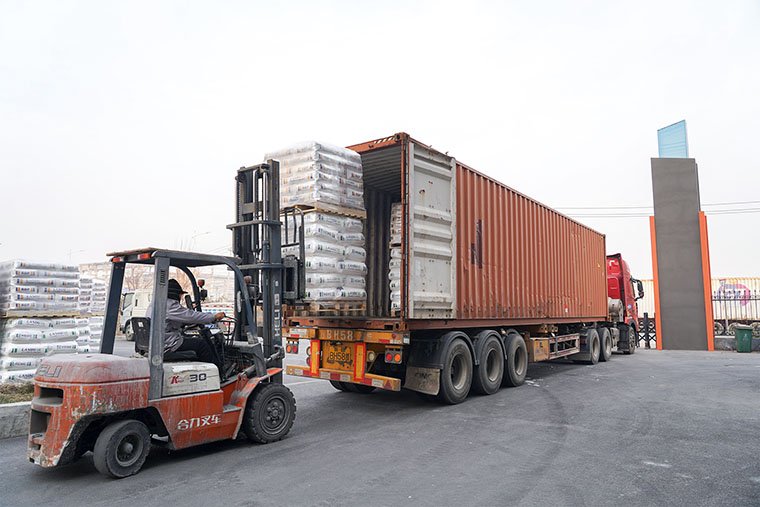
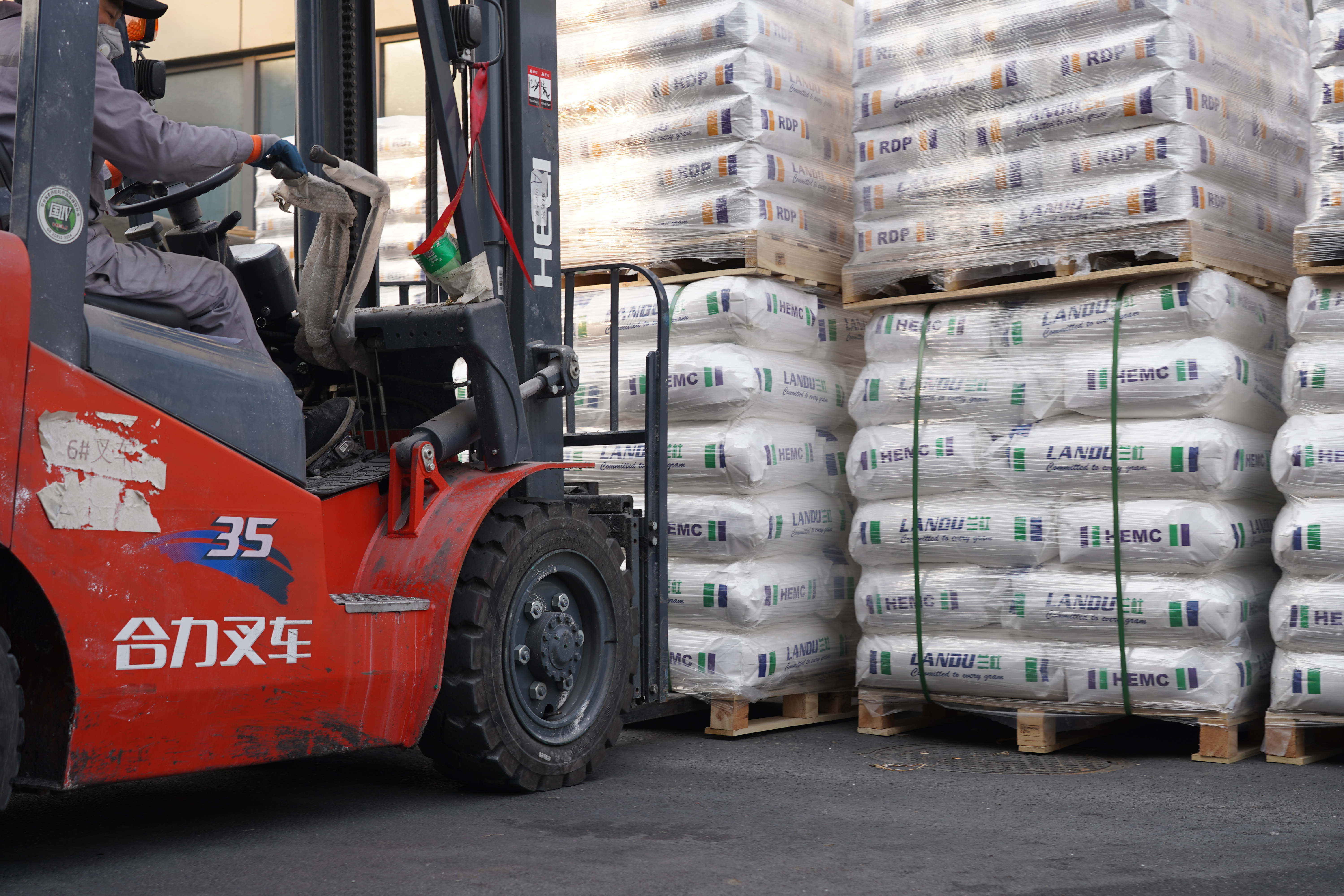
Vraag om een aanbeveling voor voedingskwaliteitLANDERCOLL cellulose ether for food-related applications is supplied in industrial packaging suitable for transportation and controlled storage.
LANDERCOLL can provide available product-related documents to support food ingredient evaluation, purchasing review, and internal approval processes.
Grade specifications, viscosity data, physical and chemical properties.
Handling, storage, and safety information.
Batchspecifieke kwaliteitsbevestiging.
Detailed grade parameters for ingredient qualification review.
Overview of product range and application areas.
Formulation and processing recommendations.
Container type, shelf life, and storage conditions.
Available on request for import and customs requirements.
Share your food application, intended function, target viscosity, processing conditions, sensory target, and documentation needs. LANDERCOLL can recommend suitable CMC or HPMC grade directions for evaluation and arrange samples for formulation testing.
Suitable CMC grade direction for your food application and function
Suitable HPMC grade direction for texture, moisture, or structure requirements
Viscosity and texture direction based on product format and processing
Thickening and stabilization support for sauces, dairy, and beverages
Suspension stability discussion for particle-containing food products
Food application matching based on product type and formulation design
Product document communication for ingredient qualification
Sample and quotation support for formulation evaluation and purchasing
Suitable compliant CMC, HPMC, and selected cellulose ether grades may be used for thickening, stabilization, suspension support, texture control, moisture management, and formulation consistency. CMC is the most widely evaluated cellulose ether in food systems. HPMC may be used in bakery, fat-reduction, and plant-based food systems.
Suitable food-grade CMC can support viscosity control, thickening, suspension stability, water binding, texture improvement, and stabilization in selected food systems — commonly evaluated in sauces, dressings, dairy-style products, beverages, and frozen foods.
Suitable food-grade HPMC may support texture control, film formation, moisture management, structure support, and selected fat-reduction applications. A key property is thermal gelation — HPMC forms a gel when heated, useful in certain hot-process food systems and edible coating applications.
No. Only suitable compliant grades should be considered for food applications. Product selection must match intended use, applicable food regulations in your target market, quality documentation, and formulation needs.
Yes. Suitable grades can help improve texture, mouthfeel, body, viscosity, and product consistency in selected food systems. Final sensory performance must always be confirmed through formulation testing.
In selected reduced-fat systems, cellulose ether — particularly suitable HPMC grades — may help improve body, mouthfeel, and moisture management to partially compensate for fat contribution. Final performance depends on the complete formulation and sensory evaluation.
Selected cellulose ether grades may support freeze-thaw stability by helping manage water distribution and texture in certain frozen food systems. Confirm through freeze-thaw cycling tests and storage stability studies.
Define food application, intended function, target viscosity, processing conditions, sensory target, regulatory requirements, and documentation needs. LANDERCOLL can recommend suitable compliant grade directions and support document communication for ingredient qualification.
Of u nu produceert bakery products, dairy systems, sauces and dressings, frozen foods, beverage systems, texture-control formulations, fat-reduction systems, of food stabilization solutions, LANDERCOLL can help you evaluate suitable compliant CMC, HPMC, and selected cellulose ether grades for formulation testing and supplier qualification.
Our team can support product selection, viscosity direction, application matching, document communication, and sample discussion — from initial inquiry through to formulation evaluation and production trial.
CMC · HPMC · For Bakery · Dairy · Sauces & Dressings · Frozen Foods · Beverage Systems · Texture Control · Fat Reduction · Food Stabilization.
All performance data, dosage references, and formulation guidance provided on this page are for reference only. Final suitability must be confirmed through testing in your specific food formulation, sensory evaluation, shelf-life testing, and regulatory review. LANDERCOLL reserves the right to update product information without prior notice.
