
TDS
Technisch Gegevensblad
Product specifications and performance data for formulation review.
LANDERCOLL HEC cellulose ether helpt fabrikanten van toiletreinigers bij het realiseren van betrouwbare viscositeitscontrole, hechting aan keramische oppervlakken, een gladde geltextuur en langdurige formuleringstabiliteit in zure, gel-, desinfecterende, bleekmiddelhoudende en premium toiletreinigers.
Van zure toiletpotreinigers tot premium gelformules en ontsmettingssystemen — de juiste HEC-kwaliteit levert voorspelbare reologie, effectieve hechting aan oppervlakken en gecontroleerde dosering voor overzeese fabrikanten en chemische kopers.

Zuur · Gel · Desinfecterend · Op basis van bleek · Verdikt · Premium · Economy
 Quick Answer
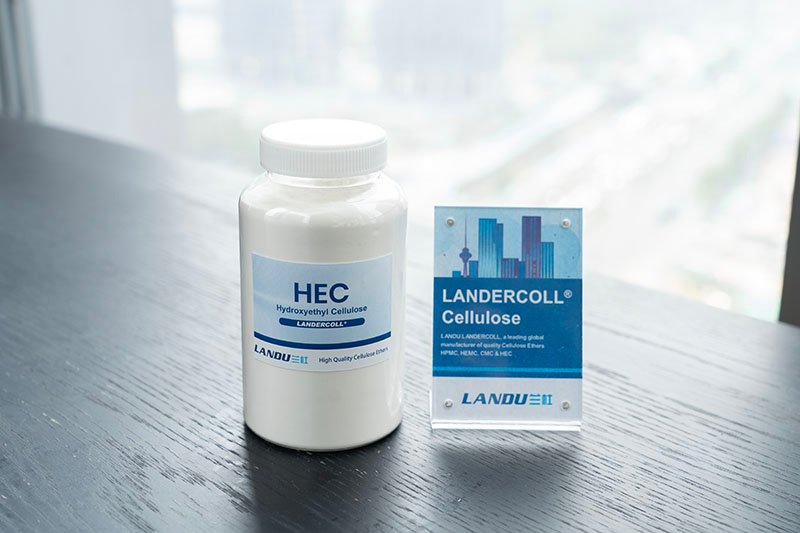
Quick AnswerHydroxyethyl Cellulose (HEC) is de primaire cellulose-ether die wordt gebruikt in toiletreinigerformuleringen. Het zorgt voor verdikking, viscositeitscontrole, hechting aan oppervlakken, een gladde geltextuur, gecontroleerd vloeigedrag en opslagstabiliteit in waterige toiletreinigersystemen. CMC en HPMC kunnen worden overwogen in geselecteerde speciale of aangepaste toiletreinigingssystemen na compatibiliteitstesten.
Belangrijke prestatie-, compatibiliteits- en leveringsreferentie voor overzeese fabrikanten van toiletreinigers en chemische kopers.
Op zoek naar een cellulose-etheraanbeveling voor uw toiletreinigerformulering?
Vraag om een aanbeveling voor een toiletreiniger Vraag een offerte aan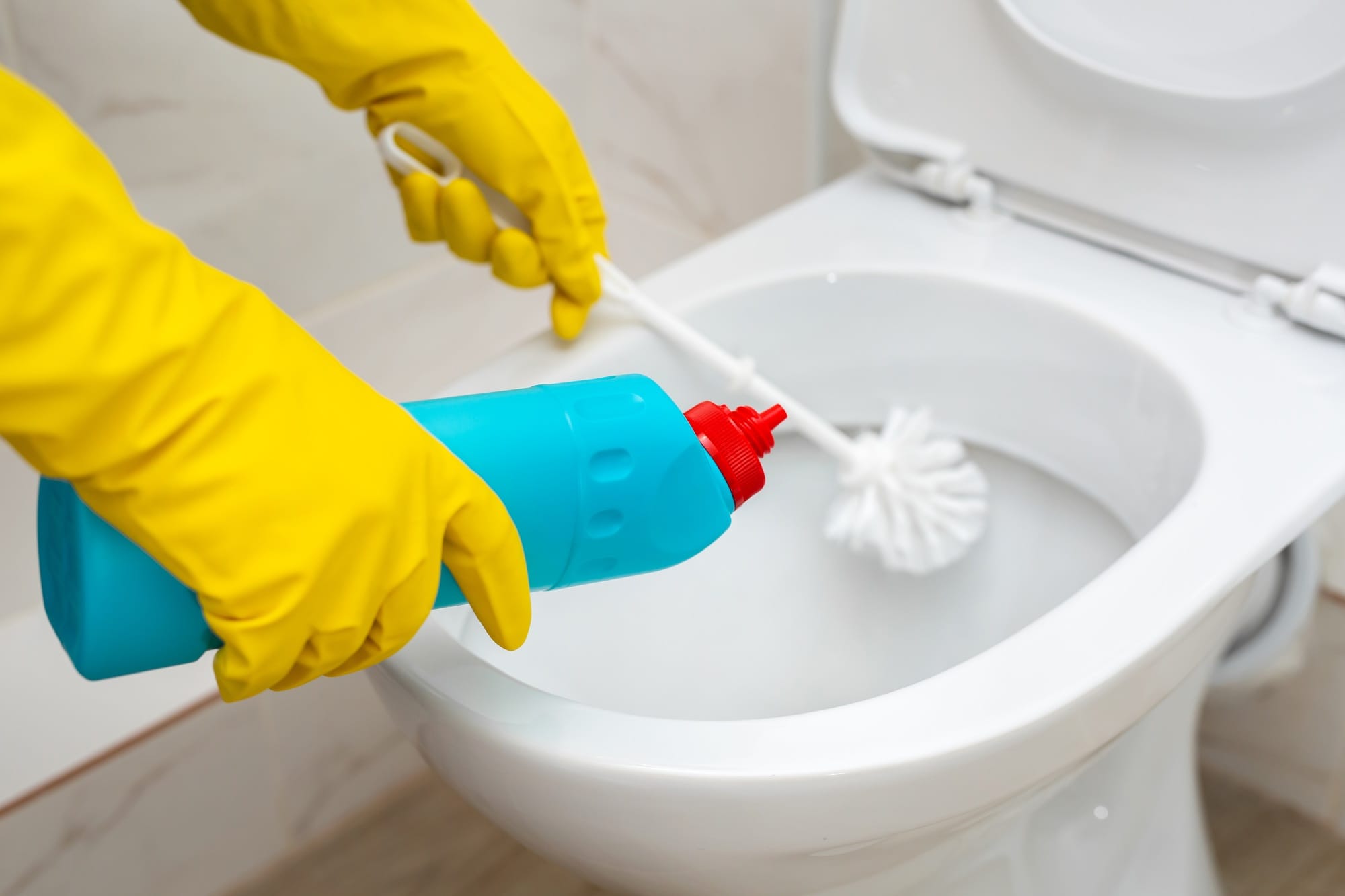


Toiletreiniger is een huishoudelijk en institutioneel schoonmaakproduct dat wordt gebruikt om kalkaanslag, minerale afzettingen, vlekken, geurveroorzakende resten en biologische vervuiling te verwijderen uit toiletpotten, keramische oppervlakken en badkamerarmaturen. Het is wereldwijd een van de meest geproduceerde en gekochte huishoudelijke schoonmaakproducten, verkrijgbaar in zure, alkalische, desinfecterende, bleekmiddelhoudende, gel- en verdikte vloeibare vormen.
Viscositeit en reologie zijn essentieel voor de prestaties van een toiletreiniger. Een product dat te dun is, loopt van het oppervlak voordat het kan werken. Een product dat te dik of draderig is, is moeilijk uit te knijpen, te doseren of te spoelen. Cellulose-ether — voornamelijk HEC (Hydroxyethylcellulose) — biedt een betrouwbaar verdikkings- en reologiesysteem voor viscositeitscontrole, oppervlaktehechting, gelstructuur en formulatiestabiliteit.
Zonder effectieve verdikking worden toiletreinigers geconfronteerd met kritieke uitdagingen: het product loopt te snel van verticale en gebogen oppervlakken, verminderde contacttijd beperkt de reinigingseffectiviteit, het product ziet er waterig en van lage kwaliteit uit, pigmenten of actieve deeltjes kunnen bezinken en de viscositeit per batch wordt inconsistent tijdens productie.
LANDERCOLL biedt HEC en geselecteerde cellulose-etherkwaliteiten voor fabrikanten van toiletreinigers die behoefte hebben aan betrouwbare viscositeitscontrole, oppervlaktehechting, gelstructuur en formulatiestabiliteit in verschillende reinigingssystemen en productieomgevingen.
HEC lost op in de waterfase en bouwt een gestructureerd viscositeitsnetwerk op dat ervoor zorgt dat de toiletreiniger uit de fles stroomt, hecht aan keramische oppervlakken, een stabiele structuur behoudt tijdens opslag en een consistente textuur levert over productiebatches.
LANDERCOLL biedt HEC als de primaire cellulose-etheraanbeveling voor toiletreiniger toepassingen, met CMC en HPMC beschikbaar voor geselecteerde speciale systemen.
Primair · Niet-ionisch · HEC
Hydroxyethylcellulose voor verdikking, oppervlaktehechting, gelstructuur en formulatiestabiliteit in toiletreinigersystemen.
HEC is a non-ionic, water-soluble cellulose ether and the most commonly used cellulose ether in toilet cleaner and bathroom cleaner formulations. In toilet cleaner, HEC builds viscosity in the water phase, improves surface cling on ceramic surfaces, creates a smooth and controlled gel texture, and supports stable product body during storage and use.
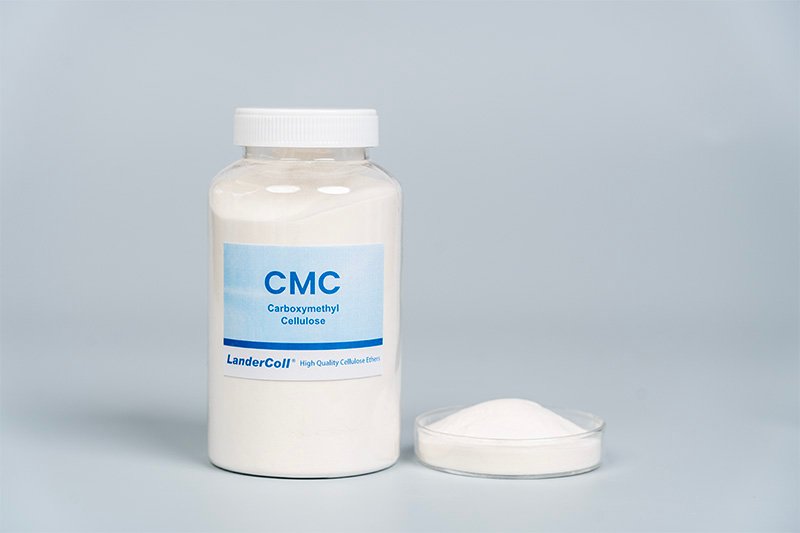 Anionisch · CMC · Geselecteerde systemen
Carboxymethyl Cellulose for selected thickening, suspension, and formulation consistency needs.
CMC may be considered in selected toilet cleaner or household cleaning formulations where viscosity contribution, suspension support, or cost-performance balance is a priority. Important: CMC is an anionic polymer; compatibility with acids, salts, oxidizing agents, and other active ingredients must be confirmed through testing before use.
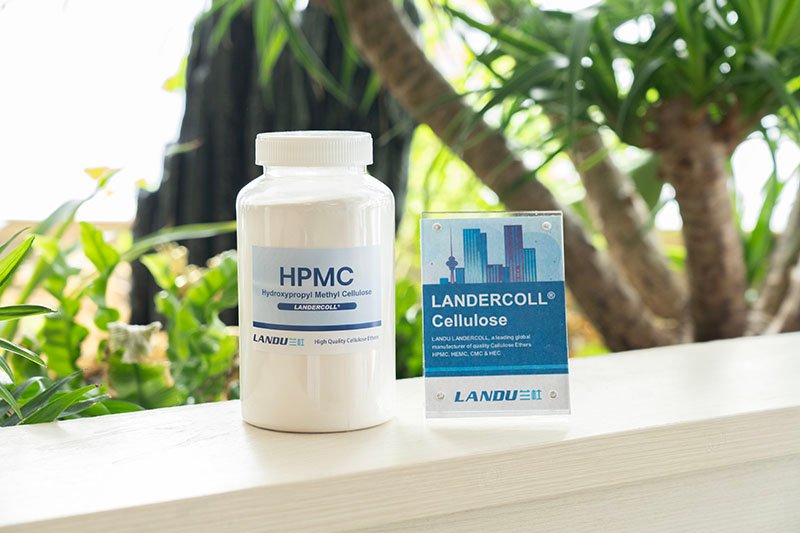 Specialty · HPMC · Gelsystemen
Hydroxypropyl Methylcellulose for specialty thickening, rheology control, and customized gel texture.
HPMC may be considered in specialty toilet cleaner or bathroom gel cleaner systems where specific rheology behavior, water-soluble polymer properties, or customized gel texture is required. Final performance must be confirmed through testing, as toilet cleaner systems may contain acids, salts, oxidizing agents, solvents, fragrance, and surfactants that affect HPMC performance.
Understanding the formulation structure of toilet cleaner helps explain why cellulose ether selection matters and why compatibility testing is always required.
| Component | Function in Toilet Cleaner |
|---|---|
| Water | Hoofdoplosmiddel en dragervloeistof |
| Acids / Alkaline Agents | Remove limescale, mineral deposits, and stains |
| Oppervlakteactieve stoffen | Improve wetting, cleaning, and soil removal |
| Cellulose Ether (HEC / CMC / HPMC) | Improve viscosity, cling, texture, and stability |
| Solvents / Hydrotropes | Support solubility and cleaning performance |
| Fragrance | Provide product scent |
| Conserveermiddelen | Protect water-based formulas where applicable |
| Colorants | Improve product appearance and consumer appeal |
| Disinfecting Ingredients | Used in selected disinfecting toilet cleaner systems |
| Andere Additieven | Adjust foam, clarity, stability, or special performance |
| Toilet Cleaner Type | Aanbevolen product | Main Requirements |
|---|---|---|
| Zure toiletreiniger | HEC / geselecteerde cellulose-ether | Acid compatibility, viscosity build, surface cling |
| Toilet Bowl Gel Cleaner | HEC / selected HPMC | Gel body, controlled flow, surface contact time |
| Verdikte Toiletreiniger | HEC | Viscosity control, smooth texture, bottle dispensing |
| Desinfecterend Toilet Reiniger | HEC / geselecteerde cellulose-ether | Stability, viscosity, active ingredient compatibility |
| Bleekmiddel-gebaseerde toiletreiniger | Selected cellulose ether — testing required | Oxidizer compatibility, stability, viscosity |
| Badkamer Keramische Reiniger | HEC | Spreadability, controlled flow, smooth application |
| Economie Toilet Reiniger | HEC / selected CMC | Cost-performance viscosity and consistency |
| Premium Toilet Cleaner | HEC | Smooth gel texture, stable body, enhanced user experience |
These ranges are starting references only. Final dosage must be confirmed through viscosity testing, pH stability testing, compatibility testing, storage stability evaluation, surface cling assessment, dispensing behavior testing, and consumer-use trials.
| Toilet Cleaner Application | Typische referentiedosering |
|---|---|
| Zure toiletreiniger | 0.2% – 0.8% |
| Toilet Bowl Gel Cleaner | 0.4% – 1.2% |
| Verdikte Toiletreiniger | 0.2% – 0.9% |
| Desinfecterend Toilet Reiniger | 0.2% – 0.8% |
| Bleekmiddel-gebaseerde toiletreiniger | Depends on compatibility testing |
| Badkamer Keramische Reiniger | 0.2% – 0.7% |
| Economie Toilet Reiniger | 0.15% – 0.7% |
| Premium Toilet Cleaner | 0.3% – 1.0% |
Cellulose ether influences viscosity development, surface cling, gel texture, controlled flow, suspension stability, and long-term storage performance in water-based toilet cleaner systems.
HEC helps adjust toilet cleaner viscosity and builds a stable product body. Proper viscosity makes the product look and feel substantial in the bottle, supports controlled dispensing, and reduces the perception of a watery or low-quality product.
Toilet cleaner is applied to vertical and curved ceramic surfaces where gravity works against the product. Cellulose ether improves cling behavior and supports longer surface contact time, allowing cleaning agents to act more effectively before the product runs off.
A smooth, uniform gel texture improves consumer acceptance and makes the product easier to apply accurately. Cellulose ether helps create a controlled flow profile that feels smooth under application without being stringy or difficult to rinse.
Toilet cleaner must flow from the bottle under gentle squeeze pressure without running too fast or becoming difficult to dose. The right cellulose ether grade and dosage help balance thickness and movement for reliable dispensing behavior.
Some toilet cleaners contain particles, opacifiers, color systems, or active ingredients that require stable distribution throughout the product. Cellulose ether can support suspension stability when properly matched with the full formulation system.
A suitable cellulose ether grade helps maintain viscosity and appearance during storage. This reduces separation, viscosity loss, and inconsistent performance after the product has been stored across different temperatures and conditions.
When toilet cleaner fails viscosity, cling, or stability targets, cellulose ether grade, dosage, hydration, or compatibility is often the first variable to review.
Lage viscositeit of zwak verdikkingssysteem.
HEC builds viscosity and improves surface cling.
Excessive dosage or poor rheology balance.
Adjust grade selection and dosage level.
Low product body or unsuitable viscosity profile.
Improve gel body and controlled flow behavior.
pH, acid, surfactant, salt, or oxidizer interaction.
Test compatible grade with full formulation.
Weak suspension or formulation imbalance.
Support suspension stability through grade selection.
Poor dispersion or hydration method.
Improve addition sequence and mixing process.
Viscosity too high or stringy flow behavior.
Optimize viscosity grade and dosage.
Ingredient incompatibility or poor storage stability.
Review full formulation compatibility.
Toilet cleaner formulations are chemically complex. Multiple factors influence how cellulose ether performs in the final product.
Acidic, alkaline, neutral, disinfecting, and bleach-based toilet cleaners have different compatibility requirements. Cellulose ether grade selection must match the final pH range and active ingredient system.
Surfactants affect cleaning performance, foam behavior, viscosity response, and compatibility with cellulose ether. Surfactant type and concentration should be evaluated during formulation testing.
Acid type and concentration may influence viscosity stability, polymer hydration rate, and long-term product performance. High acid concentrations require careful grade selection and testing.
Bleach-based or oxidizing systems require special compatibility testing. Oxidizing agents may degrade cellulose ether polymers and reduce viscosity stability over time.
Salts and other electrolytes can influence viscosity development, product clarity, and long-term stability. High electrolyte systems may require specific HEC grades with appropriate substitution levels.
Fragrance oils and colorants may affect appearance, viscosity, compatibility, and long-term storage stability. Compatibility should be confirmed during formulation development.
Addition sequence, dispersion quality, hydration time, mixing speed, and water temperature all affect cellulose ether hydration and final viscosity development. Poor dispersion leads to lumps, fish eyes, and inconsistent viscosity.
High or low storage temperatures may affect viscosity, appearance, and product stability. Stability testing across the expected storage temperature range is recommended.
Choosing the right cellulose ether requires balancing viscosity target, surface cling requirement, gel texture, pH compatibility, storage stability, and dispensing behavior.
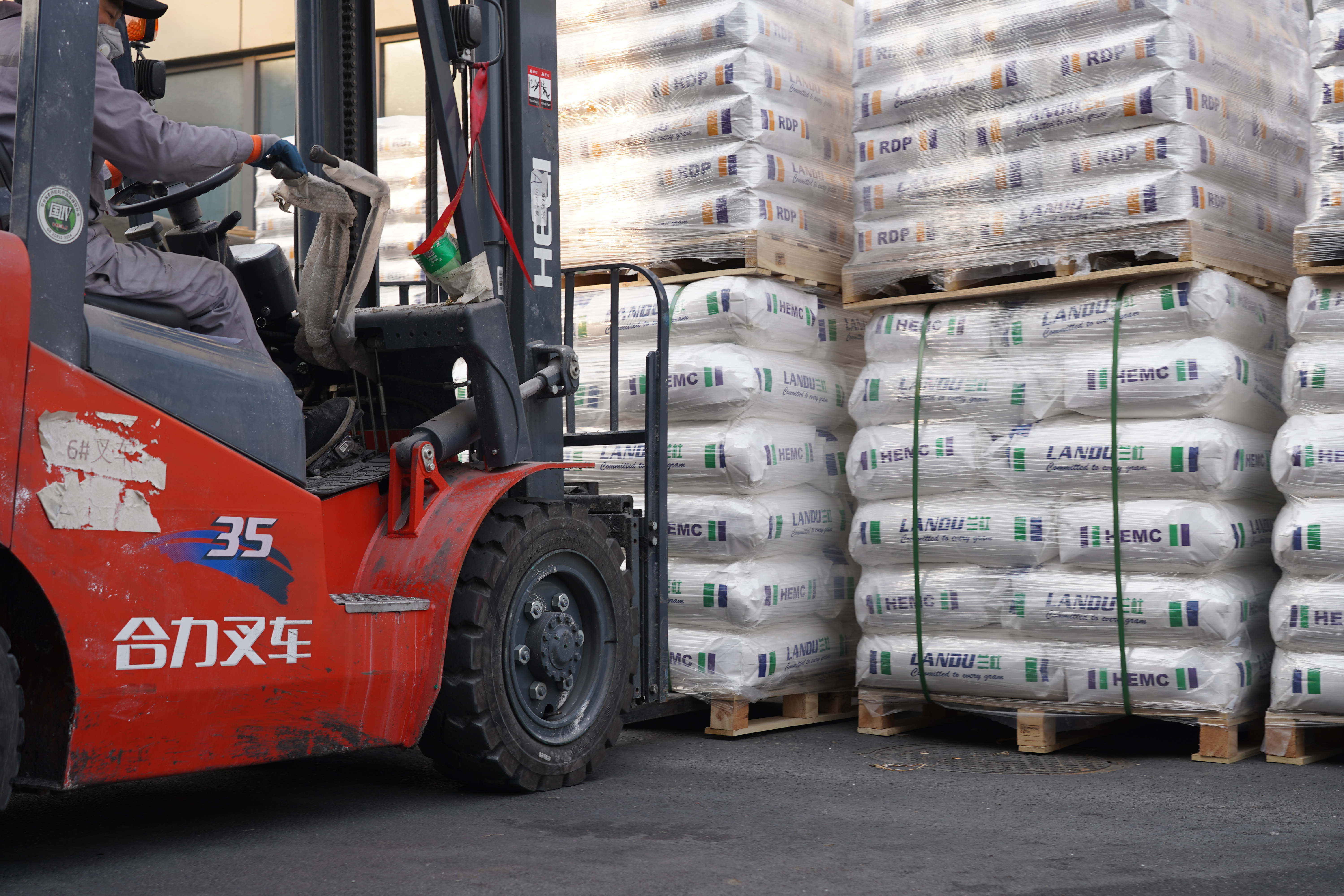 Grade Selection Guide
LANDERCOLL can review your toilet cleaner formulation direction and recommend suitable HEC or selected cellulose ether grades for testing based on your specific system requirements.
Is the toilet cleaner acidic, alkaline, neutral, disinfecting, or bleach-based?
What is the target pH range of the final formulation?
What viscosity and surface cling performance are required?
Is the product clear, opaque, colored, or gel-like?
What surfactant system and loading level are used?
Are disinfecting or oxidizing ingredients included?
What fragrance and preservative system is used?
What bottle format and dispensing method are used?
What temperature range and shelf life are expected?
What mixing equipment and hydration method are available?
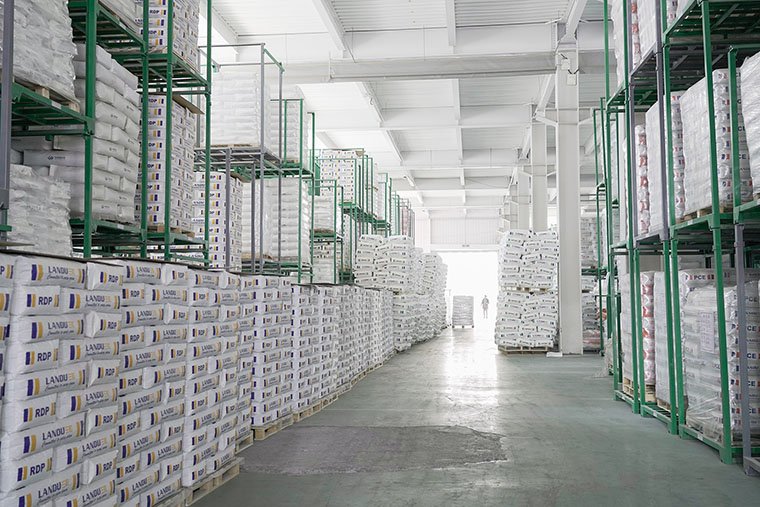
LANDERCOLL provides product-related documentation to support toilet cleaner formulation testing, purchasing review, quality approval, and import compliance.
 Formulation & Performance Evaluation
Supporting toilet cleaner development with complete technical documentation.
— LANDERCOLL R&D —Product specifications and performance data for formulation review.
Safety, handling, and regulatory information (SDS / MSDS).
Batch quality confirmation supplied per shipment.
Overview of cellulose ether range and application areas.
Formulation guidance and usage recommendations.
Grade recommendation for specific toilet cleaner applications.
Referentie voor hantering, houdbaarheid en opslagcondities.
Available where applicable for international orders and import compliance.
All documents supplied upon request to support formulation review, quality approval, and import compliance.
Request Product DocumentsHEC grade selection for viscosity control and surface cling
Gel texture and controlled flow adjustment
Storage stability discussion and testing direction
Compatibility review for acid, alkaline, and disinfecting systems
Dosage reference for different toilet cleaner types
Sample provision and quotation communication
Technical documentation support (TDS, SDS, COA)
If your toilet cleaner formulation has low viscosity, poor surface cling, storage separation, lump formation, difficult dispensing, or unstable appearance, the cellulose ether grade or dosage may need to be reviewed.
LANDERCOLL can help evaluate suitable HEC and selected cellulose ether options based on your pH system, surfactants, active ingredients, viscosity target, surface cling requirement, packaging format, and production process.
HEC (Hydroxyethyl Cellulose) is the most commonly used cellulose ether in toilet cleaner formulations. It provides viscosity control, thickening, surface cling, smooth gel texture, and formulation stability. CMC and HPMC may be considered in selected customized systems after compatibility testing.
HEC dissolves in the water phase and builds viscosity, product body, and a structured rheology network. In toilet cleaner, this improves surface cling on ceramic surfaces, creates smooth gel texture, supports controlled flow from the bottle, and helps maintain stable consistency during storage.
Cellulose ether primarily supports viscosity, cling, texture, and stability — not cleaning chemistry. Cleaning performance depends on acids, surfactants, disinfecting ingredients, solvents, water quality, and application conditions. However, improved cling from cellulose ether can support longer surface contact time, which may indirectly support cleaning effectiveness.
A common reference dosage range is approximately 0.15%–1.2% by formulation weight, depending on cleaner type, target viscosity, pH, active ingredient system, and cellulose ether grade. Final dosage must always be confirmed through formulation testing and stability evaluation.
Selected HEC grades may be used in acidic toilet cleaners. However, acid type, acid concentration, pH level, surfactant system, and storage stability must all be tested before finalizing the formulation. Not all HEC grades perform equally in acidic conditions.
Bleach-based and oxidizing systems require special compatibility testing. Oxidizing agents can degrade cellulose ether polymers over time, leading to viscosity loss and product instability. Any use in bleach-based systems must be confirmed through accelerated stability testing.
Viscosity loss during storage may be caused by pH changes, acid concentration effects, oxidizing ingredient degradation, surfactant incompatibility, high electrolyte levels, temperature fluctuations, poor initial hydration, or an unsuitable cellulose ether grade for the system. A full formulation compatibility review is recommended.
Start by defining your pH system, cleaner type, active ingredients, surfactant system, viscosity target, surface cling requirement, packaging format, storage conditions, and production process. LANDERCOLL can review your formulation direction and recommend suitable HEC or selected cellulose ether grades for evaluation and testing.
Whether you produce acidic toilet cleaner, toilet bowl gel cleaner, thickened toilet cleaner, disinfecting toilet cleaner, bathroom ceramic cleaner, economy toilet cleaner, or premium toilet cleaner — LANDERCOLL can help you choose the right cellulose ether grade for better viscosity control, surface cling, gel texture, controlled flow, and formulation stability.
Our team can provide grade recommendations, dosage references, technical data sheets, samples, and quotations to support your formulation development and purchasing process.
LANDERCOLL cellulose ether products are manufactured for industrial and commercial use. All formulation data, dosage references, and application guidance provided are for general reference only. Final product performance must be confirmed through testing under your specific formulation, process, and storage conditions.