Cellulose Ether Excellence — Vertrouwd door meer dan 1000 ondernemingen wereldwijd Gratis proefverpakking




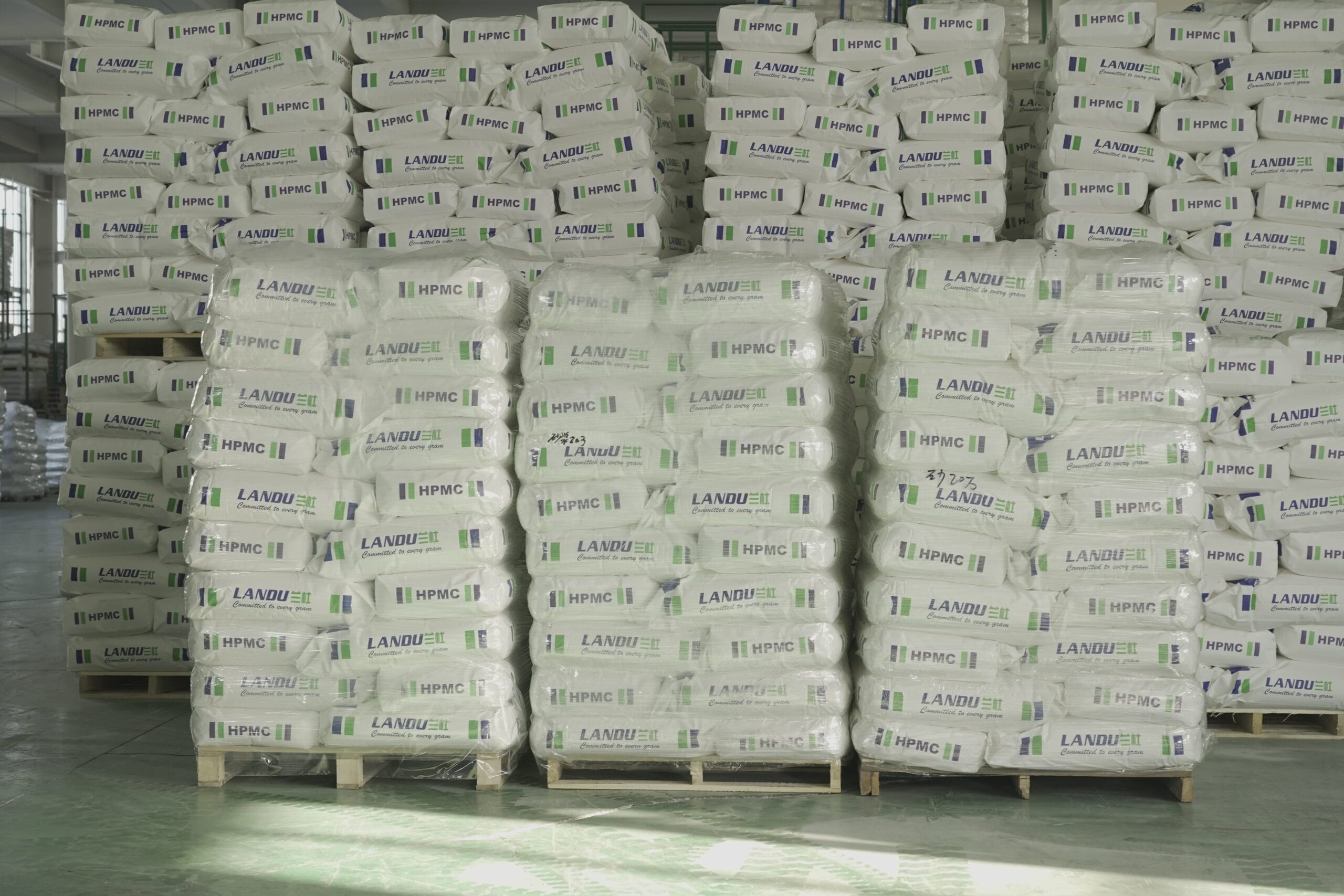
LANDERCOLL farmaceutische kwaliteit cellulose-ether ondersteunt formuleringontwikkeling met functionele excipiëntoplossingen voor viscositeitscontrole, binding, coating, stabilisatie, suspensieondersteuning, filmvorming en toepassingen met gecontroleerde afgifte.
In de farmaceutische productie is de kwaliteit van de hulpstof net zo belangrijk als die van het actieve bestanddeel — de prestaties hebben direct invloed op de afgifte van het geneesmiddel, de biologische beschikbaarheid, de stabiliteit en de wettelijke acceptatie. LANDERCOLL helpt ontwikkelingsteams bij het identificeren van de juiste kwaliteit en documentatietraject.
— HPMC Hypromellose · Carboxymethylcellulose Natrium · USP · Ph.Eur. · Filmcoating · Gecontroleerde afgifte · Leverancier van farmaceutische hulpstoffen
 Tabletcoating
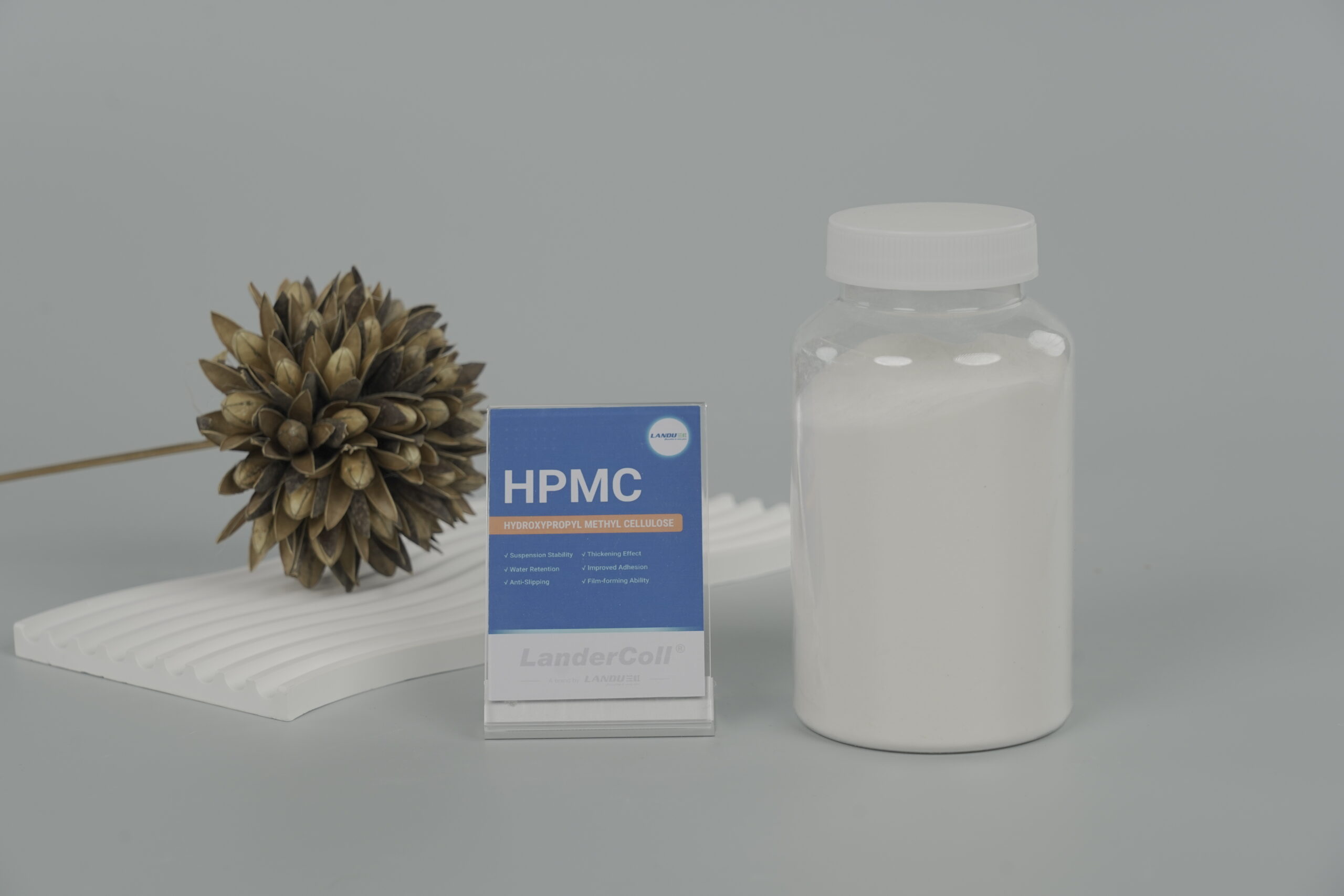 Gecontroleerde afgifte
 Suspensies
 Topical & Oraal
Farmaceutische kwaliteit cellulose-ether moet worden geselecteerd op basis van de beoogde doseringsvorm, farmacopee-eisen, kwaliteitsnormen van de klant, documentatiebehoeften en regelgeving van de doelmarkt. Niet elke industriële, bouw-, wasmiddel-, persoonlijke verzorgings- of voedingskwaliteit cellulose-ether is geschikt voor farmaceutisch gebruik. Voor evaluatie of commercieel gebruik moeten klanten de exacte productkwaliteit, technische gegevensblad, analysecertificaat, veiligheidsinformatieblad, specificatie en eventuele vereiste kwaliteits- of regelgevingsdocumenten bevestigen.
Grade · Function · Documentation
Farmaceutische kwaliteit cellulose-ether wordt gebruikt in geneesmiddelformuleringssystemen waar gecontroleerde functionaliteit, kwaliteitsconsistentie, documentatietraceerbaarheid en procesbetrouwbaarheid essentieel zijn. Afhankelijk van de kwaliteit en doseringsvorm kan cellulose-ether ondersteuning bieden bij tabletbinding, filmcoating, matrixsystemen met gecontroleerde afgifte, capsule-gerelateerde toepassingen, farmaceutische suspensies, topische producten, orale vloeistoffen en andere hulpstoffuncties in een breed scala aan formuleringsconcepten.
LANDERCOLL farmaceutische kwaliteit cellulose-ether omvat twee primaire productrichtingen: geschikte HPMC- en geschikte CMC-kwaliteiten. HPMC, ook bekend als hypromellose, wordt veel gebruikt in farmaceutische tabletten als bindmiddel, coatingpolymeer en excipiënt voor gecontroleerde afgifte matrices. Een recensie uit 2025 gepubliceerd in Pharmaceuticals (PMC12196896) beschrijft HPMC als veelgebruikt in tabletformuleringen voor binding en doseringsvormen met gecontroleerde afgifte.
Geschikte CMC- of natriumcarboxymethylcellulose-kwaliteiten kunnen worden gebruikt in geselecteerde farmaceutische systemen voor binding, suspensie, viscositeitsmodificatie, stabilisatie en gerelateerde hulpstoffuncties. De USP vermeldt natriumcarboxymethylcellulose als een compendiale standaard ter ondersteuning van identiteit, kwaliteit en monografie-gerelateerde testworkflows. HEC kan worden overwogen in geselecteerde systemen waar de niet-ionische eigenschappen en het viscositeitsprofiel overeenkomen met de formuleringsbehoeften.
De farmaceutische productrichting van LANDERCOLL omvat twee primaire opties — geschikte HPMC en geschikte CMC — met HEC beschikbaar voor geselecteerde systemen. Elk product vereist geschikte gekwalificeerde kwaliteiten en volledige documentatiebeoordeling vóór gebruik in farmaceutische formuleringen. De uiteindelijke geschiktheid moet altijd worden bevestigd door de farmaceutische ontwikkelings- en kwaliteitsorganisatie van de klant.
Hypromellose — filmcoating, gereguleerde afgifte, binding en geselecteerde hulpstofsystemen
Hydroxypropylmethylcellulose (HPMC), in farmaceutische contexten algemeen bekend als hypromellose, is een van de belangrijkste cellulose-ethers in geneesmiddelformulering. Geschikte farmaceutische kwaliteit HPMC kan worden gebruikt in tabletfilmcoating, matrix-tabletten met gereguleerde afgifte, orale filmsystemen, capsule-gerelateerde toepassingen, oculaire of topische systemen, en geselecteerde suspensie- of viscositeitscontroleformuleringen, afhankelijk van de kwaliteitsspecificatie en beschikbare documentatie.
Natriumcarboxymethylcellulose — binding, suspensie, stabilisatie en viscositeitscontrole
Carboxymethylcellulose (CMC), specifiek natriumcarboxymethylcellulose, kan worden gebruikt in geselecteerde farmaceutische toepassingen waar viscositeitscontrole, suspensiestabiliteit, binding en formuleringconsistentie vereist zijn. USP vermeldt Carboxymethylcellulose-natrium als een compendiale norm die identiteit, kwaliteit en monografie-gerelateerde testworkflows ondersteunt voor farmaceutische kwaliteitssystemen. Geschikte farmaceutische kwaliteit CMC kan orale vloeibare suspensies, topische producten, tabletbindersystemen en andere hulpstof-gerelateerde toepassingen ondersteunen.
Geselecteerde cellulose-ether voor viscositeit en topische of vloeibare systemen waar geschikt.
Hydroxyethyl cellulose (HEC) staat voornamelijk bekend om watergebaseerde verdikking, reologiecontrole en suspensiestabiliteit. In geselecteerde farmaceutische of gezondheidszorgsystemen kunnen geschikte kwaliteiten worden overwogen voor viscositeitsmodificatie, topische gelstructuur of suspensieondersteuning, afhankelijk van de formuleringseisen en beschikbare documentatie. HEC mag alleen worden overwogen waar het ontwerp van de doseringsvorm en de kwaliteitseisen van de klant overeenkomen met de beschikbare kwaliteitsspecificatie en documentatiepakket.

Tablet film coating is one of the most established pharmaceutical applications for HPMC. Suitable pharmaceutical grade HPMC forms a uniform film layer on the tablet surface, helping improve appearance, handling characteristics, surface protection, swallowability, and overall coating process performance. A film coating system must balance viscosity, film strength, flexibility, drying behavior, adhesion to the tablet core, and compatibility with the coating process.
The final HPMC grade should be selected according to the coating process type, solvent system, tablet core composition, target film properties, and applicable regulatory requirements. Colorcon's technical education materials note that hypromellose is used as a tablet-coating polymer in pharmaceutical manufacturing.
HPMC is one of the most widely used excipients in controlled-release matrix tablet formulations. When hydrated in the gastrointestinal environment, suitable HPMC grades form a gel layer that helps regulate drug release over an extended period. As documented in Colorcon's technical education materials, hypromellose has been used in pharmaceutical matrix tablets for many years as a well-established excipient for controlled-release dosage form design.
Binding & Granulation

In tablet formulations, suitable cellulose ether grades help bind powder particles and improve tablet integrity, hardness, and friability performance. HPMC supports binding and powder cohesion in both wet granulation and direct compression processes, while suitable CMC grades may also be considered depending on formulation design and process method. Binder selection should consider granulation method, compression behavior, target tablet hardness, disintegration requirement, dissolution target, and compatibility with the API and other excipients.
Pharmaceutical suspensions require stable, uniform distribution of insoluble or poorly soluble materials throughout the product's shelf life. Suitable CMC, HPMC, or selected HEC grades may support viscosity, suspension stability, redispersibility, and uniform dosing depending on the formulation design. The right grade must provide sufficient rheological structure to reduce settling while still allowing good pouring, accurate dosing, and easy redispersion upon shaking.
Topical Systems
Topical pharmaceutical systems require controlled viscosity, smooth texture, physical stability, and process compatibility across manufacturing and storage conditions. Suitable cellulose ether grades help create gel structure, improve spreadability, stabilize dispersed active ingredients, and control product consistency in semisolid dosage forms. Grade selection should consider pH, preservatives, active pharmaceutical ingredients, salts, solvents, and humectants.
Orale films
Suitable HPMC grades may be considered in oral film or specialty dosage-form systems where film integrity, flexibility, dissolution behavior, and formulation compatibility are required. These applications require careful grade selection, formulation development, and process validation.
Capsulesystemen
HPMC is used in capsule-related applications, including certain vegetarian or plant-derived capsule systems and related pharmaceutical concepts. Product suitability depends on the specific capsule technology, grade specification, available documentation, and customer validation requirements.
Different pharmaceutical applications require different cellulose ether grades and performance profiles. The table below provides a general selection reference for formulation development teams. Final product selection must be tested and qualified by the customer according to dosage form, route of administration, pharmacopoeia requirements, process conditions, API compatibility, and target market regulations.
| Toepassing | Aanbevolen productrichting | Belangrijkste prestatie-eisen |
|---|---|---|
| Tabletfilmcoating | Pharmaceutical grade HPMC | Film formation, coating uniformity, process stability |
| Matrix met gereguleerde afgifte | Pharmaceutical grade HPMC | Gel layer formation, release control, matrix integrity |
| Tablet Binding | Pharmaceutical grade HPMC / suitable CMC | Powder cohesion, tablet integrity, granule strength |
| Farmaceutische suspensies | Pharmaceutical grade CMC / HPMC / selected HEC | Suspension stability, viscosity, redispersibility |
| Orale vloeistofsystemen | Geschikte CMC / HPMC | Viscosity, stabilization, dosing consistency |
| Topische gels | Suitable CMC / HPMC / selected HEC | Texture, viscosity, stability, spreadability |
| Orale films | Suitable HPMC | Film integrity, dissolution behavior, flexibility |
| Capsule-Related Systems | Suitable HPMC | Film structure, capsule functionality, process support |
| Excipient Systems | Depends on dosage form | Binding, coating, viscosity, stabilization, consistency |
Dosage in pharmaceutical formulations depends on dosage form, active pharmaceutical ingredient, target release profile, formulation design, process method, viscosity grade, and regulatory requirements. The following directions should be treated as broad formulation discussion references only, not fixed usage standards.
Pharmaceutical dosage levels must be developed and validated by qualified formulation, quality, and regulatory teams. LANDERCOLL can provide grade direction and documentation support, but final formulation suitability must always be confirmed by the customer's own pharmaceutical development and quality organization.
| Toepassing | Typical Reference Direction |
|---|---|
| Tabletfilmcoating | Depends on coating system, solids content, and target film weight gain |
| Matrix met gereguleerde afgifte | Depends on desired release profile and matrix design |
| Tablet Binding | Depends on granulation process and tablet target properties |
| Farmaceutische suspensies | Depends on target viscosity and redispersibility requirements |
| Orale vloeistofsystemen | Depends on viscosity and dosing requirements |
| Topical Gels and Creams | Depends on desired texture and stability targets |
| Orale films | Depends on film thickness, flexibility, and dissolution target |
| Capsule-Related Systems | Depends on capsule technology and formulation design |
Pharmaceutical grade cellulose ether delivers a range of controlled excipient functions that directly affect drug release, tablet performance, suspension stability, and formulation reliability. Each function must be matched to the dosage form, grade specification, and validation requirements of the customer's pharmaceutical development program.
Suitable HPMC grades form films for tablet coating, oral film systems, capsule-related applications, and selected specialty dosage forms. Film-forming performance depends on grade specification, viscosity, concentration, solvent system, and process conditions.
HPMC is widely used in controlled-release matrix systems where hydration and gel layer formation help manage drug release behavior over extended periods. As described in the 2025 review in Pharmaceuticals (PMC12196896), HPMC is a well-established excipient for controlled-release tablet formulations.
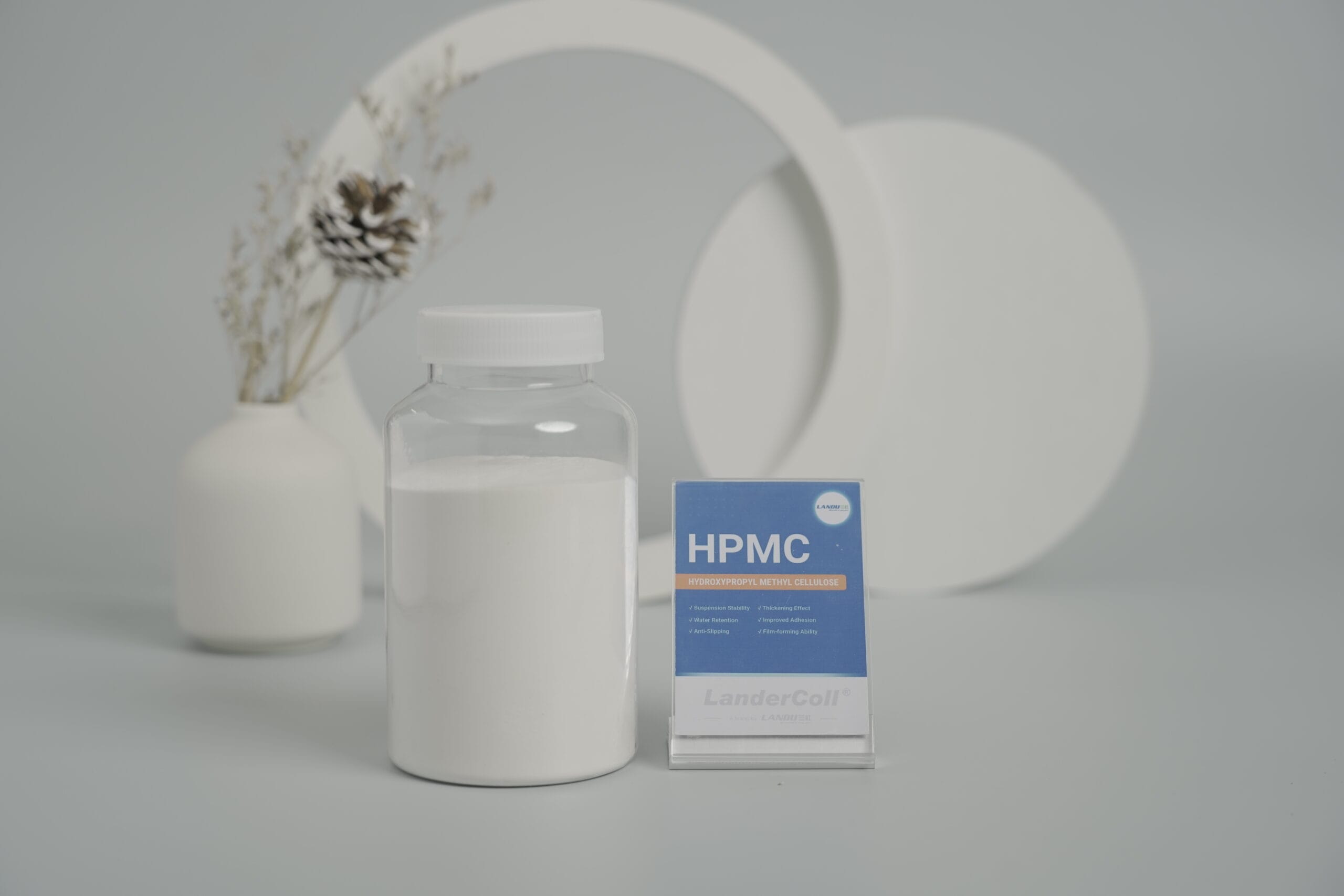
HPMC and suitable CMC grades support powder cohesion, granule strength, and tablet integrity in selected formulations. Binder performance depends on grade, concentration, granulation method, and compatibility with the active ingredient and other excipients.
CMC, HPMC, and selected HEC grades help adjust viscosity in suspensions, oral liquids, topical systems, and other pharmaceutical formulations. Viscosity grade selection is critical for achieving the target rheological behavior in each dosage form.
Suitable cellulose ether grades reduce sedimentation and maintain uniform distribution of dispersed active ingredients or insoluble materials in pharmaceutical suspensions throughout shelf life. The right grade must balance sufficient rheological structure with good redispersibility and dosing accuracy.
Cellulose ether improves physical stability, texture uniformity, and process consistency in selected dosage forms, helping maintain product quality from manufacturing through end use. This is especially important in topical, oral liquid, and suspension systems where stability must be maintained across temperature variation, transportation, and storage.
In topical gels, creams, and oral liquid systems, suitable cellulose ether grades support controlled texture, spreadability, and user-friendly product consistency that meets both patient and regulatory expectations. Sensory quality in semisolid forms is directly influenced by cellulose ether grade and concentration.
Film forming, controlled release, binding, viscosity control — the primary pharmaceutical cellulose ether.
Suspension stability, viscosity control, binding, and stabilization in selected dosage forms.
Selected viscosity and texture support — for topical or liquid pharmaceutical systems where suitable.
Pharmaceutical customers require clear documentation and quality support before product evaluation or supplier approval. LANDERCOLL can provide product-related documents according to the selected grade and customer requirements.
The FDA maintains an Inactive Ingredients Database that is updated quarterly and provides information about inactive ingredients present in FDA-approved drug products. This database is a useful reference point for excipient research and formulation benchmarking, but it does not replace customer qualification, formulation validation, or independent regulatory review.
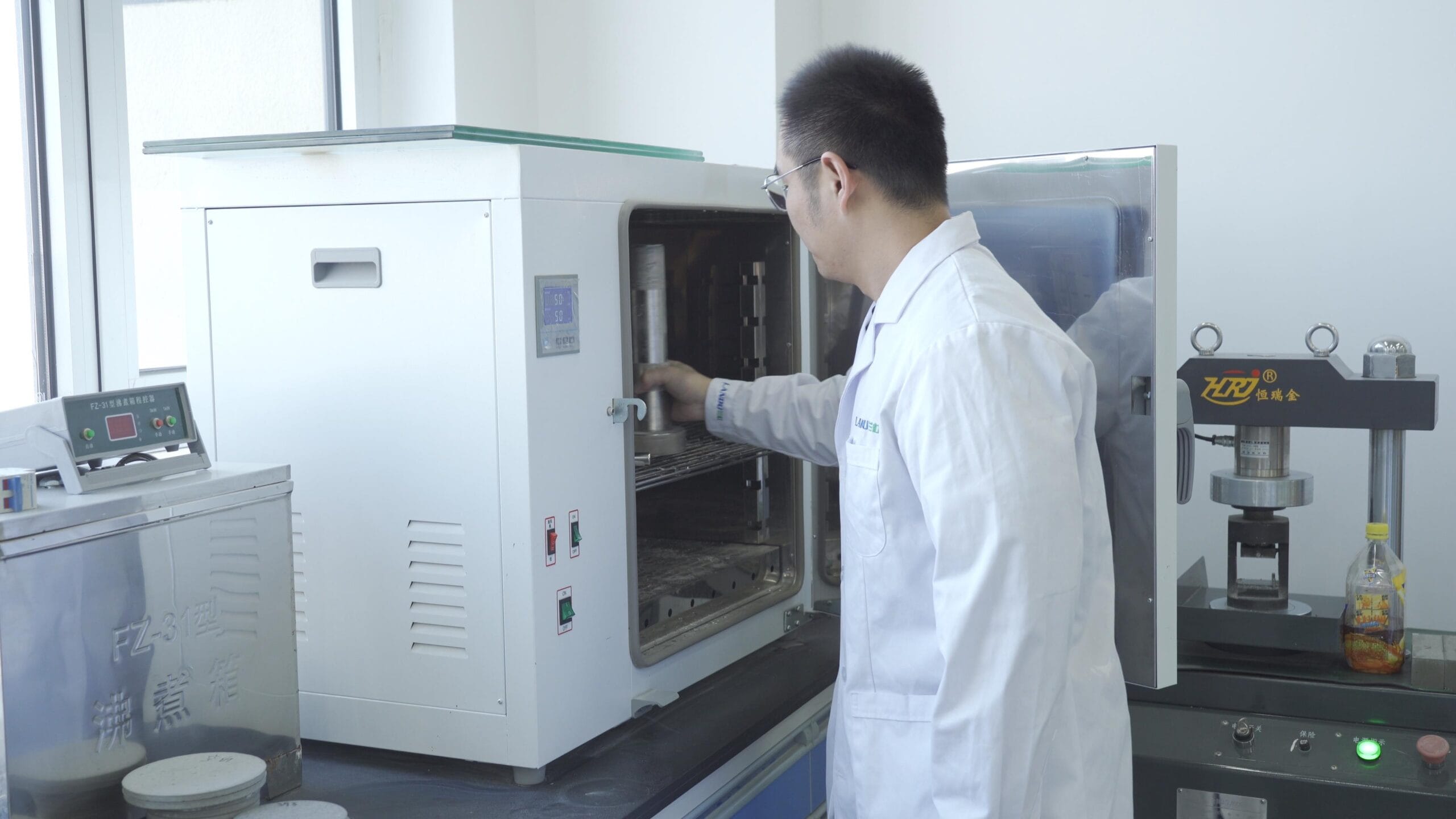
Document availability may vary by product grade and market. Customers should confirm required documents before initiating testing or commercial qualification activities. LANDERCOLL provides documentation support but does not replace the customer's own regulatory and quality assessment.
Choosing the right pharmaceutical grade cellulose ether requires a thorough understanding of the dosage form, intended excipient function, regulatory requirements, and formulation process. The best grade must match both the technical performance target and the documentation expectations of the customer's quality and regulatory organization.
If you are not sure which pharmaceutical grade is most suitable, LANDERCOLL can review your application direction and recommend a practical HPMC or CMC grade for initial evaluation.
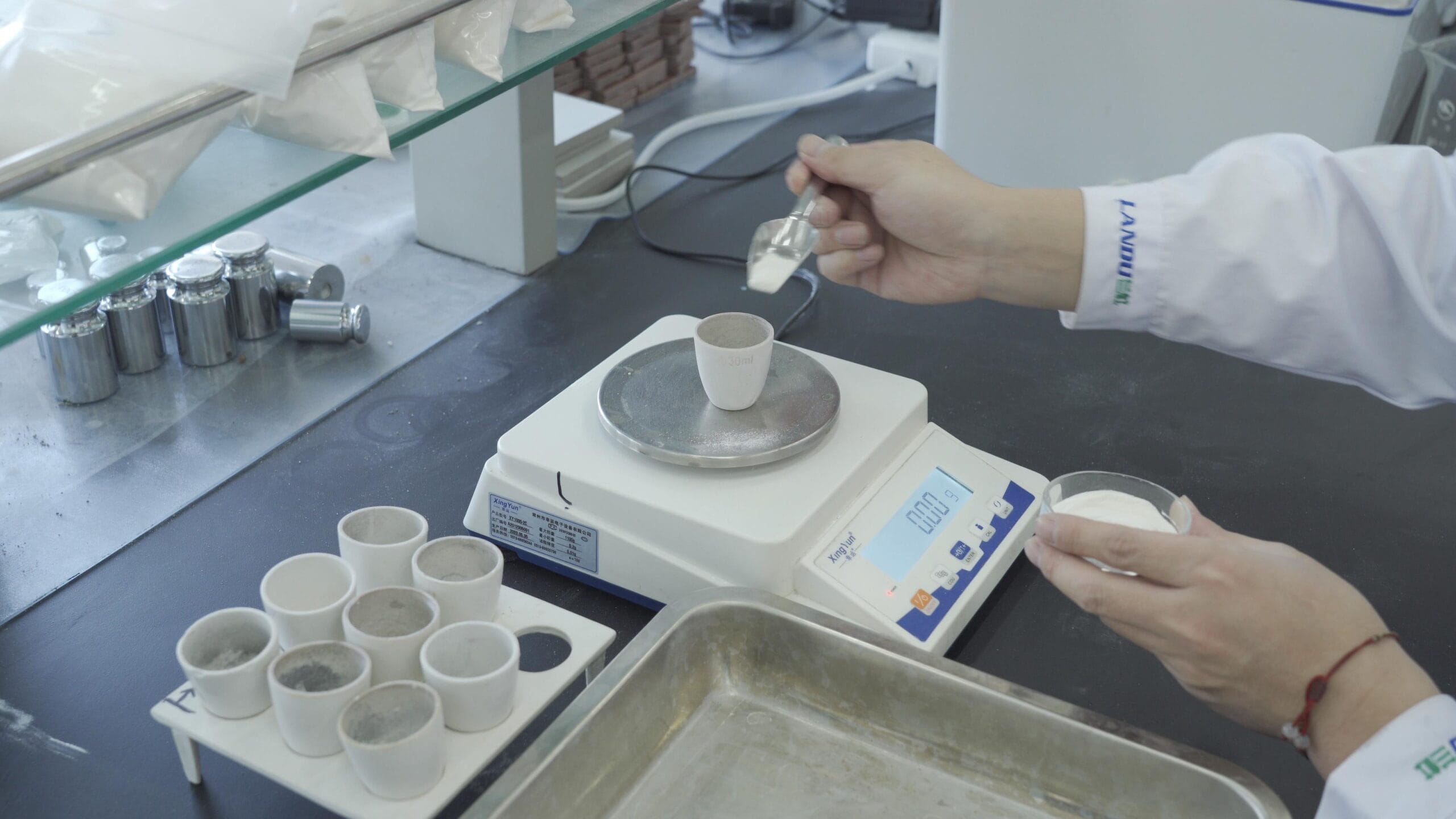

What dosage form are you developing — tablet, suspension, gel, oral film, capsule?
Tablet coating, controlled release, binding, suspension, topical, or oral liquid?
Do you need HPMC, CMC, or another cellulose ether family?
What viscosity range or specification is required for the dosage form?
What pharmacopoeia standard or customer specification must be met?
What target market will the product be sold in?
Oral, topical, ophthalmic, or another route?
Coating, granulation, compression, dispersion, hydration, or mixing?
Microbiological, heavy metal, allergen, GMO, or TSE-BSE documents required?
Release profile, coating performance, suspension stability, or texture target?
Not sure which pharmaceutical grade cellulose ether is most suitable? LANDERCOLL can review your application direction and recommend a practical grade for initial evaluation.
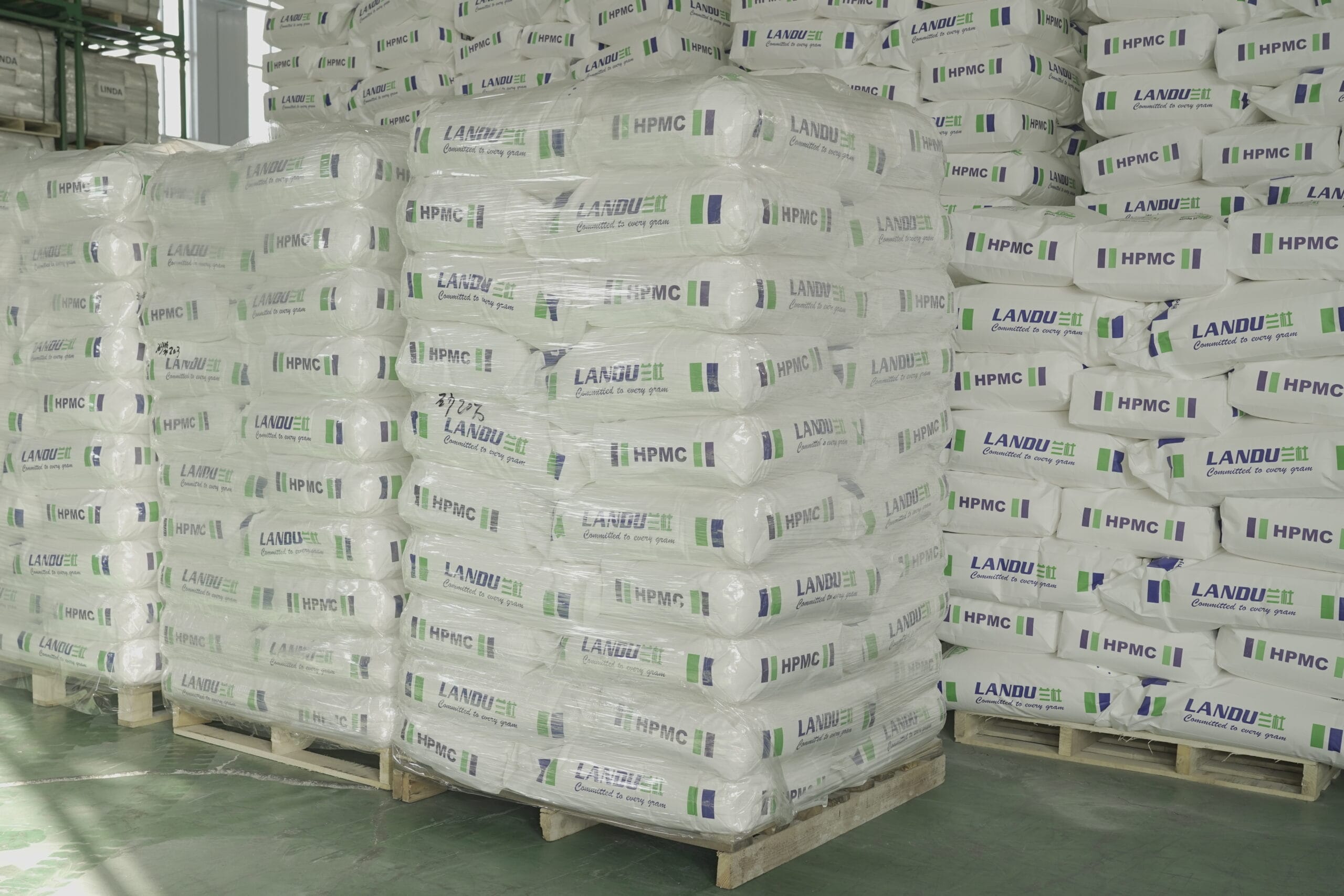
LANDERCOLL pharmaceutical grade cellulose ether is supplied in packaging suitable for protected transportation, storage, and production handling, subject to the selected grade and customer requirements.
Because cellulose ether is hygroscopic and can absorb moisture from the environment, proper storage conditions are essential to maintain powder flowability, hydration behavior, viscosity performance, and product stability throughout the supply chain.
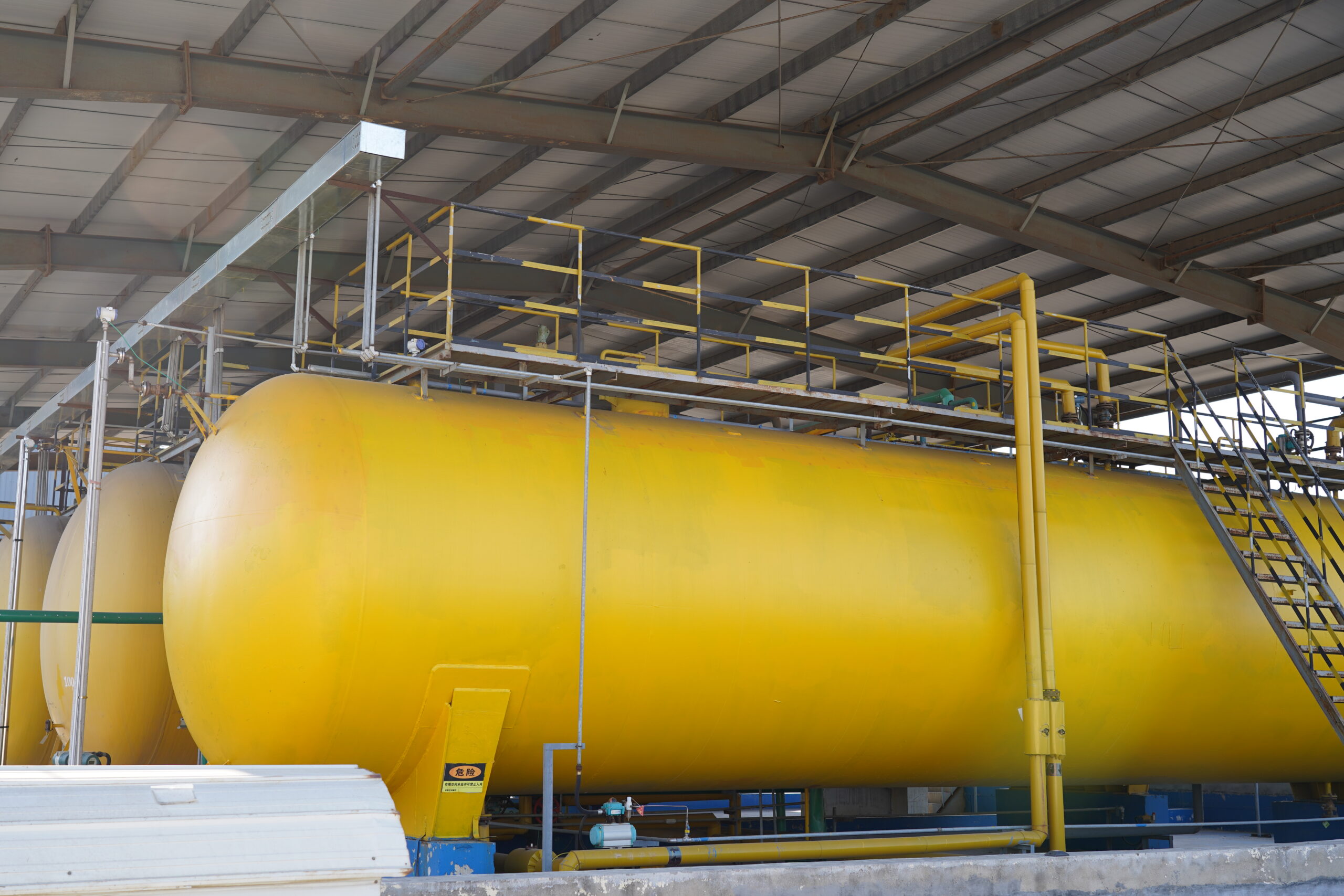
 Hygroscopisch · Verzegelen wanneer niet in gebruik
If you are developing a tablet coating system, controlled-release matrix formulation, pharmaceutical suspension, topical gel, oral liquid, or excipient-related application, LANDERCOLL can help you evaluate suitable HPMC and CMC grade directions.
Our support focuses on product direction, documentation, grade comparison, and communication for evaluation and qualification. Final formulation design, qualification, validation, and regulatory acceptance must be managed by the customer's pharmaceutical development and quality teams.
Pharmaceutical grade HPMC and CMC selection and comparison
Film coating product direction and grade discussion
Controlled-release grade direction and viscosity reference
Suspension and viscosity support
Binder and cohesion support discussion
Documentation package support (TDS, SDS, COA, pharmacopoeia-related)
Communicatie over monsters en offertes
Long-term qualified supply discussion
Pharmaceutical grade cellulose ether refers to suitable cellulose-derived excipients used in pharmaceutical formulations for functions such as film forming, binding, controlled release, viscosity control, suspension stability, and stabilization, subject to grade qualification, pharmacopoeia compliance, and applicable regulatory requirements.
HPMC and CMC are the two most commonly used cellulose ethers in suitable pharmaceutical applications. HPMC is widely used for tablet film coating, controlled-release matrix systems, binding, and selected suspensions. CMC may be used for suspensions, oral liquids, topical systems, and selected binding applications depending on grade and documentation.
Yes. Suitable pharmaceutical grade HPMC is widely used as a tablet film coating polymer because of its film-forming properties, process compatibility, and established regulatory history in approved drug products. Colorcon's technical education materials note that hypromellose is used as a tablet-coating polymer in pharmaceutical manufacturing.
Yes. HPMC is one of the most widely used excipients in controlled-release matrix tablets. As described in the 2025 review in Pharmaceuticals (PMC12196896), HPMC is commonly used in tablet formulations for controlled-release dosage forms. When hydrated, suitable HPMC grades form a gel layer that helps manage drug release over an extended period.
Suitable CMC grades improve viscosity, reduce sedimentation, support suspension stability, and improve uniform dosing in selected pharmaceutical suspension systems. The USP compendial standard for Carboxymethylcellulose Sodium supports quality testing for pharmaceutical use.
No. Industrial, construction, paint, detergent, or general-purpose grades must not be assumed suitable for pharmaceutical use. Pharmaceutical applications require suitable qualified grades with appropriate documentation, pharmacopoeia compliance, and customer qualification before any commercial use.
Commonly requested documents include TDS, SDS, COA, product specification, pharmacopoeia-related information, microbiological data, heavy metals information, residual solvent information, and other quality or regulatory statements depending on customer and market requirements. Document availability varies by product grade and market.
No. The FDA Inactive Ingredients Database lists inactive ingredients found in FDA-approved drug products and is updated quarterly. It is a useful reference for excipient research and benchmarking, but it does not replace product qualification, formulation validation, or independent regulatory review by the customer.
Start with the dosage form, target excipient function, viscosity requirement, route of administration, pharmacopoeia expectations, documentation needs, and target market. LANDERCOLL can help recommend suitable HPMC or CMC grade directions for evaluation and qualification. Final suitability must always be confirmed by the customer's own pharmaceutical development and quality organization before commercial use.
Whether you need HPMC for tablet coating or controlled-release matrix design, CMC for suspension stability and oral liquid systems, or suitable cellulose ether support for topical, oral film, or excipient-related applications, LANDERCOLL can help you identify the right pharmaceutical grade direction and documentation path.
Our team is ready to review your formulation requirements, recommend suitable grades for evaluation, provide technical data sheets, safety data sheets, and compliance-related documents, and support your sample and quotation process.
Pharmaceutical Grade Cellulose Ether | HPMC Hypromellose Excipient | CMC Sodium Carboxymethylcellulose Pharmaceutical | Tablet Film Coating Polymer | Controlled Release Matrix Excipient | Pharmaceutical Suspension Stabilizer.
Technical support available. Samples on request. Documentation provided according to grade and pharmaceutical application requirements.
