Cellulose Ether Excellence — Vertrouwd door meer dan 1000 ondernemingen wereldwijd Gratis proefverpakking

LANDERCOLL cellulose ether helpt fabrikanten van droge mortel wereldwijd om de waterretentie, verwerkbaarheid, open tijd, reologiecontrole, anti-zakprestaties en betrouwbare toepassing op de bouwplaats te verbeteren in cementgebonden, gipsgebonden en polymeergemodificeerde droogmengsystemen.
Van tegel lijm en wandvulmiddel tot cementpleister, reparatiemortel en isolatiemortel — de juiste HPMC of HEMC / MHEC kwaliteit zorgt ervoor dat natte mortel consistent gedrag vertoont tijdens het mengen, verspreiden, afstrijken en afwerken.
— HPMC · HEMC / MHEC · Waterretentie · Open Tijd · Anti-Sag · Verwerkbaarheid · Kant-en-klare Droge Mortel · Droge Mortel Fabrikanten
 Tegellijm
 MuurplamuurRender & Plaster
 Herstellingsmortel
Cellulose-ether — voornamelijk HPMC (Hydroxypropyl Methylcellulose) en HEMC/MHEC (Hydroxyethyl Methylcellulose) — is een belangrijke functionele toevoeging die in droge mortel wordt gebruikt om de waterretentie, verwerkbaarheid, open tijd, consistentie, anti-zakgedrag en stabiliteit van verse mortel te verbeteren in cementgebonden, gipsgebonden en polymeergemodificeerde droogmengsystemen.

Kant-en-klare droge mortel is een in de fabriek geproduceerd poedermateriaal dat wordt vervaardigd door cement, gips, kalk, zand, vulstoffen, redispergeerbaar polymeerpoeder, cellulose-ether en andere additieven te mengen onder gecontroleerde formulatieomstandigheden. Het wordt geleverd in zakken of bulkopslagsilo's en wordt voor gebruik ter plaatse met water gemengd.
In tegenstelling tot traditioneel ter plaatse gemengd mortel, levert voorgemengd droog mortel een consistentere verhouding van grondstoffen, betere formuleringbeheersing, verbeterde bouwefficiëntie en voorspelbaardere toepassingsprestaties — maar alleen wanneer het additievensysteem, inclusief cellulose-ether, correct wordt geselecteerd en gedoseerd.
Een geschikte cellulose-etherkwaliteit zorgt ervoor dat de natte mortel na toevoeging van water consistent gedrag vertoont tijdens het mengen, verspreiden, afstrijken, schrapen, vullen, egaliseren en afwerken. Het vermindert snel waterverlies, ondersteunt een open verwerkingstijd, reguleert de reologie en helpt fabrikanten producten te leveren die betrouwbaar presteren op verschillende ondergronden, in verschillende klimaten en bij verschillende bouwmethoden.
Zonder geschikte cellulose-ether kan voorgemengde droge mortel een reeks problemen met de verse eigenschappen vertonen die direct van invloed zijn op de kwaliteit van de toepassing op de bouwplaats en de tevredenheid van de verwerker.
Veelvoorkomende problemen zijn onder andere mortel die te snel droogt op absorberende ondergronden, korte open tijd die het plaatsen van tegels of het aanbrengen van pleisterwerk beperkt, slechte verwerkbaarheid waardoor uitsmeren en afkammen moeilijk wordt, uitzakken op verticale oppervlakken, inconsistente prestaties van batch tot batch, ruwe oppervlakteafwerking, en mortelscheiding of uittredend water tijdens het aanbrengen.
Cellulose-ether helpt fabrikanten van droge mortel bij het beheersen van de verse mörteleigenschappen die applicateurs het meest direct opmerken — waterretentie, verwerkbaarheid, open tijd, consistentie, anti-zakgedrag, reologiecontrole, mortelcohesie, oppervlakteafwerking, suspensiestabiliteit en batch-tot-batch betrouwbaarheid.
Cellulose-ether helpt fabrikanten van droge mortel om de verse morteleigenschappen te beheersen die verwerkers het meest direct op de bouwplaats opmerken. De juiste HPMC- of HEMC/MHEC-kwaliteit ondersteunt consistente prestaties in tegelkleefstoffen, pleisterwerk, stucwerk, voegmortel, reparatiemortel en andere droge mortelsystemen.
Vermindert snel vochtverlies naar absorberende ondergronden en lucht, ondersteunt hydratatie en een stabiele applicatie.
Extends the workable window for tile setting, plastering, rendering, and finishing operations.
HPMC en HEMC / MHEC zijn de twee primaire cellulose-ether productlijnen voor kant-en-klare droge mortel. Elk biedt duidelijke prestatievoordelen, afhankelijk van het toepassingstype, het bindmiddelsysteem en de gewenste prestatie-eisen.

HPMC (Hydroxypropyl Methylcellulose) biedt waterretentie, verdikking, verbetering van de verwerkbaarheid, consistentiecontrole en stabiliteit van verse mortel in een breed scala aan cement- en gipsgebaseerde droge mortelsystemen.
LANDERCOLL HPMC is geschikt voor tegellijm, muurvuller, gladde afwerklaag, cementpleister, gipspleister, metselmortel, reparatiemortel, waterdichte mortel, voegvuller en andere standaard droge mortelproducten.
HEMC / MHEC (Hydroxyethyl Methylcellulose) is selected for ready-mix dry mortar systems where open time, anti-sag behavior, smooth workability, vertical surface stability, and stronger fresh mortar structure are critical performance requirements.
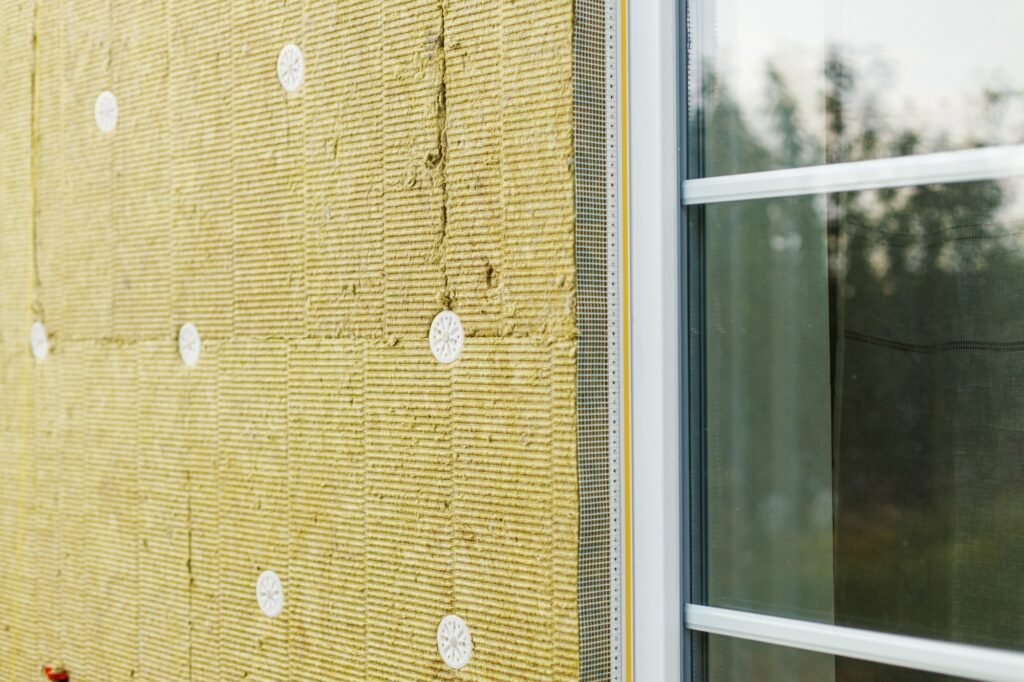
LANDERCOLL HEMC / MHEC is often used in tile adhesive, EIFS / ETICS mortar, cement render, repair mortar, waterproof mortar, insulation mortar, wall putty, and other demanding drymix systems.
Ready-mix dry mortar formulations vary widely depending on application type, binder system, raw material availability, performance target, and local standards.
| Component | Function in Ready-Mix Dry Mortar |
|---|---|
| Cement / Gips / Kalk | Main binder system depending on product type. |
| Sand / Aggregates | Provide structure, volume, strength, and application body. |
| Fillers / Fine Powders | Adjust consistency, smoothness, density, and cost balance. |
| Roodispergeerbaar Polymeerpoeder | Supports adhesion-related behavior, flexibility, and durability. |
| Cellulose-Ether (HPMC / HEMC) | Improves water retention, workability, open time, rheology, and consistency. |
| Zetmeelether | May support anti-sag behavior and rheology control. |
| Vezels | Ondersteunen scheurweerstand en versterking in geselecteerde systemen. |
| Hydrofobe additieven | Support water resistance in exterior or waterproof systems. |
| Luchtbelvormende Additieven | Improve workability and density control in selected systems. |
| Set-Control Additives | Adjust setting time and strength development. |
| Andere Additieven | Adjust special performance, processing, or surface quality. |
Different dry mortar products require different cellulose ether performance profiles. This table provides a practical selection reference for common ready-mix dry mortar systems.
| Dry Mortar Type | Aanbevolen product | Belangrijkste prestatie-eisen |
|---|---|---|
| Tegellijm | HPMC / HEMC / MHEC | Waterretentie, open tijd, verwerkbaarheid, antislip. |
| Tegelvoegen | HPMC / HEMC / MHEC | Filling smoothness, consistency, surface finish. |
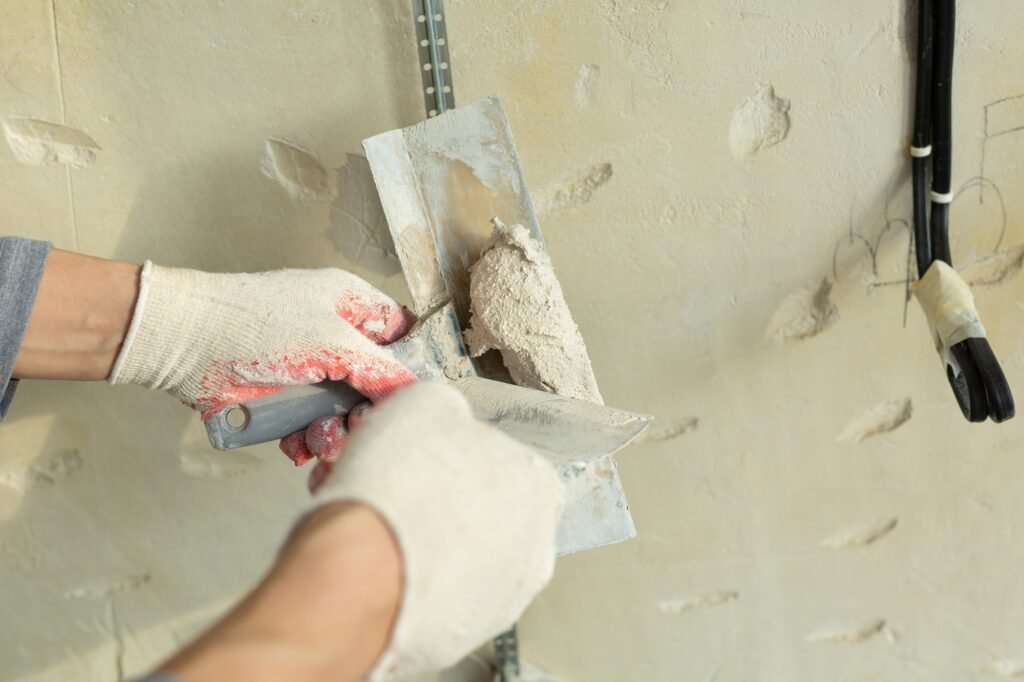
| Muurplamuur / Skim Coat | HPMC / HEMC / MHEC | Smooth scraping, water retention, leveling. |
| Cementpleister | HPMC / HEMC / MHEC | Verwerkbaarheid, uitsmeerbaarheid, anti-uitzakking. |
| Gips | HPMC / HEMC / MHEC | Smooth application, water management, finish. |
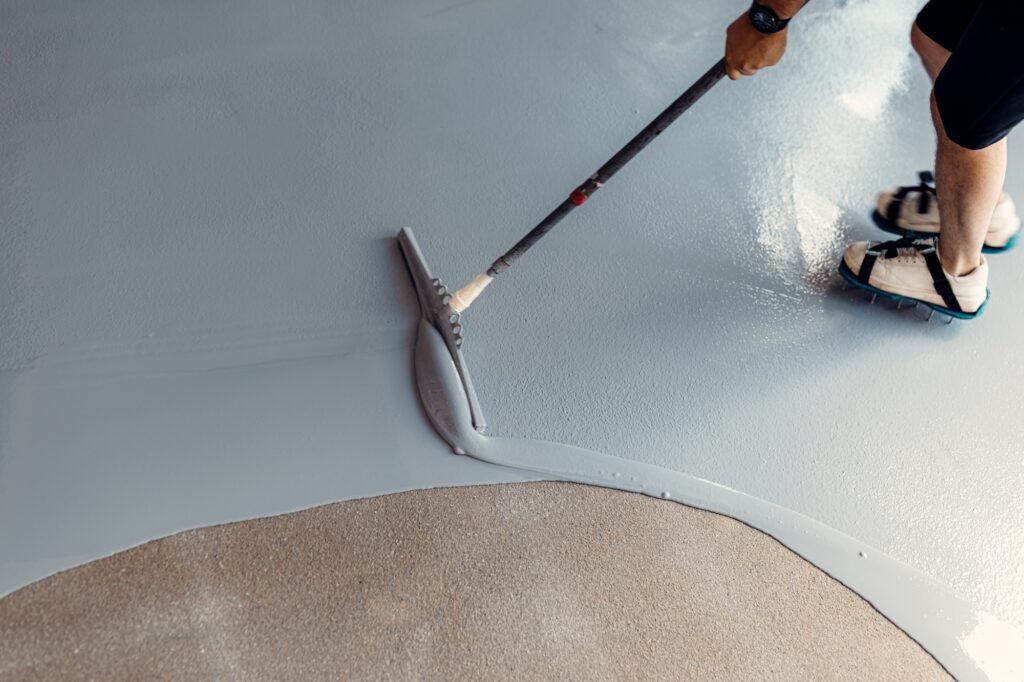
| Self-Leveling Compound | Low–medium viscosity HPMC / HEMC | Flow stability, suspension, anti-segregation. |
| Metselmortel | HPMC / HEMC / MHEC | Board life, spreadability, water retention. |
| Herstellingsmortel | HEMC / MHEC / HPMC | Anti-sag, vormbehoud, cohesie. |
| Waterdichte mortel | HPMC / HEMC / MHEC | Spreadability, water retention, layer stability. |
| Isolatiemortel | HPMC / HEMC / MHEC | Lightweight aggregate stability, anti-sag, cohesion. |
| Voegvullers | HPMC / HEMC / MHEC | Smooth filling, shape retention, surface finish. |
The dosage of cellulose ether in ready-mix dry mortar depends on product type, viscosity grade, target performance, binder system, raw material quality, application method, and local job-site conditions.
In ready-mix dry mortar formulations, cellulose ether supports water retention, workability, open time, rheology, anti-sag behavior, mortar cohesion, and surface finish — the properties applicators evaluate most directly on the job site.
Water retention is one of the most critical functions of cellulose ether in ready-mix dry mortar. It helps the wet mortar retain moisture after mixing, supporting cement hydration, gypsum setting behavior, workability duration, and stable application performance — particularly on absorbent substrates such as brick, block, aerated concrete, or dry drywall.
Good workability makes dry mortar easier to mix, spread, scrape, trowel, fill, level, and finish. HPMC and HEMC / MHEC improve application comfort, reduce harshness from coarse sand or filler systems, and help applicators work more efficiently on-site.
Open time is especially important in tile adhesive, EIFS / ETICS mortar, plaster, render, and other systems where applicators need sufficient time to apply, adjust, position, and finish the material. Cellulose ether helps extend the workable window by slowing moisture loss.
Cellulose ether helps control the flow and structural behavior of wet mortar. This pseudoplastic (shear-thinning) behavior allows the material to flow and spread under tool pressure while remaining stable and in place after the tool is removed.
Vertical construction applications — including tile adhesive, render, repair mortar, waterproof mortar, and insulation mortar — require sufficient mortar body to stay in position after application. Suitable cellulose ether grades, particularly HEMC / MHEC, help improve anti-sag resistance and reduce material slippage.
Cellulose ether improves wet mortar cohesion and helps the material remain uniform during mixing, application, and finishing. For wall putty, plaster, joint filler, grout, and finishing mortar, cellulose ether supports smoother surface formation by improving water retention, consistency, and workability — resulting in better final surface appearance and reduced rework.
Many fresh mortar performance issues are related to water retention, workability, rheology, and consistency — areas where cellulose ether grade and dosage selection directly affect results.
Rapid water loss, absorbent substrate, hot or windy conditions.
Improve water retention and extend workable time.
Harsh sand or filler, unsuitable viscosity, poor water balance.
Improve smoothness and application comfort.
Weak rheology, excessive water, low viscosity grade.
Improve anti-sag behavior and mortar body.
Low dosage, unsuitable grade, highly absorbent substrate.
Improve moisture control and retention.
Poor rheology, excessive water, unstable particle system.
Improve consistency and suspension stability.
Excessive dosage or unsuitable high-viscosity grade.
Adjust grade and dosage balance.
Poor filler grading, rapid water loss, unstable consistency.
Support smoother finishing behavior.
Raw material variation, poor dispersion, wrong additive balance.
Improve formulation stability and reliability.
Understanding the variables that influence cellulose ether behavior helps manufacturers make better formulation decisions and avoid common performance issues.
Tile adhesive, wall putty, plaster, self-leveling compound, repair mortar, and waterproof mortar each require different viscosity, water retention, and rheology profiles from the cellulose ether.
Cement, gypsum, lime, calcium aluminate cement, and blended binders affect hydration behavior, setting time, water demand, and cellulose ether interaction. Gypsum-based systems require careful viscosity selection to avoid over-retardation.
Particle size distribution, shape, fineness, and absorption characteristics influence water demand, workability, surface finish, and consistency. Coarser or more angular sands typically require higher cellulose ether dosages.
Polymer powder affects adhesion behavior, flexibility, durability, and rheology. Compatibility with cellulose ether should be evaluated during formulation development.
Viscosity grade directly affects water retention capacity, consistency, anti-sag behavior, spreadability, open time, and surface finish. Higher viscosity grades generally provide stronger water retention but may increase stickiness if overdosed.
Too little cellulose ether leads to poor water retention or weak workability. Too much may cause stickiness, reduced flow, delayed finishing, or difficult application. The correct dosage must be confirmed through testing.
Dry blending uniformity, water addition sequence, mixing time, rest time, and remixing all affect cellulose ether hydration and final wet mortar behavior.
Moisture exposure, poor packaging seal, high humidity storage, and extended storage time may degrade dry mortar quality and reduce additive effectiveness.
Hot, dry, windy, or highly absorbent conditions accelerate water loss and reduce working time. Higher cellulose ether dosages or higher-viscosity grades may be needed in these environments.
Selecting the correct cellulose ether grade requires matching product type, viscosity, water retention performance, rheology profile, application method, and target performance requirements.
What type of dry mortar are you producing?
Is the system cement-based, gypsum-based, or polymer-modified?
Do you need stronger water retention or longer open time?
Is anti-sag behavior a critical requirement?
Do you need smooth scraping, troweling, filling, or leveling performance?
What binder, sand, filler, and polymer system is used?
Welke applicatiedikte is vereist?
What climate and substrate conditions are typical in your market?
What viscosity range and dosage level are you targeting?
Do you require surface-treated (delayed-dissolution) or untreated cellulose ether?
LANDERCOLL can help review your ready-mix dry mortar formulation direction and recommend suitable HPMC or HEMC / MHEC grades for testing.
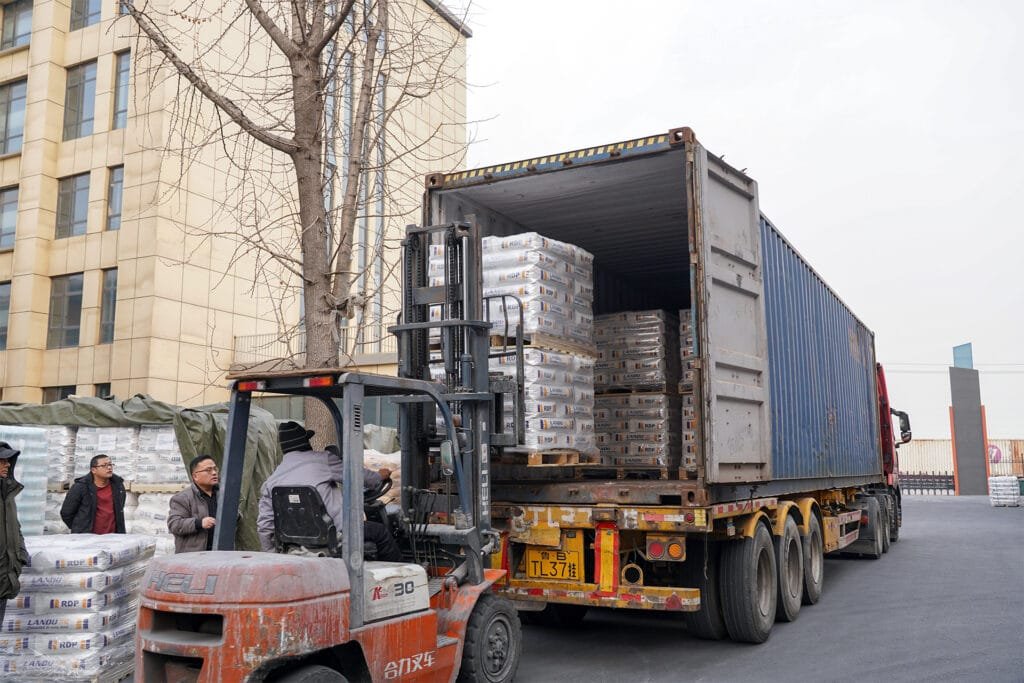
Vraag om technische ondersteuningLANDERCOLL cellulose ether for ready-mix dry mortar is supplied in industrial packaging suitable for drymix mortar production, transportation, and storage.
LANDERCOLL provides product-related documentation to support dry mortar formulation testing, purchasing review, and internal approval processes.
If your ready-mix dry mortar dries too quickly, has short open time, poor workability, sagging on vertical surfaces, sticky application feel, rough surface finish, mortar separation, or inconsistent batch-to-batch performance, the cellulose ether grade or dosage may need to be reviewed.
LANDERCOLL provides technical support to help drymix mortar manufacturers evaluate suitable HPMC and HEMC / MHEC options based on product type, binder system, target water retention, open time, anti-sag requirements, and job-site application conditions.
HPMC and HEMC / MHEC product selection for ready-mix dry mortar.
Water retention and open time improvement strategy.
Anti-sag and rheology control support.
Workability, troweling, and surface finish improvement.
Viscosity grade direction and dosage recommendation.
Formulation review for tile adhesive, plaster, render, grout, and repair mortar.
Sample arrangement and technical evaluation support.
TDS, SDS, COA, and quotation communication.
HPMC and HEMC / MHEC are the most commonly used cellulose ethers in ready-mix dry mortar. They improve water retention, workability, open time, consistency, anti-sag behavior, and surface finishing across cement-based, gypsum-based, and polymer-modified drymix systems.
HPMC improves water retention, workability, consistency, troweling or scraping feel, and application stability in cement-based and gypsum-based dry mortar systems. It is versatile and widely used across tile adhesive, wall putty, plaster, masonry mortar, repair mortar, waterproof mortar, and joint filler formulations.
HEMC / MHEC improves water retention, open time, anti-sag behavior, smooth application feel, and vertical surface stability. It is often selected for demanding drymix systems such as tile adhesive, EIFS / ETICS mortar, cement render, repair mortar, waterproof mortar, and insulation mortar.
The typical reference dosage range is 0.05%–0.60% by weight of dry mortar, depending on the mortar type, viscosity grade, binder system, and target performance. Tile adhesive and wall putty typically use 0.20%–0.50%, while self-leveling compounds use lower dosages of 0.05%–0.20%. Final dosage must always be confirmed through formulation testing.
Cellulose ether is used in tile adhesive, tile grout, wall putty, skim coat, cement plaster, gypsum plaster, cement render, masonry mortar, repair mortar, waterproof mortar, insulation mortar, joint filler, and self-leveling compounds — covering virtually all major ready-mix dry mortar product categories.
HPMC is versatile and suitable for a broad range of dry mortar systems. HEMC / MHEC is typically selected where stronger open time, anti-sag behavior, and vertical application stability are critical requirements. Both can be used in many of the same systems — the final choice depends on your specific performance targets, binder system, and application conditions.
Cellulose ether primarily improves fresh mortar properties such as water retention, workability, consistency, and application stability. Final hardened strength depends on the complete formulation, binder content, water-to-binder ratio, curing conditions, and raw material quality — not cellulose ether dosage alone.
Stickiness is typically caused by excessive cellulose ether dosage, an unsuitable high-viscosity grade, high redispersible polymer powder content, excessive water addition, or an unbalanced filler and sand system. Reviewing the viscosity grade and reducing the dosage incrementally usually resolves this issue.
Yes. Share your product type, formulation direction, target performance, viscosity requirement, dosage level, and raw material system. LANDERCOLL can help recommend suitable HPMC or HEMC / MHEC grades for testing and provide supporting technical documentation.
Whether you produce tile adhesive, tile grout, wall putty, cement plaster, gypsum plaster, masonry mortar, repair mortar, waterproof mortar, insulation mortar, joint filler, self-leveling compound, or other ready-mix dry mortar products, LANDERCOLL can help you identify the right HPMC or HEMC / MHEC grade for better water retention, workability, consistency, open time, anti-sag performance, and application reliability.
Our team can review your formulation direction, recommend suitable grades for testing, and provide technical documentation to support your purchasing and product development process.
