selluloosieriitti-erinomainen — Luotettu yli 1000 yritykseltä maailmanlaajuisesti Hanki ilmainen näyte
Sideainetuki, pinnoitteen plastisuus, ekstruusion sileys, raakalujuus ja prosessointivakaus hitsauspuikkojen ja -elektrodien valmistajille.
LANDERCOLL-selluloosaeetteri — mukaan lukien CMC ja HPMC — auttaa hitsauspuikkojen valmistajia parantamaan pinnoitepastan työstettävyyttä, ekstruusion sileyttä, sideaineen suorituskykyä, pinnoitteen tarttuvuutta, vihreää lujuutta ja tuotannon yhdenmukaisuutta hitsauselektrodien pinnoitusformulaatioissa.
 Yleinen · Rutiili
 Ekstruusio · Päällystys
 Koostelaboratorio
 Perus · Erikois

 Sidos · Plastisuus · Ekstruusio
Hitsauspuikot vaativat vakaan ja tasaisen pinnoitekerroksen metallisydämen ympärille. Tuotannon aikana pinnoitetahnalla on oltava sopiva viskositeetti, plastisuus, adheesio, ekstruusiokäyttäytyminen ja vihreä lujuus ennen kuivausta ja lopullista käyttöä.
Sopiva selluloosaeetterilaatu auttaa parantamaan pinnoitetahnan koostumusta, vähentämään halkeilu- tai hilseilyriskiä, tukemaan tasaista ekstruusiota ja ylläpitämään vakaata tuotantotehoa.
Hitsauspuikon pinnoitetahnan on oltava sileä, koheesiivinen ja riittävän vakaa jatkuvaa ekstruusiota varten. Jos tahnalta puuttuu plastisuus tai sidoslujuus, pinnoite voi halkeilla, hilseillä, irrota sydänlangasta tai osoittaa epätasaista paksuutta tuotannon aikana. Selluloosaeetteri auttaa rakentamaan vakaan pinnoitetahnarakenteen.
| Function | Mitä se tarkoittaa käytännössä |
|---|---|
| Sidosaineen tuki | Parantunut koheesio pinnoitekomponenttien välillä |
| Pinnoitetahnan plastisuus | Sileämpi, helpommin työstettävä tahna ekstruusiota varten |
| Vedenpidätyskyky | Hallittu kosteuden jakautuminen prosessoinnin aikana |
| Ekstruusion sileys | Vakaa virtaus suulakepuristuslaitteiston läpi |
| Pinnoitteen tarttuvuus | Improved bonding between coating and core wire |
| Vihreä lujuus | Resistance to deformation before drying |
| Päällysteen tasaisuus | Consistent thickness and surface quality |
| Crack resistance support | Reduced cracking risk during drying |
| Jalostuksen vakaus | Consistent paste behavior across production runs |
| Eräkohtainen yhdenmukaisuus | Reliable performance across production |
LANDERCOLL offers CMC, HPMC, and HEC cellulose ether grades for selected welding rod coating applications. Product selection depends on electrode type, coating composition, binder system, extrusion process, and green strength requirements.
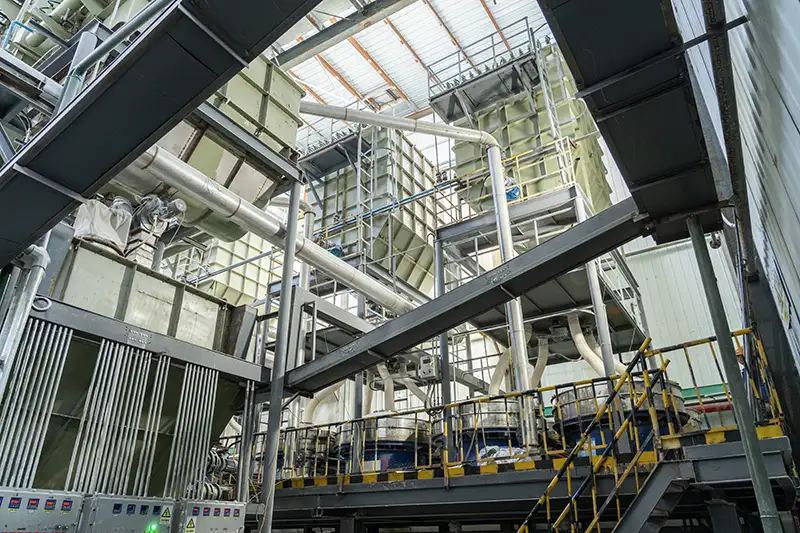
Binding, water retention, coating cohesion, and green strength
CMC is commonly used in selected welding rod coating systems where binder support, paste cohesion, water retention, and green strength are required. It helps maintain a uniform coating paste structure and supports stable processing during extrusion and drying. In welding rod applications, CMC can help improve coating adhesion to the core wire, reduce paste separation, and support coating strength before final drying.
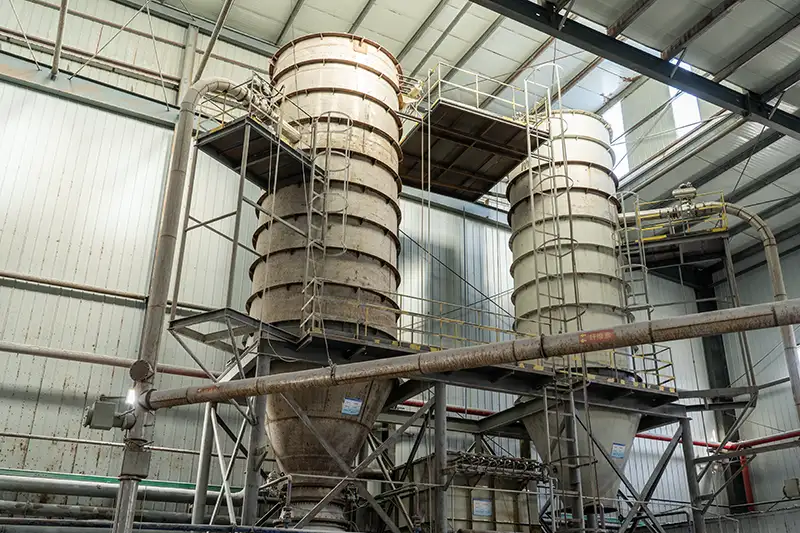
Plasticity, water retention, rheology control, and smooth extrusion
HPMC may be considered in selected welding rod coating formulations where water retention, smooth paste rheology, and extrusion stability are important. Its use should be confirmed through testing because welding rod coating performance depends on mineral composition, binder system, water level, extrusion pressure, drying process, coating thickness, and final welding requirements.

Non-ionic thickening for selected water-based paste stability
HEC may be considered in specialty water-based welding rod coating or industrial coating paste systems where non-ionic thickening, smooth viscosity development, or suspension support is needed. Final use should be validated through compatibility testing with minerals, salts, silicates, binders, pH conditions, and processing requirements.
Not sure which grade fits your electrode coating system? Pyydä tuotesuositus →
Welding rods, also known as welding electrodes, are consumable materials used in welding processes. A typical coated welding rod contains a metal core wire and an outer flux coating. The coating helps support arc stability, slag formation, weld protection, and welding performance.
| Komponentti | Function in Welding Rod Coatings |
|---|---|
| Flux Minerals | Support slag formation and welding performance |
| Metal Powders / Ferroalloys | Adjust weld metal composition and performance |
| Carbonates | Support gas shielding and slag behavior |
| Silicates | Binder and coating strength support |
| Selluloosa eetteri | Binding support, plasticity, water retention, and paste stability |
| Vesi | Processing medium for paste preparation |
| Clays / Fillers | Adjust coating structure and extrusion behavior |
| Deoxidizers | Support weld metal quality in selected systems |
| Arc Stabilizers | Support arc performance during welding |
| Muut lisäaineet | Adjust coating processing, drying, and welding behavior |
Different welding electrode types require different cellulose ether performance profiles. The table below provides a practical selection reference for electrode coating formulators and welding rod production engineers.
| Käyttökohde | Suositeltu tuotesuunta | Tärkeimmät suorituskykyvaatimukset |
|---|---|---|
| General Welding Rod Coating | CMC | Binding, coating cohesion, paste stability |
| Low-Hydrogen Electrode Coating | CMC / selected grade | Coating strength, extrusion stability, controlled moisture behavior |
| Rutile Electrode Coating | CMC / HPMC | Plasticity, smooth extrusion, coating uniformity |
| Basic Electrode Coating | CMC / selected cellulose ether | Binder support, crack resistance, green strength |
| Stainless Steel Electrode Coating | CMC / HPMC | Coating adhesion, uniformity, paste stability |
| Hardfacing Electrode Coating | CMC / selected grade | Powder suspension, body, coating strength |
| Extruded Electrode Coating | CMC / HPMC | Extrusion smoothness, shape stability, green strength |
| Specialty Welding Rod Coating | CMC / HPMC / HEC | Customized rheology and processing consistency |
Reference dosage ranges for cellulose ether in welding rod coating applications. Actual dosage should be determined through laboratory and production trials.
These dosage ranges are starting references only. Final dosage should be confirmed through paste preparation trials, extrusion pressure testing, coating adhesion evaluation, drying tests, coating strength testing, and final welding performance validation.
| Sovellus | Tyypillinen viiteannostus |
|---|---|
| General Welding Rod Coating | 0.2% – 1.0% |
| Low-Hydrogen Electrode Coating | 0.2% – 0.8% |
| Rutile Electrode Coating | 0.2% – 1.0% |
| Basic Electrode Coating | 0.2% – 0.8% |
| Stainless Steel Electrode Coating | 0.2% – 1.0% |
| Hardfacing Electrode Coating | 0.3% – 1.2% |
| Extruded Electrode Coating | 0.2% – 1.0% |
| Specialty Welding Rod Coating | 0.2% – 1.2% |
CMC helps support the binding structure of welding rod coating paste. It improves cohesion between coating components and helps maintain uniform coating behavior before drying. A well-bound paste reduces the risk of coating separation during extrusion and handling.
Cellulose ether helps improve paste plasticity and workability, supporting smoother coating application and more stable extrusion around the core wire. Adequate plasticity reduces extrusion pressure and improves surface finish quality.
Water distribution affects paste consistency, extrusion behavior, drying performance, and coating quality. Cellulose ether helps retain water and supports more stable processing by reducing premature drying or moisture loss during extrusion.
A suitable cellulose ether grade helps improve coating paste flow through extrusion equipment, supporting smoother surface quality and more uniform coating thickness. Smooth extrusion reduces surface defects and production waste.
Before drying, the coating must maintain enough strength to resist deformation, cracking, or separation. Cellulose ether helps support green strength in selected formulations, allowing coated rods to be handled and dried without damage.
Cellulose ether supports stable paste rheology and uniform distribution of powders, helping improve coating thickness consistency and production reliability. Uniform coating is important for consistent welding performance.
When coating paste performance fails, the cellulose ether grade, dosage, or formulation balance is often the first variable to review.
Weak cohesion, poor plasticity, or uneven moisture.
CMC / HPMC support binding and water retention.
Poor adhesion or weak paste structure.
Improve coating cohesion and green strength.
Poor extrusion flow or unsuitable paste rheology.
Improve extrusion smoothness.
Unstable paste viscosity or extrusion imbalance.
Support stable rheology and paste consistency.
Insufficient water retention or weak binder.
Improve water retention and cohesion.
Excessive water or unsuitable polymer dosage.
Säädä selluloosaeetterin laatua ja annostusta.
Poor suspension or mixing imbalance.
Support paste stability and powder distribution.
Moisture imbalance, coating stress, or weak structure.
Support water balance and coating cohesion.
Understanding the factors that influence cellulose ether behavior in welding rod coating systems helps formulators select the right grade and dosage for their specific electrode type.
Flux minerals, silicates, carbonates, metal powders, ferroalloys, and clays affect paste viscosity, adhesion, drying behavior, and welding performance. The mineral balance directly influences how much cellulose ether is needed and which grade performs best.
Fine and coarse particles influence water demand, paste body, extrusion pressure, coating smoothness, and suspension stability. Finer powders generally require more careful water and binder management.
Water content affects plasticity, paste softness, extrusion behavior, coating adhesion, and drying defects. The right water level is critical for both processing and final coating quality.
Silicate binders, organic binders, and mineral binders can influence cellulose ether performance and coating strength. Compatibility between cellulose ether and the binder system should be confirmed through testing.
Addition sequence, mixing time, shear level, and hydration conditions affect paste uniformity and cellulose ether performance. Proper hydration of cellulose ether before or during mixing is important for consistent results.
Extrusion pressure, die design, core wire speed, and equipment condition influence coating thickness, surface quality, and shape stability. Higher extrusion pressures may require different paste rheology.
Drying temperature, humidity, airflow, and time influence coating cracking, moisture behavior, and final coating strength. Controlled drying is essential for crack-free coatings.
Different welding electrode types — rutile, basic, low-hydrogen, stainless steel, hardfacing — require different coating structures, moisture targets, extrusion behavior, and final welding properties.
Choosing the right cellulose ether for welding rod coatings requires balancing binding, plasticity, water retention, extrusion smoothness, coating adhesion, green strength, drying behavior, and production consistency.
LANDERCOLL can help review your welding rod coating formulation and recommend suitable CMC, HPMC, HEC, or selected cellulose ether grades for testing.
What type of welding electrode is being produced: rutile, basic, low-hydrogen, stainless, or hardfacing?
What coating composition and mineral system are used?
What binder system is included: silicate, organic, or mineral?
What target coating viscosity and plasticity are required?
Is the main issue cracking, peeling, rough surface, or poor extrusion?
What water level and paste preparation process are used?
What extrusion pressure and equipment conditions are used?
What drying schedule and moisture target are required?
What coating thickness and surface quality targets are needed?
What final welding performance requirements must be met?
Not sure which grade fits your electrode coating system? Ask for a technical recommendation — our team will review your requirements and suggest suitable options.
Ask for Technical RecommendationLANDERCOLL cellulose ether for welding rod coating applications is supplied in industrial packaging suitable for electrode manufacturing, mineral processing, industrial coating, and specialty paste formulation use.
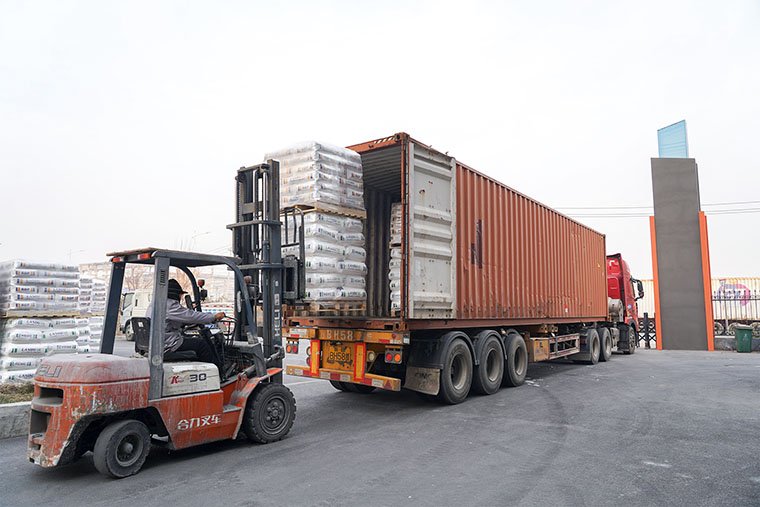
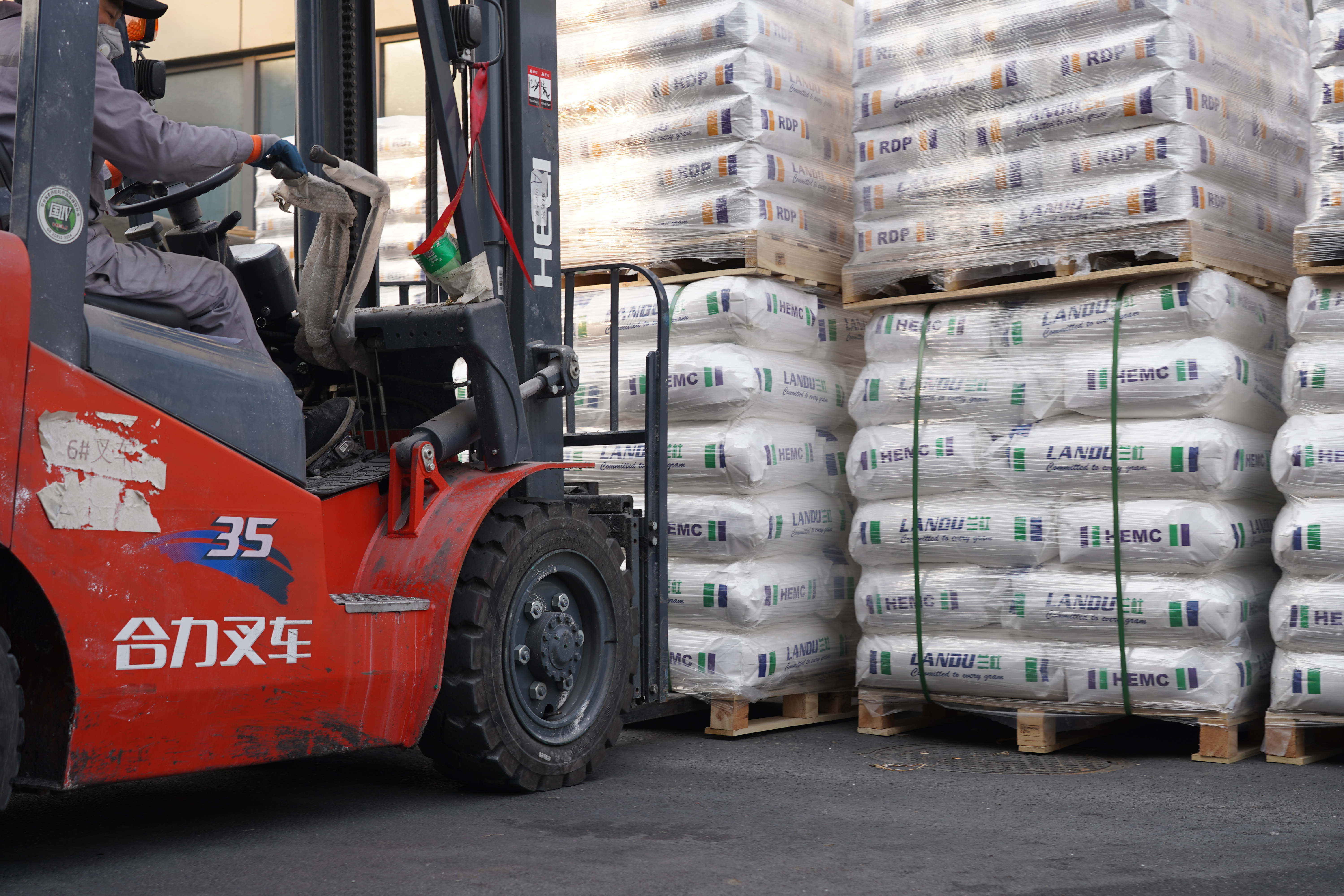 Hygroskooppinen · Sulje, kun ei käytössä
LANDERCOLL can provide product-related documents to support welding rod coating formulation testing, purchasing review, quality evaluation, and internal approval.
Tuotetiedot, viskositeetti ja suorituskykytiedot laatuluokituksen arviointia varten.
Turvallisuus-, käsittely- ja sääntelytiedot työmaan vaatimustenmukaisuutta varten.
Eräkohtainen laadunvarmistus saapuvassa tarkastuksessa.
Yksityiskohtaiset laatuluokkaparametrit ja hyväksymiskriteerit.
Overview of product range and welding rod coating applications.
Formulation and processing reference for electrode coating systems.
Selection support tailored to your welding rod coating formulation.
Käsittely-, säilyvyys- ja varastointiolosuhdeviite.
Tulli- ja tuontivaatimustenmukaisuusasiakirjat tarvittaessa.
If your welding rod coating paste is cracking, peeling, too dry, too sticky, rough after extrusion, uneven in coating thickness, separating, or showing poor green strength, the cellulose ether grade may need to be reviewed.
LANDERCOLL can help evaluate suitable CMC, HPMC, HEC, or selected cellulose ether options based on your coating composition, binder system, water level, extrusion process, drying schedule, and quality targets.
CMC selection for binding, cohesion, and green strength
HPMC selection for water retention and extrusion support
Coating plasticity and paste rheology discussion
Coating adhesion and crack resistance support
Powder suspension and paste stability evaluation
Processing and dosage recommendation
Näyte- ja tarjousviestintä
CMC is commonly used in selected welding rod coating formulations for binding, water retention, coating cohesion, green strength, and extrusion support. HPMC may be considered for improved plasticity and extrusion behavior, and HEC may be used in specialty water-based coating paste systems.
CMC helps improve coating paste cohesion, binding support, water retention, plasticity, green strength, and coating uniformity before drying. It is one of the most commonly used cellulose ether types in welding electrode coating production.
HPMC can support water retention, paste rheology adjustment, extrusion smoothness, and coating uniformity in selected welding rod coating formulations. It may be used alone or in combination with CMC depending on the electrode type and processing requirements.
Yes. Suitable cellulose ether grades can help improve paste plasticity, water retention, and rheology, supporting smoother extrusion and more uniform coating thickness. Final extrusion performance depends on coating composition, water level, equipment conditions, and die design.
Cellulose ether can help improve water retention, coating cohesion, and green strength, which may reduce cracking risk in selected systems. Final cracking control depends on formulation balance, water level, extrusion process, and drying conditions.
A common reference dosage is around 0.2%–1.2%, depending on electrode type, coating composition, binder system, water level, extrusion process, and cellulose ether grade. Final dosage should always be confirmed through testing.
Peeling may be caused by poor coating adhesion, weak paste cohesion, unsuitable binder balance, improper drying, uneven coating thickness, or insufficient green strength. Reviewing the cellulose ether grade, dosage, and binder system is recommended.
Start with electrode type, coating composition, binder system, water level, target paste viscosity, extrusion method, drying schedule, coating adhesion requirement, and final welding performance. LANDERCOLL can recommend suitable CMC, HPMC, HEC, or selected cellulose ether grades for testing.
Whether you produce general welding rods, low-hydrogen electrodes, rutile electrodes, basic electrodes, stainless steel electrodes, hardfacing electrodes, extruded electrode coatings, or specialty welding rod coatings, LANDERCOLL can help you choose the right cellulose ether grade for better binding, coating plasticity, water retention, extrusion smoothness, green strength, and production consistency.
Our team can review your formulation requirements, recommend suitable CMC, HPMC, or HEC grades, provide dosage references, and support your testing process from sample to production scale.
CMC for Binding · HPMC for Extrusion · HEC for Specialty Systems · General Electrode · Low-Hydrogen · Rutile · Basic · Stainless Steel · Hardfacing · Extruded Coating · Binding · Plasticity · Green Strength · Coating Uniformity.
LANDERCOLL — Cellulose Ether for Industrial Applications. For technical inquiries, product samples, or formulation support, contact our team directly. All performance data, dosage references, and formulation guidance provided on this page are for reference only. Final suitability must be confirmed through testing under your specific welding rod coating system and production conditions.
