selluloosieriitti-erinomainen — Luotettu yli 1000 yritykseltä maailmanlaajuisesti Hanki ilmainen näyte


Viscosity control, pigment suspension, pattern definition, screen passability, and paste stability for textile printing formulators.
LANDERCOLL cellulose ether — including CMC, HEC, and HPMC — helps textile printing formulators improve print paste rheology, pigment distribution, application stability, pattern sharpness, and production consistency in selected water-based textile printing formulations.
 Fabric · Pattern
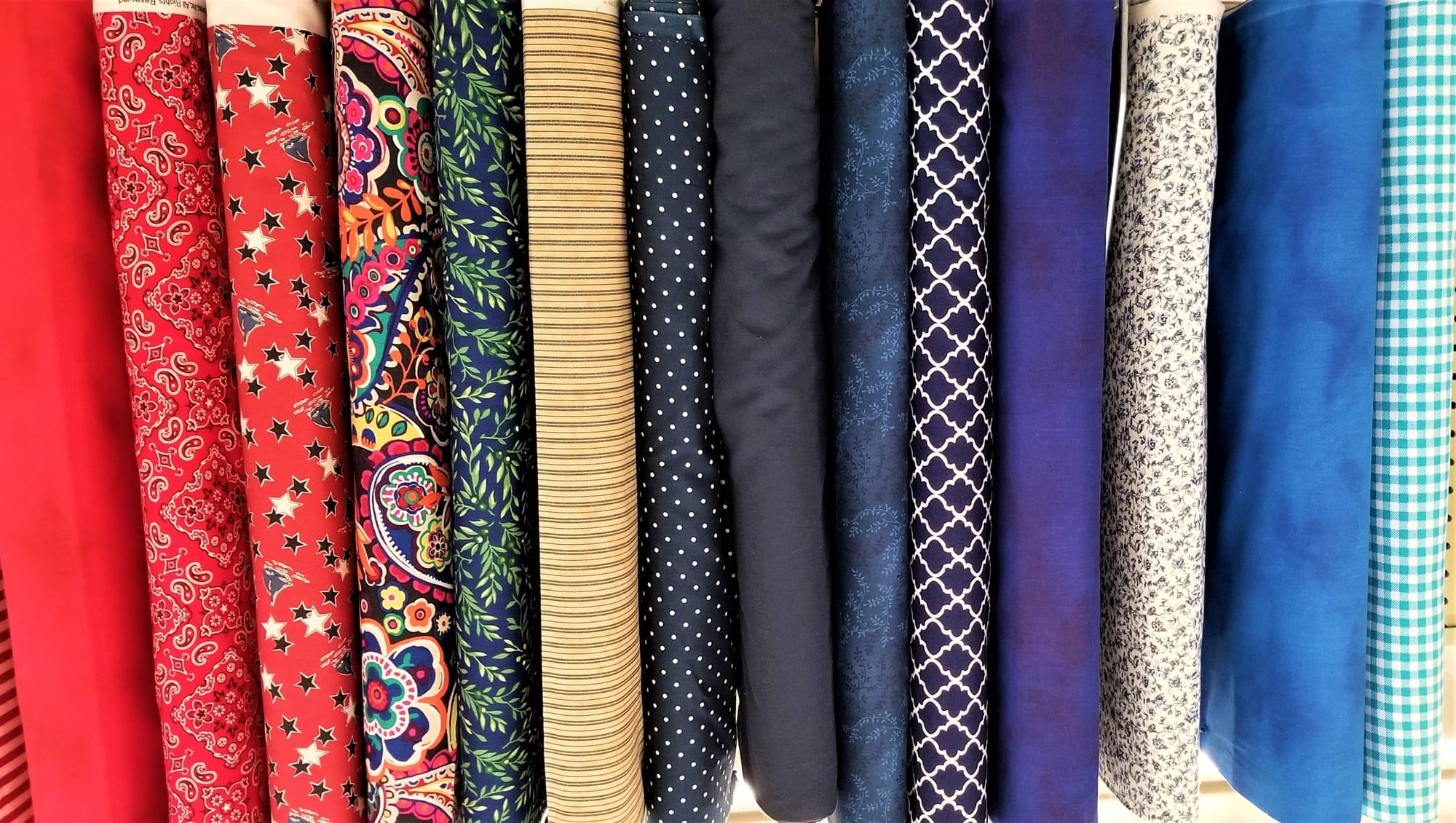 Pigment · Paste
 Formulation Lab
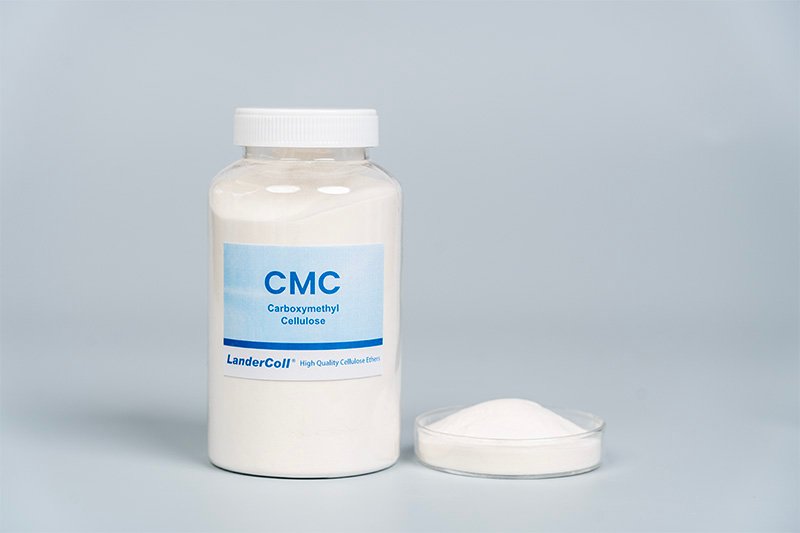 Screen · Roller

 Viscosity · Pigment · Pattern
Textile printing requires stable print paste viscosity, good pigment or dye distribution, controlled flow, clear pattern definition, and reliable application performance. Whether used in pigment printing, dye printing, screen printing, roller printing, or specialty textile coating systems, the printing paste must remain stable during preparation, storage, and application.
A suitable cellulose ether grade helps improve print paste body, reduce pigment settling, support clear printing edges, and maintain stable viscosity during textile printing production.
cURL Too many subrequests by single Worker invocation. To configure this limit, refer to https://developers.cloudflare.com/workers/wrangler/configuration/#limits
| Toiminto | cURL Too many subrequests by single Worker invocation. To configure this limit, refer to https://developers.cloudflare.com/workers/wrangler/configuration/#limits |
|---|---|
| cURL Too many subrequests by single Worker invocation. To configure this limit, refer to https://developers.cloudflare.com/workers/wrangler/configuration/#limits | cURL Too many subrequests by single Worker invocation. To configure this limit, refer to https://developers.cloudflare.com/workers/wrangler/configuration/#limits |
| cURL Too many subrequests by single Worker invocation. To configure this limit, refer to https://developers.cloudflare.com/workers/wrangler/configuration/#limits | cURL Too many subrequests by single Worker invocation. To configure this limit, refer to https://developers.cloudflare.com/workers/wrangler/configuration/#limits |
| cURL Too many subrequests by single Worker invocation. To configure this limit, refer to https://developers.cloudflare.com/workers/wrangler/configuration/#limits | cURL Too many subrequests by single Worker invocation. To configure this limit, refer to https://developers.cloudflare.com/workers/wrangler/configuration/#limits |
| cURL Too many subrequests by single Worker invocation. To configure this limit, refer to https://developers.cloudflare.com/workers/wrangler/configuration/#limits | cURL Too many subrequests by single Worker invocation. To configure this limit, refer to https://developers.cloudflare.com/workers/wrangler/configuration/#limits |
| cURL Too many subrequests by single Worker invocation. To configure this limit, refer to https://developers.cloudflare.com/workers/wrangler/configuration/#limits | cURL Too many subrequests by single Worker invocation. To configure this limit, refer to https://developers.cloudflare.com/workers/wrangler/configuration/#limits |
| cURL Too many subrequests by single Worker invocation. To configure this limit, refer to https://developers.cloudflare.com/workers/wrangler/configuration/#limits | cURL Too many subrequests by single Worker invocation. To configure this limit, refer to https://developers.cloudflare.com/workers/wrangler/configuration/#limits |
| Suspension vakaus | cURL Too many subrequests by single Worker invocation. To configure this limit, refer to https://developers.cloudflare.com/workers/wrangler/configuration/#limits |
| cURL Too many subrequests by single Worker invocation. To configure this limit, refer to https://developers.cloudflare.com/workers/wrangler/configuration/#limits | cURL Too many subrequests by single Worker invocation. To configure this limit, refer to https://developers.cloudflare.com/workers/wrangler/configuration/#limits |
| cURL Too many subrequests by single Worker invocation. To configure this limit, refer to https://developers.cloudflare.com/workers/wrangler/configuration/#limits | cURL Too many subrequests by single Worker invocation. To configure this limit, refer to https://developers.cloudflare.com/workers/wrangler/configuration/#limits |
| cURL Too many subrequests by single Worker invocation. To configure this limit, refer to https://developers.cloudflare.com/workers/wrangler/configuration/#limits | Consistent performance across production runs |
cURL Too many subrequests by single Worker invocation. To configure this limit, refer to https://developers.cloudflare.com/workers/wrangler/configuration/#limits
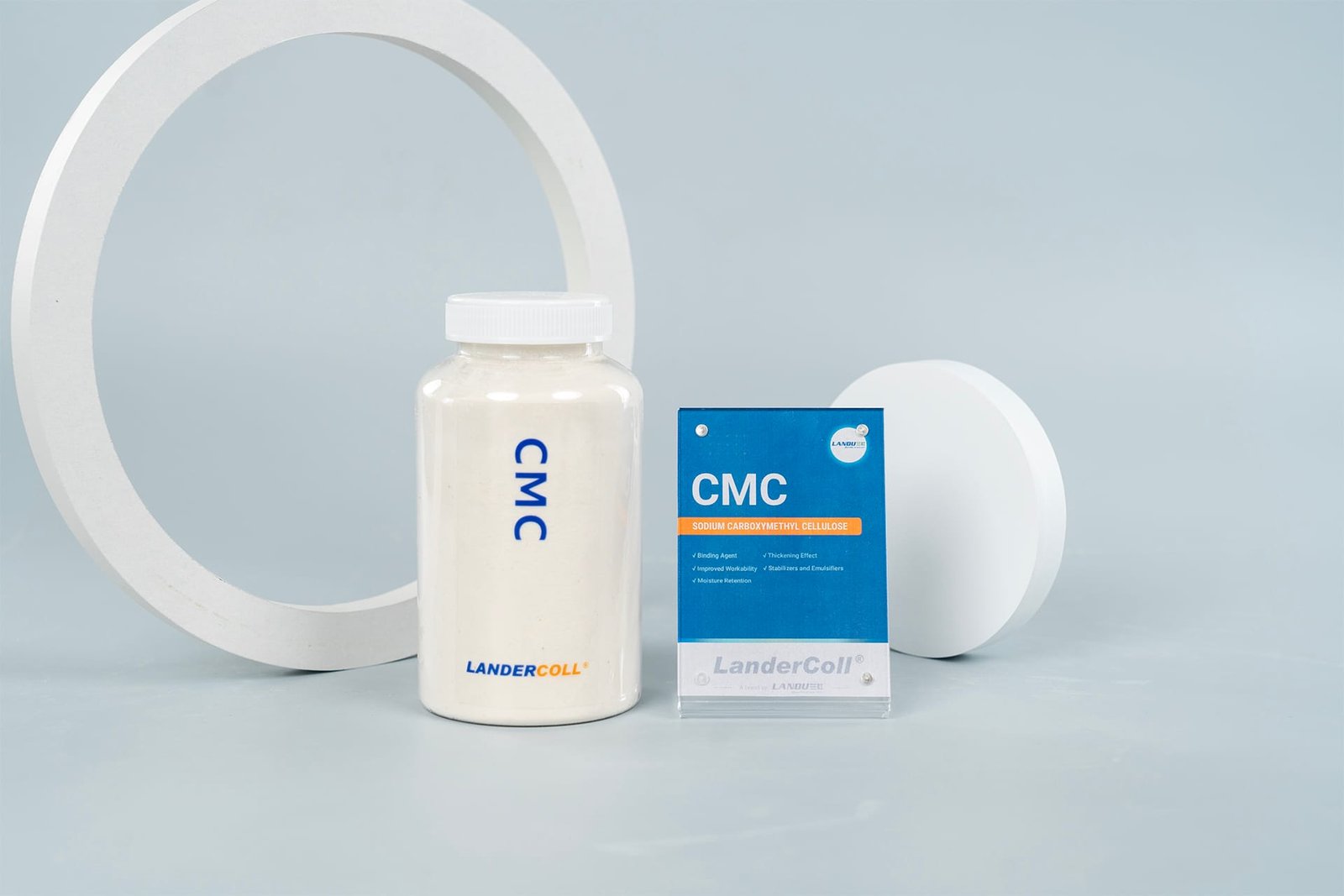
cURL Too many subrequests by single Worker invocation. To configure this limit, refer to https://developers.cloudflare.com/workers/wrangler/configuration/#limits
cURL Too many subrequests by single Worker invocation. To configure this limit, refer to https://developers.cloudflare.com/workers/wrangler/configuration/#limits

Smooth viscosity control, flow adjustment, and paste stability
HEC may be used in selected textile printing and coating systems where smooth thickening, stable rheology, and good water-based compatibility are required. As a non-ionic cellulose ether, HEC can support viscosity and flow control in selected pigment or binder systems after testing. HEC helps improve print paste smoothness, application consistency, and storage stability.

Specialty rheology, water retention, and controlled application
HPMC may be considered in specialty textile printing or coating systems where selected thickening, water retention, film support, or controlled rheology is required. Its use should be validated through formulation testing because textile printing performance depends on pigment type, dye chemistry, binder system, fabric type, pH, electrolytes, drying, curing, and washing conditions.
Not sure which grade fits your textile printing system? Ask for a Product Recommendation →
Textile printing is the process of applying color, pattern, or functional coatings onto fabric surfaces. It is widely used for cotton, polyester, blended fabrics, non-woven fabrics, decorative textiles, garments, home textiles, and industrial textiles.
| Komponentti | Function in Textile Printing |
|---|---|
| Vesi | Main carrier and processing medium |
| Pigments / Dyes | Provide color and pattern effect |
| Kansilehti | Supports adhesion of pigment to fabric |
| Selluloosa eetteri | Thickening, rheology control, suspension, and stability |
| cURL Too many subrequests by single Worker invocation. To configure this limit, refer to https://developers.cloudflare.com/workers/wrangler/configuration/#limits | Improve pigment or dye distribution |
| Humectants | Help control drying and paste handling |
| Softeners | Improve fabric hand feel in selected systems |
| Crosslinking Agents | Improve durability in selected pigment printing systems |
| Vaahdonpoistoaineet | cURL Too many subrequests by single Worker invocation. To configure this limit, refer to https://developers.cloudflare.com/workers/wrangler/configuration/#limits |
| cURL Too many subrequests by single Worker invocation. To configure this limit, refer to https://developers.cloudflare.com/workers/wrangler/configuration/#limits | Maintain formulation stability and dye performance |
| Muut lisäaineet | Adjust penetration, washing fastness, print feel, or special effects |
Different textile printing applications require different cellulose ether performance profiles. The table below provides a practical selection reference for print paste formulators and textile printing engineers.
| Sovellustyyppi | Recommended Product Direction | Pääsuorituskykyvaatimukset |
|---|---|---|
| Pigment Textile Printing | CMC / HEC | Paste viscosity, pigment suspension, pattern definition |
| Screen Printing Paste | CMC / HEC | Screen passability, sharp edges, stable viscosity |
| cURL Too many subrequests by single Worker invocation. To configure this limit, refer to https://developers.cloudflare.com/workers/wrangler/configuration/#limits | CMC / selected grade | cURL Too many subrequests by single Worker invocation. To configure this limit, refer to https://developers.cloudflare.com/workers/wrangler/configuration/#limits |
| cURL Too many subrequests by single Worker invocation. To configure this limit, refer to https://developers.cloudflare.com/workers/wrangler/configuration/#limits | CMC / selected cellulose ether | cURL Too many subrequests by single Worker invocation. To configure this limit, refer to https://developers.cloudflare.com/workers/wrangler/configuration/#limits |
| cURL Too many subrequests by single Worker invocation. To configure this limit, refer to https://developers.cloudflare.com/workers/wrangler/configuration/#limits | HEC / HPMC / CMC | cURL Too many subrequests by single Worker invocation. To configure this limit, refer to https://developers.cloudflare.com/workers/wrangler/configuration/#limits |
| cURL Too many subrequests by single Worker invocation. To configure this limit, refer to https://developers.cloudflare.com/workers/wrangler/configuration/#limits | HEC / CMC | cURL Too many subrequests by single Worker invocation. To configure this limit, refer to https://developers.cloudflare.com/workers/wrangler/configuration/#limits |
| cURL Too many subrequests by single Worker invocation. To configure this limit, refer to https://developers.cloudflare.com/workers/wrangler/configuration/#limits | cURL Too many subrequests by single Worker invocation. To configure this limit, refer to https://developers.cloudflare.com/workers/wrangler/configuration/#limits | cURL Too many subrequests by single Worker invocation. To configure this limit, refer to https://developers.cloudflare.com/workers/wrangler/configuration/#limits |
| cURL Too many subrequests by single Worker invocation. To configure this limit, refer to https://developers.cloudflare.com/workers/wrangler/configuration/#limits | CMC / HEC / selected grade | cURL Too many subrequests by single Worker invocation. To configure this limit, refer to https://developers.cloudflare.com/workers/wrangler/configuration/#limits |
cURL Too many subrequests by single Worker invocation. To configure this limit, refer to https://developers.cloudflare.com/workers/wrangler/configuration/#limits
cURL Too many subrequests by single Worker invocation. To configure this limit, refer to https://developers.cloudflare.com/workers/wrangler/configuration/#limits
| Hakemus | Tyypillinen annosviite |
|---|---|
| Pigment Textile Printing | cURL Too many subrequests by single Worker invocation. To configure this limit, refer to https://developers.cloudflare.com/workers/wrangler/configuration/#limits |
| Screen Printing Paste | cURL Too many subrequests by single Worker invocation. To configure this limit, refer to https://developers.cloudflare.com/workers/wrangler/configuration/#limits |
| cURL Too many subrequests by single Worker invocation. To configure this limit, refer to https://developers.cloudflare.com/workers/wrangler/configuration/#limits | 0.3% – 2.0% |
| cURL Too many subrequests by single Worker invocation. To configure this limit, refer to https://developers.cloudflare.com/workers/wrangler/configuration/#limits | 0.3% – 2.0% |
| cURL Too many subrequests by single Worker invocation. To configure this limit, refer to https://developers.cloudflare.com/workers/wrangler/configuration/#limits | cURL Too many subrequests by single Worker invocation. To configure this limit, refer to https://developers.cloudflare.com/workers/wrangler/configuration/#limits |
| cURL Too many subrequests by single Worker invocation. To configure this limit, refer to https://developers.cloudflare.com/workers/wrangler/configuration/#limits | 0.2% – 1.5% |
| cURL Too many subrequests by single Worker invocation. To configure this limit, refer to https://developers.cloudflare.com/workers/wrangler/configuration/#limits | cURL Too many subrequests by single Worker invocation. To configure this limit, refer to https://developers.cloudflare.com/workers/wrangler/configuration/#limits |
| cURL Too many subrequests by single Worker invocation. To configure this limit, refer to https://developers.cloudflare.com/workers/wrangler/configuration/#limits | 0.3% – 2.5% |
cURL Too many subrequests by single Worker invocation. To configure this limit, refer to https://developers.cloudflare.com/workers/wrangler/configuration/#limits
cURL Too many subrequests by single Worker invocation. To configure this limit, refer to https://developers.cloudflare.com/workers/wrangler/configuration/#limits
cURL Too many subrequests by single Worker invocation. To configure this limit, refer to https://developers.cloudflare.com/workers/wrangler/configuration/#limits
cURL Too many subrequests by single Worker invocation. To configure this limit, refer to https://developers.cloudflare.com/workers/wrangler/configuration/#limits
cURL Too many subrequests by single Worker invocation. To configure this limit, refer to https://developers.cloudflare.com/workers/wrangler/configuration/#limits
A suitable cellulose ether grade helps maintain paste viscosity, pigment distribution, and appearance during storage when compatible with the complete formulation including binders, dyes, pH adjusters, and preservatives.
When print paste performance fails, the cellulose ether grade, dosage, or formulation balance is often the first variable to review.
Low viscosity or weak thickener system.
CMC / HEC support viscosity control.
Excessive thickener or poor rheology balance.
cURL Too many subrequests by single Worker invocation. To configure this limit, refer to https://developers.cloudflare.com/workers/wrangler/configuration/#limits
Weak suspension or poor dispersion.
CMC / HEC support pigment suspension.
Low viscosity, high fabric absorbency, or poor penetration control.
Improve paste body and rheology.
Paste too thick or unsuitable flow behavior.
Optimize grade and viscosity profile.
Poor pigment distribution or unstable paste.
Support formulation consistency.
Excessive binder, thickener, or coating weight.
Optimize dosage and full formulation.
pH, electrolyte, preservative, binder, or temperature interaction.
Test compatible cellulose ether grade.
Understanding the factors that influence cellulose ether behavior in textile printing systems helps formulators select the right grade and dosage for their specific application.
Pigment type, dye chemistry, particle size, dispersion quality, and color concentration influence suspension stability and print quality. Reactive dyes, disperse dyes, and pigments each interact differently with cellulose ether.
Acrylic, polyurethane, styrene-acrylic, natural polymer, and other binder systems can influence cellulose ether compatibility and final print properties. Compatibility testing is recommended before finalizing the formulation.
Cotton, polyester, blends, viscose, nylon, wool, and non-woven materials absorb printing paste differently and require different rheology profiles. Fabric absorbency and surface structure directly affect penetration, bleeding, and pattern definition.
Screen printing, roller printing, coating, transfer printing, and specialty printing methods require different viscosity, flow, and penetration behavior. The printing method should guide cellulose ether grade selection and target viscosity range.
pH value, salts, dye auxiliaries, preservatives, and ionic additives may affect cellulose ether hydration and viscosity stability. CMC is particularly sensitive to pH and ionic conditions.
Temperature, airflow, humidity, curing time, and fabric thickness influence print fixation, surface quality, and hand feel. Drying speed affects how the paste sets on the fabric surface.
Final wash resistance, rubbing fastness, and color performance depend on pigment, binder, fixation, curing, and full formulation balance. Cellulose ether selection should be compatible with the washing process.
Paste storage stability depends on pigment suspension, microbial protection, viscosity retention, and additive compatibility. Testing storage stability at expected temperature and time conditions is recommended.
Choosing the right cellulose ether for textile printing requires balancing paste viscosity, screen passability, pigment suspension, pattern definition, penetration control, fabric compatibility, storage stability, and final hand feel.
LANDERCOLL can help review your textile printing paste formulation and recommend suitable CMC, HEC, HPMC, or selected cellulose ether grades for testing.
What textile printing method is being used: screen, roller, coating, or specialty?
cURL Too many subrequests by single Worker invocation. To configure this limit, refer to https://developers.cloudflare.com/workers/wrangler/configuration/#limits
What fabric type will be printed: cotton, polyester, blend, or non-woven?
cURL Too many subrequests by single Worker invocation. To configure this limit, refer to https://developers.cloudflare.com/workers/wrangler/configuration/#limits
What target viscosity and flow profile are required?
Is pigment settling, bleeding, or poor pattern definition the main issue?
cURL Too many subrequests by single Worker invocation. To configure this limit, refer to https://developers.cloudflare.com/workers/wrangler/configuration/#limits
cURL Too many subrequests by single Worker invocation. To configure this limit, refer to https://developers.cloudflare.com/workers/wrangler/configuration/#limits
cURL Too many subrequests by single Worker invocation. To configure this limit, refer to https://developers.cloudflare.com/workers/wrangler/configuration/#limits
cURL Too many subrequests by single Worker invocation. To configure this limit, refer to https://developers.cloudflare.com/workers/wrangler/configuration/#limits
cURL Too many subrequests by single Worker invocation. To configure this limit, refer to https://developers.cloudflare.com/workers/wrangler/configuration/#limits
Ask for Technical RecommendationcURL Too many subrequests by single Worker invocation. To configure this limit, refer to https://developers.cloudflare.com/workers/wrangler/configuration/#limits
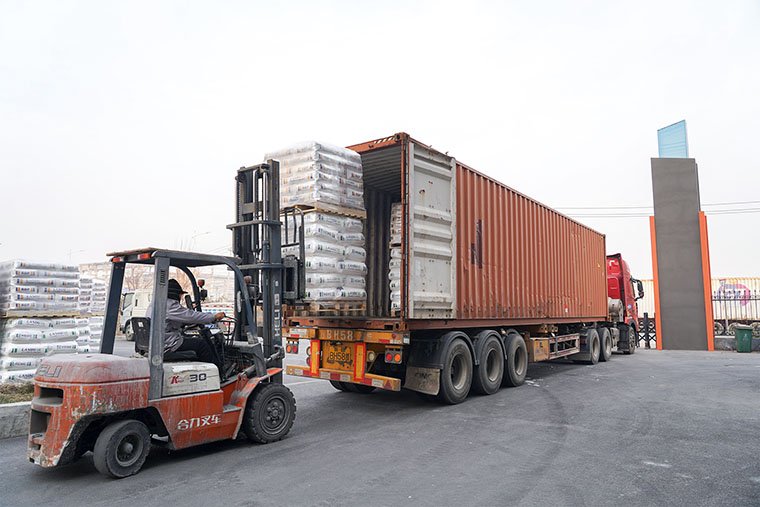
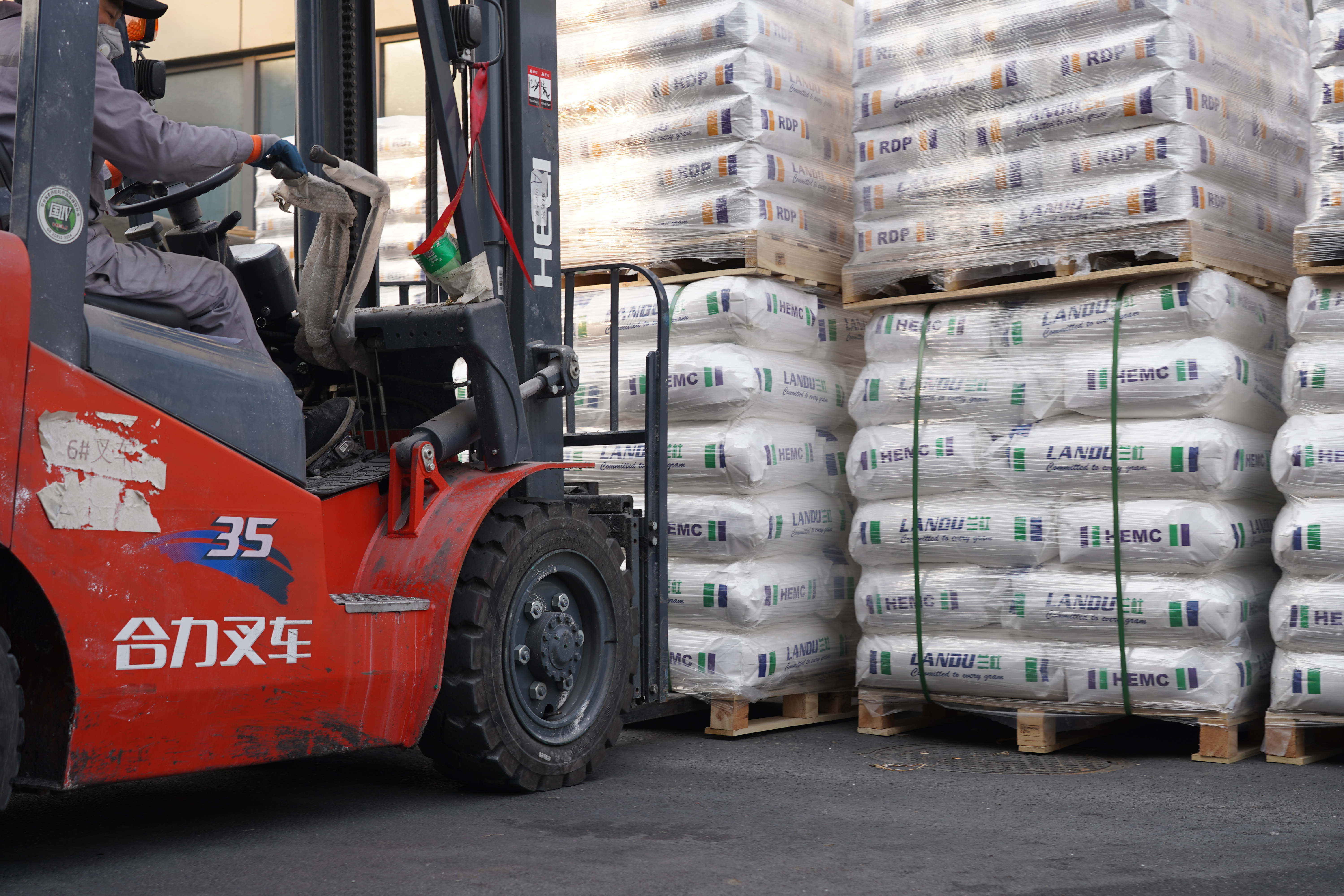 Hygroscopic · Seal When Not in Use
cURL Too many subrequests by single Worker invocation. To configure this limit, refer to https://developers.cloudflare.com/workers/wrangler/configuration/#limits
cURL Too many subrequests by single Worker invocation. To configure this limit, refer to https://developers.cloudflare.com/workers/wrangler/configuration/#limits
cURL Too many subrequests by single Worker invocation. To configure this limit, refer to https://developers.cloudflare.com/workers/wrangler/configuration/#limits
cURL Too many subrequests by single Worker invocation. To configure this limit, refer to https://developers.cloudflare.com/workers/wrangler/configuration/#limits
cURL Too many subrequests by single Worker invocation. To configure this limit, refer to https://developers.cloudflare.com/workers/wrangler/configuration/#limits
cURL Too many subrequests by single Worker invocation. To configure this limit, refer to https://developers.cloudflare.com/workers/wrangler/configuration/#limits
cURL Too many subrequests by single Worker invocation. To configure this limit, refer to https://developers.cloudflare.com/workers/wrangler/configuration/#limits
cURL Too many subrequests by single Worker invocation. To configure this limit, refer to https://developers.cloudflare.com/workers/wrangler/configuration/#limits
cURL Too many subrequests by single Worker invocation. To configure this limit, refer to https://developers.cloudflare.com/workers/wrangler/configuration/#limits
cURL Too many subrequests by single Worker invocation. To configure this limit, refer to https://developers.cloudflare.com/workers/wrangler/configuration/#limits
cURL Too many subrequests by single Worker invocation. To configure this limit, refer to https://developers.cloudflare.com/workers/wrangler/configuration/#limits
cURL Too many subrequests by single Worker invocation. To configure this limit, refer to https://developers.cloudflare.com/workers/wrangler/configuration/#limits
cURL Too many subrequests by single Worker invocation. To configure this limit, refer to https://developers.cloudflare.com/workers/wrangler/configuration/#limits
HEC selection for smooth viscosity and rheology
cURL Too many subrequests by single Worker invocation. To configure this limit, refer to https://developers.cloudflare.com/workers/wrangler/configuration/#limits
cURL Too many subrequests by single Worker invocation. To configure this limit, refer to https://developers.cloudflare.com/workers/wrangler/configuration/#limits
cURL Too many subrequests by single Worker invocation. To configure this limit, refer to https://developers.cloudflare.com/workers/wrangler/configuration/#limits
Compatibility testing direction
Dosage reference
Sample and quotation communication
cURL Too many subrequests by single Worker invocation. To configure this limit, refer to https://developers.cloudflare.com/workers/wrangler/configuration/#limits
CMC helps thicken printing paste, support pigment suspension, improve formulation consistency, and support pattern definition in selected textile printing systems. It is one of the most commonly used cellulose ether types in textile printing.
HEC helps provide smooth viscosity control, rheology adjustment, application stability, and suspension support in selected water-based textile printing or coating systems. As a non-ionic cellulose ether, it offers broad compatibility with many printing paste components.
Cellulose ether can help control viscosity and paste penetration, which may support cleaner pattern edges. Final sharpness depends on fabric type, printing method, paste formulation, and production conditions.
Yes. Suitable cellulose ether grades can support pigment suspension and reduce settling in selected textile printing paste systems. Final suspension stability depends on pigment type, particle size, dispersant system, and storage conditions.
A common reference dosage is around 0.2%–2.5%, depending on printing method, pigment content, viscosity target, fabric type, and cellulose ether grade. Final dosage should always be confirmed through testing.
Viscosity drift may be caused by pH changes, electrolyte content, preservative interaction, binder compatibility, pigment settling, microbial activity, temperature changes, or incomplete cellulose ether hydration during preparation.
Start with printing method, pigment or dye system, fabric type, binder chemistry, target viscosity, screen passability, pattern definition target, curing condition, and storage stability requirement. LANDERCOLL can recommend suitable CMC, HEC, HPMC, or selected cellulose ether grades for testing.
Whether you formulate pigment textile printing paste, screen printing paste, roller printing paste, dye printing paste, textile coating paste, non-woven printing paste, specialty effect printing paste, or industrial textile printing systems, LANDERCOLL can help you choose the right cellulose ether grade for better viscosity control, pigment suspension, pattern definition, print consistency, and storage stability.
Our team can review your formulation requirements, recommend suitable CMC, HEC, or HPMC grades, provide dosage references, and support your testing process from sample to production scale.
CMC for Thickening · HEC for Rheology · HPMC for Specialty Coating · Pigment · Screen · Roller · Dye · Coating · Non-Woven · Pattern Definition · Screen Passability · Viscosity Control · Paste Stability.
LANDERCOLL — Cellulose Ether for Industrial Applications. For technical inquiries, product samples, or formulation support, contact our team directly. All performance data, dosage references, and formulation guidance provided on this page are for reference only. Final suitability must be confirmed through testing under your specific textile printing system and production conditions.
 English English
  العربية
 Deutsch
 Українська
 Ελληνικά
 Español
 Español de Perú
 Français
 Magyar
 Bahasa Indonesia
 Italiano
 Português
 Türkçe
 Русский
 Nederlands
 Slovenčina
 Svenska
 Български
 Čeština
 Dansk
Dansk
 Eesti
Eesti
 Suomi
Suomi
 日本語
日本語
 한국어
한국어
 Lietuvių kalba
 Latviešu valoda
 Norsk bokmål
 Polski
 Português do Brasil
 Română
 Slovenščina
