selluloosieriitti-erinomainen — Luotettu yli 1000 yritykseltä maailmanlaajuisesti Hanki ilmainen näyte





LANDERCOLL HEC helps texture coating manufacturers build viscosity and coating body, suspend heavy fillers and aggregates, control rheology during application, and maintain stable in-can consistency across fine, sand, stone-effect, relief, roller, and spray texture systems.
Quick Answer: HEC (Hydroxyethyl Cellulose) is the primary cellulose ether used in water-based texture coatings. It functions as a high-body thickener and rheology modifier that builds viscosity, suspends heavy fillers and aggregates, supports texture retention after application, reduces sagging on vertical surfaces, and maintains stable in-can consistency during storage.
— HEC · Texture Coatings · Filler Suspension · Anti-Sag · Texture Retention · Rheology Control · Decorative Coatings
 HEC · Texture Body
High-body thickening for aggregate suspension and texture pattern retention after placement.
Texture coatings are water-based coating materials used to create decorative surface structures, patterns, and tactile effects on interior and exterior walls and façades. Unlike standard wall paints, they are formulated to produce a visible and often tactile surface pattern — ranging from fine sand finishes and smooth stone effects to bold relief patterns and coarse aggregate textures.
Texture coatings may be applied by roller, brush, spray, trowel, or specialized texture tools depending on the desired surface appearance and application method. Typical products include fine texture coatings, sand texture coatings, stone-effect coatings, relief coatings, roller texture coatings, spray-applied texture coatings, interior decorative coatings, and exterior façade texture systems.
A typical texture coating formulation includes polymer emulsion, pigments, fillers, quartz sand, calcium carbonate, texture aggregates, water, dispersants, wetting agents, defoamers, preservatives, pH modifiers, rheology modifiers, and cellulose ether.
cURL Too many subrequests by single Worker invocation. To configure this limit, refer to https://developers.cloudflare.com/workers/wrangler/configuration/#limits cURL Too many subrequests by single Worker invocation. To configure this limit, refer to https://developers.cloudflare.com/workers/wrangler/configuration/#limits
cURL Too many subrequests by single Worker invocation. To configure this limit, refer to https://developers.cloudflare.com/workers/wrangler/configuration/#limits
cURL Too many subrequests by single Worker invocation. To configure this limit, refer to https://developers.cloudflare.com/workers/wrangler/configuration/#limits
cURL Too many subrequests by single Worker invocation. To configure this limit, refer to https://developers.cloudflare.com/workers/wrangler/configuration/#limits
HEC addresses the thickening, suspension, rheology, anti-sag, and storage stability demands that distinguish texture coatings from standard architectural wall paints.
Builds viscosity and internal structure to hold texture pattern and resist collapse before drying.
Keeps heavy fillers and coarse aggregates evenly distributed throughout storage and application.
HEC (Hydroxyethyl Cellulose) is the primary LANDERCOLL cellulose ether product for texture coating applications. As a non-ionic, water-soluble cellulose ether, HEC provides broad compatibility with anionic dispersants, surfactants, and polymer emulsions used in high-solids water-based texture coating systems.
 HEC · Body · Suspension · Texture Retention
HEC is widely used across fine texture coatings, sand texture coatings, stone-effect coatings, relief coatings, roller texture coatings, and spray-applied texture systems because it delivers reliable thickening, viscosity stability, filler and aggregate suspension, and application consistency in high-solids water-based coating formulations.
HEC hydrates readily in water and builds viscosity efficiently, providing consistent thickening performance even in high-PVC, high-solids formulations where suspension demands are greatest.
Texture coating formulations vary by binder type, filler loading, aggregate size, target texture pattern, application method, substrate, and climate conditions.

| Komponentti | Function in Texture Coatings |
|---|---|
| Polymer Emulsion | cURL Too many subrequests by single Worker invocation. To configure this limit, refer to https://developers.cloudflare.com/workers/wrangler/configuration/#limits |
| cURL Too many subrequests by single Worker invocation. To configure this limit, refer to https://developers.cloudflare.com/workers/wrangler/configuration/#limits | cURL Too many subrequests by single Worker invocation. To configure this limit, refer to https://developers.cloudflare.com/workers/wrangler/configuration/#limits |
| cURL Too many subrequests by single Worker invocation. To configure this limit, refer to https://developers.cloudflare.com/workers/wrangler/configuration/#limits | cURL Too many subrequests by single Worker invocation. To configure this limit, refer to https://developers.cloudflare.com/workers/wrangler/configuration/#limits |
| cURL Too many subrequests by single Worker invocation. To configure this limit, refer to https://developers.cloudflare.com/workers/wrangler/configuration/#limits | cURL Too many subrequests by single Worker invocation. To configure this limit, refer to https://developers.cloudflare.com/workers/wrangler/configuration/#limits |
| Vesi | cURL Too many subrequests by single Worker invocation. To configure this limit, refer to https://developers.cloudflare.com/workers/wrangler/configuration/#limits |
| cURL Too many subrequests by single Worker invocation. To configure this limit, refer to https://developers.cloudflare.com/workers/wrangler/configuration/#limits | cURL Too many subrequests by single Worker invocation. To configure this limit, refer to https://developers.cloudflare.com/workers/wrangler/configuration/#limits |
| cURL Too many subrequests by single Worker invocation. To configure this limit, refer to https://developers.cloudflare.com/workers/wrangler/configuration/#limits | cURL Too many subrequests by single Worker invocation. To configure this limit, refer to https://developers.cloudflare.com/workers/wrangler/configuration/#limits |
| Vaahdonpoistoaineet | cURL Too many subrequests by single Worker invocation. To configure this limit, refer to https://developers.cloudflare.com/workers/wrangler/configuration/#limits |
| Säilöntäaineet | cURL Too many subrequests by single Worker invocation. To configure this limit, refer to https://developers.cloudflare.com/workers/wrangler/configuration/#limits |
| cURL Too many subrequests by single Worker invocation. To configure this limit, refer to https://developers.cloudflare.com/workers/wrangler/configuration/#limits | cURL Too many subrequests by single Worker invocation. To configure this limit, refer to https://developers.cloudflare.com/workers/wrangler/configuration/#limits |
| cURL Too many subrequests by single Worker invocation. To configure this limit, refer to https://developers.cloudflare.com/workers/wrangler/configuration/#limits | cURL Too many subrequests by single Worker invocation. To configure this limit, refer to https://developers.cloudflare.com/workers/wrangler/configuration/#limits |
| Muut lisäaineet | cURL Too many subrequests by single Worker invocation. To configure this limit, refer to https://developers.cloudflare.com/workers/wrangler/configuration/#limits |
 Fine Texture
 Sand Texture
 Stone-EffectRelief Coating
cURL Too many subrequests by single Worker invocation. To configure this limit, refer to https://developers.cloudflare.com/workers/wrangler/configuration/#limits
| cURL Too many subrequests by single Worker invocation. To configure this limit, refer to https://developers.cloudflare.com/workers/wrangler/configuration/#limits | Recommended Product Direction | Pääsuorituskykyvaatimukset |
|---|---|---|
| cURL Too many subrequests by single Worker invocation. To configure this limit, refer to https://developers.cloudflare.com/workers/wrangler/configuration/#limits | cURL Too many subrequests by single Worker invocation. To configure this limit, refer to https://developers.cloudflare.com/workers/wrangler/configuration/#limits | cURL Too many subrequests by single Worker invocation. To configure this limit, refer to https://developers.cloudflare.com/workers/wrangler/configuration/#limits |
| cURL Too many subrequests by single Worker invocation. To configure this limit, refer to https://developers.cloudflare.com/workers/wrangler/configuration/#limits | cURL Too many subrequests by single Worker invocation. To configure this limit, refer to https://developers.cloudflare.com/workers/wrangler/configuration/#limits | cURL Too many subrequests by single Worker invocation. To configure this limit, refer to https://developers.cloudflare.com/workers/wrangler/configuration/#limits |
| cURL Too many subrequests by single Worker invocation. To configure this limit, refer to https://developers.cloudflare.com/workers/wrangler/configuration/#limits | High viscosity HEC | cURL Too many subrequests by single Worker invocation. To configure this limit, refer to https://developers.cloudflare.com/workers/wrangler/configuration/#limits |
| cURL Too many subrequests by single Worker invocation. To configure this limit, refer to https://developers.cloudflare.com/workers/wrangler/configuration/#limits | High viscosity HEC | cURL Too many subrequests by single Worker invocation. To configure this limit, refer to https://developers.cloudflare.com/workers/wrangler/configuration/#limits |
| cURL Too many subrequests by single Worker invocation. To configure this limit, refer to https://developers.cloudflare.com/workers/wrangler/configuration/#limits | cURL Too many subrequests by single Worker invocation. To configure this limit, refer to https://developers.cloudflare.com/workers/wrangler/configuration/#limits | cURL Too many subrequests by single Worker invocation. To configure this limit, refer to https://developers.cloudflare.com/workers/wrangler/configuration/#limits |
| cURL Too many subrequests by single Worker invocation. To configure this limit, refer to https://developers.cloudflare.com/workers/wrangler/configuration/#limits | Selected HEC grade | cURL Too many subrequests by single Worker invocation. To configure this limit, refer to https://developers.cloudflare.com/workers/wrangler/configuration/#limits |
| cURL Too many subrequests by single Worker invocation. To configure this limit, refer to https://developers.cloudflare.com/workers/wrangler/configuration/#limits | HEC | cURL Too many subrequests by single Worker invocation. To configure this limit, refer to https://developers.cloudflare.com/workers/wrangler/configuration/#limits |
| Exterior Texture Coating | HEC | Body, anti-sag support, weather-resistant storage stability. |
HEC dosage depends on texture type, filler and aggregate loading, particle size, application method, target viscosity, and storage stability requirements.

Dosage varies with aggregate loading, particle size, and target texture pattern.
HEC supports the fresh coating properties that formulators and applicators evaluate most directly in texture coating systems.
HEC builds the viscosity and coating body needed for texture coatings to perform correctly. Texture coatings typically require higher viscosity than standard wall paints due to greater filler and aggregate loading — making effective thickening one of the most critical functions of HEC in these systems.
Heavy fillers such as calcium carbonate, quartz sand, stone particles, silica, and decorative aggregates settle rapidly without adequate suspension support. HEC increases water-phase viscosity and structural support, significantly reducing particle settling.
Texture coatings must flow under roller, spray, brush, or trowel force — but recover structural body quickly enough to hold the applied texture pattern and resist sagging before the film dries.
Suitable HEC grades improve coating body and structural recovery, reducing sagging risk even at higher film build thicknesses on vertical wall surfaces.
After application, the coating must hold its designed decorative structure until the film dries completely. HEC supports texture retention by improving viscosity, suspension, and internal structural stability of the wet coating film.
HEC helps create more consistent behavior during roller, spray, brush, or trowel application. It also maintains viscosity and particle suspension during storage, reducing hard settling, phase separation, and inconsistent application performance after extended shelf aging or temperature variation.
Many texture coating stability and application issues are related to viscosity, suspension, and rheology — areas where HEC grade and dosage selection directly affect performance.
Weak suspension, low viscosity, heavy particles.
Improve filler and aggregate suspension.
Low body, poor rheology, unsuitable thickener grade.
Support texture retention and structural recovery.
Weak coating structure, excessive water, low viscosity.
Improve body and anti-sag behavior.
Unbalanced rheology, wrong viscosity, poor particle distribution.
Support controlled application consistency.
Poor flow balance, particle settling, unsuitable viscosity.
Improve suspension and flow stability.
Poor dispersion, unstable filler system, inconsistent viscosity.
Support uniform particle distribution.
Low viscosity, poor compatibility, weak suspension system.
Improve in-can stability and suspension.
cURL Too many subrequests by single Worker invocation. To configure this limit, refer to https://developers.cloudflare.com/workers/wrangler/configuration/#limits
Adjust grade selection and dosage balance.
cURL Too many subrequests by single Worker invocation. To configure this limit, refer to https://developers.cloudflare.com/workers/wrangler/configuration/#limits
cURL Too many subrequests by single Worker invocation. To configure this limit, refer to https://developers.cloudflare.com/workers/wrangler/configuration/#limits
cURL Too many subrequests by single Worker invocation. To configure this limit, refer to https://developers.cloudflare.com/workers/wrangler/configuration/#limits
cURL Too many subrequests by single Worker invocation. To configure this limit, refer to https://developers.cloudflare.com/workers/wrangler/configuration/#limits
cURL Too many subrequests by single Worker invocation. To configure this limit, refer to https://developers.cloudflare.com/workers/wrangler/configuration/#limits
cURL Too many subrequests by single Worker invocation. To configure this limit, refer to https://developers.cloudflare.com/workers/wrangler/configuration/#limits
cURL Too many subrequests by single Worker invocation. To configure this limit, refer to https://developers.cloudflare.com/workers/wrangler/configuration/#limits
cURL Too many subrequests by single Worker invocation. To configure this limit, refer to https://developers.cloudflare.com/workers/wrangler/configuration/#limits
cURL Too many subrequests by single Worker invocation. To configure this limit, refer to https://developers.cloudflare.com/workers/wrangler/configuration/#limits
 Grade Selection
cURL Too many subrequests by single Worker invocation. To configure this limit, refer to https://developers.cloudflare.com/workers/wrangler/configuration/#limits
cURL Too many subrequests by single Worker invocation. To configure this limit, refer to https://developers.cloudflare.com/workers/wrangler/configuration/#limits
cURL Too many subrequests by single Worker invocation. To configure this limit, refer to https://developers.cloudflare.com/workers/wrangler/configuration/#limits
cURL Too many subrequests by single Worker invocation. To configure this limit, refer to https://developers.cloudflare.com/workers/wrangler/configuration/#limits
cURL Too many subrequests by single Worker invocation. To configure this limit, refer to https://developers.cloudflare.com/workers/wrangler/configuration/#limits
cURL Too many subrequests by single Worker invocation. To configure this limit, refer to https://developers.cloudflare.com/workers/wrangler/configuration/#limits
What polymer emulsion system is used?
Is the coating for interior or exterior application?
Do you need stronger anti-sag support or better texture retention?
What application method is used: roller, spray, brush, or trowel?
cURL Too many subrequests by single Worker invocation. To configure this limit, refer to https://developers.cloudflare.com/workers/wrangler/configuration/#limits
cURL Too many subrequests by single Worker invocation. To configure this limit, refer to https://developers.cloudflare.com/workers/wrangler/configuration/#limits
LANDERCOLL can help review your texture coating formulation direction and recommend a suitable HEC grade for testing.
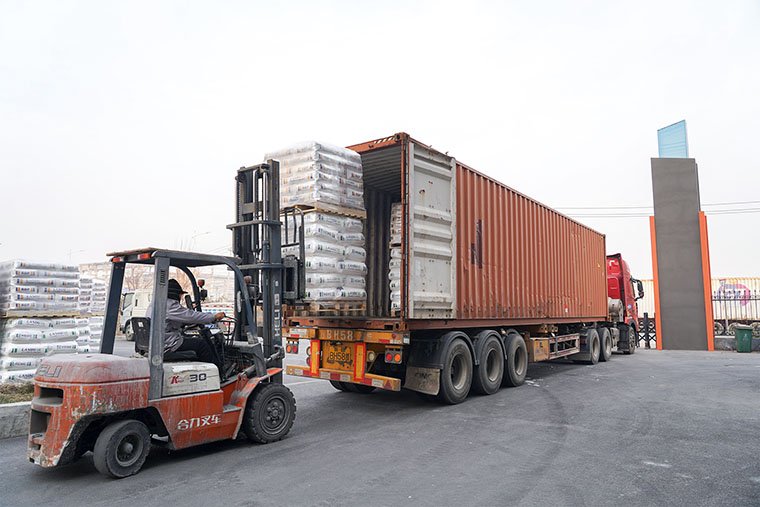
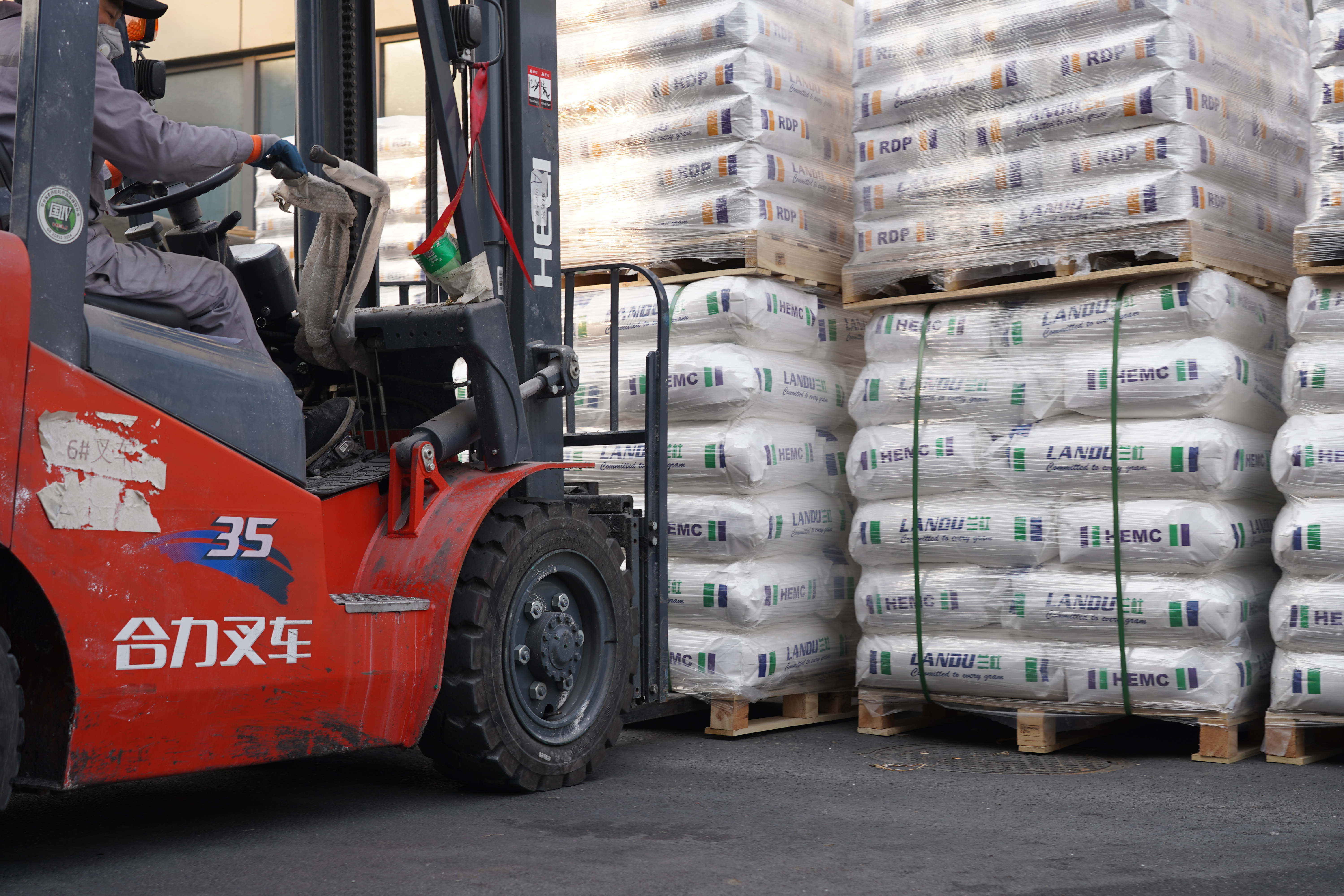
Ask for Technical SupportLANDERCOLL HEC for texture coatings is supplied in industrial packaging suitable for coating production, transportation, and storage.



LANDERCOLL provides product-related documentation to support texture coating formulation testing, purchasing review, and internal approval processes.
cURL Too many subrequests by single Worker invocation. To configure this limit, refer to https://developers.cloudflare.com/workers/wrangler/configuration/#limits
If your texture coating has filler or aggregate settling, texture collapse after application, sagging on vertical surfaces, rough or uneven texture pattern, poor roller transfer, spray instability, storage separation, or heavy application feel, the HEC grade or dosage may need to be reviewed.
LANDERCOLL can help evaluate suitable HEC options based on your binder system, filler and aggregate loading, particle size, target viscosity, application method, and storage stability requirement.
HEC grade selection for target viscosity and body.
Filler and aggregate suspension support.
Texture retention and anti-sag performance guidance.
Roller, spray, and trowel application consistency support.
cURL Too many subrequests by single Worker invocation. To configure this limit, refer to https://developers.cloudflare.com/workers/wrangler/configuration/#limits
Dosage reference and starting point recommendations.
Sample and quotation communication.
HEC (Hydroxyethyl Cellulose) is the most widely used cellulose ether in water-based texture coatings. It improves thickening, filler and aggregate suspension, rheology control, anti-sag behavior, texture retention, and storage stability across fine texture coatings, sand texture coatings, stone-effect coatings, relief coatings, and spray-applied texture systems.
HEC builds viscosity and coating body, suspends heavy fillers and aggregates to reduce settling, controls rheology during application, supports texture retention after placement, reduces sagging on vertical surfaces, and maintains stable in-can consistency during storage. It is a non-ionic thickener compatible with the anionic dispersants and polymer emulsions used in water-based texture coating systems.
Texture coatings contain higher filler loading, coarser particles, and heavier aggregates than standard wall paints. These heavier components require stronger viscosity and suspension support to prevent settling during storage, maintain texture pattern after application, and resist sagging on vertical surfaces.
Yes. Suitable HEC grades improve coating body and internal structural stability in the wet film, which supports better texture retention after application. However, final texture retention also depends on binder type, filler system, aggregate size, application method, and film thickness.
A common reference dosage range is 0.2%–1.3% by weight, depending on texture type, filler and aggregate loading, particle size, application method, and target viscosity. Stone-effect and relief coatings typically require 0.5%–1.3%, while fine texture and spray coatings may use 0.2%–0.8%. Final dosage must be confirmed through testing.
Yes. HEC improves coating body and structural recovery after application, which helps reduce sagging and running on vertical wall surfaces. The anti-sag effect depends on HEC grade selection, dosage level, filler loading, film thickness, and the complete formulation system.
Settling is typically caused by insufficient viscosity, weak suspension support, heavy aggregate density, poor dispersion during production, unsuitable HEC grade selection, incorrect dosage, or unbalanced formulation design. Increasing HEC dosage, selecting a higher viscosity grade, or improving the dispersion process can help reduce settling risk.
Start by defining your texture coating type, target viscosity, filler and aggregate system, particle size and density, application method, anti-sag requirement, and storage stability target. Then contact LANDERCOLL with these parameters — our technical team can recommend suitable HEC grades and provide samples for formulation evaluation.
cURL Too many subrequests by single Worker invocation. To configure this limit, refer to https://developers.cloudflare.com/workers/wrangler/configuration/#limits LANDERCOLL HEC cURL Too many subrequests by single Worker invocation. To configure this limit, refer to https://developers.cloudflare.com/workers/wrangler/configuration/#limits
cURL Too many subrequests by single Worker invocation. To configure this limit, refer to https://developers.cloudflare.com/workers/wrangler/configuration/#limits
cURL Too many subrequests by single Worker invocation. To configure this limit, refer to https://developers.cloudflare.com/workers/wrangler/configuration/#limits
 English English
  العربية
 Deutsch
 Українська
 Ελληνικά
 Español
 Español de Perú
 Français
 Magyar
 Bahasa Indonesia
 Italiano
 Português
 Türkçe
 Русский
 Nederlands
 Slovenčina
 Svenska
 Български
 Čeština
 Dansk
Dansk
 Eesti
Eesti
 Suomi
Suomi
 日本語
日本語
 한국어
한국어
 Lietuvių kalba
 Latviešu valoda
 Norsk bokmål
 Polski
 Português do Brasil
 Română
 Slovenščina
