
TDS
Tekninen tietolomake
Product specifications and performance data for formulation review.
LANDERCOLL HEC-selluloosaeetteri auttaa geelipuhdistusaineiden valmistajia saavuttamaan luotettavan geelirakenteen, tarttuvuuden pysty- ja kaareville pinnoille, hallitun annostelukäyttäytymisen ja pitkäaikaisen formulaation stabiilisuuden wc-, kylpyhuone-, keittiö-, pinta-, viemäri- ja premium-geelipuhdistusainemuodoissa.
WC-pönttöpuhdistusgeeleistä kylpyhuoneen, keittiön ja monikäyttöisiin pintageeleihin — oikea HEC-laatu takaa ennustettavan reologian, vahvan pintakiinnittymisen ja tasaisen kuluttajakokemuksen ulkomaisille valmistajille ja kemikaaliostajille.

WC · Kylpyhuone · Keittiö · Pinta · Hapan · Emäksinen · Viemäri · Premium
 Pikavastaus
PikavastausHydroksietyyliselluloosa (HEC) on ensisijainen selluloosaeetteri, jota käytetään geelipuhdistusaineiden koostumuksissa. Se antaa geelimäisen rakenteen, viskositeetin hallinnan, pinnan tarttuvuuden, hallitun virtauskäyttäytymisen, suspensiovakauden ja säilyvyysvakauden wc-geelipuhdistusaineissa, kylpyhuoneen geelipuhdistusaineissa, keittiön geelipuhdistusaineissa, pintageelipuhdistusaineissa sekä happamissa tai emäksisissä geelipuhdistusjärjestelmissä. HPMC:tä ja CMC:tä voidaan harkita tietyissä erikois- tai räätälöidyissä geelipuhdistusjärjestelmissä yhteensopivuustestauksen jälkeen.
Keskeiset suorituskyky-, yhteensopivuus- ja toimitusviitteet ulkomaisille geelipuhdistusaineiden valmistajille ja kemikaalien ostajille.
Etsitkö selluloosaeetterisuositusta geelipuhdistusainekoostumukseesi?
Kysy geelipuhdistimen suositusta Pyydä tarjous


Geelipuhdistusaineet ovat sakeutettuja puhdistustuotteita, jotka on suunniteltu tarjoamaan hallittua virtausta, pidempää pintakosketusta ja helppoa levitystä kodin, kylpyhuoneen, keittiön ja erikoispuhdistustehtävissä. Ne edustavat premium-tuotemuotoa kotitalouksien puhdistuskategoriassa – tarjoten parempaa pintaan tarttumista, houkuttelevampaa tuoteulkonäköä ja hallitumpaa levityskokemusta verrattuna ohuisiin nestemäisiin puhdistusaineisiin.
Geelimuoto asettaa erityisiä vaatimuksia koostumukselle. Geelipuhdistusaineen on oltava riittävän paksua tarttuakseen pysty- ja kaareville pinnoille, mutta kuitenkin riittävän juoksevaa, jotta se annostuu puhtaasti pullosta, suuttimesta tai korkista. Selluloosaeetteri — erityisesti HEC (hydroksietyyliselluloosa) — on avainainesosa, jonka avulla formuloijat voivat saavuttaa tämän tasapainon tuotannossa, varastoinnissa ja kuluttajakäytössä.
Liian vähäinen sakeuttamisaine saa tuotteen valumaan pinnoilta ennen kuin puhdistusaineet ehtivät vaikuttaa. Liiallinen sakeuttamisaine tekee tuotteesta sitkeää, vaikeasti annosteltavaa tai hankalasti huuhdeltavaa. Ilman luotettavaa geelirakennetta tuotteet näyttävät vetisiltä, erottuvat varastoinnin aikana tai eivät tartu pysty- ja kaareville pinnoille.
LANDERCOLL tarjoaa HEC:tä ja valittuja selluloosaeetterilaatuja geelipuhdistusaineiden valmistajille, jotka tarvitsevat luotettavaa geelirakennetta, viskositeetin hallintaa, pintatartuntaa ja formulaation stabiilisuutta eri puhdistustyyppien ja tuotantoympäristöjen välillä.
HEC liukenee vesifaasiin ja muodostaa kolmiulotteisen viskositeettiverkoston, joka antaa geelipuhdistusaineille niiden geelimäisen luonteen — pitäen tuotteen rungon pullossa, halliten virtausnopeutta, tukien pintatartuntaa ja ylläpitäen suspensiostabiilisuutta tuotantoerien välillä.
LANDERCOLL tarjoaa HEC:tä ensisijaisena selluloosaeetterisuosituksena geelipuhdistusaineille, ja HPMC ja CMC ovat saatavilla valittuihin erikoisjärjestelmiin.
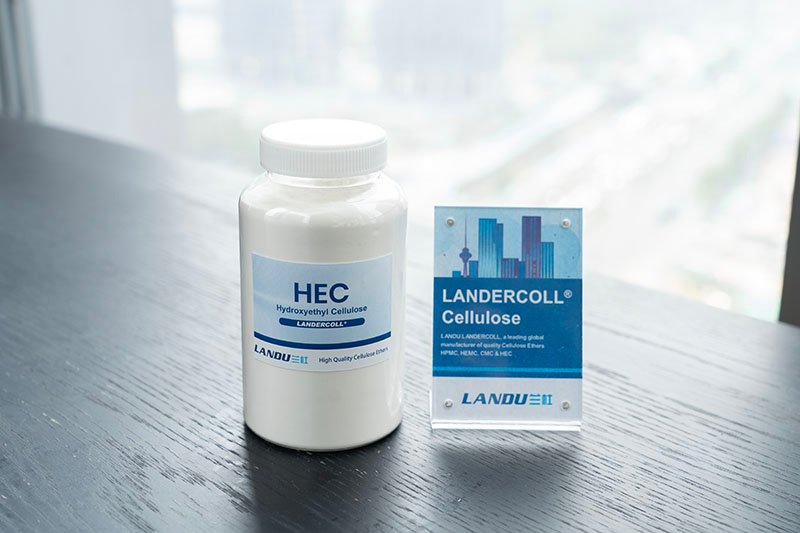
Ensisijainen · Ei-ioninen · HEC
Ei-ioninen selluloosaeetteri tasaisen geelimäisen koostumuksen, viskositeetin hallinnan, pintaan tarttumisen ja formulaation stabiilisuuden saavuttamiseksi geelipuhdistusjärjestelmissä.
HEC on ioniton, vesiliukoinen selluloosaeetteri, jota käytetään laajalti geelipuhdistusaineformulaatioissa. Sen ioniton luonne tarjoaa laajan yhteensopivuuden anionisten, kationisten ja ionittomien pinta-aktiivisten ainejärjestelmien kanssa, joita käytetään yleisesti kotitalouksien geelipuhdistusaineissa. HEC sakeuttaa tehokkaasti vesifaasia, luo tasaisen ja vakaan geelirakenteen, tukee pintakiinnittymistä keraamisille ja koville pinnoille sekä ylläpitää tasaista tuotteen koostumusta varastoinnin aikana. Sopii wc-, kylpyhuone-, keittiö- ja pintageelipuhdistusaineille sekä valikoiduille happamille tai emäksisille järjestelmille testauksen jälkeen.
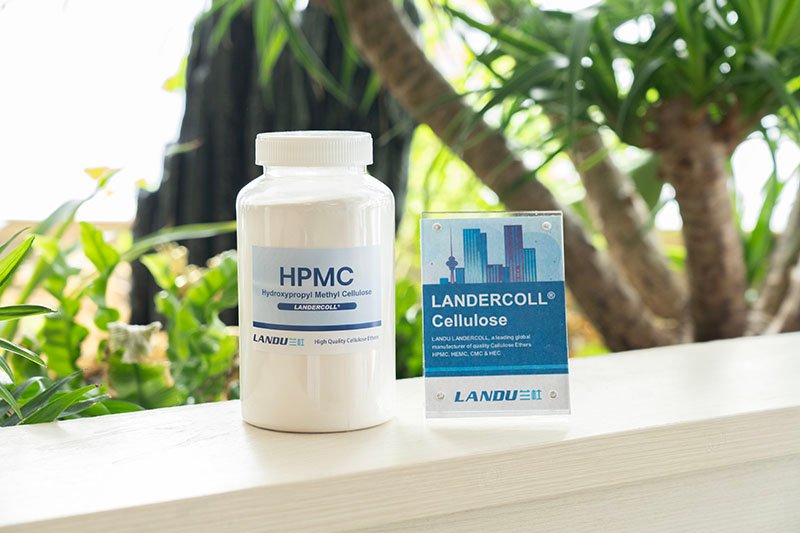 Erikoisosaaminen · HPMC · Geelijärjestelmät
Hydroxypropylmetyyliselluloosa erikoissakeutukseen, reologian hallintaan ja räätälöityyn geelimäiseen rakenteeseen.
HPMC:tä voidaan harkita erikoispuhdistusgeeleissä, joissa vaaditaan tiettyä reologista käyttäytymistä, kalvonmuodostusominaisuuksia tai räätälöityä geelin rakennetta. HPMC:llä on erilaiset liukoisuus- ja reologiaominaisuudet verrattuna HEC:hen, mikä voi olla edullista tietyissä erikoispuhdistusgeeliformaateissa. Lopullinen suorituskyky on vahvistettava formulaatiotestauksen avulla. pinta-aktiivisen aineen tyyppi, liuotintaso, pH, elektrolyyttipitoisuus, vaikuttavat aineet ja valmistusmenetelmä voivat kaikki vaikuttaa HPMC:n suorituskykyyn.
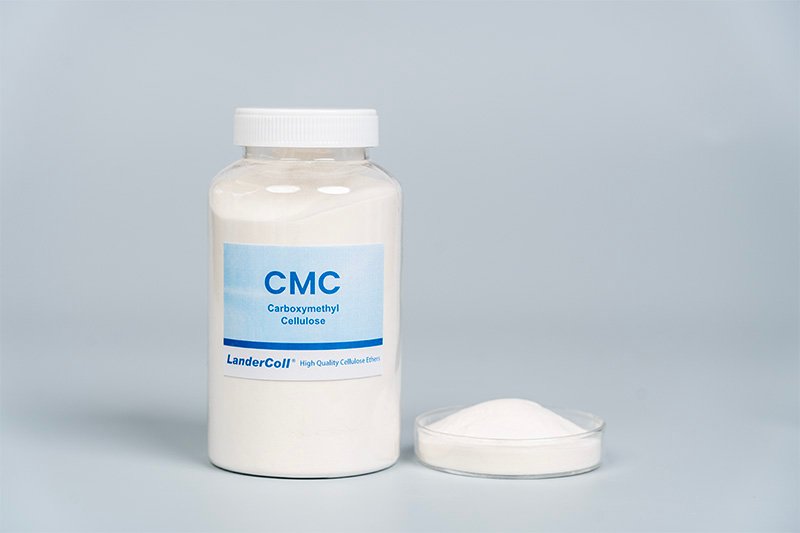 Anioninen · CMC · Valitut järjestelmät
Karboksimetyyliselluloosa valittuihin suspensiotuki-, tuoterunko- ja koostumusyhdenmukaisuustarpeisiin.
CMC:tä voidaan harkita valituissa geelipuhdistus- tai kotitalouden puhdistuskoostumuksissa, joissa suspensiotuki, viskositeettivaikutus tai koostumuksen yhdenmukaisuus on etusijalla. CMC on anioninen polymeeri, joka on herkkä pH:lle, elektrolyyttitasolle, pinta-aktiivisen aineen tyypille ja vaikuttavan aineen kemialle. Yhteensopivuus happojen, emästen, korkean elektrolyyttipitoisuuden järjestelmien, hapettimien ja muiden vaikuttavien aineiden kanssa on vahvistettava testauksella ennen käyttöä.
Geelipuhdistusaineiden koostumukset vaihtelevat tuotetyypin, kohdepinnan, puhdistuskemian ja markkina-asemoinnin mukaan. Alla oleva taulukko tarjoaa yleisen viitteen yleisistä komponenteista.
| Komponentti | Function in Gel Cleaners |
|---|---|
| Vesi | Pääliuotin ja kantofaasi |
| Pinta-aktiiviset aineet | Tarjoavat kostutusta, puhdistusta, vaahtoa ja lianpoistoa |
| Selluloosaeetteri (HEC / HPMC / CMC) | Paranna geelin rakennetta, viskositeettia, tarttuvuutta ja stabiilisuutta. |
| Hapot / Emäkset | Tukee kalkinpoistoa, rasvanpoistoa tai tahranpoistoa valituissa järjestelmissä. |
| Liuottimet / Hydrotroopit | Tukee liukoisuutta, puhdistustehoa ja kirkkautta valituissa koostumuksissa. |
| Säilöntäaineet | Sovella vesipohjaisten formulaatioiden suojausta tarvittaessa. |
| Tuoksu | Tarjoa tuotteen tuoksu |
| Väriaineet / Opasifioijat | Paranna tuotteen ulkonäköä ja kuluttajien houkuttelevuutta. |
| Antibakteeriset ainesosat | Used in selected antibacterial gel cleaner systems |
| Muut lisäaineet | Adjust foam, clarity, stability, surface feel, or special performance |
| Gel Cleaner Type | Suositeltu tuotesuunta | Tärkeimmät suorituskykyvaatimukset |
|---|---|---|
| WC-geelipuhdistusaine | HEC / valittu HPMC | Surface cling, gel body, controlled flow from nozzle |
| Kylpyhuoneen geelipuhdistusaine | HEC | Surface contact, smooth texture, stable appearance |
| Keittiön geelipuhdistusaine | HEC / valittu selluloosaeetteri | Degreasing system compatibility, flow control |
| Pinnan geelipuhdistusaine | HEC | Product body, spreadability, stable appearance |
| Viemärin geelipuhdistusaine | Selected cellulose ether after testing | Chemical compatibility, viscosity stability |
| Hapan geelipuhdistusaine | HEC / selected grade after testing | Acid compatibility, cling, storage stability |
| Emäksinen geelipuhdistusaine | HEC / selected grade after testing | Alkali compatibility, body, smooth flow |
| Premium-geelipuhdistusaine | HEC / valittu HPMC | Smooth gel texture, stable viscosity, enhanced user experience |
These ranges are starting references only. Final dosage must be confirmed through viscosity testing, gel texture evaluation, surface cling testing, dispensing behavior assessment, compatibility testing, storage stability evaluation, and consumer-use trials.
| Gel Cleaner Application | Tyypillinen viiteannostus |
|---|---|
| WC-geelipuhdistusaine | 0.4% – 1.2% |
| Kylpyhuoneen geelipuhdistusaine | 0.3% – 1.0% |
| Keittiön geelipuhdistusaine | 0.3% – 0.9% |
| Pinnan geelipuhdistusaine | 0.3% – 0.9% |
| Viemärin geelipuhdistusaine | Depends on chemical compatibility testing |
| Hapan geelipuhdistusaine | 0.3% – 1.0% |
| Emäksinen geelipuhdistusaine | 0.3% – 1.0% |
| Premium-geelipuhdistusaine | 0.4% – 1.2% |
Cellulose ether influences gel texture, surface cling, viscosity control, controlled flow, suspension stability, and long-term storage performance in water-based gel cleaner systems.
Cellulose ether helps create a smooth, uniform gel texture that improves product appearance in the bottle and application feel during use. A well-structured gel looks premium, flows predictably, and delivers a consistent consumer experience across different temperatures and storage conditions.
Gel cleaners are often applied to vertical toilet bowl surfaces, inclined bathroom tiles, and curved ceramic fixtures where gravity works against the product. A suitable cellulose ether grade helps improve surface cling, allowing cleaning agents to remain in contact with the surface long enough to act effectively.
HEC helps build the required viscosity for gel cleaners while maintaining workable dispensing and spreading behavior. The target viscosity must balance gel body with practical usability — thick enough to cling, fluid enough to dispense and spread.
Gel cleaners must flow from the bottle or nozzle under application pressure without running too quickly after being applied to the surface. Cellulose ether helps balance thickness and movement to achieve reliable, controlled dispensing behavior.
Many gel cleaners contain opacifiers, color systems, fragrance droplets, particles, or active ingredients that require stable distribution throughout the product. Cellulose ether supports suspension stability when properly matched with the complete formulation system.
A suitable cellulose ether grade helps maintain gel body, viscosity, and product appearance during storage. This reduces gel structure breakdown, viscosity loss, separation, and inconsistent performance after the product has been stored across different temperatures and conditions.
When gel cleaner fails texture, cling, flow, or stability targets, cellulose ether grade, dosage, hydration, or compatibility is often the first variable to review.
Low thickener level or weak viscosity response.
HEC builds viscosity and gel body.
Liiallinen annostus tai sopimaton viskositeettiluokka.
Adjust grade selection and dosage level.
Low product body or wrong rheology profile.
Improve gel texture and controlled flow behavior.
Unsuitable rheology or excessive polymer level.
Optimize cellulose ether grade and dosage.
Poor suspension or formulation imbalance.
Support suspension stability through grade selection.
pH, solvent, salt, surfactant, or active ingredient interaction.
Test compatible grade with full formulation system.
Poor dispersion or hydration method.
Improve addition sequence and mixing process.
Ingredient incompatibility or storage instability.
Review full formulation compatibility.
Gel cleaner formulations are often chemically complex. Multiple factors influence how cellulose ether performs and how stable the gel structure remains over time.
Acidic, alkaline, neutral, and oxidizing gel cleaners each have different compatibility requirements. Cellulose ether grade selection must match the final pH range and active ingredient system. High acid or high alkali concentrations require careful grade selection and accelerated stability testing.
Surfactant type, concentration, and combination affect cleaning performance, foam behavior, viscosity response, and compatibility with cellulose ether. Surfactant system should be evaluated during formulation testing.
Salts, builders, and other electrolytes can influence viscosity development, gel strength, product clarity, and long-term stability. High-electrolyte systems may require specific HEC grades with appropriate substitution levels.
Solvents may improve cleaning performance but can also affect cellulose ether hydration, viscosity development, product clarity, and long-term gel stability. Solvent type and concentration should be evaluated during formulation testing.
Disinfecting agents, acids, alkalis, bleach, or specialty active ingredients may affect polymer stability and final product performance. Compatibility testing with all active ingredients is essential before finalizing the formulation.
Bottle design, nozzle type, cap opening size, and required squeeze force all affect the target viscosity and flow profile needed from the cellulose ether system.
Addition sequence, hydration time, water temperature, and mixing speed affect cellulose ether dispersion quality and final gel texture. Poor dispersion leads to lumps, fish eyes, and inconsistent gel structure across production batches.
Temperature changes may influence viscosity, gel body, product clarity, and long-term stability. Stability testing across the expected storage temperature range is recommended for all gel cleaner formulations.
Choosing the right cellulose ether requires balancing gel body, viscosity target, surface cling requirement, dispensing behavior, formulation compatibility, and storage stability across the complete cleaning system.
 Grade Selection Guide
LANDERCOLL can review your gel cleaner formulation direction and recommend suitable HEC, HPMC, CMC, or selected cellulose ether grades for testing.
Acidic, alkaline, neutral, disinfecting, or bleach-based?
What target viscosity and gel texture profile are required?
Does the product need strong cling on vertical or curved surfaces?
What surfactant system and loading level are used?
Are solvents, salts, acids, alkalis, or oxidizing ingredients included?
Clear, opaque, colored, or pearlescent in appearance?
What bottle format, nozzle type, and dispensing method are used?
What storage temperature range must the product tolerate?
What mixing equipment and hydration method are available?
What dosage level and cost-performance balance are you targeting?
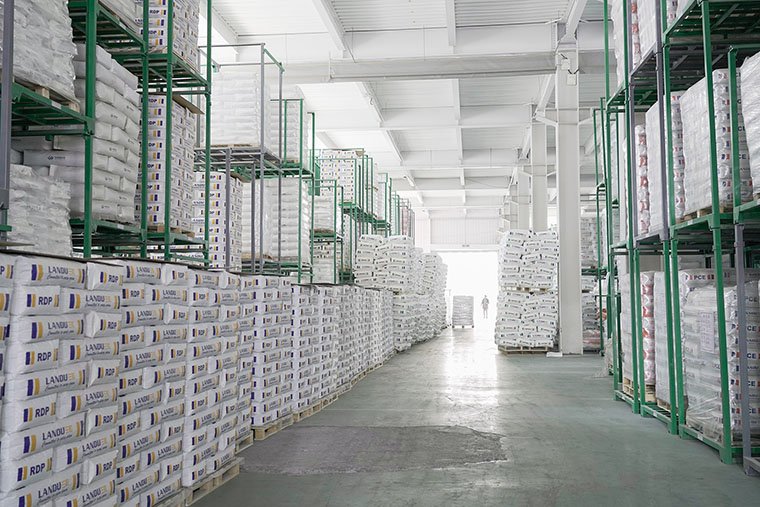
LANDERCOLL provides product-related documentation to support gel cleaner formulation testing, purchasing review, quality approval, and import compliance.
 Formulation & Performance Evaluation
Supporting gel cleaner development with complete technical documentation.
— LANDERCOLL R&D —Product specifications and performance data for formulation review.
Safety, handling, and regulatory information (SDS / MSDS).
Batch quality confirmation supplied per shipment.
Overview of cellulose ether range and application areas.
Formulation guidance and usage recommendations.
Grade recommendation for specific gel cleaner applications.
Käsittely-, säilyvyys- ja varastointiolosuhdeviite.
Available where applicable for international orders and import compliance.
All documents supplied upon request to support formulation review, quality approval, and import compliance.
Pyydä tuotedokumenttejaHEC grade selection for gel texture and viscosity control
Surface cling and controlled flow optimization
Dispensing behavior adjustment for different bottle and nozzle formats
Suspension stability discussion and testing direction
Compatibility review for acidic, alkaline, and disinfecting systems
Dosage reference for different gel cleaner types
Sample provision and quotation communication
If your gel cleaner is too thin, too thick, stringy, unstable during storage, separating in the bottle, forming lumps, difficult to dispense, or losing viscosity over time, the cellulose ether grade or dosage may need to be reviewed.
LANDERCOLL can help evaluate suitable HEC, HPMC, CMC, and selected cellulose ether options based on your pH system, surfactant system, active ingredients, viscosity target, surface cling requirement, packaging format, and production process.
HEC (Hydroxyethyl Cellulose) is the most commonly used cellulose ether in gel cleaner formulations. It provides gel texture, viscosity control, surface cling, controlled flow, and formulation stability. HPMC and CMC may be considered in selected specialty or customized systems after compatibility testing.
HEC dissolves in the water phase and builds a stable viscosity and gel structure network. In gel cleaners, this creates smooth gel texture, supports surface cling on vertical and curved surfaces, controls flow from the bottle, helps suspend opacifiers and particles, and maintains stable gel body during storage.
Cellulose ether primarily supports gel texture, viscosity, cling, and stability — not cleaning chemistry. Cleaning performance depends on surfactants, solvents, acids, alkalis, disinfecting ingredients, and application conditions. However, improved surface cling from cellulose ether supports longer surface contact time, which may indirectly improve cleaning effectiveness.
A common reference dosage range is approximately 0.3%–1.2% by formulation weight, depending on gel cleaner type, target viscosity, pH, surfactant system, active ingredient system, and cellulose ether grade. Final dosage must always be confirmed through formulation testing and stability evaluation.
Selected HEC grades may be used in acidic gel cleaners. However, acid type, acid concentration, pH level, surfactant system, and storage stability must all be tested before finalizing the formulation. Not all HEC grades perform equally in acidic conditions.
Viscosity loss in gel cleaners during storage may be caused by pH changes, acid or alkali concentration effects, oxidizing ingredient degradation, surfactant incompatibility, high electrolyte levels, temperature fluctuations, poor initial hydration, or an unsuitable cellulose ether grade for the system.
Stringy behavior typically results from excessive cellulose ether dosage, an unsuitable viscosity grade with high molecular weight, poor rheology balance, or incompatible formulation design. Optimizing grade selection and dosage level usually resolves this issue.
Start by defining your cleaner type, pH system, active ingredients, surfactant system, target gel texture and viscosity, surface cling requirement, dispensing format, storage temperature range, and production process. LANDERCOLL can review your formulation direction and recommend suitable HEC or selected cellulose ether grades for evaluation and testing.
Whether you produce toilet gel cleaner, bathroom gel cleaner, kitchen gel cleaner, surface gel cleaner, acidic gel cleaner, alkaline gel cleaner, drain gel cleaner, or premium household gel cleaner — LANDERCOLL can help you choose the right cellulose ether grade for better gel texture, viscosity control, surface cling, controlled flow, dispensing behavior, and formulation stability.
Our team can provide grade recommendations, dosage references, technical data sheets, samples, and quotations to support your formulation development and purchasing process.
LANDERCOLL cellulose ether products are manufactured for industrial and commercial use. All formulation data, dosage references, and application guidance provided are for general reference only. Final product performance must be confirmed through testing under your specific formulation, process, and storage conditions.