Eccellenza in Etere di Cellulosa — Affidato da oltre 1000 aziende a livello globale Richiedi il campione gratuito




LANDERCOLL etere di cellulosa per uso alimentare supporta i produttori alimentari con soluzioni a base di cellulosa per salse, condimenti, bevande, prodotti da forno, alimenti surgelati, sistemi lattiero-caseari, dessert, rivestimenti alimentari e formulazioni per il controllo della consistenza.
Il grado che scegli è importante — le applicazioni alimentari richiedono non solo prestazioni funzionali ma anche gradi conformi adatti con la documentazione appropriata per il mercato di destinazione. LANDERCOLL aiuta i produttori a identificare la giusta direzione del prodotto per i loro requisiti di formulazione e normativi.
— CMC · E466 · HPMC · E464 · FDA 21 CFR 172.874 · 21 CFR 182.1745 · Fornitore di Idrocolloidi Alimentari
 Salse & Condimenti
 Panificio
 Bevande
 Alimenti surgelati
L'etere di cellulosa per uso alimentare deve essere selezionato in base all'applicazione alimentare prevista, al mercato di destinazione, ai requisiti normativi, alle esigenze di documentazione e al design finale della formulazione. Non tutti i gradi di etere di cellulosa sono adatti per uso alimentare. LANDERCOLL raccomanda di confermare il grado esatto del prodotto, la scheda tecnica, il certificato di analisi, la scheda di sicurezza e qualsiasi documento di conformità richiesto prima della valutazione o dell'uso commerciale.
Texture · Stabilità · Prestazioni
La cellulosa etere di grado alimentare viene utilizzata nei sistemi alimentari dove viscosità, consistenza, stabilità della sospensione, legame dell'acqua, sensazione in bocca, stabilità al congelamento e scongelamento, formazione di pellicola e consistenza di lavorazione sono importanti. Aiuta i produttori a migliorare la struttura del prodotto, mantenere un aspetto uniforme, controllare il comportamento dell'acqua e creare formulazioni alimentari più stabili in un'ampia gamma di categorie di prodotti.
LANDERCOLL etere di cellulosa per uso alimentare include due principali linee di prodotto: gradi CMC e HPMC adatti. CMC, noto anche come gomma di cellulosa nelle applicazioni alimentari, è ampiamente utilizzato per addensamento, stabilizzazione, sospensione e gestione dell'acqua. HPMC può essere utilizzato in applicazioni alimentari adatte dove sono richiesti formazione di film, addensamento, stabilizzazione, supporto all'emulsificazione o controllo della consistenza.
Nelle formulazioni alimentari, l'etere di cellulosa può migliorare il comportamento fisico di un prodotto senza alterarne il concetto o il carattere fondamentale. Può aiutare una salsa a rimanere liscia e uniforme, una bevanda a mantenere una sospensione stabile, un prodotto surgelato a preservare la consistenza attraverso cicli di congelamento-scongelamento, un sistema di panificazione a gestire l'umidità durante la cottura e la conservazione, o un rivestimento a formare una superficie più uniforme e stabile.
La linea di prodotti per uso alimentare LANDERCOLL include due opzioni principali: CMC (gomma di cellulosa) adatta per uso alimentare per addensamento, stabilizzazione, sospensione e gestione dell'acqua, e HPMC adatta per uso alimentare per formazione di film, addensamento, stabilizzazione e controllo della consistenza in sistemi alimentari selezionati. Entrambe richiedono prodotti adatti per uso alimentare e documentazione adeguata prima di qualsiasi uso alimentare.
Gomma di cellulosa — addensamento, stabilizzazione, sospensione, legame dell'acqua e controllo della consistenza
La carbossimetilcellulosa (CMC), ampiamente conosciuta come gomma di cellulosa in contesti alimentari, è uno dei derivati della cellulosa più utilizzati nei sistemi alimentari a livello globale. La CMC adatta per uso alimentare migliora la viscosità, stabilizza le sospensioni, lega l'acqua, migliora la sensazione in bocca e supporta una consistenza uniforme in un'ampia gamma di categorie alimentari. È particolarmente efficace in salse, condimenti, bevande, alimenti surgelati, sistemi di panificazione, dessert, sistemi lattiero-caseari e altre formulazioni alimentari dove stabilità, consistenza e gestione dell'acqua sono requisiti prestazionali critici.
Film forming, stabilization, thickening, texture control, and food structure support
Hydroxypropyl methylcellulose (HPMC) can be used in suitable food applications where film forming, thickening, stabilizing, suspending, emulsification support, or texture control is needed. Under U.S. federal regulations, hydroxypropyl methylcellulose may be used in food as an emulsifier, film former, protective colloid, stabilizer, suspending agent, or thickener, subject to the conditions specified in 21 CFR 172.874. Suitable food grade HPMC may be considered for food coatings, bakery systems, frozen foods, vegetarian or plant-based systems, reduced-fat foods, and texture-control applications depending on the specific grade and market requirements.
Sauces and dressings require controlled viscosity, smooth texture, stable appearance, and good mouthfeel throughout their shelf life. Food grade CMC helps improve thickness, reduce phase separation, and maintain uniform consistency during storage and use. Suitable HPMC may also support selected sauce or dressing systems where texture, film support, or stabilization is needed.
Sistemi di bevande
Beverage systems may require suspension stability, light viscosity, improved mouthfeel, or stabilization of dispersed ingredients such as pulp, fibers, cocoa solids, or botanical extracts. Low to medium viscosity food grade CMC helps maintain uniformity and reduces settling in suitable beverage applications. Final grade selection should account for clarity requirements, acidity, sugar level, processing conditions, and target mouthfeel.
Panificio


Bakery systems often require moisture control, texture improvement, structure support, and better processing consistency. Suitable food grade CMC or HPMC may help manage water, improve dough or batter behavior, and support finished product texture and quality stability. In selected bakery applications, cellulose ether can support softness, structure, and quality stability depending on formulation design and processing method.
Frozen food systems require stable texture and effective water management under freezing and thawing conditions. Food grade cellulose ether helps improve consistency, reduce quality loss in selected systems, and support better product stability during frozen storage and distribution. CMC is often considered where water binding, stabilization, and texture maintenance are important performance requirements.
 Dairy & Desserts
Dairy-related systems, ice cream, desserts, and similar formulations require smooth texture, controlled viscosity, and stable structure throughout processing and storage. Food grade CMC supports mouthfeel, stabilization, and water management in suitable systems. Depending on the application, suitable HPMC may also support texture or film-related functions.
 Gluten-Free & Plant-Based
Gluten-free and plant-based products often require structure-building support because they lack the natural protein network or texture found in traditional formulations. Suitable food grade cellulose ether helps improve texture, moisture control, and structural behavior in these challenging formulation environments. CMC and HPMC may both be considered depending on the product type, target performance, and regulatory requirements of the target market.
 Reduced-Fat Systems
Reduced-fat formulations often require ingredients that help replace part of the body, mouthfeel, and structure normally provided by fat. Food grade cellulose ether supports viscosity, texture, and water management in selected reduced-fat systems, helping maintain consumer-acceptable sensory quality.
Food Coatings
Food coating and film systems require suitable film-forming behavior, surface uniformity, stability, and process compatibility. Suitable food grade HPMC is especially relevant in applications where film forming is a primary performance requirement. CMC may also support selected coating systems where viscosity, water management, and surface structure are important.
 Specialty & Texture Systems
For specialty food structures and texture-control formulations, the right cellulose ether grade depends on the specific performance requirements, food matrix, processing conditions, and regulatory framework of the target market. LANDERCOLL can help identify a suitable product direction based on your formulation goals and documentation needs.
Different food systems require different cellulose ether performance profiles. The table below provides a general selection reference for food grade cellulose ether applications. Final product selection must always be confirmed through testing in your specific formulation, because pH, sugar, salt, fat, protein, processing temperature, shear, freezing conditions, water activity, and other ingredients can all affect cellulose ether performance.
| Applicazione | Direzione del prodotto consigliata | Requisiti Principali di Prestazione |
|---|---|---|
| Salse e Condimenti | Food grade CMC / suitable HPMC | Thickening, mouthfeel, suspension, stability |
| Bevande | Low to medium viscosity food grade CMC | Suspension, light viscosity, uniformity |
| Prodotti da Forno | Food grade CMC / suitable HPMC | Moisture control, texture, structure |
| Alimenti surgelati | Food grade CMC / suitable HPMC | Water binding, freeze-thaw stability, texture |
| Dairy-Related Systems | Food grade CMC | Smooth mouthfeel, stabilization, viscosity |
| Ice Cream and Desserts | Food grade CMC | Texture, water management, stability |
| Gluten-Free Products | Food grade CMC / suitable HPMC | Structure support, moisture control, texture |
| Alimenti a Ridotto Contenuto di Grassi | Food grade CMC / suitable HPMC | Body, mouthfeel, stabilization |
| Food Coatings | Suitable food grade HPMC / CMC | Film forming, surface uniformity, coating stability |
| Specialty Food Systems | Depends on application | Texture, stability, water management, processing |
Dosage depends on food category, target texture, viscosity requirement, processing method, regulatory limits, and full formulation design. The following ranges are general starting points for laboratory evaluation only.
These dosage levels are reference starting points only. Final dosage must be confirmed through formulation testing, sensory evaluation, stability testing, process validation, and regulatory review for the target market. Applicable regulatory limits must always be observed.
| Applicazione | Dosaggio di Riferimento Tipico |
|---|---|
| Salse e Condimenti | 0.2% – 1.0% |
| Bevande | 0.05% – 0.5% |
| Prodotti da Forno | 0.1% – 0.8% |
| Alimenti surgelati | 0.1% – 0.8% |
| Dairy-Related Systems | 0.1% – 0.6% |
| Ice Cream and Desserts | 0.1% – 0.6% |
| Gluten-Free Products | 0.2% – 1.0% |
| Alimenti a Ridotto Contenuto di Grassi | 0.1% – 0.8% |
| Food Coating Systems | Depends on coating design |
| Specialty Food Systems | Depends on product type and target performance |
Food grade CMC and HPMC deliver a range of performance functions that improve food product quality, stability, texture, and processing consistency. Each function contributes directly to the sensory experience, shelf life, and manufacturing reliability of finished food products.
Food grade cellulose ether increases viscosity and builds product body in sauces, dressings, beverages, desserts, and texture-control systems. Controlled thickening improves appearance, dispensing behavior, and overall eating quality.
CMC and suitable HPMC grades help maintain uniformity, reduce phase separation, and improve storage stability in suitable food formulations. Stabilization is critical for products that undergo temperature changes, transportation, or extended shelf life.

Food systems containing particles, pulp, cocoa solids, fibers, spices, botanical extracts, or other dispersed ingredients benefit from cellulose ether's ability to improve suspension and reduce settling during storage and distribution.

Cellulose ether manages water in food systems, supporting moisture control, texture maintenance, and storage stability. Effective water binding is especially important in frozen foods, bakery products, and reduced-fat systems.
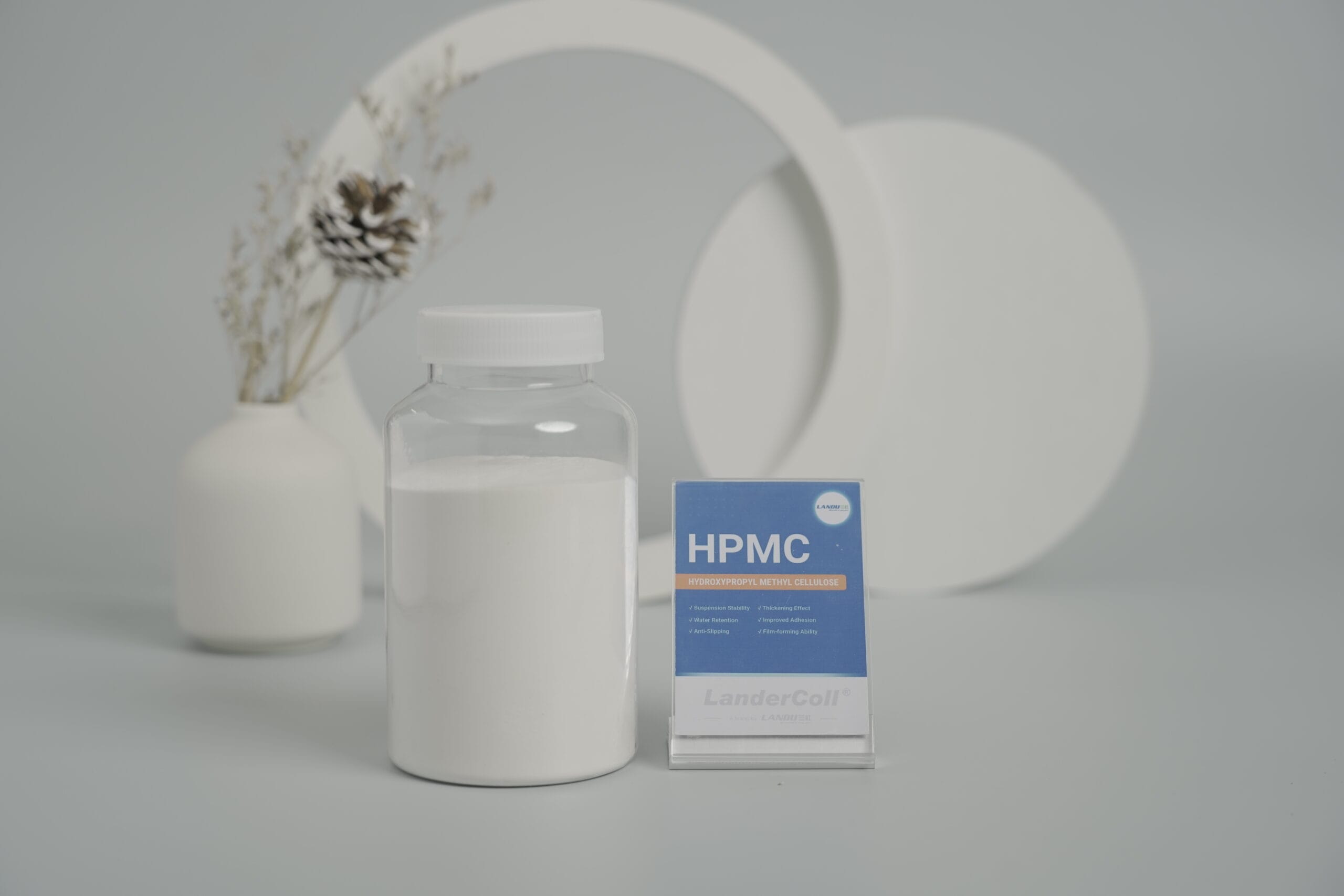
Food grade cellulose ether improves smoothness, body, mouthfeel, and sensory consistency in suitable applications, contributing directly to consumer satisfaction and product quality perception.
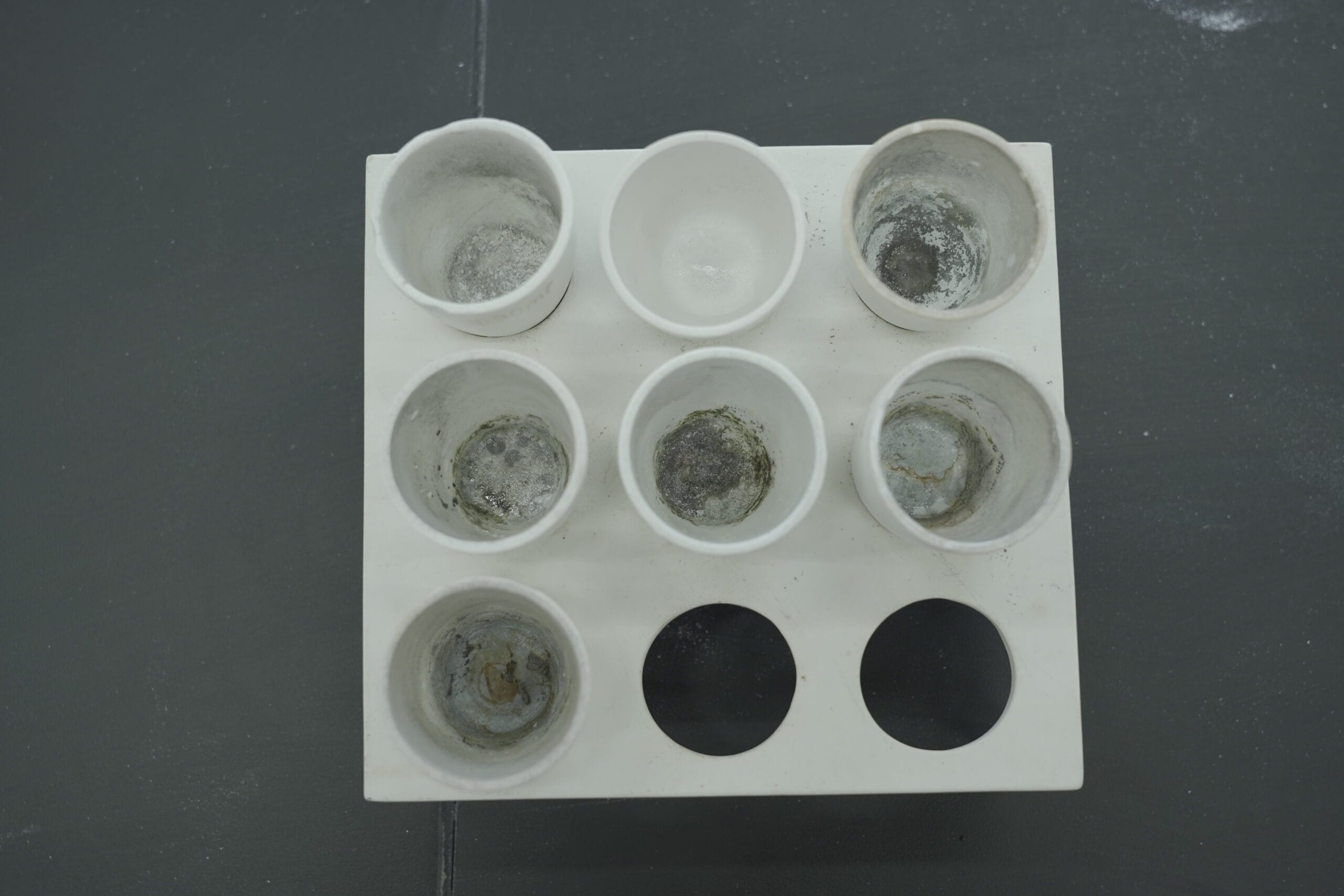
Suitable HPMC grades support film forming and surface behavior in selected food coating applications. U.S. federal regulations list HPMC uses including film former, stabilizer, suspending agent, and thickener under specified conditions in 21 CFR 172.874.

Cellulose ether improves process stability by controlling viscosity, water behavior, and formulation uniformity during mixing, pumping, filling, baking, freezing, and other food manufacturing operations. Reliable, consistent behavior from batch to batch reduces quality variation and supports efficient production.
Primary choice for thickening, stabilization, suspension, water binding, and texture control in most food systems.
Film forming, thickening, stabilizing, suspending, and structure support in selected food systems.
Food grade cellulose ether must meet the requirements of the target market and intended application. Documentation needs may vary by country, customer, regulatory authority, and final product use.
In the EU food additive database, sodium carboxymethyl cellulose and cellulose gum is listed as E466. In the United States, sodium carboxymethylcellulose is described as generally recognized as safe under 21 CFR 182.1745 when used according to good manufacturing practice, while HPMC is regulated under 21 CFR 172.874 for specified food uses subject to defined conditions.


Because food regulations vary by country and application, customers should confirm suitability with their own regulatory or quality team before commercial use. LANDERCOLL provides documentation support but does not replace the customer's own regulatory assessment.
Because food regulations vary by country and application, customers should confirm suitability with their own regulatory or quality team before commercial use. LANDERCOLL provides documentation support but does not replace the customer's own regulatory assessment.
Choosing the right food grade cellulose ether requires a clear understanding of both the formulation target and the applicable regulatory requirements. The best grade must match texture, viscosity, processing method, pH, temperature, storage conditions, and compliance needs for the target market.
If you are not sure which food grade is most suitable, LANDERCOLL can review your application requirements and recommend a practical CMC or HPMC grade direction for initial testing.
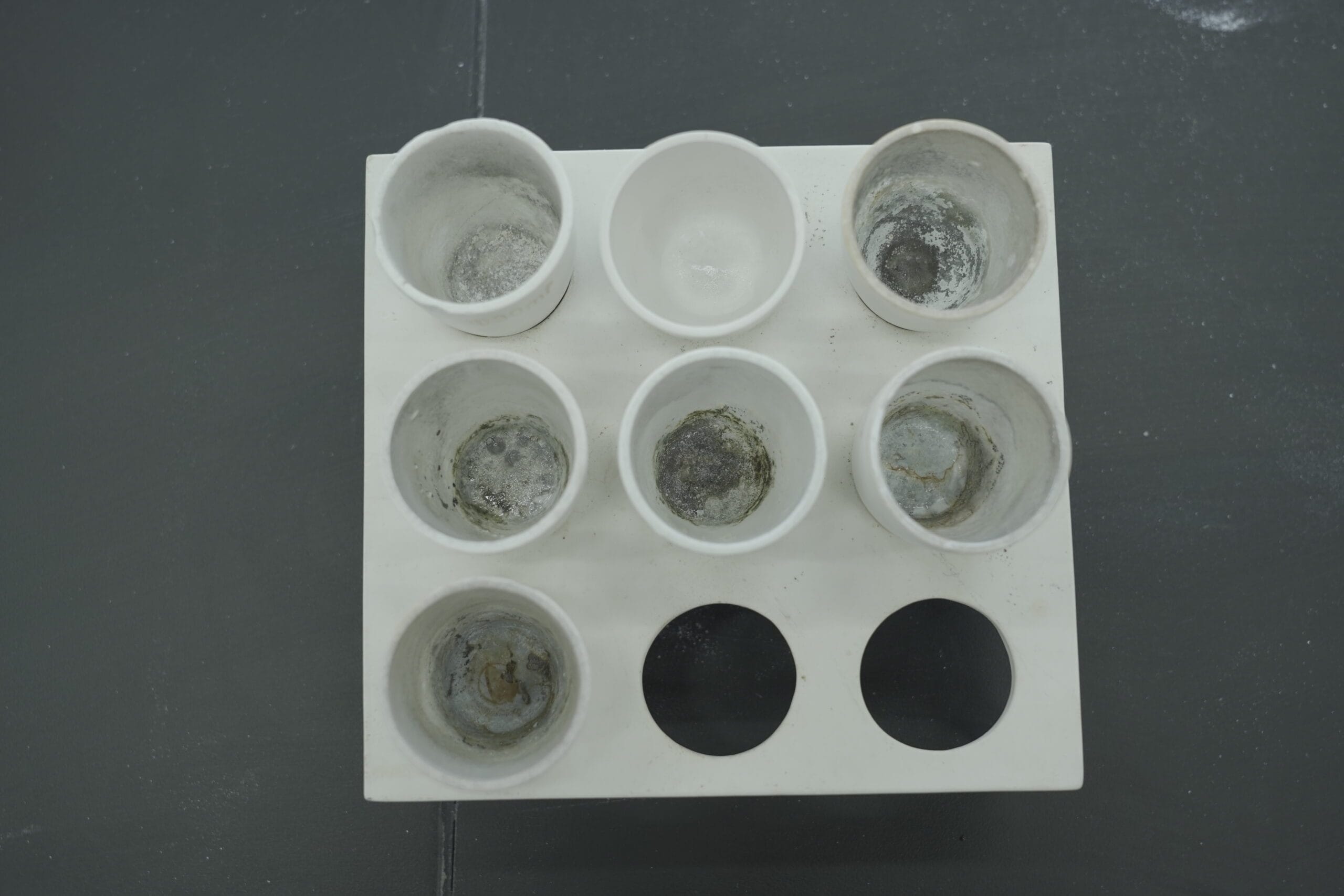
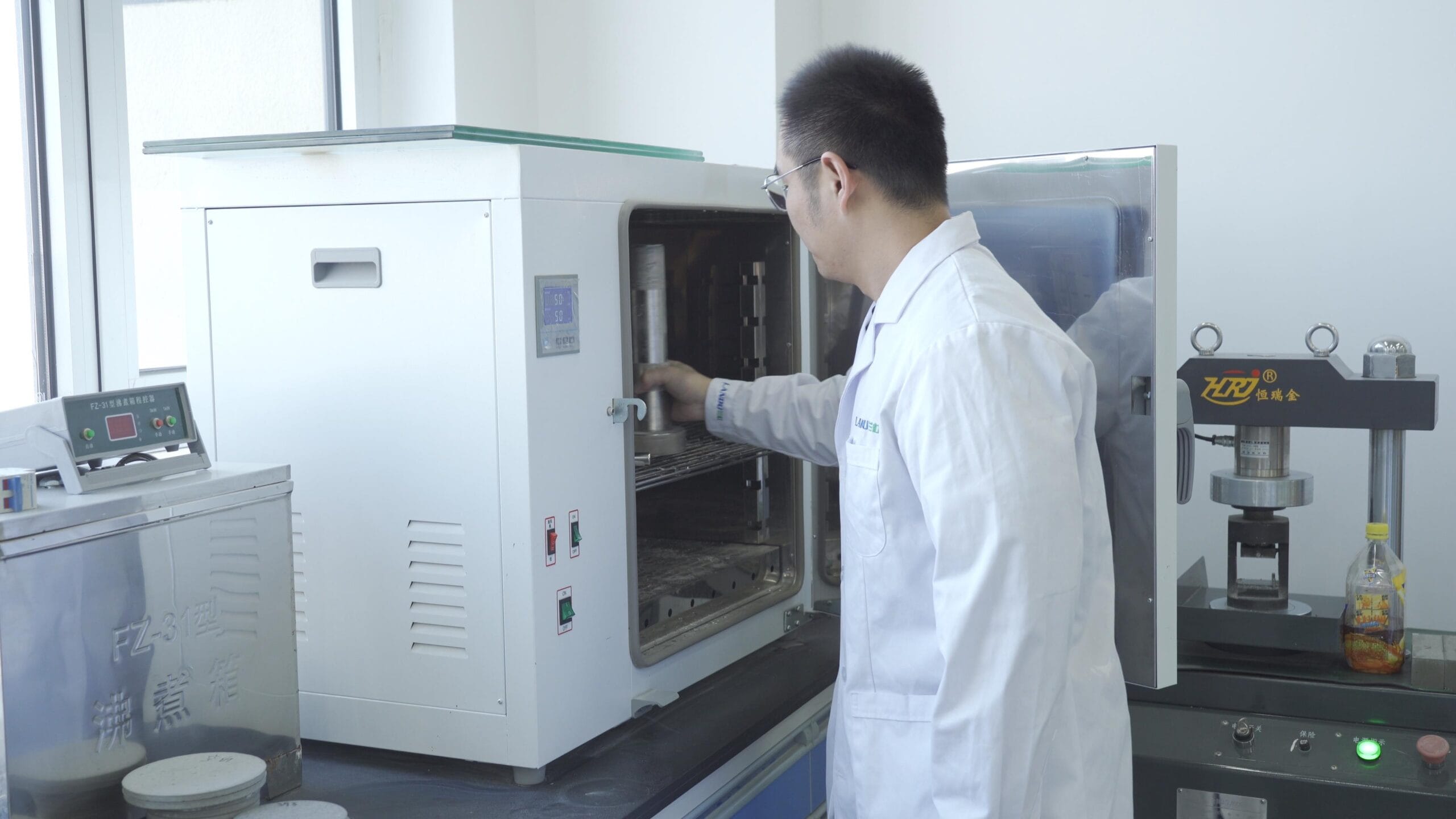

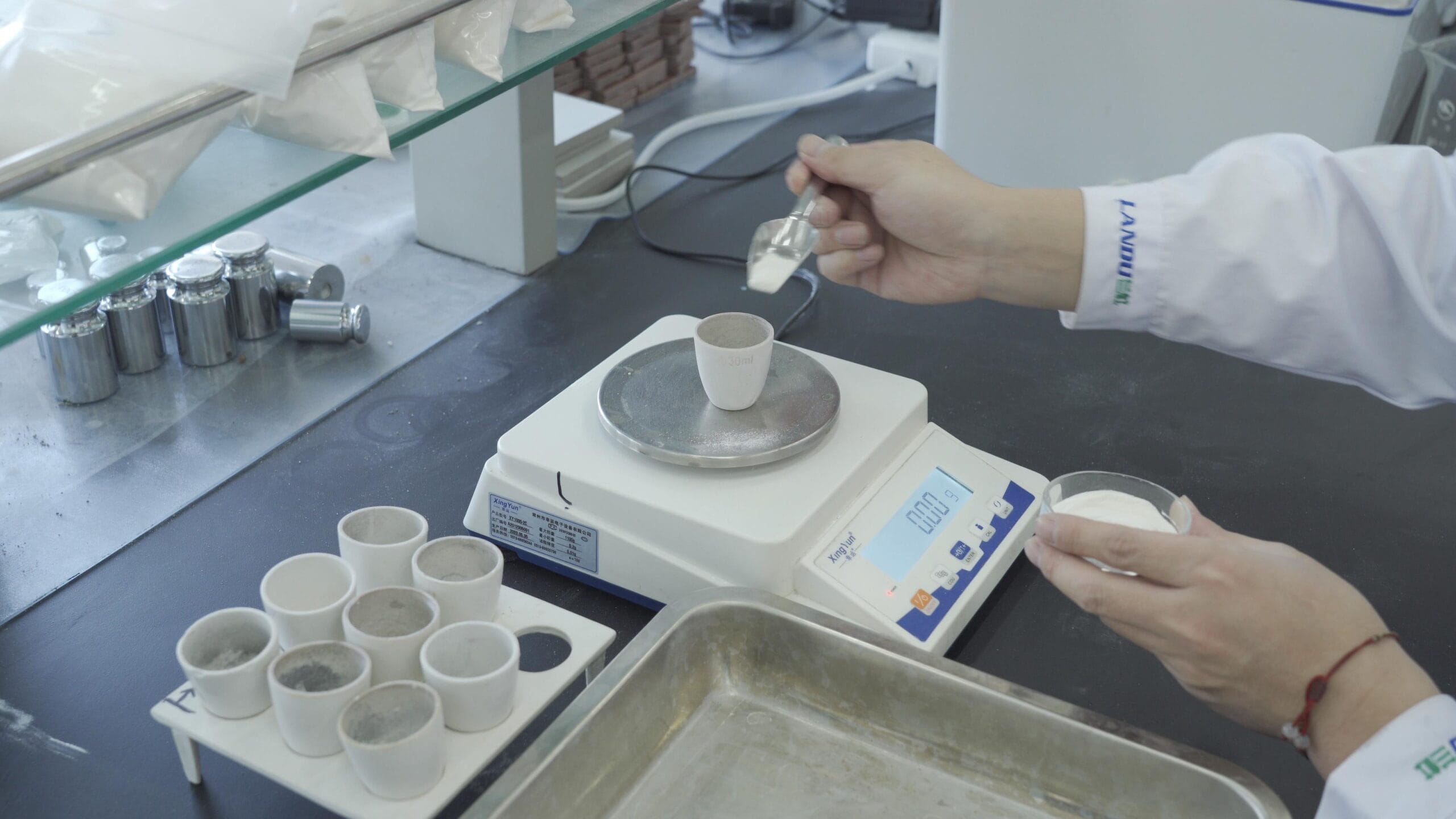
What food product are you producing? Sauce, beverage, bakery, frozen, dairy, coating?
Thickening, stabilization, suspension, water binding, texture improvement, or film forming?
What target viscosity or mouthfeel is required?
What is the pH range of the formulation?
Does the system contain salt, sugar, protein, fat, acid, or emulsifiers?
Heated, frozen, homogenized, baked, or pasteurized?
Is optical clarity or suspension uniformity important?
What target market will the product be sold in?
E466, FDA, Halal, Kosher, allergen, GMO documents required?
What testing method and quality standard will be applied?
Not sure which food grade cellulose ether is most suitable? LANDERCOLL can help review your application requirements and recommend a practical CMC or HPMC grade direction for initial testing.
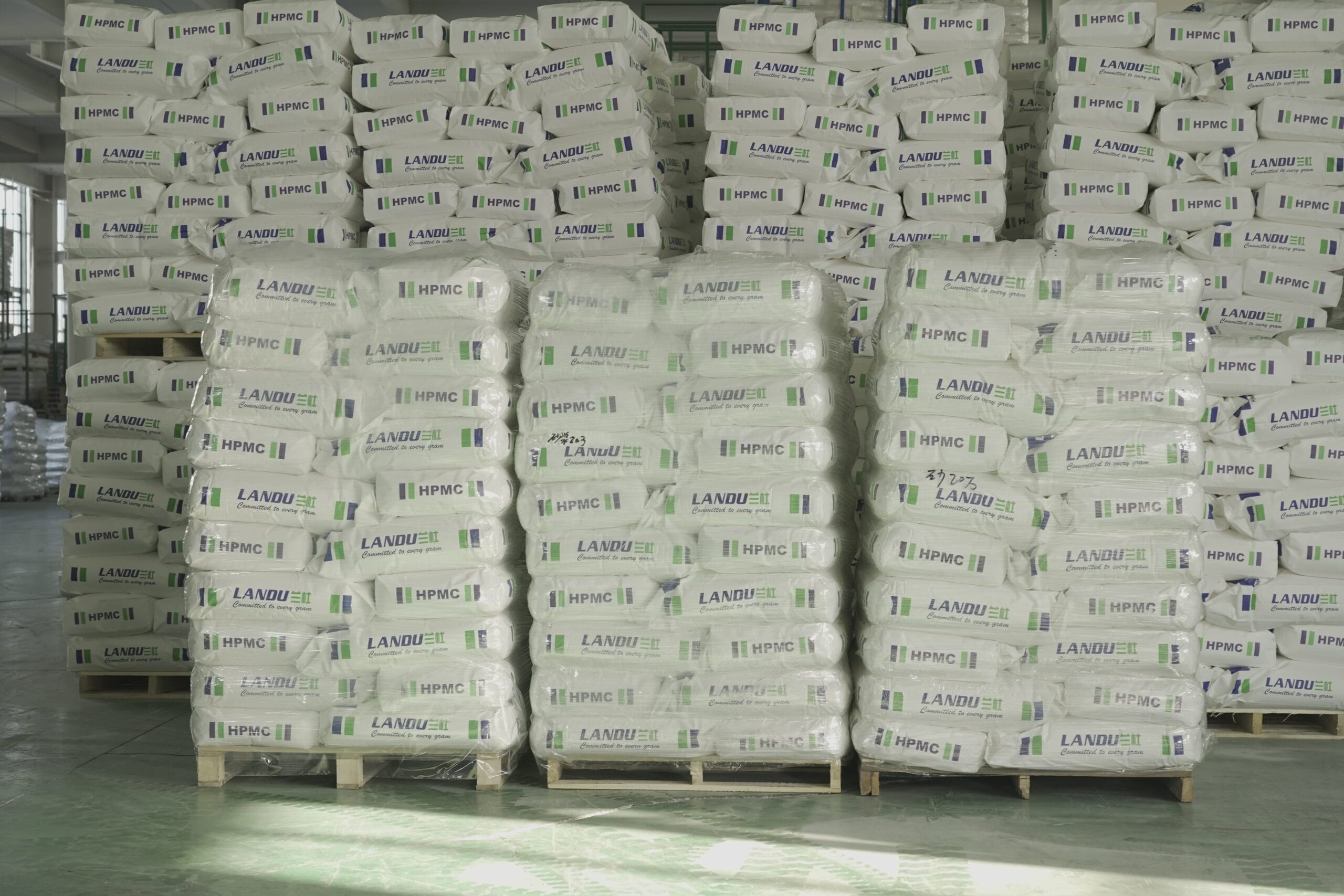
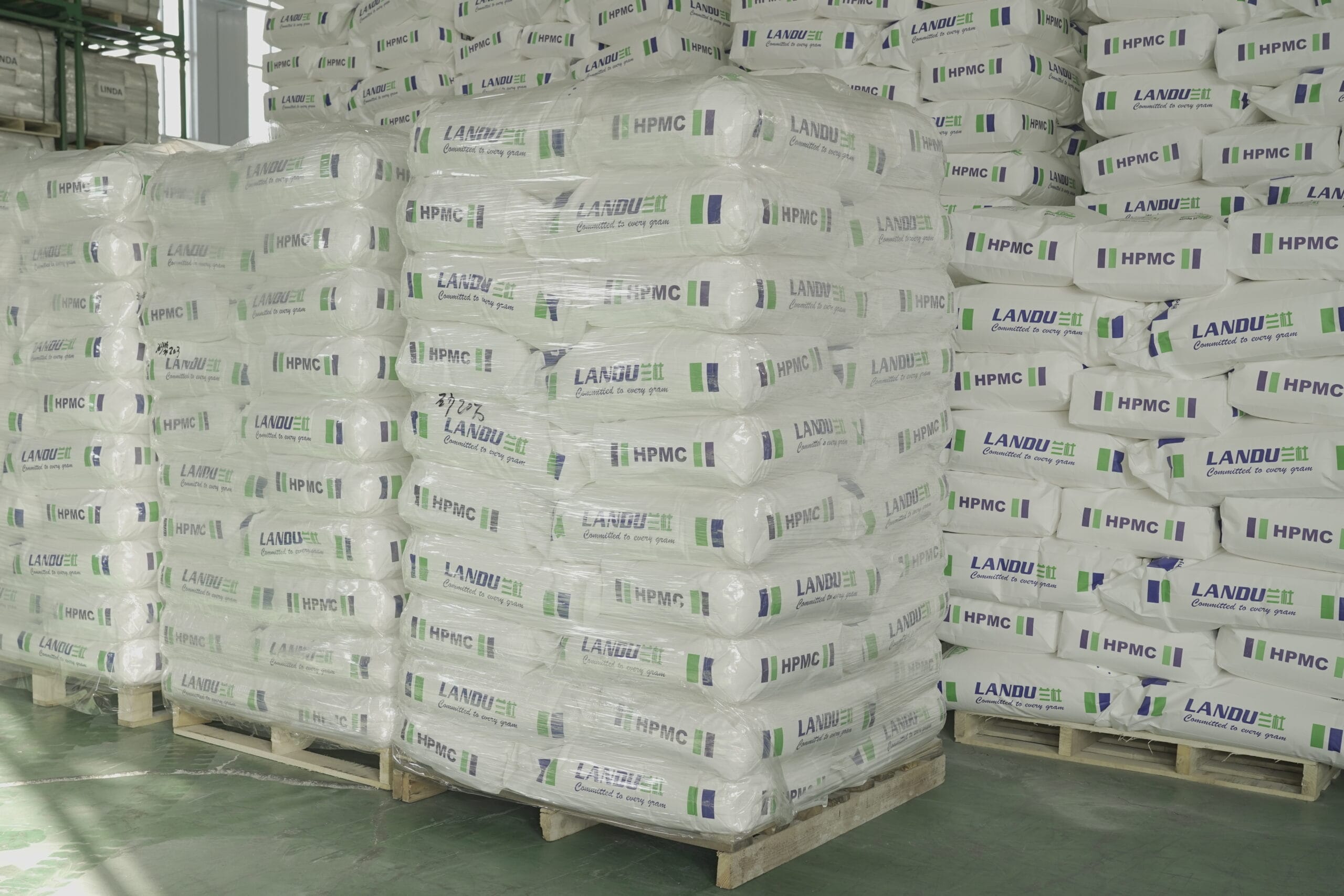
LANDERCOLL food grade cellulose ether is supplied in packaging suitable for food ingredient handling, transportation, and storage, subject to the selected grade and customer requirements.
Because cellulose ether is hygroscopic and can absorb moisture from the environment, proper storage conditions are essential to maintain powder flowability, dissolution behavior, viscosity performance, and product stability throughout the supply chain.

 Hygroscopic · Seal When Not in Use
If your food formulation is too thin, unstable, separating during storage, difficult to process, losing texture after freezing, forming sediment, or not meeting mouthfeel expectations, the cellulose ether grade selection may need to be reviewed.
LANDERCOLL can help evaluate suitable CMC and HPMC food grade directions based on your product type, target texture, processing method, regulatory requirements, and documentation needs.
Food grade CMC and HPMC selection and comparison
Viscosity and texture direction recommendations
Suspension and stabilization discussion
Food coating and film-forming support
Water binding and freeze-thaw stability guidance
Grade comparison and dosage reference
Compliance document support (TDS, SDS, COA, food grade statement)
Comunicazione per campioni e preventivi
Food grade cellulose ether refers to suitable cellulose-derived ingredients that may be used in food systems for thickening, stabilization, suspension, water binding, film forming, texture control, and processing consistency, subject to grade suitability and applicable food regulations in the target market.
Suitable food grade CMC and suitable food grade HPMC are the two primary cellulose ether products used in food applications. CMC is most often used for thickening, stabilization, water binding, and texture. HPMC may be used for film forming, thickening, stabilizing, suspending, or structure support in suitable applications.
In food applications, CMC is commonly referred to as cellulose gum. Sodium carboxymethyl cellulose and cellulose gum is listed as E466 in the EU food additive database. The two names refer to the same functional ingredient in food contexts.
In the United States, hydroxypropyl methylcellulose is covered under 21 CFR 172.874 for specified food uses when the applicable regulatory conditions are met. Regulatory status in other markets should be confirmed according to local food law before use.
CMC helps improve viscosity, stabilize suspensions, bind water, improve texture and mouthfeel, reduce phase separation, and support processing consistency in suitable food systems. It is one of the most widely used food hydrocolloids globally.
Suitable HPMC grades may support film formation, thickening, stabilization, suspension, emulsification support, and texture control in selected food systems, subject to grade suitability and regulatory compliance.
Food grade CMC is most commonly selected for sauces and dressings because it improves viscosity, mouthfeel, suspension stability, and storage stability. Suitable HPMC may also be considered in selected systems depending on formulation design.
Suitable food grade HPMC is most often considered for film-forming and coating applications because of its film-forming properties. CMC may also support selected coating systems where viscosity and surface structure are important.
No. Industrial, construction, paint, detergent, ceramic, or oilfield grades must not be used in food applications. Food use requires suitable food grade products with verified quality standards and relevant compliance documentation for the target market.
Start by defining your food application, target texture, viscosity requirement, processing method, pH, storage conditions, target market, and documentation requirements. LANDERCOLL can help recommend suitable CMC or HPMC grade directions for evaluation and testing.
Whether you produce sauces, dressings, beverages, bakery products, frozen foods, dairy-related systems, desserts, food coatings, or specialty texture-control formulations, LANDERCOLL can help you identify suitable CMC or HPMC food grade cellulose ether for your formulation requirements and target market.
Our team is ready to review your application, recommend suitable grades for testing, provide technical data sheets, safety data sheets, and compliance-related documents, and support your sample and quotation process.
Food Grade Cellulose Ether | CMC Cellulose Gum E466 | Food Grade HPMC E464 | Food Thickener | Food Stabilizer | Sauce Thickener | Beverage Stabilizer | Bakery Additive | Frozen Food Stabilizer | Food Hydrocolloid Supplier.
Technical support available. Samples on request. Documentation provided according to grade and application requirements.
