Eccellenza in Etere di Cellulosa — Affidato da oltre 1000 aziende a livello globale Richiedi il campione gratuito
CAS 9004-65-3 · E464 EINECS 618-389-1

HPMC Idrossipropil Metil Cellulosa

Definizione, Chimica e Ruolo Industriale — un riferimento completo per formulatori nei settori delle costruzioni, farmaceutico, alimentare, della cura personale e industriale.

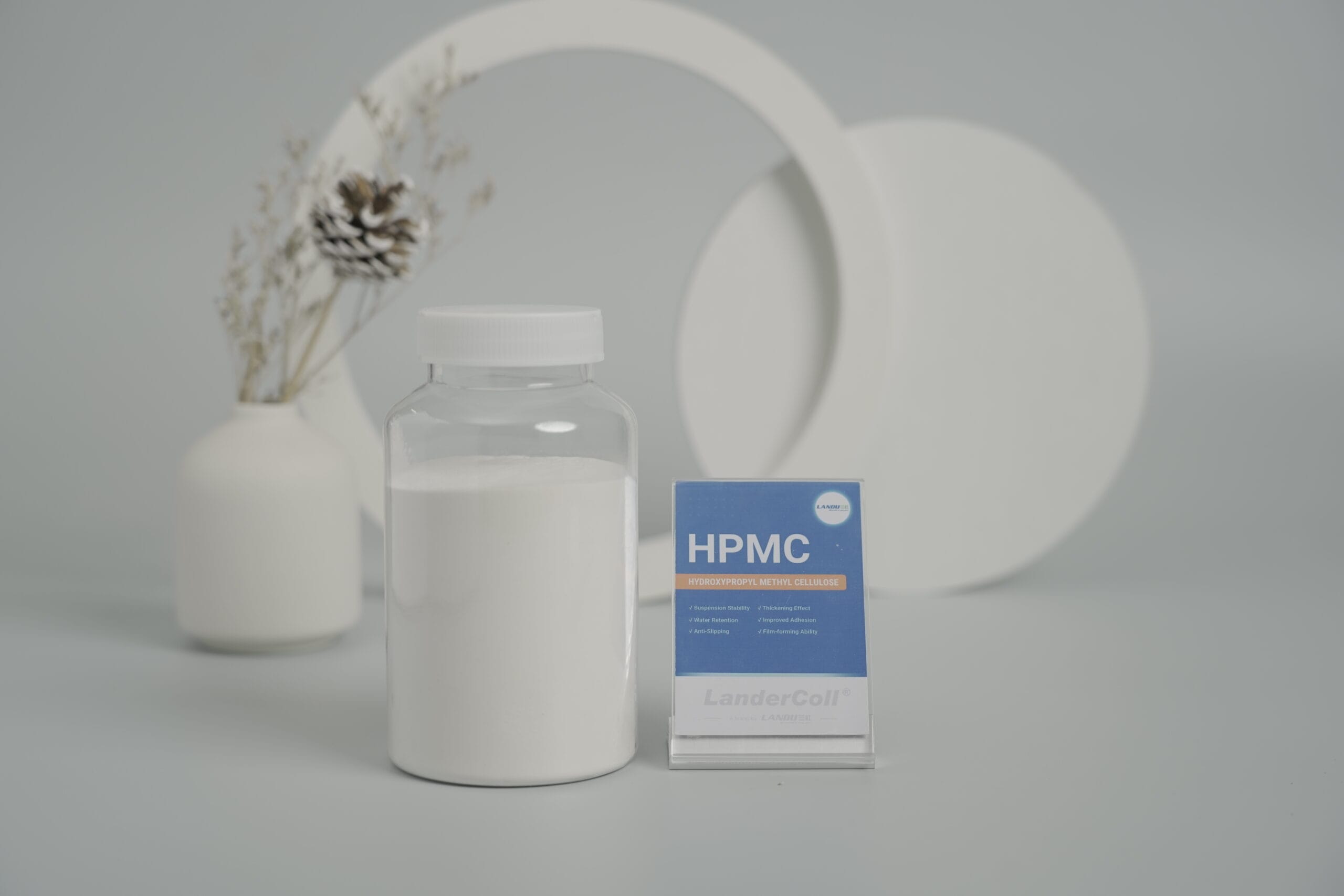
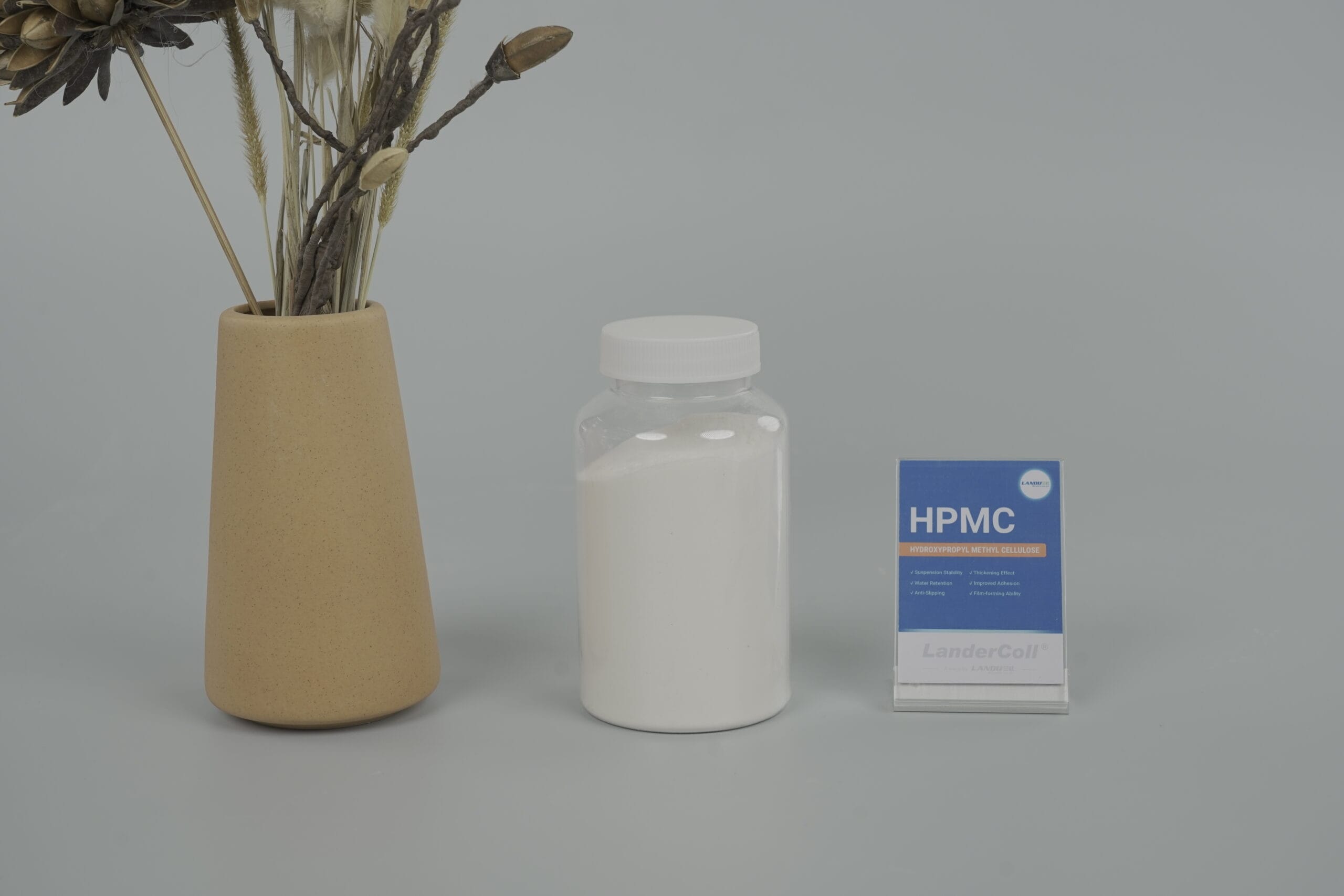
L'HPMC è un etere di cellulosa non ionico, solubile in acqua, prodotto modificando chimicamente la cellulosa naturale derivata dalla pasta di legno o dal linter di cotone. Offre molteplici benefici funzionali — ritenzione idrica, addensamento, formazione di film, legame e miglioramento della lavorabilità — in un unico ingrediente versatile.

~ Riferimento Rapido ~
Nome Completo Idrossipropil Metil Cellulosa
CAS No. 9004-65-3
Codice Alimentare E464
Tipo Ionico Non-ionico
Solubilità Acqua fredda solubile
Pharma Name Ipromellosio
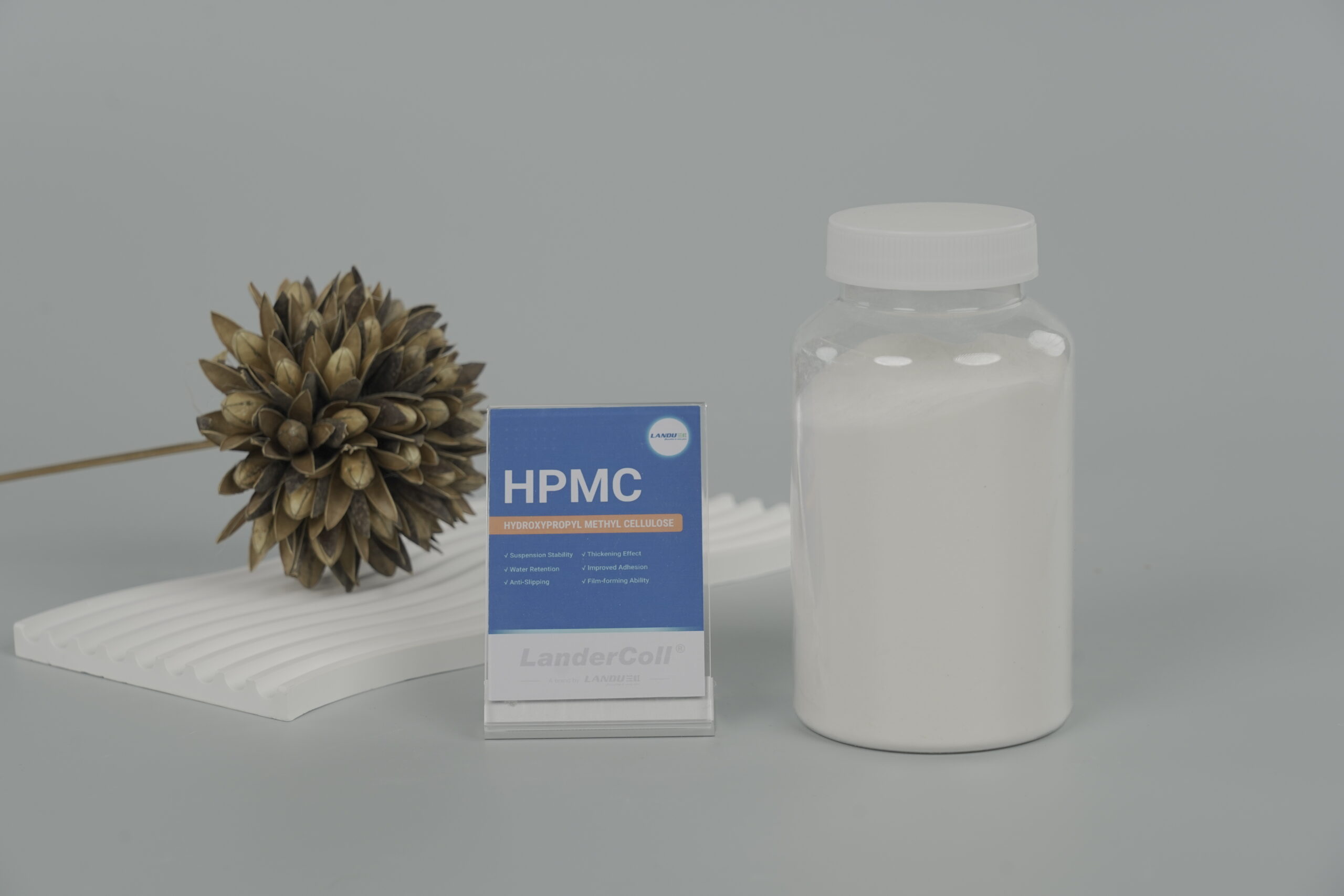
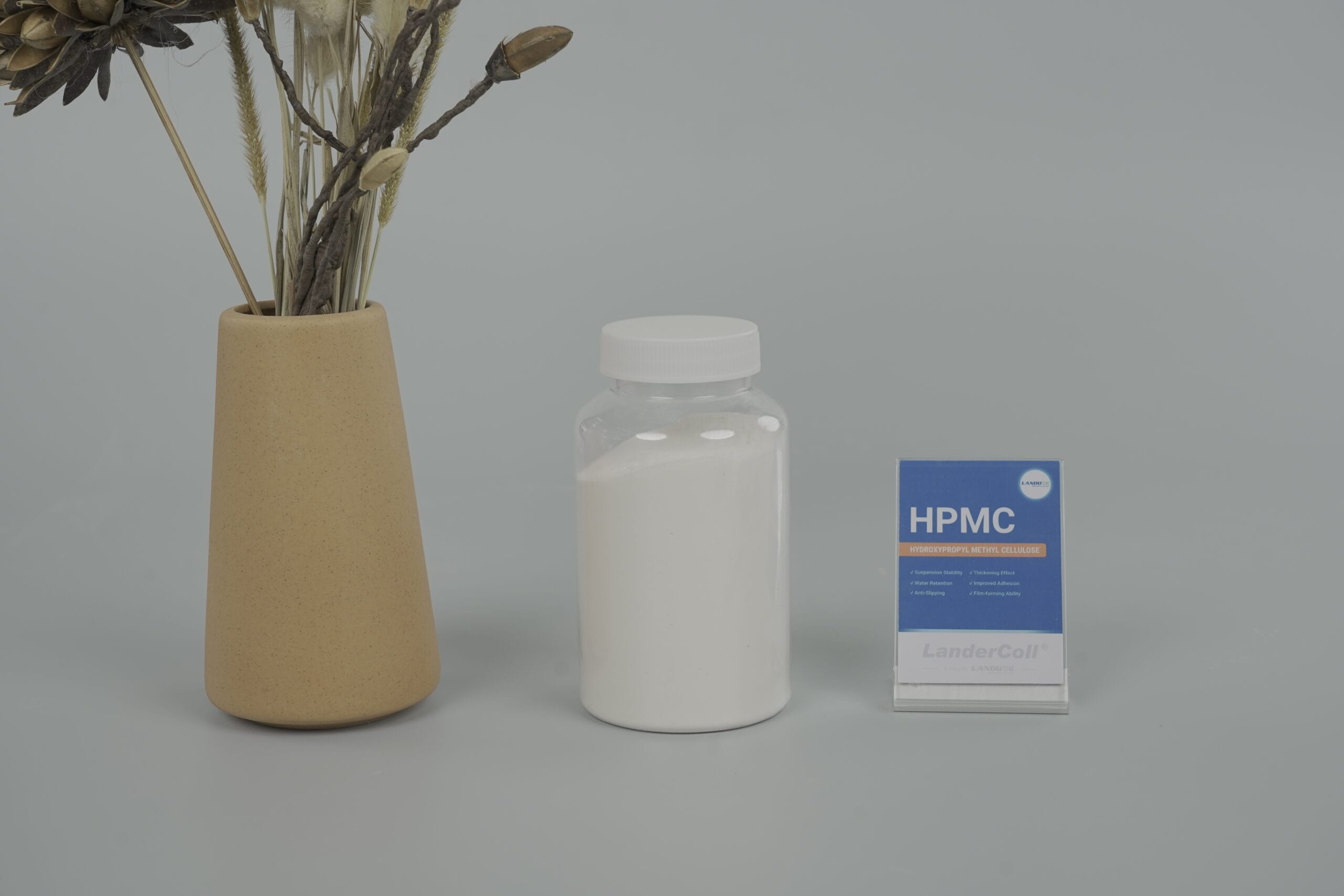
Aspetto Polvere da bianca a biancastra
Chimica
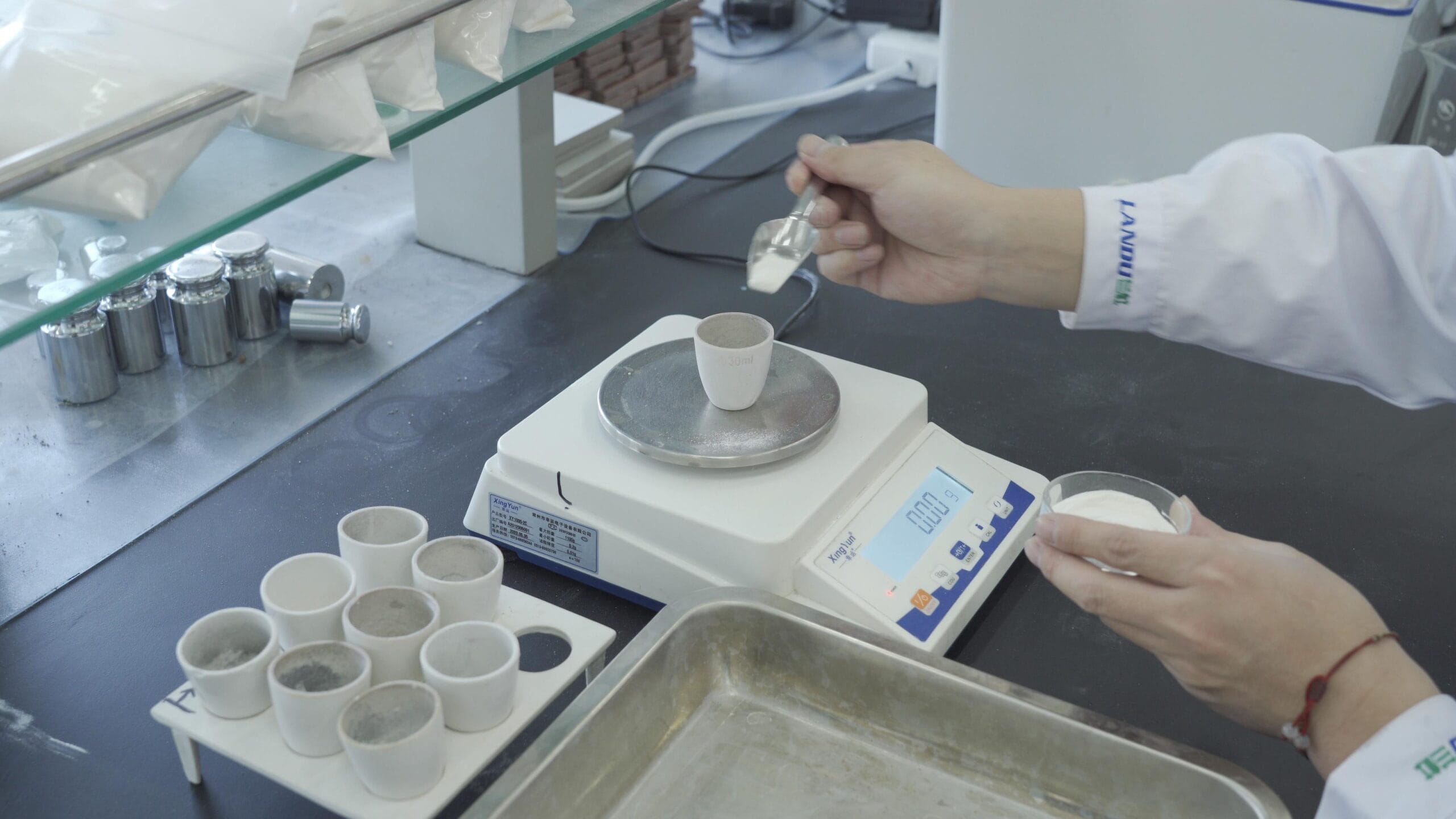
Cellulose ether chemistry lab
DS·MS Sostituzione
Lab analysis Chemical structure
Cos'è l'HPMC?

Definizione, Chimica,
e Ruolo Industriale

L'HPMC è prodotta facendo reagire cellulosa purificata con cloruro di metile e ossido di propilene in condizioni alcaline controllate. Questo processo introduce due tipi di gruppi sostituenti sulla struttura della cellulosa, ciascuno dei quali influenza in modo diverso il profilo prestazionale del prodotto finale.

Gruppi metossilici (–OCH₃)

Controllare la solubilità, il comportamento di gelificazione termica e l'attività superficiale dell'etere di cellulosa.

Gruppi idrossipropossilici

Influenzano la capacità di ritenzione idrica, lo sviluppo della viscosità e la compatibilità con altri ingredienti.

La combinazione e il rapporto di questi due sostituenti — espressi come grado di sostituzione metilica (DS) e sostituzione molare dell'idrossipropile (MS) — determinano il profilo prestazionale del grado. La viscosità, misurata in soluzione acquosa al 2% utilizzando i metodi Brookfield o Ubbelohde, è il parametro più comunemente utilizzato per la selezione del grado, variando da meno di 100 mPa·s a oltre 200.000 mPa·s a seconda del grado.

Perché l'HPMC è ampiamente utilizzato

L'HPMC è non ionico — compatibile con un'ampia gamma di additivi, tensioattivi, sali e condizioni di pH. È anche biodegradabile, inodore, insapore e privo di materie prime di origine animale, rendendolo adatto per applicazioni regolamentate e sensibili, dalla malta secca agli eccipienti farmaceutici e ai sistemi alimentari.

Dati Tecnici

Dati Tecnici HPMC
Dati di Riferimento

La tabella seguente fornisce un riferimento tecnico generale per l'Idrossipropil Metil Cellulosa. I valori esatti variano in base al grado del prodotto, al livello di viscosità, al tipo di sostituzione, alla dimensione delle particelle, al trattamento superficiale e al metodo di prova. Queste informazioni sono intese come punto di partenza per la formulazione di riferimento, non come specifica finale del prodotto.

VoceRiferimento Tipico
Nome del ProdottoIdrossipropil Metil Cellulosa
AbbreviazioneHPMC
CAS No.9004-65-3
Codice Additivo AlimentareE464
AspettoPolvere da bianca a biancastra
Tipo IonicoNon-ionico
Base MolecolareEtere di cellulosa (cellulosa naturale modificata)
Fonte della Materia PrimaPolpa di legno o linter di cotone
SolubilitàSolubile in acqua fredda; insolubile in acqua calda al di sopra della temperatura di gelificazione; forma una soluzione viscosa
Gelificazione termicaGelifica al riscaldamento; si ridissolve al raffreddamento (termicamente reversibile)
Intervallo di ViscositàGradi multipli: viscosità bassa / media / alta / extra-alta
Misurazione della ViscositàTipicamente in soluzione acquosa al 2% (Brookfield o Ubbelohde)
Trattamento SuperficialeOpzioni trattate (idratazione ritardata) o non trattate disponibili
Stabilità del pHStabile in un intervallo di pH approssimativo di 3–11
Compatibilità IonicaCompatibile con sistemi non ionici, anionici e molti cationici
Funzioni principaliAddensamento, ritenzione idrica, formazione di film, legante, lavorabilità, stabilizzazione
Sistemi di ApplicazioneMalta secca, liquido, semisolido, farmaceutico, alimentare, industriale
Documenti disponibiliTDS, SDS, COA, raccomandazione del prodotto disponibili su richiesta

Importante: Questa tabella è solo un riferimento generale. Per viscosità esatta, pH, contenuto di umidità, contenuto di ceneri, distribuzione granulometrica, contenuto di metossile, contenuto di idrossipropossile e valori specifici per grado, richiedere la scheda tecnica ufficiale (TDS) o il certificato di analisi (COA) a LANDERCOLL.

Voti
Riferimento dei Gradi

Gradi del Prodotto HPMC —
Riferimento per Viscosità e Applicazione

LANDERCOLL HPMC è disponibile in più direzioni di grado basate sul livello di viscosità, trattamento superficiale, comportamento di dissoluzione e applicazione target. Le informazioni seguenti sono progettate come riferimento per la selezione del prodotto. La selezione finale del grado deve sempre essere confermata tramite test di formulazione e discussione tecnica diretta con il nostro team.

i.
HPMC a Bassa Viscosità
Tipicamente inferiore a 5.000 mPa·s
Rivestimenti, rivestimento di compresse farmaceutiche, sistemi alimentari, formulazioni liquide selezionate.
Formazione di film · Leggero addensamento · Controllo del flusso
ii.
HPMC a Media Viscosità
Tipicamente 5.000–50.000 mPa·s
Stucco per pareti, rasante, detergenti, cura della persona, sistemi industriali generali.
Texture · Costruzione della viscosità · Lavorabilità liscia
iii.
HPMC ad Alta Viscosità
Tipicamente 50.000–150.000 mPa·s
Adesivo per piastrelle, intonaco cementizio, intonaco di gesso, sistemi di malta secca.
Ritenzione idrica · Tempo aperto · Lavorabilità
iv.
HPMC a Viscosità Extra Alta
Tipicamente oltre 150.000 mPa·s
Adesivo per piastrelle ad alte prestazioni, malta a strato spesso, sistemi per applicazioni verticali.
Forte ritenzione idrica · Anti-scolamento · Tempo aperto prolungato
v.
Gradi per Trattamento Superficiale
Opzioni trattate o non trattate
Trattato superficialmente

Idratazione ritardata — dispersione più facile, ridotta formazione di grumi, dissoluzione controllata. Preferito per sistemi di malta secca.

Non trattato superficialmente

Sviluppo di viscosità più rapido — idratazione veloce, adatto per formulazioni a dissoluzione rapida e idratazione diretta.

Nota: Gli intervalli di viscosità sopra elencati sono riferimenti approssimativi. I gradi effettivi di LANDERCOLL HPMC devono essere selezionati in base alla formulazione, al metodo di prova, all'ambiente applicativo e alla documentazione richiesta. Contattare il nostro team per raccomandazioni specifiche sul grado.

Funzioni Principali

Funzioni Chiave
dell'HPMC nella Formulazione

L'HPMC è un etere di cellulosa multifunzionale. Nella maggior parte delle applicazioni, contribuisce a più di un beneficio funzionale contemporaneamente. Di seguito è riportata una panoramica strutturata delle sue funzioni primarie nei diversi tipi di sistema.

Water Retention
i.
Ritenzione idrica

Nei sistemi a base cementizia e a base di gesso, l'HPMC forma una rete polimerica che limita fisicamente la migrazione dell'acqua. I gradi a viscosità più elevata e i dosaggi più alti forniscono una ritenzione idrica più forte — prevenendo la rapida perdita d'acqua, l'idratazione incompleta e la fessurazione superficiale.

Thickening
ii.
Addensamento e Controllo della Viscosità

L'HPMC si dissolve in acqua fredda formando una soluzione viscosa e pseudoplastica (che si assottiglia al taglio). La viscosità diminuisce sotto sforzo di taglio durante la miscelazione e si ripristina a riposo — supportando sia la lavorabilità che la stabilità in posa in malta secca, detergenti, cura della persona e rivestimenti.

Workability
iii.
Miglioramento della lavorabilità

Nei materiali da costruzione a secco, l'HPMC rende la malta più liscia, più coesiva e più facile da spalmare, cazzuolare, raschiare e rifinire. È un risultato combinato di ritenzione idrica, costruzione della viscosità ed effetti lubrificanti — particolarmente apprezzato in adesivi per piastrelle, stucco per pareti e intonaco di gesso.

iv.
Controllo della reologia

Supporta il controllo del flusso, la resistenza allo scivolamento, il comportamento di livellamento e la stabilità applicativa. Impedisce alla malta di scivolare su superfici verticali, contribuisce al flusso controllato nei composti autolivellanti e mantiene una viscosità stabile in rivestimenti e detergenti.

v.
Formazione del film

L'HPMC forma un film continuo e flessibile dopo l'evaporazione dell'acqua — utilizzato nel rivestimento di compresse farmaceutiche, sistemi di film commestibili, integrità superficiale nelle costruzioni e rivestimenti a base acquosa selezionati come componente legante.

vi.
Legante, Coesione e Sospensione

Supporta l'integrità strutturale nella produzione di compresse, la resistenza a verde nella ceramica e la coesione nella malta secca. Aiuta anche a mantenere una sospensione uniforme di pigmenti, cariche, polveri minerali e principi attivi in rivestimenti, detergenti e sistemi farmaceutici.

Guida all'applicazione

Applicazione HPMC
Guida alla Selezione

HPMC grade selection should always start from the application. A grade optimized for tile adhesive will not necessarily perform well in a detergent, personal care, or pharmaceutical system. The table below provides a structured reference for common application-to-grade matching.

ApplicazioneDirezione del voto consigliataRequisiti Principali di Prestazione
Adesivo per piastrelleViscosità da alta a molto altaRitenzione d'acqua, tempo aperto, antiscivolo, sensazione di spatolatura
Stucco per pareti / RasanteViscosità da media ad altaRasatura liscia, ritenzione idrica, finitura superficiale
Intonaco di cementoViscosità da media ad altaLavorabilità, spalmabilità, ritenzione idrica
Intonaco di gessoViscosità da media ad altaSmooth application, water management, consistency
Composti autolivellantiLow to medium viscosityFlow control, stability, controlled water retention
Malta per EIFS / ETICSHigh viscosityOpen time, anti-sag, adhesion-related support
Malta impermeabileViscosità da media ad altaWorkability, uniform coating, stable consistency
Malta da muraturaViscosità da media ad altaWater retention, workability, bond support
Malta di RiparazioneViscosità da media ad altaAdhesion, workability, water retention
Detergente LiquidoViscosità mediaTexture, viscosity, storage stability
Cura della PersonaLow to medium viscositySmooth texture, viscosity control, stability
Applicazioni FarmaceuticheSuitable pharmaceutical gradeFilm coating, binding, controlled release, excipient
Food ApplicationsSuitable food grade (E464)Thickening, stabilization, texture control
CeramicheViscosità da media ad altaBinding, green strength, suspension
Rivestimenti a Base d'AcquaLow to medium viscosityThickening, film formation, particle suspension
Industrial AdhesivesViscosità da media ad altaBinding, cohesion, process stability

Grade direction is a starting reference. Final selection should be confirmed through laboratory testing under your specific formulation conditions, water quality, temperature range, and application method.

Dosage Guide

HPMC Dosage Reference
by Application

HPMC dosage depends on formulation design, raw material quality, target performance, ambient temperature, water quality, substrate type, and production process. The following ranges are general starting points for laboratory evaluation — not fixed usage standards.

For tile adhesive: 0.2%–0.5% is a widely referenced industry starting range. However, final dosage must be confirmed through laboratory testing and on-site performance evaluation, as substrate porosity, tile size, ambient temperature, and cement type all affect the optimal dosage.

Mortar application dosage
ApplicazioneTypical Reference Dosage (% by weight)
Adesivo per piastrelle0.2% – 0.5%
Stucco per pareti / Rasante0.2% – 0.5%
Intonaco di cemento0.15% – 0.4%
Intonaco di gesso0.1% – 0.3%
Malta da muratura0.1% – 0.3%
Composti autolivellanti0.05% – 0.2%
Malta per EIFS / ETICS0.2% – 0.5%
Malta impermeabile0.15% – 0.4%
Malta di Riparazione0.15% – 0.4%
Detergente Liquido0.2% – 1.0%
Cura della Persona0.1% – 1.0%
Rivestimenti a Base d'Acqua0.1% – 0.8%
Food / Pharma / SpecialtyDepends on grade, regulation, and formulation design

These dosage ranges are general starting points. Adjust based on testing results under your specific formulation, raw materials, and application conditions.

Applicazioni

Costruzione &Malta secca premiscelata

Construction is the largest and most established application area for HPMC globally — a critical additive for water retention, workability, open time, and anti-sag performance.

In drymix mortar systems, HPMC functions simultaneously as a water-retaining agent, rheology modifier, and workability enhancer. Without HPMC, cement-based and gypsum-based mortars tend to lose water too quickly to the substrate, resulting in poor hydration, weak bond strength, surface cracking, and difficult application.

Adesivo per piastrelle

Water retention, open time extension, anti-slip behavior, and troweling feel. High to extra-high viscosity grades, 0.2%–0.5% dosage. Surface-treated grades commonly preferred.

Stucco per pareti e rasante

Scraping smoothness, water retention, surface finish quality. Medium to high viscosity, 0.2%–0.5% dosage.

Gypsum-Based Products

Controlled water retention without over-retarding set time. Smooth spreading, consistent texture, reduced surface defects. Medium to high viscosity grades.

Other Mortar Systems

Cement render, masonry mortar, self-leveling compounds, EIFS/ETICS, waterproof mortar, repair mortar, insulation mortar, joint fillers.

All Construction Applications
  • Tile adhesive
  • Wall putty & skim coat
  • Cement render & plaster
  • Intonaco di gesso
  • Self-leveling compounds
  • EIFS / ETICS mortar
  • Waterproof mortar
  • Masonry mortar
  • Repair mortar
  • Malta isolante
  • Joint fillers
  • Ready-mix dry mortar systems
Applicazioni

Home Care & Personal Care Formulazioni

Home care detergents Cura della Casa e Detergenti

HPMC for Home Care
& Detergent Formulations

As a non-ionic polymer, HPMC is compatible with anionic and non-ionic surfactant systems commonly used in cleaning products. It builds smooth, stable viscosity that improves product appearance, pourability, and consumer perception — while helping maintain uniform suspension of insoluble components.

Applicazioni Tipiche

Laundry liquid Dishwashing liquid Toilet bowl cleaner Surface cleaner Gel cleaner Multi-purpose cleaner
  • Controlled viscosity and product body
  • Stable texture and appearance over shelf life
  • Improved pourability and handling feel
  • Suspension support for insoluble components
  • Compatible with common surfactant systems
Personal care products Cura della Persona

HPMC for Personal
Care Formulations

In personal care systems, HPMC functions as a viscosity modifier, texture enhancer, and formulation stabilizer. It is water-soluble, non-ionic, and free from animal-derived raw materials — making it suitable for a wide range of rinse-off and leave-on products where smooth, consistent texture and formulation stability across temperature and storage conditions are required.

Applicazioni Tipiche

Shampoo & conditioner Body wash Facial cleanser Sapone per le mani Body lotion & cream Dentifricio Hair styling Intimate care
  • Smooth, uniform texture and sensory feel
  • Controlled viscosity across temperature ranges
  • Stable formulation structure over shelf life
  • Non-ionic — does not interfere with charged ingredients
Farmaceutico

HPMC per applicazioni farmaceutiche

Suitable pharmaceutical grades of HPMC — referred to as Hypromellose in pharmacopoeial standards — are widely used as functional excipients in solid dosage forms, film coatings, and controlled-release systems. HPMC is recognized in the USP/NF, Ph. Eur., and JP pharmacopoeias.

Only grades manufactured and tested to pharmacopoeial standards should be used. Grade selection is based on viscosity grade, substitution type, regulatory compliance, and documentation requirements.

Applicazioni Tipiche

  • Tablet binder (wet granulation & direct compression)
  • Film coating for immediate-release tablets
  • Matrix former for controlled-release tablets
  • HPMC capsule shell material (vegetarian alternative)
  • Oral film systems
  • Ophthalmic solutions & artificial tear formulations
  • Topical and semi-solid pharmaceutical systems

Pharmaceutical applications require suitable grade selection, pharmacopoeial compliance, and relevant documentation. Contact LANDERCOLL to discuss pharmaceutical grade availability.

Discuss Pharma Grades
Food · E464

HPMC for Food Applications (E464)

Hydroxypropyl Methyl Cellulose is approved as a food additive under E464 in the European Union and is recognized in food regulations in many other markets. Suitable food-grade HPMC may be used as a thickener, stabilizer, emulsifier, film former, and texture modifier.

Food applications require HPMC grades meeting relevant food safety standards including purity specifications, heavy metal limits, and microbiological requirements. Compliance with the specific food regulations of the target market is required.

Applicazioni Tipiche

  • Bakery products including gluten-free formulations
  • Sauces, dressings, and condiments
  • Frozen food systems (ice cream, frozen desserts)
  • Beverage systems
  • Edible film and coating applications
  • Vegetarian & vegan food products (gelatin alternative)
  • Thermal gelation: gels when heated, re-dissolves when cooled
  • Improved freeze-thaw stability
  • Suitable for vegetarian, vegan, and halal-compliant formulations

Food applications require suitable grade selection and compliance with applicable food regulations in the target market.

Discuss Food Grades
Coatings & Industrial

HPMC for Coatings and
Applicazioni industriali

HPMC can be used in selected water-based coatings and specialty industrial systems where thickening, film formation, binding, suspension control, and process stability are required. In architectural coatings, HEC is more commonly used as the primary cellulose ether thickener; however, HPMC can be suitable in specific coating formulations and industrial systems.

Key performance benefits include viscosity control and thickening, film formation and surface integrity, binding and cohesion in ceramic and industrial systems, suspension stability for pigments and fillers, and process consistency in extrusion and forming operations.

Industrial coatings application
Rivestimenti a Base d'Acqua

Selected architectural and decorative systems where HPMC's film-forming or thermal gelation properties offer a formulation advantage.

Rivestimenti Testurizzati

Decorative and texture coatings requiring stable viscosity, film formation, and consistent application behavior.

Construction Adhesives & Sealants

Binding, cohesion support, and process stability in adhesive and sealant formulations.

Ceramic Processing

Green body forming, extrusion, pressing — binding, green strength, and suspension support before firing.

Textile Printing Pastes

Viscosity control and rheology management in textile printing formulations.

Paper Coating & Sizing

Film formation, binding, and surface integrity in paper coating and sizing applications.

Specialty Industrial Fluids

Thickening, process control, and stability in specialty fluid formulations across various industrial sectors.

Agricultural Formulations

Viscosity building, suspension stability, and film formation in selected agricultural product systems.

Product Comparison

HPMC vs Other
Eteri di Cellulosa

Cellulose ethers are a family of water-soluble polymers, each with distinct chemical structures and performance profiles. LANDERCOLL supplies HPMC, HEMC/MHEC, HEC, and CMC — the four most widely used in industrial formulation. Understanding the differences helps formulators select the most appropriate product.

HPMC
Idrossipropil Metil Cellulosa
Non-ionico

Versatile water retention, thickening, film forming, workability, broad application compatibility.

Construction · Pharma · Food · Personal care · Detergents · Industrial
HEMC
Hydroxyethyl Methyl Cellulose (MHEC)
Non-ionico

Strong construction performance, excellent water retention, good anti-sag in drymix mortar.

Tile adhesive · Wall putty · Cement plaster · Gypsum · EIFS/ETICS
HEC
Idrossietilcellulosa
Non-ionico

Excellent rheology control in aqueous systems, strong latex compatibility for coatings.

Water-based paints · Coatings · Cleaners · Personal care
CMC
Carbossimetilcellulosa
Anionico

Thickening, binding, stabilization, texture control; cost-effective across many systems.

Food · Detergents · Ceramics · Pharma · Oilfield · Paper

HPMC vs HEMC/MHEC for Construction

Both are non-ionic cellulose ethers for drymix construction materials and can deliver similar core functions. The choice depends on specific performance targets, regional market preferences, formulation system, and cost considerations. In many markets, HEMC/MHEC is preferred for high-performance tile adhesive and plaster due to its water retention profile. HPMC remains widely used globally across a broader range of industries.

HPMC vs HEC for Coatings

For water-based architectural coatings and latex paint systems, HEC is generally the preferred cellulose ether due to its strong compatibility with latex polymers and its well-established use in paint formulation. HPMC may be considered in specific coating systems, texture coatings, or where its film-forming or thermal gelation properties offer a formulation advantage.

Per Settore

HPMC Grade Directions
by Industry

Construction grade
Grade Direction · i.
Grado per costruzioni

Designed for drymix construction materials requiring water retention, workability improvement, open time extension, anti-sag performance, and application consistency. Surface-treated grades commonly used.

Tile adhesive · Wall putty · Cement plaster · Gypsum plaster · Masonry mortar · Self-leveling · EIFS/ETICS · Waterproof mortar · Repair mortar · Insulation mortar
Detergent grade
Grade Direction · ii.
Grado per detergenti

Designed for home care and cleaning systems where viscosity building, texture stability, product body, and storage stability are important. Compatible with common anionic and non-ionic surfactant systems.

Laundry liquid · Dishwashing liquid · Toilet cleaner · Surface cleaner · Gel cleaner
Personal care grade
Grade Direction · iii.
Grado per cura personale

Designed for personal care products where smooth texture, stable viscosity, and user-friendly application feel are required. Non-ionic and compatible with a wide range of personal care actives.

Shampoo · Body wash · Facial cleanser · Lotion · Cream · Toothpaste · Styling products
Pharmaceutical grade
Grade Direction · iv.
Pharmaceutical Grade (Hypromellose)

Manufactured and tested to pharmacopoeial standards (USP/NF, Ph. Eur., JP). For pharmaceutical excipient applications where binding, coating, controlled release, or film performance may be required.

Tablet binder · Film coating · Controlled-release matrix · HPMC capsule shells · Oral film systems · Ophthalmic applications
Food grade E464
Grade Direction · v.
Food Grade (E464)

Compliant with applicable food additive regulations. Designed for food systems where texture control, water management, stabilization, and formulation consistency are required.

Bakery products · Sauces & dressings · Frozen food · Edible films · Texture-modified food · Vegan & halal applications
Industrial grade
Grade Direction · vi.
Industrial Grade

Designed for specialty industrial systems requiring thickening, binding, suspension stability, and process control across various non-food, non-pharma applications.

Ceramics processing · Construction adhesives · Textile printing · Paper-related systems · Specialty industrial fluids
Logistics & Documentation

Packaging, Storage & Documenti disponibili

Confezionamento e Conservazione

Packaging and Storage

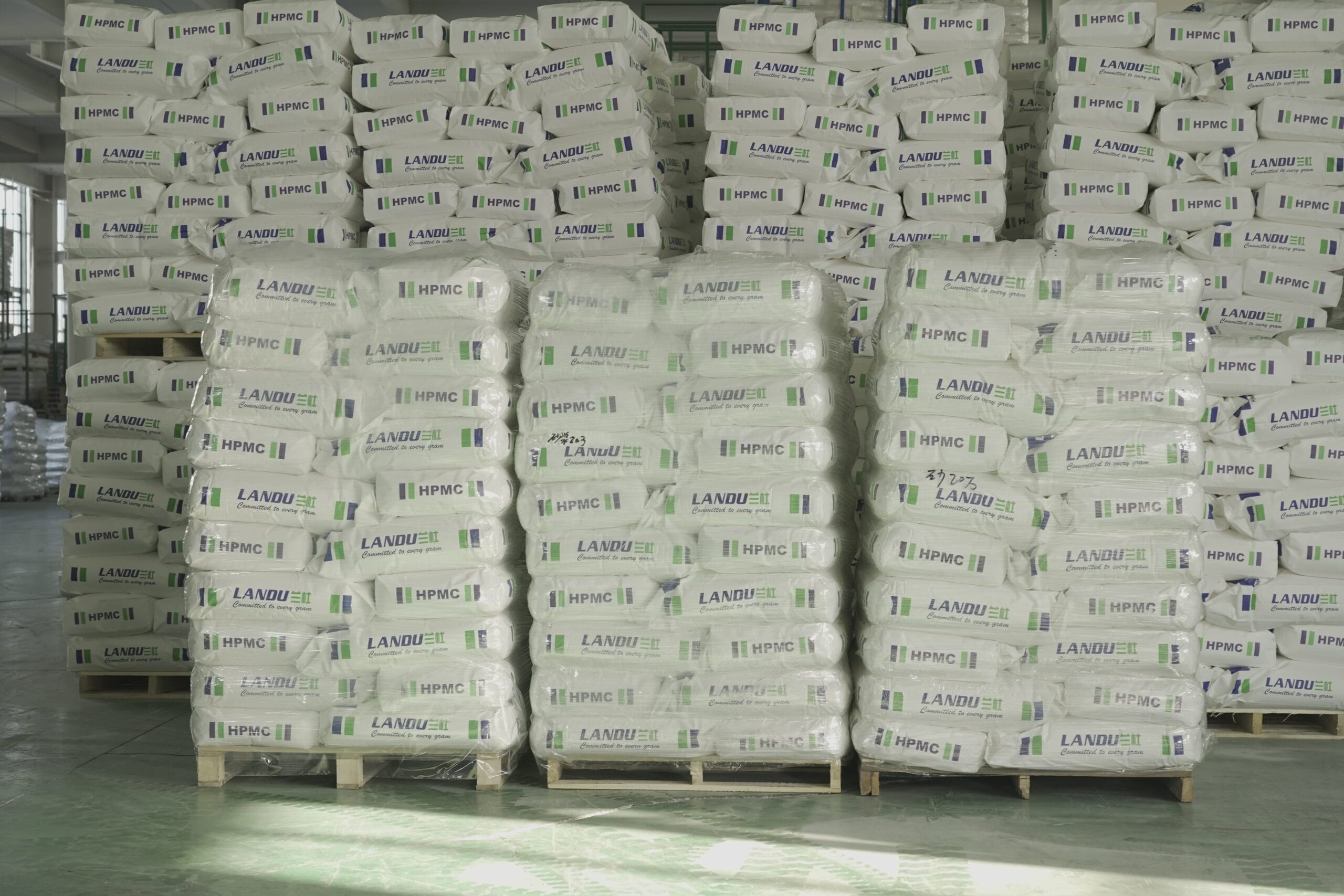
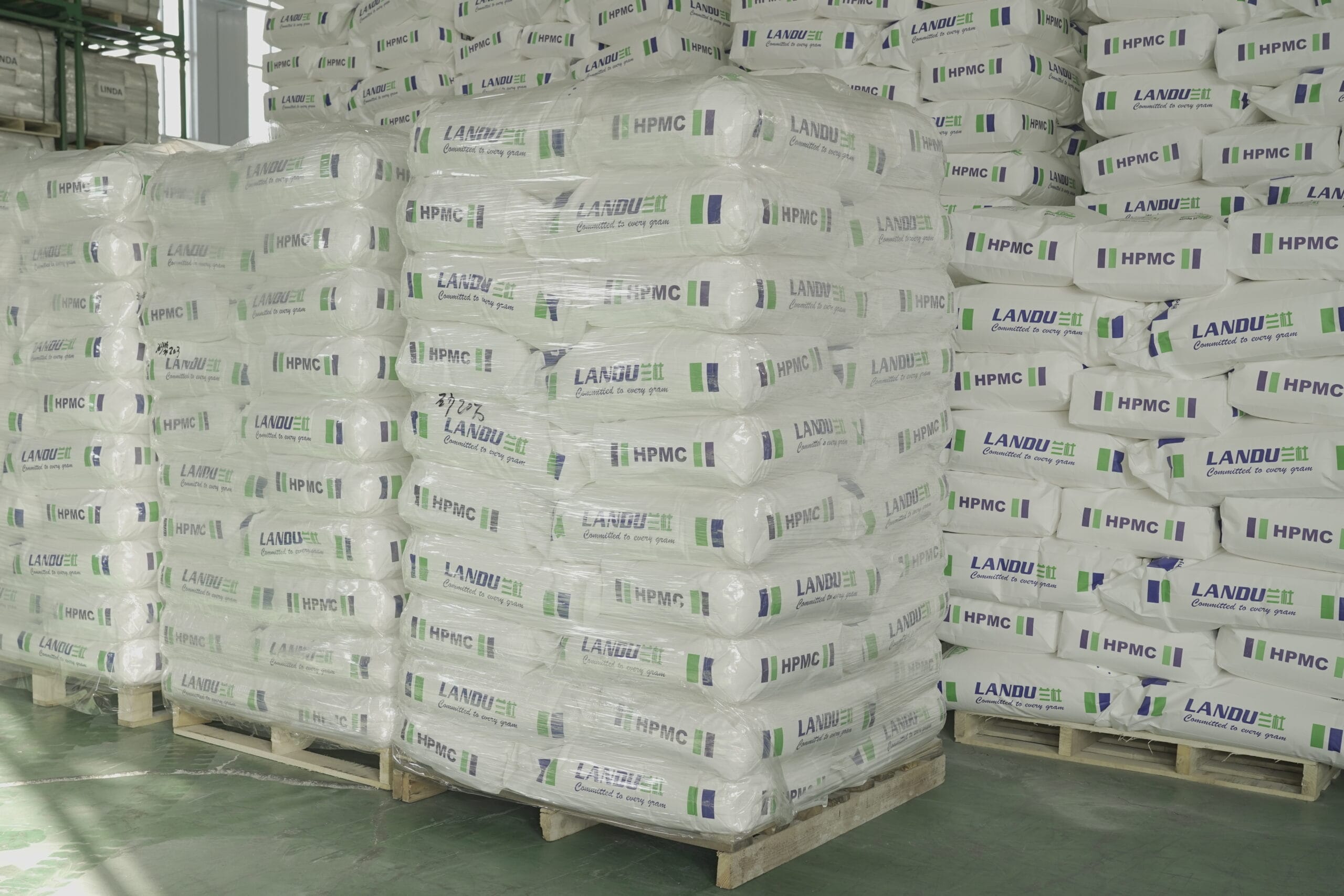
LANDERCOLL HPMC is supplied in industrial packaging suitable for transportation, storage, and production handling. Cellulose ether powders are hygroscopic — proper storage conditions help maintain powder flowability, dissolution performance, and application effectiveness throughout product shelf life.

Imballaggio Standard

  • 25 kg per sacco
  • Paper bag with inner moisture-protective polyethylene liner
  • Imballaggio pallettizzato disponibile su richiesta
  • Customized packaging options can be discussed for long-term supply cooperation

Raccomandazioni per la Conservazione

  • Store in a cool, dry, and well-ventilated environment
  • Tenere lontano da umidità, luce solare diretta e fonti di calore
  • Mantenere l'imballaggio sigillato quando non in uso
  • Evitare la contaminazione durante la manipolazione e il trasferimento
  • Utilizzare entro la durata di conservazione raccomandata indicata nella documentazione del prodotto
  • Do not store near strong oxidizing agents or reactive chemicals
Industrial packaging warehouse
Documentazione

Product Documentation
Disponibile su richiesta

LANDERCOLL can provide product-related documentation to support formulation evaluation, purchasing review, technical communication, regulatory submission, and internal approval processes.

Documenti disponibili

  • Scheda tecnica (TDS)
  • Safety Data Sheet (SDS / MSDS)
  • Certificato di Analisi (COA)
  • Product brochure and application guide
  • Grade recommendation document
  • Packaging and storage specification
  • Export-related documentation, where applicable

All documentation is provided to help customers complete their internal evaluation, purchasing approval, and regulatory review processes efficiently. Contact our team to request specific documents for your application or market requirements.

Richiedi Documenti del Prodotto
Inquiry Guide

How to Request the
Right HPMC Grade

To help our team recommend the most suitable HPMC grade for your application, please include as much of the following information as possible when contacting us. A detailed inquiry allows us to provide a more accurate grade recommendation and support your evaluation more efficiently.

i.
Application & Formulation System

Product application (e.g., tile adhesive, wall putty, shampoo, tablet coating) and formulation system type (cement-based, gypsum-based, liquid, semi-solid, other).

ii.
Current Grade or Viscosity Reference

Current HPMC grade or reference viscosity, if available. Main performance target — e.g., water retention, open time, viscosity level, texture, stability.

iii.
Testing Method & Quantity

Testing method or standard used, if applicable. Required quantity — sample, trial, or commercial volume.

iv.
Market & Documentation

Destination country or target market. Documentation requirements (TDS, SDS, COA, food/pharma compliance documents). Timeline for evaluation or sourcing decision.

FAQ

Domande frequenti
About HPMC

What is HPMC used for?

HPMC (CAS 9004-65-3) is used as a multifunctional cellulose ether additive across many industries. Its primary functions include water retention, thickening, workability improvement, film formation, binding, and formulation stabilization. Most widely used in drymix construction materials, and also in detergents, personal care, pharmaceutical excipients, food systems (E464), coatings, ceramics, and specialty industrial applications.

Cosa fa l'HPMC nell'adesivo per piastrelle?

In tile adhesive, HPMC improves water retention to support cement hydration, extends open time to give installers more working time, provides anti-slip behavior to prevent tiles from sliding on vertical surfaces, and improves troweling feel and application consistency. High to extra-high viscosity grades are typically used, at dosages of 0.2%–0.5% of the dry mix weight.

What viscosity of HPMC is used for tile adhesive?

Tile adhesive commonly uses high to extra-high viscosity HPMC, typically in the range of 50,000–200,000 mPa·s (measured at 2% aqueous solution). The exact viscosity grade depends on the formulation type, tile size and weight, required open time, anti-slip performance target, and application conditions. Final grade selection should be confirmed through formulation testing.

What is the typical dosage of HPMC in tile adhesive?

The typical reference dosage for HPMC in tile adhesive is 0.2%–0.5% by weight of the dry mix. This range is widely referenced in the drymix mortar industry as a starting point. However, the optimal dosage depends on the specific formulation, cement type, filler quality, target open time, water retention requirement, and application conditions. Final dosage must be confirmed through laboratory and field testing.

What does HPMC do in wall putty?

In wall putty and skim coat, HPMC improves water retention to prevent rapid drying, enhances scraping smoothness and surface finish quality, improves spreading behavior and workability, and helps maintain consistent product texture during application. Medium to high viscosity grades are typically used at dosages of 0.2%–0.5%.

What is the difference between HPMC and HEMC?

HPMC uses hydroxypropyl groups while HEMC uses hydroxyethyl groups on the cellulose backbone, affecting water retention profile, dissolution behavior, and performance in specific applications. Both are used in tile adhesive, wall putty, and plaster. HPMC is more widely used across multiple industries including pharma, food, and personal care, while HEMC/MHEC is particularly established in European drymix construction markets.

Is HPMC the same as Hypromellose?

Yes. Hypromellose is the International Nonproprietary Name (INN) and pharmacopoeial name for HPMC. It is used in pharmaceutical and food regulatory contexts. HPMC and Hypromellose refer to the same chemical substance (CAS 9004-65-3).

Is HPMC a food additive?

Yes. HPMC is approved as a food additive under the code E464 in the European Union and is recognized in food regulations in many other markets. Food applications require suitable food-grade HPMC that meets applicable purity and safety standards, and compliance with the specific food regulations of the target market is required.

Is HPMC used in pharmaceuticals?

Yes. Suitable pharmaceutical grades — referred to as Hypromellose — are widely used as excipients in tablet manufacturing, film coating, controlled-release systems, HPMC capsule shells, and ophthalmic formulations. HPMC is listed in the USP/NF, Ph. Eur., and JP pharmacopoeias. Pharmaceutical applications require grades manufactured and tested to pharmacopoeial standards.

What is the difference between surface-treated and non-surface-treated HPMC?

Surface-treated HPMC delays hydration when it contacts water, preventing premature lump formation and allowing the powder to disperse evenly before viscosity develops — commonly preferred in drymix mortar systems. Non-surface-treated HPMC dissolves more quickly and is preferred in systems where fast viscosity development is required.

How do I choose the right HPMC grade?

The right HPMC grade depends on your application, required viscosity level, formulation system type (cement-based, gypsum-based, liquid, semi-solid), processing conditions, dissolution behavior requirement, and final performance targets. Contact LANDERCOLL with your application details, and our team can recommend suitable grade directions and support your formulation evaluation.

Can HPMC be used in multiple industries?

Yes. HPMC is one of the most versatile cellulose ethers, used across construction, home care, personal care, pharmaceuticals, food, coatings, ceramics, and specialty industrial sectors. Different industries require different grade selections — contact LANDERCOLL to identify the most suitable grade direction for your specific application and market.


Perché LANDERCOLL

Why Choose LANDERCOLL HPMC

i.

Focused Cellulose Ether Expertise

LANDERCOLL focuses on cellulose ether products — HPMC, HEMC/MHEC, HEC, and CMC. This product focus allows us to develop deeper application knowledge and provide more relevant technical support compared to general chemical distributors.

ii.

Application-Oriented Grade Matching

We help customers select HPMC based on real performance requirements — water retention, viscosity level, workability, open time, texture, stability, and processing behavior — rather than simply offering a product catalog.

iii.

Copertura Industriale Estesa

LANDERCOLL HPMC supports customers in construction materials, detergents, personal care, pharmaceuticals, food, coatings, ceramics, and specialty industrial sectors across multiple global markets.

iv.

Technical Documentation Support

We provide TDS, SDS, COA, product recommendation documents, and application guides to support your evaluation, purchasing review, and internal approval processes.

v.

Long-Term Supply Partnership

We aim to support customers from initial product inquiry through formulation testing, sourcing decisions, and long-term supply cooperation — with consistent product quality and responsive communication.

Contattaci

Find the Right HPMC Grade
per Your Application

LANDERCOLL HPMC supports manufacturers across construction materials, detergents, personal care, pharmaceuticals, food, coatings, ceramics, and specialty industrial applications. Whether you are developing a new formulation, optimizing an existing product, or evaluating a new cellulose ether supplier, our team can help you identify the most suitable grade and provide the documentation and technical support you need.

~ Your Inquiry · MMXXV ~
Prodotto HPMC · CAS 9004-65-3
Applicazione Your target formulation
Indicazione del Grado Low · Medium · High · XH
Trattamento Superficiale Trattato o non trattato
Documenti TDS · SDS · COA
Market Country & segment
Industrie Construction · Pharma · Food · Care