Excelencia en Éter de Celulosa — Confiado por más de 1000 empresas a nivel global Obtén una muestra gratis




LANDERCOLL éter de celulosa de grado alimenticio apoya a los fabricantes de alimentos con soluciones a base de celulosa para salsas, aderezos, bebidas, productos de panadería, alimentos congelados, sistemas lácteos, postres, recubrimientos de alimentos y formulaciones de control de textura.
El grado que elijas importa: las aplicaciones alimentarias no solo exigen un rendimiento funcional, sino también grados conformes adecuados con la documentación apropiada para el mercado objetivo. LANDERCOLL ayuda a los fabricantes a identificar la dirección correcta del producto para sus requisitos de formulación y normativos.
— CMC · E466 · HPMC · E464 · FDA 21 CFR 172.874 · 21 CFR 182.1745 · Proveedor de Hidrocoloides Alimenticios
 Salsas y Aderezos
 Panadería
 Bebidas
 Alimentos Congelados
El éter de celulosa de grado alimenticio debe seleccionarse según la aplicación alimenticia prevista, el mercado objetivo, los requisitos regulatorios, las necesidades de documentación y el diseño final de la formulación. No todos los grados de éter de celulosa son adecuados para uso alimenticio. LANDERCOLL recomienda confirmar el grado exacto del producto, la hoja de datos técnicos, el certificado de análisis, la hoja de datos de seguridad y cualquier documento relacionado con el cumplimiento antes de la evaluación o el uso comercial.
Textura · Estabilidad · Rendimiento
El éter de celulosa de grado alimenticio se utiliza en sistemas alimentarios donde la viscosidad, textura, estabilidad de suspensión, retención de agua, sensación en boca, estabilidad a ciclos de congelación-descongelación, formación de película y consistencia en el procesamiento son importantes. Ayuda a los fabricantes a mejorar la estructura del producto, mantener una apariencia uniforme, controlar el comportamiento del agua y crear formulaciones alimentarias más estables en una amplia variedad de categorías de productos.
LANDERCOLL éter de celulosa de grado alimenticio incluye dos direcciones principales de producto: grados adecuados de CMC y grados adecuados de HPMC. La CMC, también conocida como goma de celulosa en aplicaciones alimentarias, se usa ampliamente para espesar, estabilizar, suspender y gestionar el agua. La HPMC se puede usar en aplicaciones alimentarias adecuadas donde se requiera formación de película, espesamiento, estabilización, soporte de emulsificación o control de textura.
En formulaciones alimentarias, el éter de celulosa puede mejorar el comportamiento físico de un producto sin alterar su concepto o carácter fundamental. Puede ayudar a que una salsa se mantenga suave y uniforme, una bebida mantenga una suspensión estable, un producto congelado preserve la textura a través de ciclos de congelación-descongelación, un sistema de panadería maneje la humedad durante el horneado y almacenamiento, o un recubrimiento forme una superficie más uniforme y estable.
La dirección de producto de grado alimenticio LANDERCOLL incluye dos opciones principales: CMC de grado alimenticio adecuada (goma de celulosa) para espesamiento, estabilización, suspensión y gestión del agua, y HPMC de grado alimenticio adecuada para formación de película, espesamiento, estabilización y control de textura en sistemas alimentarios seleccionados. Ambas requieren productos de grado alimenticio adecuados y documentación apropiada antes de cualquier uso alimentario.
Goma de celulosa — espesamiento, estabilización, suspensión, retención de agua y control de textura
La carboximetilcelulosa (CMC), ampliamente conocida como goma de celulosa en contextos alimentarios, es uno de los derivados de celulosa más utilizados en sistemas alimentarios a nivel mundial. La CMC de grado alimenticio adecuada mejora la viscosidad, estabiliza suspensiones, retiene agua, mejora la sensación en boca y apoya una textura consistente en una amplia gama de categorías de alimentos. Es especialmente efectiva en salsas, aderezos, bebidas, alimentos congelados, sistemas de panadería, postres, sistemas relacionados con lácteos y otras formulaciones alimentarias donde la estabilidad, textura y gestión del agua son requisitos críticos de rendimiento.
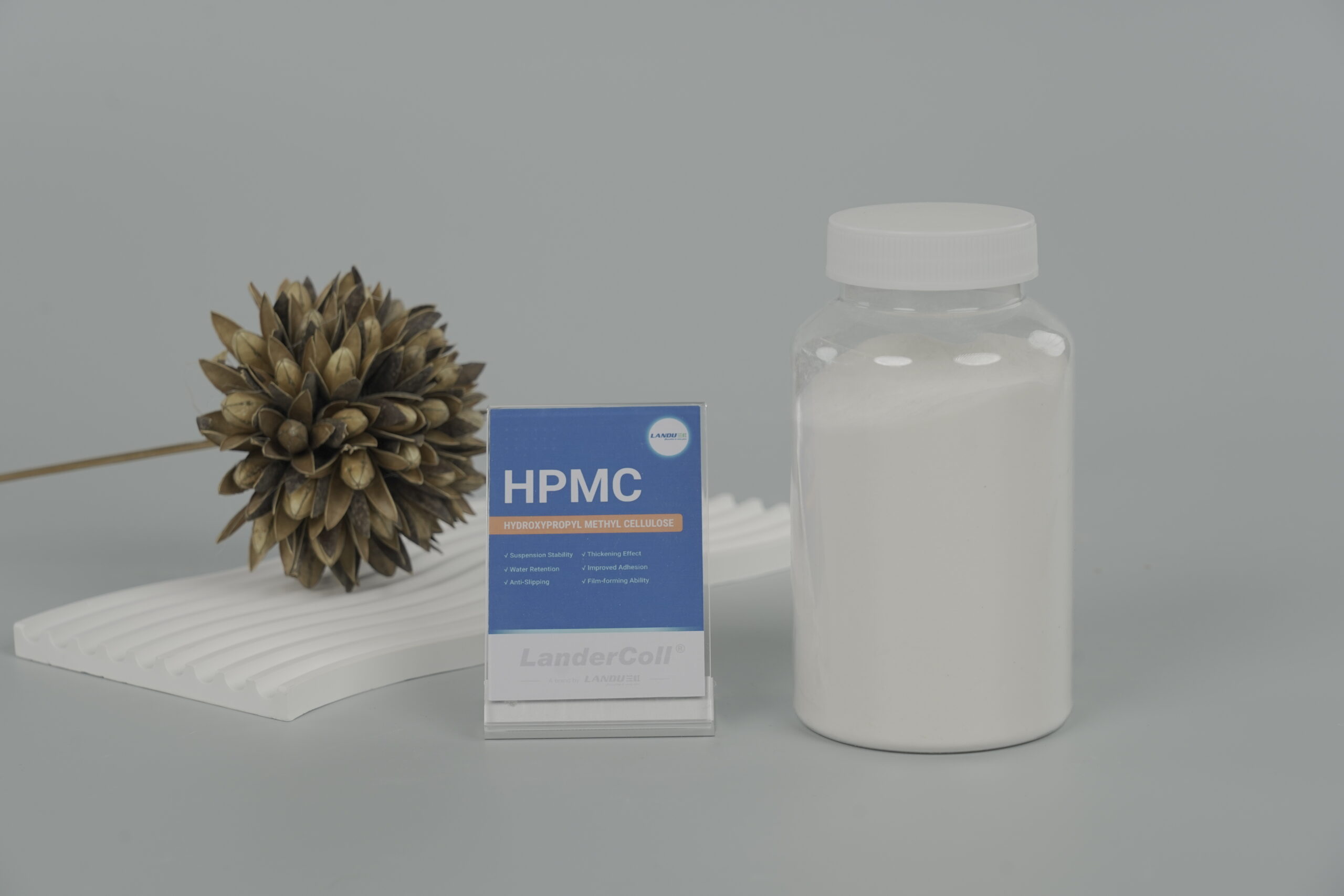
Formación de película, estabilización, espesamiento, control de textura y soporte de estructura alimentaria.
La hidroxipropilmetilcelulosa (HPMC) puede utilizarse en aplicaciones alimentarias adecuadas donde se requiera formación de película, espesamiento, estabilización, suspensión, soporte de emulsificación o control de textura. Según las regulaciones federales de EE. UU., la hidroxipropilmetilcelulosa puede usarse en alimentos como emulsionante, formador de película, coloide protector, estabilizante, agente de suspensión o espesante, sujeto a las condiciones especificadas en 21 CFR 172.874. La HPMC de grado alimenticio adecuada puede considerarse para recubrimientos de alimentos, sistemas de panadería, alimentos congelados, sistemas vegetarianos o de origen vegetal, alimentos reducidos en grasa y aplicaciones de control de textura, dependiendo del grado específico y los requisitos del mercado.
Sauces and dressings require controlled viscosity, smooth texture, stable appearance, and good mouthfeel throughout their shelf life. Food grade CMC helps improve thickness, reduce phase separation, and maintain uniform consistency during storage and use. Suitable HPMC may also support selected sauce or dressing systems where texture, film support, or stabilization is needed.
Sistemas de Bebidas
Beverage systems may require suspension stability, light viscosity, improved mouthfeel, or stabilization of dispersed ingredients such as pulp, fibers, cocoa solids, or botanical extracts. Low to medium viscosity food grade CMC helps maintain uniformity and reduces settling in suitable beverage applications. Final grade selection should account for clarity requirements, acidity, sugar level, processing conditions, and target mouthfeel.
Panadería


Bakery systems often require moisture control, texture improvement, structure support, and better processing consistency. Suitable food grade CMC or HPMC may help manage water, improve dough or batter behavior, and support finished product texture and quality stability. In selected bakery applications, cellulose ether can support softness, structure, and quality stability depending on formulation design and processing method.
Frozen food systems require stable texture and effective water management under freezing and thawing conditions. Food grade cellulose ether helps improve consistency, reduce quality loss in selected systems, and support better product stability during frozen storage and distribution. CMC is often considered where water binding, stabilization, and texture maintenance are important performance requirements.
 Dairy & Desserts
Dairy-related systems, ice cream, desserts, and similar formulations require smooth texture, controlled viscosity, and stable structure throughout processing and storage. Food grade CMC supports mouthfeel, stabilization, and water management in suitable systems. Depending on the application, suitable HPMC may also support texture or film-related functions.
 Gluten-Free & Plant-Based
Gluten-free and plant-based products often require structure-building support because they lack the natural protein network or texture found in traditional formulations. Suitable food grade cellulose ether helps improve texture, moisture control, and structural behavior in these challenging formulation environments. CMC and HPMC may both be considered depending on the product type, target performance, and regulatory requirements of the target market.
 Reduced-Fat Systems
Reduced-fat formulations often require ingredients that help replace part of the body, mouthfeel, and structure normally provided by fat. Food grade cellulose ether supports viscosity, texture, and water management in selected reduced-fat systems, helping maintain consumer-acceptable sensory quality.
Recubrimientos para Alimentos
Food coating and film systems require suitable film-forming behavior, surface uniformity, stability, and process compatibility. Suitable food grade HPMC is especially relevant in applications where film forming is a primary performance requirement. CMC may also support selected coating systems where viscosity, water management, and surface structure are important.
 Specialty & Texture Systems
For specialty food structures and texture-control formulations, the right cellulose ether grade depends on the specific performance requirements, food matrix, processing conditions, and regulatory framework of the target market. LANDERCOLL can help identify a suitable product direction based on your formulation goals and documentation needs.
Different food systems require different cellulose ether performance profiles. The table below provides a general selection reference for food grade cellulose ether applications. Final product selection must always be confirmed through testing in your specific formulation, because pH, sugar, salt, fat, protein, processing temperature, shear, freezing conditions, water activity, and other ingredients can all affect cellulose ether performance.
| Aplicación | Recommended Product Direction | Requisitos principales de rendimiento |
|---|---|---|
| Salsas y Aderezos | Food grade CMC / suitable HPMC | Thickening, mouthfeel, suspension, stability |
| Bebidas | Low to medium viscosity food grade CMC | Suspension, light viscosity, uniformity |
| Productos de Panadería | Food grade CMC / suitable HPMC | Moisture control, texture, structure |
| Alimentos Congelados | Food grade CMC / suitable HPMC | Water binding, freeze-thaw stability, texture |
| Dairy-Related Systems | Food grade CMC | Smooth mouthfeel, stabilization, viscosity |
| Ice Cream and Desserts | Food grade CMC | Texture, water management, stability |
| Gluten-Free Products | Food grade CMC / suitable HPMC | Structure support, moisture control, texture |
| Alimentos Reducidos en Grasa | Food grade CMC / suitable HPMC | Body, mouthfeel, stabilization |
| Recubrimientos para Alimentos | Suitable food grade HPMC / CMC | Film forming, surface uniformity, coating stability |
| Specialty Food Systems | Depends on application | Texture, stability, water management, processing |
Dosage depends on food category, target texture, viscosity requirement, processing method, regulatory limits, and full formulation design. The following ranges are general starting points for laboratory evaluation only.
These dosage levels are reference starting points only. Final dosage must be confirmed through formulation testing, sensory evaluation, stability testing, process validation, and regulatory review for the target market. Applicable regulatory limits must always be observed.
| Aplicación | Typical Reference Dosage |
|---|---|
| Salsas y Aderezos | 0.2% – 1.0% |
| Bebidas | 0.05% – 0.5% |
| Productos de Panadería | 0.1% – 0.8% |
| Alimentos Congelados | 0.1% – 0.8% |
| Dairy-Related Systems | 0.1% – 0.6% |
| Ice Cream and Desserts | 0.1% – 0.6% |
| Gluten-Free Products | 0.2% – 1.0% |
| Alimentos Reducidos en Grasa | 0.1% – 0.8% |
| Food Coating Systems | Depends on coating design |
| Specialty Food Systems | Depends on product type and target performance |
Food grade CMC and HPMC deliver a range of performance functions that improve food product quality, stability, texture, and processing consistency. Each function contributes directly to the sensory experience, shelf life, and manufacturing reliability of finished food products.
Food grade cellulose ether increases viscosity and builds product body in sauces, dressings, beverages, desserts, and texture-control systems. Controlled thickening improves appearance, dispensing behavior, and overall eating quality.
CMC and suitable HPMC grades help maintain uniformity, reduce phase separation, and improve storage stability in suitable food formulations. Stabilization is critical for products that undergo temperature changes, transportation, or extended shelf life.

Food systems containing particles, pulp, cocoa solids, fibers, spices, botanical extracts, or other dispersed ingredients benefit from cellulose ether's ability to improve suspension and reduce settling during storage and distribution.

Cellulose ether manages water in food systems, supporting moisture control, texture maintenance, and storage stability. Effective water binding is especially important in frozen foods, bakery products, and reduced-fat systems.
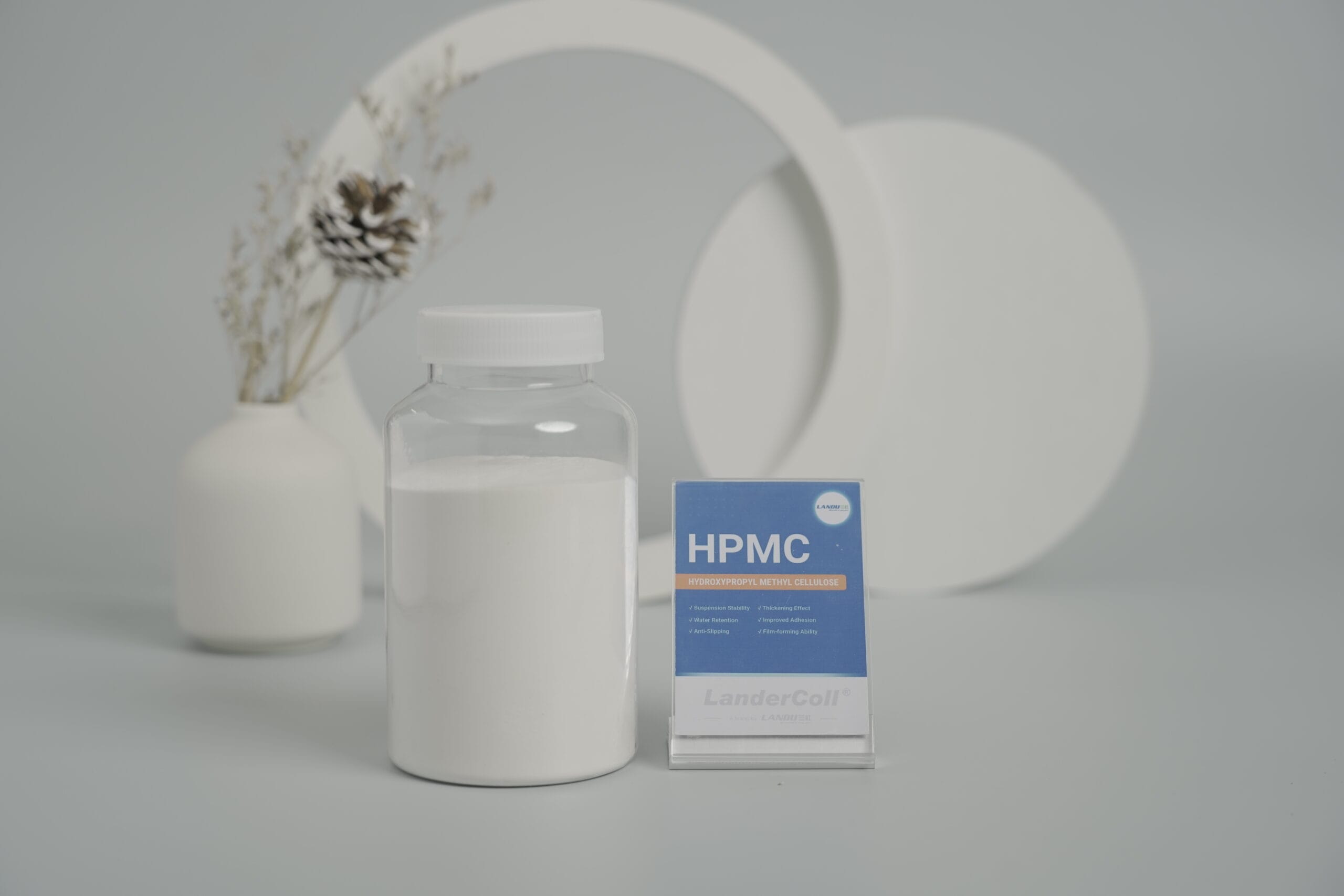
Food grade cellulose ether improves smoothness, body, mouthfeel, and sensory consistency in suitable applications, contributing directly to consumer satisfaction and product quality perception.
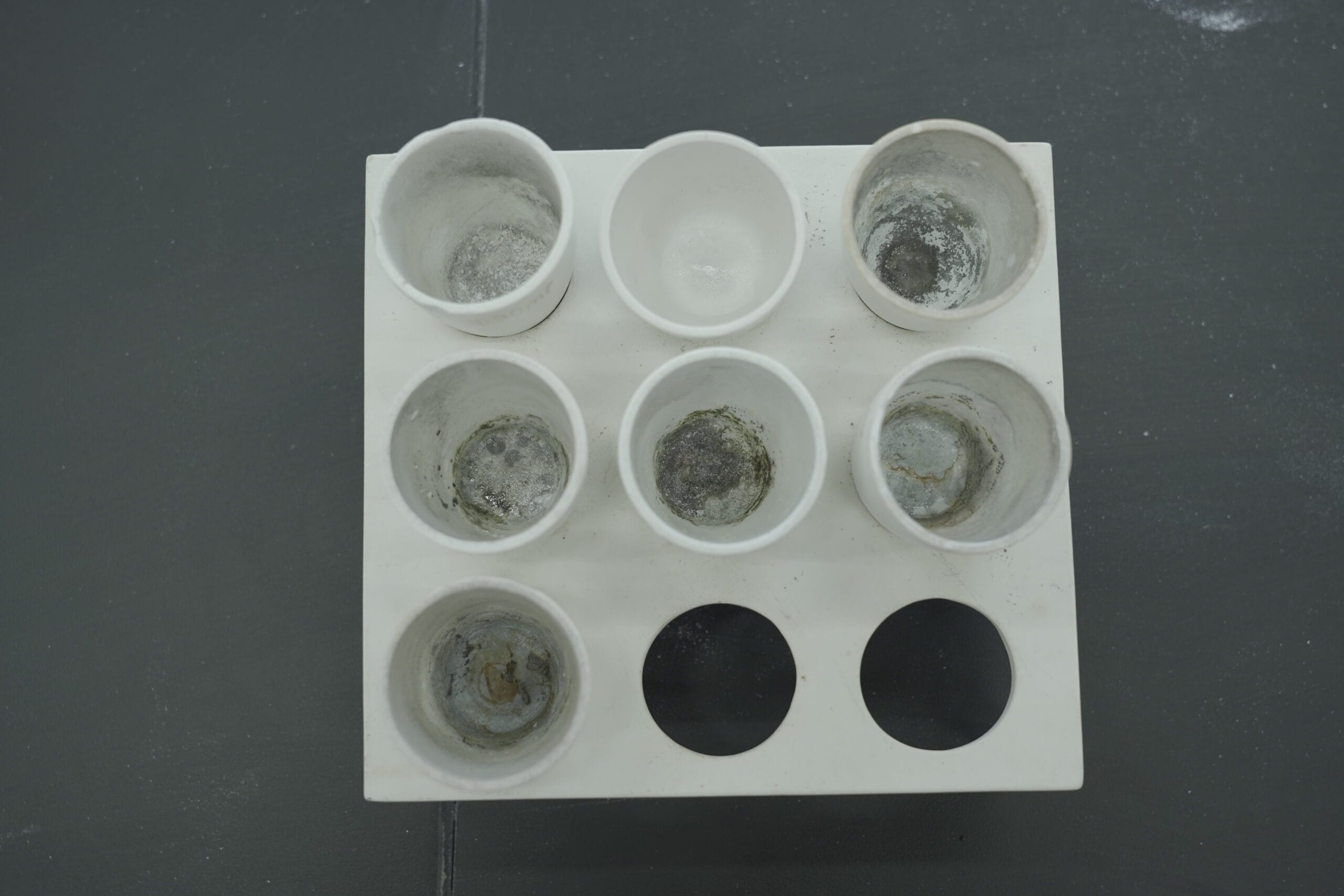
Suitable HPMC grades support film forming and surface behavior in selected food coating applications. U.S. federal regulations list HPMC uses including film former, stabilizer, suspending agent, and thickener under specified conditions in 21 CFR 172.874.

Cellulose ether improves process stability by controlling viscosity, water behavior, and formulation uniformity during mixing, pumping, filling, baking, freezing, and other food manufacturing operations. Reliable, consistent behavior from batch to batch reduces quality variation and supports efficient production.
Primary choice for thickening, stabilization, suspension, water binding, and texture control in most food systems.
Film forming, thickening, stabilizing, suspending, and structure support in selected food systems.
Food grade cellulose ether must meet the requirements of the target market and intended application. Documentation needs may vary by country, customer, regulatory authority, and final product use.
In the EU food additive database, sodium carboxymethyl cellulose and cellulose gum is listed as E466. In the United States, sodium carboxymethylcellulose is described as generally recognized as safe under 21 CFR 182.1745 when used according to good manufacturing practice, while HPMC is regulated under 21 CFR 172.874 for specified food uses subject to defined conditions.


Because food regulations vary by country and application, customers should confirm suitability with their own regulatory or quality team before commercial use. LANDERCOLL provides documentation support but does not replace the customer's own regulatory assessment.
Because food regulations vary by country and application, customers should confirm suitability with their own regulatory or quality team before commercial use. LANDERCOLL provides documentation support but does not replace the customer's own regulatory assessment.
Choosing the right food grade cellulose ether requires a clear understanding of both the formulation target and the applicable regulatory requirements. The best grade must match texture, viscosity, processing method, pH, temperature, storage conditions, and compliance needs for the target market.
If you are not sure which food grade is most suitable, LANDERCOLL can review your application requirements and recommend a practical CMC or HPMC grade direction for initial testing.
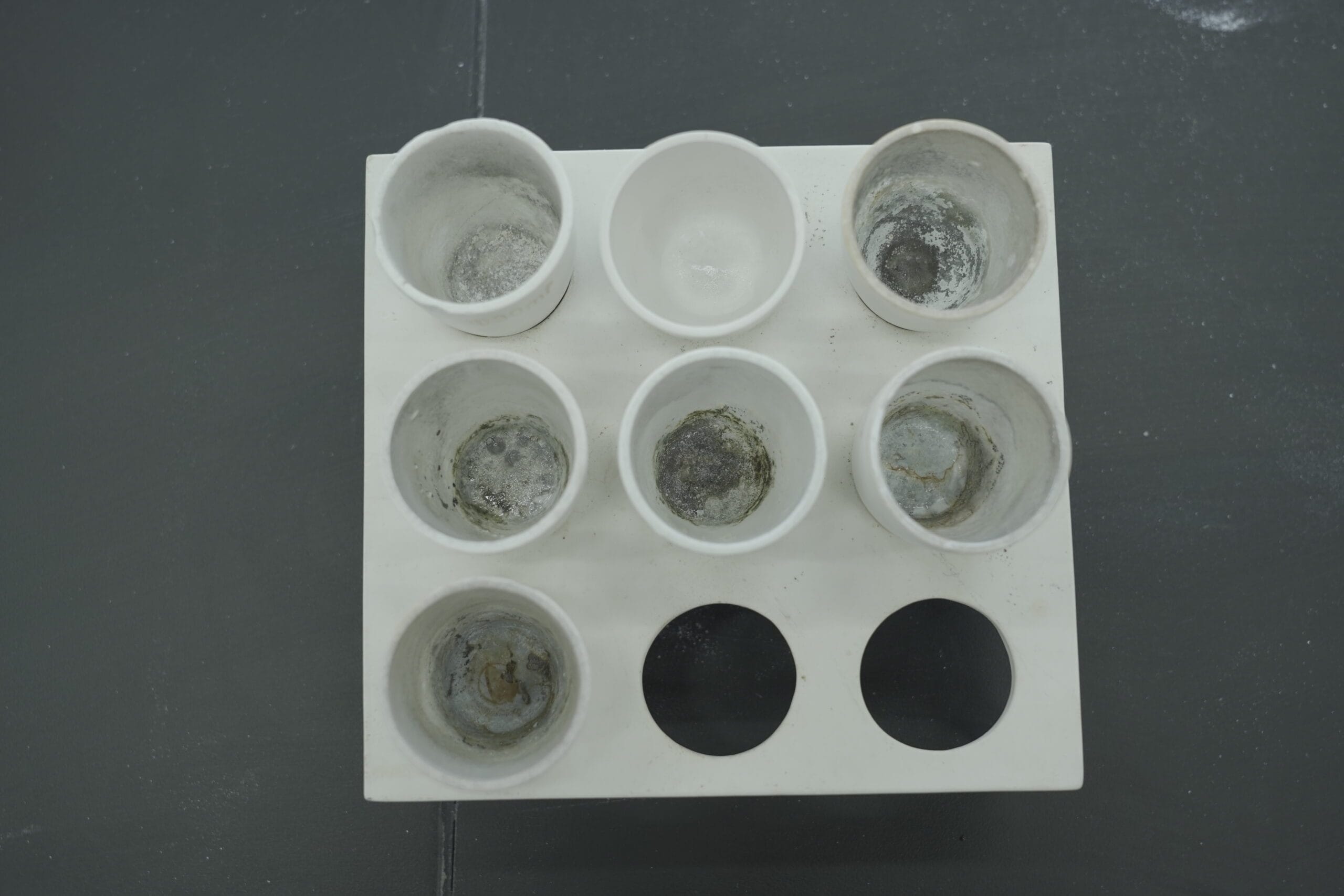
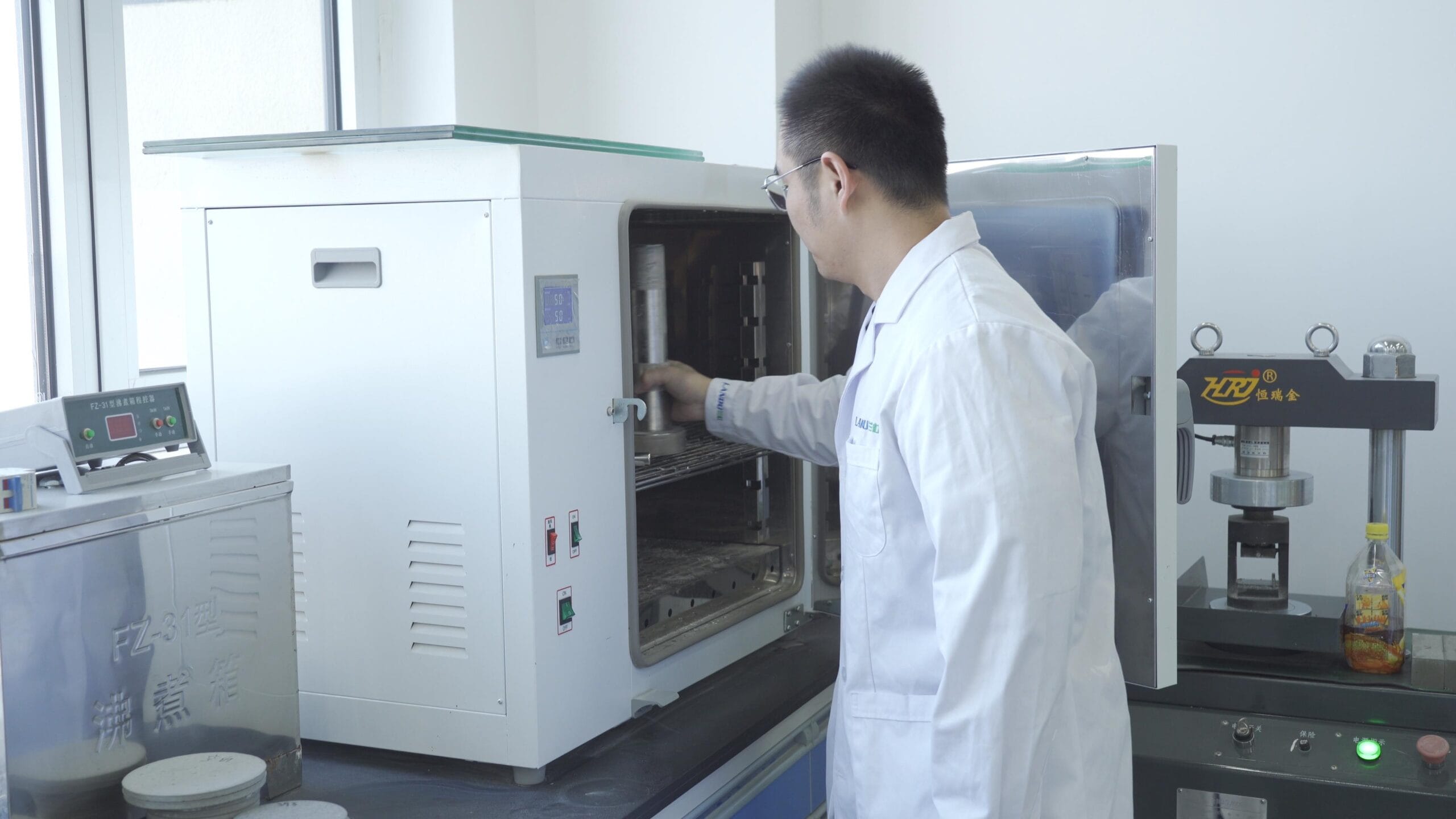

What food product are you producing? Sauce, beverage, bakery, frozen, dairy, coating?
Thickening, stabilization, suspension, water binding, texture improvement, or film forming?
What target viscosity or mouthfeel is required?
What is the pH range of the formulation?
Does the system contain salt, sugar, protein, fat, acid, or emulsifiers?
Heated, frozen, homogenized, baked, or pasteurized?
Is optical clarity or suspension uniformity important?
What target market will the product be sold in?
E466, FDA, Halal, Kosher, allergen, GMO documents required?
What testing method and quality standard will be applied?
Not sure which food grade cellulose ether is most suitable? LANDERCOLL can help review your application requirements and recommend a practical CMC or HPMC grade direction for initial testing.
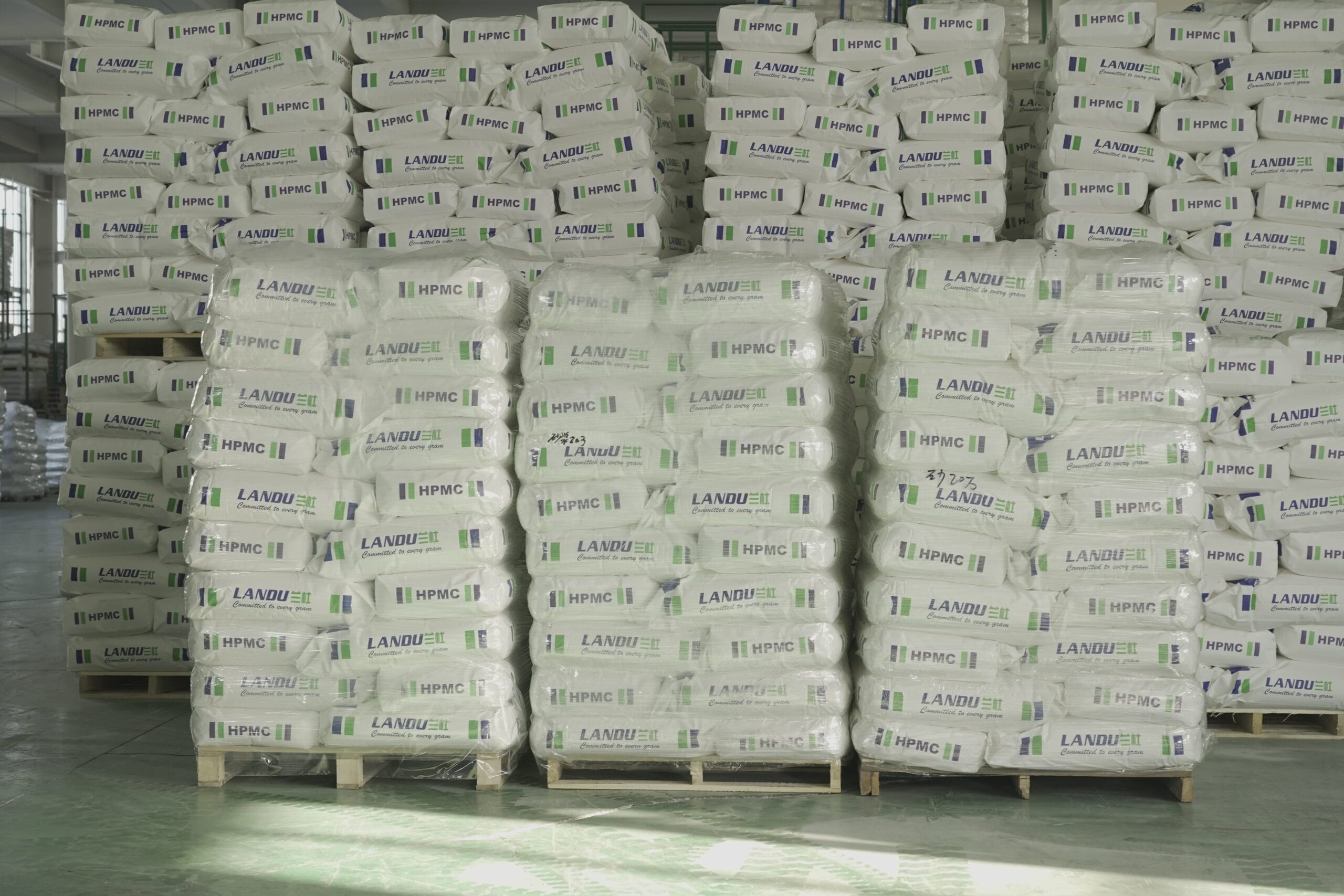
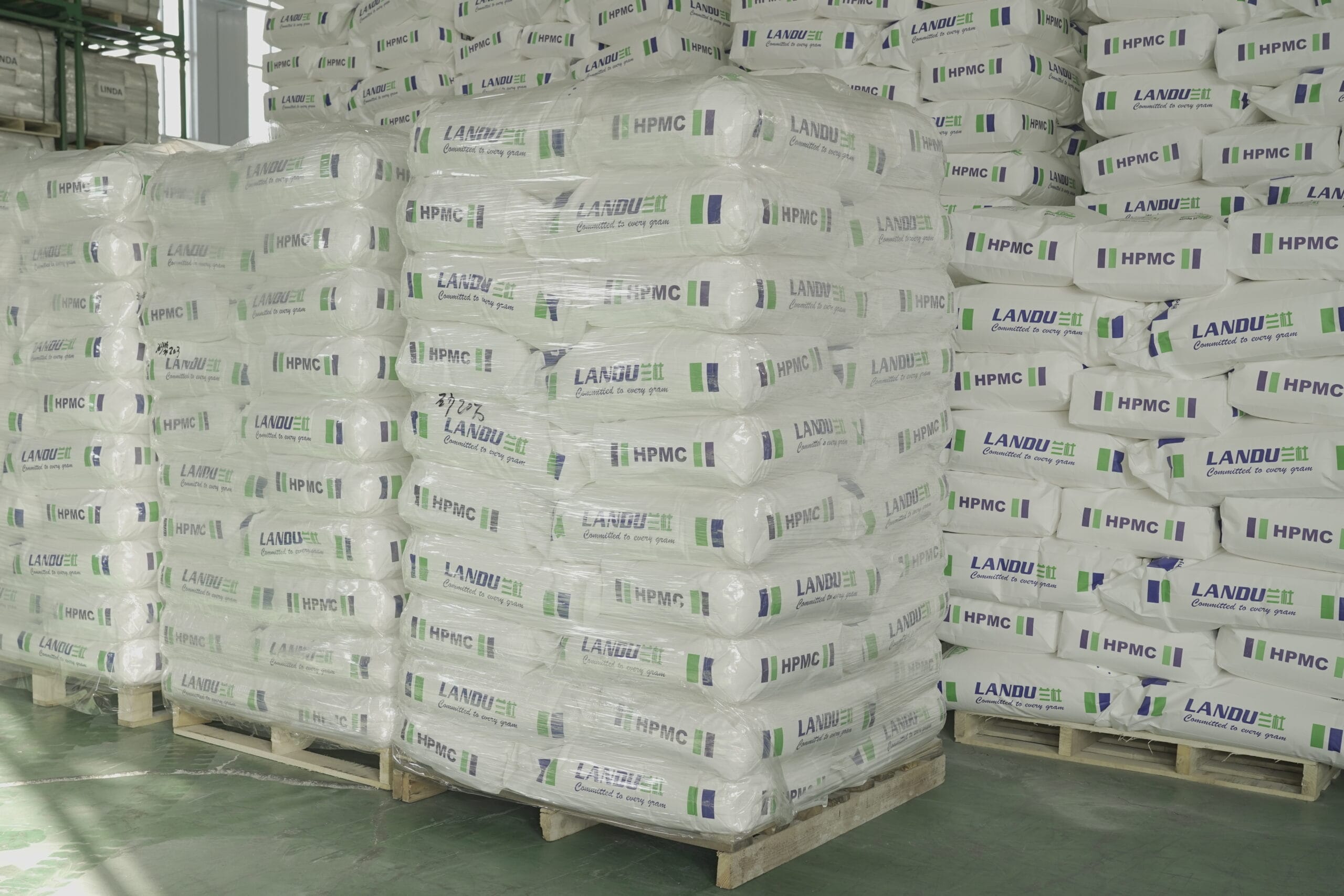
LANDERCOLL food grade cellulose ether is supplied in packaging suitable for food ingredient handling, transportation, and storage, subject to the selected grade and customer requirements.
Because cellulose ether is hygroscopic and can absorb moisture from the environment, proper storage conditions are essential to maintain powder flowability, dissolution behavior, viscosity performance, and product stability throughout the supply chain.

 Hygroscopic · Seal When Not in Use
If your food formulation is too thin, unstable, separating during storage, difficult to process, losing texture after freezing, forming sediment, or not meeting mouthfeel expectations, the cellulose ether grade selection may need to be reviewed.
LANDERCOLL can help evaluate suitable CMC and HPMC food grade directions based on your product type, target texture, processing method, regulatory requirements, and documentation needs.
Food grade CMC and HPMC selection and comparison
Viscosity and texture direction recommendations
Suspension and stabilization discussion
Food coating and film-forming support
Water binding and freeze-thaw stability guidance
Grade comparison and dosage reference
Compliance document support (TDS, SDS, COA, food grade statement)
Sample and quotation communication
Food grade cellulose ether refers to suitable cellulose-derived ingredients that may be used in food systems for thickening, stabilization, suspension, water binding, film forming, texture control, and processing consistency, subject to grade suitability and applicable food regulations in the target market.
Suitable food grade CMC and suitable food grade HPMC are the two primary cellulose ether products used in food applications. CMC is most often used for thickening, stabilization, water binding, and texture. HPMC may be used for film forming, thickening, stabilizing, suspending, or structure support in suitable applications.
In food applications, CMC is commonly referred to as cellulose gum. Sodium carboxymethyl cellulose and cellulose gum is listed as E466 in the EU food additive database. The two names refer to the same functional ingredient in food contexts.
In the United States, hydroxypropyl methylcellulose is covered under 21 CFR 172.874 for specified food uses when the applicable regulatory conditions are met. Regulatory status in other markets should be confirmed according to local food law before use.
CMC helps improve viscosity, stabilize suspensions, bind water, improve texture and mouthfeel, reduce phase separation, and support processing consistency in suitable food systems. It is one of the most widely used food hydrocolloids globally.
Suitable HPMC grades may support film formation, thickening, stabilization, suspension, emulsification support, and texture control in selected food systems, subject to grade suitability and regulatory compliance.
Food grade CMC is most commonly selected for sauces and dressings because it improves viscosity, mouthfeel, suspension stability, and storage stability. Suitable HPMC may also be considered in selected systems depending on formulation design.
Suitable food grade HPMC is most often considered for film-forming and coating applications because of its film-forming properties. CMC may also support selected coating systems where viscosity and surface structure are important.
No. Industrial, construction, paint, detergent, ceramic, or oilfield grades must not be used in food applications. Food use requires suitable food grade products with verified quality standards and relevant compliance documentation for the target market.
Start by defining your food application, target texture, viscosity requirement, processing method, pH, storage conditions, target market, and documentation requirements. LANDERCOLL can help recommend suitable CMC or HPMC grade directions for evaluation and testing.
Whether you produce sauces, dressings, beverages, bakery products, frozen foods, dairy-related systems, desserts, food coatings, or specialty texture-control formulations, LANDERCOLL can help you identify suitable CMC or HPMC food grade cellulose ether for your formulation requirements and target market.
Our team is ready to review your application, recommend suitable grades for testing, provide technical data sheets, safety data sheets, and compliance-related documents, and support your sample and quotation process.
Food Grade Cellulose Ether | CMC Cellulose Gum E466 | Food Grade HPMC E464 | Food Thickener | Food Stabilizer | Sauce Thickener | Beverage Stabilizer | Bakery Additive | Frozen Food Stabilizer | Food Hydrocolloid Supplier.
Technical support available. Samples on request. Documentation provided according to grade and application requirements.
