Excelencia en Éter de Celulosa — Confiado por más de 1000 empresas a nivel global Obtén una muestra gratis
LANDERCOLL éter de celulosa ayuda a los fabricantes de mortero de albañilería a mejorar la retención de agua, la vida útil en tabla, el manejo suave, la cohesión del mortero, la capacidad de esparcimiento y la estabilidad en la aplicación en obra.
Confiado por productores de mortero seco que suministran sistemas de mortero para colocación de ladrillos, bloques y mortero de albañilería premezclado en múltiples mercados.
 Mortero de Albañilería · Ladrillo y Bloque

Formación consistente de juntas de mortero con un cuerpo de mortero estable durante toda la operación de colocación.
Cemento · Cal · Mezcla secaEl mortero de mampostería es uno de los materiales de construcción más utilizados en proyectos de edificación a nivel mundial. Se aplica para colocar ladrillos, bloques de concreto, bloques livianos, bloques de concreto celular curado en autoclave (AAC), unidades de piedra y otros materiales de mampostería.


Un mortero de mampostería de buen rendimiento debe permanecer trabajable en la tabla, extenderse suavemente sobre las unidades de mampostería, retener el agua adecuadamente contra la absorción del sustrato y proporcionar un comportamiento estable y consistente durante todo el proceso de colocación.
LANDERCOLL suministra productos de éter de celulosa HPMC y HEMC/MHEC a fabricantes de mortero de mampostería que necesitan mejor retención de agua, vida útil extendida en la tabla, trabajabilidad mejorada, capacidad de extensión más suave, cohesión más fuerte y consistencia de aplicación confiable.
Un grado adecuado de éter de celulosa ayuda a que el mortero de mampostería se mantenga utilizable por más tiempo en la obra, reduce la pérdida rápida de agua en ladrillos o bloques absorbentes, mejora la sensación de aplicación para el albañil y respalda un rendimiento de colocación más consistente en diferentes tipos de unidades de mampostería y condiciones climáticas.
El mortero de mampostería es un material de unión a base de cemento o cemento-cal utilizado para unir unidades de mampostería —incluyendo ladrillos, bloques de concreto, bloques livianos, bloques AAC y piedra natural o cortada— en muros de mampostería estructurales o no estructurales.
Llena las juntas de asiento y las juntas verticales entre las unidades de mampostería, transfiere cargas estructurales, sella espacios contra la infiltración de aire y humedad, y contribuye al rendimiento general y la durabilidad del conjunto de mampostería.
Una formulación típica de mortero de mampostería incluye cemento, cal, arena, rellenos, éter de celulosa, aditivos incorporadores de aire, agentes de retención de agua y otros aditivos funcionales según el tipo de producto, clase de resistencia y práctica de construcción local.
Después de mezclarse con agua, el mortero de mampostería debe proporcionar buena trabajabilidad, vida útil adecuada en la tabla, retención de agua confiable, plasticidad, cohesión del mortero y consistencia estable durante toda la operación de colocación. El éter de celulosa mejora las propiedades del mortero fresco y respalda un rendimiento más confiable y consistente en la obra.

Las unidades de albañilería como ladrillos de arcilla, bloques de concreto, bloques livianos de AAC y piedra natural pueden absorber agua rápidamente del mortero recién aplicado. La mala retención de agua provoca mortero seco y rígido, vida útil corta en la tabla y formación inconsistente de juntas. LANDERCOLL éter de celulosa ayuda a mejorar la retención de agua y la trabajabilidad para un asentado de ladrillos y bloques más consistente.
Reduce la pérdida rápida de humedad hacia ladrillos, bloques y sustratos de mampostería absorbentes durante la colocación.
Extends the workable window after mixing and placement on the mortar board.
Los sistemas de mortero para albañilería suelen utilizar grados de éter de celulosa de viscosidad media en niveles de dosificación controlados para mejorar la retención de agua, la vida útil en tabla y la trabajabilidad sin crear un mortero excesivamente pegajoso o pesado.
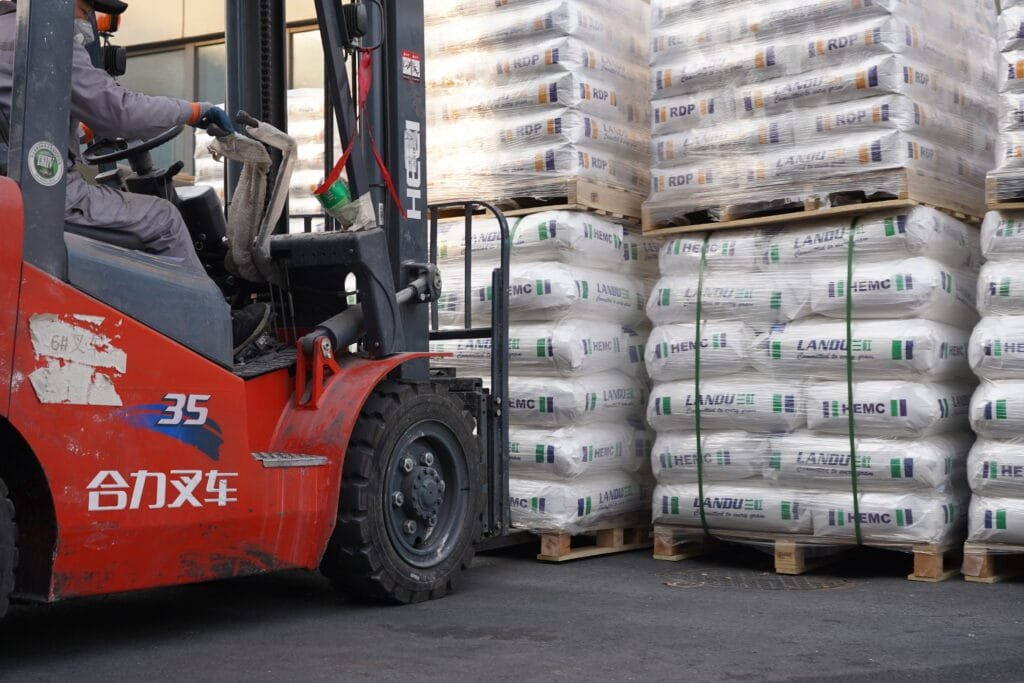
HPMC es uno de los éteres de celulosa más utilizados en formulaciones de mortero de albañilería. Proporciona una fuerte retención de agua, espesamiento controlado, mejora de la trabajabilidad y estabilización de la consistencia.
En sistemas de mortero de albañilería en seco, la HPMC mejora la untuosidad, reduce la aspereza del mortero y favorece un comportamiento de manejo más estable y predecible en la tabla de mortero.
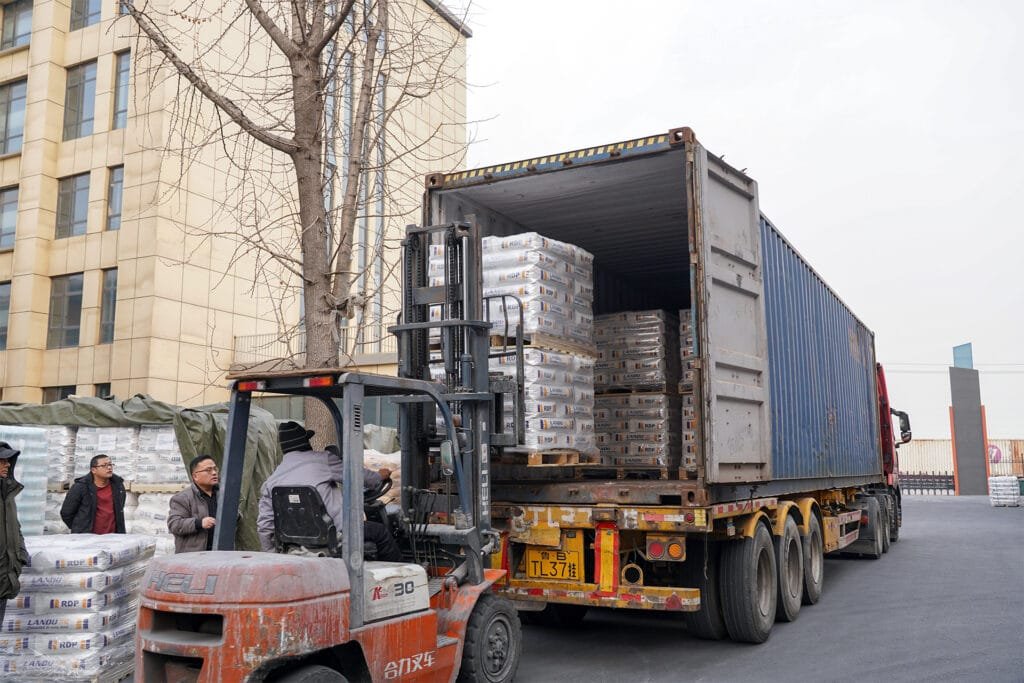
HEMC / MHEC is well-suited for masonry mortar systems where water retention, extended board life, smooth spreadability, mortar cohesion, and stable application behavior are important.
In vertical joint applications and lightweight block laying, HEMC / MHEC can help improve mortar body, reduce uneven application behavior, and support more consistent joint formation.
Masonry mortar formulations vary by local building standards, masonry unit type, required strength class, application method, and locally available raw materials.
| Componente | Function in Masonry Mortar |
|---|---|
| Cemento | Main hydraulic binder; provides structural strength and setting. |
| Lime | Improves plasticity, workability, and application feel in selected systems. |
| Arena | Provides structure, volume, and mechanical support in the joint. |
| Rellenos | Adjust consistency, density, and formulation balance. |
| Éter de celulosa (HPMC / HEMC) | Improves water retention, board life, workability, and consistency. |
| Aditivos Incorporadores de Aire | Improve workability and freeze-thaw resistance in selected systems. |
| Water-Repellent Additives | Support moisture resistance in selected exterior applications. |
| Otros Aditivos de Rendimiento | Adjust setting time, strength, plasticity, or special requirements. |
Different masonry mortar systems have different water retention, workability, and consistency requirements. This table provides a practical starting reference.
| Tipo de Solicitud | Producto Recomendado | Requisitos principales de rendimiento |
|---|---|---|
| Brick Laying Mortar | HPMC o HEMC / MHEC | Board life, water retention, spreadability. |
| Concrete Block Mortar | HPMC o HEMC / MHEC | Workability, consistency, joint filling. |
| Lightweight Block Mortar (AAC) | Medium viscosity HPMC or HEMC / MHEC | Strong water retention, open time, stability. |
| Stone Masonry Mortar | HPMC o HEMC / MHEC | Cohesion, plasticity, stable application. |
| Lime-Cement Masonry Mortar | HPMC o HEMC / MHEC | Plasticity, board life, smooth handling. |
| Ready-Mix Masonry Mortar | HPMC o HEMC / MHEC | Batch consistency, usability, stable performance. |
| Drymix Block Laying Mortar | Medium viscosity HPMC or HEMC / MHEC | Workability, water retention, application control. |
The appropriate cellulose ether dosage depends on formulation design, masonry unit absorption rate, target board life, viscosity grade, water retention requirement, sand grading, and job-site conditions.
In masonry mortar formulations, cellulose ether supports water retention, board life, and workability so mortar remains usable and performs consistently during brick and block laying.
Water retention is the most critical function of cellulose ether in masonry mortar. It helps the mortar keep enough moisture during application and early cement hydration — particularly when working with highly absorbent clay bricks, lightweight AAC blocks, or other porous masonry units.
Board life is the time that mixed mortar remains workable and usable after placement on the mortar board. Cellulose ether helps extend board life by reducing the rate of water loss from the mortar.
Good workability allows masonry mortar to spread easily under trowel pressure, hold its shape in the joint, and respond predictably during unit placement and adjustment.
Masonry mortar must spread smoothly and evenly on brick or block surfaces to create full, consistent bed joints. Cellulose ether helps create a more controlled consistency that spreads readily under tool pressure.
Cellulose ether improves the internal cohesion of fresh masonry mortar, helping it remain uniform and stable during use and supporting complete joint filling.
Plasticity is important for smooth, efficient masonry laying and for allowing fine adjustment of unit position after placement. Cellulose ether supports better plastic behavior by improving water management and rheology.
Cellulose ether helps maintain stable mortar consistency after mixing with water, supporting more predictable and uniform performance across different batches, job sites, and application conditions.
Many fresh masonry mortar problems are related to water retention, workability, and consistency — areas where cellulose ether grade and dosage selection directly affect performance.
Rapid water loss, absorbent masonry units, hot or windy conditions.
Improve water retention and extend workable window.
Poor sand grading, low water retention, unsuitable viscosity grade.
Improve workability and application smoothness.
Weak plasticity, incorrect water dosage, unbalanced formulation.
Improve consistency and spreading behavior.
Low water retention, high unit absorption, fast hydration.
Maintain moisture and workability for longer.
Weak cohesion, poor consistency, low workability.
Improve mortar body and joint filling behavior.
Excessive cellulose ether dosage or unsuitable viscosity grade.
Adjust grade and dosage balance.
Poor rheology, excess water, unstable formulation.
Improve consistency and slurry stability.
Raw material variation, poor mixing, wrong grade.
Improve formulation uniformity and handling behavior.
Rapid drying, poor water retention, shrinkage.
Support water retention and stable hydration.
Understanding the key variables that influence cellulose ether behavior in masonry mortar helps formulators make better product selection and dosage decisions.
Clay bricks, concrete blocks, AAC blocks, and stone have different water absorption rates. Highly absorbent units require stronger water retention performance.
Cement source, fineness, and chemical composition affect hydration rate, water demand, setting behavior, and interaction with cellulose ether.
Lime improves plasticity and workability but also influences water demand, rheology, and setting behavior in masonry mortar.
Sand particle size distribution, shape, and cleanliness directly affect workability, spreadability, joint filling, and water demand.
Medium viscosity grades are commonly used in masonry mortar. Higher grades provide stronger water retention but may increase stickiness if overdosed.
Insufficient dosage leads to short board life or harsh mortar feel. Excessive dosage may create sticky, difficult-to-spread mortar.
Water dosage strongly affects consistency, board life, and joint filling. Mixing time and rest time affect cellulose ether hydration and mortar behavior.
Hot, dry, or windy conditions accelerate water evaporation from fresh mortar, shortening board life and reducing workability.
Hand laying, machine application, and different troweling techniques create different shear and flow conditions in the mortar.
Local building standards and required mortar strength class influence binder ratio, additive selection, and cellulose ether dosage targets.
Selecting the right cellulose ether requires balancing water retention, board life, workability, spreadability, plasticity, and joint filling performance based on masonry unit type and job-site conditions.
Brick laying, block laying, stone masonry, or lime-cement mortar?
Clay brick, concrete block, lightweight AAC block, or stone?
How absorbent are the masonry units in your target market?
Longer board life, smoother spreading, or better joint filling?
What cement, lime, sand, and filler system is used?
What grade are you using, and is it delivering required performance?
What temperature, humidity, and wind are typical during application?
What water dosage and mixing method are used on the job site?
What dosage level balances cost and performance?
Are there local strength class or building standard requirements?
LANDERCOLL can help review your masonry mortar formulation direction and recommend a suitable HPMC or HEMC / MHEC grade for laboratory testing and evaluation.
Ask for Grade RecommendationLANDERCOLL cellulose ether for masonry mortar applications is supplied in industrial packaging designed for drymix mortar production environments, international shipping, and warehouse storage.
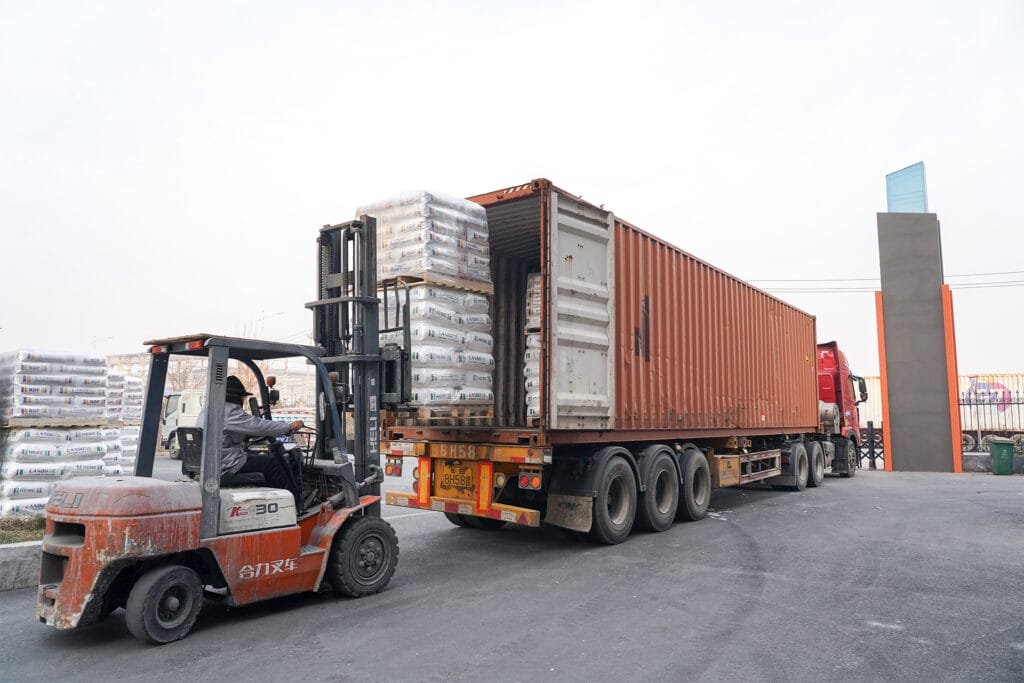
LANDERCOLL can provide a full set of product documentation to support masonry mortar formulation development, purchasing review, quality approval, and import compliance.
If your masonry mortar stiffens too quickly on the board, dries too fast against absorbent bricks or blocks, spreads poorly, feels harsh under the trowel, fills joints unevenly, separates after mixing, or performs inconsistently across batches or job sites, the cellulose ether grade or dosage may need to be reviewed.
LANDERCOLL provides technical support to help drymix masonry mortar manufacturers evaluate suitable HPMC and HEMC / MHEC options based on masonry unit type, raw material system, target board life, water retention requirement, and job-site application conditions.
HPMC and HEMC / MHEC product selection for masonry mortar.
Water retention improvement strategy.
Board life extension support.
Workability and spreadability improvement discussion.
Mortar cohesion and plasticity improvement.
Viscosity grade direction and dosage recommendation.
Sample arrangement and technical evaluation support.
Quotation and supply communication.
HPMC and HEMC / MHEC are commonly used in masonry mortar to improve water retention, board life, workability, spreadability, mortar cohesion, and consistency.
Cellulose ether improves water retention, board life, workability, and mortar consistency, helping prevent rapid drying, short workable time, and inconsistent joint formation during brick and block laying.
HPMC supports water retention, workability, spreadability, mortar consistency, and board life in masonry mortar formulations for brick and block laying applications.
HEMC / MHEC supports water retention, extended board life, smooth application, mortar cohesion, and stable consistency in masonry mortar systems.
A common reference dosage range is 0.10%–0.30% by dry weight, depending on masonry unit type, viscosity grade, water retention requirement, and board life target. Final dosage must be confirmed through testing.
Cellulose ether reduces the rate of water loss from fresh mortar, helping it remain workable and usable on the mortar board for a longer period after mixing.
Rapid drying is often caused by low water retention, highly absorbent masonry units, insufficient cellulose ether dosage, unsuitable viscosity grade, or hot and windy job-site conditions.
Yes. Suitable HPMC or HEMC / MHEC grades can improve workability, spreadability, and application smoothness by supporting better water management and mortar consistency.
Both can be effective depending on the formulation. The best choice depends on masonry unit type, cement and lime system, sand grading, water retention requirement, and board life target.
Start with masonry unit type, mortar application, water retention requirement, board life target, cement and lime system, sand grading, climate conditions, and viscosity grade direction.
Yes. LANDERCOLL can arrange HPMC and HEMC / MHEC samples for masonry mortar formulation testing and evaluation based on masonry unit type, water retention requirement, and performance targets.
Whether you produce brick laying mortar, concrete block mortar, lightweight AAC block mortar, stone masonry mortar, lime-cement mortar, ready-mix dry masonry mortar, or drymix block laying systems, LANDERCOLL can help you identify the right HPMC or HEMC / MHEC grade for better water retention, extended board life, improved workability, and reliable application consistency.
Our team works with drymix mortar manufacturers across multiple markets to support formulation development, product selection, sample evaluation, and supply communication for masonry mortar cellulose ether applications.
