Excelencia en Éter de Celulosa — Confiado por más de 1000 empresas a nivel global Obtén una muestra gratis




Control de viscosidad, soporte de auxiliares de retención, consistencia de recubrimiento, unión de fibras y estabilidad de formulación para fabricantes de papel y pulpa.
LANDERCOLL éter de celulosa — incluyendo CMC, HEC y HPMC — ayuda a los fabricantes de papel y pulpa a mejorar el rendimiento en la parte húmeda, el encolado superficial, la reología del recubrimiento, el soporte de retención de fibras y la consistencia de la formulación en aplicaciones seleccionadas de procesamiento de papel y pulpa.
 Fabricación de Papel
 Planta de Pulpa y Papel
 Laboratorio de Color para Recubrimientos
 Encolado · Papel Especial

 Recubrimiento · Encolado · Parte Húmeda
La fabricación de papel y pulpa involucra múltiples etapas de proceso donde el control de reología, el manejo de fibras, el tratamiento superficial y el rendimiento del recubrimiento son críticos. Desde la química de parte húmeda hasta el encolado superficial y el recubrimiento de papel, el sistema aditivo adecuado ayuda a mejorar la calidad del papel, la eficiencia de producción y la consistencia de la formulación.
Un grado adecuado de éter de celulosa ayuda a mejorar la formación del papel, la calidad superficial, la uniformidad del recubrimiento y la consistencia de la producción en los procesos seleccionados de fabricación de papel.
La fabricación de papel requiere un control preciso de la viscosidad, retención de agua, comportamiento de las fibras, flujo del recubrimiento y propiedades superficiales en cada etapa del proceso. El éter de celulosa ayuda a los formuladores e ingenieros de proceso a ajustar la reología, apoyar la retención de agua, mejorar la consistencia del recubrimiento y mantener un comportamiento estable de la formulación durante la producción.
| Function | Qué significa en la práctica |
|---|---|
| Control de viscosidad | Viscosidad estable del recubrimiento y encolado para una aplicación consistente |
| Reología del recubrimiento | Flujo y estructura equilibrados para recubrimiento con cuchilla, varilla o cortina |
| Retención de agua | Liberación controlada de agua durante el recubrimiento y secado. |
| Soporte de encolado superficial | Mayor resistencia superficial y mejor imprimibilidad |
| Soporte de retención de fibra | Mejora en la retención de fibra y cargas en sistemas de mesa húmeda |
| Uniformidad del recubrimiento | Incluso el peso de la película y la apariencia en la superficie del papel. |
| Estabilidad de almacenamiento | Reducción de la deriva de viscosidad y sedimentación en el color de recubrimiento |
| Soporte de capacidad de funcionamiento | Rendimiento más consistente de la máquina durante el recubrimiento |
| Suspensión de Pigmento | Mantenida la distribución de pigmento en el color del recubrimiento. |
| Confiabilidad lote a lote | Rendimiento de formulación consistente en toda la producción |
LANDERCOLL ofrece grados de éter de celulosa CMC, HEC y HPMC para aplicaciones seleccionadas de papel y pulpa. La selección del producto depende de la etapa del proceso, el grado del papel, el método de recubrimiento, el sistema de pigmentos y el objetivo de rendimiento.

Retención en la parte húmeda, encolado superficial y soporte de unión de fibras.
CMC es uno de los tipos de éter de celulosa más utilizados en la fabricación de papel. Puede emplearse en la química de la parte húmeda para mejorar la retención y el drenaje, en el encolado superficial para aumentar la resistencia superficial y la imprimibilidad, y en formulaciones específicas de recubrimiento para controlar la viscosidad y la estabilidad. La CMC puede interactuar con las fibras de celulosa y favorecer el comportamiento de unión de fibras en ciertos sistemas de parte húmeda. El uso final debe confirmarse mediante pruebas de proceso.

Smooth viscosity control and water-based formulation stability
HEC is used in selected paper coating and sizing systems where smooth viscosity development, stable rheology, and good formulation compatibility are required. As a non-ionic cellulose ether, HEC offers broad compatibility with many coating color components including pigments, binders, and dispersants. In paper coating formulations, HEC helps improve body, flow control, coating uniformity, and storage stability.

Specialty coating, surface treatment, and functional formulations
HPMC may be considered in specialty paper coating, surface treatment, or functional paper formulations where selected thickening, film-forming support, and controlled rheology are required. Its use should be validated through formulation and process testing.
Not sure which grade fits your paper process? Ask for a Product Recommendation →
Paper and pulp manufacturing covers a wide range of processes, from pulp preparation and wet-end chemistry to surface sizing, paper coating, and specialty paper production. Cellulose ether may be used at different stages depending on paper grade, machine type, coating system, and performance target.
| Processing Stage | Descripción |
|---|---|
| Wet-End Chemistry | Fiber suspension, retention, drainage, and formation control |
| Encolado superficial | Surface treatment to improve strength, printability, and surface properties |
| Recubrimiento de Papel | Application of coating color for surface quality, gloss, and printability |
| Board Manufacturing | Heavier grades requiring strength, stiffness, and coating performance |
| Papel Especial | Technical, functional, or decorative paper requiring specific properties |
| Tissue and Hygiene | Soft, absorbent paper products with specific wet strength and texture |
| Packaging Paper | Kraft, liner, and packaging grades requiring strength and surface performance |
| Industrial Paper | Technical grades for filtration, insulation, or specialty industrial use |
Different paper and pulp applications require different cellulose ether performance profiles. The table below provides a practical selection reference for paper mill engineers and coating formulators.
| Tipo de Solicitud | Recommended Product Direction | Requisitos principales de rendimiento |
|---|---|---|
| Wet-End Chemistry | CMC | Retention, drainage, fiber bonding support |
| Encolado superficial | CMC / selected grade | Surface strength, printability, viscosity |
| Paper Coating Color | HEC / CMC | Rheology, viscosity, pigment suspension, stability |
| Board Coating | HEC / CMC | Coating uniformity, viscosity, flow control |
| Papel Especial | HPMC / HEC | Specialty rheology, film support, surface treatment |
| Tissue and Hygiene Paper | CMC / selected grade | Wet strength support, fiber behavior |
| Packaging Paper | CMC / HEC | Surface strength, coating consistency, stability |
| Industrial Paper | HEC / CMC / HPMC | Customized viscosity and formulation stability |
Reference dosage ranges for cellulose ether in paper and pulp applications. Actual dosage should be determined through laboratory and machine trials.
These dosage ranges are starting references only. Final dosage should be confirmed through viscosity testing, coating evaluation, retention testing, surface strength testing, runnability trials, and production-scale validation.
| Aplicación | Typical Reference Dosage |
|---|---|
| Wet-End Chemistry | 0.1% – 0.5% (on fiber) |
| Encolado superficial | 0.5% – 2.0% |
| Paper Coating Color | 0.1% – 0.8% |
| Board Coating | 0.1% – 0.8% |
| Papel Especial | 0.2% – 1.5% |
| Tissue and Hygiene | 0.1% – 0.5% |
| Packaging Paper | 0.2% – 1.0% |
| Industrial Paper | 0.2% – 1.5% |
Cellulose ether helps adjust coating color and sizing solution viscosity for stable, consistent application on the paper machine. Proper viscosity supports uniform coating weight and reduces application variation.
A suitable cellulose ether grade helps balance flow and structure in coating color, allowing smooth application under blade, rod, or curtain coating conditions while maintaining enough body to prevent penetration and sagging.
Cellulose ether helps retain water in coating color and sizing solutions, supporting controlled drying behavior and reducing over-penetration into the paper substrate. Water retention is important for coating holdout and surface quality.
CMC in surface sizing helps improve surface strength, reduce dusting, support ink receptivity, and improve printability. It can be used alone or in combination with starch in selected sizing systems.
CMC may support fiber and filler retention in wet-end systems by interacting with cellulose fibers and improving drainage behavior. Final retention performance depends on furnish composition, machine conditions, and retention aid system.
Cellulose ether supports stable rheology and consistent viscosity, helping improve coating weight uniformity and surface appearance across the paper width and machine direction.
A suitable cellulose ether grade helps maintain coating color viscosity, pigment distribution, and appearance during storage when compatible with the complete formulation including binders, pigments, and preservatives.
When paper coating or sizing performance fails, the cellulose ether grade, dosage, or formulation balance is often the first variable to review.
Low viscosity or weak thickening system.
HEC / CMC support viscosity control.
Excessive polymer or poor rheology balance.
Adjust cellulose ether grade and dosage.
Viscosity variation or poor flow control.
Improve rheology consistency.
Excessive water penetration into substrate.
Improve water retention with CMC or HEC.
Weak suspension or poor formulation structure.
CMC / HEC support pigment suspension.
Insufficient sizing or fiber bonding.
CMC supports surface sizing performance.
pH, electrolyte, binder, or temperature interaction.
Test compatible cellulose ether grade.
Insufficient surface treatment or coating quality.
Improve surface sizing with CMC.
Rheology imbalance or application inconsistency.
Adjust viscosity and flow profile.
Understanding the factors that influence cellulose ether behavior helps paper mill engineers and formulators select the right grade and dosage for their specific process.
Calcium carbonate, kaolin, talc, titanium dioxide, and other coating pigments influence viscosity demand, suspension stability, and coating flow. Pigment type and particle size distribution affect cellulose ether performance.
Latex, starch, PVA, and other binders influence cellulose ether compatibility and viscosity response in coating color. Compatibility testing is recommended before finalizing the formulation.
pH level, calcium ions, salts, and ionic additives affect cellulose ether hydration, viscosity stability, and compatibility with other coating components. CMC is particularly sensitive to pH and ionic conditions.
In surface sizing, CMC is often used with starch. The starch type, concentration, and cooking conditions affect CMC performance and final sizing results.
Blade coating, rod coating, air-knife coating, curtain coating, size press, and film press require different viscosity and flow profiles. The coating method should guide cellulose ether grade selection and target viscosity range.
Paper machine speed, nip pressure, drying capacity, and web tension affect coating application, water removal, and final paper properties.
Drying temperature, airflow, and infrared drying conditions influence water removal rate, coating consolidation, and final surface properties.
Coating color storage stability depends on preservative system, temperature control, microbial protection, and viscosity retention over time.
Choosing the right cellulose ether for paper and pulp applications requires balancing viscosity, coating rheology, water retention, surface sizing performance, fiber retention, storage stability, and machine runnability.
LANDERCOLL can help review your paper or pulp formulation and recommend suitable CMC, HEC, HPMC, or selected cellulose ether grades for testing.
What paper grade is being produced: printing, packaging, board, specialty, or tissue?
At which stage will cellulose ether be used: wet-end, surface sizing, or coating?
What coating method is used: blade, rod, curtain, size press, or film press?
What target viscosity and rheology are required?
What pigment and binder system is used in the coating color?
Is water retention or coating holdout a concern?
Are pH, electrolytes, calcium ions, or starch present?
What surface strength, printability, or coating quality targets are required?
What machine speed and drying conditions are expected?
What storage stability requirement is needed for the coating color?
Not sure which grade fits your paper process? Ask for a technical recommendation — our team will review your requirements and suggest suitable options.
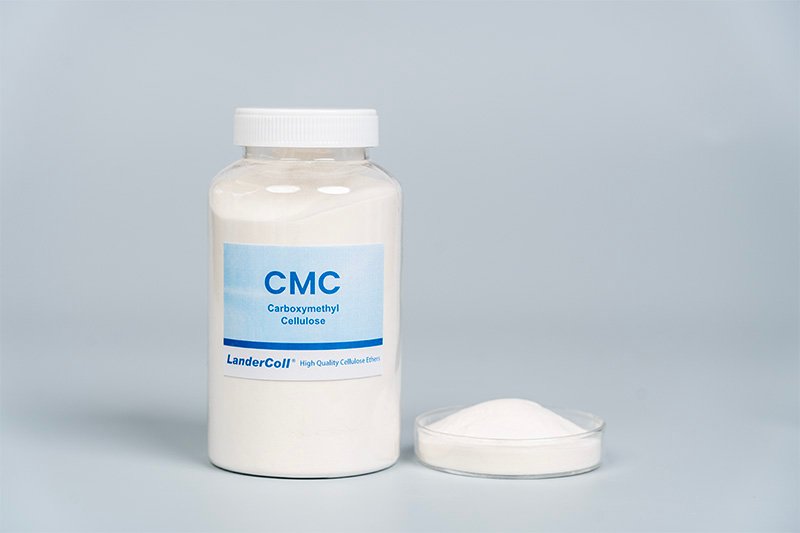
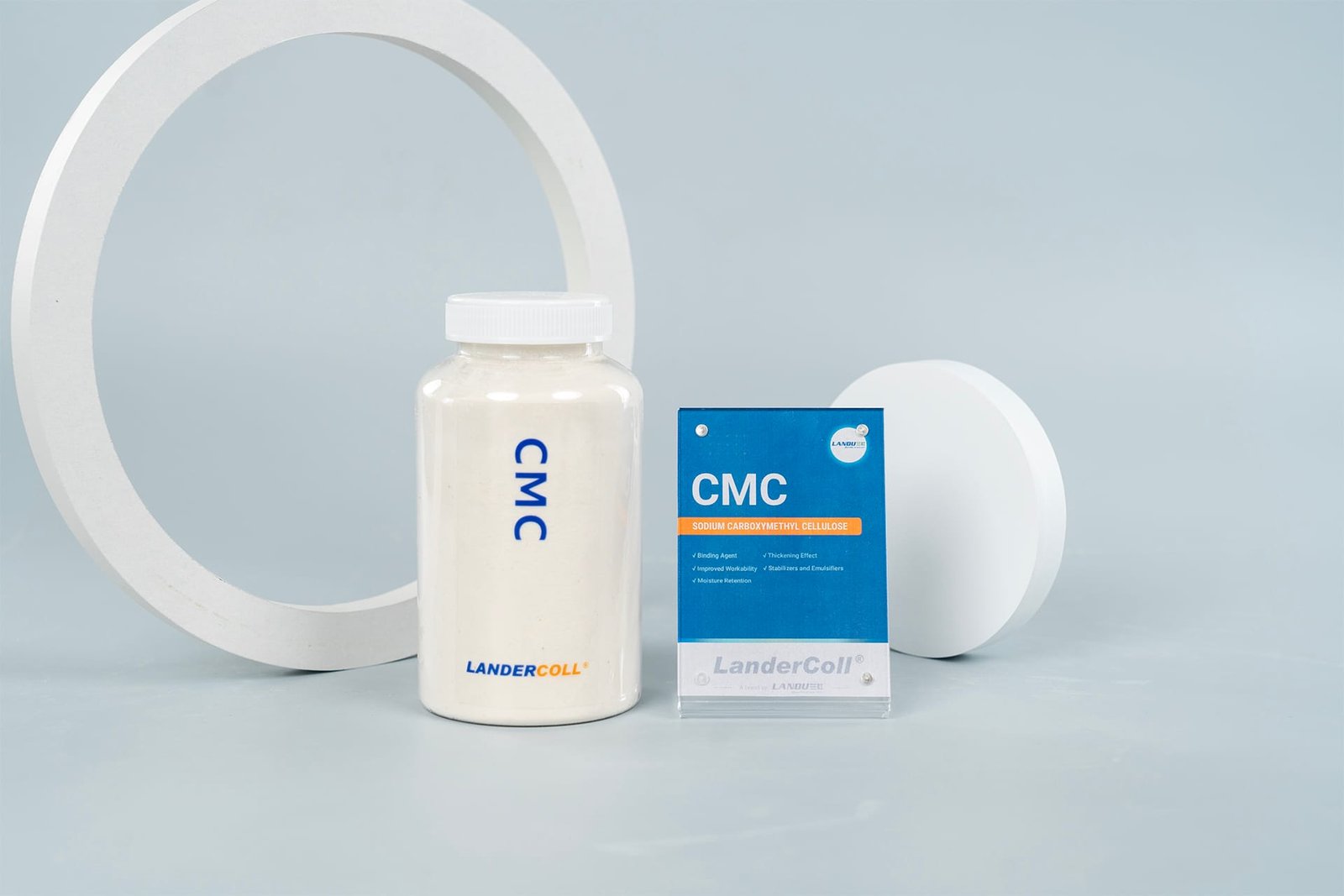
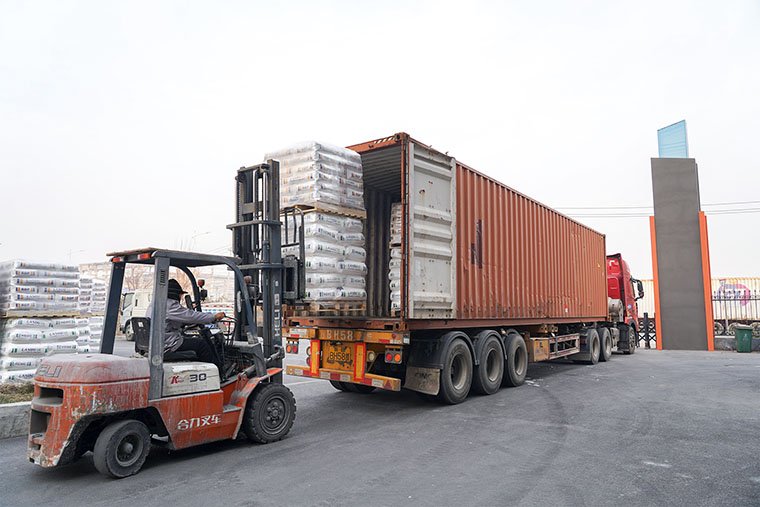
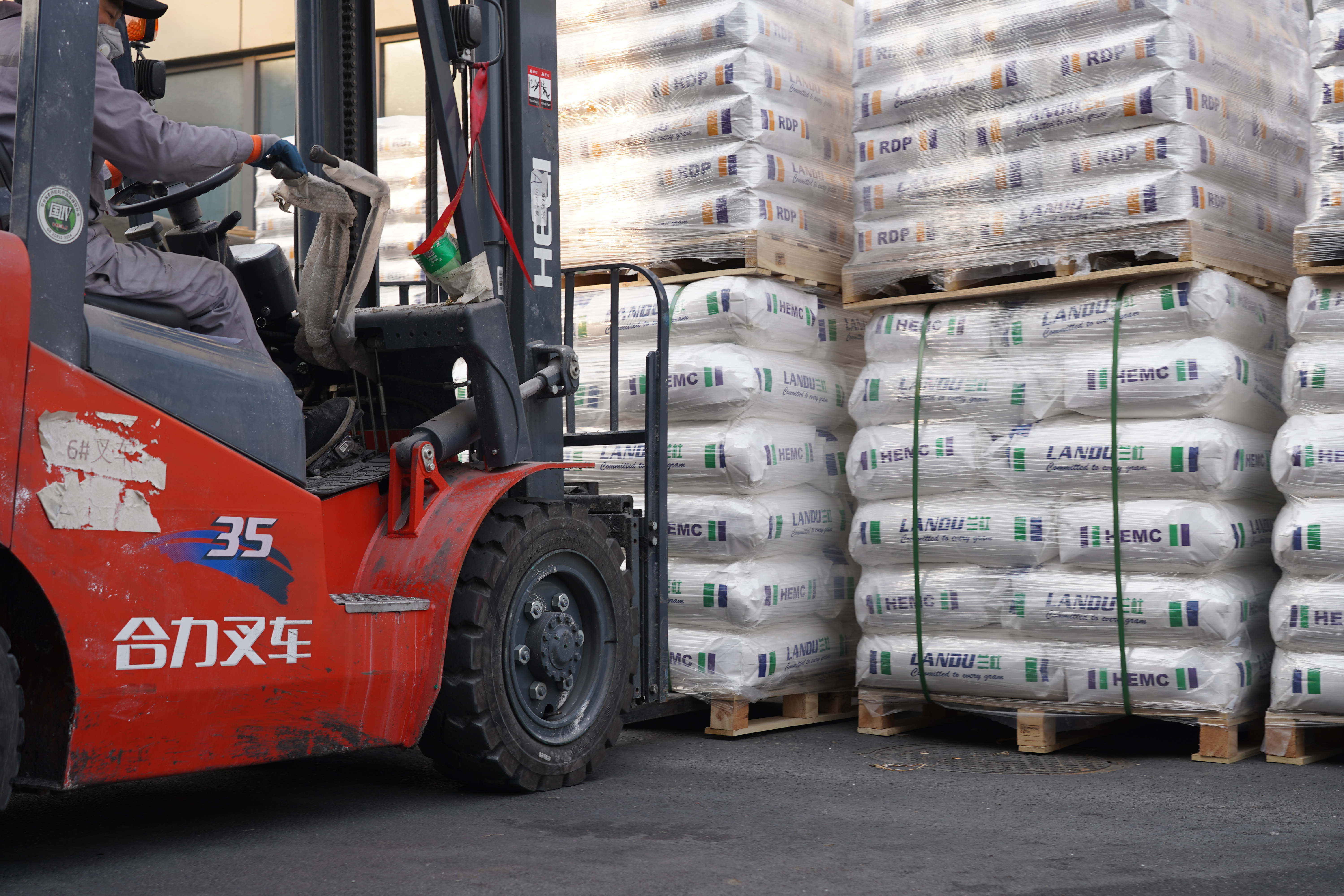
Ask for Technical RecommendationLANDERCOLL cellulose ether for paper and pulp applications is supplied in industrial packaging suitable for paper coating, surface sizing, wet-end chemistry, and specialty paper formulation use.
 Hygroscopic · Seal When Not in Use
LANDERCOLL can provide product-related documents to support paper and pulp formulation testing, purchasing review, quality evaluation, and internal approval.
Product specifications, viscosity, and performance data for grade evaluation.
Safety, handling, and regulatory information for site compliance.
Batch-specific quality confirmation for incoming inspection.
Detailed grade parameters and acceptance criteria.
Overview of product range and paper & pulp applications.
Formulation and processing reference for paper coating and sizing.
Selection support tailored to your paper or pulp process.
Handling, shelf life, and storage condition reference.
Customs and import compliance documentation where applicable.
If your coating color is too thin, too thick, showing poor flow, uneven coating weight, pigment settling, viscosity drift, poor surface strength, or inconsistent runnability, the cellulose ether grade may need to be reviewed.
LANDERCOLL can help evaluate suitable CMC, HEC, HPMC, or selected cellulose ether options based on your paper grade, process stage, coating method, pigment system, binder system, viscosity target, and machine conditions.
CMC selection for wet-end retention and surface sizing
HEC selection for coating rheology and viscosity control
HPMC selection for specialty paper and coating applications
Coating color rheology and flow behavior discussion
Surface sizing performance evaluation
Pigment suspension and storage stability support
Compatibility testing direction
Dosage reference
Sample and quotation communication
CMC, HEC, and HPMC may be used in selected paper and pulp applications. CMC is commonly used in wet-end chemistry, surface sizing, and coating. HEC is used for smooth coating viscosity and rheology. HPMC is used in selected specialty paper and coating formulations.
CMC helps support wet-end fiber retention, surface sizing performance, surface strength improvement, ink receptivity, and coating viscosity in selected paper manufacturing applications. It can interact with cellulose fibers and support bonding behavior in wet-end systems.
HEC helps provide smooth, consistent viscosity in paper coating color, supports coating rheology adjustment, improves coating uniformity, and helps maintain storage stability. As a non-ionic cellulose ether, it offers broad compatibility with coating color components.
CMC in surface sizing can help improve surface strength, reduce dusting, and support printability. Final surface strength depends on sizing concentration, starch system, machine conditions, and paper furnish.
A common reference dosage for paper coating is around 0.1%–0.8%, depending on coating type, pigment content, viscosity target, coating method, and cellulose ether grade. Dosage for surface sizing is typically higher, around 0.5%–2.0%.
Viscosity drift in coating color may be caused by pH changes, calcium ion interaction, binder compatibility issues, microbial activity, temperature changes, or incomplete cellulose ether hydration during preparation.
CMC may support fiber and filler retention in selected wet-end systems. Final retention performance depends on furnish composition, machine conditions, pH, electrolyte content, and the complete retention aid system.
Start with paper grade, process stage, coating method, pigment and binder system, target viscosity, surface performance requirements, machine conditions, and storage stability target. LANDERCOLL can recommend suitable CMC, HEC, or HPMC grades for testing.
Whether you produce printing paper, packaging paper, board, specialty paper, tissue, or industrial paper grades, and whether you need support for wet-end chemistry, surface sizing, or paper coating, LANDERCOLL can help you choose the right cellulose ether grade for better viscosity control, coating rheology, water retention, surface sizing performance, pigment suspension, and formulation consistency.
Our team can review your process requirements, recommend suitable CMC, HEC, or HPMC grades, provide dosage references, and support your testing process from sample to production scale.
CMC for Wet-End & Sizing · HEC for Coating Rheology · HPMC for Specialty Paper · Wet-End · Surface Sizing · Paper Coating · Board · Tissue · Packaging · Industrial Paper · Viscosity Control · Retention · Coating Uniformity.
LANDERCOLL — Cellulose Ether for Industrial Applications. For technical inquiries, product samples, or formulation support, contact our team directly. All performance data, dosage references, and formulation guidance provided on this page are for reference only. Final suitability must be confirmed through testing under your specific paper or pulp process and production conditions.
