
TDS
Tekniskt datablad
Produktspecifikationer och prestandadata för formulärsgranskning.
LANDERCOLL HEC-cellulosaeter hjälper tillverkare av toalettrengöringsmedel att uppnå pålitlig viskositetskontroll, ytvidhäftning på keramiska ytor, slät geltextur och långsiktig formuleringstabilitet i sura, gel-, desinficerande, blekmedelsbaserade och premium toalettrengöringsformat.
Från sura toalettrengöringsmedel till premiumgelformat och desinficeringssystem — rätt HEC-kvalitet levererar förutsägbar reologi, effektiv ytvidhäftning och kontrollerad dosering för utländska tillverkare och kemikalieköpare.

Surt · Gel · Desinficerande · Blekmedelsbaserat · Förtjockat · Premium · Ekonomi
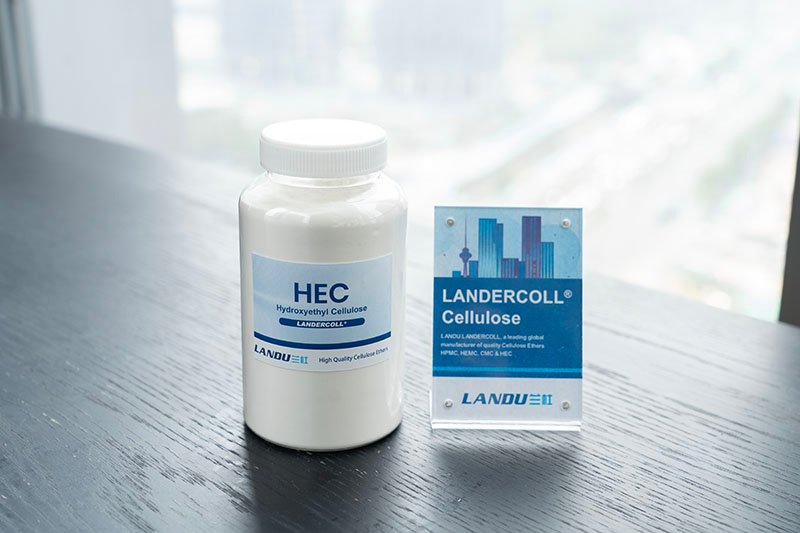 Snabbt svar
Snabbt svarHydroxietylcellulosa (HEC) är den primära cellulosaetern som används i toalettrengöringsformuleringar. Den ger förtjockning, viskositetskontroll, ytvidhäftning, jämn geltextur, kontrollerat flödesbeteende och lagringsstabilitet i vattenbaserade toalettrengöringssystem. CMC och HPMC kan övervägas i utvalda specialanpassade eller skräddarsydda toalettrengöringssystem efter kompatibilitetstestning.
Nyckelprestanda, kompatibilitet och leveransreferens för utländska tillverkare av toalettrengöringsmedel och kemikalieköpare.
Letar du efter en rekommendation för cellulosaeter till din toalettrengöringsformulering?
Be om en rekommendation för toalettrengöring Begär en offert


Toalettrengöring är en hushålls- och institutionell rengöringsprodukt som används för att avlägsna kalkavlagringar, mineralavlagringar, fläckar, luktorsakande rester och biologisk smuts från toalettstolar, keramiska ytor och badrumsarmaturer. Det är en av de mest producerade och köpta hushållsrengöringsprodukterna globalt, tillgänglig i sura, alkaliska, desinficerande, blekmedelsbaserade, gel- och förtjockade vätskeformat.
Viskositet och reologi är centrala för toalettrengöringens prestanda. En produkt som är för tunn rinner av ytan innan den kan verka. En produkt som är för tjock eller trådig är svår att pressa ut, dosera eller skölja bort. Cellulosaeter — primärt HEC (hydroxietylcellulosa) — tillhandahåller ett pålitligt förtjocknings- och reologisystem för viskositetskontroll, ytvidhäftning, gelkropp och formuleringens stabilitet.
Utan effektiv förtjockning står toalettrengöringar inför kritiska utmaningar: produkten rinner av vertikala och böjda ytor för snabbt, minskad kontakttid begränsar rengöringseffektiviteten, produkten ser vattnig ut och av låg kvalitet, pigment eller aktiva partiklar kan sedimentera, och batch-till-batch-viskositeten blir inkonsekvent under produktionen.
LANDERCOLL tillhandahåller HEC och utvalda cellulosaetergrader för tillverkare av toalettrengöring som behöver pålitlig viskositetskontroll, ytvidhäftning, gelkropp och formuleringens stabilitet i olika rengöringssystem och produktionsmiljöer.
HEC löser sig i vattenfasen och bygger upp ett strukturerat viskositetsnätverk som gör att toalettrengöringen kan rinna från flaskan, fästa på keramiska ytor, bibehålla en stabil kropp under lagring och leverera en konsekvent textur över produktionsbatcher.
LANDERCOLL rekommenderar HEC som den primära cellulosaetern för toalettrengöringsapplikationer, med CMC och HPMC tillgängliga för utvalda specialsystem.
Primär · Icke-jonisk · HEC
Hydroxietylcellulosa för förtjockning, ytvidhäftning, gelkropp och formuleringstabilitet i toalettrengöringssystem.
HEC är en icke-jonisk, vattenlöslig cellulosaeter och den mest använda cellulosaetern i formuleringar för toalettrengöring och badrumsrengöring. I toalettrengöring bygger HEC upp viskositet i vattenfasen, förbättrar ytvidhäftning på keramiska ytor, skapar en jämn och kontrollerad geltextur samt stödjer en stabil produktkropp under lagring och användning.
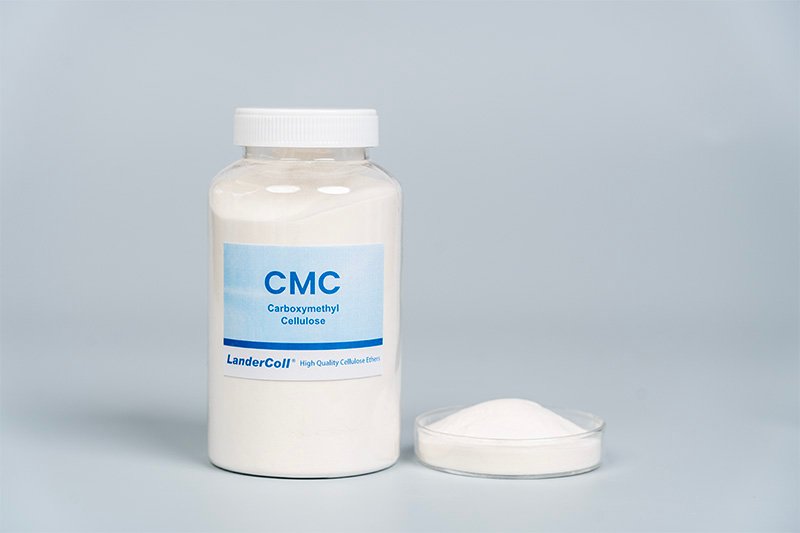 Anjonisk · CMC · Utvalda system
Carboxymethyl Cellulose for selected thickening, suspension, and formulation consistency needs.
CMC may be considered in selected toilet cleaner or household cleaning formulations where viscosity contribution, suspension support, or cost-performance balance is a priority. Viktigt: CMC is an anionic polymer; compatibility with acids, salts, oxidizing agents, and other active ingredients must be confirmed through testing before use.
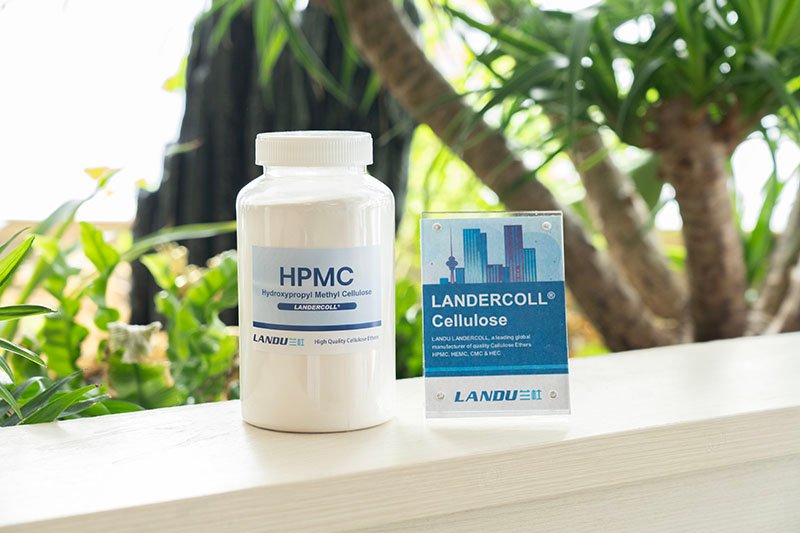 Special · HPMC · Gelsystem
Hydroxypropyl Methylcellulose for specialty thickening, rheology control, and customized gel texture.
HPMC may be considered in specialty toilet cleaner or bathroom gel cleaner systems where specific rheology behavior, water-soluble polymer properties, or customized gel texture is required. Final performance must be confirmed through testing, as toilet cleaner systems may contain acids, salts, oxidizing agents, solvents, fragrance, and surfactants that affect HPMC performance.
Understanding the formulation structure of toilet cleaner helps explain why cellulose ether selection matters and why compatibility testing is always required.
| Komponent | Function in Toilet Cleaner |
|---|---|
| Vatten | Huvudlösningsmedel och bärarfas |
| Acids / Alkaline Agents | Remove limescale, mineral deposits, and stains |
| Surfactants | Improve wetting, cleaning, and soil removal |
| Cellulosaeter (HEC / CMC / HPMC) | Improve viscosity, cling, texture, and stability |
| Solvents / Hydrotropes | Support solubility and cleaning performance |
| Doft | Tillhandahåll produktdoft |
| Konserveringsmedel | Protect water-based formulas where applicable |
| Färgämnen | Improve product appearance and consumer appeal |
| Disinfecting Ingredients | Used in selected disinfecting toilet cleaner systems |
| Andra tillsatser | Adjust foam, clarity, stability, or special performance |
| Toilet Cleaner Type | Rekommenderad produkt | Huvudkrav |
|---|---|---|
| Sur toalettrengöring | HEC / selected cellulose ether | Acid compatibility, viscosity build, surface cling |
| Toalettskålsgelrengöring | HEC / selected HPMC | Gel body, controlled flow, surface contact time |
| Förtjockad toalettrengöring | HEC | Viscosity control, smooth texture, bottle dispensing |
| Desinficerande toalettrengöring | HEC / selected cellulose ether | Stability, viscosity, active ingredient compatibility |
| Toalettrengöring med blekmedel | Selected cellulose ether — testing required | Oxidizer compatibility, stability, viscosity |
| Badrumsrengöring för keramik | HEC | Spreadability, controlled flow, smooth application |
| Ekonomisk toalettrengöring | HEC / selected CMC | Cost-performance viscosity and consistency |
| Premium toalettrengöring | HEC | Smooth gel texture, stable body, enhanced user experience |
These ranges are starting references only. Final dosage must be confirmed through viscosity testing, pH stability testing, compatibility testing, storage stability evaluation, surface cling assessment, dispensing behavior testing, and consumer-use trials.
| Toilet Cleaner Application | Typisk referensdos |
|---|---|
| Sur toalettrengöring | 0.2% – 0.8% |
| Toalettskålsgelrengöring | 0.4% – 1.2% |
| Förtjockad toalettrengöring | 0.2% – 0.9% |
| Desinficerande toalettrengöring | 0.2% – 0.8% |
| Toalettrengöring med blekmedel | Depends on compatibility testing |
| Badrumsrengöring för keramik | 0.2% – 0.7% |
| Ekonomisk toalettrengöring | 0.15% – 0.7% |
| Premium toalettrengöring | 0.3% – 1.0% |
Cellulose ether influences viscosity development, surface cling, gel texture, controlled flow, suspension stability, and long-term storage performance in water-based toilet cleaner systems.
HEC helps adjust toilet cleaner viscosity and builds a stable product body. Proper viscosity makes the product look and feel substantial in the bottle, supports controlled dispensing, and reduces the perception of a watery or low-quality product.
Toilet cleaner is applied to vertical and curved ceramic surfaces where gravity works against the product. Cellulose ether improves cling behavior and supports longer surface contact time, allowing cleaning agents to act more effectively before the product runs off.
A smooth, uniform gel texture improves consumer acceptance and makes the product easier to apply accurately. Cellulose ether helps create a controlled flow profile that feels smooth under application without being stringy or difficult to rinse.
Toilet cleaner must flow from the bottle under gentle squeeze pressure without running too fast or becoming difficult to dose. The right cellulose ether grade and dosage help balance thickness and movement for reliable dispensing behavior.
Some toilet cleaners contain particles, opacifiers, color systems, or active ingredients that require stable distribution throughout the product. Cellulose ether can support suspension stability when properly matched with the full formulation system.
A suitable cellulose ether grade helps maintain viscosity and appearance during storage. This reduces separation, viscosity loss, and inconsistent performance after the product has been stored across different temperatures and conditions.
When toilet cleaner fails viscosity, cling, or stability targets, cellulose ether grade, dosage, hydration, or compatibility is often the first variable to review.
Low viscosity or weak thickening system.
HEC builds viscosity and improves surface cling.
Excessive dosage or poor rheology balance.
Adjust grade selection and dosage level.
Low product body or unsuitable viscosity profile.
Improve gel body and controlled flow behavior.
pH, acid, surfactant, salt, or oxidizer interaction.
Test compatible grade with full formulation.
Weak suspension or formulation imbalance.
Support suspension stability through grade selection.
Poor dispersion or hydration method.
Improve addition sequence and mixing process.
Viscosity too high or stringy flow behavior.
Optimize viscosity grade and dosage.
Ingredient incompatibility or poor storage stability.
Review full formulation compatibility.
Toilet cleaner formulations are chemically complex. Multiple factors influence how cellulose ether performs in the final product.
Acidic, alkaline, neutral, disinfecting, and bleach-based toilet cleaners have different compatibility requirements. Cellulose ether grade selection must match the final pH range and active ingredient system.
Surfactants affect cleaning performance, foam behavior, viscosity response, and compatibility with cellulose ether. Surfactant type and concentration should be evaluated during formulation testing.
Acid type and concentration may influence viscosity stability, polymer hydration rate, and long-term product performance. High acid concentrations require careful grade selection and testing.
Bleach-based or oxidizing systems require special compatibility testing. Oxidizing agents may degrade cellulose ether polymers and reduce viscosity stability over time.
Salts and other electrolytes can influence viscosity development, product clarity, and long-term stability. High electrolyte systems may require specific HEC grades with appropriate substitution levels.
Fragrance oils and colorants may affect appearance, viscosity, compatibility, and long-term storage stability. Compatibility should be confirmed during formulation development.
Addition sequence, dispersion quality, hydration time, mixing speed, and water temperature all affect cellulose ether hydration and final viscosity development. Poor dispersion leads to lumps, fish eyes, and inconsistent viscosity.
High or low storage temperatures may affect viscosity, appearance, and product stability. Stability testing across the expected storage temperature range is recommended.
Choosing the right cellulose ether requires balancing viscosity target, surface cling requirement, gel texture, pH compatibility, storage stability, and dispensing behavior.
 Betygsvalsguide
LANDERCOLL can review your toilet cleaner formulation direction and recommend suitable HEC or selected cellulose ether grades for testing based on your specific system requirements.
Is the toilet cleaner acidic, alkaline, neutral, disinfecting, or bleach-based?
What is the target pH range of the final formulation?
What viscosity and surface cling performance are required?
Is the product clear, opaque, colored, or gel-like?
What surfactant system and loading level are used?
Are disinfecting or oxidizing ingredients included?
What fragrance and preservative system is used?
What bottle format and dispensing method are used?
What temperature range and shelf life are expected?
What mixing equipment and hydration method are available?
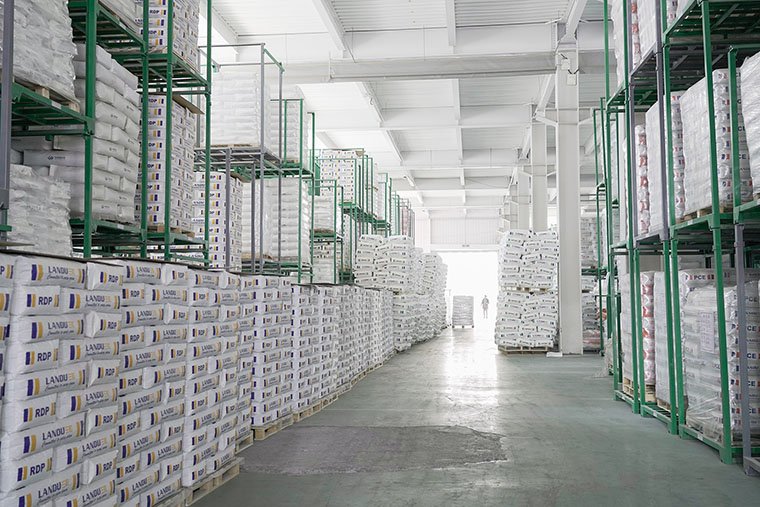
LANDERCOLL provides product-related documentation to support toilet cleaner formulation testing, purchasing review, quality approval, and import compliance.
 Formulerings- och prestandautvärdering
Supporting toilet cleaner development with complete technical documentation.
— LANDERCOLL FoU —Produktspecifikationer och prestandadata för formulärsgranskning.
Säkerhets-, hanterings- och regulatorisk information (SDS / MSDS).
Satskvalitetsbekräftelse medföljer per leverans.
Översikt över cellulosaeuters sortiment och användningsområden.
Formuleringsvägledning och användningsrekommendationer.
Grade recommendation for specific toilet cleaner applications.
Hantering, hållbarhet och referens för förvaringsförhållanden.
Tillgängligt där det är tillämpligt för internationella beställningar och importefterlevnad.
Alla dokument tillhandahålls på begäran för att stödja formuleringgranskning, kvalitetsgodkännande och importefterlevnad.
Begär produktdokumentHEC grade selection for viscosity control and surface cling
Gel texture and controlled flow adjustment
Storage stability discussion and testing direction
Compatibility review for acid, alkaline, and disinfecting systems
Dosage reference for different toilet cleaner types
Sample provision and quotation communication
Technical documentation support (TDS, SDS, COA)
If your toilet cleaner formulation has low viscosity, poor surface cling, storage separation, lump formation, difficult dispensing, or unstable appearance, the cellulose ether grade or dosage may need to be reviewed.
LANDERCOLL can help evaluate suitable HEC and selected cellulose ether options based on your pH system, surfactants, active ingredients, viscosity target, surface cling requirement, packaging format, and production process.
HEC (Hydroxyethyl Cellulose) is the most commonly used cellulose ether in toilet cleaner formulations. It provides viscosity control, thickening, surface cling, smooth gel texture, and formulation stability. CMC and HPMC may be considered in selected customized systems after compatibility testing.
HEC dissolves in the water phase and builds viscosity, product body, and a structured rheology network. In toilet cleaner, this improves surface cling on ceramic surfaces, creates smooth gel texture, supports controlled flow from the bottle, and helps maintain stable consistency during storage.
Cellulose ether primarily supports viscosity, cling, texture, and stability — not cleaning chemistry. Cleaning performance depends on acids, surfactants, disinfecting ingredients, solvents, water quality, and application conditions. However, improved cling from cellulose ether can support longer surface contact time, which may indirectly support cleaning effectiveness.
A common reference dosage range is approximately 0.15%–1.2% by formulation weight, depending on cleaner type, target viscosity, pH, active ingredient system, and cellulose ether grade. Final dosage must always be confirmed through formulation testing and stability evaluation.
Selected HEC grades may be used in acidic toilet cleaners. However, acid type, acid concentration, pH level, surfactant system, and storage stability must all be tested before finalizing the formulation. Not all HEC grades perform equally in acidic conditions.
Bleach-based and oxidizing systems require special compatibility testing. Oxidizing agents can degrade cellulose ether polymers over time, leading to viscosity loss and product instability. Any use in bleach-based systems must be confirmed through accelerated stability testing.
Viscosity loss during storage may be caused by pH changes, acid concentration effects, oxidizing ingredient degradation, surfactant incompatibility, high electrolyte levels, temperature fluctuations, poor initial hydration, or an unsuitable cellulose ether grade for the system. A full formulation compatibility review is recommended.
Start by defining your pH system, cleaner type, active ingredients, surfactant system, viscosity target, surface cling requirement, packaging format, storage conditions, and production process. LANDERCOLL can review your formulation direction and recommend suitable HEC or selected cellulose ether grades for evaluation and testing.
Whether you produce acidic toilet cleaner, toilet bowl gel cleaner, thickened toilet cleaner, disinfecting toilet cleaner, bathroom ceramic cleaner, economy toilet cleaner, or premium toilet cleaner — LANDERCOLL can help you choose the right cellulose ether grade for better viscosity control, surface cling, gel texture, controlled flow, and formulation stability.
Our team can provide grade recommendations, dosage references, technical data sheets, samples, and quotations to support your formulation development and purchasing process.
LANDERCOLL-cellulosaeterprodukter är tillverkade för industriellt och kommersiellt bruk. Alla formuleringsdata, doseringsreferenser och applikationsvägledning som tillhandahålls är endast för allmän referens. Slutlig produktprestanda måste bekräftas genom testning under dina specifika formulerings-, process- och lagringsförhållanden.