Cellulosa Ether Excellence — Pålitlig av 1000+ företag globalt Få gratis prov
Livsmedelsgodkända CMC- och HPMC-lösningar för viskositetsjustering, fyllighetsökning, förbättrad munkänsla, geltexturstöd och strukturell konsistens i ett brett spektrum av livsmedelsformuleringar.
LANDERCOLL livsmedelsklassad cellulosaeter hjälper livsmedelstillverkare att uppnå exakt texturkontroll – förbättrar produktens kropp, slät konsistens, krämighet, bredbarhet, fasthet och ätkvalitet i såser, dressingar, mejeriprodukter, bagerisystem, drycker, fyllningar och speciallivsmedelsformuleringar.
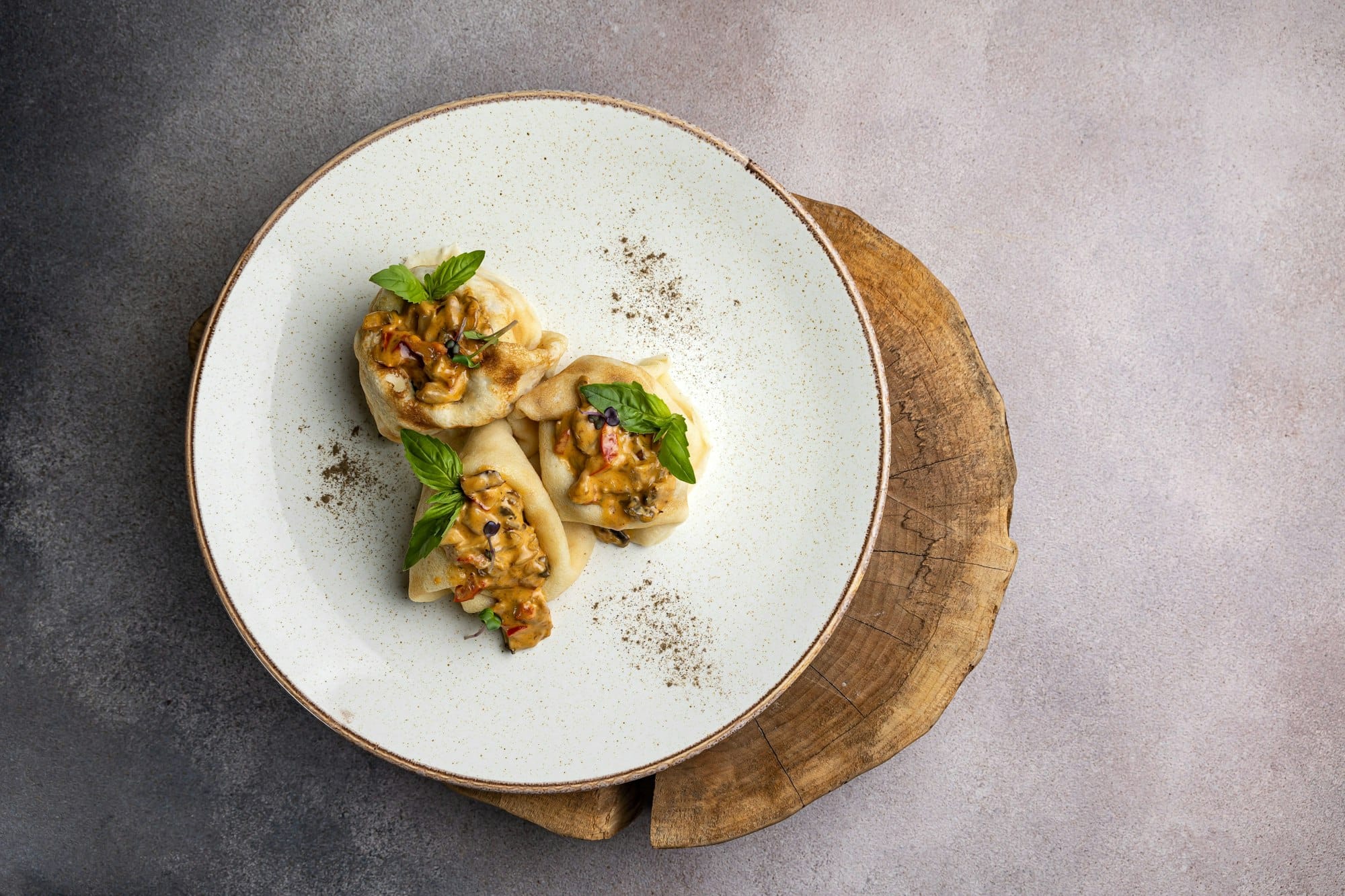 Såser
Såser Mejeri
 Bageri
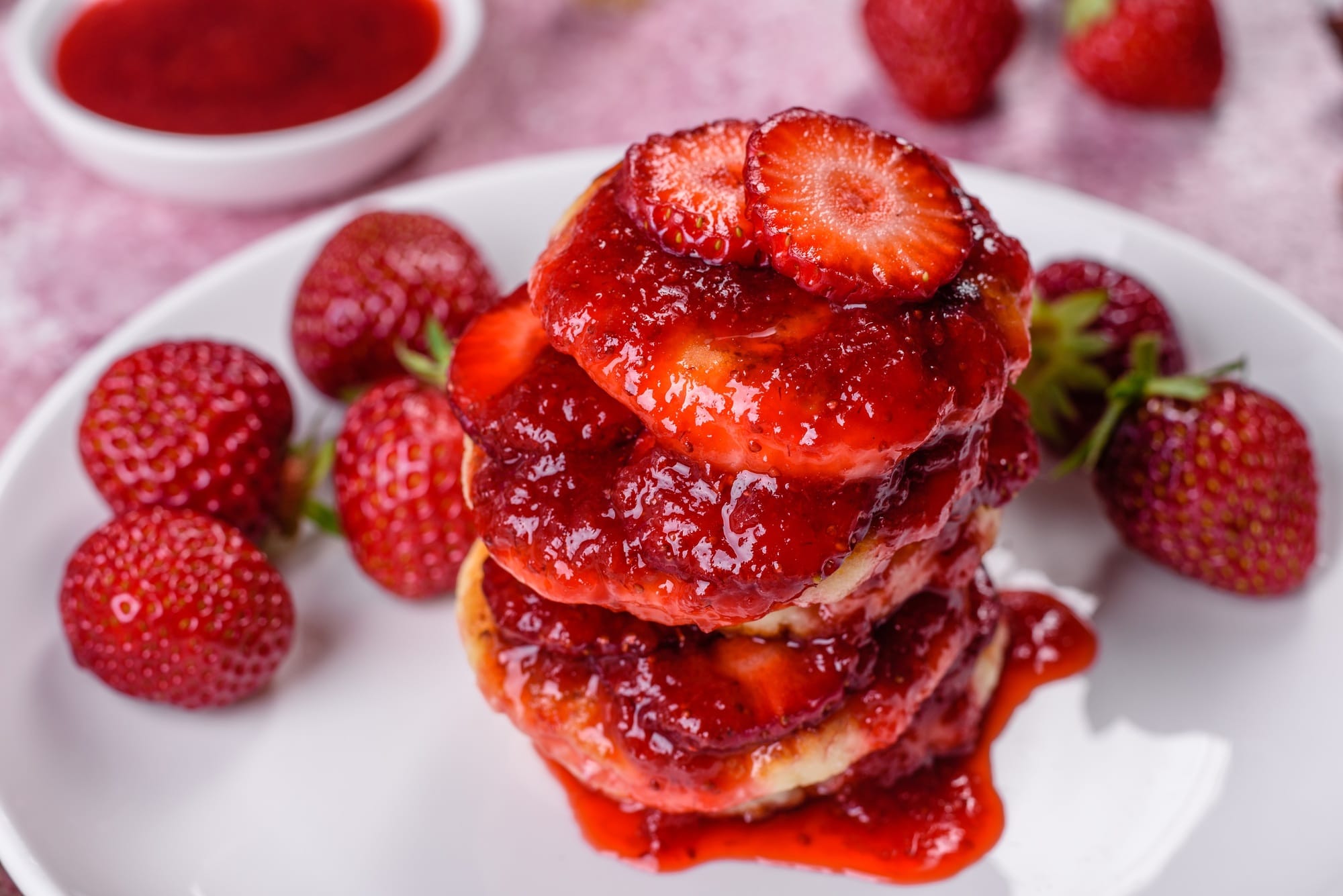 Drycker
Livsmedelsklassad cellulosaeter för viskositetsuppbyggnad, kroppsförbättring, munkänsleförbättring, geltexturstöd, vattenbindning och strukturell konsistens i såser, mejeriprodukter, bageri, drycker, frysta livsmedel, fyllningar och specialformuleringar.
Livsmedelsgodkänd CMC används brett för viskositetsuppbyggnad, förbättring av kropp och konsistens, förstärkning av munkänsla, vattenbindning och suspensionsstöd i såser, mejeriprodukter, drycker, frysta livsmedel och fyllningar. HPMC är särskilt värdefull i glutenfria bagerier, system med reducerad fetthalt, fryst deg och specialapplikationer där termisk gelning och vattenretention krävs. Typiska startdoser varierar från 0.05%–2.0%, beroende på livsmedelskategori och önskad texturattribut.

 Viskozitet · Kropp · Munkänsla
Textur är en av de viktigaste sensoriska egenskaperna hos livsmedel. Den påverkar konsumentens uppfattning om kvalitet, färskhet, njutning och värde – och är ofta den avgörande faktorn för återkommande köpbeteende. Att uppnå rätt textur konsekvent över produktionsbatcher, lagringsförhållanden och distributionsmiljöer kräver funktionella ingredienser som på ett tillförlitligt sätt kan modifiera de strukturella och reologiska egenskaperna hos livsmedelssystemet.
LANDERCOLL tillhandahåller lämplig livsmedelsklass CMC och HPMC för texturkontrollapplikationer inom ett brett spektrum av livsmedelskategorier. CMC används i stor utsträckning för viskositetsuppbyggnad, förbättring av kropp, suspensionsstöd och vattenbindning. HPMC är särskilt värdefullt där termiskt gelébildande beteende, vattenhållning och texturstöd för fettreducering krävs.
En lämplig cellulosaetergrad kan hjälpa livsmedelstillverkare att uppnå önskad texturprofil – oavsett om målet är en slät hällbar sås, en fast bredbar fyllning, en krämig mejeriprodukt, ett mjukt bagerismul eller en stabil näringsrik dryck – med konsekvent prestanda från batch till batch och under hela produktens hållbarhetstid.
Letar du efter livsmedelsgodkänd cellulosaeter för din texturkontrollutmaning?
Be om en produktrekommendationTextur omfattar ett brett spektrum av sensoriska och fysiska egenskaper som cellulosaeter kan hjälpa till att kontrollera i såser, mejeriprodukter, bageriprodukter, drycker, fyllningar och specialiserade livsmedelssystem.
| Texturattribut | Beskrivning | Relevanta livsmedelskategorier |
|---|---|---|
| Viskositet | Motstånd mot flöde; tjocklek eller tunnhet | Såser, drycker, dressingar, mejeriprodukter |
| Kropp | Fyllighet och substans i munnen | Drycker, mejeriprodukter, soppor, såser |
| Munkänsla | Slät, krämig eller sträv i gommen | Mejeri, drycker, dressingar, fyllningar |
| Fasthet | Motstånd mot deformation eller skärning | Geler, ost, fyllningar, bageri |
| Spridbarhet | Lätt att breda ut på en yta | Pålägg, fyllningar, toppingar |
| Elasticitet | Förmåga att återhämta sig efter deformation | Deg, geler, bageri |
| Kohesion | Inre bindningsstyrka i livsmedelsstrukturen | Tabletter, bageriprodukter, köttprodukter |
| Krämighet | Rik, len, fetliknande upplevelse | Mejeri, dressingar, desserter |
| Knaprighet / Mjukhet | Mekaniskt svar vid bitning eller tuggning | Bageriprodukter, snacks, beläggningar |
Många moderna utmaningar inom livsmedelsformulering är i grunden texturproblem — fettreduktion, sockerreduktion, proteinvariation, renmärkesomformulering och glutenfri utveckling. Livsmedelsgodkänd cellulosaeter ger en pålitlig, mångsidig lösning för att bygga viskositet, förbättra munkänsla, stödja struktur och bibehålla konsistens över batcher och lagring.
LANDERCOLL provides food-grade CMC and HPMC for texture control across food categories. All grade selections should be confirmed through formulation trials, texture analysis, sensory evaluation, and customer food safety qualification.
Food-grade carboxymethyl cellulose for viscosity & mouthfeel
CMC is the most widely used cellulose ether for food texture control. It provides reliable viscosity building, smooth texture contribution, water-binding capacity, and suspension support across sauces, dressings, dairy beverages, frozen fillings, and nutritional drinks — effective at low dosage levels with a clean texture contribution.

Food-grade hydroxypropyl methyl cellulose for thermal gel & water retention
HPMC provides a unique combination of texture control properties — including thermal gelation behavior, water retention, and non-ionic character — especially valuable in gluten-free bakery, reduced-fat food systems, frozen dough, and specialty formulations where CMC alone may not deliver the required texture profile.
Practical reference for cellulose ether texture control functions across key food categories. Final selection and dosage should be confirmed through formulation testing.
Thin body, poor cling → viscosity, body, suspension
Syneresis, thin texture → viscosity, creaminess, water binding
Dry crumb, poor softness → water retention, structure
Weak structure, poor crumb → structure, gas retention
Thin mouthfeel, sedimentation → viscosity, body, suspension
Texture degradation, drip loss → freeze-thaw stability
Poor body, separation → viscosity, spreadability
Loss of creaminess → mouthfeel, fat replacement support
Weak gel, syneresis → gel texture, firmness
Drip loss, poor binding → water binding, cohesion
Cellulose ether dosage for texture control depends on the food system, target texture attribute, viscosity grade, fat level, protein content, and processing conditions.
These dosage ranges are starting references only. Final dosage should be confirmed through formulation trials, viscosity testing, texture analysis, sensory evaluation, and shelf-life testing appropriate to the specific food product and process.
CMC and HPMC increase water-phase viscosity, creating body, thickness, and substance that improve the eating and drinking experience. Viscosity grade selection is the primary lever for controlling the degree of thickening at a given concentration.
Cellulose ether improves mouthfeel by providing a smooth, coating sensation on the palate — perceived as creaminess, richness, or fullness. Especially important in reduced-fat and reduced-sugar food systems.
HPMC forms a thermal gel upon heating — exploited in gluten-free bakery for gas retention and crumb structure. CMC contributes to gel-like body in high-concentration fillings, toppings, and dessert gels.
Cellulose ether binds water within the food matrix, reducing moisture migration and maintaining texture consistency during storage — critical for bakery softness, frozen drip loss reduction, and sauce stability.
When fat is reduced, CMC and HPMC help restore creaminess, body, and mouthfeel — improving consumer acceptability of reduced-fat sauces, dressings, dairy products, and bakery items.
In bakery — particularly gluten-free systems — HPMC improves dough viscosity, supports gas retention during proofing and baking, and contributes to crumb structure and softness in the finished product.
In liquid systems containing suspended particles, cellulose ether maintains uniform distribution by increasing continuous-phase viscosity — preventing sedimentation and floating throughout shelf life.
In frozen foods, cellulose ether binds water, limits ice crystal growth, and supports structural integrity — reducing drip loss and the watery or tough texture from poor freeze-thaw stability.
Cellulose ether can help address many food texture challenges, but final product texture depends on the complete formulation, fat level, protein content, starch system, processing method, packaging, storage conditions, and sensory evaluation.
Low solids, insufficient thickener, fat reduction.
CMC or HPMC builds viscosity and body.
Fat reduction, low protein, weak texture system.
CMC / HPMC improves smoothness and creaminess.
Weak water binding, poor gel network.
CMC improves water binding and reduces separation.
Moisture loss, weak structure, low water retention.
HPMC improves water retention and softness.
Absence of gluten network, poor gas retention.
HPMC supports structure and crumb in GF bakery.
Low viscosity, poor suspension system.
CMC supports suspension and body.
Ice crystal damage, poor water binding.
CMC / HPMC supports freeze-thaw stability.
Incorrect viscosity, weak body, separation.
CMC / HPMC adjusts spreadability and consistency.
Raw material inconsistency, process variation.
Cellulose ether supports consistent texture behavior.
Excessive dosage or unsuitable grade.
Optimize grade and dosage through trials.
Understanding the key variables that influence cellulose ether behavior is essential for achieving consistent texture control across food applications.
CMC and HPMC have different viscosity profiles, ionic character, and thermal behavior.
Higher viscosity grades provide more thickening at equivalent concentration.
Directly controls the degree of viscosity building and texture modification.
Affects CMC hydration, viscosity, and stability — particularly in acidified food systems.
Salts, minerals, and electrolytes can reduce CMC viscosity — HPMC is less affected.
Fat reduction increases reliance on hydrocolloids for texture and mouthfeel.
Proteins interact with CMC under certain pH conditions — evaluate compatibility.
HPMC forms a gel upon heating; CMC viscosity decreases with increasing temperature.
High shear can reduce viscosity — recovery behavior should be evaluated.
Interactions with other thickeners affect final texture — test in complete formulation.
Choosing the right cellulose ether for food texture control requires matching the target texture attribute, food system, processing conditions, and regulatory requirements. The following questions guide early-stage selection.
What texture attribute needs improvement — viscosity, mouthfeel, body, firmness, softness, spreadability, or creaminess?
What food product and category are involved?
Is the primary challenge fat reduction, sugar reduction, gluten-free formulation, or general texture improvement?
What is the pH, fat level, protein content, and ionic strength of the food system?
What processing steps are involved — mixing, heating, cooling, homogenization, freezing, or baking?
What storage conditions and shelf-life targets apply?
Is the product a liquid, semi-liquid, gel, dough, or solid food system?
What sensory texture profile is expected by the consumer?
Are there interactions with other thickeners, starches, or hydrocolloids in the formulation?
What food-grade documentation is required for the target market?
LANDERCOLL can help review your food texture challenge and recommend suitable food-grade CMC or HPMC grade options for evaluation.
Ask for Grade RecommendationLANDERCOLL food-grade cellulose ether for texture control applications is supplied in packaging suitable for protected transportation, storage, and food production handling.
| Parameter | Reference |
|---|---|
| Standard Pack Size | 25 kg per bag or drum (depending on grade) |
| Inner Liner | Moisture-protective inner liner |
| Palletized Packaging | Available upon request |
| Custom Packaging | Available for qualified supply cooperation |
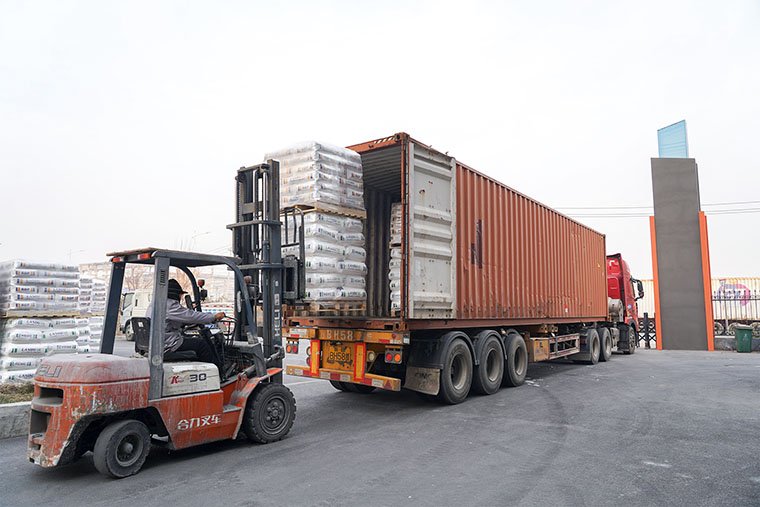 25 kg · Sealed · Food Grade
If your food product has thin texture, poor mouthfeel, water separation, dry crumb, weak structure, sedimentation, texture degradation after freezing, poor spreadability, or inconsistent batch-to-batch texture, the cellulose ether type, grade, and dosage may need to be reviewed.
LANDERCOLL can help evaluate suitable food-grade CMC and HPMC options based on your food category, target texture attribute, fat level, protein content, pH, processing method, and sensory requirements.
Food-grade CMC and HPMC grade selection for your specific texture control application
Viscosity direction recommendation based on food system and target texture
Mouthfeel and creaminess improvement for reduced-fat food systems
Gluten-free bakery texture support for structure and crumb improvement
Freeze-thaw texture stability support for frozen food applications
Fat reduction texture compensation discussion for reformulation projects
Documentation support including TDS, SDS, CoA, and food-grade compliance information
Sample and quotation communication for evaluation and commercial planning
LANDERCOLL provides comprehensive food-grade documentation to support texture control formulation testing, supplier approval, quality review, and regulatory assessment.
| Document | Availability |
|---|---|
| Tekniskt datablad (TDS) | Available |
| Säkerhetsdatablad (SDS) | Available |
| Certificate of Analysis (CoA) | Available |
| Produktspecifikation | Available |
| Food-Grade Statement | Where applicable |
| Allergen Statement | Where applicable |
| GMO Statement | Where applicable |
| Halal / Kosher Information | Where applicable |
| Heavy Metals Information | Where applicable |
| Microbiological Data | Where applicable |
| Packaging and Storage Information | Available |
| Exportrelaterade dokument | Where applicable |
Food-grade CMC and HPMC are the primary cellulose ethers used for texture control in food formulations. CMC is widely used for viscosity building, body improvement, mouthfeel enhancement, water binding, and suspension support across a broad range of food categories. HPMC is especially valuable in gluten-free bakery, reduced-fat food systems, frozen dough, and selected specialty applications where thermal gelation behavior and water retention are required.
CMC improves food texture by building viscosity in the water phase, providing body and smoothness, binding water to reduce moisture migration, supporting suspension of particles, and stabilizing the texture of the food system during processing and storage. It is effective at low dosage levels and provides a clean texture contribution across many food categories.
HPMC improves food texture through its water-retention properties, thermal gelation behavior, and non-ionic character. In bakery systems, it supports dough viscosity, gas retention, and crumb structure. In reduced-fat foods, it helps restore mouthfeel and body. In frozen systems, it supports moisture retention and texture stability through freeze-thaw cycles.
Cellulose ether cannot fully replace fat, but it can help compensate for the texture and mouthfeel loss associated with fat reduction. CMC and HPMC can improve body, creaminess perception, and structural consistency in reduced-fat sauces, dressings, dairy products, and bakery items — supporting consumer acceptability of lower-fat formulations.
Yes. HPMC is one of the most widely used texture modifiers in gluten-free bakery formulations. It helps compensate for the absence of the gluten network by improving dough viscosity, supporting gas retention during proofing and baking, and contributing to crumb structure and softness in the finished product.
Typical starting reference ranges are 0.05%–2.0%, depending on the food application, target texture attribute, cellulose ether grade, and processing conditions. Gluten-free bakery systems may require higher levels (0.5%–2.0%), while beverages and sauces typically use lower levels (0.05%–1.0%). Final dosage should always be confirmed through formulation trials and sensory evaluation.
Food-grade CMC and HPMC are generally considered flavor-neutral at typical use levels. They do not contribute significant flavor of their own, but they can influence flavor perception indirectly through their effect on viscosity, mouthfeel, and texture — which affect how flavor compounds are released and perceived during eating and drinking.
No. Food applications require suitable food-grade cellulose ether with appropriate food safety documentation, regulatory compliance information, and customer qualification. Industrial-grade materials do not meet the purity, safety, and documentation requirements for food use.
Start with the target texture attribute, food category, fat level, protein content, pH, processing conditions, storage requirements, and required food-grade documentation. LANDERCOLL can help recommend suitable CMC or HPMC grade directions for evaluation based on your specific texture control challenge.
Whether you need to improve viskositeten, body, mouthfeel, creaminess, softness, firmness, spreadability, suspension stability, eller freeze-thaw texture stability i sauces, dressings, dairy products, bakery, drycker, frozen foods, fillings, reduced-fat systems, eller gluten-free formulations — LANDERCOLL can help you choose suitable food-grade CMC or HPMC for reliable, consistent texture control.
Our food-grade cellulose ether portfolio is supported by full technical documentation, food safety compliance information, and dedicated application support — helping your food development team solve texture challenges and achieve more consistent product quality from trial to commercial production.
Food-Grade Cellulose Ethers for Texture Control, Fat Reduction, Food Stabilization, Bakery, Dairy, Sauces & Dressings, Frozen Foods, and Beverage Systems.
