Cellulosa Ether Excellence — Pålitlig av 1000+ företag globalt Få gratis prov
CAS 9004-65-3 · E464 EINECS 618-389-1

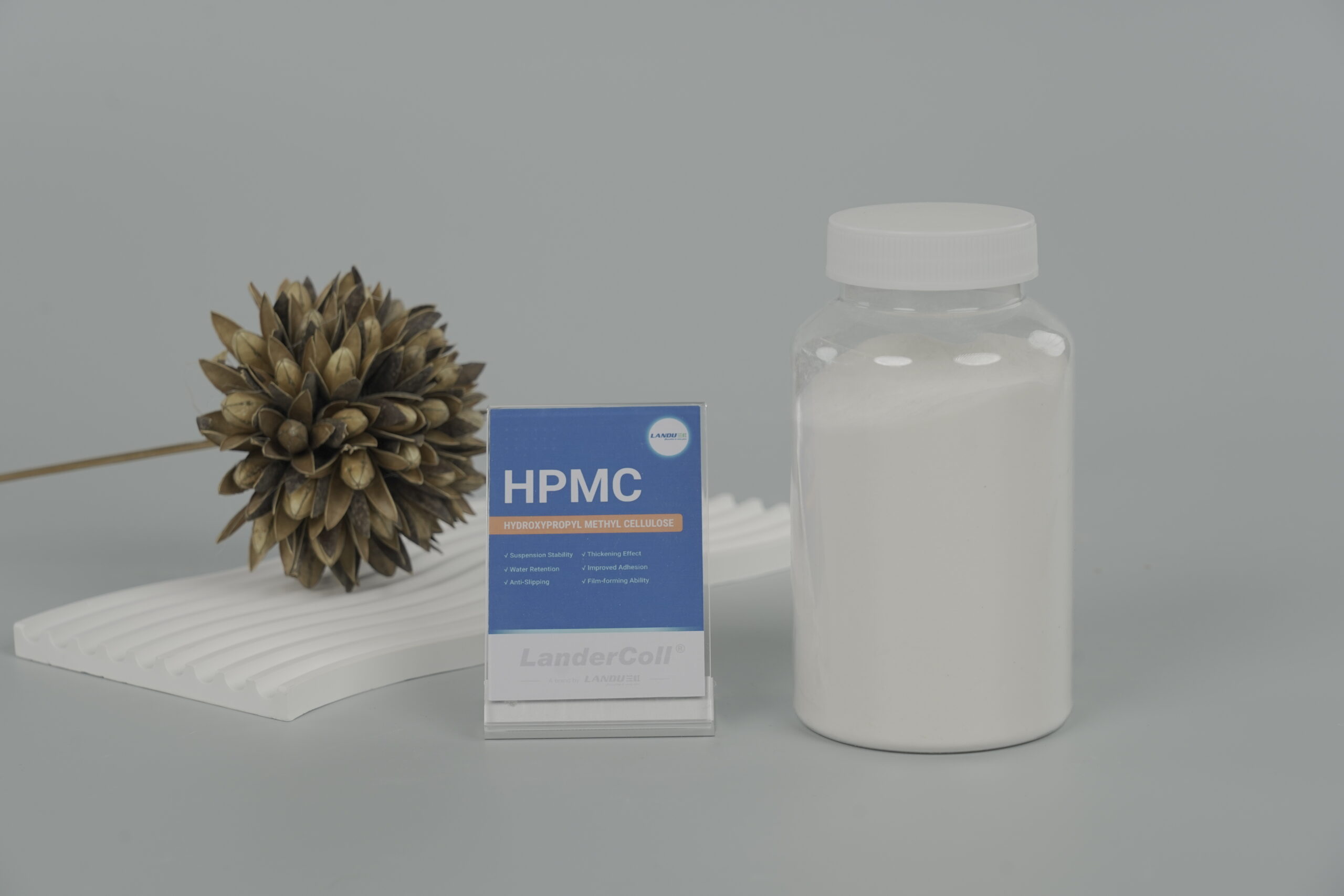
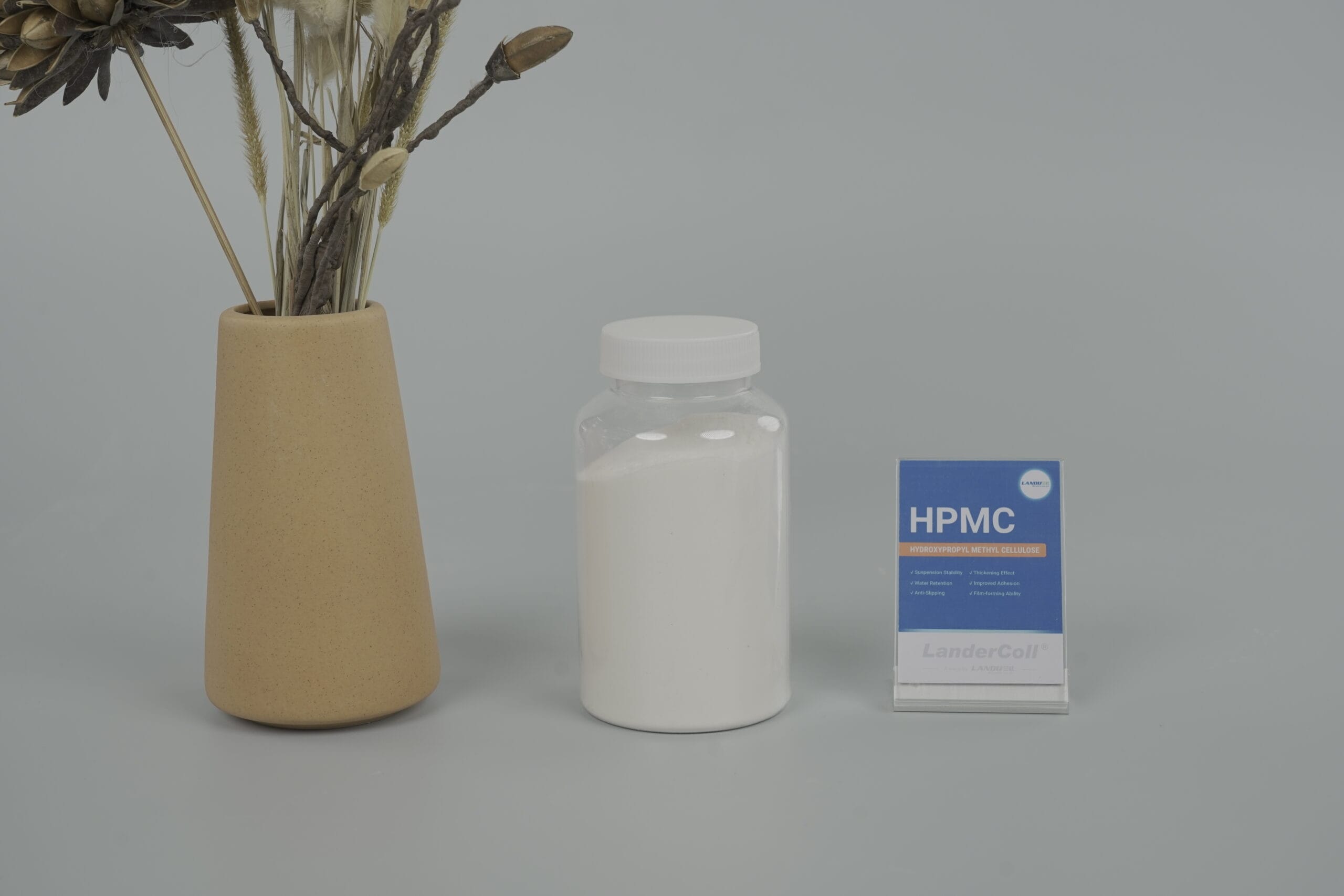
HPMC Hydroxipropylmetylcellulosa

Definition, kemi och industriell roll — en komplett referens för formulerare inom bygg, läkemedel, livsmedel, personlig vård och industriella sektorer.

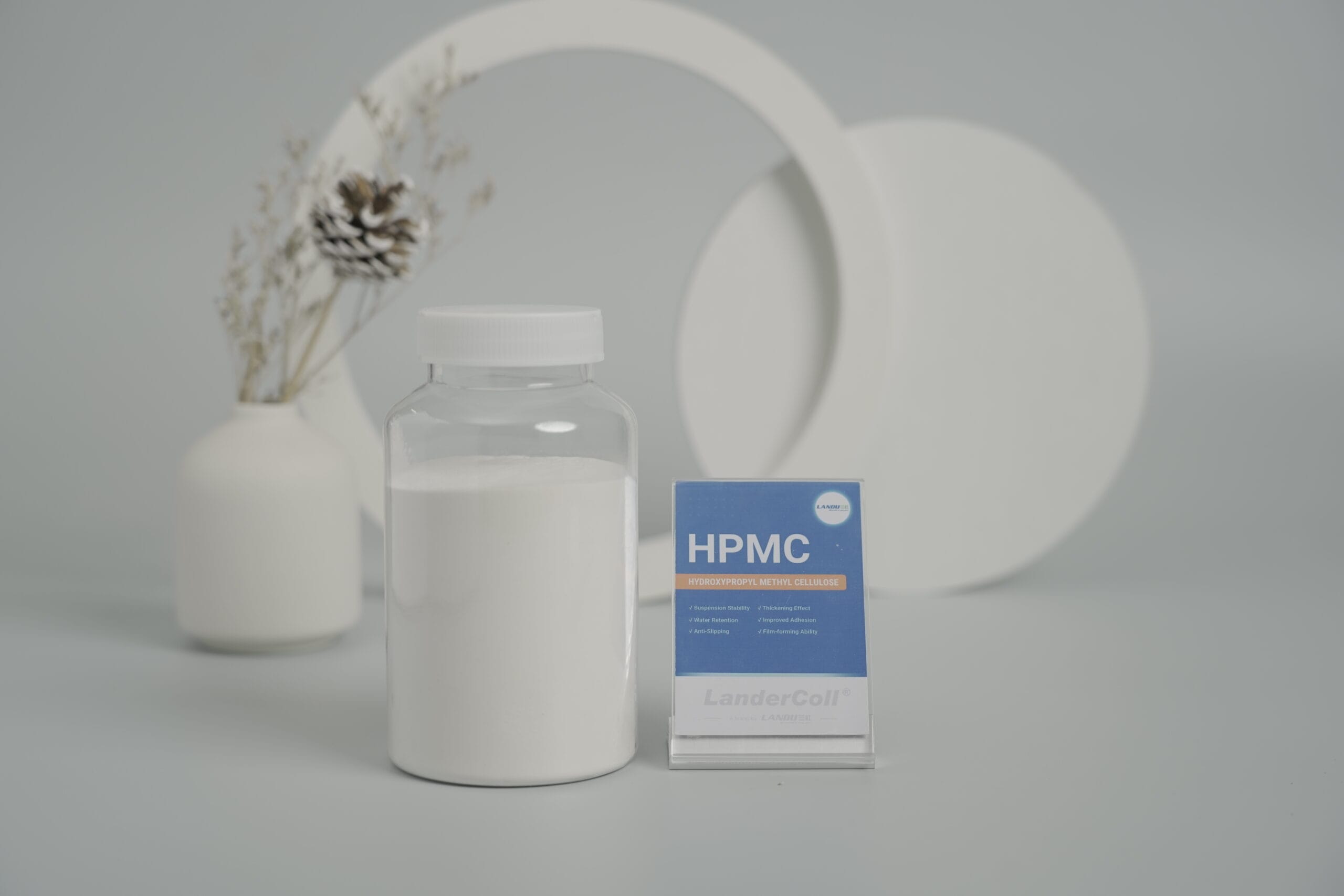
HPMC är en vattenlöslig, icke-jonisk cellulosaeter som framställs genom kemisk modifiering av naturlig cellulosa från trämassa eller bomullslinter. Den erbjuder flera funktionella fördelar – vattenretention, förtjockning, filmbildning, bindning och förbättrad bearbetbarhet – i en enda mångsidig ingrediens.

~ Snabbreferens ~
Fullständigt namn Hydroxipropylmetylcellulosa
CAS-nr. 9004-65-3
Livsmedelslagstiftning E464
Ionic Type Non-jonisk
Löslighet Kallvattenlöslig
Pharma Name Hypromellos
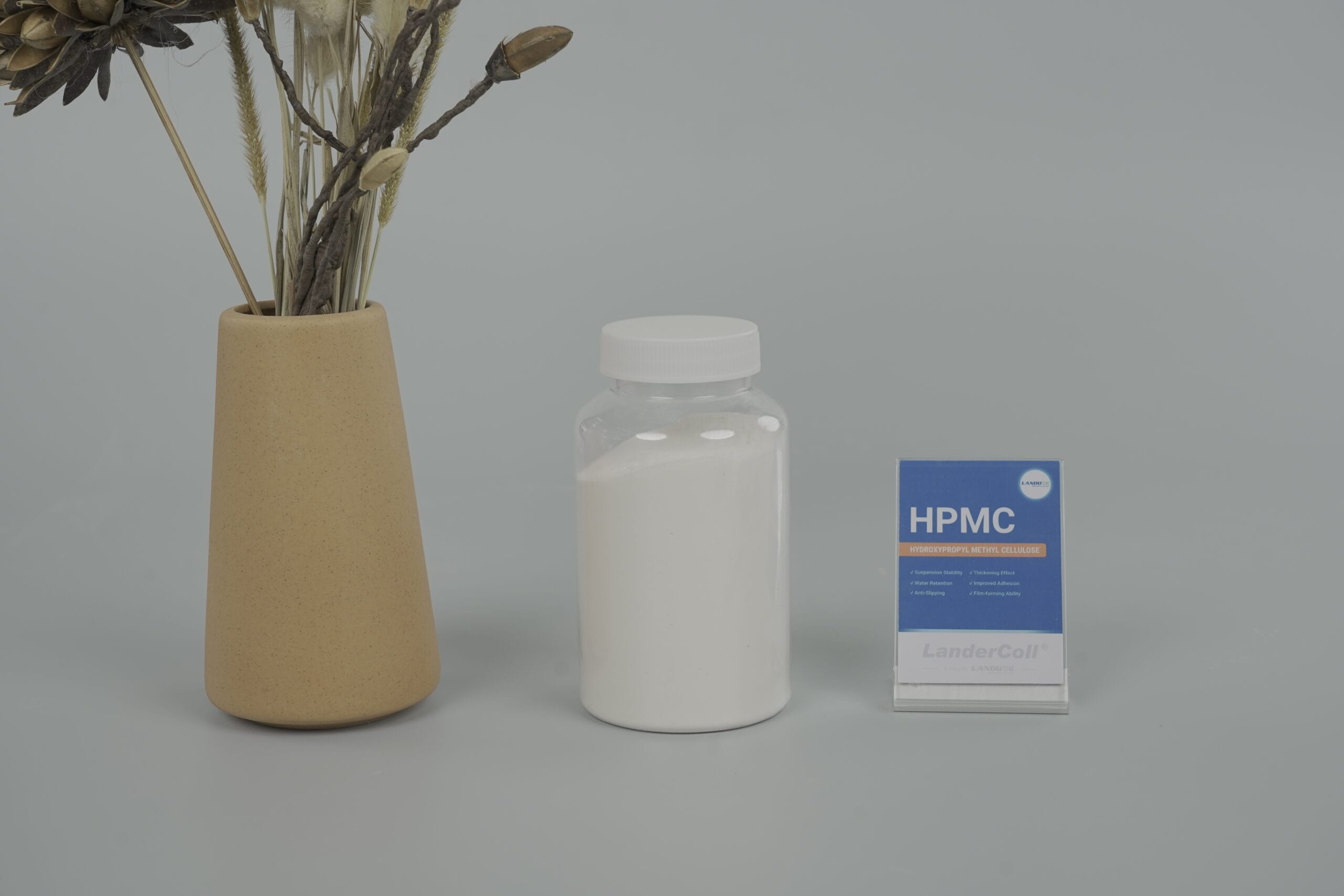
Utseende Vitt till benvitt pulver
Kemi
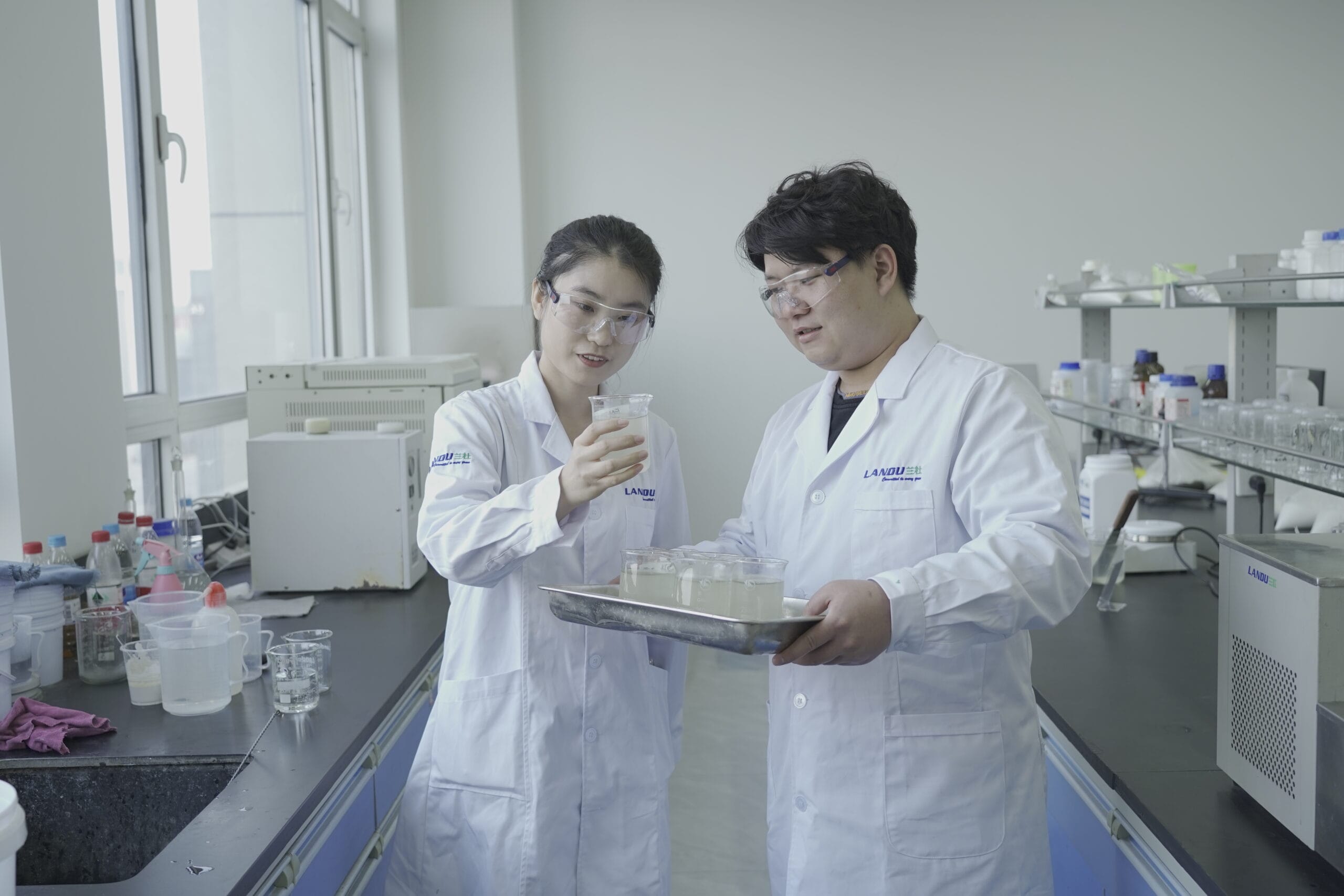
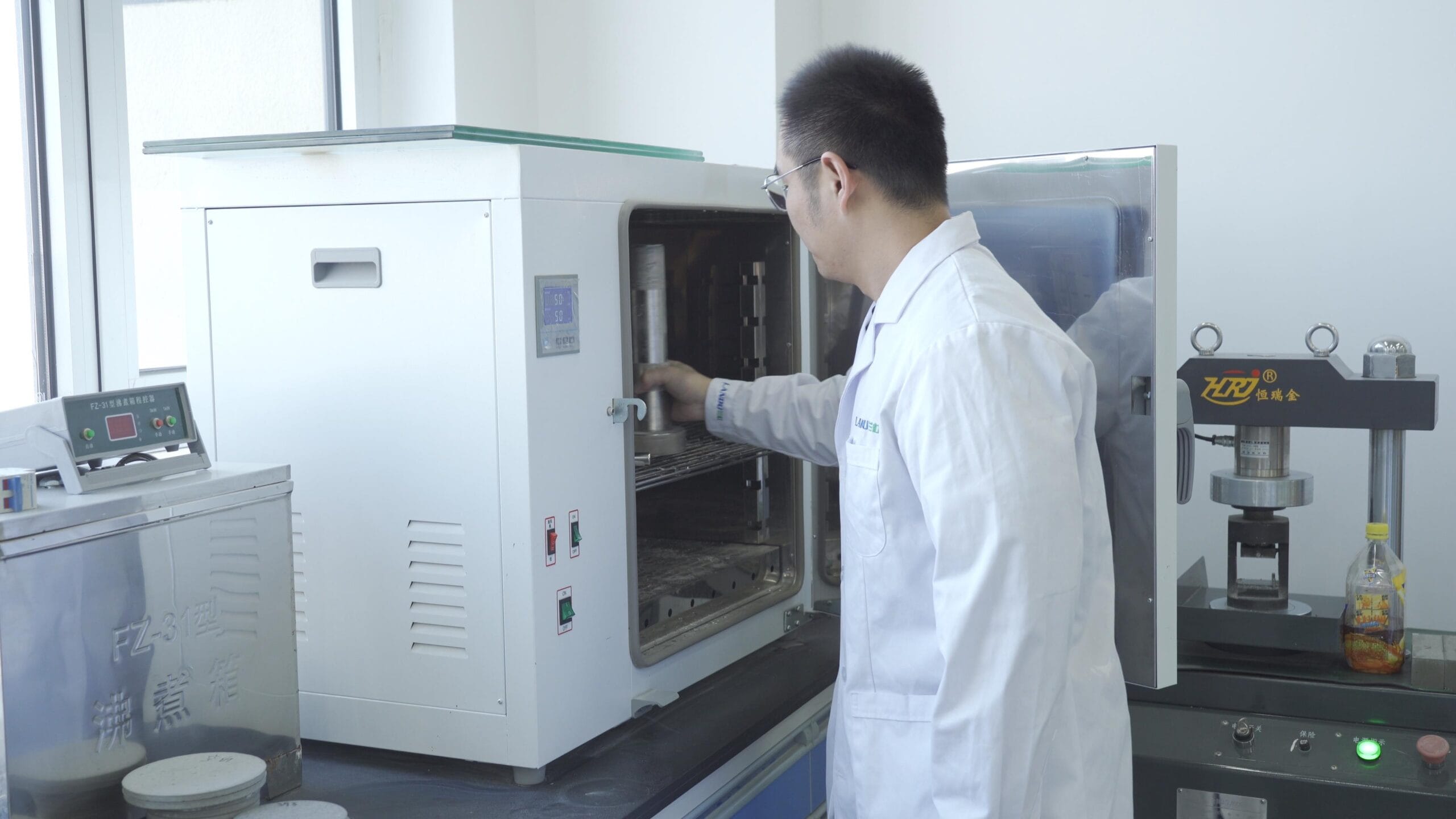
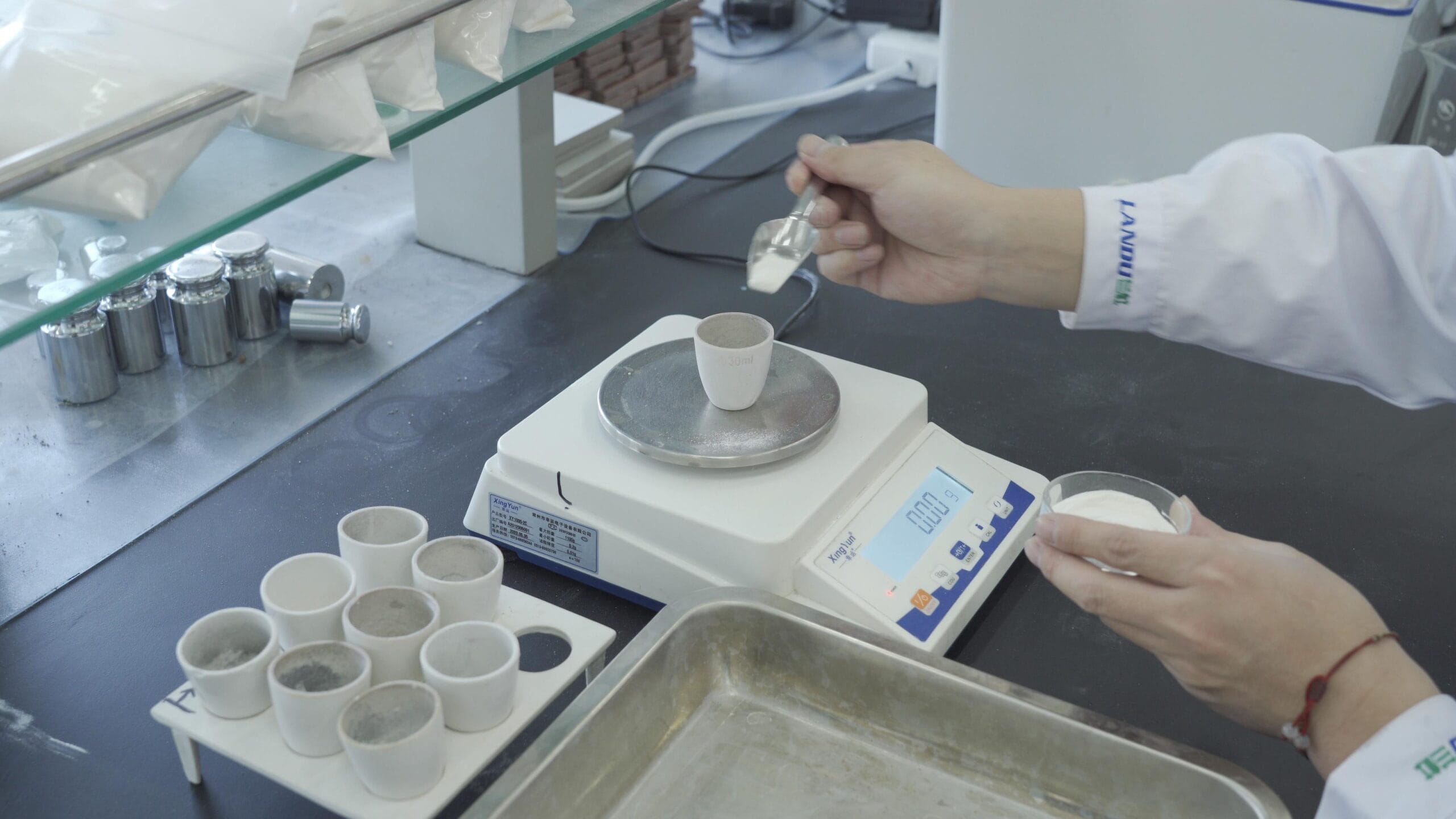
Cellulose ether chemistry lab
DS·MS Substitution
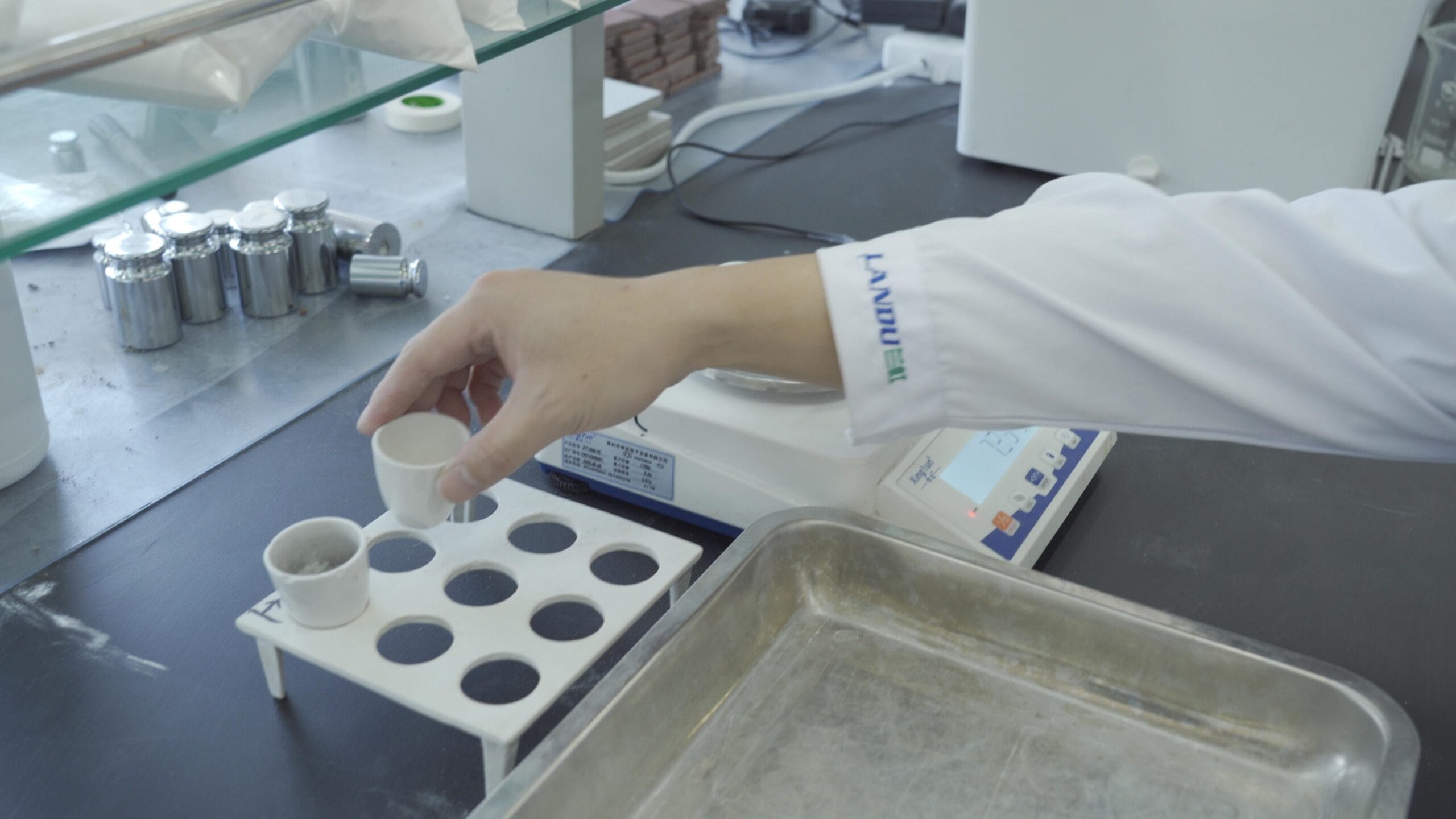
Lab analysis Chemical structure
What Is HPMC?

Definition & Kemi
och Industrial Role

HPMC is produced by reacting purified cellulose with methyl chloride and propylene oxide under controlled alkaline conditions. This process introduces two types of substituent groups onto the cellulose backbone, each influencing the final product's performance profile in different ways.

Metoxylgrupper (–OCH₃)

Control solubility, thermal gelation behavior, and surface activity of the cellulose ether.

Hydroxypropoxyl Groups

Influence water retention capacity, viscosity development, and compatibility with other ingredients.

The combination and ratio of these two substituents — expressed as degree of methyl substitution (DS) and molar substitution of hydroxypropyl (MS) — determine the grade's performance profile. Viscosity, measured at 2% aqueous solution using Brookfield or Ubbelohde methods, is the most commonly referenced parameter for grade selection, ranging from below 100 mPa·s to above 200,000 mPa·s depending on the grade.

Why HPMC Is Widely Used

HPMC is non-ionic — compatible with a wide range of additives, surfactants, salts, and pH conditions. It is also biodegradable, odorless, tasteless, and free from animal-derived raw materials, making it suitable for regulated and sensitive applications from drymix mortar to pharmaceutical excipients and food systems.

Technical Data

HPMC Technical
Reference Data

The following table provides a general technical reference for Hydroxypropyl Methyl Cellulose. Exact values vary by product grade, viscosity level, substitution type, particle size, surface treatment, and testing method. This information is intended as a formulation reference starting point, not a final product specification.

ItemTypical Reference
Product NameHydroxipropylmetylcellulosa
FörkortningHPMC
CAS-nr.9004-65-3
Food Additive CodeE464
UtseendeVitt till benvitt pulver
Ionic TypeNon-jonisk
Molecular BasisCellulose ether (modified natural cellulose)
Raw Material SourceWood pulp or cotton linter
LöslighetSoluble in cold water; insoluble in hot water above gelation temperature; forms viscous solution
Termisk gelningGels upon heating; re-dissolves upon cooling (thermally reversible)
Viscosity RangeMultiple grades: low / medium / high / extra-high viscosity
Viscosity MeasurementTypically at 2% aqueous solution (Brookfield or Ubbelohde)
YtbehandlingTreated (delayed hydration) or untreated options available
pH-stabilitetStable across approximately pH 3–11
Ionic CompatibilityCompatible with non-ionic, anionic, and many cationic systems
NyckelfunktionerThickening, water retention, film forming, binding, workability, stabilization
Application SystemsDrymix, liquid, semi-solid, pharmaceutical, food, industrial
Tillgängliga dokumentTDS, SDS, COA, product recommendation available on request

Important: This table is a general reference only. For exact viscosity, pH, moisture content, ash content, particle size distribution, methoxyl content, hydroxypropoxyl content, and grade-specific values, please request the official TDS or COA from LANDERCOLL.

Kvaliteter
Grade Reference

HPMC Product Grades —
Viscosity and Application Reference

LANDERCOLL HPMC is available in multiple grade directions based on viscosity level, surface treatment, dissolution behavior, and target application. The information below is designed as a product selection reference. Final grade selection should always be confirmed through formulation testing and direct technical discussion with our team.

i.
Low Viscosity HPMC
Typically below 5,000 mPa·s
Coatings, pharmaceutical tablet coating, food systems, selected liquid formulations.
Film formation · Light thickening · Flow control
ii.
Medium Viscosity HPMC
Typically 5,000–50,000 mPa·s
Wall putty, skim coat, detergent, personal care, general industrial systems.
Texture · Viscosity building · Smooth workability
iii.
Högviskositet HPMC
Typically 50,000–150,000 mPa·s
Tile adhesive, cement plaster, gypsum plaster, drymix mortar systems.
Water retention · Open time · Workability
iv.
Extra High Viscosity HPMC
Typically above 150,000 mPa·s
High-performance tile adhesive, thick-layer mortar, vertical application systems.
Strong water retention · Anti-sag · Extended open time
v.
Grades by Surface Treatment
Treated or non-treated options
Surface-Treated

Delayed hydration — easier dispersion, reduced lumping, controlled dissolution. Preferred for drymix systems.

Non-Surface-Treated

Faster viscosity development — quick hydration, suitable for fast-dissolving and direct-hydration formulations.

Note: Viscosity ranges listed above are approximate references. Actual LANDERCOLL HPMC grades should be selected according to your formulation, testing method, application environment, and required documentation. Contact our team for specific grade recommendations.

Kärnfunktioner

Key Functions of
HPMC in Formulation

HPMC is a multifunctional cellulose ether. In most applications, it contributes more than one functional benefit simultaneously. Below is a structured overview of its primary functions across different system types.

Water Retention
i.
Vattenretention

In cement-based and gypsum-based systems, HPMC forms a polymer network that physically restricts water migration. Higher viscosity grades and higher dosage levels provide stronger water retention — preventing rapid water loss, incomplete hydration, and surface cracking.

Thickening
ii.
Thickening & Viscosity Control

HPMC dissolves in cold water to form a viscous, pseudoplastic (shear-thinning) solution. Viscosity decreases under shear during mixing and recovers at rest — supporting both processability and in-place stability across drymix mortar, detergents, personal care, and coatings.

Workability
iii.
Workability Improvement

In drymix construction materials, HPMC makes mortar smoother, more cohesive, and easier to spread, trowel, scrape, and finish. It is a combined result of water retention, viscosity building, and lubrication effects — particularly valued in tile adhesive, wall putty, and gypsum plaster.

iv.
Rheologikontroll

Supports flow control, sag resistance, leveling behavior, and application stability. Prevents mortar from sliding on vertical surfaces, contributes to controlled flow in self-leveling compounds, and maintains stable viscosity in coatings and detergents.

v.
Filmformering

HPMC forms a continuous, flexible film after water evaporation — used in pharmaceutical tablet coating, edible film systems, construction surface integrity, and selected water-based coatings as a binder component.

vi.
Binding, Cohesion & Suspension

Supports structural integrity in tablet manufacturing, green strength in ceramics, and cohesion in drymix mortar. Also helps maintain uniform suspension of pigments, fillers, mineral powders, and active ingredients in coatings, detergents, and pharmaceutical systems.

Applikationsguide

HPMC Application
Urvalsguide

HPMC grade selection should always start from the application. A grade optimized for tile adhesive will not necessarily perform well in a detergent, personal care, or pharmaceutical system. The table below provides a structured reference for common application-to-grade matching.

ApplikationRecommended Grade DirectionHuvudsakliga prestandakrav
KakellimHigh to extra-high viscosityWater retention, open time, anti-slip, troweling feel
Väggspackel / FinspackelMedium to high viscositySmooth scraping, water retention, surface finish
Cementputs / PutsMedium to high viscosityWorkability, spreadability, water retention
GipsputsMedium to high viscositySlät applicering, vattenhantering, konsistens
Självnivellerande massorLow to medium viscosityFlow control, stability, controlled water retention
EIFS / ETICS MurbrukHigh viscosityOpen time, anti-sag, adhesion-related support
VattentätningsbrukMedium to high viscosityWorkability, uniform coating, stable consistency
MurbrukMedium to high viscosityWater retention, workability, bond support
ReparaturbrukMedium to high viscosityAdhesion, workability, water retention
Flytande tvättmedelMedium viscosityTexture, viscosity, storage stability
Personlig vårdLow to medium viscositySmooth texture, viscosity control, stability
Pharmaceutical ApplicationsSuitable pharmaceutical gradeFilm coating, binding, controlled release, excipient
Food ApplicationsSuitable food grade (E464)Thickening, stabilization, texture control
KeramikMedium to high viscosityBinding, green strength, suspension
Vattenbaserade beläggningarLow to medium viscosityThickening, film formation, particle suspension
Industrial AdhesivesMedium to high viscosityBinding, cohesion, process stability

Grade direction is a starting reference. Final selection should be confirmed through laboratory testing under your specific formulation conditions, water quality, temperature range, and application method.

Dosage Guide

HPMC Dosage Reference
by Application

HPMC dosage depends on formulation design, raw material quality, target performance, ambient temperature, water quality, substrate type, and production process. The following ranges are general starting points for laboratory evaluation — not fixed usage standards.

For tile adhesive: 0.2%–0.5% is a widely referenced industry starting range. However, final dosage must be confirmed through laboratory testing and on-site performance evaluation, as substrate porosity, tile size, ambient temperature, and cement type all affect the optimal dosage.

Mortar application dosage
ApplikationTypical Reference Dosage (% by weight)
Kakellim0.2% – 0.5%
Väggspackel / Finspackel0.2% – 0.5%
Cementputs / Puts0.15% – 0.4%
Gipsputs0.1% – 0.3%
Murbruk0.1% – 0.3%
Självnivellerande massor0.05% – 0.2%
EIFS / ETICS Murbruk0.2% – 0.5%
Vattentätningsbruk0.15% – 0.4%
Reparaturbruk0.15% – 0.4%
Flytande tvättmedel0.2% – 1.0%
Personlig vård0.1% – 1.0%
Vattenbaserade beläggningar0.1% – 0.8%
Food / Pharma / SpecialtyDepends on grade, regulation, and formulation design

These dosage ranges are general starting points. Adjust based on testing results under your specific formulation, raw materials, and application conditions.

Applikationer

Bygg &Torrbruk

Construction is the largest and most established application area for HPMC globally — a critical additive for water retention, workability, open time, and anti-sag performance.

In drymix mortar systems, HPMC functions simultaneously as a water-retaining agent, rheology modifier, and workability enhancer. Without HPMC, cement-based and gypsum-based mortars tend to lose water too quickly to the substrate, resulting in poor hydration, weak bond strength, surface cracking, and difficult application.

Kakellim

Water retention, open time extension, anti-slip behavior, and troweling feel. High to extra-high viscosity grades, 0.2%–0.5% dosage. Surface-treated grades commonly preferred.

Väggspackel & Skim Coat

Scraping smoothness, water retention, surface finish quality. Medium to high viscosity, 0.2%–0.5% dosage.

Gypsum-Based Products

Controlled water retention without over-retarding set time. Smooth spreading, consistent texture, reduced surface defects. Medium to high viscosity grades.

Other Mortar Systems

Cement render, masonry mortar, self-leveling compounds, EIFS/ETICS, waterproof mortar, repair mortar, insulation mortar, joint fillers.

All Construction Applications
  • Kakellim
  • Wall putty & skim coat
  • Cement render & plaster
  • Gipsputs
  • Självutjämnande massor
  • EIFS / ETICS-bruk
  • Vattentätt bruk
  • Murverksbruk
  • Reparationsbruk
  • Insulation mortar
  • Joint fillers
  • Färdigblandade torrbrukssystem
Applikationer

Home Care & Personal Care Formuleringar

Home care detergents Home Care & Detergents

HPMC for Home Care
& Detergent Formulations

As a non-ionic polymer, HPMC is compatible with anionic and non-ionic surfactant systems commonly used in cleaning products. It builds smooth, stable viscosity that improves product appearance, pourability, and consumer perception — while helping maintain uniform suspension of insoluble components.

Typiska applikationer

Laundry liquid Dishwashing liquid Toilet bowl cleaner Surface cleaner Gel cleaner Multi-purpose cleaner
  • Controlled viscosity and product body
  • Stable texture and appearance over shelf life
  • Improved pourability and handling feel
  • Suspension support for insoluble components
  • Compatible with common surfactant systems
Personal care products Personlig vård

HPMC for Personal
Care Formulations

In personal care systems, HPMC functions as a viscosity modifier, texture enhancer, and formulation stabilizer. It is water-soluble, non-ionic, and free from animal-derived raw materials — making it suitable for a wide range of rinse-off and leave-on products where smooth, consistent texture and formulation stability across temperature and storage conditions are required.

Typiska applikationer

Shampoo & conditioner Body wash Facial cleanser Hand soap Body lotion & cream Tandkräm Hair styling Intimate care
  • Smooth, uniform texture and sensory feel
  • Controlled viscosity across temperature ranges
  • Stable formulation structure over shelf life
  • Non-ionic — does not interfere with charged ingredients
Läkemedel

HPMC for Pharmaceutical Applications

Suitable pharmaceutical grades of HPMC — referred to as Hypromellose in pharmacopoeial standards — are widely used as functional excipients in solid dosage forms, film coatings, and controlled-release systems. HPMC is recognized in the USP/NF, Ph. Eur., and JP pharmacopoeias.

Only grades manufactured and tested to pharmacopoeial standards should be used. Grade selection is based on viscosity grade, substitution type, regulatory compliance, and documentation requirements.

Typiska applikationer

  • Tablet binder (wet granulation & direct compression)
  • Film coating for immediate-release tablets
  • Matrix former for controlled-release tablets
  • HPMC capsule shell material (vegetarian alternative)
  • Oral film systems
  • Ophthalmic solutions & artificial tear formulations
  • Topical and semi-solid pharmaceutical systems

Pharmaceutical applications require suitable grade selection, pharmacopoeial compliance, and relevant documentation. Contact LANDERCOLL to discuss pharmaceutical grade availability.

Discuss Pharma Grades
Food · E464

HPMC for Food Applications (E464)

Hydroxypropyl Methyl Cellulose is approved as a food additive under E464 in the European Union and is recognized in food regulations in many other markets. Suitable food-grade HPMC may be used as a thickener, stabilizer, emulsifier, film former, and texture modifier.

Food applications require HPMC grades meeting relevant food safety standards including purity specifications, heavy metal limits, and microbiological requirements. Compliance with the specific food regulations of the target market is required.

Typiska applikationer

  • Bakery products including gluten-free formulations
  • Sauces, dressings, and condiments
  • Frozen food systems (ice cream, frozen desserts)
  • Beverage systems
  • Edible film and coating applications
  • Vegetarian & vegan food products (gelatin alternative)
  • Thermal gelation: gels when heated, re-dissolves when cooled
  • Improved freeze-thaw stability
  • Suitable for vegetarian, vegan, and halal-compliant formulations

Food applications require suitable grade selection and compliance with applicable food regulations in the target market.

Discuss Food Grades
Coatings & Industrial

HPMC for Coatings and
Industriella applikationer

HPMC can be used in selected water-based coatings and specialty industrial systems where thickening, film formation, binding, suspension control, and process stability are required. In architectural coatings, HEC is more commonly used as the primary cellulose ether thickener; however, HPMC can be suitable in specific coating formulations and industrial systems.

Key performance benefits include viscosity control and thickening, film formation and surface integrity, binding and cohesion in ceramic and industrial systems, suspension stability for pigments and fillers, and process consistency in extrusion and forming operations.

Industrial coatings application
Vattenbaserade beläggningar

Selected architectural and decorative systems where HPMC's film-forming or thermal gelation properties offer a formulation advantage.

Textur Beläggningar

Decorative and texture coatings requiring stable viscosity, film formation, and consistent application behavior.

Construction Adhesives & Sealants

Binding, cohesion support, and process stability in adhesive and sealant formulations.

Ceramic Processing

Green body forming, extrusion, pressing — binding, green strength, and suspension support before firing.

Textile Printing Pastes

Viscosity control and rheology management in textile printing formulations.

Paper Coating & Sizing

Film formation, binding, and surface integrity in paper coating and sizing applications.

Specialty Industrial Fluids

Thickening, process control, and stability in specialty fluid formulations across various industrial sectors.

Agricultural Formulations

Viscosity building, suspension stability, and film formation in selected agricultural product systems.

Product Comparison

HPMC vs Other
Cellulosaetrar

Cellulose ethers are a family of water-soluble polymers, each with distinct chemical structures and performance profiles. LANDERCOLL supplies HPMC, HEMC/MHEC, HEC, and CMC — the four most widely used in industrial formulation. Understanding the differences helps formulators select the most appropriate product.

HPMC
Hydroxipropylmetylcellulosa
Non-jonisk

Versatile water retention, thickening, film forming, workability, broad application compatibility.

Construction · Pharma · Food · Personal care · Detergents · Industrial
HEMC
Hydroxyethyl Methyl Cellulose (MHEC)
Non-jonisk

Strong construction performance, excellent water retention, good anti-sag in drymix mortar.

Tile adhesive · Wall putty · Cement plaster · Gypsum · EIFS/ETICS
HEC
Hydroxietylcellulosa
Non-jonisk

Excellent rheology control in aqueous systems, strong latex compatibility for coatings.

Water-based paints · Coatings · Cleaners · Personal care
CMC
Karboximetylcellulosa
Anjonisk

Thickening, binding, stabilization, texture control; cost-effective across many systems.

Food · Detergents · Ceramics · Pharma · Oilfield · Paper

HPMC vs HEMC/MHEC for Construction

Both are non-ionic cellulose ethers for drymix construction materials and can deliver similar core functions. The choice depends on specific performance targets, regional market preferences, formulation system, and cost considerations. In many markets, HEMC/MHEC is preferred for high-performance tile adhesive and plaster due to its water retention profile. HPMC remains widely used globally across a broader range of industries.

HPMC vs HEC for Coatings

For water-based architectural coatings and latex paint systems, HEC is generally the preferred cellulose ether due to its strong compatibility with latex polymers and its well-established use in paint formulation. HPMC may be considered in specific coating systems, texture coatings, or where its film-forming or thermal gelation properties offer a formulation advantage.

By Industry

HPMC Grade Directions
by Industry

Construction grade
Grade Direction · i.
Byggnadsklass

Designed for drymix construction materials requiring water retention, workability improvement, open time extension, anti-sag performance, and application consistency. Surface-treated grades commonly used.

Tile adhesive · Wall putty · Cement plaster · Gypsum plaster · Masonry mortar · Self-leveling · EIFS/ETICS · Waterproof mortar · Repair mortar · Insulation mortar
Detergent grade
Grade Direction · ii.
Tvättmedelsklass

Designed for home care and cleaning systems where viscosity building, texture stability, product body, and storage stability are important. Compatible with common anionic and non-ionic surfactant systems.

Laundry liquid · Dishwashing liquid · Toilet cleaner · Surface cleaner · Gel cleaner
Personal care grade
Grade Direction · iii.
Personvårdsklass

Designed for personal care products where smooth texture, stable viscosity, and user-friendly application feel are required. Non-ionic and compatible with a wide range of personal care actives.

Shampoo · Body wash · Facial cleanser · Lotion · Cream · Toothpaste · Styling products
Pharmaceutical grade
Grade Direction · iv.
Pharmaceutical Grade (Hypromellose)

Manufactured and tested to pharmacopoeial standards (USP/NF, Ph. Eur., JP). For pharmaceutical excipient applications where binding, coating, controlled release, or film performance may be required.

Tablet binder · Film coating · Controlled-release matrix · HPMC capsule shells · Oral film systems · Ophthalmic applications
Food grade E464
Grade Direction · v.
Food Grade (E464)

Compliant with applicable food additive regulations. Designed for food systems where texture control, water management, stabilization, and formulation consistency are required.

Bakery products · Sauces & dressings · Frozen food · Edible films · Texture-modified food · Vegan & halal applications
Industrial grade
Grade Direction · vi.
Industrikvalitet

Designed for specialty industrial systems requiring thickening, binding, suspension stability, and process control across various non-food, non-pharma applications.

Ceramics processing · Construction adhesives · Textile printing · Paper-related systems · Specialty industrial fluids
Logistics & Documentation

Packaging, Storage & Tillgängliga dokument

Förpackning & Förvaring

Packaging and Storage

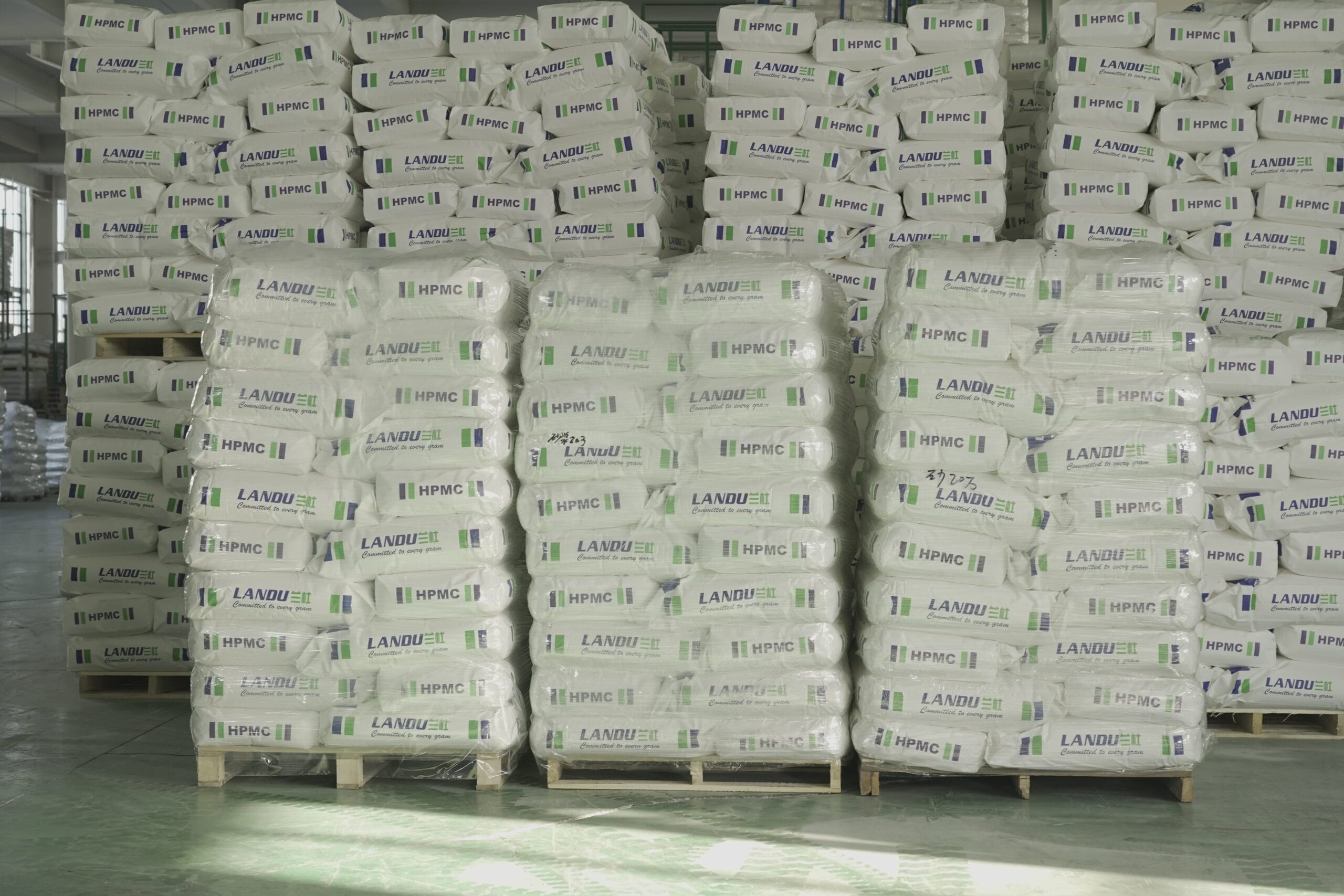
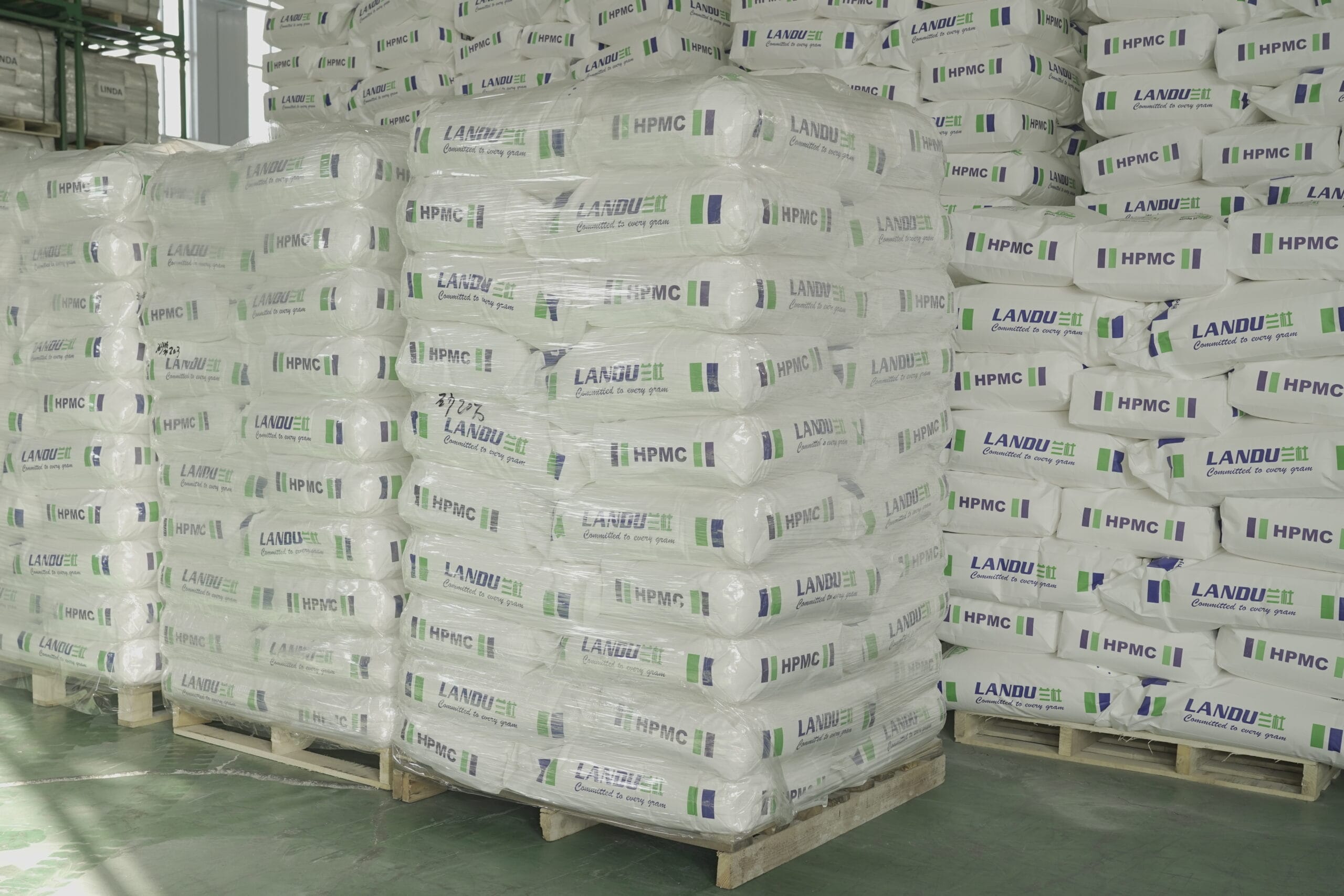
LANDERCOLL HPMC is supplied in industrial packaging suitable for transportation, storage, and production handling. Cellulose ether powders are hygroscopic — proper storage conditions help maintain powder flowability, dissolution performance, and application effectiveness throughout product shelf life.

Standardförpackning

  • 25 kg per bag
  • Paper bag with inner moisture-protective polyethylene liner
  • Palletized packaging available upon request
  • Customized packaging options can be discussed for long-term supply cooperation

Förvaringsrekommendationer

  • Store in a cool, dry, and well-ventilated environment
  • Keep away from moisture, direct sunlight, and heat sources
  • Håll förpackningen försluten när den inte används
  • Avoid contamination during handling and transfer
  • Use within the recommended shelf life stated in product documentation
  • Do not store near strong oxidizing agents or reactive chemicals
Industrial packaging warehouse
Dokumentation

Product Documentation
Tillgänglig på begäran

LANDERCOLL can provide product-related documentation to support formulation evaluation, purchasing review, technical communication, regulatory submission, and internal approval processes.

Tillgängliga dokument

  • Tekniskt datablad (TDS)
  • Safety Data Sheet (SDS / MSDS)
  • Analyscertifikat (COA)
  • Product brochure and application guide
  • Grade recommendation document
  • Packaging and storage specification
  • Export-related documentation, where applicable

All documentation is provided to help customers complete their internal evaluation, purchasing approval, and regulatory review processes efficiently. Contact our team to request specific documents for your application or market requirements.

Begär produktdokument
Inquiry Guide

How to Request the
Right HPMC Grade

To help our team recommend the most suitable HPMC grade for your application, please include as much of the following information as possible when contacting us. A detailed inquiry allows us to provide a more accurate grade recommendation and support your evaluation more efficiently.

i.
Application & Formulation System

Product application (e.g., tile adhesive, wall putty, shampoo, tablet coating) and formulation system type (cement-based, gypsum-based, liquid, semi-solid, other).

ii.
Current Grade or Viscosity Reference

Current HPMC grade or reference viscosity, if available. Main performance target — e.g., water retention, open time, viscosity level, texture, stability.

iii.
Testing Method & Quantity

Testing method or standard used, if applicable. Required quantity — sample, trial, or commercial volume.

iv.
Market & Documentation

Destination country or target market. Documentation requirements (TDS, SDS, COA, food/pharma compliance documents). Timeline for evaluation or sourcing decision.

FAQ

Frequently Asked Questions
About HPMC

What is HPMC used for?

HPMC (CAS 9004-65-3) is used as a multifunctional cellulose ether additive across many industries. Its primary functions include water retention, thickening, workability improvement, film formation, binding, and formulation stabilization. Most widely used in drymix construction materials, and also in detergents, personal care, pharmaceutical excipients, food systems (E464), coatings, ceramics, and specialty industrial applications.

What does HPMC do in tile adhesive?

In tile adhesive, HPMC improves water retention to support cement hydration, extends open time to give installers more working time, provides anti-slip behavior to prevent tiles from sliding on vertical surfaces, and improves troweling feel and application consistency. High to extra-high viscosity grades are typically used, at dosages of 0.2%–0.5% of the dry mix weight.

What viscosity of HPMC is used for tile adhesive?

Tile adhesive commonly uses high to extra-high viscosity HPMC, typically in the range of 50,000–200,000 mPa·s (measured at 2% aqueous solution). The exact viscosity grade depends on the formulation type, tile size and weight, required open time, anti-slip performance target, and application conditions. Final grade selection should be confirmed through formulation testing.

What is the typical dosage of HPMC in tile adhesive?

The typical reference dosage for HPMC in tile adhesive is 0.2%–0.5% by weight of the dry mix. This range is widely referenced in the drymix mortar industry as a starting point. However, the optimal dosage depends on the specific formulation, cement type, filler quality, target open time, water retention requirement, and application conditions. Final dosage must be confirmed through laboratory and field testing.

What does HPMC do in wall putty?

In wall putty and skim coat, HPMC improves water retention to prevent rapid drying, enhances scraping smoothness and surface finish quality, improves spreading behavior and workability, and helps maintain consistent product texture during application. Medium to high viscosity grades are typically used at dosages of 0.2%–0.5%.

What is the difference between HPMC and HEMC?

HPMC uses hydroxypropyl groups while HEMC uses hydroxyethyl groups on the cellulose backbone, affecting water retention profile, dissolution behavior, and performance in specific applications. Both are used in tile adhesive, wall putty, and plaster. HPMC is more widely used across multiple industries including pharma, food, and personal care, while HEMC/MHEC is particularly established in European drymix construction markets.

Is HPMC the same as Hypromellose?

Yes. Hypromellose is the International Nonproprietary Name (INN) and pharmacopoeial name for HPMC. It is used in pharmaceutical and food regulatory contexts. HPMC and Hypromellose refer to the same chemical substance (CAS 9004-65-3).

Is HPMC a food additive?

Yes. HPMC is approved as a food additive under the code E464 in the European Union and is recognized in food regulations in many other markets. Food applications require suitable food-grade HPMC that meets applicable purity and safety standards, and compliance with the specific food regulations of the target market is required.

Is HPMC used in pharmaceuticals?

Yes. Suitable pharmaceutical grades — referred to as Hypromellose — are widely used as excipients in tablet manufacturing, film coating, controlled-release systems, HPMC capsule shells, and ophthalmic formulations. HPMC is listed in the USP/NF, Ph. Eur., and JP pharmacopoeias. Pharmaceutical applications require grades manufactured and tested to pharmacopoeial standards.

What is the difference between surface-treated and non-surface-treated HPMC?

Surface-treated HPMC delays hydration when it contacts water, preventing premature lump formation and allowing the powder to disperse evenly before viscosity develops — commonly preferred in drymix mortar systems. Non-surface-treated HPMC dissolves more quickly and is preferred in systems where fast viscosity development is required.

How do I choose the right HPMC grade?

The right HPMC grade depends on your application, required viscosity level, formulation system type (cement-based, gypsum-based, liquid, semi-solid), processing conditions, dissolution behavior requirement, and final performance targets. Contact LANDERCOLL with your application details, and our team can recommend suitable grade directions and support your formulation evaluation.

Can HPMC be used in multiple industries?

Yes. HPMC is one of the most versatile cellulose ethers, used across construction, home care, personal care, pharmaceuticals, food, coatings, ceramics, and specialty industrial sectors. Different industries require different grade selections — contact LANDERCOLL to identify the most suitable grade direction for your specific application and market.


Why LANDERCOLL

Why Choose LANDERCOLL HPMC

i.

Focused Cellulose Ether Expertise

LANDERCOLL focuses on cellulose ether products — HPMC, HEMC/MHEC, HEC, and CMC. This product focus allows us to develop deeper application knowledge and provide more relevant technical support compared to general chemical distributors.

ii.

Application-Oriented Grade Matching

We help customers select HPMC based on real performance requirements — water retention, viscosity level, workability, open time, texture, stability, and processing behavior — rather than simply offering a product catalog.

iii.

Broad Industry Coverage

LANDERCOLL HPMC supports customers in construction materials, detergents, personal care, pharmaceuticals, food, coatings, ceramics, and specialty industrial sectors across multiple global markets.

iv.

Technical Documentation Support

We provide TDS, SDS, COA, product recommendation documents, and application guides to support your evaluation, purchasing review, and internal approval processes.

v.

Long-Term Supply Partnership

We aim to support customers from initial product inquiry through formulation testing, sourcing decisions, and long-term supply cooperation — with consistent product quality and responsive communication.

Kontakta oss

Find the Right HPMC Grade
för Your Application

LANDERCOLL HPMC supports manufacturers across construction materials, detergents, personal care, pharmaceuticals, food, coatings, ceramics, and specialty industrial applications. Whether you are developing a new formulation, optimizing an existing product, or evaluating a new cellulose ether supplier, our team can help you identify the most suitable grade and provide the documentation and technical support you need.

~ Your Inquiry · MMXXV ~
Produkt HPMC · CAS 9004-65-3
Applikation Your target formulation
Kvalitetsriktning Low · Medium · High · XH
Ytbehandling Treated or non-treated
Dokument TDS · SDS · COA
Market Country & segment
Branscher Construction · Pharma · Food · Care