Celulozni eter odličnost — zaupanja vredno več kot 1000 podjetij po vsem svetu Pridobite brezplačen vzorec
CAS 9004-65-3 · E464 EINECS 618-389-1

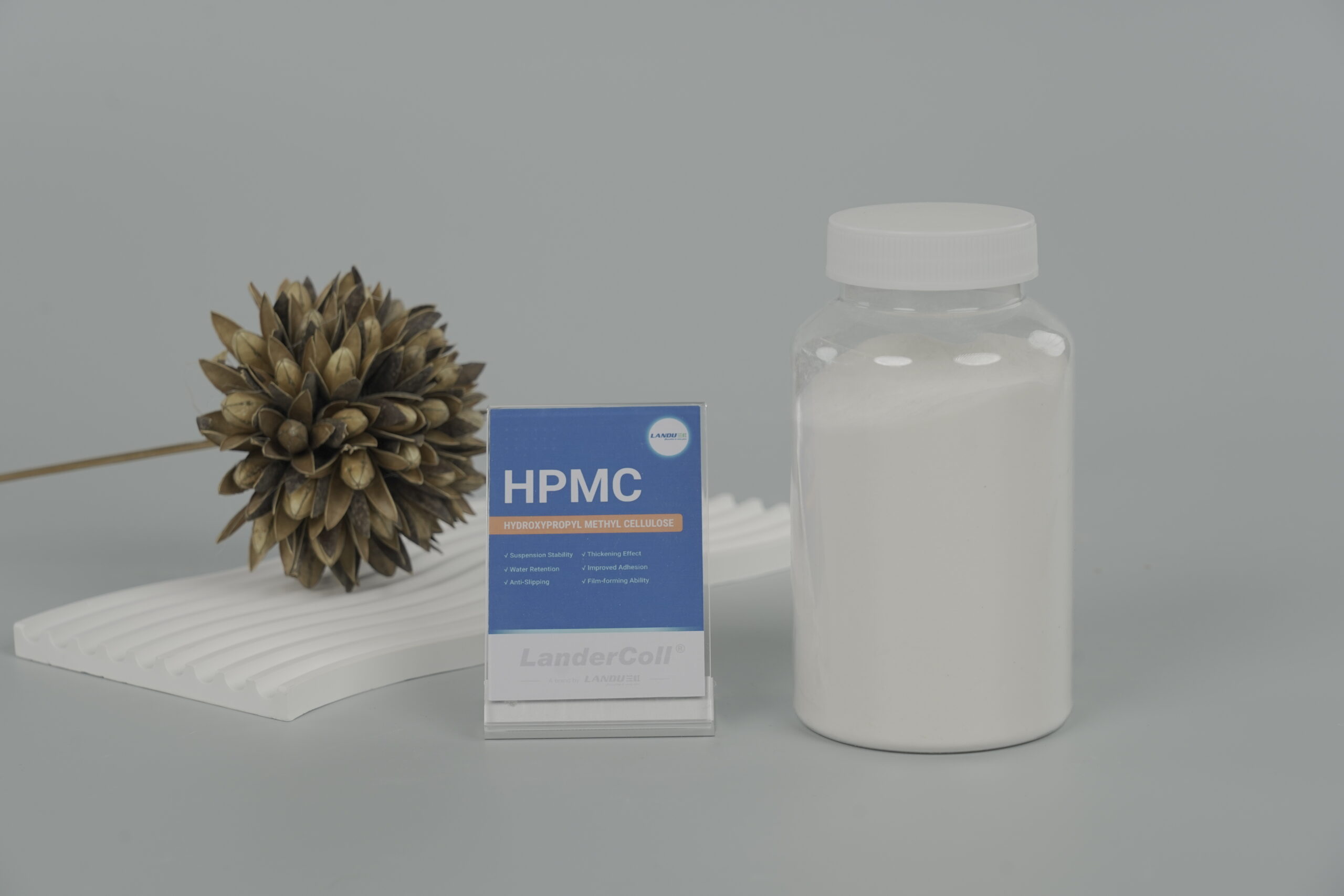
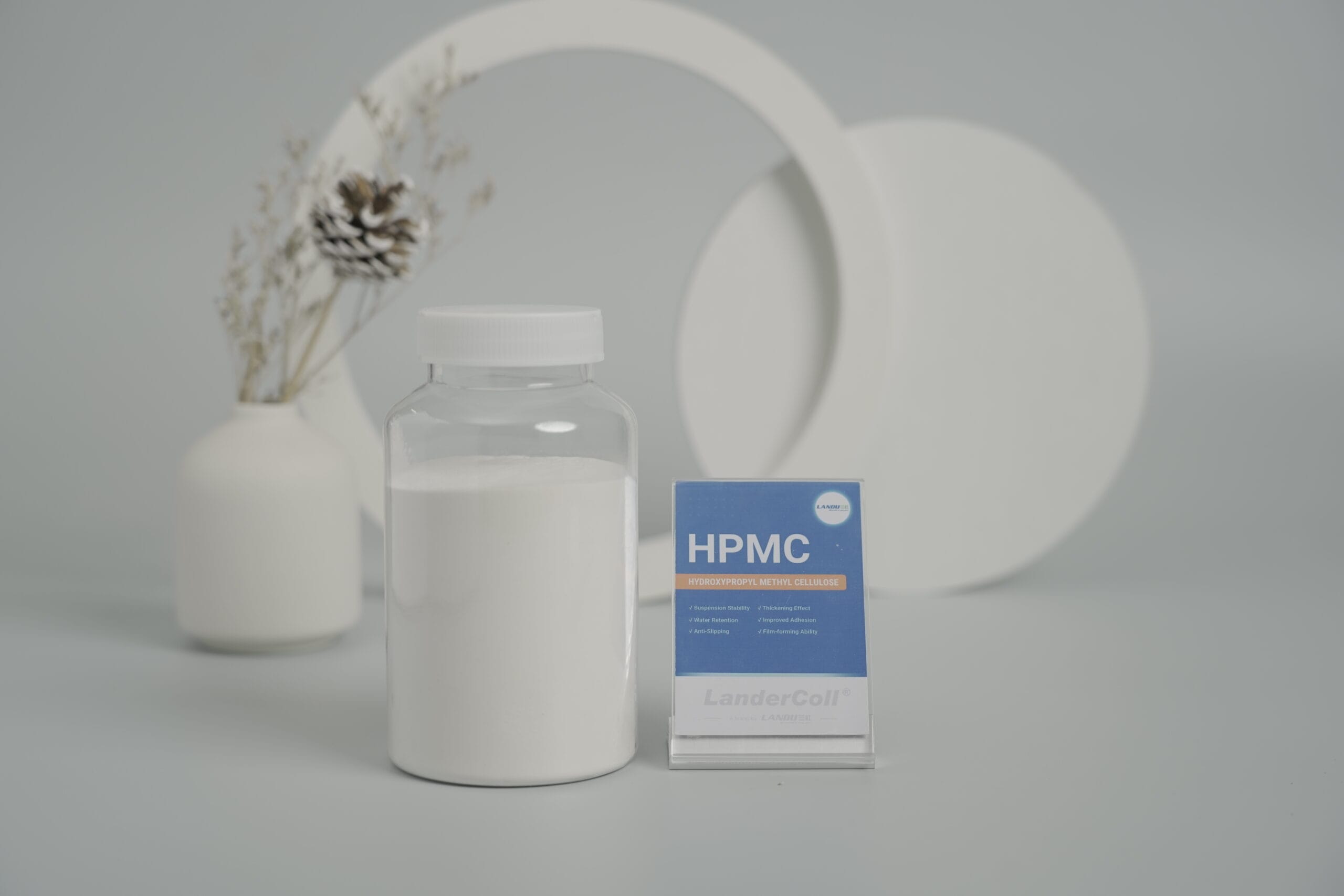
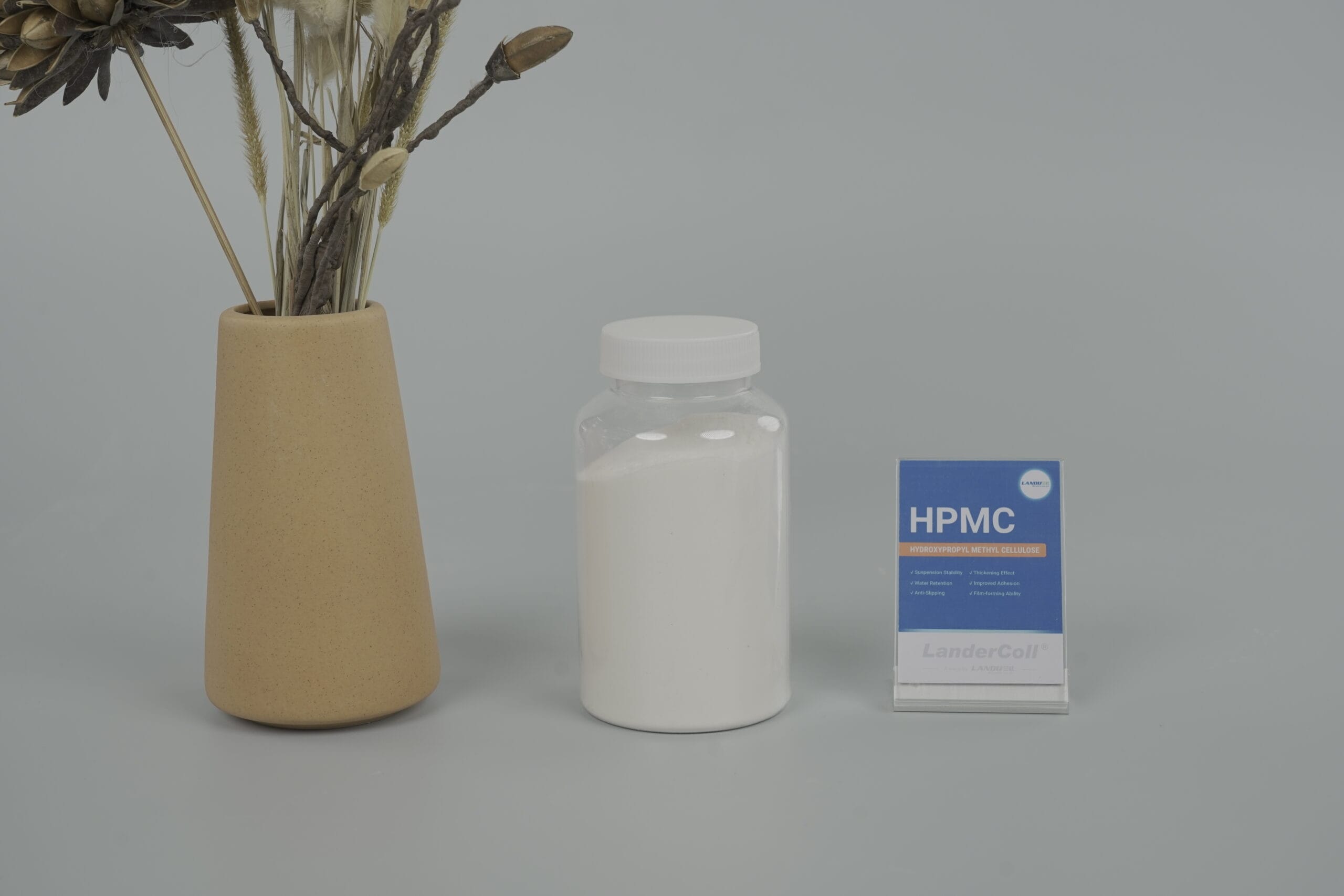
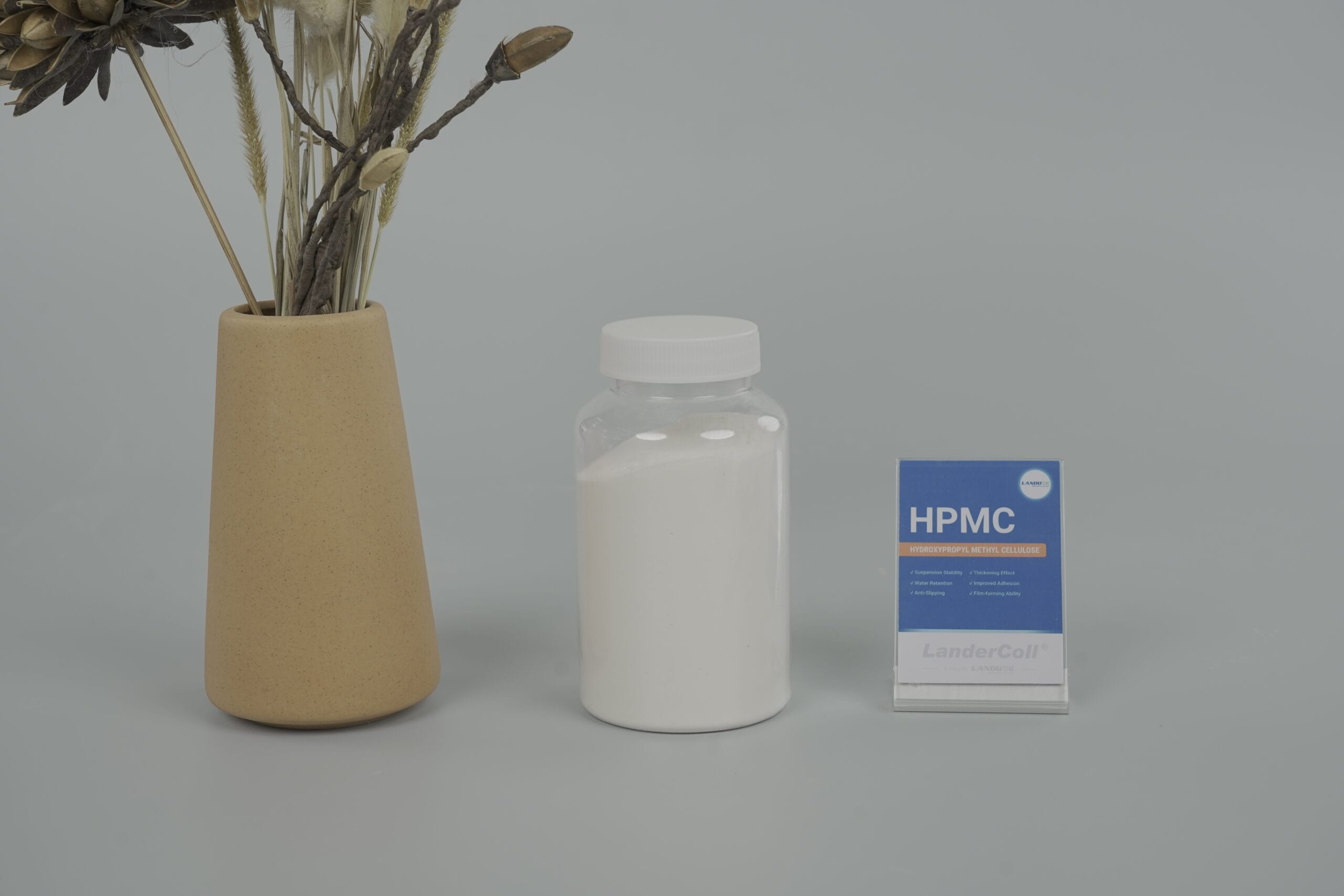
HPMC Hidroksipropil metil celuloza

Definicija, kemija in industrijska vloga — popoln priročnik za formulacijske strokovnjake v gradbeništvu, farmaciji, živilstvu, osebni negi in industrijskih sektorjih.

HPMC je vodotopen, neionski celulozni eter, proizveden s kemično modifikacijo naravne celuloze, pridobljene iz lesne celuloze ali bombažnih vlaken. Zagotavlja več funkcionalnih koristi – zadrževanje vode, zgoščevanje, tvorjenje filma, vezanje in izboljšanje obdelovalnosti – v eni sami vsestranski sestavini.

~ Hitri pregled ~
Polno ime Hidroksipropil metil celuloza
Št. CAS 9004-65-3
Živilski kodeks E464
Ionski tip Neionski
Topnost Hladna voda topna
Ime farmacevtskega podjetja Hipromeloza
Videz Beli do skoraj beli prah
Kemija
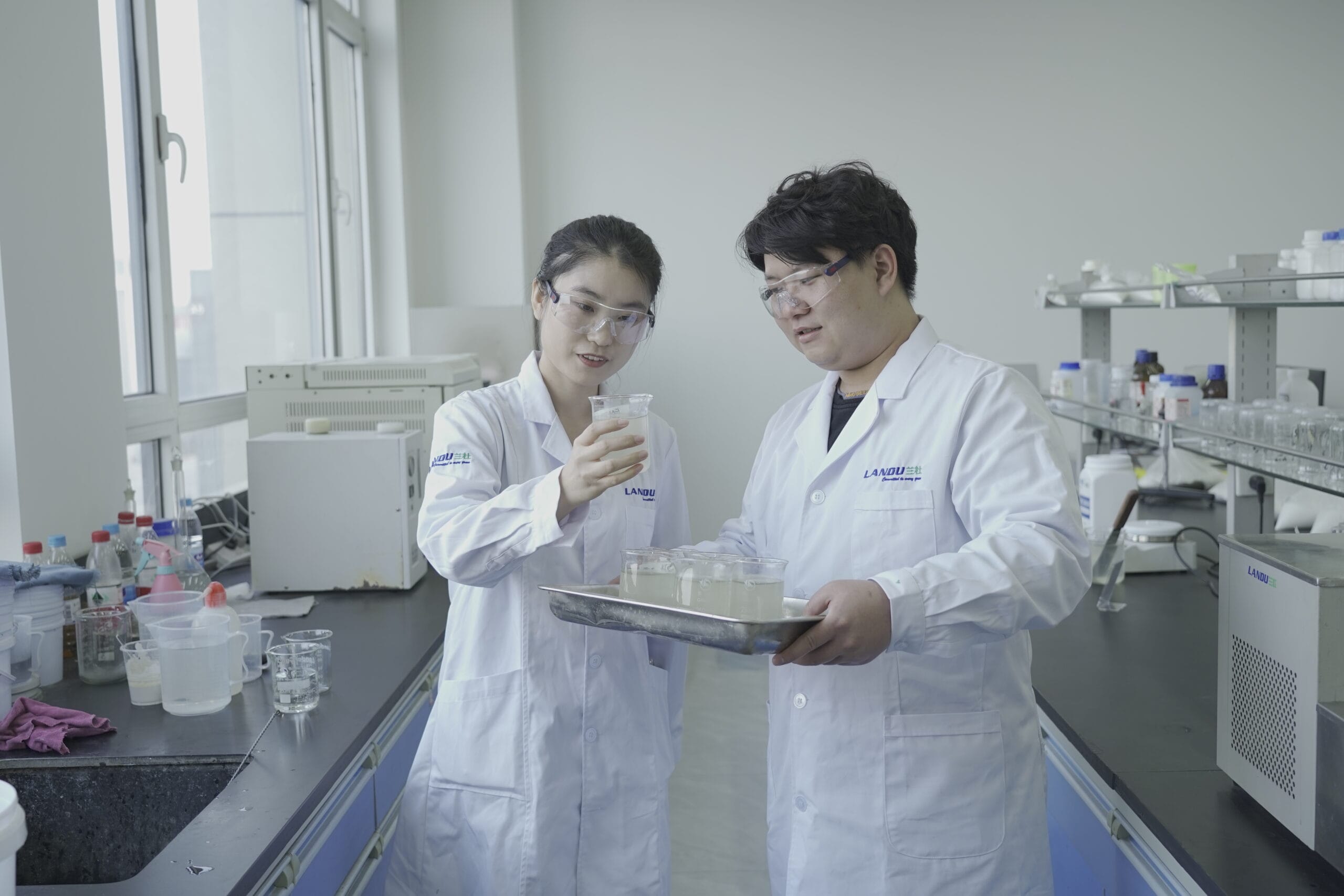
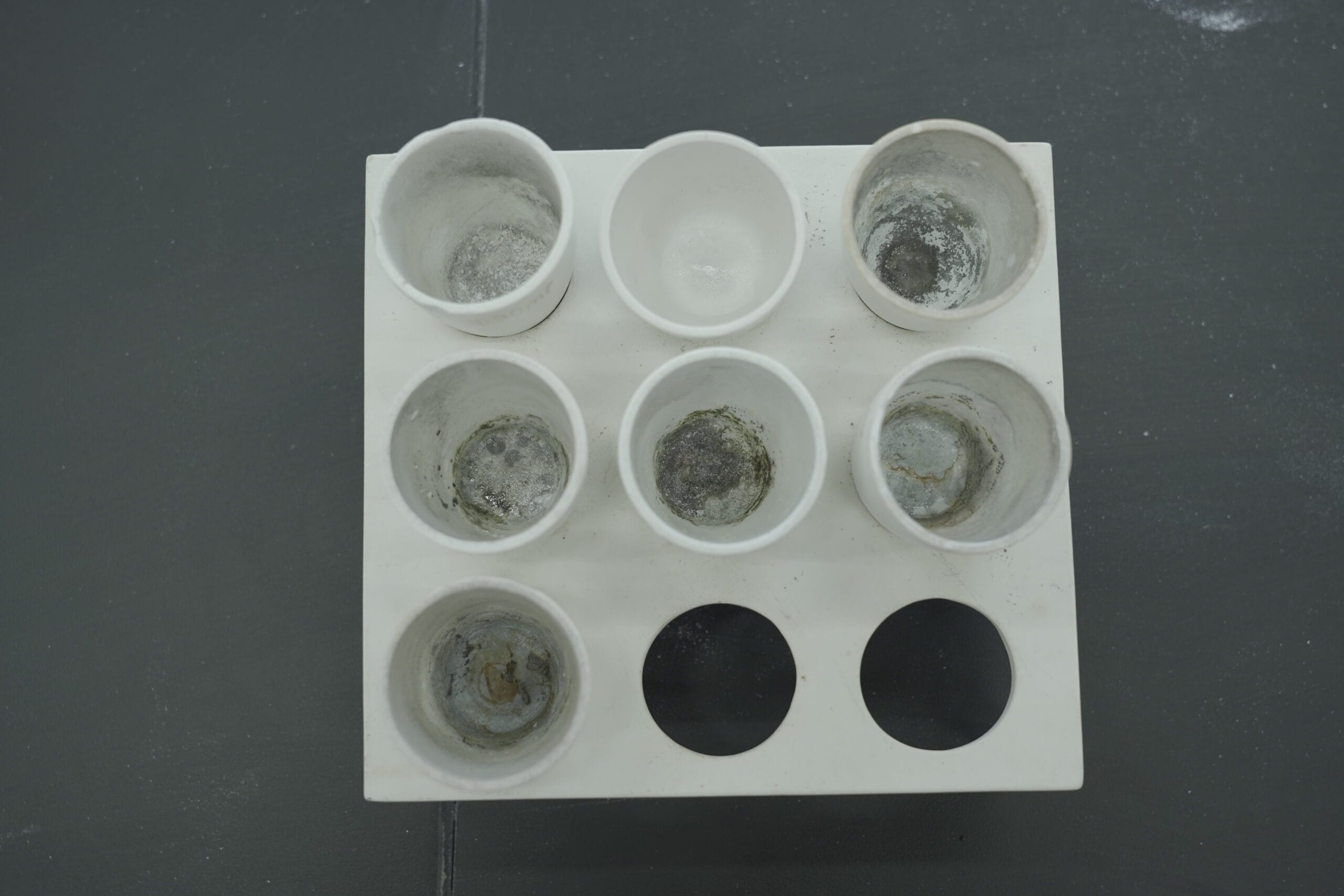
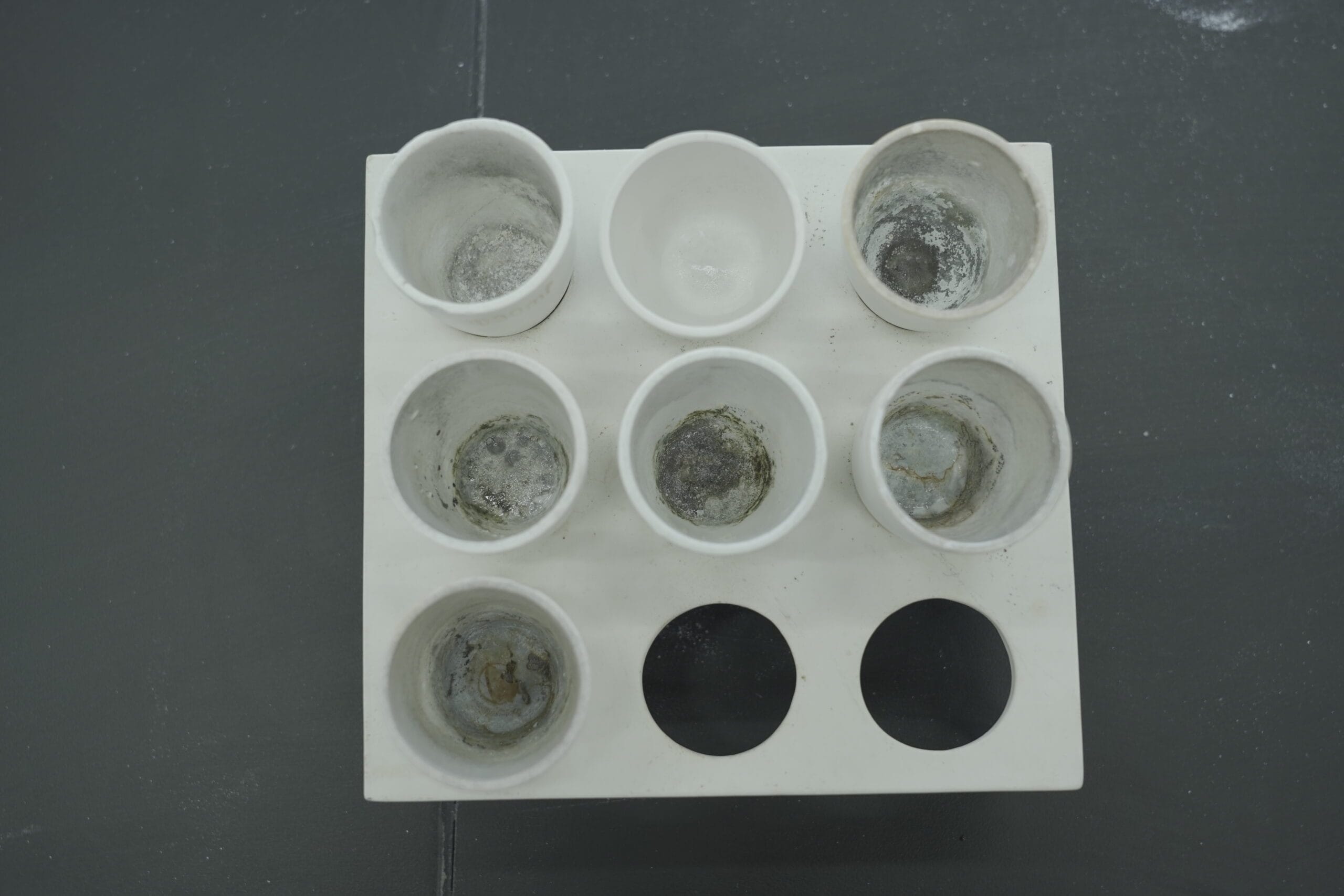
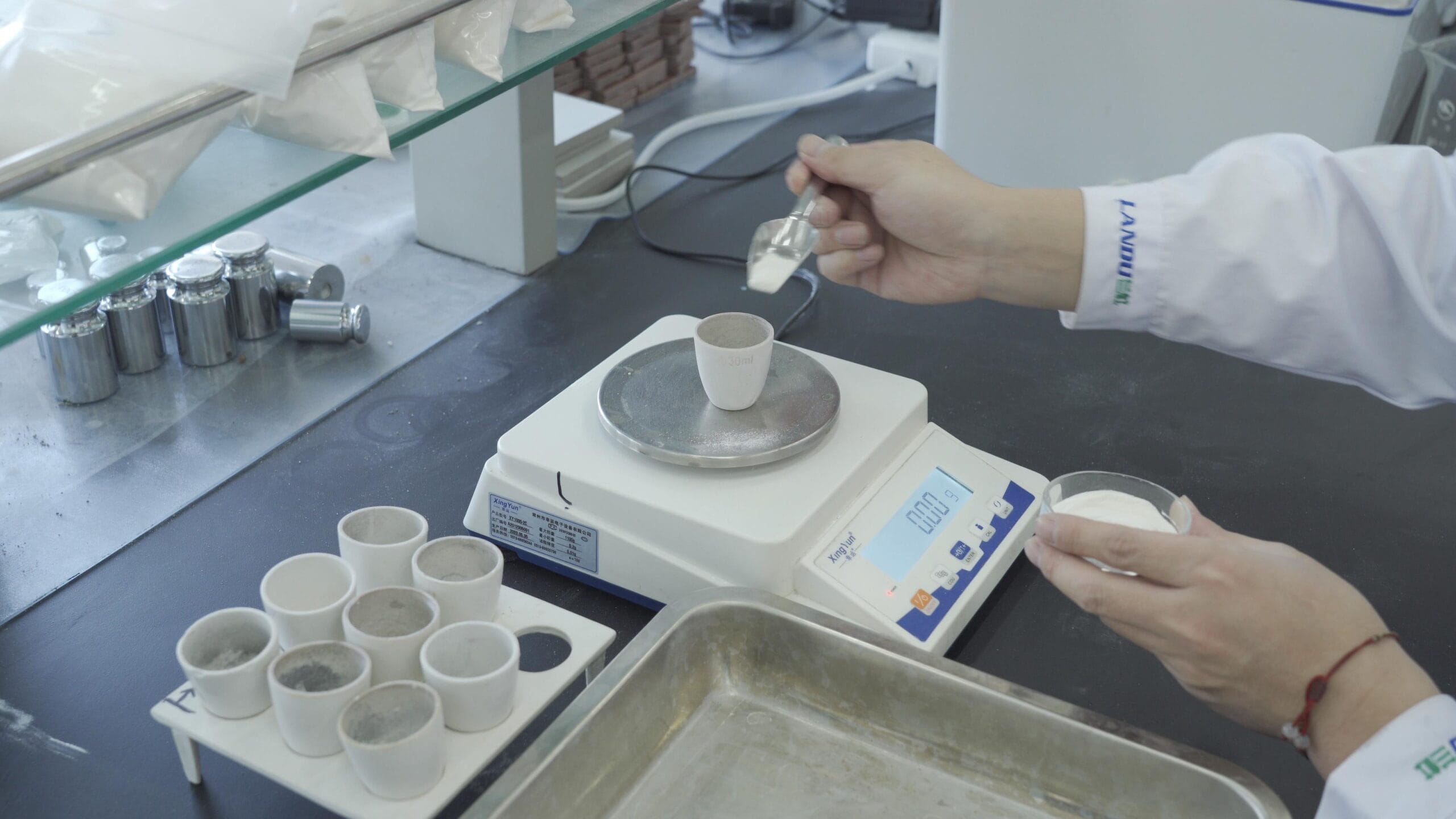
Cellulose ether chemistry lab
DS·MS Substitucija
Lab analysis Chemical structure
Kaj je HPMC?

Opredelitev, kemija,
in industrijska vloga

HPMC se proizvaja z reakcijo prečiščene celuloze z metil kloridom in propilen oksidom pod nadzorovanimi alkalnimi pogoji. Ta postopek uvede dve vrsti substituentnih skupin na celulozno ogrodje, pri čemer vsaka na različne načine vpliva na profil delovanja končnega izdelka.

Metoksilne skupine (–OCH₃)

Nadzorujejo topnost, termično geliranje in površinsko aktivnost celuloznega etra.

Hidroksipropoksilne skupine

Vplivajo na sposobnost zadrževanja vode, razvoj viskoznosti in združljivost z drugimi sestavinami.

Kombinacija in razmerje teh dveh substituentov – izražena kot stopnja metilne substitucije (DS) in molska substitucija hidroksipropila (MS) – določata profil delovanja razreda. Viskoznost, izmerjena v 2% vodni raztopini z uporabo Brookfield ali Ubbelohde metod, je najpogosteje omenjen parameter za izbiro razreda, ki se giblje od pod 100 mPa·s do nad 200.000 mPa·s, odvisno od razreda.

Zakaj se HPMC pogosto uporablja

HPMC je neionski – združljiv s širokim naborom dodatkov, površinsko aktivnih snovi, soli in pH pogojev. Je tudi biorazgradljiv, brez vonja, brez okusa in brez surovin živalskega izvora, zaradi česar je primeren za regulirane in občutljive aplikacije, od suhih malt do farmacevtskih pomožnih snovi in prehrambenih sistemov.

Tehnični podatki

Tehnični referenčni
podatki HPMC

Naslednja tabela zagotavlja splošno tehnično referenco za hidroksipropil metil celulozo. Natančne vrednosti se razlikujejo glede na razred izdelka, stopnjo viskoznosti, vrsto substitucije, velikost delcev, površinsko obdelavo in metodo testiranja. Te informacije so namenjene kot izhodišče za referenco pri formulaciji, ne kot končna specifikacija izdelka.

PostavkaTipična referenca
Ime izdelkaHidroksipropil metil celuloza
OkrajšavaHPMC
Št. CAS9004-65-3
Koda živilskega dodatkaE464
VidezBeli do skoraj beli prah
Ionski tipNeionski
Molekularna osnovaCelulozni eter (modificirana naravna celuloza)
Vir surovineLesna celuloza ali bombažni linter
TopnostTopen v hladni vodi; netopen v vroči vodi nad temperaturo geliranja; tvori viskozno raztopino
Toplotno geliranjeGelira pri segrevanju; se ponovno raztopi pri ohlajanju (termično reverzibilno)
Razpon viskoznostiVeč razredov: nizka / srednja / visoka / zelo visoka viskoznost
Merjenje viskoznostiObičajno v 2% vodni raztopini (Brookfield ali Ubbelohde)
Površinska obdelavaObdelane (zakasnjena hidracija) ali neobdelane možnosti na voljo
pH stabilnostStabilen v območju približno pH 3–11
Ionska združljivostZdružljiv z neionskimi, anionskimi in številnimi kationskimi sistemi
Ključne funkcijeZgoščevanje, zadrževanje vode, tvorjenje filma, vezanje, obdelovalnost, stabilizacija
Aplikacijski sistemiDrymix, tekočina, poltrdno, farmacevtsko, živilsko, industrijsko
Razpoložljivi dokumentiTDS, SDS, COA, priporočilo izdelka na voljo na zahtevo

Pomembno: Ta tabela je le splošna referenca. Za natančne vrednosti viskoznosti, pH, vsebnosti vlage, vsebnosti pepela, porazdelitve velikosti delcev, vsebnosti metoksila, vsebnosti hidroksipropoksila in vrednosti, specifičnih za posamezni razred, prosimo, zahtevajte uradni TDS ali COA od LANDERCOLL.

Ocene
Referenca glede stopnje

HPMC stopnje izdelkov —
Viskoznost in referenca za uporabo

LANDERCOLL HPMC je na voljo v več stopnjah glede na viskoznost, površinsko obdelavo, obnašanje pri raztapljanju in ciljno uporabo. Spodnje informacije so namenjene kot referenca za izbiro izdelka. Končno izbiro stopnje je treba vedno potrditi s testiranjem formulacije in neposrednim tehničnim pogovorom z našo ekipo.

i.
Nizka viskoznost HPMC
Običajno pod 5.000 mPa·s
Premazi, farmacevtsko oblaganje tablet, prehranski sistemi, izbrane tekoče formulacije.
Tvorba filma · Rahlo zgoščevanje · Nadzor pretoka
ii.
Srednje viskozna HPMC
Običajno 5.000–50.000 mPa·s
Kit za stene, gladilni omet, detergent, osebna nega, splošni industrijski sistemi.
Tekstura · Povečanje viskoznosti · Gladka obdelovalnost
iii.
Visoko viskozna HPMC
Običajno 50.000–150.000 mPa·s
Lepilo za ploščice, cementni omet, mavčni omet, sistemi suhih maltnih mešanic.
Zadrževanje vode · Odprti čas · Obdelovalnost
iv.
Ekstra visoko viskozna HPMC
Običajno nad 150.000 mPa·s
Visoko zmogljivo lepilo za ploščice, debeloslojna malta, sistemi za vertikalno nanašanje.
Močno zadrževanje vode · Preprečevanje zdrsa · Podaljšan odprti čas
v.
Stopnje glede na površinsko obdelavo
Obdelane ali neobdelane možnosti
Površinsko obdelano

Zakasnjena hidracija — lažja disperzija, manj grudic, nadzorovano raztapljanje. Prednostno za sisteme suhih mešanic.

Nepovršinsko obdelano

Hitrejši razvoj viskoznosti — hitra hidracija, primerno za hitrotopne formulacije in formulacije z neposredno hidracijo.

Opomba: Zgoraj navedeni razponi viskoznosti so približne reference. Dejanske stopnje LANDERCOLL HPMC je treba izbrati glede na vašo formulacijo, metodo testiranja, okolje uporabe in zahtevano dokumentacijo. Za priporočila glede specifičnih stopenj se obrnite na našo ekipo.

Jedrne funkcije

Ključne funkcije
HPMC v formulaciji

HPMC je večnamenski celulozni eter. V večini aplikacij hkrati prispeva več kot eno funkcionalno korist. Spodaj je strukturiran pregled njegovih glavnih funkcij v različnih vrstah sistemov.

Water Retention
i.
Zadrževanje vode

V cementnih in mavčnih sistemih HPMC tvori polimerno mrežo, ki fizično omejuje migracijo vode. Višje viskoznostne stopnje in višji odmerki zagotavljajo močnejše zadrževanje vode – preprečujejo hitro izgubo vode, nepopolno hidratacijo in površinsko razpokanje.

Thickening
ii.
Zgoščevanje in nadzor viskoznosti

HPMC se v hladni vodi raztopi v viskozno, psevdoplastično (strižno redčilno) raztopino. Viskoznost se med mešanjem pod strižnimi silami zmanjša in v mirovanju obnovi – kar podpira tako obdelovalnost kot stabilnost na mestu uporabe v suhih maltah, detergentih, izdelkih za osebno nego in premazih.

Workability
iii.
Izboljšanje obdelovalnosti

V suhih gradbenih mešanicah HPMC naredi malto bolj gladko, bolj kohezivno in lažjo za nanašanje, glajenje, strganje in obdelavo. To je kombiniran rezultat zadrževanja vode, povečanja viskoznosti in mazalnih učinkov – še posebej cenjeno pri lepilih za ploščice, kitih za stene in mavčnih ometih.

iv.
Nadzor reologije

Podpira nadzor pretoka, odpornost proti povešanju, izravnalno vedenje in stabilnost aplikacije. Preprečuje drsenje malte na navpičnih površinah, prispeva k nadzorovanemu pretoku v samorazlivnih masah ter ohranja stabilno viskoznost v premazih in detergentih.

v.
Tvorba filma

HPMC po izhlapevanju vode tvori neprekinjen, prožen film — uporablja se v farmacevtskem oblaganju tablet, sistemih užitnih filmov, celovitosti gradbenih površin in izbranih vodnih premazih kot vezivna komponenta.

vi.
Vezanje, kohezija in suspenzija

Podpira strukturno celovitost pri izdelavi tablet, zeleno trdnost v keramiki in kohezijo v suhih maltah. Prav tako pomaga ohranjati enakomerno suspenzijo pigmentov, polnil, mineralnih prahov in aktivnih sestavin v premazih, detergentih in farmacevtskih sistemih.

Navodila za uporabo

Uporaba HPMC
Vodnik za izbiro

Izbira stopnje HPMC naj se vedno začne z uporabo. Stopnja, optimizirana za lepilo za ploščice, ne bo nujno dobro delovala v detergentu, izdelkih za osebno nego ali farmacevtskem sistemu. Spodnja tabela ponuja strukturiran referenčni okvir za običajno ujemanje uporabe s stopnjo.

AplikacijaPriporočena smer glede na razredGlavne zahteve glede učinkovitosti
Lepilo za ploščiceVisoka do zelo visoka viskoznostZadrževanje vode, odprti čas, protizdrsnost, občutek pri gladilki
Stenski kit / Skim CoatSrednja do visoka viskoznostGladko nanašanje, zadrževanje vode, končna obdelava površine
Cementni omet / ometSrednja do visoka viskoznostObdelovalnost, raztegljivost, zadrževanje vode
Mavčni ometSrednja do visoka viskoznostGladko nanašanje, upravljanje z vodo, doslednost
Samonivelirne spojineNizka do srednja viskoznostNadzor pretoka, stabilnost, nadzorovano zadrževanje vode
EIFS / ETICS MaltaVisoka viskoznostOpen time, anti-sag, adhesion-related support
Vodoodporna maltaSrednja do visoka viskoznostWorkability, uniform coating, stable consistency
Zidarska maltaSrednja do visoka viskoznostWater retention, workability, bond support
Popravilo malteSrednja do visoka viskoznostAdhesion, workability, water retention
Tekuče sredstvo za pomivanjeSrednja viskoznostTexture, viscosity, storage stability
Osebna negaNizka do srednja viskoznostSmooth texture, viscosity control, stability
Pharmaceutical ApplicationsSuitable pharmaceutical gradeFilm coating, binding, controlled release, excipient
Food ApplicationsSuitable food grade (E464)Thickening, stabilization, texture control
KeramikaSrednja do visoka viskoznostBinding, green strength, suspension
Vodotopne premazeNizka do srednja viskoznostThickening, film formation, particle suspension
Industrial AdhesivesSrednja do visoka viskoznostBinding, cohesion, process stability

Grade direction is a starting reference. Final selection should be confirmed through laboratory testing under your specific formulation conditions, water quality, temperature range, and application method.

Dosage Guide

HPMC Dosage Reference
by Application

HPMC dosage depends on formulation design, raw material quality, target performance, ambient temperature, water quality, substrate type, and production process. The following ranges are general starting points for laboratory evaluation — not fixed usage standards.

For tile adhesive: 0.2%–0.5% is a widely referenced industry starting range. However, final dosage must be confirmed through laboratory testing and on-site performance evaluation, as substrate porosity, tile size, ambient temperature, and cement type all affect the optimal dosage.

Mortar application dosage
AplikacijaTypical Reference Dosage (% by weight)
Lepilo za ploščice0.2% – 0.5%
Stenski kit / Skim Coat0.2% – 0.5%
Cementni omet / omet0.15% – 0.4%
Mavčni omet0.1% – 0.3%
Zidarska malta0.1% – 0.3%
Samonivelirne spojine0.05% – 0.2%
EIFS / ETICS Malta0.2% – 0.5%
Vodoodporna malta0.15% – 0.4%
Popravilo malte0.15% – 0.4%
Tekuče sredstvo za pomivanje0.2% – 1.0%
Osebna nega0.1% – 1.0%
Vodotopne premaze0.1% – 0.8%
Food / Pharma / SpecialtyDepends on grade, regulation, and formulation design

These dosage ranges are general starting points. Adjust based on testing results under your specific formulation, raw materials, and application conditions.

Aplikacije

Gradbeništvo &Malta Drymix

Construction is the largest and most established application area for HPMC globally — a critical additive for water retention, workability, open time, and anti-sag performance.

In drymix mortar systems, HPMC functions simultaneously as a water-retaining agent, rheology modifier, and workability enhancer. Without HPMC, cement-based and gypsum-based mortars tend to lose water too quickly to the substrate, resulting in poor hydration, weak bond strength, surface cracking, and difficult application.

Lepilo za ploščice

Water retention, open time extension, anti-slip behavior, and troweling feel. High to extra-high viscosity grades, 0.2%–0.5% dosage. Surface-treated grades commonly preferred.

Zidni kit in gladilni omet

Scraping smoothness, water retention, surface finish quality. Medium to high viscosity, 0.2%–0.5% dosage.

Gypsum-Based Products

Controlled water retention without over-retarding set time. Smooth spreading, consistent texture, reduced surface defects. Medium to high viscosity grades.

Other Mortar Systems

Cement render, masonry mortar, self-leveling compounds, EIFS/ETICS, waterproof mortar, repair mortar, insulation mortar, joint fillers.

All Construction Applications
  • Lepilo za ploščice
  • Wall putty & skim coat
  • Cement render & plaster
  • Gypsum plaster
  • Self-leveling compounds
  • EIFS / ETICS malta
  • Vodoodporna malta
  • Zidarska malta
  • Repair mortar
  • Izolacijska malta
  • Joint fillers
  • Ready-mix dry mortar systems
Aplikacije

Home Care & Personal Care Formulacije

Home care detergents Nega doma in detergenti

HPMC for Home Care
& Detergent Formulations

As a non-ionic polymer, HPMC is compatible with anionic and non-ionic surfactant systems commonly used in cleaning products. It builds smooth, stable viscosity that improves product appearance, pourability, and consumer perception — while helping maintain uniform suspension of insoluble components.

Tipične uporabe

Laundry liquid Tekočina za pomivanje posode Toilet bowl cleaner Čistilo za površine Gel čistilo Multi-purpose cleaner
  • Controlled viscosity and product body
  • Stable texture and appearance over shelf life
  • Improved pourability and handling feel
  • Suspension support for insoluble components
  • Compatible with common surfactant systems
Personal care products Osebna nega

HPMC for Personal
Care Formulations

In personal care systems, HPMC functions as a viscosity modifier, texture enhancer, and formulation stabilizer. It is water-soluble, non-ionic, and free from animal-derived raw materials — making it suitable for a wide range of rinse-off and leave-on products where smooth, consistent texture and formulation stability across temperature and storage conditions are required.

Tipične uporabe

Shampoo & conditioner Body wash Facial cleanser Hand soap Body lotion & cream Zobna pasta Hair styling Intimate care
  • Smooth, uniform texture and sensory feel
  • Controlled viscosity across temperature ranges
  • Stable formulation structure over shelf life
  • Non-ionic — does not interfere with charged ingredients
Farmacevtsko industrijo

HPMC for Pharmaceutical Applications

Suitable pharmaceutical grades of HPMC — referred to as Hypromellose in pharmacopoeial standards — are widely used as functional excipients in solid dosage forms, film coatings, and controlled-release systems. HPMC is recognized in the USP/NF, Ph. Eur., and JP pharmacopoeias.

Only grades manufactured and tested to pharmacopoeial standards should be used. Grade selection is based on viscosity grade, substitution type, regulatory compliance, and documentation requirements.

Tipične uporabe

  • Tablet binder (wet granulation & direct compression)
  • Film coating for immediate-release tablets
  • Matrix former for controlled-release tablets
  • HPMC capsule shell material (vegetarian alternative)
  • Oral film systems
  • Ophthalmic solutions & artificial tear formulations
  • Topical and semi-solid pharmaceutical systems

Pharmaceutical applications require suitable grade selection, pharmacopoeial compliance, and relevant documentation. Contact LANDERCOLL to discuss pharmaceutical grade availability.

Discuss Pharma Grades
Food · E464

HPMC for Food Applications (E464)

Hydroxypropyl Methyl Cellulose is approved as a food additive under E464 in the European Union and is recognized in food regulations in many other markets. Suitable food-grade HPMC may be used as a thickener, stabilizer, emulsifier, film former, and texture modifier.

Food applications require HPMC grades meeting relevant food safety standards including purity specifications, heavy metal limits, and microbiological requirements. Compliance with the specific food regulations of the target market is required.

Tipične uporabe

  • Bakery products including gluten-free formulations
  • Sauces, dressings, and condiments
  • Frozen food systems (ice cream, frozen desserts)
  • Beverage systems
  • Edible film and coating applications
  • Vegetarian & vegan food products (gelatin alternative)
  • Thermal gelation: gels when heated, re-dissolves when cooled
  • Improved freeze-thaw stability
  • Suitable for vegetarian, vegan, and halal-compliant formulations

Food applications require suitable grade selection and compliance with applicable food regulations in the target market.

Discuss Food Grades
Coatings & Industrial

HPMC for Coatings and
Industrijske aplikacije

HPMC can be used in selected water-based coatings and specialty industrial systems where thickening, film formation, binding, suspension control, and process stability are required. In architectural coatings, HEC is more commonly used as the primary cellulose ether thickener; however, HPMC can be suitable in specific coating formulations and industrial systems.

Key performance benefits include viscosity control and thickening, film formation and surface integrity, binding and cohesion in ceramic and industrial systems, suspension stability for pigments and fillers, and process consistency in extrusion and forming operations.

Industrial coatings application
Vodotopne premaze

Selected architectural and decorative systems where HPMC's film-forming or thermal gelation properties offer a formulation advantage.

Teksturirani premazi

Decorative and texture coatings requiring stable viscosity, film formation, and consistent application behavior.

Construction Adhesives & Sealants

Binding, cohesion support, and process stability in adhesive and sealant formulations.

Ceramic Processing

Green body forming, extrusion, pressing — binding, green strength, and suspension support before firing.

Textile Printing Pastes

Viscosity control and rheology management in textile printing formulations.

Paper Coating & Sizing

Film formation, binding, and surface integrity in paper coating and sizing applications.

Specialty Industrial Fluids

Thickening, process control, and stability in specialty fluid formulations across various industrial sectors.

Agricultural Formulations

Viscosity building, suspension stability, and film formation in selected agricultural product systems.

Product Comparison

HPMC vs Other
Celulozni etri

Cellulose ethers are a family of water-soluble polymers, each with distinct chemical structures and performance profiles. LANDERCOLL supplies HPMC, HEMC/MHEC, HEC, and CMC — the four most widely used in industrial formulation. Understanding the differences helps formulators select the most appropriate product.

HPMC
Hidroksipropil metil celuloza
Neionski

Versatile water retention, thickening, film forming, workability, broad application compatibility.

Construction · Pharma · Food · Personal care · Detergents · Industrial
HEMC
Hydroxyethyl Methyl Cellulose (MHEC)
Neionski

Strong construction performance, excellent water retention, good anti-sag in drymix mortar.

Tile adhesive · Wall putty · Cement plaster · Gypsum · EIFS/ETICS
HEC
Hidroksietil celuloza
Neionski

Excellent rheology control in aqueous systems, strong latex compatibility for coatings.

Water-based paints · Coatings · Cleaners · Personal care
CMC
Karboksimetil celuloza
Anionski

Thickening, binding, stabilization, texture control; cost-effective across many systems.

Food · Detergents · Ceramics · Pharma · Oilfield · Paper

HPMC vs HEMC/MHEC for Construction

Both are non-ionic cellulose ethers for drymix construction materials and can deliver similar core functions. The choice depends on specific performance targets, regional market preferences, formulation system, and cost considerations. In many markets, HEMC/MHEC is preferred for high-performance tile adhesive and plaster due to its water retention profile. HPMC remains widely used globally across a broader range of industries.

HPMC vs HEC for Coatings

For water-based architectural coatings and latex paint systems, HEC is generally the preferred cellulose ether due to its strong compatibility with latex polymers and its well-established use in paint formulation. HPMC may be considered in specific coating systems, texture coatings, or where its film-forming or thermal gelation properties offer a formulation advantage.

Po panogah

HPMC Grade Directions
by Industry

Construction grade
Grade Direction · i.
Gradbeni razred

Designed for drymix construction materials requiring water retention, workability improvement, open time extension, anti-sag performance, and application consistency. Surface-treated grades commonly used.

Tile adhesive · Wall putty · Cement plaster · Gypsum plaster · Masonry mortar · Self-leveling · EIFS/ETICS · Waterproof mortar · Repair mortar · Insulation mortar
Detergent grade
Grade Direction · ii.
Razred za detergent

Designed for home care and cleaning systems where viscosity building, texture stability, product body, and storage stability are important. Compatible with common anionic and non-ionic surfactant systems.

Laundry liquid · Dishwashing liquid · Toilet cleaner · Surface cleaner · Gel cleaner
Personal care grade
Grade Direction · iii.
Razred za osebno nego

Designed for personal care products where smooth texture, stable viscosity, and user-friendly application feel are required. Non-ionic and compatible with a wide range of personal care actives.

Shampoo · Body wash · Facial cleanser · Lotion · Cream · Toothpaste · Styling products
Pharmaceutical grade
Grade Direction · iv.
Pharmaceutical Grade (Hypromellose)

Manufactured and tested to pharmacopoeial standards (USP/NF, Ph. Eur., JP). For pharmaceutical excipient applications where binding, coating, controlled release, or film performance may be required.

Tablet binder · Film coating · Controlled-release matrix · HPMC capsule shells · Oral film systems · Ophthalmic applications
Food grade E464
Grade Direction · v.
Food Grade (E464)

Compliant with applicable food additive regulations. Designed for food systems where texture control, water management, stabilization, and formulation consistency are required.

Bakery products · Sauces & dressings · Frozen food · Edible films · Texture-modified food · Vegan & halal applications
Industrial grade
Grade Direction · vi.
Industrial Grade

Designed for specialty industrial systems requiring thickening, binding, suspension stability, and process control across various non-food, non-pharma applications.

Ceramics processing · Construction adhesives · Textile printing · Paper-related systems · Specialty industrial fluids
Logistics & Documentation

Packaging, Storage & Razpoložljivi dokumenti

Pakiranje in shranjevanje

Packaging and Storage

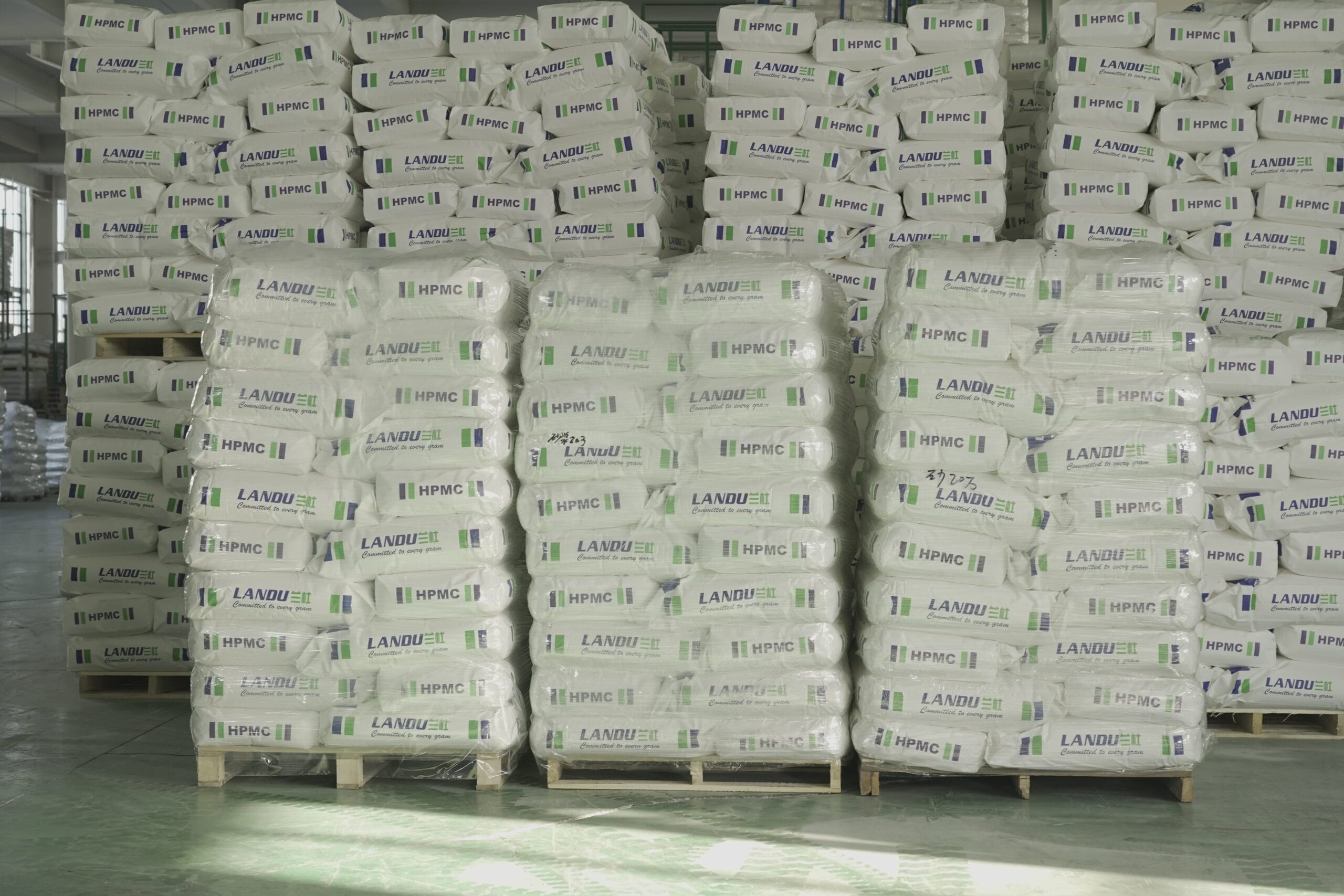
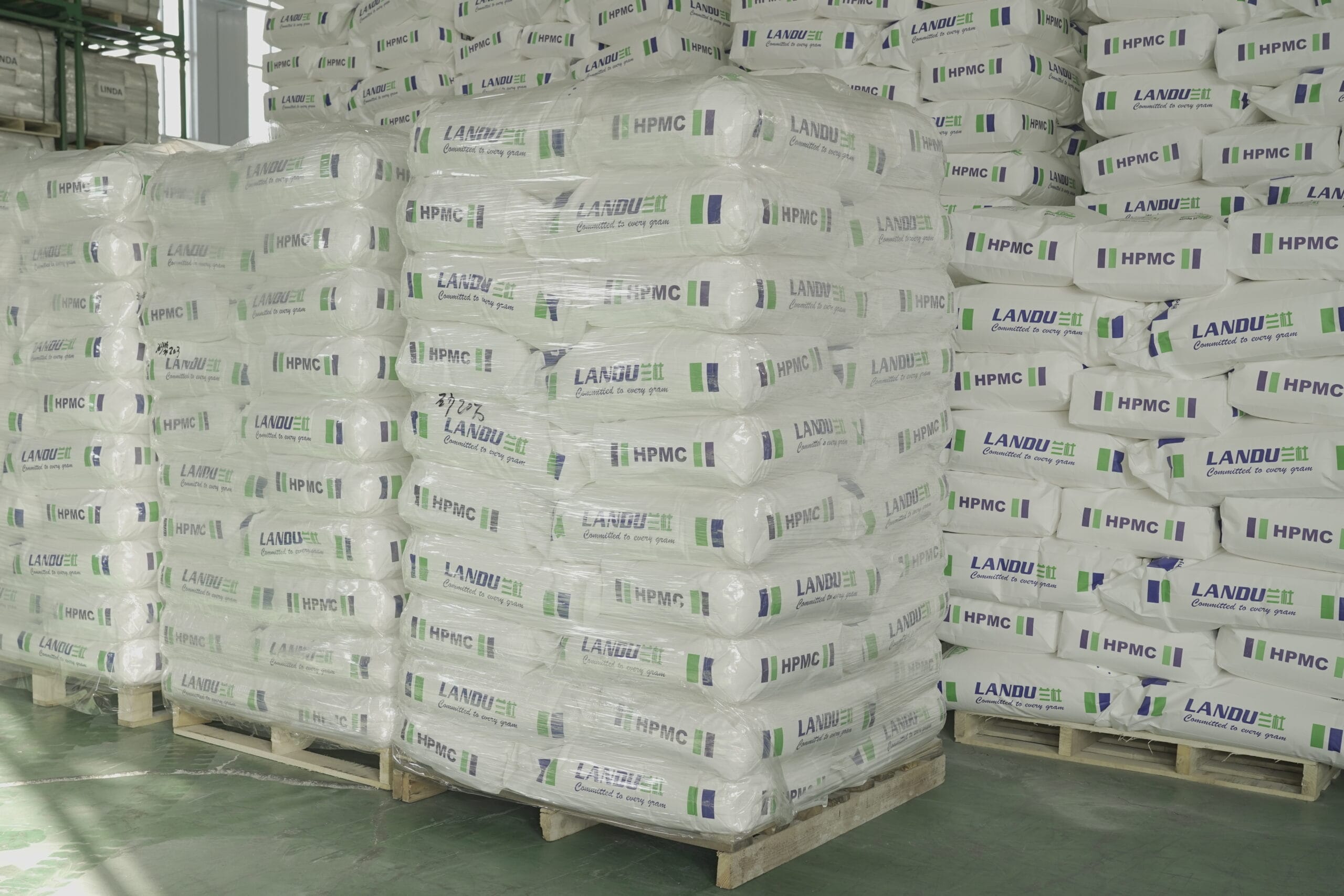
LANDERCOLL HPMC is supplied in industrial packaging suitable for transportation, storage, and production handling. Cellulose ether powders are hygroscopic — proper storage conditions help maintain powder flowability, dissolution performance, and application effectiveness throughout product shelf life.

Standardna embalaža

  • 25 kg na vrečo
  • Paper bag with inner moisture-protective polyethylene liner
  • Paletizirano pakiranje na voljo na zahtevo
  • Customized packaging options can be discussed for long-term supply cooperation

Priporočila za shranjevanje

  • Store in a cool, dry, and well-ventilated environment
  • Hraniti ločeno od vlage, neposredne sončne svetlobe in virov toplote
  • Embalažo hraniti zaprto, ko ni v uporabi
  • Preprečiti kontaminacijo med rokovanjem in prenosom
  • Uporabiti v priporočenem roku uporabnosti, navedenem v dokumentaciji izdelka
  • Do not store near strong oxidizing agents or reactive chemicals
Industrial packaging warehouse
Dokumentacija

Product Documentation
Na voljo na zahtevo

LANDERCOLL can provide product-related documentation to support formulation evaluation, purchasing review, technical communication, regulatory submission, and internal approval processes.

Razpoložljivi dokumenti

  • Tehnični podatkovni list (TDS)
  • Safety Data Sheet (SDS / MSDS)
  • Certifikat o analizi (COA)
  • Product brochure and application guide
  • Grade recommendation document
  • Packaging and storage specification
  • Export-related documentation, where applicable

All documentation is provided to help customers complete their internal evaluation, purchasing approval, and regulatory review processes efficiently. Contact our team to request specific documents for your application or market requirements.

Zahtevajte dokumente izdelka
Inquiry Guide

How to Request the
Right HPMC Grade

To help our team recommend the most suitable HPMC grade for your application, please include as much of the following information as possible when contacting us. A detailed inquiry allows us to provide a more accurate grade recommendation and support your evaluation more efficiently.

i.
Application & Formulation System

Product application (e.g., tile adhesive, wall putty, shampoo, tablet coating) and formulation system type (cement-based, gypsum-based, liquid, semi-solid, other).

ii.
Current Grade or Viscosity Reference

Current HPMC grade or reference viscosity, if available. Main performance target — e.g., water retention, open time, viscosity level, texture, stability.

iii.
Testing Method & Quantity

Testing method or standard used, if applicable. Required quantity — sample, trial, or commercial volume.

iv.
Market & Documentation

Destination country or target market. Documentation requirements (TDS, SDS, COA, food/pharma compliance documents). Timeline for evaluation or sourcing decision.

FAQ

Pogosto zastavljena vprašanja
About HPMC

What is HPMC used for?

HPMC (CAS 9004-65-3) is used as a multifunctional cellulose ether additive across many industries. Its primary functions include water retention, thickening, workability improvement, film formation, binding, and formulation stabilization. Most widely used in drymix construction materials, and also in detergents, personal care, pharmaceutical excipients, food systems (E464), coatings, ceramics, and specialty industrial applications.

Kaj naredi HPMC v lepilu za ploščice?

In tile adhesive, HPMC improves water retention to support cement hydration, extends open time to give installers more working time, provides anti-slip behavior to prevent tiles from sliding on vertical surfaces, and improves troweling feel and application consistency. High to extra-high viscosity grades are typically used, at dosages of 0.2%–0.5% of the dry mix weight.

What viscosity of HPMC is used for tile adhesive?

Tile adhesive commonly uses high to extra-high viscosity HPMC, typically in the range of 50,000–200,000 mPa·s (measured at 2% aqueous solution). The exact viscosity grade depends on the formulation type, tile size and weight, required open time, anti-slip performance target, and application conditions. Final grade selection should be confirmed through formulation testing.

What is the typical dosage of HPMC in tile adhesive?

The typical reference dosage for HPMC in tile adhesive is 0.2%–0.5% by weight of the dry mix. This range is widely referenced in the drymix mortar industry as a starting point. However, the optimal dosage depends on the specific formulation, cement type, filler quality, target open time, water retention requirement, and application conditions. Final dosage must be confirmed through laboratory and field testing.

What does HPMC do in wall putty?

In wall putty and skim coat, HPMC improves water retention to prevent rapid drying, enhances scraping smoothness and surface finish quality, improves spreading behavior and workability, and helps maintain consistent product texture during application. Medium to high viscosity grades are typically used at dosages of 0.2%–0.5%.

What is the difference between HPMC and HEMC?

HPMC uses hydroxypropyl groups while HEMC uses hydroxyethyl groups on the cellulose backbone, affecting water retention profile, dissolution behavior, and performance in specific applications. Both are used in tile adhesive, wall putty, and plaster. HPMC is more widely used across multiple industries including pharma, food, and personal care, while HEMC/MHEC is particularly established in European drymix construction markets.

Is HPMC the same as Hypromellose?

Yes. Hypromellose is the International Nonproprietary Name (INN) and pharmacopoeial name for HPMC. It is used in pharmaceutical and food regulatory contexts. HPMC and Hypromellose refer to the same chemical substance (CAS 9004-65-3).

Is HPMC a food additive?

Yes. HPMC is approved as a food additive under the code E464 in the European Union and is recognized in food regulations in many other markets. Food applications require suitable food-grade HPMC that meets applicable purity and safety standards, and compliance with the specific food regulations of the target market is required.

Is HPMC used in pharmaceuticals?

Yes. Suitable pharmaceutical grades — referred to as Hypromellose — are widely used as excipients in tablet manufacturing, film coating, controlled-release systems, HPMC capsule shells, and ophthalmic formulations. HPMC is listed in the USP/NF, Ph. Eur., and JP pharmacopoeias. Pharmaceutical applications require grades manufactured and tested to pharmacopoeial standards.

What is the difference between surface-treated and non-surface-treated HPMC?

Surface-treated HPMC delays hydration when it contacts water, preventing premature lump formation and allowing the powder to disperse evenly before viscosity develops — commonly preferred in drymix mortar systems. Non-surface-treated HPMC dissolves more quickly and is preferred in systems where fast viscosity development is required.

How do I choose the right HPMC grade?

The right HPMC grade depends on your application, required viscosity level, formulation system type (cement-based, gypsum-based, liquid, semi-solid), processing conditions, dissolution behavior requirement, and final performance targets. Contact LANDERCOLL with your application details, and our team can recommend suitable grade directions and support your formulation evaluation.

Can HPMC be used in multiple industries?

Yes. HPMC is one of the most versatile cellulose ethers, used across construction, home care, personal care, pharmaceuticals, food, coatings, ceramics, and specialty industrial sectors. Different industries require different grade selections — contact LANDERCOLL to identify the most suitable grade direction for your specific application and market.


Zakaj LANDERCOLL

Why Choose LANDERCOLL HPMC

i.

Focused Cellulose Ether Expertise

LANDERCOLL focuses on cellulose ether products — HPMC, HEMC/MHEC, HEC, and CMC. This product focus allows us to develop deeper application knowledge and provide more relevant technical support compared to general chemical distributors.

ii.

Application-Oriented Grade Matching

We help customers select HPMC based on real performance requirements — water retention, viscosity level, workability, open time, texture, stability, and processing behavior — rather than simply offering a product catalog.

iii.

Široka pokritost industrije

LANDERCOLL HPMC supports customers in construction materials, detergents, personal care, pharmaceuticals, food, coatings, ceramics, and specialty industrial sectors across multiple global markets.

iv.

Technical Documentation Support

We provide TDS, SDS, COA, product recommendation documents, and application guides to support your evaluation, purchasing review, and internal approval processes.

v.

Long-Term Supply Partnership

We aim to support customers from initial product inquiry through formulation testing, sourcing decisions, and long-term supply cooperation — with consistent product quality and responsive communication.

Stopite v stik

Find the Right HPMC Grade
for Your Application

LANDERCOLL HPMC supports manufacturers across construction materials, detergents, personal care, pharmaceuticals, food, coatings, ceramics, and specialty industrial applications. Whether you are developing a new formulation, optimizing an existing product, or evaluating a new cellulose ether supplier, our team can help you identify the most suitable grade and provide the documentation and technical support you need.

~ Your Inquiry · MMXXV ~
Izdelek HPMC · CAS 9004-65-3
Aplikacija Your target formulation
Smer ocenjevanja Low · Medium · High · XH
Površinska obdelava Treated or non-treated
Dokumenti TDS · SDS · COA
Market Country & segment
industrij Construction · Pharma · Food · Care