Celulozni eter odličnost — zaupanja vredno več kot 1000 podjetij po vsem svetu Pridobite brezplačen vzorec
LANDERCOLL HEC in izbrani razredi celuloznih etrov pomagajo proizvajalcem tekočin za pomivanje posode doseči zanesljivo kontrolo viskoznosti, gladko teksturo izdelka, stabilno vedenje pri točenju in dolgoročno konsistenco formulacije pri ročnih milih za posodo, koncentriranih, gelastih, bisernih in premium oblikah.
Od ekonomičnega tekočega pomivalnega sredstva za roke do premium bisernega pomivalnega mila in gelastih oblik — pravi razred HEC zagotavlja predvidljivo reologijo, zadovoljivo teksturo izdelka in uporabniku prijazno doziranje za proizvajalce v tujini in kupce kemikalij.

Ročno milo za posodo · Koncentrirano · Gel tip · Nevtralno · Motno · Biserno · Premium
 Hiter odgovor
Hiter odgovorHEC (hidroksietil celuloza) je primarni celulozni eter, ki se uporablja v tekočinah za pomivanje posode. Deluje kot neionski zgoščevalec in modifikator reologije, ki nadzoruje viskoznost izdelka, ustvarja gladko teksturo, podpira stabilno vedenje pri točenju ter ohranja konsistenco formulacije med skladiščenjem.
Ključne informacije o zmogljivosti, združljivosti in dobavi za proizvajalce tekočin za pomivanje posode in kupce kemikalij v tujini.
Želite izboljšati viskoznost, teksturo ali stabilnost vašega tekočega pomivalnega sredstva?
Prosite za priporočilo za tekočino za pomivanje posode Zahtevajte ponudbo


Pomivalno sredstvo za ročno pomivanje posode — imenovano tudi tekočina za pomivanje posode ali pomivalni detergent — je vodni detergent, ki se uporablja za čiščenje posode, kuhinjske posode, steklovine, kuhinjskih pripomočkov in površin, ki prihajajo v stik s hrano, pred izpiranjem. Je eden najbolj razširjenih gospodinjskih čistilnih izdelkov na svetu, njegova formulacija pa mora hkrati uravnotežiti odstranjevanje maščob, penjenje, nežnost, viskoznost, videz in obstojnost pri shranjevanju.
celulozni eter se uporablja v tekočinah za pomivanje posode kot modifikator reologije in viskoznosti. Pomaga izboljšati teksturo izdelka, obnašanje pretoka, stabilnost suspenzije in videz, hkrati pa podpira bolj dosledno in uporabniku prijazno izkušnjo. Med razpoložljivimi vrstami celuloznih etrov, HEC (hidroksietil celuloza) je najbolj razširjena stopnja v sistemih tekočin za pomivanje posode zaradi svoje neionske narave, široke združljivosti s površinsko aktivnimi snovmi in gladkega profila zgoščevanja.
Dve pogosti vrsti napak, povezanih z viskoznostjo, vplivata na kakovost tekočine za pomivanje posode: preveč nizka viskoznost — izdelek je videti voden, nekontrolirano kaplja in kaže na slabo kakovost; ter previsoka viskoznost ali nitkast tok — težko iztisniti iz stekleničke, težko natančno odmeriti ali pušča neprijetno nitkasto sled. Celulozni etri dajejo formulatorjem zanesljivo orodje za doseganje želene viskoznosti in profila toka.
LANDERCOLL dobavlja HEC, CMC in izbrane stopnje celuloznih etrov proizvajalcem tekočin za pomivanje posode in oblikovalcem izdelkov za čiščenje gospodinjstev po vsem svetu – podprto s tehničnimi podatkovnimi listi, varnostnimi listi, certifikati analize in smernicami za uporabo.
Potrošniki tekočino za pomivanje posode večinoma ocenjujejo na podlagi čutnih zaznav – kako izgleda v steklenički, kako se izliva, kakšen je občutek na rokah in kako se obnaša med pomivanjem. Celulozni etri pomagajo proizvajalcem tekočin za pomivanje posode doseči cilje glede viskoznosti, teksture in stabilnosti, ki opredeljujejo kakovost izdelka in sprejemanje s strani potrošnikov.
HEC je primarna izbira za viskoznost in teksturo tekočine za pomivanje posode. CMC podpira izbrane formulacije, kjer je potrebna suspenzija. HPMC se lahko upošteva za specializirane sisteme in sisteme mila za posodo v obliki gela.
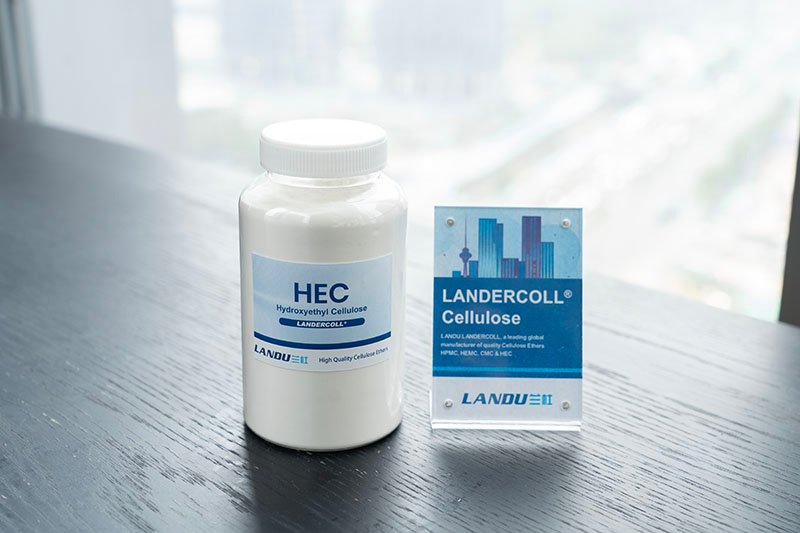
Primarni · Neionski · HEC
Neionski celulozni eter za zgoščevanje, nadzor viskoznosti, gladko tečenje in stabilnost formulacije.
HEC je najpogosteje uporabljen celulozni eter v formulacijah tekočin za pomivanje posode. Kot neionski, v vodi topen polimer je HEC združljiv s širokim naborom anionskih, neionskih in amfoternih surfaktantnih sistemov, ki se običajno uporabljajo v izdelkih za ročno pomivanje posode. Hitro hidrira v vodi in učinkovito povečuje viskoznost pri nizkih odmerkih, zaradi česar je stroškovno učinkovita rešitev za zgoščevanje tako za ekonomične kot premium tekoče oblike za pomivanje posode.
 Anionski · CMC · Izbrani sistemi
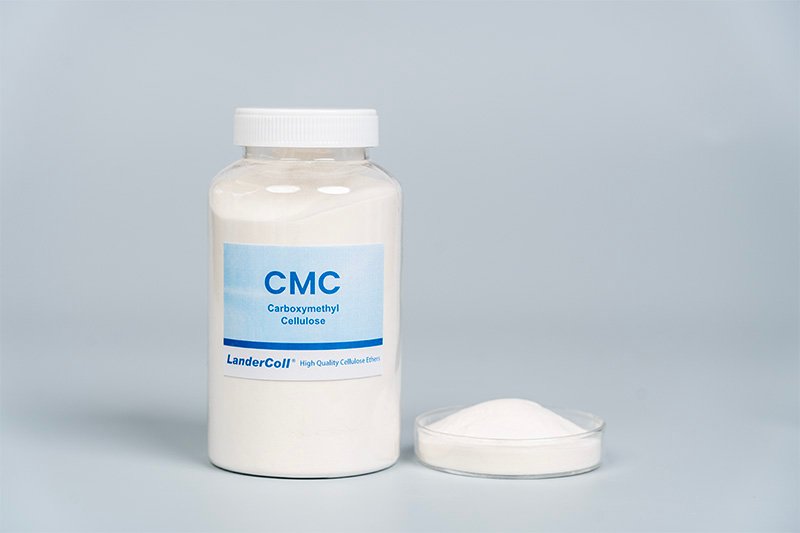
Izbira celuloznega etra za podporo suspenziji, teksturi izdelka in stabilnosti izbranih formulacij.
CMC se lahko uporablja v izbranih tekočinah za pomivanje posode ali čistilnih formulacijah za gospodinjstvo, kjer je potrebna podpora suspenziji, prispevek k viskoznosti ali doslednost formulacije. Njegova uporaba je v sistemih za pomivanje posode bolj specifična kot uporaba HEC. Pomembno: CMC je anionski polimer; združljivost s sistemom površinsko aktivnih snovi, stopnjo soli, pH, dišavo, konzervansom in vsebnostjo aktivnih snovi je treba potrditi s testiranjem formulacije pred povečanjem proizvodnje.
 Specializirani · HPMC · Gel sistemi
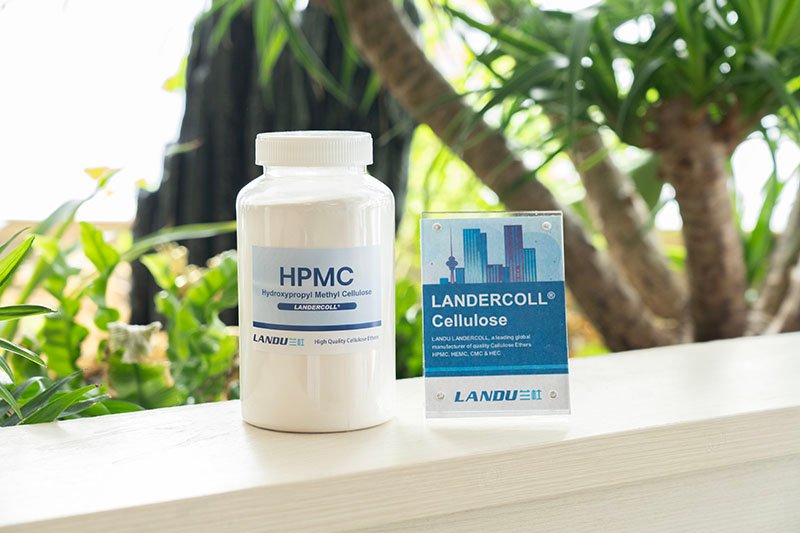
Izbrani celulozni eter za specializirano zgoščevanje, nadzor reologije in prilagojeno teksturo izdelka.
HPMC se lahko upošteva v specializiranih tekočinah za pomivanje posode, gelastih milih za posodo ali prilagojenih čistilnih izdelkih za gospodinjstvo, kjer je potrebno posebno reološko vedenje, značilnosti vodotopnega polimera ali prilagoditev teksture. Končno uporabo je treba potrditi s testiranjem formulacije, saj je učinkovitost HPMC močno odvisna od sestave površinsko aktivnih snovi, ravni elektrolitov, sistema topil, pH in pogojev proizvodnega procesa.
Spodnja tabela zagotavlja splošno referenco za običajne sestavine tekočine za pomivanje posode in vlogo, ki jo ima celulozni eter v sistemu.
| Komponenta | Function in Dishwashing Liquid |
|---|---|
| Voda | Glavno topilo in nosilec |
| Površinsko aktivne snovi | Zagotavljajo odstranjevanje maščob, omočenje, čiščenje in penjenje |
| Ko-površinsko aktivne snovi | Podpirajo penjenje, blagost in ravnovesje formulacije |
| Celulozni eter | Izboljša viskoznost, teksturo, suspenzijo in stabilnost |
| Sol / elektroliti | Prilagodijo viskoznost v izbranih sistemih površinsko aktivnih snovi |
| Hidrotropi / topila | Podpirajo bistrost, topnost in stabilnost |
| Dišava | Zagotavlja vonj izdelka |
| Konzervansi | Zaščitijo vodne formulacije pred mikrobiološko rastjo |
| Sredstva za uravnavanje pH | Nadzor pH in stabilnost izdelka |
| Barvila / motilci | Izboljšajte videz v izbranih formulacijah |
| Vrsta aplikacije | Priporočen izdelek | Glavne zahteve |
|---|---|---|
| Tekočina za ročno pomivanje posode | HEC | Nadzor viskoznosti, gladka tekstura, stabilno točenje |
| Koncentrirana tekočina za pomivanje posode | HEC / izbrani celulozni eter | Visoka aktivna združljivost, ravnovesje reologije |
| Gel milo za posodo | HEC / izbrani HPMC | Gel telo, nadzorovan pretok, stabilna tekstura |
| Nevtralno tekoče milo za pomivanje posode | HEC | Blaga viskoznost, gladek pretok, stabilnost formulacije |
| Opaque Dishwashing Liquid | HEC / izbrani CMC | Suspension support, stable appearance |
| Pearl tekočina za pomivanje posode | HEC | Pearlescent suspension, texture, product body |
| Economy Dishwashing Liquid | HEC / izbrani CMC | Cost-performance viscosity and consistency |
| Premium tekočina za pomivanje posode | HEC | Smooth texture, stable viscosity, better product feel |
These dosage ranges are starting references only. Final dosage must be confirmed through viscosity testing, compatibility testing, foam evaluation, storage stability testing, clarity or appearance testing, pouring behavior evaluation, and consumer-use trials.
| Aplikacija | Običajni referenčni odmerek |
|---|---|
| Tekočina za ročno pomivanje posode | 0.2% – 0.8% |
| Koncentrirana tekočina za pomivanje posode | 0.2% – 0.7% |
| Gel milo za posodo | 0.3% – 1.2% |
| Nevtralno tekoče milo za pomivanje posode | 0.1% – 0.6% |
| Opaque Dishwashing Liquid | 0.2% – 0.8% |
| Pearl tekočina za pomivanje posode | 0.2% – 0.8% |
| Economy Dishwashing Liquid | 0.15% – 0.7% |
| Premium tekočina za pomivanje posode | 0.2% – 0.8% |
Cellulose ether influences viscosity development, product texture, pouring behavior, suspension stability, foam-compatible rheology, and long-term storage performance in water-based dishwashing liquid systems.
HEC helps adjust dishwashing liquid viscosity to a defined target range and supports a balanced product body. Proper viscosity control makes the product look more stable, dose more easily, and feel more satisfying during consumer use. Without adequate viscosity control, dishwashing liquid may appear thin, drip uncontrollably, or fail to meet quality specifications.
A smooth and uniform liquid texture is one of the most important sensory quality indicators in dishwashing liquid. Cellulose ether helps create a more consistent flow profile, reduces watery or uneven product feel, and supports a more premium consumer experience at the point of use.
Dishwashing liquid should pour cleanly and consistently from the bottle — not too thin (dripping, splashing) and not too stringy or slow. The right cellulose ether grade and dosage help balance thickness and flow for controlled, consumer-friendly dispensing.
Some dishwashing liquids contain opacifiers, pearlizing agents, fragrance droplets, or decorative visual particles that require suspension support. Cellulose ether can help maintain uniform distribution and reduce settling or phase separation during storage.
Cellulose ether primarily controls viscosity and texture rather than foam performance. However, the rheology profile should be designed so the product remains pleasant to use during washing — not so thick that it is difficult to lather, and not so thin that it drips away before foaming.
A suitable cellulose ether grade helps maintain product appearance and viscosity during storage when properly matched with the surfactant system, salt level, pH, fragrance, and preservative system — critical for extended shelf-life and temperature-variable distribution.
When dishwashing liquid fails viscosity, texture, or stability targets, cellulose ether grade, dosage, hydration, or compatibility is often the first variable to review.
Weak thickener system or low viscosity response.
HEC supports viscosity control and product body.
Excessive polymer level or salt over-response.
Adjust cellulose ether dosage and salt level.
Unsuitable viscosity profile or excessive dosage.
Select appropriate grade and optimize dosage.
Surfactant, salt, pH, or temperature interaction.
Test grade compatibility and confirm stability.
Poor formulation balance or weak suspension.
Cellulose ether supports suspension stability.
Surfactant, fragrance, salt, or polymer incompatibility.
Confirm compatibility through systematic testing.
Poor dispersion or insufficient hydration time.
Improve addition method and mixing sequence.
Incorrect rheology balance.
Adjust viscosity grade and formulation system.
Understanding the variables that influence cellulose ether behavior in dishwashing liquid helps formulators make better grade selections and avoid common production and stability problems.
Anionic, non-ionic, amphoteric, and mixed surfactant systems can each affect cellulose ether hydration rate, compatibility, clarity, and final viscosity development. Non-ionic HEC generally shows broader compatibility across common dishwashing surfactant blends.
Salt is commonly used to adjust viscosity in dishwashing liquid through the salt-thickening mechanism of surfactant micelles. The interaction between salt level, surfactant concentration, and cellulose ether must be carefully evaluated, as salt can both enhance and reduce cellulose ether viscosity depending on the system.
Dishwashing liquid pH affects formulation stability, preservative efficacy, viscosity response, and consumer-use properties. Most cellulose ether grades perform across a broad pH range, but extreme values should be confirmed through testing.
Concentrated dishwashing liquids with high surfactant active matter may require special rheology balancing because high surfactant concentration can affect thickening efficiency and polymer hydration behavior.
Hydrotropes and solvents improve clarity and solubility in dishwashing liquid but may also affect cellulose ether viscosity development and long-term stability. Their type and concentration should be considered during grade selection.
Fragrance oils and preservatives can influence clarity, viscosity, and long-term stability — particularly in sensitive or high-fragrance formulations. These interactions should be evaluated during formulation development.
Addition sequence, dispersion quality, hydration time, mixing speed, and water temperature all affect cellulose ether performance. Proper addition method is critical to avoiding lumps and achieving consistent batch quality.
High temperatures during warehousing or distribution and low temperatures during winter storage may affect viscosity, clarity, appearance, and product stability. Storage stability testing under relevant temperature conditions is recommended.
Choosing the right cellulose ether requires balancing viscosity target, texture, pouring behavior, suspension stability, clarity requirements, surfactant compatibility, salt response, and processing method.
 Grade Selection Guide
LANDERCOLL can review your dishwashing liquid formulation direction and recommend suitable HEC, CMC, or selected cellulose ether grades for testing.
Is the product clear, opaque, pearlescent, or gel-like?
Anionic, non-ionic, amphoteric, or mixed?
What is the target viscosity range (mPa·s or cP)?
What salt or electrolyte level is included in the formula?
What pH range is required?
Is the formula concentrated or ready-to-use?
Do you need suspension support for pearlizing agents or particles?
What pouring or squeezing behavior is expected by the consumer?
What fragrance and preservative system is used?
What temperature range and shelf life are required?



Supporting dishwashing liquid development with complete technical documentation.
— LANDERCOLL R&D —LANDERCOLL provides product-related documentation to support dishwashing liquid formulation testing, purchasing review, quality approval, and import compliance.
All documents supplied upon request to support formulation review, quality approval, and import compliance.
HEC selection for viscosity control and smooth thickening
Rheology and texture adjustment guidance
Pouring behavior improvement
Suspension stability discussion for opacifiers and pearlizing agents
Compatibility testing direction
Dosage reference and starting point recommendations
Sample and quotation communication
Technical documentation (TDS, SDS, COA)
If your dishwashing liquid is too thin, too thick, stringy, unstable, cloudy, difficult to pour, or losing viscosity during storage, the cellulose ether grade or dosage may need to be reviewed.
LANDERCOLL can help evaluate suitable HEC, CMC, and selected cellulose ether options based on your surfactant system, salt level, pH, active matter content, clarity target, viscosity requirement, and production process.
HEC (Hydroxyethyl Cellulose) is the most commonly used cellulose ether in dishwashing liquid. It is used for viscosity control, thickening, smooth texture, and formulation stability. CMC and HPMC may be considered in selected customized or specialty dishwashing systems where specific suspension, rheology, or gel-type performance is required.
HEC improves viscosity, builds product body, creates a smooth liquid texture, supports stable pouring behavior, and helps maintain suspension of opacifiers and pearlizing agents. As a non-ionic polymer, HEC is compatible with a broad range of surfactant systems used in hand dishwashing liquid formulations.
Cellulose ether primarily supports viscosity, texture, suspension stability, and formulation consistency. Cleaning power — including grease removal and soil lifting — depends on the surfactant system, grease-cutting ingredients, water quality, temperature, and washing conditions. Cellulose ether contributes to the user experience and product stability rather than directly to cleaning chemistry.
HEC primarily affects rheology and viscosity rather than foam generation. Foam performance depends on the surfactant system, foam boosters, and co-surfactant selection. However, the rheology profile should be designed to be compatible with foam behavior during consumer use. Compatibility and consumer-use testing are recommended to confirm the overall product experience.
A common reference dosage range is 0.1%–1.2% by weight, depending on product format, viscosity target, surfactant system, salt level, and cellulose ether grade. Hand dishwashing liquid typically uses 0.2%–0.8%, while gel-type dish soaps may require up to 1.2%. Final dosage must be confirmed through viscosity testing and stability evaluation.
Yes, selected cellulose ether grades — particularly HEC — may be used in clear dishwashing liquid systems. However, final clarity depends on the complete formulation system, including surfactant type and concentration, salt level, hydrotropes, solvents, fragrance, polymer grade, and processing conditions. Clarity testing under relevant conditions is recommended.
Viscosity loss during storage may be caused by surfactant incompatibility, elevated salt or electrolyte levels, pH changes over time, temperature fluctuations, fragrance or preservative interactions, poor initial cellulose ether hydration, or use of an unsuitable grade. Systematic storage stability testing under relevant temperature conditions is recommended to identify the root cause.
Lumps or fish eyes typically occur when cellulose ether powder is added too quickly to water, is poorly dispersed before hydration begins, or is not given sufficient hydration time with adequate agitation. The addition method and mixing sequence should be optimized — pre-dispersing the cellulose ether or adding it slowly under agitation before other ingredients can help prevent lump formation.
Start by defining your surfactant system, viscosity target, salt curve, pH range, clarity target, active matter level, fragrance system, storage requirements, and production process. Then contact LANDERCOLL with these parameters — our technical team can recommend suitable HEC, CMC, or selected cellulose ether grades and provide samples for formulation testing.
Whether you produce hand dishwashing liquid, concentrated dishwashing liquid, dish soap gel, neutral dishwashing liquid, pearl dishwashing liquid, economy dishwashing liquid, or premium dishwashing liquid — LANDERCOLL cellulose ether helps you achieve better viscosity control, smooth texture, stable pouring behavior, and formulation consistency.
Contact LANDERCOLL today to receive a product recommendation, request samples, or get a competitive quote for your dishwashing liquid formulation project.
