Celulozni eter odličnost — zaupanja vredno več kot 1000 podjetij po vsem svetu Pridobite brezplačen vzorec
LANDERCOLL dobavlja HPMC, HEC in izbrano CMC za proizvajalce detergenta za pranje perila, tekočega detergenta, tekočine za pomivanje posode, čistila za stranišča, čistila za površine, gel čistila in izdelkov za čiščenje gospodinjstev.
Celulozni etri pomagajo nadzorovati viskoznost, graditi telo izdelka, izboljšati stabilnost suspenzije in podpirati gel strukturo – od tekočih tekočin do strukturiranih gel čistil in formulacij za stranišča tipa cling.

Perilo · Tekoči detergent · Pomivanje posode · Stranišče · Gel čistilo
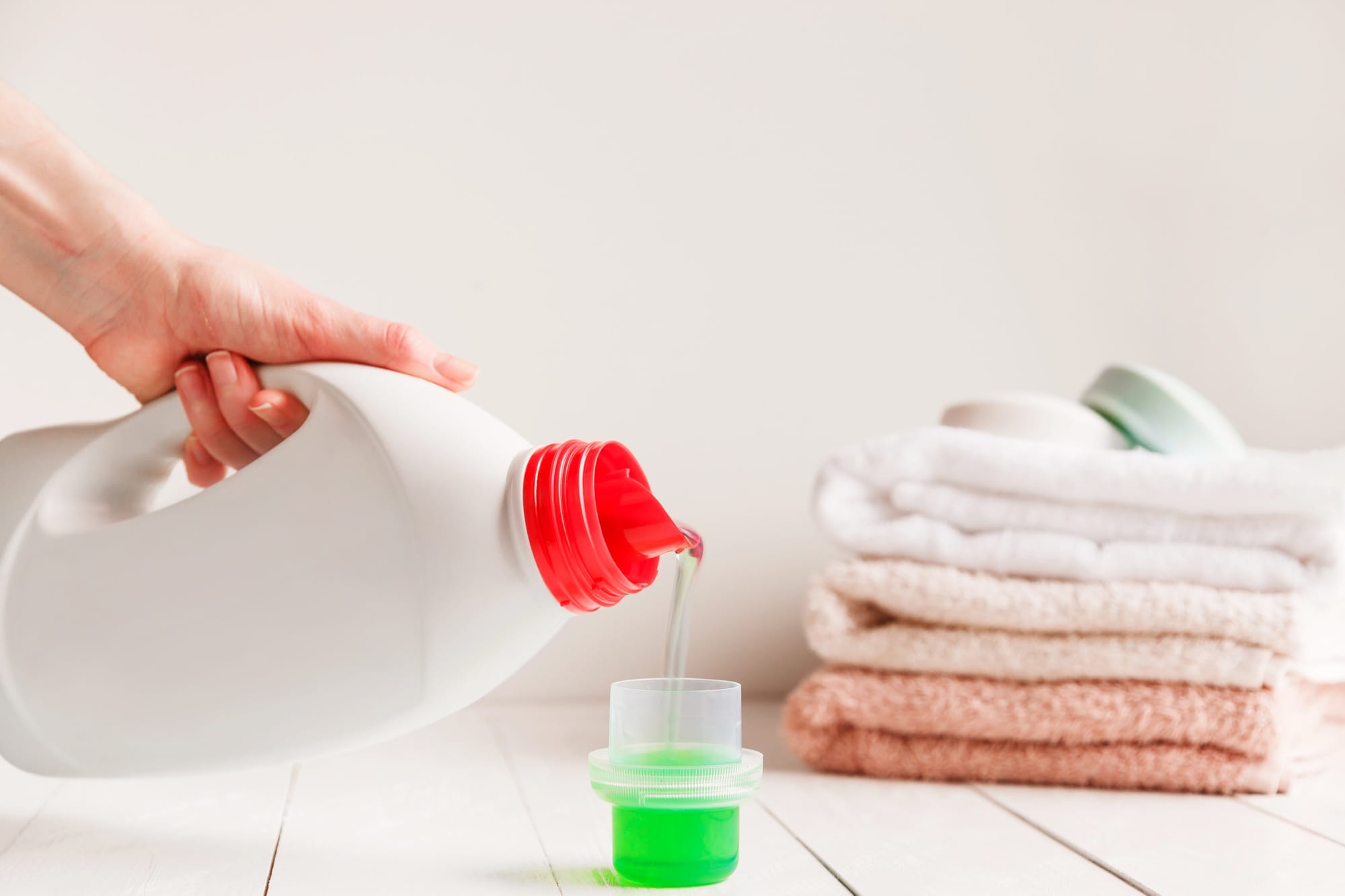





Proizvajalci detergentov potrebujejo dodatke, ki so enostavni za uporabo, stabilni v formulaciji, združljivi z običajnimi čistilnimi sestavinami in primerni za dosledno proizvodnjo. V tekočih detergentih in izdelkih za čiščenje gospodinjstev celulozni etri pomagajo nadzorovati viskoznost, izboljšati polnost izdelka, podpirati stabilnost suspenzije, prilagajati pretočno obnašanje in izboljšati uporabniško izkušnjo.
LANDERCOLL ponuja izbrane HPMC, HEC, in CMC izdelke za pralni detergent, tekoči detergent, tekočino za pomivanje posode, čistilo za stranišča, čistilo za površine, nevtralna čistila, gel čistila in formulacije za čiščenje gospodinjstev.
Izbira pravega celuloznega etra je odvisna od vrste izdelka, ciljne viskoznosti, sistema površinsko aktivnih snovi, ravni elektrolitov, pH območja, zahtev glede bistrosti, potreb po suspenziji, sistema dišav, načina obdelave in cilja stabilnosti pri skladiščenju.
Osem vrst detergentov in čistilnih izdelkov · HPMC, HEC in izbrani CMC · Industrijska embalaža 25 kg/vrečo · Običajno doziranje 0,1 %–1,5 % · Na voljo TDS, SDS, COA in aplikacijski vodiči · izvozna dokumentacija na zahtevo.
V formulacijah detergentov in čistil viskoznost vpliva na obnašanje pri točenju, videz izdelka, stabilnost suspenzije, občutek pri redčenju, dojemanje potrošnikov, delovanje embalaže in doslednost proizvodnje. Brez ustrezne podpore za zgoščevanje in stabilizacijo so lahko izdelki preveč tekoči, nestabilni, ločeni, motni, nitasti, težki za točenje ali nedosledni med serijami.
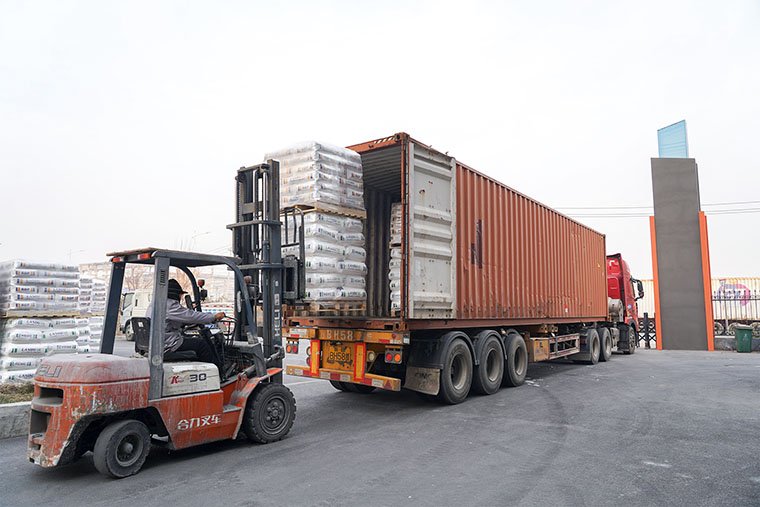
Nadzor viskoznosti · Gel struktura · Suspenzija · Obnašanje pri točenju · Doslednost serij
| Lastnost učinkovitosti | Kaj to pomeni za detergentni izdelek |
|---|---|
| Nadzor viskoznosti | Zgraditi in ohranjati ciljno viskoznost skozi celoten rok trajanja |
| Učinkovitost zgoščevanja | Doseči želeno polnost s kontroliranim doziranjem |
| Gel struktura | Support stable, cohesive gel formation in gel-type cleaners |
| Stabilnost suspenzije | Keep particles, actives, and insoluble components distributed |
| Product appearance | Support uniform texture and visual consistency |
| Flow behavior | Adjust pour rate and handling characteristics |
| Pouring performance | Improve consumer experience at point of use |
| Formulation consistency | Reduce variation between production batches |
| Stabilnost pri skladiščenju | Maintain viscosity and structure throughout shelf life |
| Zanesljivost od serije do serije | Support predictable performance in manufacturing |
LANDERCOLL cellulose ether products are suitable for a wide range of household and industrial cleaning formulations — from pourable liquid detergents to structured gel cleaners and cling-type toilet products.
Stable viscosity, good flow behavior, surfactant compatibility, and reliable appearance during storage.
HPMC / HEC / Selected CMCControlled thickening, smooth texture, and stable viscosity for consistent liquid cleaning products.
HPMC / HECPleasant flow, stable viscosity, and good product appearance in selected dishwashing systems.
HEC / HPMCStronger body, cling behavior, and gel-like flow for improved surface contact time.
HPMC / HECLow to medium viscosity, good dispersion, and stable appearance with adjusted flow behavior.
HEC / Selected HPMCGood compatibility, stable viscosity, and smooth texture in neutral pH cleaning systems.
HEC / HPMCHigher viscosity, controlled flow, and stable structure for body, suspension, and application control.
HPMC / HECProduct body, stability, and formulation matching across pourable liquids and structured gels.
HPMC / HEC / Selected CMCNot sure which grade fits your formulation? Ask for a Detergent Grade Recommendation →
A practical selection overview for detergent manufacturers and formulation engineers. Final product selection must be confirmed through formulation testing with your specific surfactant system, electrolyte level, and additive package.
| Detergent or Cleaner Type | Priporočena smer izdelka | Glavni cilj učinkovitosti |
|---|---|---|
| Pralno sredstvo | HPMC / HEC / Selected CMC | Viscosity, stability, product consistency |
| Tekuče sredstvo za pomivanje | HPMC / HEC | Thickening, flow control, appearance |
| Tekočina za pomivanje posode | HEC / HPMC | Smooth viscosity, pouring behavior, texture |
| WC čistilo | HPMC / HEC | Gel body, cling behavior, controlled flow |
| Čistilo za površine | HEC / Selected HPMC | Flow adjustment, clarity, consistency |
| Nevtralno čistilo | HEC / HPMC | Compatibility, viscosity, storage stability |
| Gel čistilo | HPMC / HEC | Gel structure, suspension, application control |
| Formulacije za čiščenje gospodinjstev | HPMC / HEC / Selected CMC | Product body, stability, formulation matching |
LANDERCOLL supplies HPMC, HEC, and selected CMC cellulose ether for detergent and household cleaning manufacturers. Each product line supports different viscosity, gel structure, and compatibility requirements across liquid and gel cleaning formats.
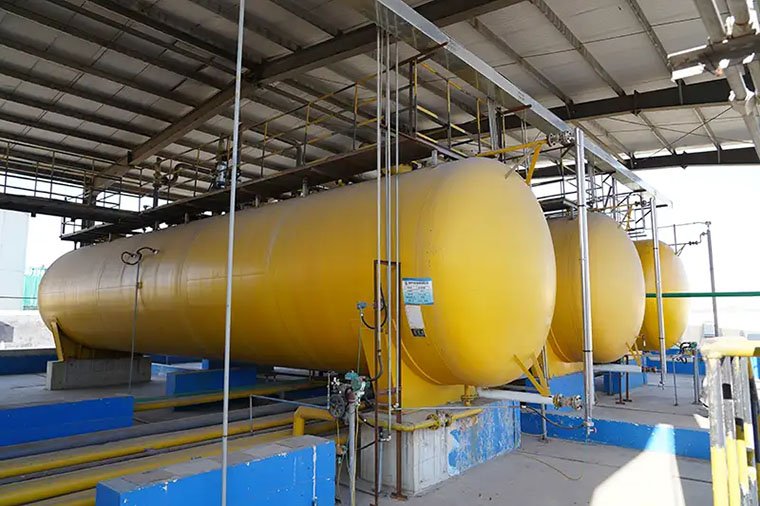 Gel struktura
Non-ionic water-soluble cellulose ether for viscosity and gel body
Hidroksipropil metilceluloza (HPMC) is suitable for selected detergent and household cleaning formulations where viscosity control, gel structure, product body, and stable flow behavior are required — especially in toilet cleaners, gel cleaners, and products needing thicker texture or controlled surface contact.
Smooth Viscosity
Water-soluble non-ionic cellulose ether for mild cleaning systems
Hidroksietil celuloza (HEC) is suitable for selected water-based detergent and cleaning formulations where smooth viscosity development, water solubility, and formulation stability are important — including liquid detergents, neutral cleaners, surface cleaners, and selected dishwashing liquid systems.
Izbrani sistemi
Functional cellulose derivative for selected detergent systems
Carboxymethyl Cellulose (CMC) may be used in selected detergent systems where viscosity adjustment, soil anti-redeposition support, suspension stability, or formulation body is required. Selection should be based on formulation type, electrolyte level, pH, and compatibility requirements.
Ready to test a sample? Share your product type, target viscosity, surfactant system, and pH range.
Zahtevajte ponudboContinue below for dosage references, troubleshooting, key manufacturer benefits, evaluation steps, documents, FAQ, and technical support.
Dosage depends on target viscosity, product type, cellulose ether grade, surfactant concentration, electrolyte level, pH, clarity requirement, and desired flow behavior.
| Detergent or Cleaner Type | Typical Reference Dosage (% by formulation weight) |
|---|---|
| Pralno sredstvo | 0.2% – 1.0% |
| Tekuče sredstvo za pomivanje | 0.2% – 0.8% |
| Tekočina za pomivanje posode | 0.2% – 0.7% |
| WC čistilo | 0.3% – 1.2% |
| Čistilo za površine | 0.1% – 0.6% |
| Nevtralno čistilo | 0.2% – 0.8% |
| Gel čistilo | 0.4% – 1.5% |
| Formulacije za čiščenje gospodinjstev | Depends on product type and viscosity target |
When detergent viscosity, suspension, or appearance fails in production or storage, cellulose ether grade, dosage, or formulation balance is often the first variable to review.
| Common Problem | Možen vzrok | Cellulose Ether Support Direction |
|---|---|---|
| Nizka viskoznost | Insufficient thickener, poor hydration, unsuitable grade | Improve viscosity development with suitable grade and dosage |
| Viscosity loss during storage | Surfactant incompatibility, electrolyte effect, pH change | Select compatible grade and confirm dosage through testing |
| Product separation | Weak structure, poor suspension, additive imbalance | Improve consistency and suspension stability |
| Poor pouring behavior | Wrong viscosity profile, excessive thickener, poor flow | Adjust grade and dosage balance |
| Cloudiness | Compatibility issue, electrolyte effect, raw material interaction | Review product compatibility and grade selection |
| Gel instability | Weak gel structure, wrong thickener system, high dilution | Support body and flow control with appropriate grade |
| Difficult dispersion | Poor addition method, insufficient mixing, fast hydration lumps | Improve processing method and grade selection |
| Batch inconsistency | Raw material variation, mixing process, water quality differences | Support formulation and process consistency |
Practical advantages cellulose ether brings to detergent production, packaging, and commercial product performance.
Build suitable viscosity for pouring, filling, packaging, and consumer use — improving product body without making the formulation difficult to handle.
Support consistent texture and formulation uniformity across production batches — important for commercial detergent products and brand perception.
Help support suspension of particles, fillers, actives, and insoluble components — reducing settling risk during storage and transport.
Recommend HPMC, HEC, or selected CMC directions based on surfactant system, pH, viscosity target, and product format.
Stable additive performance helps reduce batch variation and improve filling, packaging, and storage reliability — lowering rework and waste.
LANDERCOLL can discuss viscosity targets, thickening efficiency, and grade options for your detergent system.
Zahtevajte tehnično podporoBefore selecting a cellulose ether grade for production, detergent manufacturers should test it in the final formulation and under real process conditions. Performance in a reference test may differ from performance in a specific surfactant, electrolyte, and preservative combination.
Confirm product type and target viscosity — define the performance target before selecting a grade.
Select suitable HPMC, HEC, or CMC grade direction — based on product type, pH, and surfactant system.
Evaluate dispersion and hydration behavior — assess dissolution in your process water and addition sequence.
Test viscosity development after mixing — measure viscosity at standard conditions after full hydration.
Check compatibility — with surfactants, salts, fragrance, dye, and preservatives.
Evaluate appearance, flow, and pouring behavior — assess consumer-facing performance.
Conduct storage stability testing — check viscosity, appearance, and phase stability over time.
Izvedite poskuse v proizvodnem merilu — confirm performance under real manufacturing conditions before commercial use.
Detergent manufacturers often ask when to use HPMC and when to use HEC. HPMC supports stronger gel structure and cling; HEC supports smooth viscosity development and clarity in mild water-based systems.
HPMC is often preferred in systems requiring stronger gel structure, thicker body, and controlled surface cling — such as toilet cleaners and gel cleaners. It helps improve viscosity, surface contact time, and application stability in selected liquid detergent and cleaning product systems.
HEC is commonly used in water-based systems where smooth viscosity development, clarity, and compatibility with mild or neutral formulations are priorities — such as dishwashing liquids, surface cleaners, liquid detergents, and neutral cleaners. Final selection depends on formulation design and testing results.
Need help choosing between HPMC and HEC? Ask for a Detergent Grade Recommendation →
LANDERCOLL supports detergent manufacturers with cellulose ether product selection, viscosity direction recommendation, sample testing support, product comparison, and technical document communication.
Grade direction for your specific detergent type — laundry, liquid, dishwashing, toilet, surface, neutral, gel, or household cleaning formats.
Discussion based on your target viscosity, product body requirements, and application method.
Compare product grades to find the most efficient thickening approach for your surfactant system.
Support for toilet cleaners and gel cleaners where cling behavior and structured flow are critical.
Direction for multi-component formulations with particles, actives, or insoluble components.
Share your product type, target viscosity, surfactant system, and pH range — we will suggest suitable grades and dosage direction.
Prosite za priporočilo stopnje detergentaLANDERCOLL cellulose ether for detergent and cleaning product manufacturing is supplied in industrial packaging suitable for factory use, transportation, and storage.
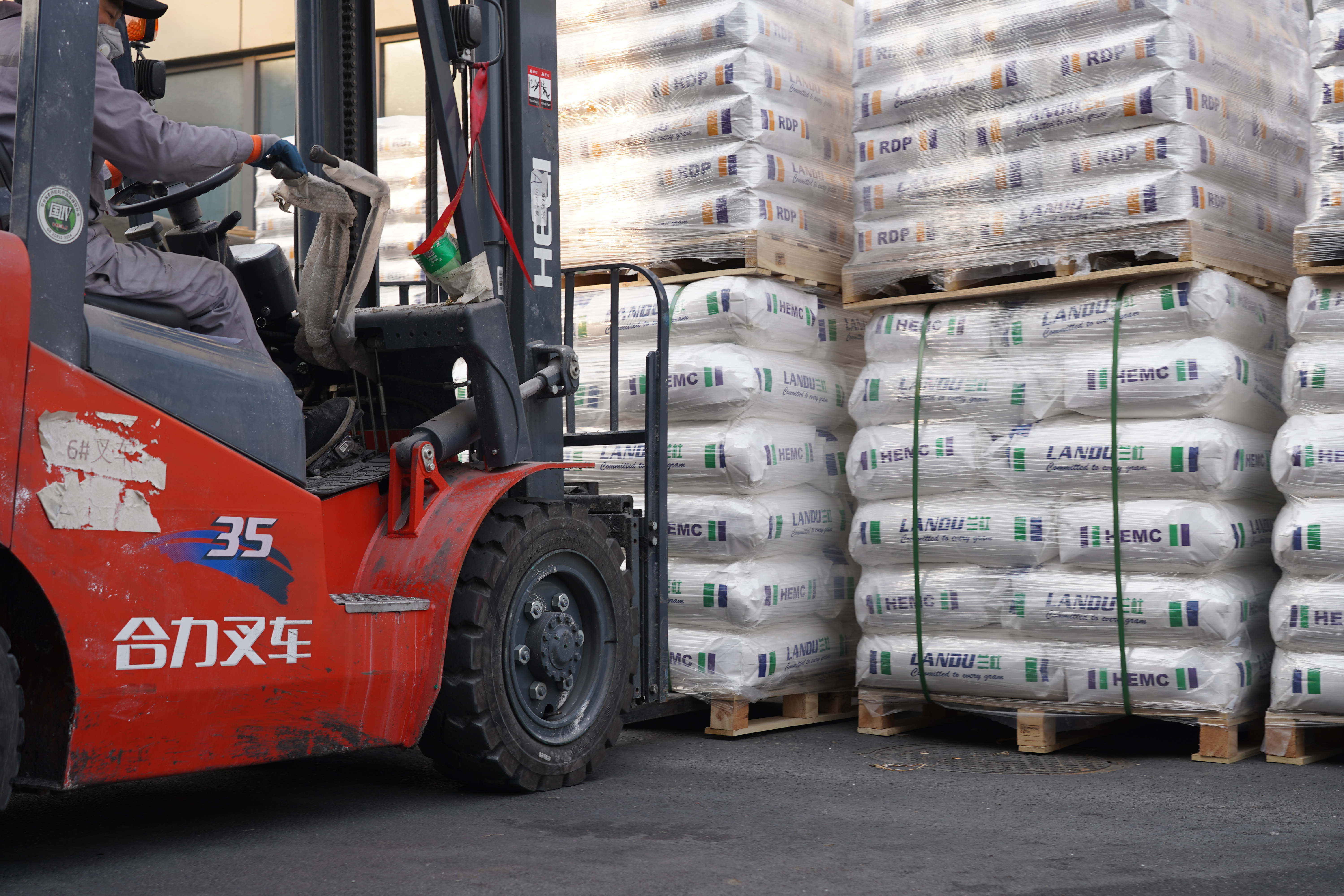

LANDERCOLL can provide product-related documents to support detergent formulation testing, purchasing review, and internal approval processes.
Grade specifications, viscosity data, and physical properties.
Handling, storage, and safety information.
Batch-specific quality confirmation.
Overview of product range and application areas.
Formulation and processing recommendations.
Grade-specific suggestion for your application.
Bag specification, shelf life, and storage conditions.
Available on request for import and customs requirements.
Share your product type, target viscosity, surfactant system, electrolyte level, pH range, clarity requirement, and storage stability target. LANDERCOLL can recommend suitable HPMC, HEC, or selected CMC grades for evaluation and arrange samples for formulation testing.
HPMC, HEC, and CMC selection for your detergent type
Viscosity direction based on your target product
Thickening efficiency comparison between product grades
Gel structure adjustment for toilet cleaners and gel cleaners
Suspension stability for multi-component formulations
Compatibility direction for surfactant and electrolyte systems
Dosage reference and starting point recommendations
Sample and quotation communication for evaluation
HPMC, HEC, and selected CMC products may be used in detergent and household cleaning formulations. HPMC and HEC are commonly used for viscosity control, thickening, gel structure, and suspension stability. CMC may be used in selected systems for viscosity adjustment, soil anti-redeposition, and formulation body. The right choice depends on product type, surfactant system, pH, electrolyte level, and performance target.
HPMC can help improve viscosity, product body, gel structure, flow control, and application stability in selected liquid detergent and cleaning product systems. It is especially useful in toilet cleaners, gel cleaners, and products where controlled surface contact or thicker texture is required.
HEC supports viscosity adjustment, water solubility, product consistency, and suspension stability in selected water-based detergent and cleaner formulations. It is commonly used in liquid detergents, neutral cleaners, surface cleaners, and dishwashing liquid systems.
A common reference dosage is around 0.1%–1.5%, depending on product type, target viscosity, surfactant system, cellulose ether grade, and performance target. Gel cleaners and toilet cleaners typically require higher dosages (0.3%–1.5%), while surface cleaners may use lower levels (0.1%–0.6%). Final dosage should always be confirmed through testing.
Yes. Suitable cellulose ether grades can increase viscosity and improve product body in detergent formulations. The final thickening effect depends on grade selection, dosage, hydration conditions, surfactant system, electrolyte level, and pH. Compatibility testing is recommended for high-electrolyte formulations.
Viscosity loss during storage may be caused by surfactant incompatibility, high electrolyte levels, pH change over time, microbial activity, poor initial hydration, or additive imbalance. Selecting a compatible cellulose ether grade, confirming dosage through stability testing, and reviewing the complete formulation are important steps to address this issue.
For gel cleaners, consider target viscosity, gel structure requirements, surface contact behavior, surfactant system, pH, clarity, fragrance compatibility, and storage stability. HPMC and HEC are commonly recommended starting directions. LANDERCOLL can suggest suitable grades for testing based on your specific formulation parameters.
HPMC is often preferred in systems requiring stronger gel structure, thicker body, and controlled surface cling — such as toilet cleaners and gel cleaners. HEC is commonly used in water-based systems where smooth viscosity development, clarity, and compatibility with mild or neutral formulations are priorities — such as dishwashing liquids and surface cleaners. Both can be used across a range of detergent types; final selection depends on formulation design and testing results.
Ne glede na to, ali proizvajate laundry detergent, liquid detergent, dishwashing liquid, toilet cleaner, surface cleaner, neutral cleaner, gel cleaner, ali household cleaning formulations, LANDERCOLL can help you choose suitable HPMC, HEC, and selected CMC grades for better viscosity control, product body, suspension stability, and production consistency.
Our team can support you with grade recommendation, dosage reference, sample arrangement, technical documents, and quotation — from initial inquiry to production trial.
HPMC · HEC · CMC · For Liquid Detergent · Laundry Detergent · Dishwashing Liquid · Toilet Cleaner · Gel Cleaner · Surface Cleaner · Household Cleaning.
All performance data, dosage references, and formulation guidance provided on this page are for reference only. Final suitability must be confirmed through testing in your specific detergent formulation and production conditions. LANDERCOLL reserves the right to update product information without prior notice.
