Výnimočná celulózová éterová technológia — Dôvera viac ako 1000 podnikov na celom svete Získajte vzorku zadarmo

Stavebníctvo, Nátery, Domáca starostlivosť, Osobná starostlivosť, Farmaceutiká, Potraviny, Keramika, Ropný priemysel & Priemysel — deväť sektorov, jeden ateliér.
 i. Stavebníctvo
 ii. Farby
 v. Pharma
 vi. Jedlo
Rôzne priemyselné odvetvia používajú celulózový éter z rôznych dôvodov. V stavebných materiáloch sa často vyberá pre zadržiavanie vody, spracovateľnosť, otvorený čas a odolnosť proti stekaniu. V náteroch a farbách je cenený pre zahusťovanie, reguláciu reológie, vyrovnávanie a skladovaciu stabilitu. V produktoch starostlivosti o domácnosť a osobnú starostlivosť pomáha vytvárať správnu viskozitu, textúru a konzistenciu produktu. Vo farmaceutických a potravinárskych systémoch podporuje viazanie, stabilizáciu, kontrolu textúry a spoľahlivosť procesov.
Keďže každá aplikácia má svoje vlastné technické požiadavky, výber správneho éteru celulózy nie je len o výbere názvu produktu. Vyžaduje si pochopenie systému formulácie, výrobného procesu, cieľového trhu a očakávaného výkonu pri konečnom použití.
LANDERCOLL pomáha zákazníkom priradiť správne riešenie na báze éteru celulózy k správnemu aplikačnému prostrediu, aby sa vývoj produktov a priemyselná výroba mohli posunúť vpred s väčšou istotou.
Táto stránka poskytuje prehľad hlavných aplikačných sektorov, ktorým slúžime, a formuláčných výziev, ktorým môže éter celulózy pomôcť.
Produkty LANDERCOLL na báze éteru celulózy sa používajú v širokej škále odvetví, kde sú kritické kontrola viskozity, spracovateľnosť, hospodárenie s vodou, stabilizácia, textúra a konzistencia formulácie. Každá dlaždica nižšie predstavuje jednu oblasť aplikácie – kliknutím vstúpite.





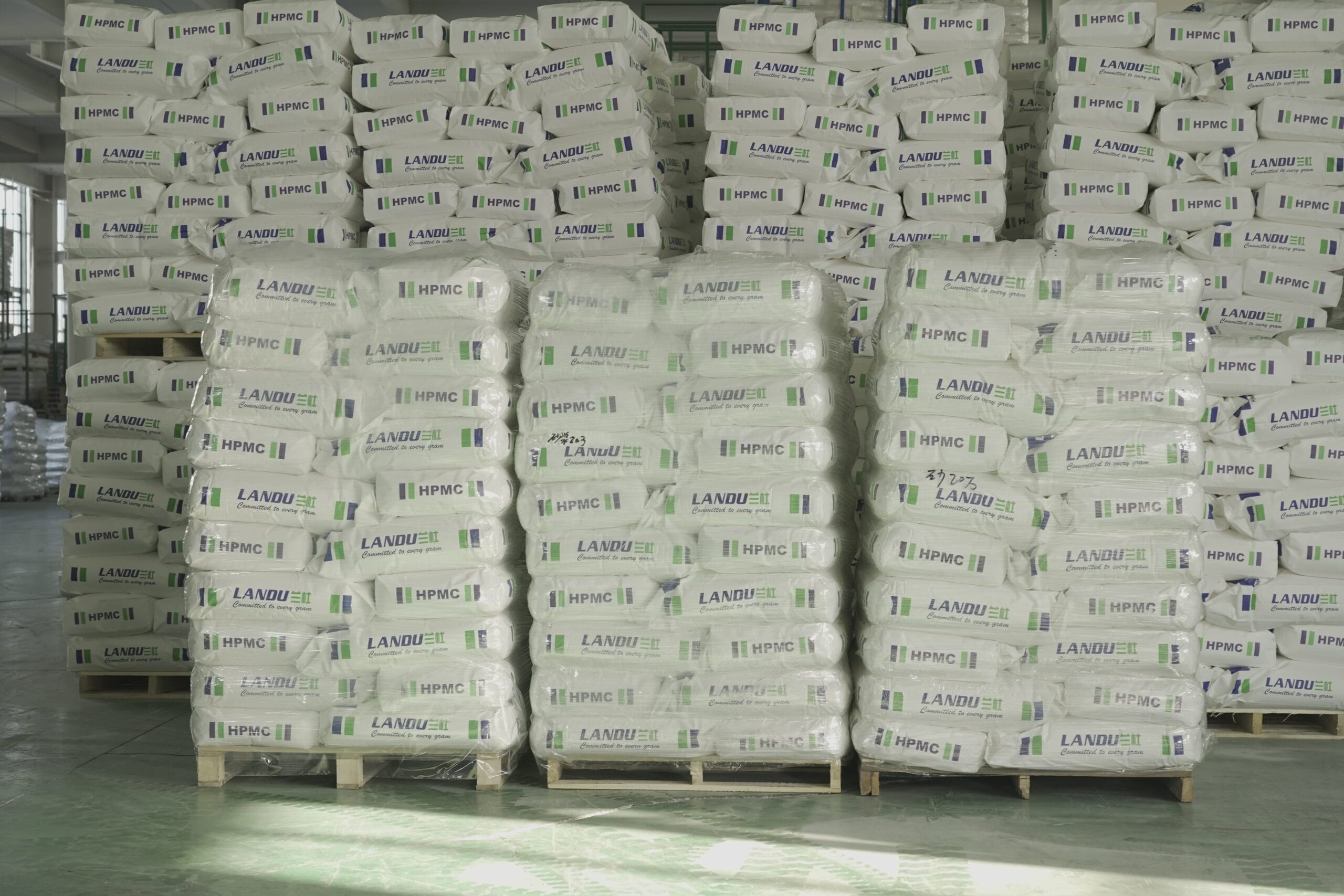

Stavebníctvo je jednou z najdôležitejších oblastí použitia éterov celulózy. V cementových a sadrových systémoch sa éter celulózy široko používa na zlepšenie zadržiavania vody, spracovateľnosti, odolnosti proti stekaniu, správania súvisiaceho s adhéziou, konzistencie a aplikačného pocitu. Pomáha dodávateľom a koncovým používateľom dosiahnuť lepšie zaobchádzanie počas aplikácie, pričom tiež pomáha výrobcom vyrábať spoľahlivejšie suché zmesi.
V mnohých stavebných materiáloch prispieva éter celulózy k ľahšiemu miešaniu, hladšiemu nanášaniu, predĺženej dobe spracovateľnosti a lepšej kontrole vlhkosti. Tieto vlastnosti sú dôležité, pretože stavebné formulácie musia fungovať nielen vo výrobe a počas skladovania, ale aj na stavenisku v reálnych prevádzkových podmienkach.
Pre výrobcov môže správny éter celulózy zlepšiť konzistenciu výroby a pomôcť odlíšiť kvalitu konečného produktu. Pre aplikátorov môže uľahčiť roztieranie, tvarovanie a konečnú úpravu výrobkov.
Spoľahlivá reológia, vyrovnávanie a skladovacia stabilita pre moderné vodou riediteľné náterové systémy.
In paints and coatings, cellulose ether is mainly used to support thickening, rheology control, flow behavior, leveling, brushing properties, roller application, pigment suspension, and storage stability. A well-designed coating formulation must remain stable in the container, apply smoothly during use, and form a consistent surface after drying.
Manufacturers of water-based coatings often need to balance viscosity build, ease of application, anti-spatter behavior, leveling, sag control, and storage performance. The correct cellulose ether can help improve that balance and support both production efficiency and user experience.



Controlled viscosity, refined texture, and stable appearance for modern cleaning products where both performance and user experience matter.
In household cleaning products, cellulose ether is commonly used to adjust viscosity, improve texture, support appearance, and help stabilize product systems. In liquid detergents and cleaning formulations, the right thickening system is important not only for product handling and dispensing, but also for consumer perception and brand positioning.
Manufacturers often need a formulation that is easy to pour, easy to spread, visually stable, and pleasant to use. Cellulose ether supports these objectives while also helping maintain consistency during storage and transportation.
Balanced viscosity, refined texture, and stable formulations for products where sensory feel matters.
Cellulose ether is widely used in personal care products because texture, stability, appearance, and user experience are central to product quality in this sector. Whether the product is a shampoo, body wash, hand soap, facial cleanser, lotion, or cream, formulators often need ingredients that help create a smooth and stable system with the right feel during application.
In this application area, cellulose ether can support viscosity adjustment, suspension behavior, texture development, and formulation consistency. It may also help improve the overall sensory profile of the product by contributing to a more refined and controlled texture.

Functional cellulose derivatives for binding, coating, controlled release, and formulation support.



In pharmaceutical formulations, cellulose derivatives are valued for their functional versatility and reliable performance in excipient-related applications. Depending on the product type and formulation design, cellulose ether may be used in roles such as binding, coating, controlled release support, stabilization, or process assistance.
Pharmaceutical manufacturing requires strict attention to consistency, functionality, and formulation design. The selected excipient must support both process efficiency and final dosage performance. Cellulose ether solutions used in this field are therefore chosen with close attention to grade suitability, target use, and formulation compatibility.
For companies working in pharmaceutical development and production, cellulose ether can provide practical value in a wide range of oral solid dosage and related formulation systems.
Texture, stability, consistency, and water management for food systems where every detail of formulation matters.
 bakery systems
 sauces & dressings
 dairy formulations
In food systems, cellulose derivatives are used where texture, stability, consistency, water management, and process control are important. Food manufacturers often need ingredients that can support product appearance, improve handling behavior, and contribute to a more stable finished system.
Depending on the application, cellulose-based ingredients may be used to help manage viscosity, improve texture, support suspension, stabilize product structure, or maintain uniformity in processing and storage.
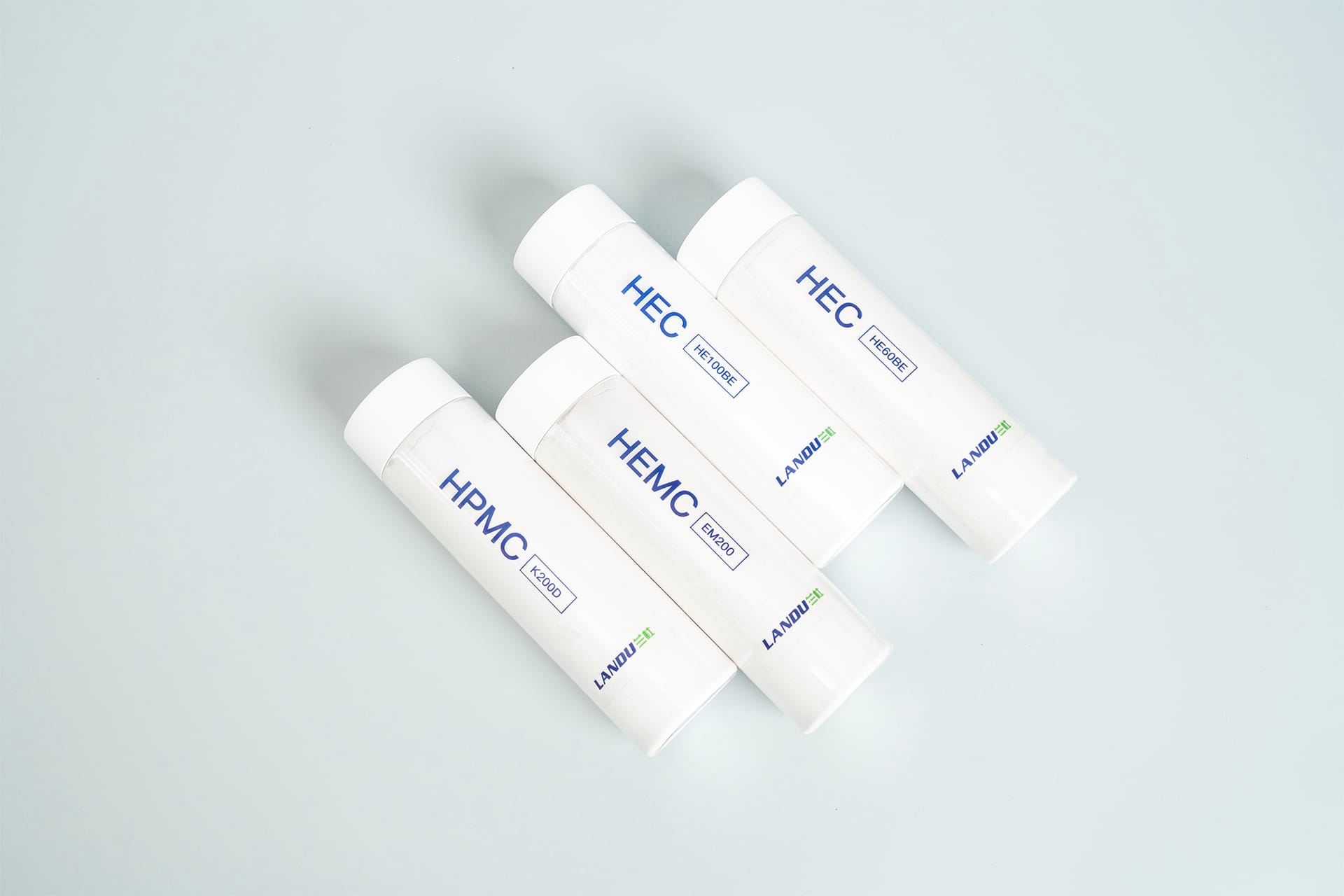
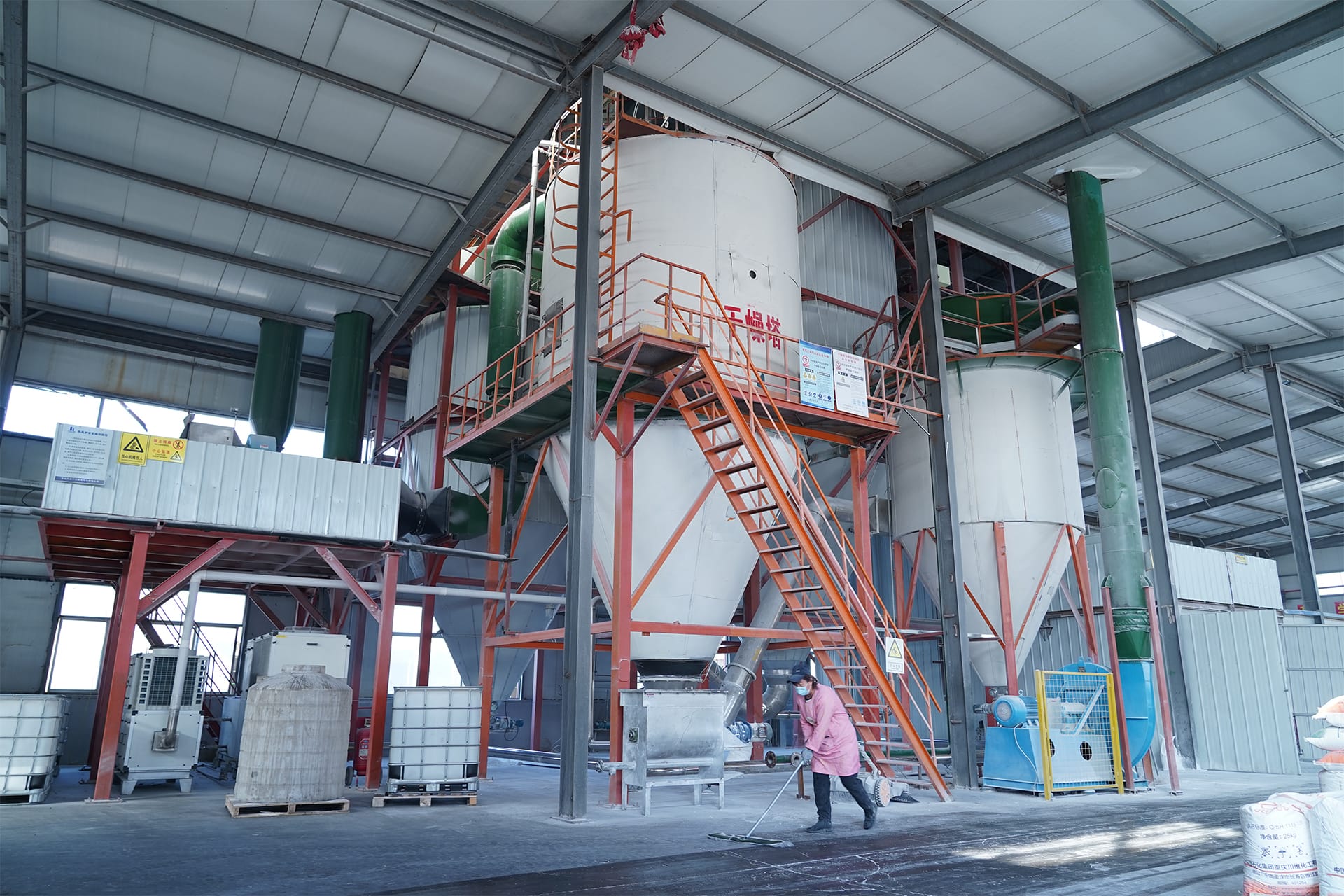

Binding performance, workability, and process consistency for ceramic formulation systems — from pressing to extrusion.
In ceramic processing, cellulose ether can play an important role in supporting binding performance, workability, shaping behavior, and process consistency. Ceramic systems often require careful control of moisture, plasticity, handling properties, and green strength before firing.
Manufacturers working in ceramic formulations may use cellulose-based additives in systems such as tile bodies, glaze preparation, extrusion processes, or pressing applications.
Viscosity control, fluid behavior, and process stability for demanding operational environments.
In oilfield systems, cellulose ether and related cellulose derivatives may be used where viscosity control, fluid behavior, and process stability are required. These applications often demand practical performance under challenging operating conditions, making additive selection an important part of fluid formulation design.
Oilfield-related formulations such as drilling fluids and other service systems need to maintain suitable rheology and system behavior to support process effectiveness.
viii · rig · schema
Beyond the major sectors listed above, cellulose ether is also used in a variety of industrial formulations where thickening, binding, stabilization, suspension control, and process consistency are required.
These additional application areas may include adhesives, paper-related systems, textile printing, welding materials, specialty fluids, and other industrial products where formulation performance must be carefully balanced with processing needs.





A cellulose ether product that performs well in one application may not be the best choice for another. That is why an application-based selection process is essential. Instead of choosing a product only by name, buyers and formulators should consider how the product needs to perform in a real working system.
Factors such as viscosity profile, dissolution behavior, water retention, anti-sag performance, texture, suspension support, and storage stability all influence the final result. LANDERCOLL supports customers by helping connect product type with practical application needs — reducing development time, improving formulation efficiency, and supporting more reliable production outcomes.
Our team can help you review the application, identify key performance goals, and recommend suitable product options for evaluation — across construction, coatings, detergents, personal care, pharma, food, ceramics, and specialty sectors.
Tell us about your formulation goals, processing method, and target market. We'll review the application, identify key performance priorities, and recommend suitable cellulose ether grades for your trial stage.
Share your current setup, challenges, and performance targets. We'll help you evaluate alternative grades, troubleshoot inconsistencies, and work towards more reliable production outcomes with application-oriented recommendations.
To help customers better understand formulation design and product selection, LANDERCOLL provides technical articles, application guides, brochures, FAQs, and other useful resources. Each "issue" below is a curated collection — designed to support research, sourcing decisions, and product development across multiple industries.
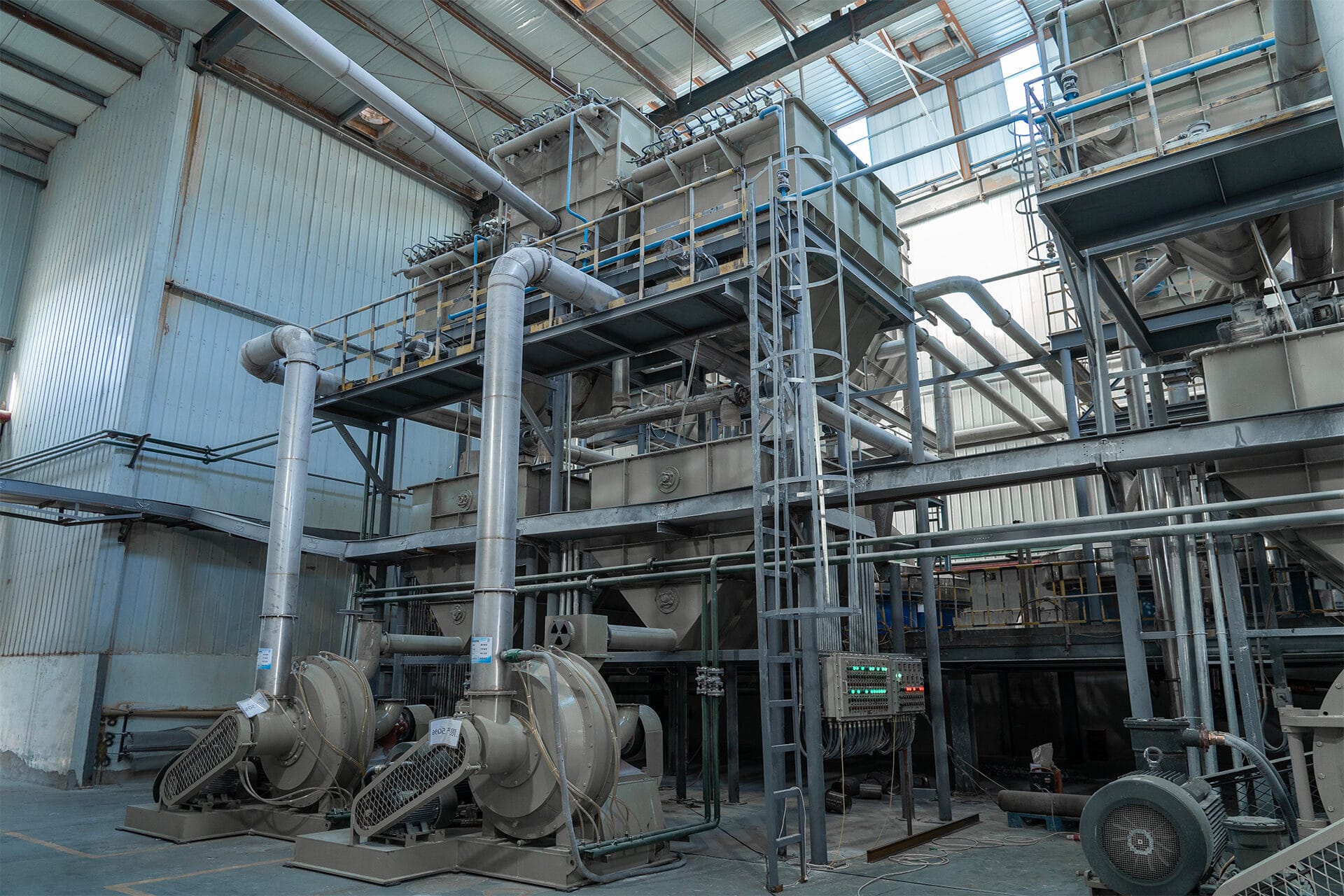
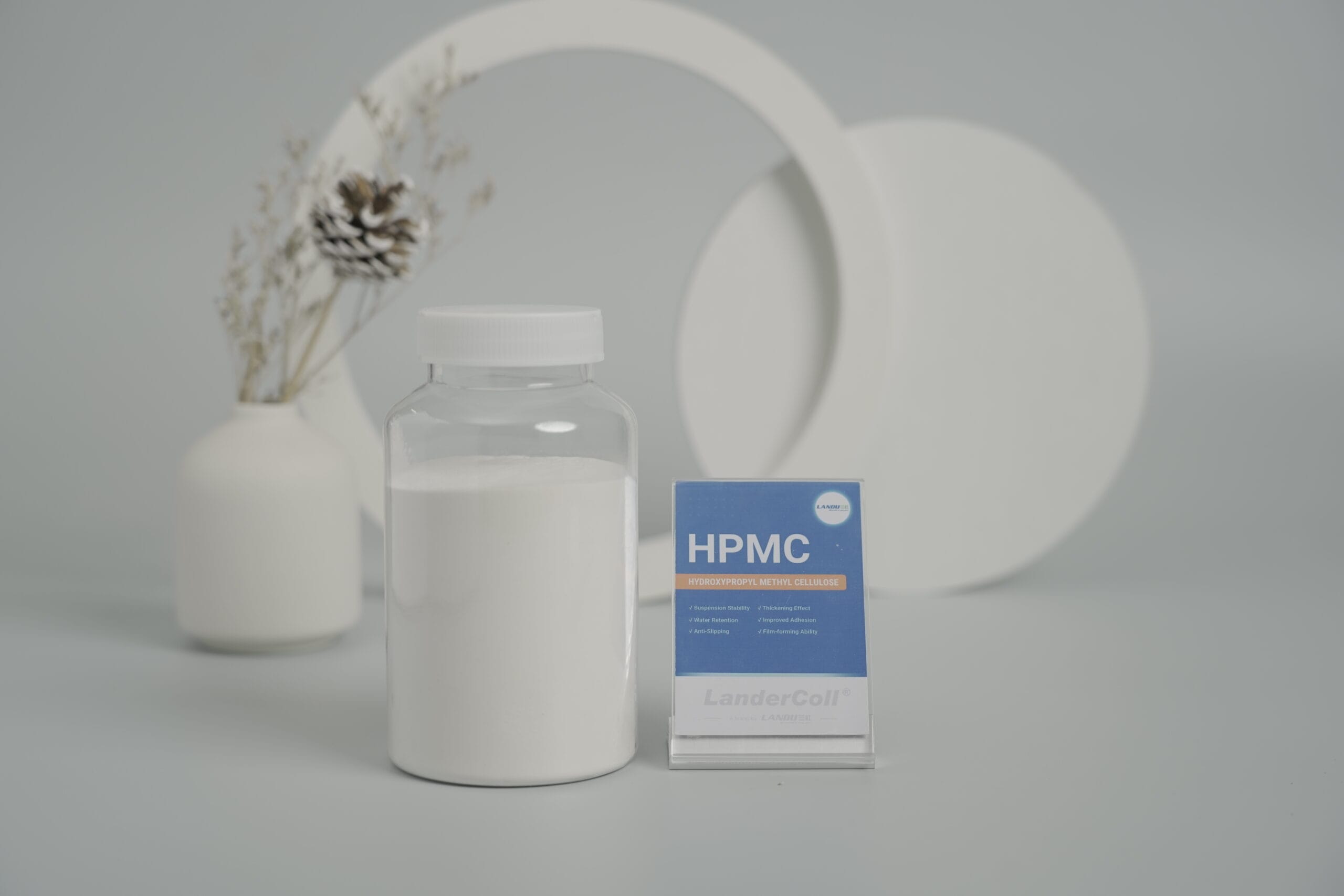
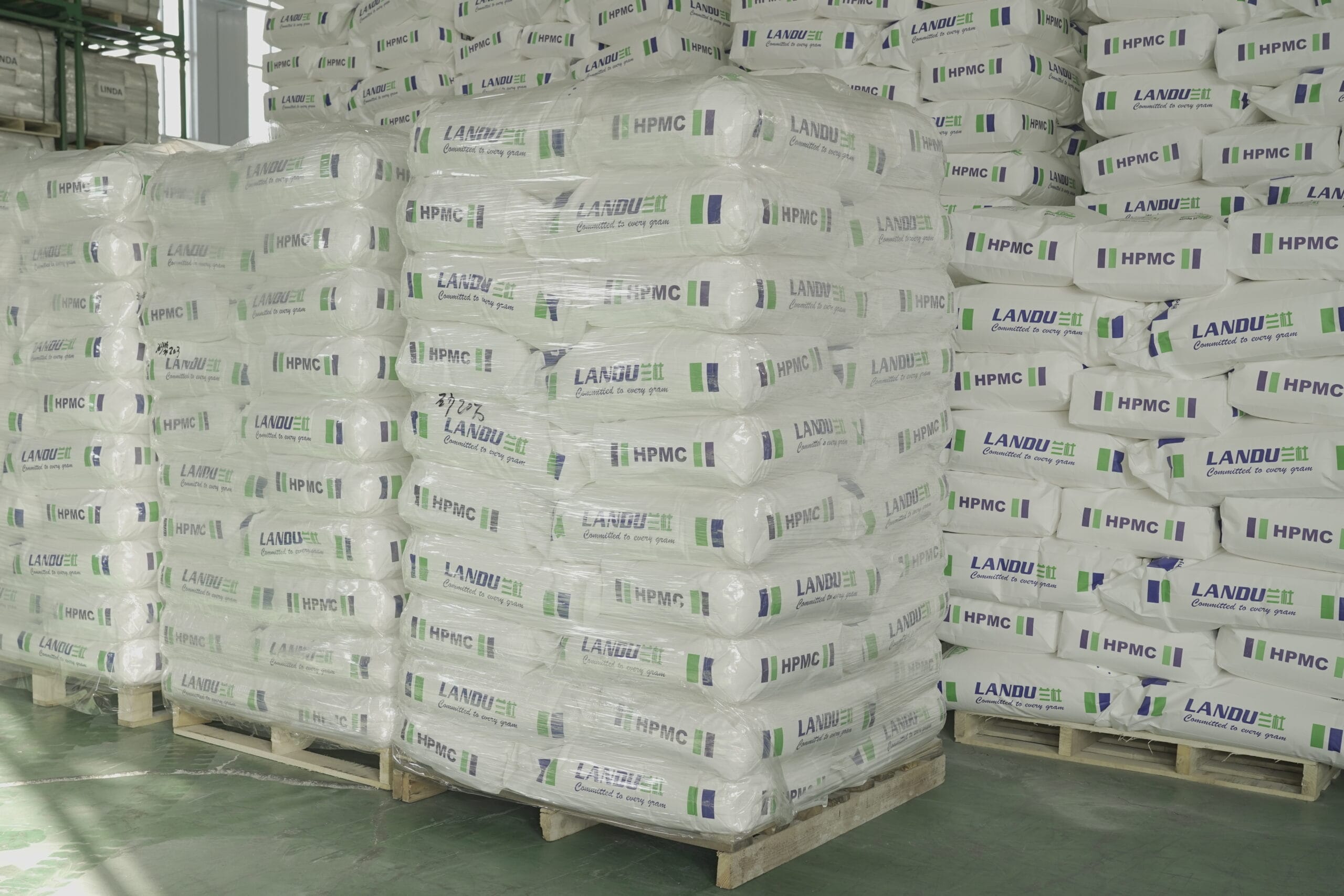
Explore our application sectors, discover how cellulose ether improves formulation performance, and connect with LANDERCOLL for support tailored to your product and market needs.
