Výnimočná celulózová éterová technológia — Dôvera viac ako 1000 podnikov na celom svete Získajte vzorku zadarmo
LANDERCOLL celulózový éter pomáha výrobcom murovacích mált zlepšiť retenciu vody, životnosť dosky, hladké spracovanie, súdržnosť malty, roztierateľnosť a stabilitu aplikácie na stavenisku.
Dôverujú mu výrobcovia suchých maltových zmesí, ktorí dodávajú systémy na murovanie tehál, tvárnic a hotové murovacie malty na viacero trhov.
 Murovacia malta · Tehla a tvárnica

Konzistentné vytváranie ložných škár so stabilným maltovým telesom počas celej operácie kladenia.
Cement · Vápno · Suchá zmesMurovacia malta je jedným z najpoužívanejších stavebných materiálov v stavebných projektoch na celom svete. Používa sa na kladenie tehál, betónových tvárnic, ľahkých tvárnic, pórobetónových (AAC) tvárnic, kamenných prvkov a iných murovacích materiálov.


Dobre fungujúca murovacia malta musí zostať spracovateľná na doske, hladko sa roztierať na murovacích prvkoch, správne zadržiavať vodu proti absorpcii podkladu a počas celého procesu murovania poskytovať stabilné a konzistentné správanie.
LANDERCOLL dodáva výrobky z celulózových éterov HPMC a HEMC / MHEC výrobcom murovacích mált, ktorí potrebujú lepšiu retenciu vody, predĺženú životnosť na doske, zlepšenú spracovateľnosť, hladšiu roztierateľnosť, silnejšiu súdržnosť a spoľahlivú konzistenciu aplikácie.
Vhodný typ éteru celulózy pomáha murárskej malte zostať dlhšie použiteľnou na stavenisku, znižuje rýchlu stratu vody do savých tehál alebo tvárnic, zlepšuje pocit pri nanášaní pre murára a podporuje konzistentnejšie ukladanie pri rôznych typoch muriva a klimatických podmienkach.
Murovacia malta je spojivový materiál na báze cementu alebo vápna a cementu, ktorý sa používa na spájanie murovacích prvkov – vrátane tehál, betónových tvárnic, ľahkých tvárnic, pórobetónových tvárnic a prírodného alebo opracovaného kameňa – do nosných alebo nenosných murovaných stien.
Vypĺňa ložné a styčné škáry medzi murivom, prenáša konštrukčné zaťaženie, utesňuje medzery proti infiltrácii vzduchu a vlhkosti a prispieva k celkovému výkonu a trvanlivosti muriva.
Typická formulácia murovacej malty zahŕňa cement, vápno, piesok, plnivá, celulózový éter, prevzdušňovacie prísady, látky na zadržiavanie vody a ďalšie funkčné prísady v závislosti od typu produktu, triedy pevnosti a miestnej stavebnej praxe.
Po zmiešaní s vodou musí murovacia malta poskytovať dobrú spracovateľnosť, primeranú životnosť na doske, spoľahlivú retenciu vody, plasticitu, súdržnosť malty a stabilnú konzistenciu počas celej operácie kladenia. Éter celulózy zlepšuje vlastnosti čerstvej malty a podporuje spoľahlivejší a konzistentnejší výkon na stavenisku.

Masonry units such as clay bricks, concrete blocks, lightweight AAC blocks, and natural stone can absorb water rapidly from freshly applied mortar. Poor water retention causes dry, stiff mortar, short board life, and inconsistent joint formation. LANDERCOLL cellulose ether helps improve water retention and workability for more consistent brick and block laying.
Reduces rapid moisture loss to absorbent bricks, blocks, and masonry substrates during laying.
Extends the workable window after mixing and placement on the mortar board.
Masonry mortar systems typically use medium viscosity cellulose ether grades at controlled dosage levels to improve water retention, board life, and workability without creating excessively sticky or heavy mortar.
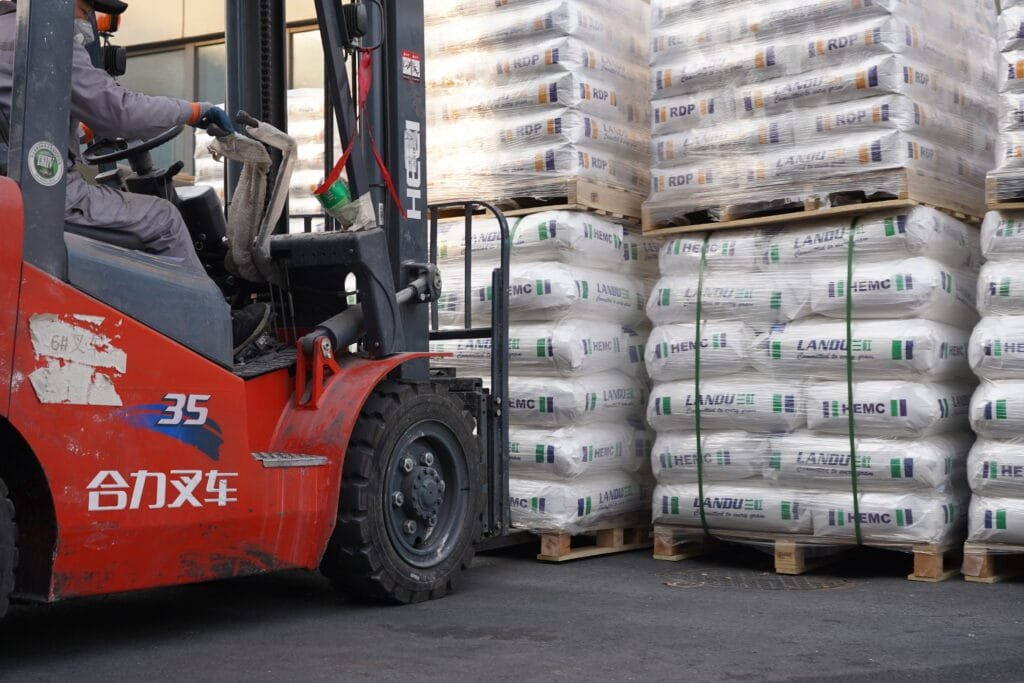
HPMC is one of the most widely used cellulose ethers in masonry mortar formulations. It provides strong water retention, controlled thickening, workability improvement, and consistency stabilization.
In drymix masonry mortar systems, HPMC improves spreadability, reduces mortar harshness, and supports more stable, predictable handling behavior on the mortar board.
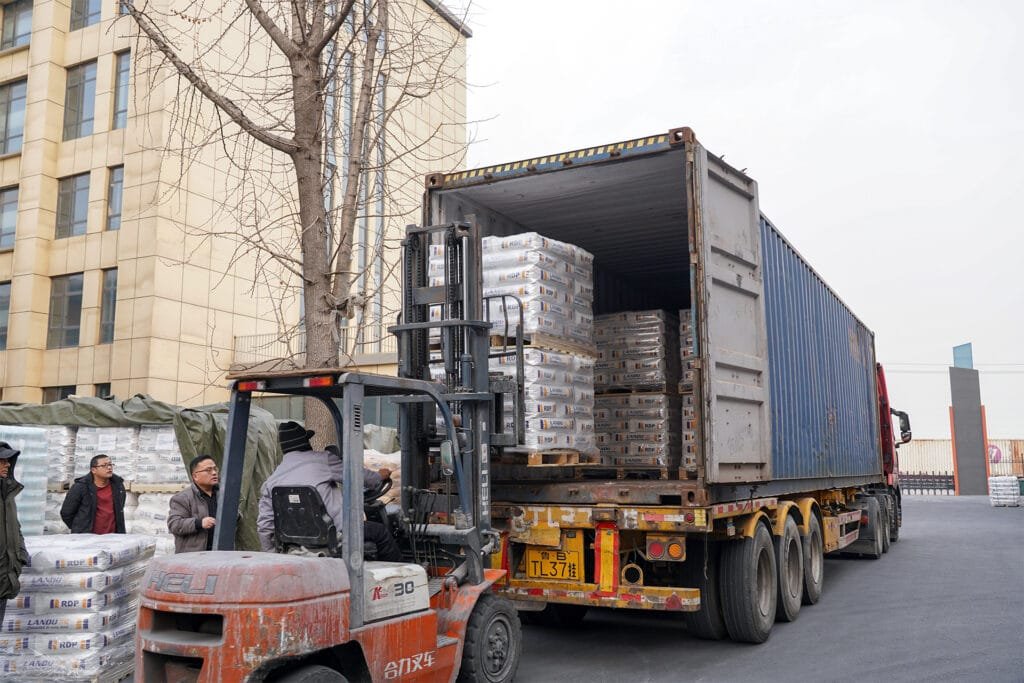
HEMC / MHEC is well-suited for masonry mortar systems where water retention, extended board life, smooth spreadability, mortar cohesion, and stable application behavior are important.
In vertical joint applications and lightweight block laying, HEMC / MHEC can help improve mortar body, reduce uneven application behavior, and support more consistent joint formation.
Masonry mortar formulations vary by local building standards, masonry unit type, required strength class, application method, and locally available raw materials.
| Komponent | Function in Masonry Mortar |
|---|---|
| Cement | Main hydraulic binder; provides structural strength and setting. |
| Lime | Improves plasticity, workability, and application feel in selected systems. |
| Piesok | Provides structure, volume, and mechanical support in the joint. |
| Plnivá | Adjust consistency, density, and formulation balance. |
| Celulózový éter (HPMC / HEMC) | Improves water retention, board life, workability, and consistency. |
| Air-Entraining Additives | Improve workability and freeze-thaw resistance in selected systems. |
| Prísady odpudzujúce vodu | Support moisture resistance in selected exterior applications. |
| Other Performance Additives | Adjust setting time, strength, plasticity, or special requirements. |
Different masonry mortar systems have different water retention, workability, and consistency requirements. This table provides a practical starting reference.
| Typ aplikácie | Odporúčaný produkt | Hlavné požiadavky na výkon |
|---|---|---|
| Brick Laying Mortar | HPMC or HEMC / MHEC | Board life, water retention, spreadability. |
| Concrete Block Mortar | HPMC or HEMC / MHEC | Workability, consistency, joint filling. |
| Lightweight Block Mortar (AAC) | Medium viscosity HPMC or HEMC / MHEC | Strong water retention, open time, stability. |
| Stone Masonry Mortar | HPMC or HEMC / MHEC | Cohesion, plasticity, stable application. |
| Lime-Cement Masonry Mortar | HPMC or HEMC / MHEC | Plasticity, board life, smooth handling. |
| Ready-Mix Masonry Mortar | HPMC or HEMC / MHEC | Batch consistency, usability, stable performance. |
| Drymix Block Laying Mortar | Medium viscosity HPMC or HEMC / MHEC | Workability, water retention, application control. |
The appropriate cellulose ether dosage depends on formulation design, masonry unit absorption rate, target board life, viscosity grade, water retention requirement, sand grading, and job-site conditions.
In masonry mortar formulations, cellulose ether supports water retention, board life, and workability so mortar remains usable and performs consistently during brick and block laying.
Water retention is the most critical function of cellulose ether in masonry mortar. It helps the mortar keep enough moisture during application and early cement hydration — particularly when working with highly absorbent clay bricks, lightweight AAC blocks, or other porous masonry units.
Board life is the time that mixed mortar remains workable and usable after placement on the mortar board. Cellulose ether helps extend board life by reducing the rate of water loss from the mortar.
Good workability allows masonry mortar to spread easily under trowel pressure, hold its shape in the joint, and respond predictably during unit placement and adjustment.
Masonry mortar must spread smoothly and evenly on brick or block surfaces to create full, consistent bed joints. Cellulose ether helps create a more controlled consistency that spreads readily under tool pressure.
Cellulose ether improves the internal cohesion of fresh masonry mortar, helping it remain uniform and stable during use and supporting complete joint filling.
Plasticity is important for smooth, efficient masonry laying and for allowing fine adjustment of unit position after placement. Cellulose ether supports better plastic behavior by improving water management and rheology.
Cellulose ether helps maintain stable mortar consistency after mixing with water, supporting more predictable and uniform performance across different batches, job sites, and application conditions.
Many fresh masonry mortar problems are related to water retention, workability, and consistency — areas where cellulose ether grade and dosage selection directly affect performance.
Rapid water loss, absorbent masonry units, hot or windy conditions.
Improve water retention and extend workable window.
Poor sand grading, low water retention, unsuitable viscosity grade.
Zlepšite spracovateľnosť a plynulosť aplikácie.
Weak plasticity, incorrect water dosage, unbalanced formulation.
Improve consistency and spreading behavior.
Low water retention, high unit absorption, fast hydration.
Maintain moisture and workability for longer.
Weak cohesion, poor consistency, low workability.
Improve mortar body and joint filling behavior.
Excessive cellulose ether dosage or unsuitable viscosity grade.
Adjust grade and dosage balance.
Poor rheology, excess water, unstable formulation.
Improve consistency and slurry stability.
Raw material variation, poor mixing, wrong grade.
Improve formulation uniformity and handling behavior.
Rapid drying, poor water retention, shrinkage.
Support water retention and stable hydration.
Understanding the key variables that influence cellulose ether behavior in masonry mortar helps formulators make better product selection and dosage decisions.
Clay bricks, concrete blocks, AAC blocks, and stone have different water absorption rates. Highly absorbent units require stronger water retention performance.
Cement source, fineness, and chemical composition affect hydration rate, water demand, setting behavior, and interaction with cellulose ether.
Lime improves plasticity and workability but also influences water demand, rheology, and setting behavior in masonry mortar.
Sand particle size distribution, shape, and cleanliness directly affect workability, spreadability, joint filling, and water demand.
Medium viscosity grades are commonly used in masonry mortar. Higher grades provide stronger water retention but may increase stickiness if overdosed.
Insufficient dosage leads to short board life or harsh mortar feel. Excessive dosage may create sticky, difficult-to-spread mortar.
Water dosage strongly affects consistency, board life, and joint filling. Mixing time and rest time affect cellulose ether hydration and mortar behavior.
Hot, dry, or windy conditions accelerate water evaporation from fresh mortar, shortening board life and reducing workability.
Hand laying, machine application, and different troweling techniques create different shear and flow conditions in the mortar.
Local building standards and required mortar strength class influence binder ratio, additive selection, and cellulose ether dosage targets.
Selecting the right cellulose ether requires balancing water retention, board life, workability, spreadability, plasticity, and joint filling performance based on masonry unit type and job-site conditions.
Brick laying, block laying, stone masonry, or lime-cement mortar?
Clay brick, concrete block, lightweight AAC block, or stone?
How absorbent are the masonry units in your target market?
Longer board life, smoother spreading, or better joint filling?
What cement, lime, sand, and filler system is used?
What grade are you using, and is it delivering required performance?
What temperature, humidity, and wind are typical during application?
What water dosage and mixing method are used on the job site?
What dosage level balances cost and performance?
Are there local strength class or building standard requirements?
LANDERCOLL can help review your masonry mortar formulation direction and recommend a suitable HPMC or HEMC / MHEC grade for laboratory testing and evaluation.
Požiadať o odporúčanie triedyLANDERCOLL cellulose ether for masonry mortar applications is supplied in industrial packaging designed for drymix mortar production environments, international shipping, and warehouse storage.
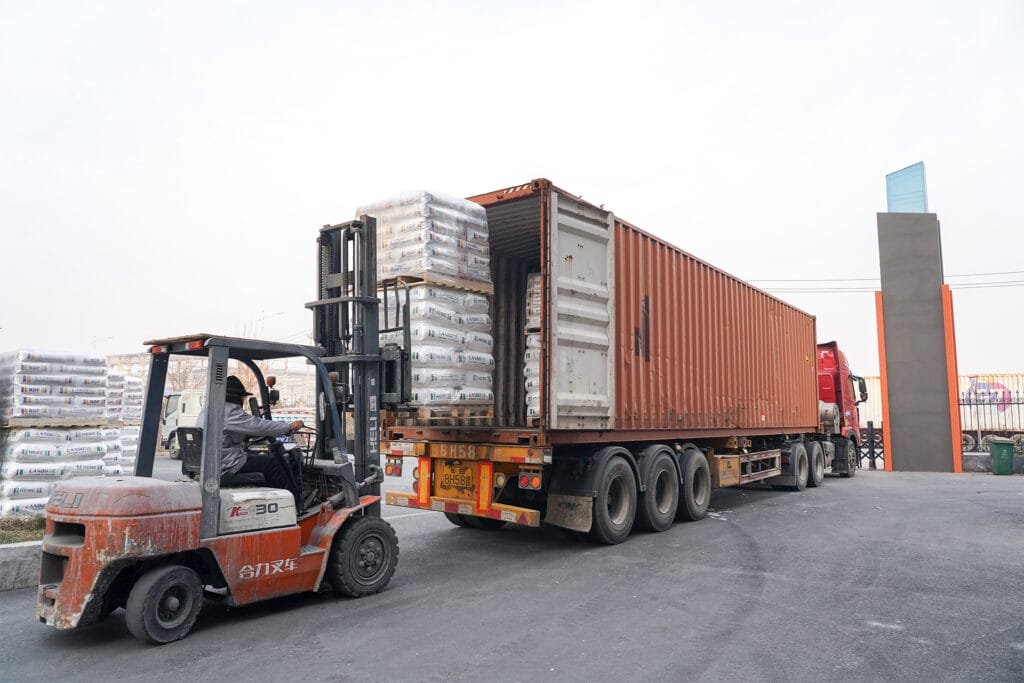
LANDERCOLL can provide a full set of product documentation to support masonry mortar formulation development, purchasing review, quality approval, and import compliance.
If your masonry mortar stiffens too quickly on the board, dries too fast against absorbent bricks or blocks, spreads poorly, feels harsh under the trowel, fills joints unevenly, separates after mixing, or performs inconsistently across batches or job sites, the cellulose ether grade or dosage may need to be reviewed.
LANDERCOLL provides technical support to help drymix masonry mortar manufacturers evaluate suitable HPMC and HEMC / MHEC options based on masonry unit type, raw material system, target board life, water retention requirement, and job-site application conditions.
HPMC and HEMC / MHEC product selection for masonry mortar.
Water retention improvement strategy.
Board life extension support.
Workability and spreadability improvement discussion.
Mortar cohesion and plasticity improvement.
Viscosity grade direction and dosage recommendation.
Sample arrangement and technical evaluation support.
Quotation and supply communication.
HPMC and HEMC / MHEC are commonly used in masonry mortar to improve water retention, board life, workability, spreadability, mortar cohesion, and consistency.
Cellulose ether improves water retention, board life, workability, and mortar consistency, helping prevent rapid drying, short workable time, and inconsistent joint formation during brick and block laying.
HPMC supports water retention, workability, spreadability, mortar consistency, and board life in masonry mortar formulations for brick and block laying applications.
HEMC / MHEC supports water retention, extended board life, smooth application, mortar cohesion, and stable consistency in masonry mortar systems.
A common reference dosage range is 0.10%–0.30% by dry weight, depending on masonry unit type, viscosity grade, water retention requirement, and board life target. Final dosage must be confirmed through testing.
Cellulose ether reduces the rate of water loss from fresh mortar, helping it remain workable and usable on the mortar board for a longer period after mixing.
Rapid drying is often caused by low water retention, highly absorbent masonry units, insufficient cellulose ether dosage, unsuitable viscosity grade, or hot and windy job-site conditions.
Yes. Suitable HPMC or HEMC / MHEC grades can improve workability, spreadability, and application smoothness by supporting better water management and mortar consistency.
Both can be effective depending on the formulation. The best choice depends on masonry unit type, cement and lime system, sand grading, water retention requirement, and board life target.
Start with masonry unit type, mortar application, water retention requirement, board life target, cement and lime system, sand grading, climate conditions, and viscosity grade direction.
Yes. LANDERCOLL can arrange HPMC and HEMC / MHEC samples for masonry mortar formulation testing and evaluation based on masonry unit type, water retention requirement, and performance targets.
Whether you produce brick laying mortar, concrete block mortar, lightweight AAC block mortar, stone masonry mortar, lime-cement mortar, ready-mix dry masonry mortar, or drymix block laying systems, LANDERCOLL can help you identify the right HPMC or HEMC / MHEC grade for better water retention, extended board life, improved workability, and reliable application consistency.
Our team works with drymix mortar manufacturers across multiple markets to support formulation development, product selection, sample evaluation, and supply communication for masonry mortar cellulose ether applications.
