
TDS
Технический паспорт
Product specifications and performance data for formulation review.
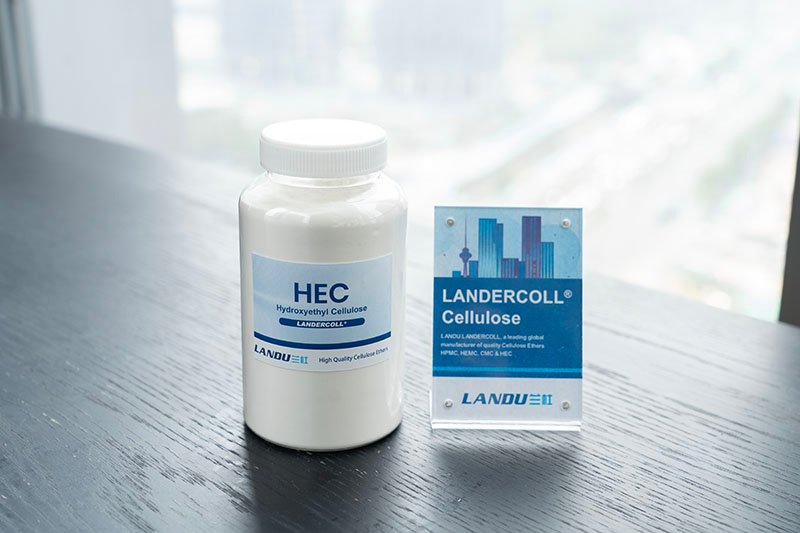
LANDERCOLL HEC эфир целлюлозы помогает производителям средств для очистки поверхностей достигать надежного контроля вязкости, стабильной текстуры, баланса между распылением и протиранием, а также долгосрочной стабильности рецептуры в форматах универсальных, кухонных, ванных, спрей, загущенных, гелевых и концентратов.
От маловязких спрей-очистителей до загущенных жидкостей и премиальных гелевых средств для очистки поверхностей — правильная марка HEC обеспечивает предсказуемую реологию, контролируемый поток и стабильный потребительский опыт для зарубежных производителей и покупателей химической продукции.

Спрей · Загущенный · Гель · Кухня · Ванная · Концентрат · Многоцелевой
 Быстрый ответ
Быстрый ответГидроксиэтилцеллюлоза (ГЭЦ) является основным простым эфиром целлюлозы, используемым в составах средств для очистки поверхностей. Она обеспечивает контроль вязкости, регулировку реологии, контролируемый поток, стабильность суспензии, баланс при нанесении распылением и протиранием, а также стабильность при хранении в системах очистки поверхностей в виде спреев, загущенных жидкостей, гелей и концентратов. КМЦ и ГПМЦ могут рассматриваться в отдельных специализированных или адаптированных системах очистки поверхностей после проверки на совместимость.
Ключевые показатели производительности, совместимости и поставок для зарубежных производителей очистителей поверхностей и покупателей химикатов.
Ищете рекомендацию по эфиру целлюлозы для вашей рецептуры средства для очистки поверхностей?
Попросите рекомендацию по очистителю для поверхностей Запросить цену


Средство для очистки поверхностей — одна из наиболее широко используемых категорий бытовых и профессиональных чистящих средств в мире. Оно включает продукты, предназначенные для удаления пыли, жира, отпечатков пальцев, остатков мыла, легких пятен и повседневных загрязнений с кухонных столешниц, поверхностей в ванной, плитки, бытовой техники, полов, столов и других моющихся поверхностей.
Вязкость и реология играют ключевую роль в эффективности средств для очистки поверхностей во всех форматах. Эфир целлюлозы — в первую очередь HEC (гидроксиэтилцеллюлоза) — обеспечивает надежную систему загущения и реологии для контроля вязкости, стабильной текстуры, поддержки суспензии и стабильных характеристик состава.
Без эффективного загущения поверхностные очистители сталкиваются с критическими проблемами: неравномерный рисунок распыления, водянистый вид, слишком быстрое стекание геля с вертикальных поверхностей, оседание опалесцирующих добавок, колебания вязкости от партии к партии и сокращение времени контакта с поверхностью, что снижает эффективность очистки.
LANDERCOLL поставляет ГЭЦ и выбранные марки простых эфиров целлюлозы производителям поверхностных очистителей, которым требуется надежный контроль вязкости, стабильная текстура, поддержка суспензии и стабильные характеристики рецептуры в различных типах очистителей и производственных условиях.
HEC builds a structured viscosity and rheology network that allows surface cleaner to maintain appropriate viscosity, flow smoothly during application, cling to surfaces, maintain stable body during storage, and deliver consistent texture across production batches.
LANDERCOLL offers HEC as the primary cellulose ether recommendation for surface cleaner applications, with CMC and HPMC available for selected specialty systems.
Основной · Неионогенный · ГЭЦ
Non-ionic cellulose ether for viscosity control, texture improvement, suspension support, and stable rheology.
HEC is a non-ionic, water-soluble cellulose ether widely used in water-based surface cleaner formulations. It builds viscosity in the water phase, helps create stable product body, supports controlled flow during application, and maintains consistent texture during storage and use. Suitable for thickened surface cleaners, multipurpose cleaners, bathroom cleaners, kitchen cleaners, and selected spray cleaner systems.
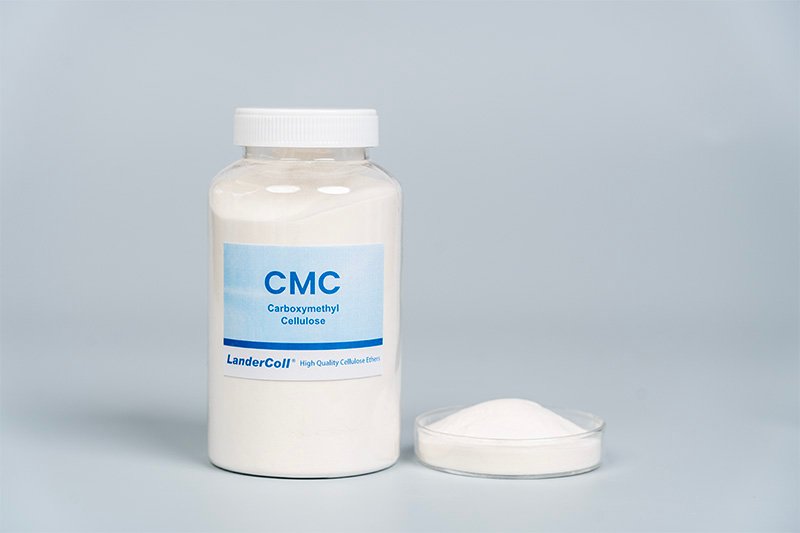 Анионные · КМЦ · Избранные системы
Карбоксиметилцеллюлоза для поддержки выбранной суспензии, основы продукта и обеспечения консистенции рецептуры.
CMC may be considered in selected surface cleaner formulations where suspension support, viscosity contribution, or cost-performance balance is a priority. Важно: CMC is an anionic polymer; compatibility with acids, salts, high-electrolyte systems, and other active ingredients must be confirmed through testing before use.
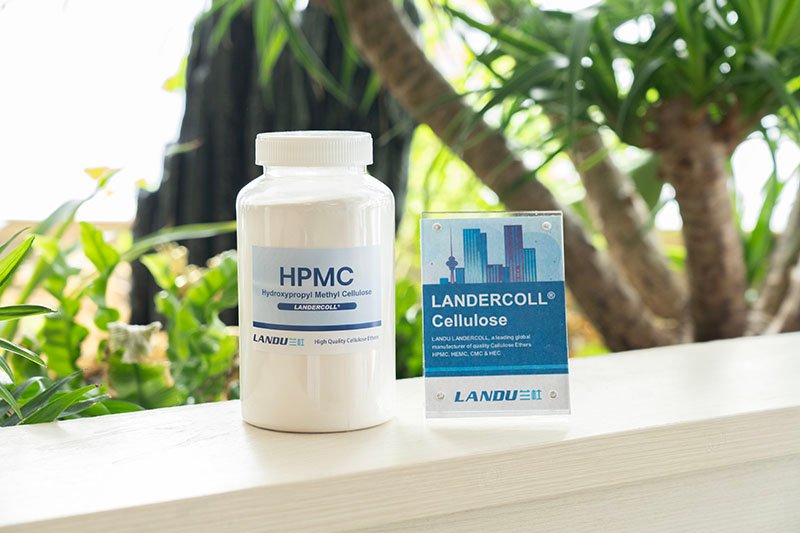 Специализированные · ГПМЦ · Гелевые системы
Гидроксипропилметилцеллюлоза для специализированного загущения, контролируемой реологии и индивидуальной текстуры моющих средств.
HPMC may be considered in specialty surface cleaners, gel cleaners, or customized household cleaning systems where specific rheology behavior, film-forming properties, or customized gel texture is required. Final performance must be confirmed through formulation testing, as surfactant type, solvent system, electrolyte level, pH, and production method can all influence HPMC performance.
Surface cleaner formulations vary significantly by product type, target surface, and cleaning performance requirement. The table below provides a general reference for common components.
| Компонент | Function in Surface Cleaner |
|---|---|
| Вода | Основной растворитель и фаза-носитель |
| Поверхностно-активные вещества | Provide wetting, cleaning, grease removal, and soil removal |
| Растворители | Support grease removal and quick-drying behavior in selected systems |
| Эфир целлюлозы (HEC / CMC / HPMC) | Improve viscosity, rheology, texture, suspension, and stability |
| Builders / Chelating Agents | Support cleaning efficiency and water hardness control |
| Регуляторы pH | Adjust cleaning profile and formulation stability |
| Консерванты | Защищают водные рецептуры от микробного роста |
| Ароматизатор | Обеспечивают запах продукта |
| Красители / Замутнители | Улучшают внешний вид отдельных продуктов |
| Antibacterial Ingredients | Used in selected sanitizing or antibacterial surface cleaners |
| Surface Cleaner Type | Рекомендуемый товар | Основные требования |
|---|---|---|
| Многоцелевое средство для очистки поверхностей | HEC / выбранный эфир целлюлозы | Viscosity, flow control, formulation stability |
| Средство для очистки кухонных поверхностей | HEC | Degreasing compatibility, texture, application control |
| Средство для чистки поверхностей в ванной | HEC / выбранный эфир целлюлозы | Cling, viscosity, stable spreading on ceramic |
| Спрей для очистки поверхностей | Low viscosity HEC / selected grade | Sprayability, stable viscosity, low residue feel |
| Загущенное средство для очистки поверхностей | HEC | Product body, controlled flow, surface contact time |
| Гелевый очиститель поверхностей | HEC / selected HPMC | Gel texture, cling, stable appearance |
| Концентрированное средство для очистки поверхностей | HEC / выбранный эфир целлюлозы | High-active compatibility, viscosity balance |
| Непрозрачный или очиститель частиц | HEC / selected CMC | Suspension support, stable opaque appearance |
These ranges are starting references only. Final dosage must be confirmed through viscosity testing, spray testing, wiping evaluation, surface residue assessment, compatibility testing, storage stability evaluation, and consumer-use trials.
| Surface Cleaner Application | Typical Reference Dosage |
|---|---|
| Многоцелевое средство для очистки поверхностей | 0.1% – 0.6% |
| Средство для очистки кухонных поверхностей | 0.1% – 0.6% |
| Средство для чистки поверхностей в ванной | 0.2% – 0.8% |
| Спрей для очистки поверхностей | 0.05% – 0.3% |
| Загущенное средство для очистки поверхностей | 0.2% – 0.9% |
| Гелевый очиститель поверхностей | 0.3% – 1.2% |
| Концентрированное средство для очистки поверхностей | 0.2% – 0.8% |
| Непрозрачный или очиститель частиц | 0.2% – 0.8% |
Cellulose ether influences viscosity development, rheology adjustment, controlled flow, suspension stability, spray and wipe application balance, and long-term storage performance in water-based surface cleaner systems.
HEC helps adjust surface cleaner viscosity across a wide range — from low-viscosity spray formulations to thickened liquids and gel formats. Proper viscosity control ensures the product looks and performs appropriately for its intended application method and consumer expectations.
Cellulose ether helps control how the surface cleaner flows during use — spreading smoothly under wiping pressure while maintaining enough body during storage and dispensing. Good rheology balance is especially important on vertical surfaces or spray applications.
Surface cleaners applied to vertical tiles, bathroom walls, or inclined surfaces should not run too quickly before cleaning agents have time to act. A suitable cellulose ether grade helps improve flow control and supports longer surface contact time.
Many surface cleaners contain opacifiers, fragrance droplets, particles, colorants, or functional additives that need stable distribution throughout the product. Cellulose ether can support suspension stability when properly matched with the complete formulation system.
For spray cleaners, viscosity must remain low enough for consistent spray pattern and nozzle performance. For thickened cleaners, viscosity should support controlled spreading without excessive residue. Grade and dosage selection should match the final application method.
A suitable cellulose ether grade helps maintain stable texture, viscosity, and appearance during storage — reducing separation, viscosity loss, settling, and inconsistent performance across different temperatures and conditions.
When surface cleaner fails viscosity, spray, or stability targets, cellulose ether grade, dosage, hydration, or compatibility is often the first variable to review.
Low viscosity or weak thickening system.
HEC builds viscosity and improves product body.
Viscosity too high or wrong rheology profile.
Use lower viscosity grade and optimize dosage.
Insufficient body or weak flow control.
Improve viscosity and controlled flow behavior.
Poor suspension or formulation imbalance.
Support suspension stability through grade selection.
pH, solvent, surfactant, salt, or temperature interaction.
Test compatible grade with full formulation system.
Excessive dosage or unsuitable viscosity grade.
Adjust grade selection and dosage level.
Poor dispersion or hydration method.
Improve addition sequence and mixing process.
Excessive polymer or poor wiping balance.
Optimize dosage and complete formulation design.
Surface cleaner formulations vary widely in chemistry and complexity. Multiple factors influence how cellulose ether performs in the final product.
Spray cleaners, thickened liquids, gels, concentrates, and ready-to-use cleaners require different viscosity targets and rheology profiles. Grade selection must match the intended product format and application method.
Surfactant type, concentration, and combination affect wetting, cleaning performance, foam behavior, viscosity response, and compatibility with cellulose ether. Surfactant system should be evaluated during formulation testing.
Solvents can improve cleaning performance and quick-drying behavior but may influence cellulose ether hydration, product clarity, viscosity development, and long-term stability.
Neutral, acidic, and alkaline surface cleaners have different compatibility and stability requirements. Cellulose ether grade selection should match the final pH range of the formulation.
Salts, builders, and chelating agents may affect viscosity development, product clarity, and long-term stability. High-electrolyte systems require careful grade selection and testing.
Surface cleaner residue, wiping feel, and surface finish quality should be tested on all target surfaces including glass, ceramic, stainless steel, plastic, and painted surfaces.
Fragrance oils and preservatives can influence product clarity, viscosity stability, and long-term storage performance. Compatibility should be confirmed during formulation development.
Addition sequence, hydration time, mixing speed, and water temperature all affect cellulose ether dispersion quality and final viscosity development. Poor dispersion leads to lumps, fish eyes, and inconsistent viscosity across batches.
Choosing the right cellulose ether requires balancing viscosity target, sprayability, wiping behavior, surface contact time, suspension stability, product clarity, and storage performance.
 Grade Selection Guide
LANDERCOLL can review your surface cleaner formulation direction and recommend suitable HEC, CMC, or selected cellulose ether grades for testing.
Spray, thickened liquid, gel, concentrate, or ready-to-use?
Kitchen, bathroom, glass, floor, or multipurpose?
What surfactant system and loading level are used?
What pH range is required for the final formulation?
What solvent level and type are included?
Clear, opaque, or does it contain suspended particles?
What target viscosity is required for the application format?
Is sprayability, surface cling, or wiping behavior the primary priority?
What fragrance and preservative system is used?
What temperature range and shelf life are expected?
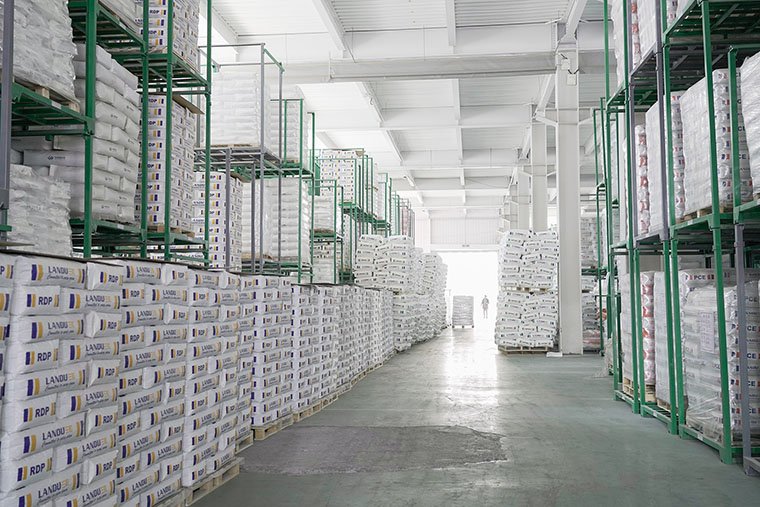
LANDERCOLL provides product-related documentation to support surface cleaner formulation testing, purchasing review, quality approval, and import compliance.
 Formulation & Performance Evaluation
Supporting surface cleaner development with complete technical documentation.
— LANDERCOLL R&D —Product specifications and performance data for formulation review.
Safety, handling, and regulatory information (SDS / MSDS).
Batch quality confirmation supplied per shipment.
Overview of cellulose ether range and application areas.
Formulation guidance and usage recommendations.
Grade recommendation for specific surface cleaner applications.
Handling, shelf life, and storage condition reference.
Available where applicable for international orders and import compliance.
All documents supplied upon request to support formulation review, quality approval, and import compliance.
Запросить документацию по продуктуHEC grade selection for viscosity control and rheology adjustment
Sprayable or thickened cleaner formulation support
Gel texture and controlled flow optimization
Suspension stability discussion and testing direction
Surface contact and wiping behavior support
Compatibility review for different pH and surfactant systems
Dosage reference for different surface cleaner types
Sample provision and quotation communication
If your surface cleaner is too watery, too thick, difficult to spray, unstable during storage, separating, forming lumps, or leaving an undesirable wiping feel or surface residue, the cellulose ether grade or dosage may need to be reviewed.
LANDERCOLL can help evaluate suitable HEC, CMC, and selected cellulose ether options based on your product format, surfactant system, pH, solvent level, viscosity target, application method, and storage requirement.
HEC (Hydroxyethyl Cellulose) is the most commonly used cellulose ether in surface cleaner formulations. It provides viscosity control, rheology adjustment, smooth texture, suspension stability, and storage stability. CMC and HPMC may be considered in selected customized systems after compatibility testing.
HEC dissolves in the water phase and builds viscosity, product body, and a structured rheology network. In surface cleaner, this improves controlled flow, supports suspension of opacifiers and particles, helps balance spray and wipe application behavior, and maintains stable consistency during storage.
Yes. Low viscosity HEC or selected cellulose ether grades may be used in spray surface cleaners. Dosage must be carefully controlled — typically in the range of 0.05%–0.3% — to maintain good sprayability and avoid nozzle performance issues.
Cellulose ether primarily supports viscosity, texture, suspension, and application stability — not cleaning chemistry. Cleaning performance depends on surfactants, solvents, pH, builders, active ingredients, and application conditions. However, improved flow control can support longer surface contact time.
A common reference dosage range is approximately 0.05%–1.2% by formulation weight, depending on product format, target viscosity, surfactant system, solvent level, and cellulose ether grade. Spray cleaners typically use lower dosages, while gel and thickened cleaners use higher dosages. Final dosage must be confirmed through testing.
Separation may be caused by poor suspension system design, surfactant incompatibility, pH changes, solvent effects, high electrolyte levels, temperature fluctuations, or an unsuitable cellulose ether grade for the system. A full formulation compatibility review is recommended.
The viscosity may be too high, the cellulose ether grade may be unsuitable for spray applications, or the formulation may have poor rheology balance. A lower viscosity grade, reduced dosage, or different grade selection may be needed.
Start by defining your product format, target viscosity, spray or wipe application method, pH, surfactant system, solvent level, clarity or suspension requirement, storage conditions, and production process. LANDERCOLL can review your formulation direction and recommend suitable HEC or selected cellulose ether grades for evaluation and testing.
Whether you produce multipurpose surface cleaner, kitchen cleaner, bathroom cleaner, spray cleaner, thickened liquid cleaner, gel surface cleaner, concentrated cleaner, or opaque particle cleaner — LANDERCOLL can help you choose the right cellulose ether grade for better viscosity control, stable flow, suspension support, spray and wipe application balance, and formulation consistency.
Our team can provide grade recommendations, dosage references, technical data sheets, samples, and quotations to support your formulation development and purchasing process.
LANDERCOLL cellulose ether products are manufactured for industrial and commercial use. All formulation data, dosage references, and application guidance provided are for general reference only. Final product performance must be confirmed through testing under your specific formulation, process, and storage conditions.