
TDS
Технический паспорт
Product specifications and performance data for formulation review.
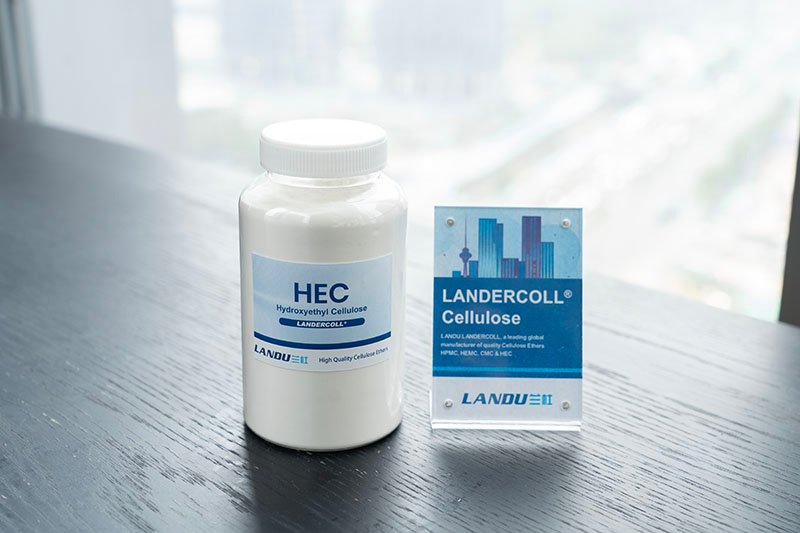
LANDERCOLL HEC эфир целлюлозы помогает производителям нейтральных моющих средств достигать надежного мягкого контроля вязкости, гладкой текстуры продукта, стабильного поведения потока и долгосрочной стабильности рецептуры для форматов для пола, поверхностей, кухни, ванной, спреев, загущенных и концентратов.
От маловязких спреев и средств для мытья полов до загущенных нейтральных жидкостей и концентрированных систем разбавления — правильная марка ГЭЦ обеспечивает предсказуемую реологию, удобство нанесения и стабильный потребительский опыт для зарубежных производителей и покупателей химической продукции.

Пол · Поверхность · Кухня · Ванная · Спрей · Загущенный · Концентрат
 Быстрый ответ
Быстрый ответГидроксиэтилцеллюлоза (ГЭЦ) является основным эфиром целлюлозы, используемым в составах нейтральных моющих средств. Она обеспечивает мягкий контроль вязкости, гладкую текстуру продукта, регулируемое поведение при течении, стабильность суспензии и стабильность при хранении в средствах для мытья полов, очистителях поверхностей, спреях-очистителях, загущенных очистителях и концентрированных нейтральных системах очистки. КМЦ и ГПМЦ могут рассматриваться в отдельных специализированных или адаптированных нейтральных системах очистки после проверки на совместимость.
Ключевые показатели производительности, совместимости и справочная информация по поставкам для зарубежных производителей нейтральных чистящих средств и покупателей химической продукции.
Ищете рекомендацию по эфиру целлюлозы для вашей рецептуры нейтрального очистителя?
Попросите рекомендацию по нейтральному очистителю Запросить цену


Нейтральные моющие средства — это чистящие продукты с pH, близким к нейтральному (обычно в диапазоне pH 6–8), предназначенные для повседневной уборки, где основными требованиями являются мягкость воздействия, совместимость с поверхностями и удобство применения. Они используются на полах, плитке, герметизированных поверхностях, пластике, окрашенных стенах, мебели и столешницах, где сильные кислотные или щелочные средства могут нанести повреждения.
Управление вязкостью и реологией является ключевым для качества нейтральных моющих средств. Эфир целлюлозы — в первую очередь HEC (гидроксиэтилцеллюлоза) — обеспечивает надежный мягкий контроль вязкости, гладкую текстуру, стабильное течение и стабильные характеристики рецептуры без влияния на моющую химию.
Без эффективного загущения нейтральные моющие средства сталкиваются с критическими проблемами: водянистый вид во флаконе, неравномерное распыление, трудности с контролем налива, оседание опалесцирующих добавок, колебания вязкости от партии к партии и снижение воспринимаемой потребителем ценности продукта.
LANDERCOLL предлагает HEC и отдельные марки эфиров целлюлозы для производителей нейтральных моющих средств, которым требуется надежный мягкий контроль вязкости, гладкая текстура, стабильное течение и стабильные характеристики рецептуры в различных форматах моющих средств и производственных условиях.
HEC создает мягкую, стабильную вязкость и реологическую сеть, которая позволяет нейтральному моющему средству поддерживать соответствующую вязкость, плавно течь при нанесении, иметь стабильную консистенцию во флаконе и обеспечивать однородную текстуру в разных производственных партиях.
LANDERCOLL предлагает HEC в качестве основной рекомендации по эфирам целлюлозы для применения в нейтральных моющих средствах, а CMC и HPMC доступны для отдельных специализированных систем.
Основной · Неионогенный · ГЭЦ
Неионогенный эфир целлюлозы для мягкого контроля вязкости, гладкой текстуры и стабильной реологии нейтральных моющих средств.
HEC — это неионогенный, водорастворимый эфир целлюлозы, широко используемый в составах нейтральных моющих средств на водной основе. Он создает умеренную вязкость в водной фазе, способствует формированию стабильной и однородной консистенции продукта, обеспечивает контролируемое течение при нанесении и сохраняет постоянную текстуру при хранении и использовании. Подходит для нейтральных средств для мытья полов, очистителей поверхностей, кухонных моющих средств, чистящих средств для ванных комнат и отдельных систем спрей-очистителей.
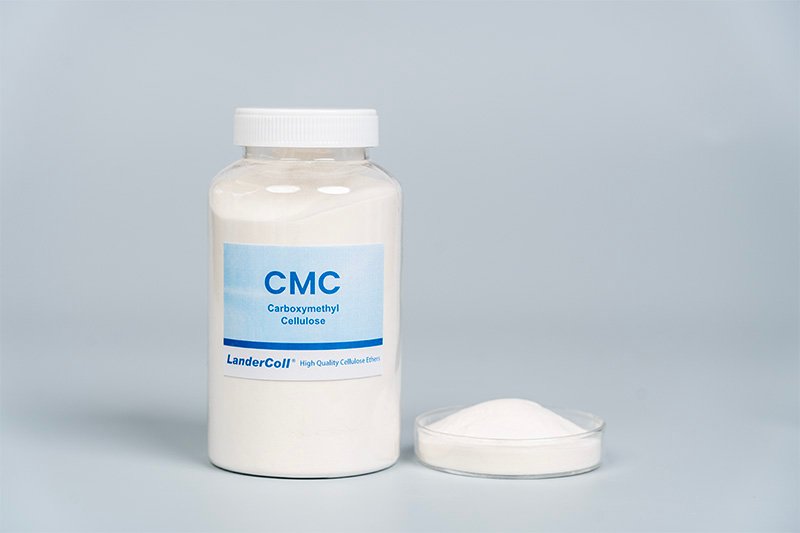 Анионные · КМЦ · Избранные системы
Карбоксиметилцеллюлоза для поддержки выбранной суспензии, основы продукта и обеспечения консистенции рецептуры.
CMC может рассматриваться в отдельных рецептурах нейтральных моющих средств, где приоритетом является поддержка суспензии, вклад в вязкость или баланс стоимости и производительности. Важно: CMC является анионным полимером; совместимость с электролитами, солями, поверхностно-активными веществами и другими ингредиентами рецептуры должна быть подтверждена тестированием перед использованием.
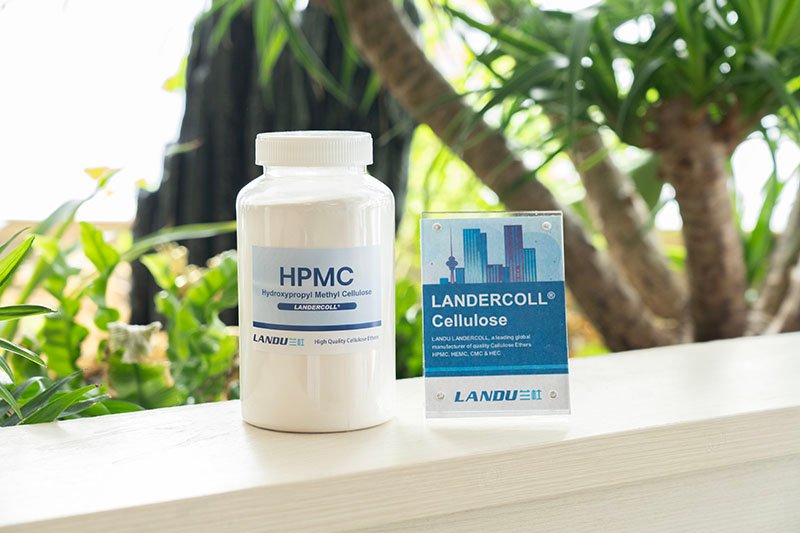 Специализированные · ГПМЦ · Гелевые системы
Гидроксипропилметилцеллюлоза для специализированного загущения, контролируемой реологии и индивидуальной текстуры моющих средств.
HPMC может рассматриваться в специализированных нейтральных моющих средствах или гелевых бытовых чистящих продуктах, где требуются специфические реологические свойства, пленкообразующие свойства или индивидуальная гелевая текстура. Окончательная производительность должна быть подтверждена путем тестирования рецептуры, так как тип поверхностно-активного вещества, уровень растворителя, содержание электролита и метод производства могут влиять на производительность HPMC.
Рецептуры нейтральных моющих средств различаются в зависимости от формата продукта, целевой поверхности и требований к очистке. Таблица ниже представляет общий справочник по распространенным компонентам.
| Компонент | Function in Neutral Cleaners |
|---|---|
| Вода | Основной растворитель и фаза-носитель |
| Мягкие поверхностно-активные вещества | Обеспечивают смачивание, очистку и удаление загрязнений |
| Эфир целлюлозы (HEC / CMC / HPMC) | Улучшают вязкость, текстуру, текучесть, суспензию и стабильность |
| Растворители | Поддерживают удаление жира и высыхание в отдельных системах |
| Хелатирующие агенты | Поддерживают контроль жесткости воды и эффективность очистки |
| Регуляторы pH | Поддерживают почти нейтральный pH и стабильность рецептуры |
| Консерванты | Защищают водные рецептуры от микробного роста |
| Ароматизатор | Обеспечивают запах продукта |
| Красители / Замутнители | Улучшают внешний вид отдельных продуктов |
| Другие добавки | Регулируют пену, прозрачность, ощущение при протирке или специальные характеристики |
| Тип нейтрального очистителя | Рекомендуемый товар | Основные требования |
|---|---|---|
| Нейтральное средство для мытья полов | HEC | Умеренная вязкость, стабильность разбавления, плавное течение |
| Нейтральный очиститель для поверхностей | HEC / выбранный эфир целлюлозы | Тело продукта, ощущение при протирке, стабильность состава |
| Нейтральный очиститель для кухни | HEC | Текстура, совместимость с системой удаления жира |
| Нейтральный очиститель для ванной | HEC / выбранный эфир целлюлозы | Контролируемое течение, стабильный внешний вид |
| Распыляемое нейтральное чистящее средство | Low viscosity HEC | Sprayability, low residue feel, stable viscosity |
| Загущенный нейтральный очиститель | HEC | Product body, controlled flow, surface contact time |
| Концентрированное нейтральное моющее средство | HEC / выбранный эфир целлюлозы | High-active compatibility, viscosity balance |
| Непрозрачное нейтральное чистящее средство | HEC / selected CMC | Suspension support, stable opaque appearance |
These ranges are starting references only. Final dosage must be confirmed through viscosity testing, spray testing, dilution stability testing, surface wiping evaluation, compatibility testing, storage stability evaluation, and consumer-use trials.
| Neutral Cleaner Application | Typical Reference Dosage |
|---|---|
| Нейтральное средство для мытья полов | 0.05% – 0.4% |
| Нейтральный очиститель для поверхностей | 0.1% – 0.6% |
| Нейтральный очиститель для кухни | 0.1% – 0.6% |
| Нейтральный очиститель для ванной | 0.1% – 0.7% |
| Распыляемое нейтральное чистящее средство | 0.05% – 0.3% |
| Загущенный нейтральный очиститель | 0.2% – 0.9% |
| Концентрированное нейтральное моющее средство | 0.2% – 0.8% |
| Непрозрачное нейтральное чистящее средство | 0.2% – 0.8% |
Cellulose ether influences mild viscosity development, smooth texture, controlled flow, suspension stability, wiping performance support, and long-term storage performance in water-based neutral cleaner systems.
HEC helps adjust neutral cleaner viscosity to create a stable, user-friendly product body without making the cleaner too heavy, stringy, or difficult to apply. This is especially important where the mild surfactant system may not contribute significantly to product viscosity on its own.
A smooth and uniform texture improves product appearance in the bottle and consumer acceptance during use. Cellulose ether helps reduce the watery feel of low-surfactant formulations and supports consistent, pleasant flow behavior across different temperatures.
Neutral cleaners may be poured, sprayed, wiped, or diluted before use. Cellulose ether helps create flow behavior that matches the intended application method — fluid enough for spraying or pouring, yet stable enough to maintain body during storage.
Some neutral cleaners contain opacifiers, fragrance droplets, particles, colorants, or functional additives that require stable distribution throughout the product. Cellulose ether can support suspension stability when properly matched with the complete formulation system.
Cellulose ether helps improve product handling during wiping or spreading on surfaces. Final residue behavior, streaking tendency, and surface feel depend on the complete formulation design, dosage level, and the specific surfaces being cleaned.
A suitable cellulose ether grade helps maintain stable appearance, viscosity, and suspension during storage — reducing separation, viscosity drift, settling, and inconsistent performance across different temperatures and conditions.
When neutral cleaner fails viscosity, flow, or stability targets, cellulose ether grade, dosage, hydration, or compatibility is often the first variable to review.
Low viscosity or weak thickening system.
HEC supports mild viscosity control and product body.
Unsuitable rheology or excessive thickening.
Adjust grade selection and dosage level.
Poor suspension or formulation imbalance.
Support suspension stability through grade selection.
Viscosity too high or wrong rheology profile.
Use lower viscosity grade and optimize dosage.
Excessive polymer dosage or unsuitable grade.
Adjust dosage and full formulation balance.
Surfactant, solvent, electrolyte, or temperature interaction.
Test compatible grade with full formulation system.
Poor dispersion or hydration method.
Improve addition sequence and mixing process.
Ingredient incompatibility or poor storage stability.
Review full formulation compatibility.
Neutral cleaner formulations, while milder than acidic or alkaline cleaners, still contain multiple ingredients that can influence cellulose ether performance.
Neutral cleaners are typically formulated in the pH 6–8 range. While generally favorable for cellulose ether stability, the exact pH, buffering system, and pH adjuster type can still affect viscosity development and long-term product stability.
Surfactant type, concentration, and combination affect cleaning performance, foam behavior, product clarity, viscosity response, and cellulose ether compatibility. Mild surfactant systems common in neutral cleaners may require careful grade selection to achieve the desired viscosity profile.
Solvents may support cleaning performance and quick-drying behavior but can also influence cellulose ether hydration, product clarity, viscosity development, and long-term stability. Solvent type and concentration should be evaluated during formulation testing.
Salts, chelating agents, and builders can influence viscosity response, product clarity, and long-term stability. High-electrolyte systems may require specific HEC grades with appropriate substitution levels.
Sprayable, pourable, concentrated, thickened, and ready-to-use neutral cleaners each require different viscosity targets and flow profiles. Grade selection must match the intended product format and application method.
Neutral cleaners are often used on multiple surface types. Wiping feel, residue behavior, streaking tendency, and surface finish quality should all be tested on the target surfaces before finalizing the formulation.
Fragrance oils and preservatives can influence product clarity, viscosity stability, and long-term storage performance. Compatibility should be confirmed during formulation development.
Addition sequence, dispersion quality, hydration time, mixing speed, and water temperature all affect cellulose ether dispersion and final viscosity development. Poor dispersion leads to lumps, fish eyes, and inconsistent viscosity across production batches.
Choosing the right cellulose ether requires balancing viscosity target, application method, surface compatibility, wiping feel, sprayability, suspension stability, product clarity, and storage performance.
 Grade Selection Guide
LANDERCOLL can review your neutral cleaner formulation direction and recommend suitable HEC, CMC, or selected cellulose ether grades for testing.
Sprayable, pourable, thickened, concentrated, or ready-to-use?
What target viscosity is required for the intended format?
What surfactant system and loading level are used?
What is the final pH range of the formulation?
Are solvents, chelating agents, or salts included?
Clear, opaque, or does it contain suspended particles?
Is low residue or streak-free wiping important?
What surface types will the cleaner be used on?
What fragrance and preservative system is used?
What temperature range and shelf life are expected?
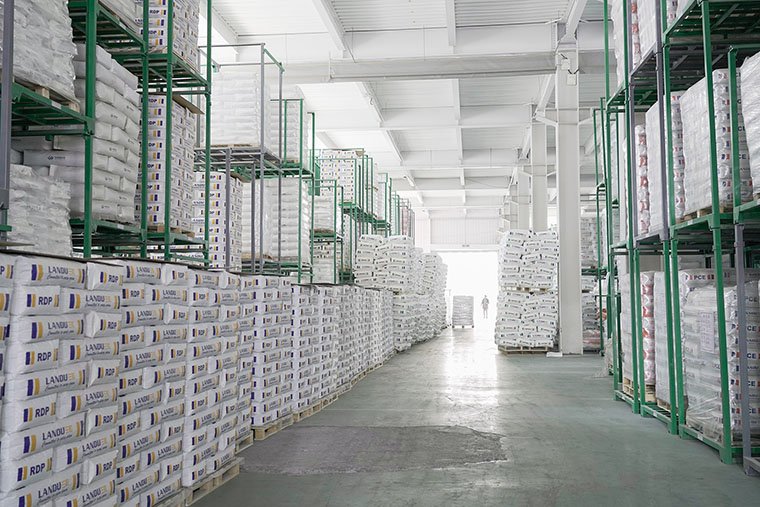
LANDERCOLL provides product-related documentation to support neutral cleaner formulation testing, purchasing review, quality approval, and import compliance.
 Formulation & Performance Evaluation
Supporting neutral cleaner development with complete technical documentation.
— LANDERCOLL R&D —Product specifications and performance data for formulation review.
Safety, handling, and regulatory information (SDS / MSDS).
Batch quality confirmation supplied per shipment.
Overview of cellulose ether range and application areas.
Formulation guidance and usage recommendations.
Grade recommendation for specific neutral cleaner applications.
Handling, shelf life, and storage condition reference.
Available where applicable for international orders and import compliance.
All documents supplied upon request to support formulation review, quality approval, and import compliance.
Запросить документацию по продуктуHEC grade selection for mild viscosity control and smooth texture
Sprayable or thickened neutral cleaner rheology adjustment
Suspension stability discussion and testing direction
Wiping feel, flow control, and surface contact support
Compatibility review for different surfactant and pH systems
Dosage reference for different neutral cleaner types
Sample provision and quotation communication
If your neutral cleaner is too thin, unstable during storage, difficult to spray, sticky during wiping, separating in the bottle, forming lumps, or showing viscosity drift between batches or over time, the cellulose ether grade or dosage may need to be reviewed.
LANDERCOLL can help evaluate suitable HEC, CMC, and selected cellulose ether options based on your product format, surfactant system, pH, solvent level, viscosity target, surface requirement, and storage condition.
HEC (Hydroxyethyl Cellulose) is the most commonly used cellulose ether in neutral cleaner formulations. It provides mild viscosity control, smooth texture, rheology adjustment, and formulation stability. CMC and HPMC may be considered in selected customized systems after compatibility testing.
HEC dissolves in the water phase and builds mild viscosity, product body, and a stable rheology profile. In neutral cleaners, this improves smooth texture, supports controlled flow during spraying or wiping, helps suspend opacifiers and particles, and maintains stable consistency during storage.
Yes. Low viscosity HEC or selected cellulose ether grades may be used in sprayable neutral cleaners. Dosage must be carefully controlled — typically in the range of 0.05%–0.3% — to maintain good sprayability and avoid nozzle performance issues.
Cellulose ether primarily supports viscosity, texture, suspension, and application stability — not cleaning chemistry. Cleaning performance depends on surfactants, solvents, chelating agents, pH, water quality, and application conditions. However, improved flow control may support longer surface contact time during cleaning.
A common reference dosage range is approximately 0.05%–0.9% by formulation weight, depending on product format, target viscosity, surfactant system, solvent level, and cellulose ether grade. Spray and floor cleaners typically use lower dosages; thickened and concentrated formats use higher dosages. Final dosage must be confirmed through testing.
Separation may be caused by poor suspension system design, surfactant incompatibility, solvent effects, electrolyte level, temperature fluctuations, preservative interaction, or an unsuitable cellulose ether grade. A full formulation compatibility review is recommended.
Sticky feel may be caused by excessive cellulose ether dosage, an unsuitable viscosity grade, poor surfactant balance, high polymer solids, or insufficient wiping performance optimization in the formulation design.
Start by defining your product format, target viscosity, application method, pH, surfactant system, solvent level, clarity or suspension requirement, surface compatibility, storage conditions, and production process. LANDERCOLL can review your formulation direction and recommend suitable HEC or selected cellulose ether grades for evaluation and testing.
Whether you produce neutral floor cleaner, neutral surface cleaner, neutral kitchen cleaner, neutral bathroom cleaner, sprayable neutral cleaner, thickened neutral cleaner, concentrated neutral cleaner, or opaque neutral cleaner — LANDERCOLL can help you choose the right cellulose ether grade for better mild viscosity control, smooth texture, controlled flow, suspension stability, and formulation consistency.
Our team can provide grade recommendations, dosage references, technical data sheets, samples, and quotations to support your formulation development and purchasing process.
LANDERCOLL cellulose ether products are manufactured for industrial and commercial use. All formulation data, dosage references, and application guidance provided are for general reference only. Final product performance must be confirmed through testing under your specific formulation, process, and storage conditions.