

1. Тест на вязкость: Оценка эффективности загущения
Цель тестирования:
Вязкость является одной из наиболее важных характеристик ГПМЦ в составах плиточного клея. Она напрямую влияет на текучесть и консистенцию клея. Правильная вязкость обеспечивает удобство нанесения, отличное сцепление и контролируемое открытое время в процессе монтажа.

Методология тестирования:
Вязкость растворов ГПМЦ можно измерить с помощью вискозиметра Брукфильда или ротационного вискозиметра. Образец растворяют в воде в требуемой концентрации (обычно 2% масс./масс.) и тестируют при контролируемой температуре (обычно 20°C). Вязкость регистрируется при различных скоростях сдвига. Производители должны сравнивать результаты вязкости с требованиями рецептуры, чтобы убедиться, что она находится в желаемом диапазоне для достижения стабильной производительности.
2. Влажность: Обеспечение стабильности и качества хранения
Цель тестирования:
Содержание влаги в HPMC влияет на стабильность при хранении и эксплуатационные характеристики. Избыточная влага может привести к комкованию, деградации или сокращению срока годности. С другой стороны, недостаток влаги может повлиять на растворимость и скорость гидратации.

Методология тестирования:
Гравиметрический анализ (сушка в печи) или анализаторы влажности используются для определения содержания влаги. Образец сушат при 105°C до достижения постоянного веса, а содержание влаги рассчитывается в процентах от исходного веса. Идеальное содержание влаги обычно должно быть ниже 5%, хотя это может варьироваться в зависимости от конкретных требований применения. Например, в условиях высокой влажности может потребоваться более низкое содержание влаги.
3. Распределение частиц по размерам: влияние на растворение и однородность
Цель тестирования:
Размер частиц HPMC напрямую влияет на скорость его растворения и консистенцию готового плиточного клея. Более мелкие частицы обычно растворяются быстрее и равномернее, что обеспечивает лучшую дисперсию и усиление загущающего эффекта.

Методология тестирования:
Распределение частиц по размерам обычно измеряется с помощью лазерной дифракции или ситового анализа. Эти методы помогают определить однородность размера частиц образца. Производители должны обеспечивать оптимизацию распределения частиц по размерам для эффективного смешивания и стабильной работы в конечной рецептуре клея. Например, диапазон размеров частиц 80-120 меш часто предпочтителен для быстрого растворения.
4. Тест на растворимость: Проверка быстрого и полного растворения
Цель тестирования:
HPMC must dissolve efficiently and thoroughly in water to function as an effective thickener. Poor solubility can result in uneven dispersion, leading to performance inconsistencies in the tile adhesive.

Методология тестирования:
Стандартный тест на растворимость включает растворение образца ГПМЦ в теплой воде (40-50°C) и наблюдение за скоростью растворения и прозрачностью раствора. ГПМЦ должен быстро растворяться, не образуя комков и не оставляя нерастворенных частиц. Прозрачные растворы указывают на высококачественную ГПМЦ, которая будет хорошо работать в составах плиточного клея.

LANDERCOLL Высококачественная химическая добавка HPMC
Получите образцы HPMC бесплатно
Учитывая высокое качество Образцы ГПМЦ для сравнения? Свяжитесь с Landercoll сейчас, чтобы получить индивидуальные решения на основе HPMC и повысить качество вашей продукции.
5. Зольность: Подтверждение чистоты и качества
Цель тестирования:
Классификации Зольность содержание HPMC отражает уровень неорганических примесей в образце. Высокое содержание золы может ухудшить качество и стабильность конечного продукта, влияя на адгезионные свойства.
Методология тестирования:
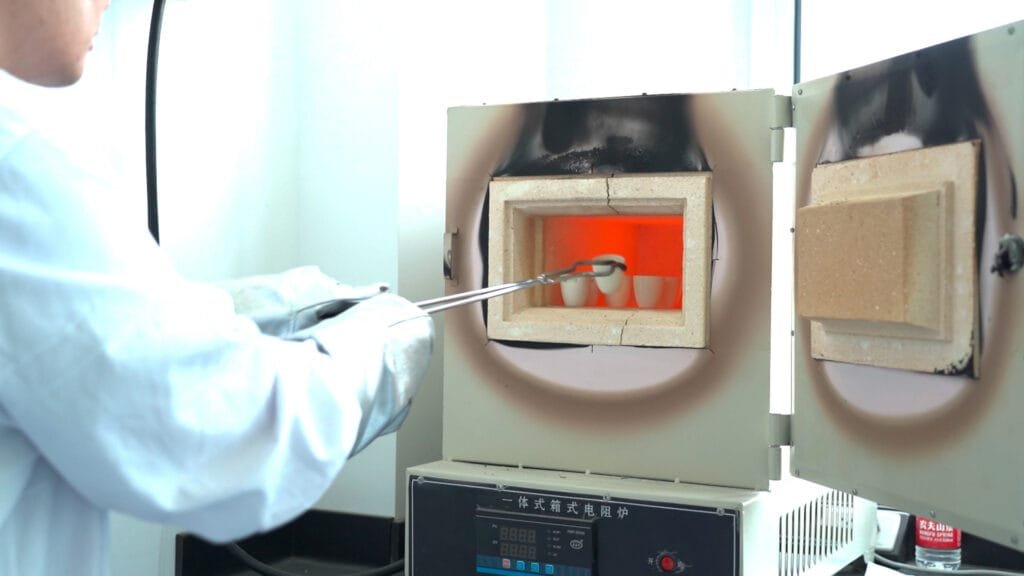
Для измерения содержания золы образец подвергается высокотемпературному сжиганию (600–800°C), в результате чего остается неорганический остаток. Процентное содержание золы рассчитывается на основе массы оставшегося остатка. В идеале содержание золы должно быть ниже 5%, чтобы обеспечить высокую чистоту и стабильность продукта. В некоторых регионах, например в Европе, содержание золы может потребоваться ниже 3% для соответствия местным стандартам.
6. pH Value: Ensuring Product Stability
Цель тестирования:
Классификации pH of an HPMC solution influences the stability and behavior of tile adhesives, particularly during curing. An incorrect pH can lead to premature gelling or weakening of adhesive bonds.

Методология тестирования:
The pH value is measured using a pH meter after dissolving HPMC in water. The pH should typically fall between 6 and 8, ensuring that the adhesive remains stable and works effectively with the tiles. For example, a pH of 7 is often ideal for neutral applications.
7. Hydration Time: Improving Manufacturing Efficiency
Цель тестирования:
Hydration time refers to the time it takes for HPMC to fully dissolve and disperse in water. Fast hydration is crucial for manufacturing efficiency, as it ensures quicker blending and formulation of tile adhesives.

Методология тестирования:
Mix the HPMC sample with water and observe the time required for full hydration and uniform dispersion. The ideal hydration time should be short (typically less than 10 minutes) to improve the overall speed of the mixing process, ensuring efficient production.
8. Thermal Stability: Ensuring Long-Term Performance
Цель тестирования:
Tile adhesives may be exposed to varying temperatures during both application and curing. Thermal stability of HPMC ensures that it maintains its properties under heat stress and does not degrade or lose viscosity.

Методология тестирования:
Expose the HPMC sample to high temperatures in a controlled environment and observe any changes in its viscosity or physical appearance. High-quality HPMC should exhibit minimal degradation at temperatures commonly encountered during tile adhesive application.
9. Chemical Composition Analysis: Verifying Raw Material Integrity
Цель тестирования:
Understanding the chemical composition of HPMC ensures that it meets the specific functional requirements of tile adhesives, confirming the consistency of the material’s quality and its suitability for the intended application.

Методология тестирования:
Advanced techniques such as infrared spectroscopy (FTIR) or gas chromatography (GC) can be used to analyze the chemical structure of HPMC. FTIR is particularly useful for identifying functional groups, while GC can detect volatile impurities. These methods provide insights into the material’s purity, functional groups, and potential contaminants.
Ensure Quality with Comprehensive HPMC Testing
Для tile adhesive manufacturers, the quality of raw materials directly impacts the performance and durability of the final product. Testing HPMC samples on key parameters—viscosity, moisture content, particle size, solubility, ash content, pH value, hydration time, thermal stability, and chemical composition—provides critical data to ensure the additive meets formulation specifications.
By thoroughly testing HPMC, manufacturers can optimize their production processes, reduce variability, and improve the consistency and quality of tile adhesives. These tests not only enhance product performance but also help maintain customer satisfaction by ensuring reliable and high-quality adhesives in every batch.
By following these rigorous testing protocols, manufacturers can confidently use HPMC in tile adhesives, knowing they are enhancing both product quality and performance.
Landercoll: Offering Comprehensive HPMC Testing and Custom Solutions
Supporting Manufacturers with Quality Assurance
At Landercoll, we understand the importance of ensuring that every ingredient in your tile adhesive formulations meets the highest standards. That’s why we go beyond just providing HPMC; we offer in-depth testing services to ensure that our products deliver consistent performance and meet your specific formulation requirements. Our state-of-the-art laboratory testing facilities are equipped to carry out all the essential tests outlined above, from viscosity to thermal stability.
Tailored Testing to Meet Your Needs
Our commitment to quality extends to personalized support throughout the production process. Before any shipment leaves our facility, we conduct thorough testing on HPMC samples to ensure they meet the specifications and performance standards you require. Whether you need customized viscosity, solubility adjustments, or other formulation considerations, our laboratory can modify the product according to your needs, helping you achieve the desired results in your tile adhesive production.
Why Choose Landercoll for HPMC?
- Comprehensive Testing:We test HPMC samples for viscosity, moisture content, solubility, and more to ensure they meet industry standards.
- Tailored Solutions:Our lab adjusts HPMC to match your specific application requirements, ensuring optimal adhesive performance.
- Reliable Results:With rigorous pre-shipment testing, you can be confident that the HPMC you receive will meet your exact needs, every time.
- Expert Guidance:Our technical team is available to support you with formulation adjustments, helping you achieve superior tile adhesive products.
Quality You Can Trust in Tile Adhesive Production
Landercoll’s comprehensive testing services provide an added layer of assurance that your tile adhesive formulations will perform as expected. By working closely with our laboratory, you gain access to custom solutions that help you meet customer demands and ensure product quality at every stage of production. With Landercoll’s HPMC, you are not only receiving top-tier materials, but also the expertise and support to create exceptional tile adhesives.


