
TDS
Fișă tehnică
Specificații ale produsului și date de performanță pentru revizuirea formulării.
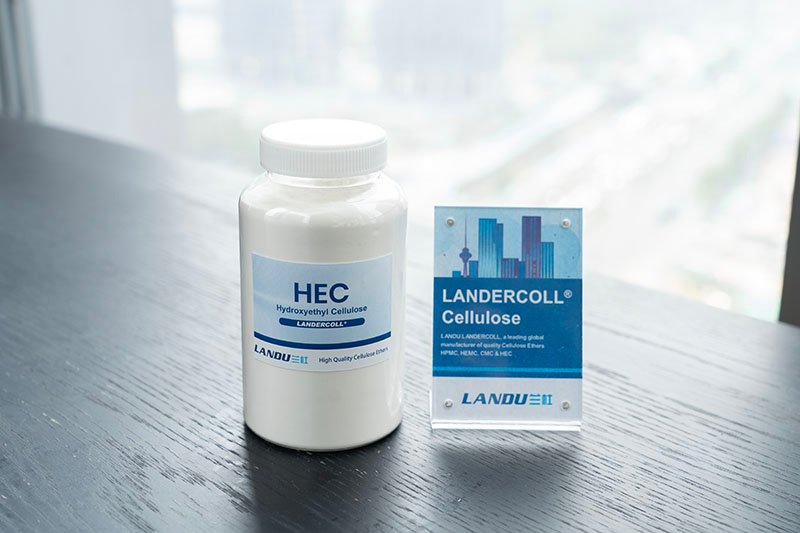
LANDERCOLL HEC eter de celuloză ajută producătorii de produse de curățat toalete să obțină un control fiabil al vâscozității, aderență pe suprafețe ceramice, textură gel netedă și stabilitate pe termen lung a formulării în formate acide, gel, dezinfectante, pe bază de înălbitor și premium pentru curățarea toaletelor.
De la detergenți acizi pentru toaletă până la formate premium de gel și sisteme de dezinfecție — gradul potrivit de HEC asigură reologie predictibilă, aderență eficientă pe suprafețe și dozare controlată pentru producători și cumpărători de produse chimice din străinătate.

Acid · Gel · Dezinfectant · Pe bază de înălbitor · Îngroșat · Premium · Economic
 Răspuns rapid
Răspuns rapidHydroxyethyl Cellulose (HEC) is the primary cellulose ether used in toilet cleaner formulations. It provides thickening, viscosity control, surface cling, smooth gel texture, controlled flow behavior, and storage stability in water-based toilet cleaner systems. CMC and HPMC may be considered in selected specialty or customized toilet cleaning systems after compatibility testing.
Key performance, compatibility, and supply reference for overseas toilet cleaner manufacturers and chemical buyers.
Looking for a cellulose ether recommendation for your toilet cleaner formulation?
Solicită o recomandare pentru un detergent de toaletă Solicitați o ofertă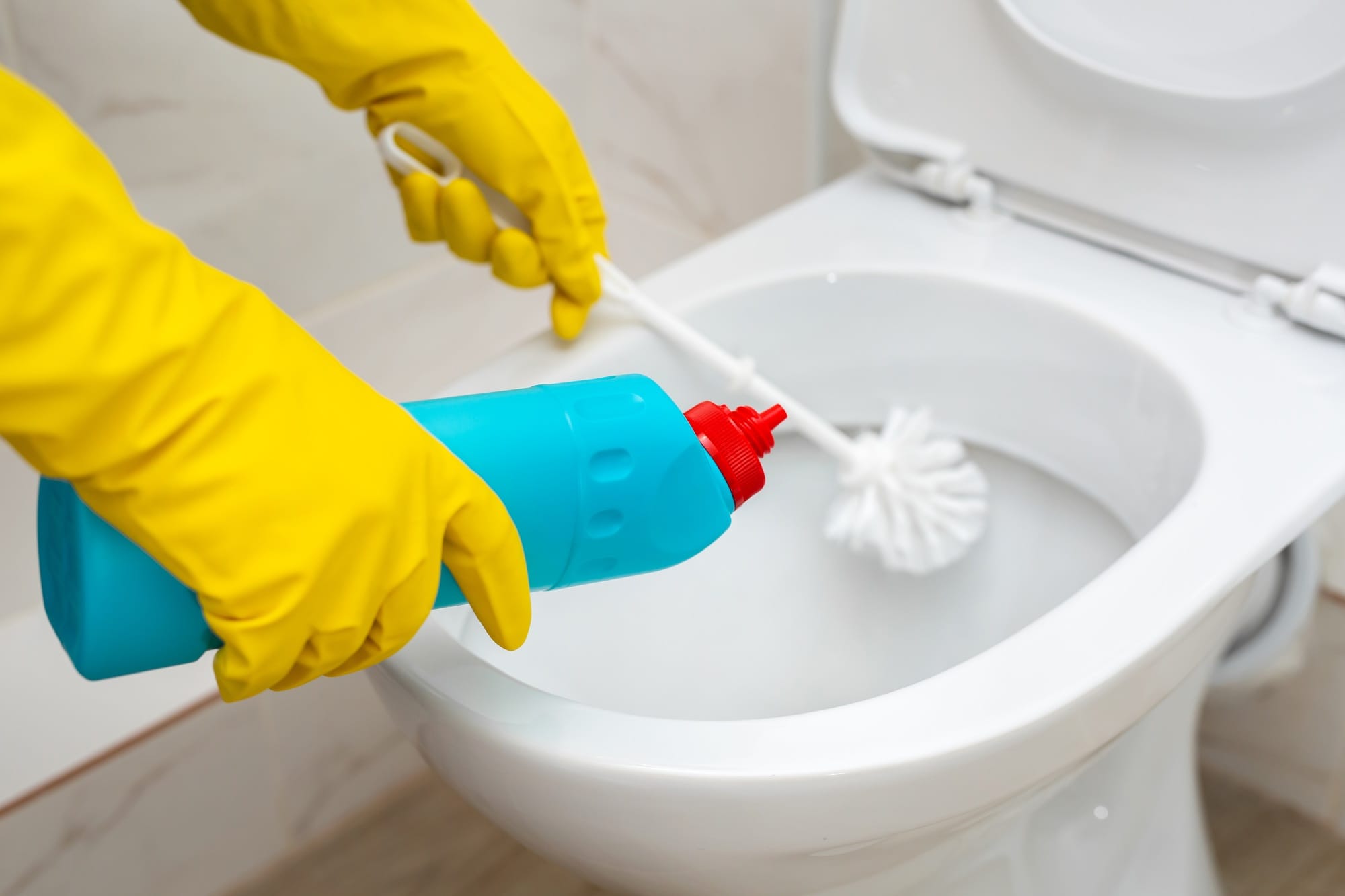


Toilet cleaner is a household and institutional cleaning product used to remove limescale, mineral deposits, stains, odor-causing residues, and biological soils from toilet bowls, ceramic surfaces, and bathroom fixtures. It is one of the most widely produced and purchased household cleaning products globally, available in acidic, alkaline, disinfecting, bleach-based, gel, and thickened liquid formats.
Viscosity and rheology are central to toilet cleaner performance. A product that is too thin runs off the surface before it can act. A product that is too thick or stringy is difficult to squeeze, dose, or rinse. Cellulose ether — primarily HEC (Hidroxietil Celuloză) — provides a reliable thickening and rheology system for viscosity control, surface cling, gel body, and formulation stability.
Without effective thickening, toilet cleaners face critical challenges: the product runs off vertical and curved surfaces too quickly, reduced contact time limits cleaning effectiveness, the product appears watery and low-quality, pigments or active particles may settle, and batch-to-batch viscosity becomes inconsistent during production.
LANDERCOLL provides HEC and selected cellulose ether grades for toilet cleaner manufacturers who need dependable viscosity control, surface cling, gel body, and formulation stability across different cleaner systems and production environments.
HEC dissolves in the water phase and builds a structured viscosity network that allows toilet cleaner to flow from the bottle, cling to ceramic surfaces, maintain stable body during storage, and deliver consistent texture across production batches.
LANDERCOLL offers HEC as the primary cellulose ether recommendation for toilet cleaner applications, with CMC and HPMC available for selected specialty systems.
Primar · Neionic · HEC
Hydroxyethyl Cellulose for thickening, surface cling, gel body, and formulation stability in toilet cleaner systems.
HEC is a non-ionic, water-soluble cellulose ether and the most commonly used cellulose ether in toilet cleaner and bathroom cleaner formulations. In toilet cleaner, HEC builds viscosity in the water phase, improves surface cling on ceramic surfaces, creates a smooth and controlled gel texture, and supports stable product body during storage and use.
 Anionic · CMC · Sisteme selectate
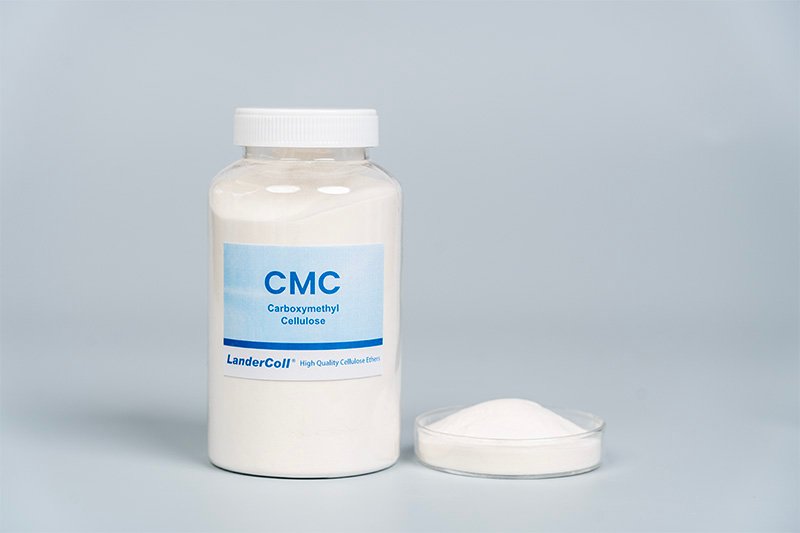
Carboxymethyl Cellulose for selected thickening, suspension, and formulation consistency needs.
CMC may be considered in selected toilet cleaner or household cleaning formulations where viscosity contribution, suspension support, or cost-performance balance is a priority. Important: CMC is an anionic polymer; compatibility with acids, salts, oxidizing agents, and other active ingredients must be confirmed through testing before use.
 Specialty · HPMC · Gel Systems
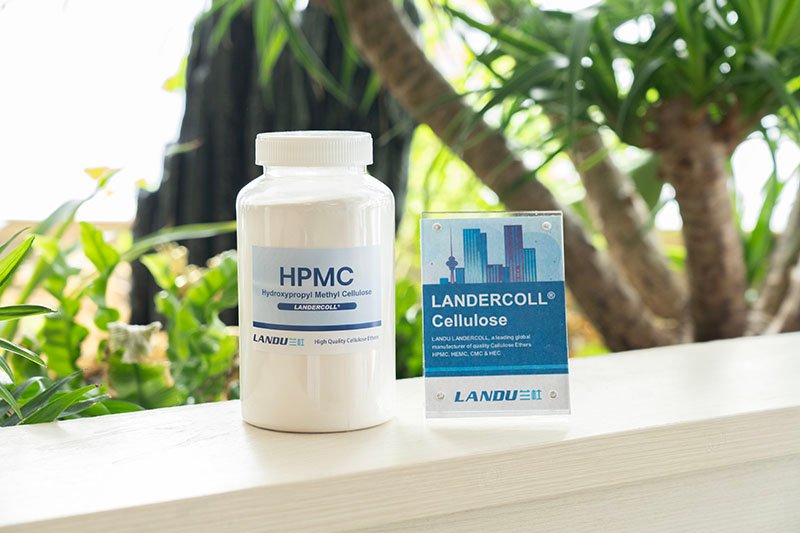
Hydroxypropyl Methylcellulose for specialty thickening, rheology control, and customized gel texture.
HPMC may be considered in specialty toilet cleaner or bathroom gel cleaner systems where specific rheology behavior, water-soluble polymer properties, or customized gel texture is required. Final performance must be confirmed through testing, as toilet cleaner systems may contain acids, salts, oxidizing agents, solvents, fragrance, and surfactants that affect HPMC performance.
Understanding the formulation structure of toilet cleaner helps explain why cellulose ether selection matters and why compatibility testing is always required.
| Componentă | Function in Toilet Cleaner |
|---|---|
| Apă | Main solvent and carrier phase |
| Acids / Alkaline Agents | Remove limescale, mineral deposits, and stains |
| Agenți tensioactivi | Improve wetting, cleaning, and soil removal |
| Cellulose Ether (HEC / CMC / HPMC) | Improve viscosity, cling, texture, and stability |
| Solvents / Hydrotropes | Support solubility and cleaning performance |
| Parfum | Provide product scent |
| Conservanți | Protect water-based formulas where applicable |
| Coloranți | Improve product appearance and consumer appeal |
| Disinfecting Ingredients | Used in selected disinfecting toilet cleaner systems |
| Alți aditivi | Adjust foam, clarity, stability, or special performance |
| Toilet Cleaner Type | Produs Recomandat | Main Requirements |
|---|---|---|
| Acidic Toilet Cleaner | HEC / eter de celuloză selectat | Acid compatibility, viscosity build, surface cling |
| Toilet Bowl Gel Cleaner | HEC / HPMC selectat | Gel body, controlled flow, surface contact time |
| Thickened Toilet Cleaner | HEC | Viscosity control, smooth texture, bottle dispensing |
| Disinfecting Toilet Cleaner | HEC / eter de celuloză selectat | Stability, viscosity, active ingredient compatibility |
| Bleach-Based Toilet Cleaner | Selected cellulose ether — testing required | Oxidizer compatibility, stability, viscosity |
| Bathroom Ceramic Cleaner | HEC | Spreadability, controlled flow, smooth application |
| Economy Toilet Cleaner | HEC / selected CMC | Cost-performance viscosity and consistency |
| Premium Toilet Cleaner | HEC | Smooth gel texture, stable body, enhanced user experience |
These ranges are starting references only. Final dosage must be confirmed through viscosity testing, pH stability testing, compatibility testing, storage stability evaluation, surface cling assessment, dispensing behavior testing, and consumer-use trials.
| Toilet Cleaner Application | Dozaj tipic de referință |
|---|---|
| Acidic Toilet Cleaner | 0.2% – 0.8% |
| Toilet Bowl Gel Cleaner | 0.4% – 1.2% |
| Thickened Toilet Cleaner | 0.2% – 0.9% |
| Disinfecting Toilet Cleaner | 0.2% – 0.8% |
| Bleach-Based Toilet Cleaner | Depends on compatibility testing |
| Bathroom Ceramic Cleaner | 0.2% – 0.7% |
| Economy Toilet Cleaner | 0.15% – 0.7% |
| Premium Toilet Cleaner | 0.3% – 1.0% |
Cellulose ether influences viscosity development, surface cling, gel texture, controlled flow, suspension stability, and long-term storage performance in water-based toilet cleaner systems.
HEC helps adjust toilet cleaner viscosity and builds a stable product body. Proper viscosity makes the product look and feel substantial in the bottle, supports controlled dispensing, and reduces the perception of a watery or low-quality product.
Toilet cleaner is applied to vertical and curved ceramic surfaces where gravity works against the product. Cellulose ether improves cling behavior and supports longer surface contact time, allowing cleaning agents to act more effectively before the product runs off.
A smooth, uniform gel texture improves consumer acceptance and makes the product easier to apply accurately. Cellulose ether helps create a controlled flow profile that feels smooth under application without being stringy or difficult to rinse.
Toilet cleaner must flow from the bottle under gentle squeeze pressure without running too fast or becoming difficult to dose. The right cellulose ether grade and dosage help balance thickness and movement for reliable dispensing behavior.
Some toilet cleaners contain particles, opacifiers, color systems, or active ingredients that require stable distribution throughout the product. Cellulose ether can support suspension stability when properly matched with the full formulation system.
A suitable cellulose ether grade helps maintain viscosity and appearance during storage. This reduces separation, viscosity loss, and inconsistent performance after the product has been stored across different temperatures and conditions.
When toilet cleaner fails viscosity, cling, or stability targets, cellulose ether grade, dosage, hydration, or compatibility is often the first variable to review.
Low viscosity or weak thickening system.
HEC builds viscosity and improves surface cling.
Excessive dosage or poor rheology balance.
Adjust grade selection and dosage level.
Low product body or unsuitable viscosity profile.
Improve gel body and controlled flow behavior.
pH, acid, surfactant, salt, or oxidizer interaction.
Test compatible grade with full formulation.
Weak suspension or formulation imbalance.
Asigurați stabilitatea suspensiei prin selecția treptelor.
Poor dispersion or hydration method.
Improve addition sequence and mixing process.
Viscosity too high or stringy flow behavior.
Optimize viscosity grade and dosage.
Ingredient incompatibility or poor storage stability.
Review full formulation compatibility.
Toilet cleaner formulations are chemically complex. Multiple factors influence how cellulose ether performs in the final product.
Acidic, alkaline, neutral, disinfecting, and bleach-based toilet cleaners have different compatibility requirements. Cellulose ether grade selection must match the final pH range and active ingredient system.
Surfactants affect cleaning performance, foam behavior, viscosity response, and compatibility with cellulose ether. Surfactant type and concentration should be evaluated during formulation testing.
Acid type and concentration may influence viscosity stability, polymer hydration rate, and long-term product performance. High acid concentrations require careful grade selection and testing.
Bleach-based or oxidizing systems require special compatibility testing. Oxidizing agents may degrade cellulose ether polymers and reduce viscosity stability over time.
Salts and other electrolytes can influence viscosity development, product clarity, and long-term stability. High electrolyte systems may require specific HEC grades with appropriate substitution levels.
Fragrance oils and colorants may affect appearance, viscosity, compatibility, and long-term storage stability. Compatibility should be confirmed during formulation development.
Addition sequence, dispersion quality, hydration time, mixing speed, and water temperature all affect cellulose ether hydration and final viscosity development. Poor dispersion leads to lumps, fish eyes, and inconsistent viscosity.
High or low storage temperatures may affect viscosity, appearance, and product stability. Stability testing across the expected storage temperature range is recommended.
Choosing the right cellulose ether requires balancing viscosity target, surface cling requirement, gel texture, pH compatibility, storage stability, and dispensing behavior.
 Ghid de selecție a gradului
LANDERCOLL can review your toilet cleaner formulation direction and recommend suitable HEC or selected cellulose ether grades for testing based on your specific system requirements.
Is the toilet cleaner acidic, alkaline, neutral, disinfecting, or bleach-based?
What is the target pH range of the final formulation?
What viscosity and surface cling performance are required?
Is the product clear, opaque, colored, or gel-like?
What surfactant system and loading level are used?
Are disinfecting or oxidizing ingredients included?
What fragrance and preservative system is used?
What bottle format and dispensing method are used?
What temperature range and shelf life are expected?
What mixing equipment and hydration method are available?
LANDERCOLL provides product-related documentation to support toilet cleaner formulation testing, purchasing review, quality approval, and import compliance.
 Evaluarea formulării și performanței
Supporting toilet cleaner development with complete technical documentation.
— LANDERCOLL C&D —Specificații ale produsului și date de performanță pentru revizuirea formulării.
Informații de securitate, manipulare și reglementare (SDS / MSDS).
Confirmarea calității lotului furnizată la fiecare expediție.
Overview of cellulose ether range and application areas.
Orientări privind formularea și recomandări de utilizare.
Grade recommendation for specific toilet cleaner applications.
Referință privind manipularea, termenul de valabilitate și condițiile de depozitare.
Available where applicable for international orders and import compliance.
Toate documentele sunt furnizate la cerere pentru a sprijini revizuirea formulării, aprobarea calității și conformitatea la import.
Solicitare documente produsHEC grade selection for viscosity control and surface cling
Gel texture and controlled flow adjustment
Storage stability discussion and testing direction
Compatibility review for acid, alkaline, and disinfecting systems
Dosage reference for different toilet cleaner types
Sample provision and quotation communication
Technical documentation support (TDS, SDS, COA)
If your toilet cleaner formulation has low viscosity, poor surface cling, storage separation, lump formation, difficult dispensing, or unstable appearance, the cellulose ether grade or dosage may need to be reviewed.
LANDERCOLL can help evaluate suitable HEC and selected cellulose ether options based on your pH system, surfactants, active ingredients, viscosity target, surface cling requirement, packaging format, and production process.
HEC (Hydroxyethyl Cellulose) is the most commonly used cellulose ether in toilet cleaner formulations. It provides viscosity control, thickening, surface cling, smooth gel texture, and formulation stability. CMC and HPMC may be considered in selected customized systems after compatibility testing.
HEC dissolves in the water phase and builds viscosity, product body, and a structured rheology network. In toilet cleaner, this improves surface cling on ceramic surfaces, creates smooth gel texture, supports controlled flow from the bottle, and helps maintain stable consistency during storage.
Cellulose ether primarily supports viscosity, cling, texture, and stability — not cleaning chemistry. Cleaning performance depends on acids, surfactants, disinfecting ingredients, solvents, water quality, and application conditions. However, improved cling from cellulose ether can support longer surface contact time, which may indirectly support cleaning effectiveness.
A common reference dosage range is approximately 0.15%–1.2% by formulation weight, depending on cleaner type, target viscosity, pH, active ingredient system, and cellulose ether grade. Final dosage must always be confirmed through formulation testing and stability evaluation.
Selected HEC grades may be used in acidic toilet cleaners. However, acid type, acid concentration, pH level, surfactant system, and storage stability must all be tested before finalizing the formulation. Not all HEC grades perform equally in acidic conditions.
Bleach-based and oxidizing systems require special compatibility testing. Oxidizing agents can degrade cellulose ether polymers over time, leading to viscosity loss and product instability. Any use in bleach-based systems must be confirmed through accelerated stability testing.
Viscosity loss during storage may be caused by pH changes, acid concentration effects, oxidizing ingredient degradation, surfactant incompatibility, high electrolyte levels, temperature fluctuations, poor initial hydration, or an unsuitable cellulose ether grade for the system. A full formulation compatibility review is recommended.
Start by defining your pH system, cleaner type, active ingredients, surfactant system, viscosity target, surface cling requirement, packaging format, storage conditions, and production process. LANDERCOLL can review your formulation direction and recommend suitable HEC or selected cellulose ether grades for evaluation and testing.
Whether you produce acidic toilet cleaner, toilet bowl gel cleaner, thickened toilet cleaner, disinfecting toilet cleaner, bathroom ceramic cleaner, economy toilet cleaner, or premium toilet cleaner — LANDERCOLL can help you choose the right cellulose ether grade for better viscosity control, surface cling, gel texture, controlled flow, and formulation stability.
Our team can provide grade recommendations, dosage references, technical data sheets, samples, and quotations to support your formulation development and purchasing process.
LANDERCOLL cellulose ether products are manufactured for industrial and commercial use. All formulation data, dosage references, and application guidance provided are for general reference only. Final product performance must be confirmed through testing under your specific formulation, process, and storage conditions.