Excelență în Eteri de Celuloză — Încrederea a peste 1000 de întreprinderi la nivel global Obțineți o mostră gratuită
Soluții de CMC și HPMC de calitate alimentară pentru stabilitate la îngheț-dezgheț, controlul umidității, menținerea texturii, gestionarea cristalelor de gheață și consistența procesării în formulările de alimente congelate.
LANDERCOLL eter de celuloză de calitate alimentară ajută producătorii de alimente congelate să îmbunătățească textura produselor, retenția de umiditate, stabilitatea la îngheț-dezgheț, controlul cristalelor de gheață și consistența formulării în mese gata preparate congelate, aluat congelat, deserturi congelate, legume congelate și sisteme alimentare congelate selectate.
 Mese gata preparate
 Aluat congelat
 Deserturi înghețate
 Legume congelate
Eter de celuloză de calitate alimentară pentru stabilitate la îngheț-dezgheț, retenție de umiditate, gestionarea cristalelor de gheață și consistență texturală în aluat congelat, mese gata preparate, deserturi, legume, umpluturi și sisteme alimentare congelate selectate.
CMC de calitate alimentară este utilizat pe scară largă în sistemele de alimente congelate pentru reținerea umidității, legarea apei, stabilitatea la îngheț-dezgheț, reducerea pierderilor de lichid și susținerea texturii în mesele gata preparate congelate, legume, umpluturi și sosuri. HPMC este deosebit de valoroasă în aplicațiile de aluat congelat și produse de panificație congelate, unde proprietățile de reținere a apei și comportamentul de gelifiere termică susțin stabilitatea aluatului și performanța la coacere. Dozele tipice de pornire variază de la 0.1%–2.0%, în funcție de tipul produsului și de cerințele de îngheț-dezgheț.

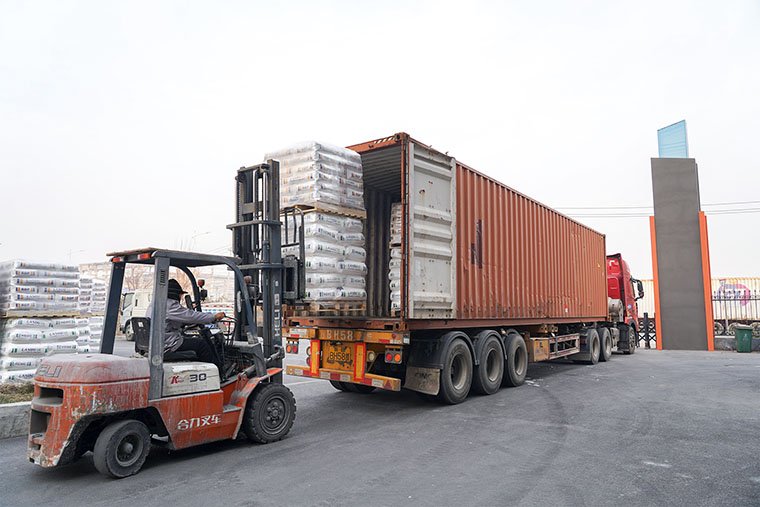 Îngheț-Dezgheț · Umiditate · Textură
Produsele alimentare congelate se confruntă cu provocări unice de formulare care nu există în sistemele alimentare ambientale sau refrigerate. În timpul congelării, depozitării, transportului și decongelării, umiditatea migrează, cristalele de gheață cresc, texturile se degradează, iar integritatea structurală poate fi compromisă. Gestionarea acestor schimbări necesită ingrediente funcționale care pot lega apa, susține structura și menține calitatea produsului pe tot parcursul ciclului de congelare-decongelare.
LANDERCOLL oferă eteri de celuloză de calitate alimentară adecvați CMC și HPMC pentru aplicații selectate de alimente congelate. CMC este utilizat pe scară largă pentru reținerea umidității, legarea apei, stabilitatea suspensiei și suportul texturii în sistemele congelate. HPMC este deosebit de valoros în aluatul congelat și în sistemele selectate de panificație congelată, unde comportamentul său de gelifiere termică și proprietățile de reținere a apei ajută la susținerea structurii în timpul decongelării și coacerii.
Un grad adecvat de eter de celuloză poate ajuta producătorii de alimente congelate să reducă pierderea de umiditate, să minimizeze deteriorarea cauzată de cristalele de gheață, să îmbunătățească textura după decongelare, să susțină manipularea aluatului în sistemele de panificație congelată și să mențină o calitate mai constantă a produsului pe tot parcursul lanțului frigorific.
Căutați eter de celuloză de calitate alimentară pentru formularea alimentelor congelate?
Solicitați o recomandare de produsCategoria de alimente congelate este una dintre cele mai solicitante din punct de vedere tehnic în producția alimentară, necesitând ingrediente care să reziste la congelare, depozitare la congelat și decongelare fără pierderi semnificative de calitate.
| Categoria de produs | Provocări cheie în formulare |
|---|---|
| Aluat congelat | Stabilitate la îngheț-dezgheț, viabilitatea drojdiei, manipularea aluatului, performanța la coacere |
| Pâine congelată și produse de patiserie | Retenția umidității, textura miezului, volumul după coacere |
| Înghețate și deserturi congelate | Controlul cristalelor de gheață, textura, comportamentul la topire |
| Mese gata congelate | Retenția texturii, controlul umidității, stabilitatea sosului |
| Legume congelate | Pierderea umidității, degradarea texturii, pierderea prin scurgere |
| Umpluturi și toppinguri congelate | Stabilitate la îngheț-dezgheț, vâscozitate, consistență a texturii |
| Produse din carne și fructe de mare congelate | Retenția umidității, pierderea prin scurgere, textura după decongelare |
| Paste și tăiței congelați | Textură, controlul umidității, calitatea suprafeței |
| Supe și sosuri congelate | Stabilitatea vâscozității, separarea fazelor, textura |
Procesul de congelare creează un stres fizic semnificativ asupra structurilor alimentare. Apa se extinde pe măsură ce îngheață, formând cristale de gheață care sparg pereții celulari și perturbă rețelele de gel. Eterul de celuloză de calitate alimentară ajută la legarea apei, modifică formarea cristalelor de gheață, susține integritatea structurală și menține consistența texturii pe parcursul ciclului de congelare-decongelare.
LANDERCOLL furnizează CMC și HPMC de calitate alimentară pentru aplicații selectate de alimente congelate. Toate selecțiile de grade trebuie confirmate prin teste de congelare-decongelare, evaluare senzorială și calificarea siguranței alimentare a clientului.
Carboximetilceluloză de calitate alimentară pentru retenția umidității și stabilitate
CMC este utilizată pe scară largă în formulări selectate de alimente congelate, deoarece oferă o capacitate puternică de legare a apei, modificare a vâscozității și suport pentru textură în sistemele alimentare apoase. În alimentele congelate, CMC ajută la reducerea pierderii prin scurgere, limitarea migrării umidității, susținerea stabilității suspensiei în sosurile și umpluturile congelate și menținerea consistenței texturii după decongelare.
Food-grade hydroxypropyl methyl cellulose for frozen dough & bakery
HPMC is especially valuable in frozen dough and frozen bakery applications. Its water-retention properties help maintain dough moisture during freezing and thawing, while its thermal gelation behavior supports structure formation during the baking step. HPMC may also be considered in selected frozen dessert and specialty frozen food formulations.
Different frozen food systems require different cellulose ether performance profiles. The table below provides a practical selection reference for food formulators and product developers.
Freeze-thaw stability, dough handling, baking performance
Moisture retention, volume, crumb texture after baking
Structure support, moisture retention, crumb quality
Controlul cristalelor de gheață, textura, comportamentul la topire
Retenția texturii, controlul umidității, stabilitatea sosului
Drip loss reduction, moisture retention, texture
Stabilitate la îngheț-dezgheț, vâscozitate, consistență a texturii
Moisture retention, drip loss reduction, texture
Textură, controlul umidității, calitatea suprafeței
Viscosity stability, phase separation control, texture
Frozen food formulations vary widely by product type, moisture content, fat level, protein content, starch system, and processing method.
| Componentă | Function in Frozen Food Formulations |
|---|---|
| Apă | Primary moisture source and freeze-thaw medium |
| Cellulose Ether (CMC / HPMC) | Moisture retention, freeze-thaw stability, texture support |
| Starch / Modified Starch | Thickening, texture, freeze-thaw stability support |
| Proteins | Structure, water binding, texture |
| Fat / Oil | Richness, mouthfeel, texture |
| Emulgatori | Texture, fat distribution, freeze-thaw support |
| Salt / Seasoning | Flavor and preservation support |
| Sugar / Sweeteners | Sweetness, texture, freezing point adjustment |
| Stabilizers / Hydrocolloids | Texture, water management, freeze-thaw stability |
| Leavening Agents | Volume and texture in frozen bakery systems |
| Conservanți | Shelf-life support where applicable |
| Other Functional Ingredients | Adjust texture, nutrition, stability, or processing behavior |
Cellulose ether dosage in frozen food products depends on product type, moisture content, target texture, fat level, starch system, and freeze-thaw requirements.
These dosage ranges are starting references only. Final dosage should be confirmed through freeze-thaw testing, drip loss measurement, texture analysis, viscosity testing, sensory evaluation, and shelf-life trials under actual frozen storage and distribution conditions.
Cellulose ether helps improve product stability through freeze-thaw cycles by supporting water binding, limiting ice crystal growth, and maintaining structural integrity — particularly important for products that may experience temperature fluctuations during distribution and retail storage.
One of the most important functions of cellulose ether in frozen foods is its ability to bind water and reduce drip loss upon thawing. By holding water within the food matrix, cellulose ether helps maintain product weight, texture, and eating quality.
CMC can help limit the growth of ice crystals during frozen storage through its water-binding properties. Smaller, more uniform ice crystals result in less structural damage to the food matrix and better texture retention after thawing.
Cellulose ether supports the structural integrity of frozen food products, helping them maintain a more acceptable texture after thawing — critical for frozen ready meals, vegetables, and meat and seafood products.
In frozen dough systems, HPMC helps maintain dough moisture and workability during freezing and thawing. Its thermal gelation behavior supports structure formation during baking, helping frozen dough products achieve good volume, crumb structure, and surface quality.
In frozen ready meals and frozen fillings, CMC helps maintain sauce viscosity, prevent phase separation, and support texture consistency after thawing and reheating — ensuring acceptable quality to the consumer after microwave or oven reheating.
Suitable cellulose ether grades help maintain predictable behavior during mixing, forming, filling, and freezing operations — supporting consistent product quality across production batches and reducing quality variation in the finished frozen product.
Cellulose ether can help improve many frozen food quality challenges, but final product performance depends on moisture content, fat level, protein content, starch system, freezing rate, storage temperature, thawing method, packaging, and complete formulation design.
Poor water binding, weak structure, ice crystal damage.
CMC improves water binding and reduces drip loss.
Ice crystal damage, moisture migration, weak matrix.
Supports structural integrity and moisture retention.
Temperature fluctuation, poor water binding.
CMC helps limit ice crystal growth.
Phase separation, viscosity loss, poor stabilizer system.
CMC maintains sauce viscosity and stability.
Weak structure, poor moisture retention, yeast damage.
HPMC supports dough stability and baking performance.
High drip loss, poor water binding.
Improves water-holding capacity.
Moisture loss, weak structure, gluten damage.
HPMC supports moisture and structure in frozen bakery.
Freeze-thaw stress, starch retrogradation, poor stabilizer.
CMC supports viscosity stability in frozen sauce systems.
Understanding the key variables that influence cellulose ether behavior in frozen food systems is essential for successful formulation development.
Higher moisture increases freeze-thaw stress and the demand for water-binding capacity.
Fast freezing produces smaller ice crystals; slow freezing causes larger crystal formation.
Temperature fluctuations accelerate ice crystal recrystallization and quality degradation.
Slow thawing, microwave, or oven reheating affect texture and moisture release differently.
Influence water distribution, texture, and the effectiveness of cellulose ether.
Starch retrogradation during frozen storage interacts with cellulose ether water binding.
Affect freezing point, water activity, and hydration behavior.
Influences CMC hydration, viscosity, and stability in acidified frozen systems.
Too little may be insufficient; too much may create undesirable texture or processing difficulty.
Choosing cellulose ether for frozen food applications requires matching product type, moisture content, freeze-thaw requirements, texture target, and processing conditions. The following questions guide early-stage selection.
What frozen food product are you developing — dough, bakery, dessert, ready meal, vegetable, or sauce?
What is the primary quality challenge — drip loss, texture degradation, ice crystal growth, or sauce separation?
What moisture content and water activity does the product have?
What fat level and protein content are present in the formulation?
What starch or hydrocolloid system is currently used?
What freezing rate and storage temperature conditions apply?
What thawing or reheating method will the consumer use?
What texture target is required after thawing?
What processing steps are involved — mixing, forming, filling, freezing, packaging?
What food-grade documentation is required for the target market?
LANDERCOLL can help review your frozen food formulation direction and recommend suitable food-grade CMC or HPMC grade options for evaluation.
Ask for Grade RecommendationLANDERCOLL food-grade cellulose ether for frozen food applications is supplied in packaging suitable for protected transportation, storage, and food production handling.
| Parameter | Reference |
|---|---|
| Standard Pack Size | 25 kg per bag or drum (depending on grade) |
| Inner Liner | Moisture-protective inner liner |
| Palletized Packaging | Available upon request |
| Custom Packaging | Available for qualified supply cooperation |
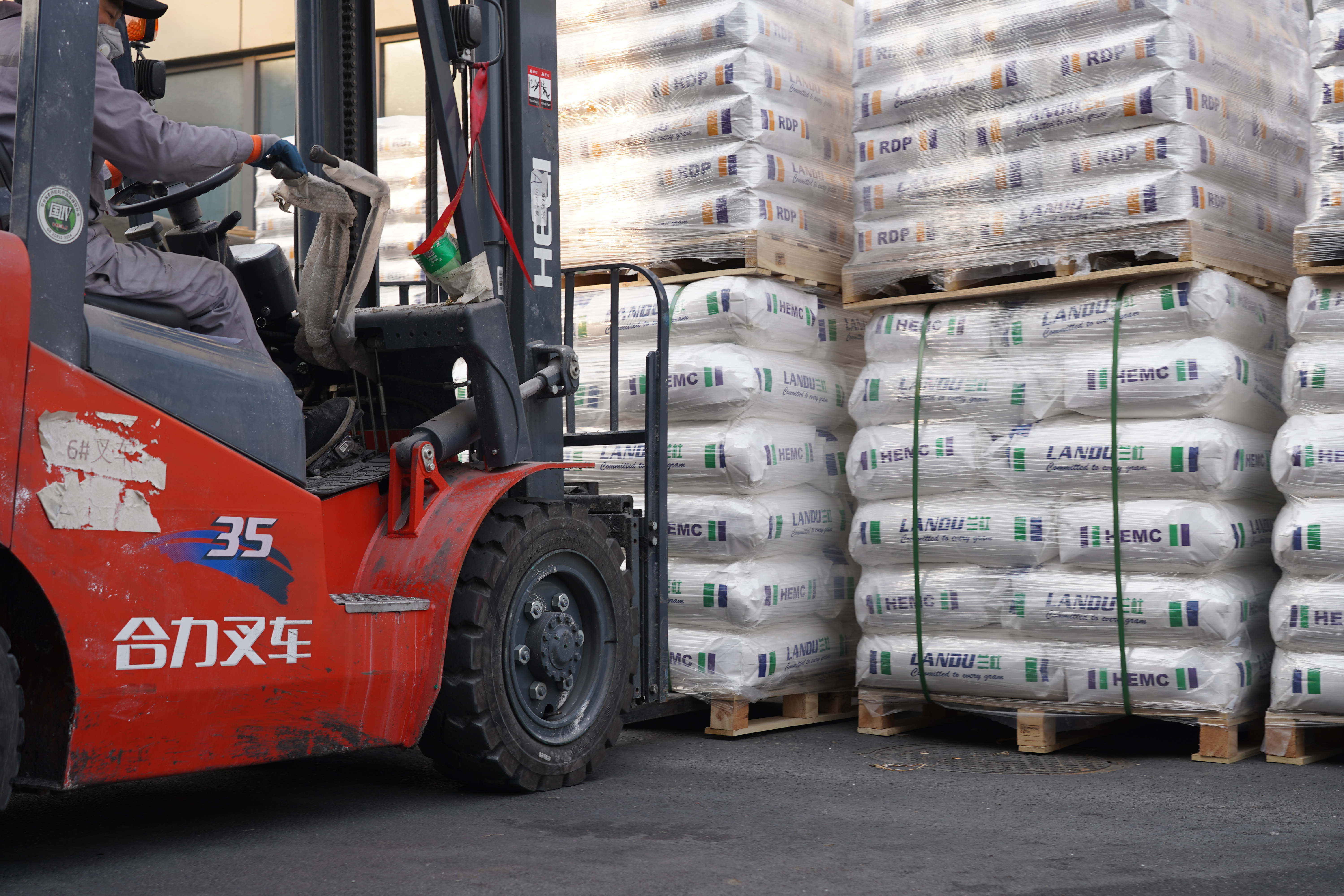 25 kg · Sealed · Food Grade
If your frozen food product has excessive drip loss, texture degradation after thawing, ice crystal damage, sauce separation, poor frozen dough baking performance, watery texture, or inconsistent quality during distribution, the cellulose ether type, grade, and dosage may need to be reviewed.
LANDERCOLL can help evaluate suitable food-grade CMC and HPMC options based on your product type, moisture content, fat level, starch system, freezing conditions, thawing method, texture target, and documentation needs.
Food-grade CMC and HPMC grade selection for your specific frozen food application
Dosage reference based on product type and freeze-thaw requirements
Drip loss reduction support for frozen meat, seafood, and vegetable products
Freeze-thaw stability discussion for frozen ready meals and sauce systems
Frozen dough and bakery support for dough handling and baking performance
Ice cream and frozen dessert texture support for ice crystal management
Documentation support including TDS, SDS, CoA, and food-grade compliance information
Sample and quotation communication for evaluation and commercial planning
LANDERCOLL provides comprehensive food-grade documentation to support frozen food formulation testing, supplier approval, quality review, and regulatory assessment.
| Document | Availability |
|---|---|
| Fișă tehnică de date (TDS) | Available |
| Safety Data Sheet (SDS) | Available |
| Certificate of Analysis (CoA) | Available |
| Specificația produsului | Available |
| Food-Grade Statement | Where applicable |
| Allergen Statement | Where applicable |
| GMO Statement | Where applicable |
| Halal / Kosher Information | Where applicable |
| Heavy Metals Information | Where applicable |
| Microbiological Data | Where applicable |
| Packaging and Storage Information | Available |
| Export-Related Documents | Where applicable |
Food-grade CMC and HPMC are the primary cellulose ethers used in frozen food applications. CMC is widely used for moisture retention, water binding, freeze-thaw stability, drip loss reduction, and texture support. HPMC is especially valuable in frozen dough and frozen bakery applications where its water-retention properties and thermal gelation behavior support dough stability and baking performance.
CMC helps bind water, reduce drip loss, limit ice crystal growth, support freeze-thaw stability, maintain sauce viscosity, and improve texture retention after thawing in selected frozen food systems. It is effective at low dosage levels and provides a clean functional contribution without significantly altering flavor or appearance.
HPMC helps maintain dough moisture during freezing and thawing, supports dough workability and handling, and contributes to structure formation during baking through its thermal gelation behavior. This helps frozen dough products achieve better volume, crumb structure, and surface quality after baking compared to formulations without HPMC.
Yes. CMC can help improve water-holding capacity in selected frozen meat and seafood formulations, reducing drip loss upon thawing and helping maintain product weight, texture, and eating quality. Final performance depends on protein content, fat level, salt level, and processing conditions.
Yes. CMC can help improve texture consistency and limit ice crystal growth in ice cream and frozen dessert formulations. It contributes to a smoother texture, more controlled meltdown behavior, and better quality maintenance during frozen storage and temperature fluctuations.
Typical starting reference ranges are 0.1%–2.0%, depending on product type, moisture content, cellulose ether grade, and freeze-thaw requirements. Gluten-free frozen bakery systems may require higher levels (0.5%–2.0%), while frozen sauces and ready meals typically use lower levels (0.1%–0.8%). Final dosage should be confirmed through freeze-thaw trials and sensory evaluation.
Yes. CMC can help maintain sauce viscosity, prevent phase separation, and support texture consistency in frozen sauce systems after thawing and reheating. This is particularly important for frozen ready meals where the sauce component must deliver acceptable quality after microwave or oven reheating.
No. Food applications require suitable food-grade cellulose ether with appropriate food safety documentation, regulatory compliance information, and customer qualification. Industrial-grade materials do not meet the purity, safety, and documentation requirements for food use.
Start with product type, primary quality challenge (drip loss, texture, ice crystals, sauce stability), moisture content, fat level, starch system, freezing conditions, thawing method, texture target, and required food-grade documentation. LANDERCOLL can help recommend suitable grade directions for evaluation based on your specific frozen food application.
Whether you produce frozen dough, frozen bread and bakery products, frozen desserts, frozen ready meals, frozen vegetables, frozen fillings, frozen meat and seafood products, frozen pasta, sau frozen soups and sauces — LANDERCOLL can help you choose suitable food-grade CMC or HPMC for freeze-thaw stability, moisture retention, texture improvement, ice crystal management, and processing consistency.
Our food-grade cellulose ether portfolio is supported by full technical documentation, food safety compliance information, and dedicated application support — helping your frozen food development team achieve more consistent product quality from production through to consumer use.
Food-Grade Cellulose Ethers for Frozen Foods, Bakery, Dairy, Sauces & Dressings, Beverage Systems, and Specialty Food Applications.
