Keunggulan Ether Selulosa — Dipercaya oleh lebih dari 1000 Perusahaan di Seluruh Dunia Dapatkan Sampel Gratis

Konstruksi, Pelapis, Perawatan Rumah, Perawatan Pribadi, Farmasi, Makanan, Keramik, Lapangan Minyak & Industri — sembilan sektor, satu atelier.
 i. Konstruksi
 ii. Cat
 v. Farmasi
 vi. Makanan
Berbagai industri menggunakan selulosa eter untuk alasan yang berbeda. Dalam bahan konstruksi, sering dipilih untuk retensi air, kemampuan kerja, waktu terbuka, dan kinerja anti-kendur. Dalam cat dan pelapis, dihargai karena pengentalan, kontrol reologi, perataan, dan stabilitas penyimpanan. Dalam produk perawatan rumah dan perawatan pribadi, membantu menciptakan viskositas, tekstur, dan konsistensi produk yang tepat. Dalam sistem farmasi dan makanan, dapat mendukung pengikatan, stabilisasi, kontrol tekstur, dan keandalan proses.
Karena setiap aplikasi memiliki persyaratan teknisnya sendiri, memilih eter selulosa yang tepat tidak sekadar tentang memilih nama produk. Hal ini memerlukan pemahaman tentang sistem formulasi, proses produksi, pasar sasaran, dan kinerja penggunaan akhir yang diharapkan.
LANDERCOLL membantu pelanggan mencocokkan solusi eter selulosa yang tepat dengan lingkungan aplikasi yang sesuai, sehingga pengembangan produk dan produksi industri dapat berjalan dengan lebih percaya diri.
Halaman ini memberikan gambaran umum tentang sektor aplikasi utama yang kami layani dan tantangan formulasi yang dapat diatasi oleh selulosa eter.
Produk selulosa eter LANDERCOLL digunakan di berbagai industri di mana kontrol viskositas, kemampuan kerja, manajemen air, stabilisasi, tekstur, dan konsistensi formulasi sangat penting. Setiap ubin di bawah ini menandai satu wilayah aplikasi — klik untuk masuk.





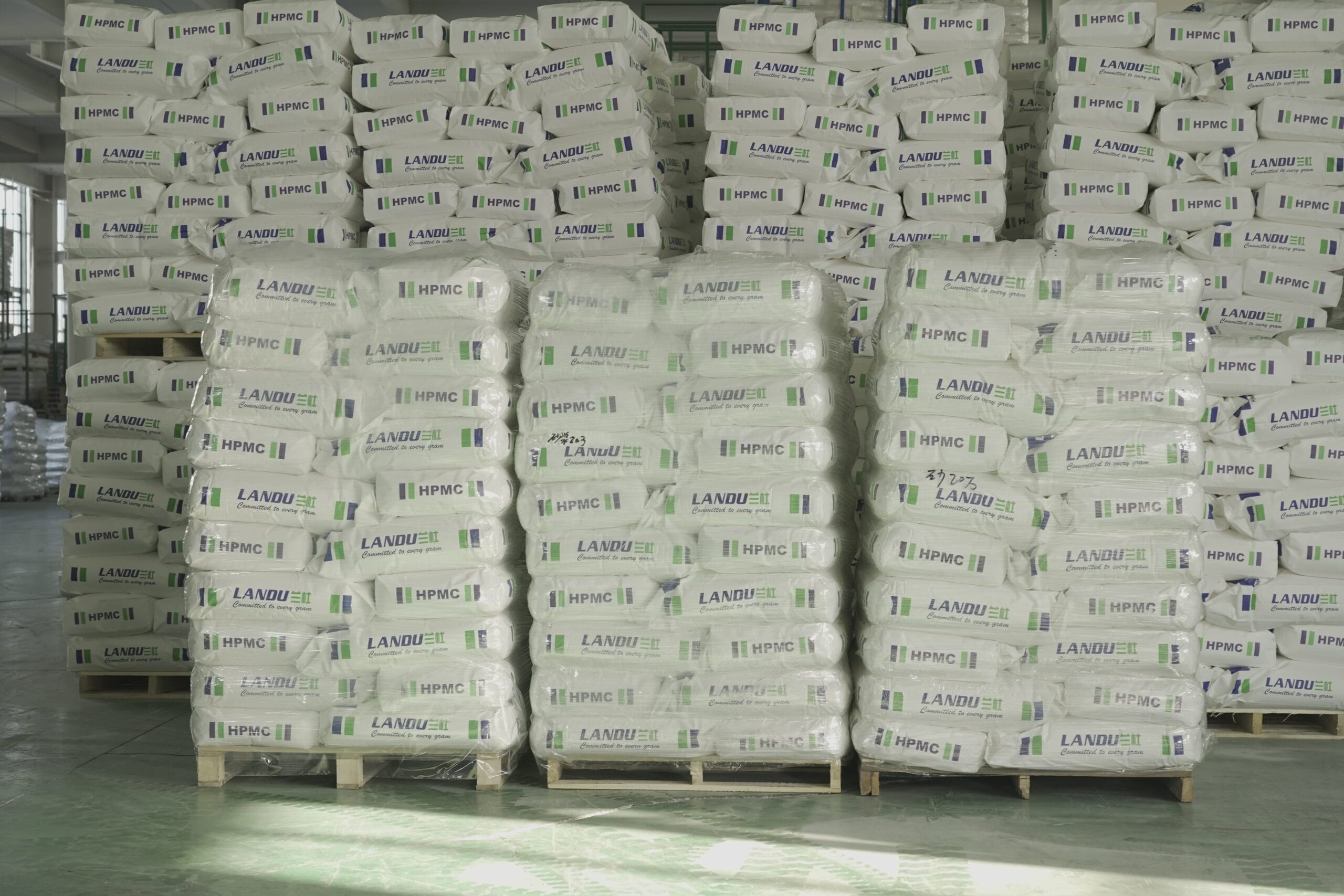

Konstruksi adalah salah satu area aplikasi terpenting untuk selulosa eter. Dalam sistem berbasis semen dan gipsum, selulosa eter banyak digunakan untuk meningkatkan retensi air, kemampuan kerja, kinerja anti-kendur, perilaku terkait daya rekat, konsistensi, dan rasa aplikasi. Ini membantu kontraktor dan pengguna akhir mencapai penanganan yang lebih baik selama aplikasi, sekaligus membantu produsen menghasilkan formulasi drymix yang lebih andal.
Di banyak produk bahan bangunan, selulosa eter berkontribusi pada pencampuran yang lebih mudah, penyebaran yang lebih halus, waktu buka yang lebih baik, dan perilaku kelembaban yang lebih terkendali. Sifat-sifat ini penting karena formulasi konstruksi harus bekerja tidak hanya di pabrik dan selama penyimpanan, tetapi juga di lokasi kerja dalam kondisi operasi nyata.
Bagi produsen, selulosa eter yang tepat dapat meningkatkan konsistensi produksi dan membantu membedakan kualitas produk akhir. Bagi aplikator, ini dapat membantu membuat produk lebih mudah disebar, dibentuk, dan diselesaikan.
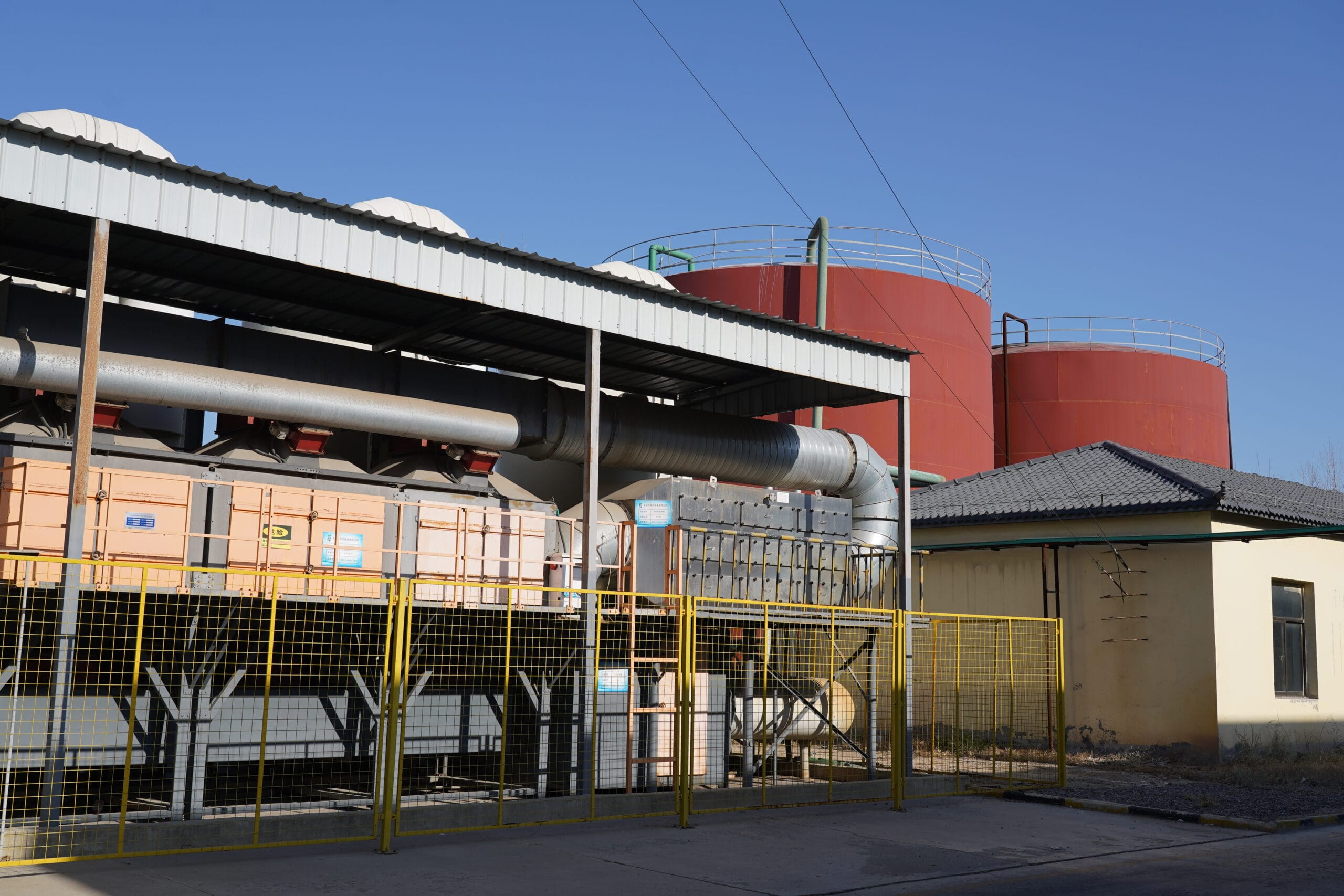
Reologi yang andal, perataan, dan stabilitas penyimpanan untuk sistem pelapis berbasis air modern.
Dalam cat dan pelapis, eter selulosa terutama digunakan untuk mendukung pengentalan, kontrol reologi, perilaku aliran, perataan, sifat kuas, aplikasi rol, suspensi pigmen, dan stabilitas penyimpanan. Formulasi pelapis yang dirancang dengan baik harus tetap stabil dalam wadah, diaplikasikan dengan lancar selama penggunaan, dan membentuk permukaan yang konsisten setelah pengeringan.
Produsen pelapis berbasis air sering kali perlu menyeimbangkan pembentukan viskositas, kemudahan aplikasi, perilaku anti-percikan, perataan, kontrol sag, dan kinerja penyimpanan. Eter selulosa yang tepat dapat membantu meningkatkan keseimbangan tersebut dan mendukung efisiensi produksi serta pengalaman pengguna.


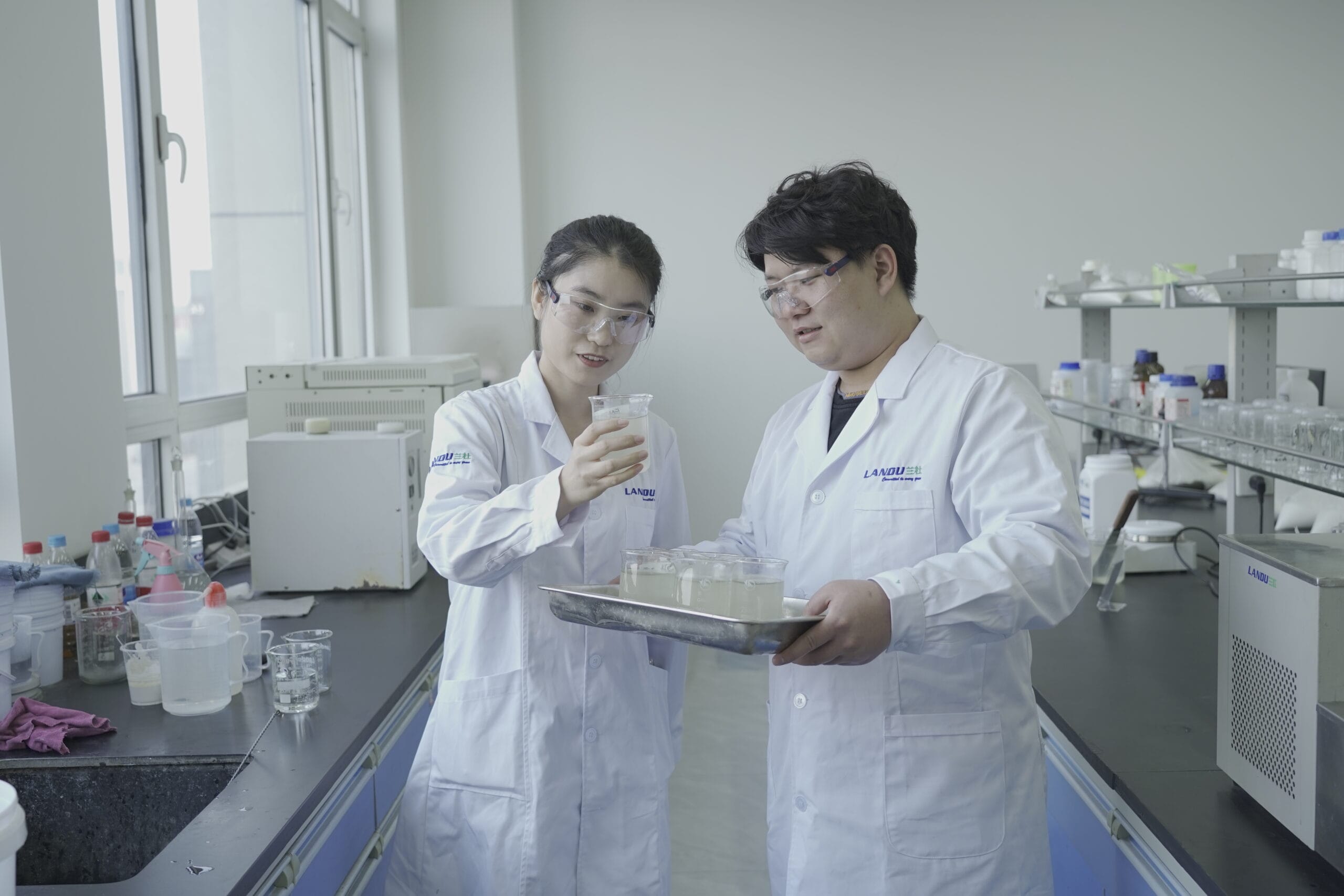
Viskositas terkontrol, tekstur halus, dan penampilan stabil untuk produk pembersih modern di mana kinerja dan pengalaman pengguna sama-sama penting.
Dalam produk pembersih rumah tangga, eter selulosa umum digunakan untuk menyesuaikan viskositas, memperbaiki tekstur, mendukung penampilan, dan membantu menstabilkan sistem produk. Dalam deterjen cair dan formulasi pembersih, sistem pengental yang tepat penting tidak hanya untuk penanganan dan pengeluaran produk, tetapi juga untuk persepsi konsumen dan posisi merek.
Produsen sering membutuhkan formulasi yang mudah dituang, mudah dioleskan, stabil secara visual, dan nyaman digunakan. Eter selulosa mendukung tujuan-tujuan ini sekaligus membantu menjaga konsistensi selama penyimpanan dan transportasi.
Balanced viscosity, refined texture, and stable formulations for products where sensory feel matters.
Cellulose ether is widely used in personal care products because texture, stability, appearance, and user experience are central to product quality in this sector. Whether the product is a shampoo, body wash, hand soap, facial cleanser, lotion, or cream, formulators often need ingredients that help create a smooth and stable system with the right feel during application.
In this application area, cellulose ether can support viscosity adjustment, suspension behavior, texture development, and formulation consistency. It may also help improve the overall sensory profile of the product by contributing to a more refined and controlled texture.

Functional cellulose derivatives for binding, coating, controlled release, and formulation support.
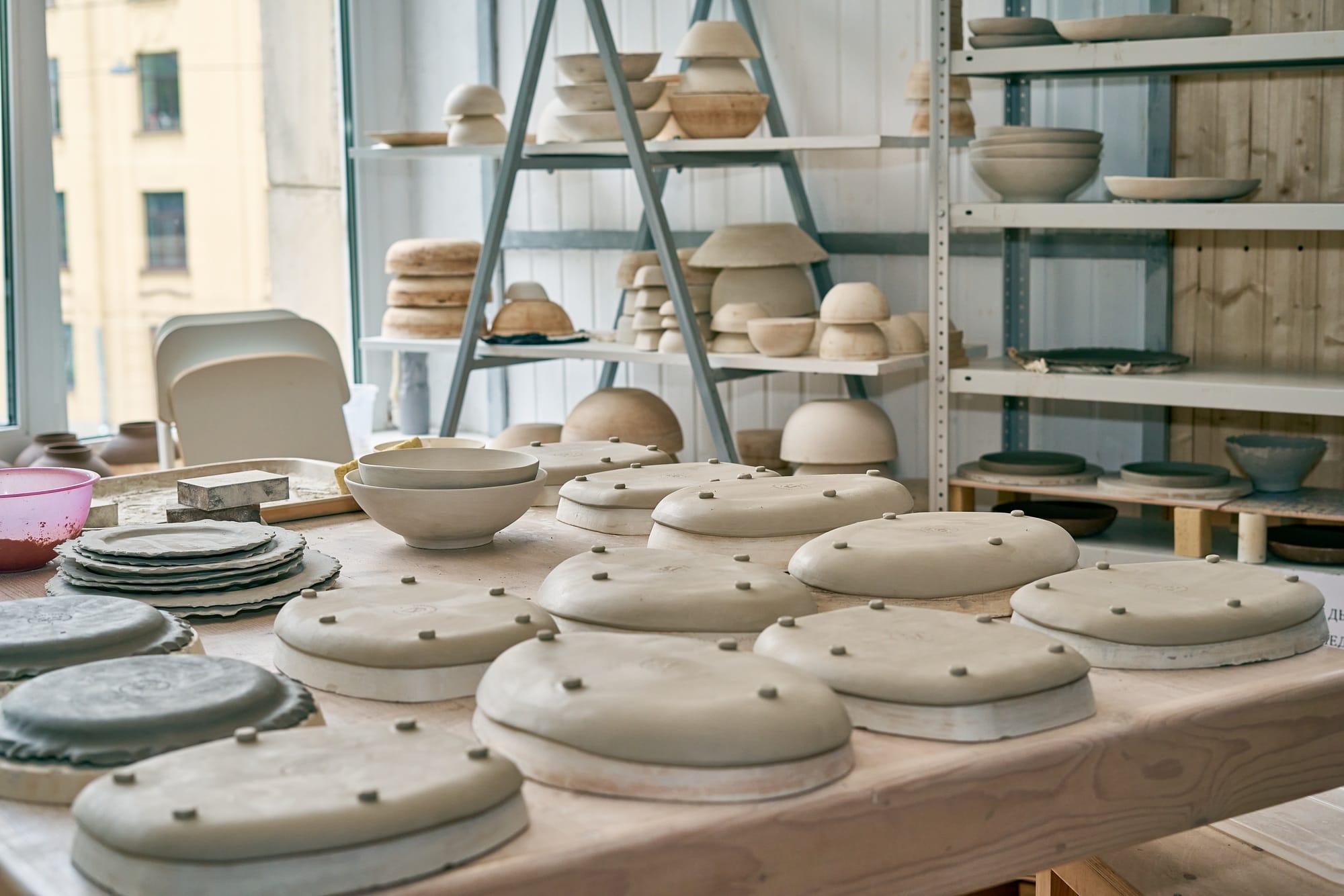


In pharmaceutical formulations, cellulose derivatives are valued for their functional versatility and reliable performance in excipient-related applications. Depending on the product type and formulation design, cellulose ether may be used in roles such as binding, coating, controlled release support, stabilization, or process assistance.
Pharmaceutical manufacturing requires strict attention to consistency, functionality, and formulation design. The selected excipient must support both process efficiency and final dosage performance. Cellulose ether solutions used in this field are therefore chosen with close attention to grade suitability, target use, and formulation compatibility.
For companies working in pharmaceutical development and production, cellulose ether can provide practical value in a wide range of oral solid dosage and related formulation systems.
Texture, stability, consistency, and water management for food systems where every detail of formulation matters.
 bakery systems
 sauces & dressings
 dairy formulations
In food systems, cellulose derivatives are used where texture, stability, consistency, water management, and process control are important. Food manufacturers often need ingredients that can support product appearance, improve handling behavior, and contribute to a more stable finished system.
Depending on the application, cellulose-based ingredients may be used to help manage viscosity, improve texture, support suspension, stabilize product structure, or maintain uniformity in processing and storage.
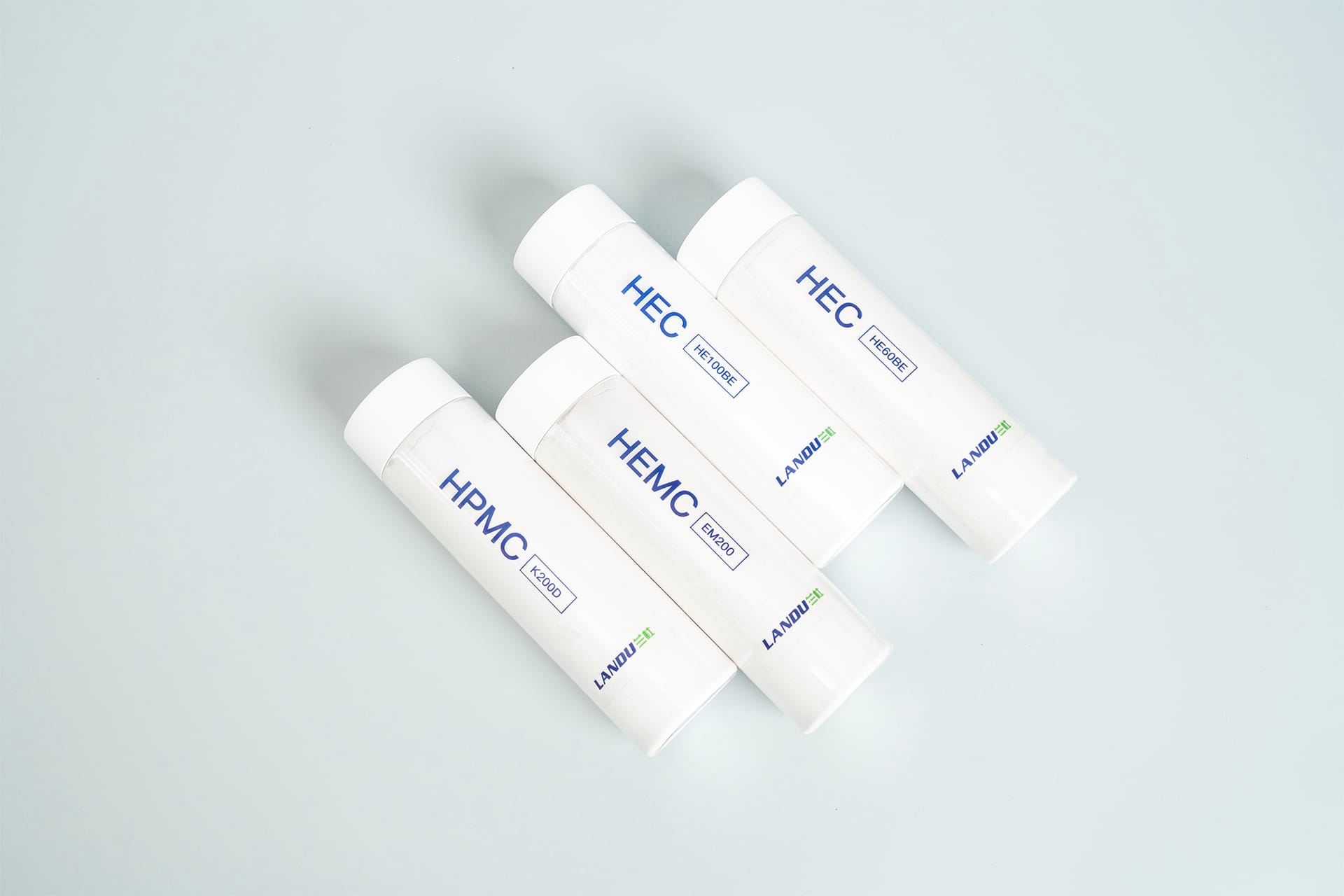
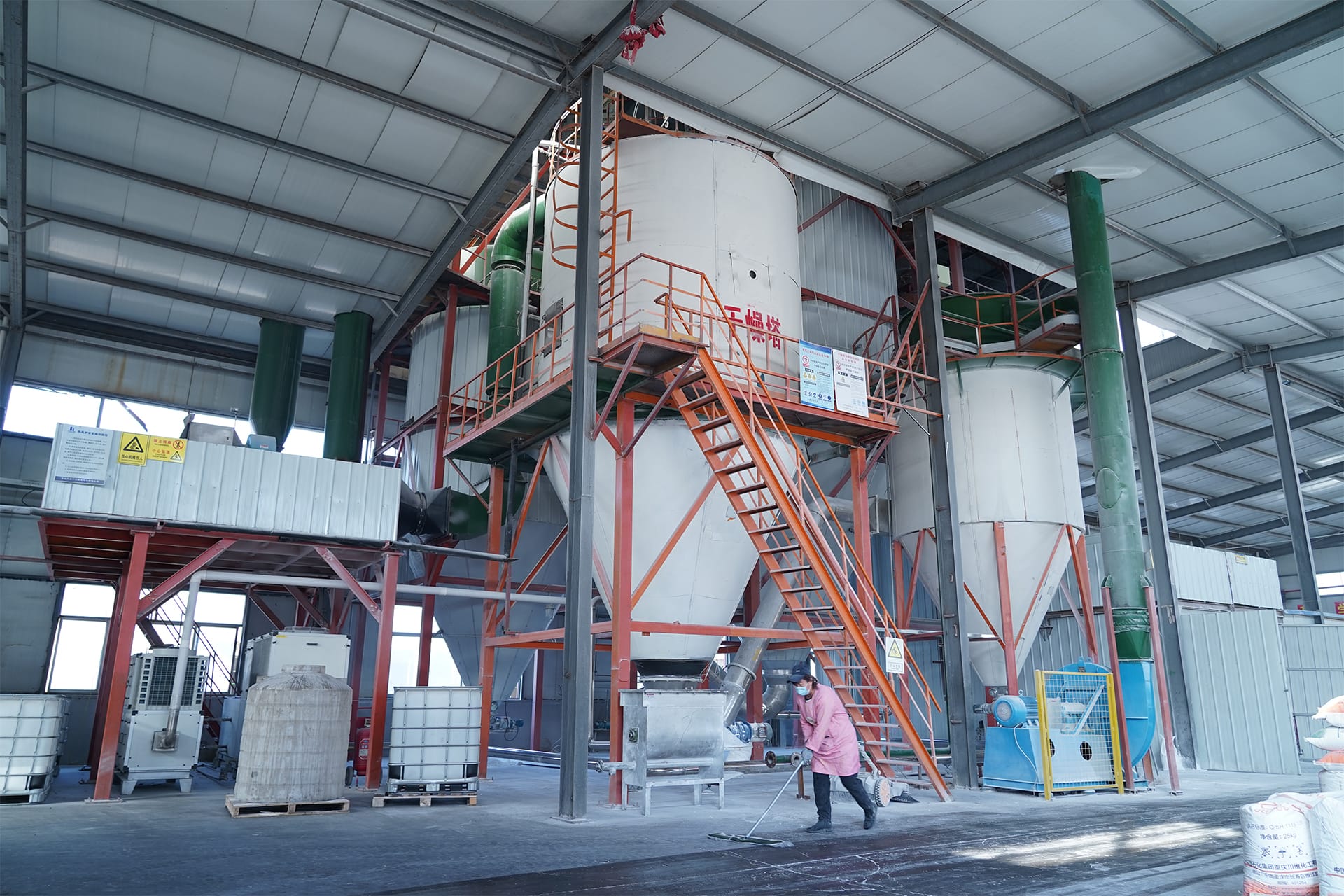

Binding performance, workability, and process consistency for ceramic formulation systems — from pressing to extrusion.
In ceramic processing, cellulose ether can play an important role in supporting binding performance, workability, shaping behavior, and process consistency. Ceramic systems often require careful control of moisture, plasticity, handling properties, and green strength before firing.
Manufacturers working in ceramic formulations may use cellulose-based additives in systems such as tile bodies, glaze preparation, extrusion processes, or pressing applications.
Viscosity control, fluid behavior, and process stability for demanding operational environments.
In oilfield systems, cellulose ether and related cellulose derivatives may be used where viscosity control, fluid behavior, and process stability are required. These applications often demand practical performance under challenging operating conditions, making additive selection an important part of fluid formulation design.
Oilfield-related formulations such as drilling fluids and other service systems need to maintain suitable rheology and system behavior to support process effectiveness.
viii · rig · schema
Beyond the major sectors listed above, cellulose ether is also used in a variety of industrial formulations where thickening, binding, stabilization, suspension control, and process consistency are required.
These additional application areas may include adhesives, paper-related systems, textile printing, welding materials, specialty fluids, and other industrial products where formulation performance must be carefully balanced with processing needs.





A cellulose ether product that performs well in one application may not be the best choice for another. That is why an application-based selection process is essential. Instead of choosing a product only by name, buyers and formulators should consider how the product needs to perform in a real working system.
Factors such as viscosity profile, dissolution behavior, water retention, anti-sag performance, texture, suspension support, and storage stability all influence the final result. LANDERCOLL supports customers by helping connect product type with practical application needs — reducing development time, improving formulation efficiency, and supporting more reliable production outcomes.
Our team can help you review the application, identify key performance goals, and recommend suitable product options for evaluation — across construction, coatings, detergents, personal care, pharma, food, ceramics, and specialty sectors.
Tell us about your formulation goals, processing method, and target market. We'll review the application, identify key performance priorities, and recommend suitable cellulose ether grades for your trial stage.
Share your current setup, challenges, and performance targets. We'll help you evaluate alternative grades, troubleshoot inconsistencies, and work towards more reliable production outcomes with application-oriented recommendations.
To help customers better understand formulation design and product selection, LANDERCOLL provides technical articles, application guides, brochures, FAQs, and other useful resources. Each "issue" below is a curated collection — designed to support research, sourcing decisions, and product development across multiple industries.
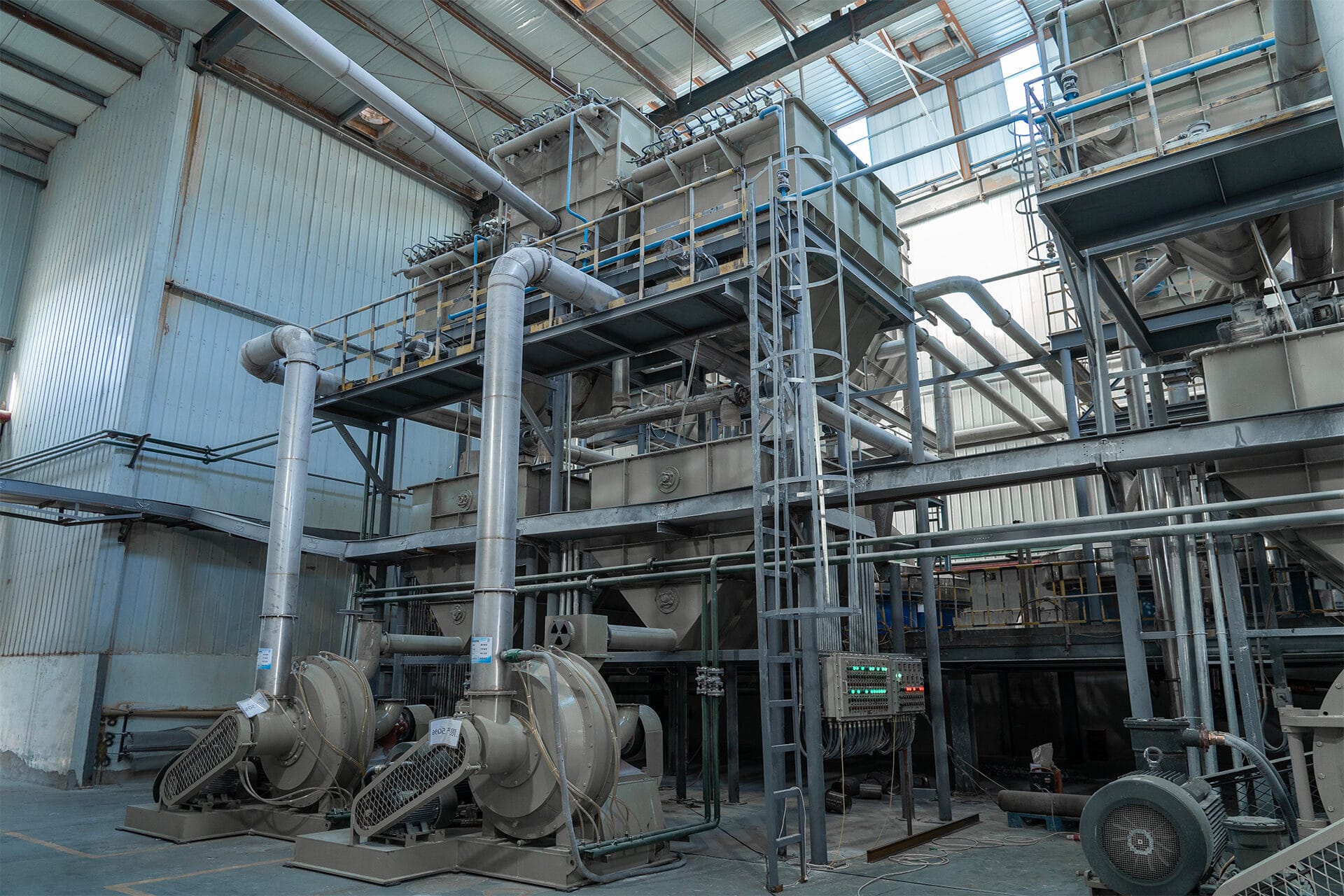
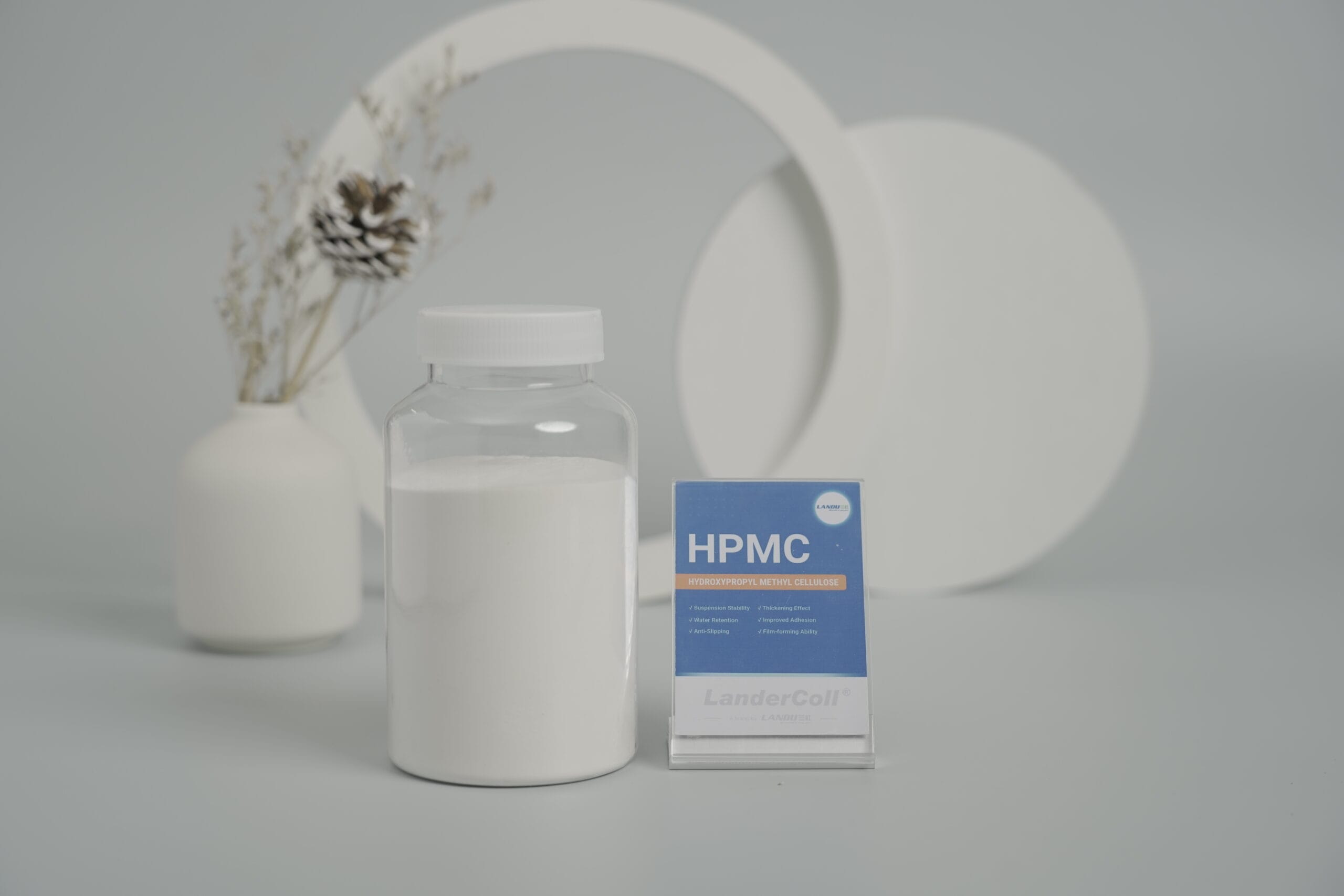
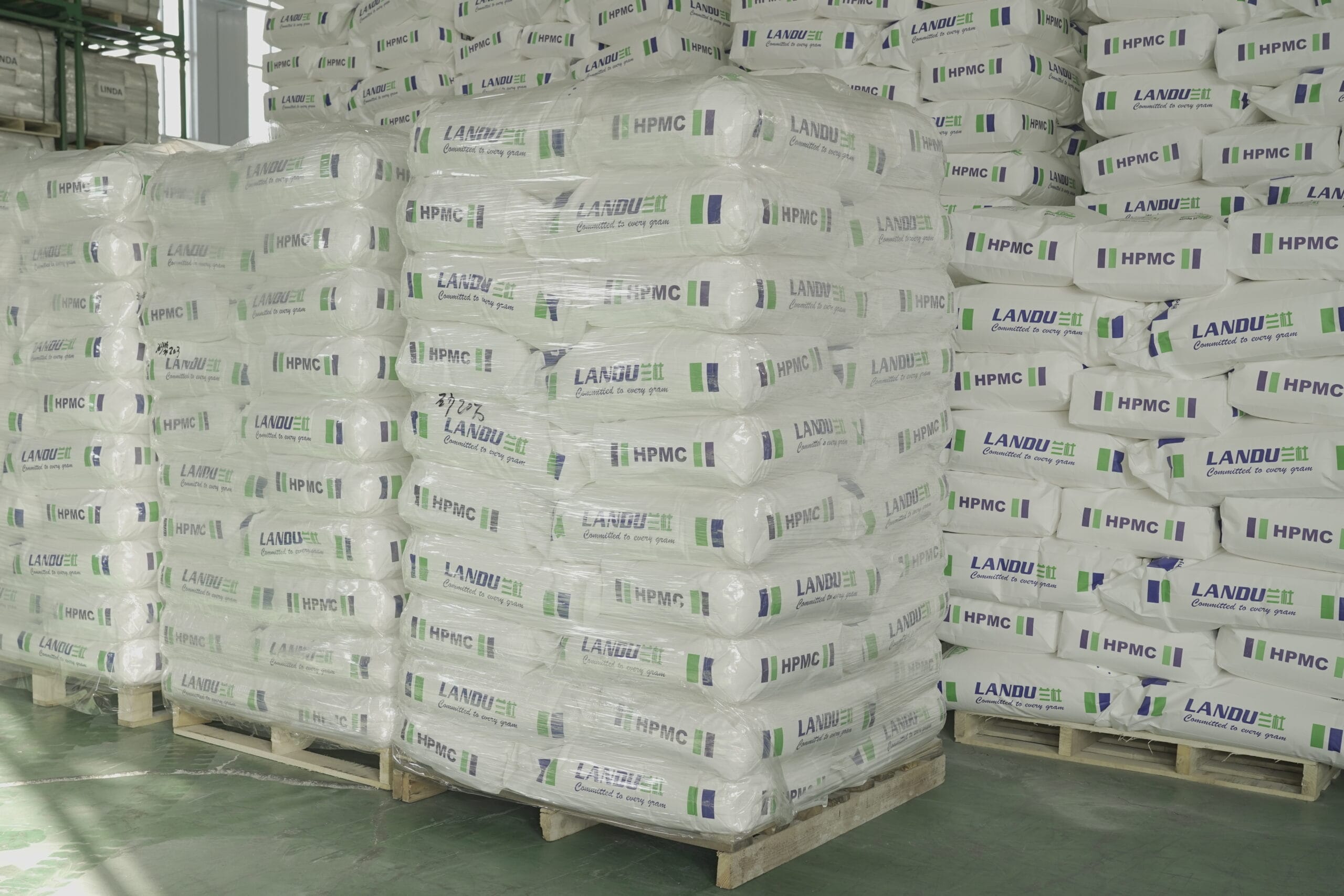
Explore our application sectors, discover how cellulose ether improves formulation performance, and connect with LANDERCOLL for support tailored to your product and market needs.
