Cellulóz-éter kiválóság — Világszerte 1000+ vállalkozás által elismert Szerezzen ingyenes mintát




A HEC (hidroxi-etil-cellulóz) az elsődleges cellulóz-éter, amelyet emulziós festékekben használnak. Vízfázisú sűrítőként és reológiamódosítóként működik, amely növeli a viszkozitást, stabilizálja a pigmenteket és töltőanyagokat az ülepedéssel szemben, javítja az ecsettel és hengerrel történő felhordás teljesítményét, támogatja a kiegyenlítődést, segít csökkenteni a folyást, és stabil, dobozon belüli konzisztenciát biztosít a tárolás során.
A LANDERCOLL HEC segíti az emulziós festékgyártókat a sűrítési hatékonyság, viszkozitásszabályozás, pigment- és töltőanyag-szuszpenzió, ecsettel és hengerrel való felhordás, kiegyenlítődés támogatása, valamint a dobozon belüli stabilitás javításában gazdaságos, standard, prémium, beltéri, kültéri, matt, szatén és magas PVC-tartalmú minőségek esetében.
A gazdaságos beltéri emulzióktól a prémium emulziós festékbevonatokig és a magas PVC-tartalmú építészeti rendszerekig — a megfelelő HEC-minőség megbízható vízfázisú sűrítést, stabil reológiát és kiszámítható felhordási teljesítményt biztosít.
— HEC · Sűrítés · Reológia · Pigment Szuszpenzió · Kiegyenlítés · Emulziós Festék · Vizes Bázisú Bevonat
 HEC · Emulziós festék
Sűrítés, szuszpenzió és felhordási teljesítmény vizes bázisú emulziós festékekhez.
A HEC hidakat képez a kannán belüli stabilitás és a bevonat teljesítménye között – a tárolástól az ecsettel és hengerrel történő felhordáson át a kész filmrétegig.
Emulsion paint is a water-based paint that uses polymer emulsion as its primary film-forming binder. It is the most widely used decorative coating system for interior and emulsion paint surfaces globally, applied to interior walls, emulsion paints, ceilings, plaster, cement render, concrete, gypsum board, drywall, and other prepared building surfaces.
The term “emulsion paint” refers to the fact that the binder — typically an acrylic, styrene-acrylic, vinyl acetate-ethylene (VAE), or pure acrylic polymer — is dispersed as an emulsion in water. When the water evaporates after application, the polymer particles coalesce to form a continuous, durable paint film.
A typical emulsion paint formulation includes polymer emulsion, titanium dioxide, colored pigments, fillers, water, dispersants, wetting agents, defoamers, preservatives, pH modifiers, coalescing agents, rheology modifiers, and cellulose ether.
Cellulose ether — specifically HEC (Hydroxyethyl Cellulose) — is used in emulsion paint as the primary water-phase thickener and rheology modifier. It builds viscosity and paint body, stabilizes pigments and fillers against settling, improves brush and roller application behavior, supports leveling, helps reduce sagging on vertical surfaces, and maintains stable in-can consistency during production, storage, and distribution.
Emulsion paint must perform reliably across two distinct phases: stable storage in the container and smooth, consistent application on the wall. Without suitable thickening and rheology control, emulsion paint faces critical performance failures that affect both manufacturing quality and end-user experience.
Low viscosity and thin appearance make the paint look watery in the can, suggesting poor quality. Pigments and fillers settle rapidly, leading to inconsistent color and opacity. Roller spatter increases during application, sagging occurs on vertical surfaces, and leveling deteriorates — leaving visible brush and roller marks in the dried film.
LANDERCOLL HEC helps control the flow behavior of emulsion paint. It supports a balance between in-can stability and application performance — keeping the paint stable during storage while allowing it to spread smoothly and level effectively during brushing and rolling.
Cellulose ether helps emulsion paint achieve thickening efficiency, viscosity control, pigment and filler suspension, balanced rheology, smooth brush and roller application, leveling support, anti-sag behavior, and storage stability.
Structured viscosity keeps pigments and fillers suspended during storage and transport.
Controlled flow supports smooth brush and roller application with leveling support.
HEC (Hydroxyethyl Cellulose) is the primary LANDERCOLL cellulose ether product for emulsion paint applications. It is widely used across economy, standard, and premium emulsion paints for interior and exterior applications because it delivers reliable thickening, stable viscosity development, pigment and filler suspension, and controlled application behavior in polymer emulsion systems.
HEC · Nemionos · Vízben oldódó
HEC is a non-ionic, water-soluble cellulose ether. Its non-ionic character provides broad compatibility with the anionic dispersants, surfactants, and polymer emulsions commonly used in emulsion paint formulations. It hydrates readily in water and builds viscosity efficiently, providing consistent thickening performance across a wide range of paint types, quality levels, and pigment volume concentrations.
In emulsion paint, HEC helps improve paint body, reduce pigment and filler settling, support smooth brush and roller application, and maintain stable consistency during production, storage, and consumer use.
Emulsion paint formulations vary by binder type, pigment volume concentration, quality level, application area, and target performance.
| Összetevő | Function in Emulsion Paint |
|---|---|
| Polymer Emulsion | Fő filmképző kötőanyag. |
| Titanium Dioxide | Provides whiteness and hiding power. |
| Colored Pigments | Provide color and decorative appearance. |
| Fillers | Adjust opacity, body, texture, cost balance, and coating properties. |
| Víz | Main dispersion medium. |
| Dispersants | Help disperse pigments and fillers uniformly. |
| Wetting Agents | Improve pigment wetting and substrate wetting. |
| Defoamers | Reduce foam during production and application. |
| Tartósítószerek | Support in-can stability and microbial protection. |
| pH Modifiers | Adjust formulation pH and stability. |
| Coalescing Agents | Support film formation in selected systems. |
| Cellulose Ether (HEC) | Improves viscosity, rheology, suspension, and application performance. |
| Egyéb adalékanyagok | Adjust leveling, open time, surface feel, scrub resistance, or special properties. |
Different emulsion paint systems require different viscosity profiles, suspension strength, and application performance characteristics.
| Emulsion Paint Type | Recommended Product Direction | Main Performance Requirements |
|---|---|---|
| Economy Emulsion Paint | Medium viscosity HEC | Alapvető sűrítés, szuszpenzió, stabil alkalmazás. |
| Standard Emulsion Paint | Medium viscosity HEC | Viscosity control, brushability, roller application. |
| Premium Emulsion Paint | Selected HEC grade | Smooth application, stable viscosity, uniform finish. |
| Interior Emulsion Paint | HEC | Pigment suspension, leveling, storage stability. |
| Exterior Emulsion Paint | HEC | Anti-sag support, coating body, filler stability. |
| Matt Emulsion Paint | HEC | Smooth rolling, pigment stability, surface uniformity. |
| Satin Emulsion Paint | Selected HEC grade | Flow control, leveling, smooth appearance. |
| High-PVC Emulsion Paint | Medium to high viscosity HEC | Filler suspension, body, anti-settling support. |
The dosage of HEC in emulsion paint depends on paint type, quality level, target viscosity, pigment and filler loading, PVC level, and application method.
HEC influences every stage of emulsion paint performance — from thickening and pigment suspension to brush and roller application, leveling, and long-term storage stability.
HEC builds viscosity and paint body in emulsion paint formulations. Proper thickening improves in-can appearance, application control, suspension stability, and coating consistency. At typical dosage levels of 0.2%–1.0%, HEC can build a wide range of target viscosities depending on grade selection and formulation conditions — from low-viscosity primers to high-body emulsion paints.
Emulsion paint must maintain stable viscosity from manufacture through storage, transportation, and application. HEC supports stable viscosity development when properly dispersed and hydrated, and when matched with a compatible additive and binder system.
Titanium dioxide, calcium carbonate, kaolin, talc, silica, and colored pigments must remain evenly distributed throughout the paint during storage. HEC increases water-phase viscosity and structural support, reducing the rate of pigment and filler settling.
Emulsion paint requires a carefully balanced rheology profile. It must remain stable in the container, flow smoothly during brush or roller application, and recover sufficient body to resist sagging on vertical surfaces.
A suitable HEC grade improves brush feel and spreading behavior, helping the paint move smoothly across the substrate without excessive drag or resistance. Good brushability reduces applicator fatigue and improves coverage efficiency.
During roller application, emulsion paint must transfer evenly and spread consistently without spattering. HEC supports controlled roller application behavior and helps reduce visible brush marks and roller marks in the dried coating through balanced flow behavior.
HEC helps maintain viscosity and suspension stability during storage. This reduces pigment and filler settling, prevents hard sediment formation, and supports more consistent paint performance after extended storage or temperature variation during distribution and retail storage.
When emulsion paint performance fails in production or application, the HEC grade, hydration, or dosage is often the first variable to review within the complete formulation system.
Insufficient thickener, poor hydration, unsuitable grade.
Improve viscosity build and paint body.
Weak suspension, low viscosity, high filler loading.
Support pigment and filler suspension.
Poor suspension system, low viscosity, additive incompatibility.
Improve in-can stability.
Low viscosity, poor rheology balance, excessive water.
Support controlled application behavior.
Weak structure, excessive water, low thickener efficiency.
Improve body and anti-sag support.
Unbalanced rheology, wrong viscosity, incompatible additives.
Support flow and leveling balance.
Poor filler dispersion, unstable formulation, unsuitable grade.
Support smoother application feel.
Poor hydration, pH effects, surfactant or preservative impact.
Improve viscosity stability through grade selection.
Understanding the variables that influence HEC behavior in emulsion paint helps formulators make better grade selections, optimize dosage, and avoid common production and stability problems.
Different polymer emulsions — acrylic, styrene-acrylic, VAE, pure acrylic — affect viscosity response, compatibility, film formation, and final coating performance.
TiO₂, CaCO₃, kaolin, talc, silica, and colored pigments each have different densities and surface characteristics that influence suspension demand and viscosity requirements.
High-PVC emulsion paints typically require stronger suspension support and greater paint body control. Medium to high viscosity HEC grades at upper dosage range are often needed.
Formulation pH and the timing of pH adjustment during production can influence HEC hydration rate, viscosity development, and long-term stability.
Dispersants and surfactants affect pigment dispersion quality, foam behavior, viscosity development, and compatibility with HEC.
Preservatives and defoamers may influence viscosity stability, foam control, and formulation compatibility — particularly for premium or sensitive formulations.
HEC must be properly dispersed and fully hydrated to deliver target viscosity. Pre-dispersing HEC in water before adding pigments and fillers is a common best practice.
Mixing speed, addition sequence, hydration time, temperature, and shear conditions can all affect final viscosity and paint stability.
Too little HEC may not provide sufficient thickening or suspension. Too much may reduce leveling, increase roller resistance, or create excessive brush drag.
Choosing the right HEC grade requires balancing viscosity target, pigment and filler suspension needs, application method, leveling requirements, anti-sag support, and storage stability.
What type of emulsion paint are you producing? (economy, standard, premium)
Is it designed for interior or exterior application?
What target viscosity range (mPa·s or KU) do you need?
What polymer emulsion system is used?
What pigment and filler system is included, and at what loading level?
What PVC level does the formulation have?
Do you need better suspension, leveling, or anti-sag support?
What application method is used: brush, roller, or spray?
What pH range and additive system are used?
What storage stability requirement is needed? (temperature range, shelf life duration)
LANDERCOLL can help review your emulsion paint formulation direction and recommend a suitable HEC grade for testing. Contact our technical team with your formulation parameters to receive a targeted product recommendation.
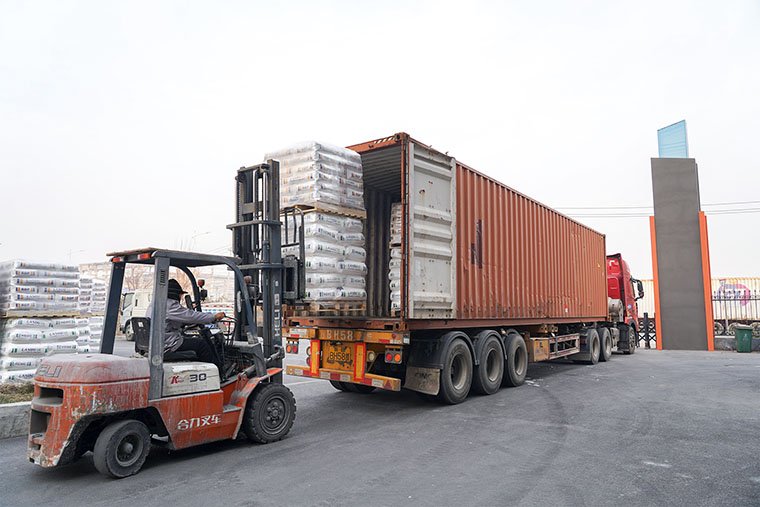
Kérjen technikai támogatástLANDERCOLL HEC for emulsion paint is supplied in industrial packaging suitable for coating production, transportation, and storage.
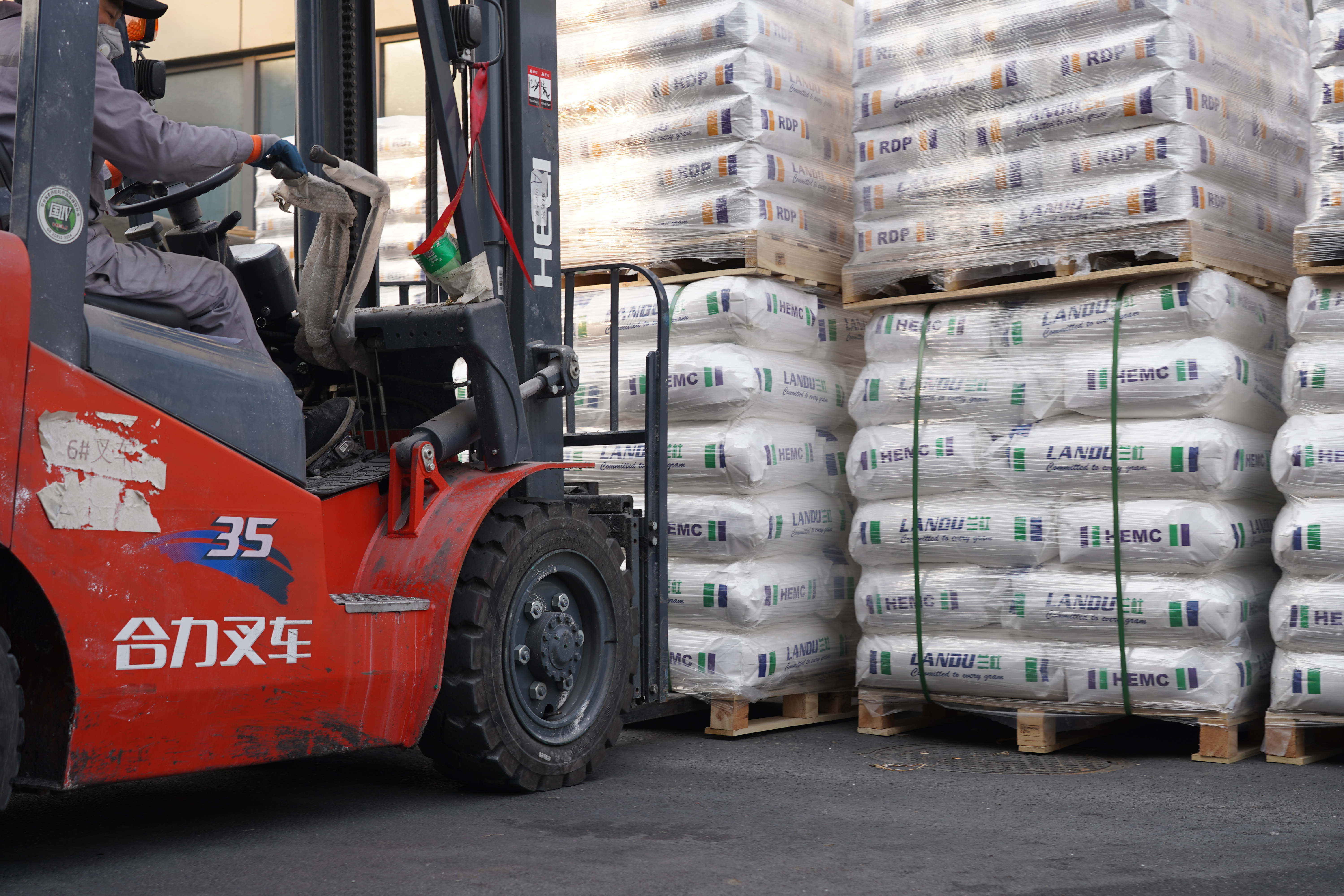

LANDERCOLL provides product-related documentation to support emulsion paint formulation testing, purchasing review, and internal approval processes.
If your emulsion paint has low viscosity, pigment or filler settling, storage separation, roller spatter, sagging on vertical surfaces, poor leveling, rough application feel, or unstable viscosity during storage, the HEC grade or dosage may need to be reviewed.
LANDERCOLL can help evaluate suitable HEC options based on your binder system, pigment and filler system, PVC level, target viscosity, application method, and storage stability requirement.
HEC grade selection for target viscosity and rheology.
Pigment and filler suspension support.
Brushability and roller application improvement.
Leveling and anti-sag performance guidance.
Storage stability discussion.
Dosage reference and starting point recommendations.
Sample and quotation communication.
TDS, SDS, COA, and application guide on request.
HEC (Hydroxyethyl Cellulose) is the most widely used cellulose ether in emulsion paint. It is used to improve thickening, viscosity control, pigment and filler suspension, rheology behavior, brush and roller application performance, and storage stability across economy, standard, and premium emulsion paint systems for interior and exterior applications.
HEC builds viscosity in the water phase of the paint, stabilizes pigments and fillers against settling, improves brush and roller application consistency, supports leveling, helps reduce sagging on vertical surfaces, and maintains stable in-can viscosity during storage. As a non-ionic polymer, HEC is compatible with the anionic dispersants and polymer emulsions used in water-based emulsion paint systems.
Without cellulose ether, emulsion paint lacks the body and structure needed to remain stable during storage and perform consistently during application. Pigments and fillers settle, the paint appears thin and watery, roller spatter increases, sagging occurs on vertical surfaces, and leveling deteriorates. Cellulose ether provides the water-phase thickening and rheology control that makes emulsion paint stable, consistent, and easy to apply.
A common reference dosage range is 0.2%–1.0% by weight, depending on paint type, quality level, target viscosity, pigment and filler loading, PVC level, and formulation design. Standard emulsion paints typically use 0.3%–0.7%, while high-PVC formulations may require up to 1.0%. Final dosage must be confirmed through viscosity testing and stability evaluation.
Yes. HEC increases water-phase viscosity and structural support, which helps slow the rate of pigment and filler settling during storage. This supports more consistent color, opacity, and coating appearance. However, the complete suspension system — including dispersant type and dosage, filler particle size, and formulation balance — also plays an important role in suspension performance.
HEC can support leveling by helping control the rheology profile of the paint. A properly selected HEC grade contributes to balanced flow behavior during and after application. However, final leveling performance also depends on the complete formulation system, including binder type, surfactants, dispersants, defoamers, and viscosity balance across the full shear rate range.
HEC primarily improves fresh paint properties such as viscosity, suspension, rheology, and application stability. Final coating durability — including scrub resistance, weather resistance, adhesion, and film integrity — depends primarily on binder type, pigment system, additives, film formation conditions, substrate preparation, and curing. HEC is a processing and stability aid rather than a film-performance modifier.
Viscosity loss may be caused by poor HEC hydration during production, unsuitable grade selection, pH effects, surfactant or dispersant incompatibility, preservative interactions, high electrolyte or salt content, temperature changes during storage, or excessive shear during mixing. Systematic storage stability testing and grade review can help identify and resolve the root cause.
Start by defining your paint type and quality level, target viscosity, binder system, pigment and filler loading, PVC level, pH range, additive system, application method, and storage stability requirement. Then contact LANDERCOLL with these parameters — our technical team can recommend suitable HEC grades and provide samples for formulation evaluation.
Whether you produce economy emulsion paint, standard wall paint, premium emulsion coatings, interior emulsion paint, exterior emulsion paint, matt paint, satin paint, or high-PVC emulsion paint, LANDERCOLL HEC helps you achieve better viscosity control, reliable pigment and filler suspension, smooth brush and roller application, leveling support, and consistent storage stability.
LANDERCOLL supplies HEC cellulose ether to emulsion paint manufacturers and coating formulators worldwide. Contact us today to receive an HEC grade recommendation, request samples, or get a competitive quote for your emulsion paint formulation project.
