Cellulóz-éter kiválóság — Világszerte 1000+ vállalkozás által elismert Szerezzen ingyenes mintát
Élelmiszeripari CMC és HPMC oldatok fagyasztás-olvasztás stabilitáshoz, nedvességszabályozáshoz, állagmegőrzéshez, jégkristály-kezeléshez és feldolgozási konzisztenciához fagyasztott élelmiszer-készítményekben.
LANDERCOLL élelmiszeripari cellulóz-éter segít a fagyasztott ételek gyártóinak javítani a termék textúráját, nedvességmegtartását, fagyasztás-olvasztás stabilitását, jégkristály-szabályozását és a receptúra konzisztenciáját fagyasztott készételekben, fagyasztott tésztában, fagyasztott desszertekben, fagyasztott zöldségekben és kiválasztott fagyasztott élelmiszer-rendszerekben.
 Készételek
 Fagyasztott tészta
 Fagyasztott desszertek
 Fagyasztott zöldségek
Élelmiszeripari cellulóz-éter fagyasztás-olvasztás stabilitáshoz, nedvességmegtartáshoz, jégkristály-szabályozáshoz és állagkonzisztenciához fagyasztott tésztákban, készételekben, desszertekben, zöldségekben, töltelékekben és kiválasztott fagyasztott élelmiszer-rendszerekben.
Élelmiszeripari CMC széles körben használják fagyasztott élelmiszer-rendszerekben nedvességmegtartásra, vízkötésre, fagyasztás-olvasztás stabilitásra, csepegési veszteség csökkentésére és textúra támogatására fagyasztott készételekben, zöldségekben, töltelékekben és szószokban. HPMC különösen értékes fagyasztott tészták és fagyasztott pékáruk esetében, ahol a vízmegtartó tulajdonságok és a termikus gélesedési viselkedés támogatja a tészta stabilitását és sütési teljesítményét. A tipikus kezdő adagolási mennyiségek 0.1%–2.0%, a termék típusától és a fagyasztás-olvasztás követelményeitől függően.

 Fagyás-Olvadás · Nedvesség · Textúra
A fagyasztott élelmiszerek egyedi formulációs kihívásokkal szembesülnek, amelyek a szobahőmérsékleten vagy hűtve tárolt élelmiszereknél nem merülnek fel. A fagyasztás, tárolás, szállítás és felolvasztás során a nedvesség elvándorol, jégkristályok nőnek, a textúrák romlanak, és a szerkezeti integritás sérülhet. E változások kezeléséhez olyan funkcionális összetevőkre van szükség, amelyek képesek megkötni a vizet, támogatni a szerkezetet és fenntartani a termékminőséget a teljes fagyasztás-felolvasztás ciklus során.
LANDERCOLL élelmiszer-minőségű, alkalmas CMC és HPMC kiválasztott fagyasztott élelmiszer-alkalmazásokhoz. A CMC-t széles körben használják nedvességmegtartásra, vízmegkötésre, szuszpenzióstabilitásra és textúratámogatásra fagyasztott rendszerekben. A HPMC különösen értékes fagyasztott tésztákban és kiválasztott fagyasztott pékáru-rendszerekben, ahol termikus gélesedési viselkedése és vízmegtartó tulajdonságai segítik a szerkezet megtartását olvasztás és sütés során.
A megfelelő cellulóz-éter minőség segíthet a fagyasztott élelmiszerek gyártóinak csökkenteni a nedvességveszteséget, minimalizálni a jégkristályok okozta károkat, javítani a kiolvasztás utáni textúrát, támogatni a tészta kezelhetőségét fagyasztott pékáru-rendszerekben, és egységesebb termékminőséget biztosítani a hideglánc során.
Élelmiszeripari cellulóz-étert keres fagyasztott élelmiszer-készítményéhez?
Kérjen termékajánlást.A fagyasztott élelmiszerek kategóriája az egyik leginkább technikailag igényes terület az élelmiszergyártásban, amely olyan összetevőket igényel, amelyek ellenállnak a fagyasztásnak, a fagyasztott tárolásnak és a felolvasztásnak anélkül, hogy jelentős minőségromlást szenvednének.
| Termékkategória | Főbb formulációs kihívások |
|---|---|
| Fagyasztott tészta | Fagyasztás-olvasztás stabilitás, élesztő életképesség, tészta kezelhetőség, sütési teljesítmény |
| Fagyasztott kenyér és pékáru | Nedvességmegtartás, morzsa textúrája, térfogat sütés után |
| Fagyasztott desszertek és fagylalt | Jégkristály-szabályozás, textúra, olvadási viselkedés |
| Fagyasztott készételek | Textúra megtartása, nedvesség szabályozása, szósz stabilitása |
| Fagyasztott zöldségek | Nedvességvesztés, állományromlás, csepegési veszteség |
| Fagyasztott töltelékek és feltétek | Fagyasztás-olvasztás stabilitás, viszkozitás, textúra konzisztencia |
| Fagyasztott hús- és tengeri termékek | Nedvességmegtartás, csepegési veszteség, állag felolvasztás után |
| Fagyasztott tészta és tészták | Textúra, nedvességszabályozás, felületi minőség |
| Fagyasztott levesek és szószok | Viszkozitás stabilitás, fázisszétválás, textúra |
The freezing process creates significant physical stress on food structures. Water expands as it freezes, forming ice crystals that rupture cell walls and disrupt gel networks. Food-grade cellulose ether helps bind water, modify ice crystal formation, support structural integrity, and maintain texture consistency across the freeze-thaw cycle.
LANDERCOLL provides food-grade CMC and HPMC for selected frozen food applications. All grade selections should be confirmed through freeze-thaw trials, sensory evaluation, and customer food safety qualification.
Food-grade carboxymethyl cellulose for moisture retention & stability
CMC is widely used in selected frozen food formulations because it provides strong water-binding capacity, viscosity modification, and texture support in aqueous food systems. In frozen foods, CMC helps reduce drip loss, limit moisture migration, support suspension stability in frozen sauces and fillings, and maintain texture consistency after thawing.
Food-grade hydroxypropyl methyl cellulose for frozen dough & bakery
HPMC is especially valuable in frozen dough and frozen bakery applications. Its water-retention properties help maintain dough moisture during freezing and thawing, while its thermal gelation behavior supports structure formation during the baking step. HPMC may also be considered in selected frozen dessert and specialty frozen food formulations.
Different frozen food systems require different cellulose ether performance profiles. The table below provides a practical selection reference for food formulators and product developers.
Freeze-thaw stability, dough handling, baking performance
Moisture retention, volume, crumb texture after baking
Structure support, moisture retention, crumb quality
Jégkristály-szabályozás, textúra, olvadási viselkedés
Textúra megtartása, nedvesség szabályozása, szósz stabilitása
Drip loss reduction, moisture retention, texture
Fagyasztás-olvasztás stabilitás, viszkozitás, textúra konzisztencia
Moisture retention, drip loss reduction, texture
Textúra, nedvességszabályozás, felületi minőség
Viscosity stability, phase separation control, texture
Frozen food formulations vary widely by product type, moisture content, fat level, protein content, starch system, and processing method.
| Összetevő | Function in Frozen Food Formulations |
|---|---|
| Víz | Primary moisture source and freeze-thaw medium |
| Cellulose Ether (CMC / HPMC) | Moisture retention, freeze-thaw stability, texture support |
| Starch / Modified Starch | Thickening, texture, freeze-thaw stability support |
| Proteins | Structure, water binding, texture |
| Fat / Oil | Richness, mouthfeel, texture |
| Emulsifiers | Texture, fat distribution, freeze-thaw support |
| Salt / Seasoning | Flavor and preservation support |
| Sugar / Sweeteners | Sweetness, texture, freezing point adjustment |
| Stabilizers / Hydrocolloids | Texture, water management, freeze-thaw stability |
| Leavening Agents | Volume and texture in frozen bakery systems |
| Tartósítószerek | Shelf-life support where applicable |
| Other Functional Ingredients | Adjust texture, nutrition, stability, or processing behavior |
Cellulose ether dosage in frozen food products depends on product type, moisture content, target texture, fat level, starch system, and freeze-thaw requirements.
These dosage ranges are starting references only. Final dosage should be confirmed through freeze-thaw testing, drip loss measurement, texture analysis, viscosity testing, sensory evaluation, and shelf-life trials under actual frozen storage and distribution conditions.
Cellulose ether helps improve product stability through freeze-thaw cycles by supporting water binding, limiting ice crystal growth, and maintaining structural integrity — particularly important for products that may experience temperature fluctuations during distribution and retail storage.
One of the most important functions of cellulose ether in frozen foods is its ability to bind water and reduce drip loss upon thawing. By holding water within the food matrix, cellulose ether helps maintain product weight, texture, and eating quality.
CMC can help limit the growth of ice crystals during frozen storage through its water-binding properties. Smaller, more uniform ice crystals result in less structural damage to the food matrix and better texture retention after thawing.
Cellulose ether supports the structural integrity of frozen food products, helping them maintain a more acceptable texture after thawing — critical for frozen ready meals, vegetables, and meat and seafood products.
In frozen dough systems, HPMC helps maintain dough moisture and workability during freezing and thawing. Its thermal gelation behavior supports structure formation during baking, helping frozen dough products achieve good volume, crumb structure, and surface quality.
In frozen ready meals and frozen fillings, CMC helps maintain sauce viscosity, prevent phase separation, and support texture consistency after thawing and reheating — ensuring acceptable quality to the consumer after microwave or oven reheating.
Suitable cellulose ether grades help maintain predictable behavior during mixing, forming, filling, and freezing operations — supporting consistent product quality across production batches and reducing quality variation in the finished frozen product.
Cellulose ether can help improve many frozen food quality challenges, but final product performance depends on moisture content, fat level, protein content, starch system, freezing rate, storage temperature, thawing method, packaging, and complete formulation design.
Poor water binding, weak structure, ice crystal damage.
CMC improves water binding and reduces drip loss.
Ice crystal damage, moisture migration, weak matrix.
Supports structural integrity and moisture retention.
Temperature fluctuation, poor water binding.
CMC helps limit ice crystal growth.
Phase separation, viscosity loss, poor stabilizer system.
CMC maintains sauce viscosity and stability.
Weak structure, poor moisture retention, yeast damage.
HPMC supports dough stability and baking performance.
High drip loss, poor water binding.
Improves water-holding capacity.
Moisture loss, weak structure, gluten damage.
HPMC supports moisture and structure in frozen bakery.
Freeze-thaw stress, starch retrogradation, poor stabilizer.
CMC supports viscosity stability in frozen sauce systems.
Understanding the key variables that influence cellulose ether behavior in frozen food systems is essential for successful formulation development.
Higher moisture increases freeze-thaw stress and the demand for water-binding capacity.
Fast freezing produces smaller ice crystals; slow freezing causes larger crystal formation.
Temperature fluctuations accelerate ice crystal recrystallization and quality degradation.
Slow thawing, microwave, or oven reheating affect texture and moisture release differently.
Influence water distribution, texture, and the effectiveness of cellulose ether.
Starch retrogradation during frozen storage interacts with cellulose ether water binding.
Affect freezing point, water activity, and hydration behavior.
Influences CMC hydration, viscosity, and stability in acidified frozen systems.
Too little may be insufficient; too much may create undesirable texture or processing difficulty.
Choosing cellulose ether for frozen food applications requires matching product type, moisture content, freeze-thaw requirements, texture target, and processing conditions. The following questions guide early-stage selection.
What frozen food product are you developing — dough, bakery, dessert, ready meal, vegetable, or sauce?
What is the primary quality challenge — drip loss, texture degradation, ice crystal growth, or sauce separation?
What moisture content and water activity does the product have?
What fat level and protein content are present in the formulation?
What starch or hydrocolloid system is currently used?
What freezing rate and storage temperature conditions apply?
What thawing or reheating method will the consumer use?
What texture target is required after thawing?
What processing steps are involved — mixing, forming, filling, freezing, packaging?
What food-grade documentation is required for the target market?
LANDERCOLL can help review your frozen food formulation direction and recommend suitable food-grade CMC or HPMC grade options for evaluation.
Ask for Grade RecommendationLANDERCOLL food-grade cellulose ether for frozen food applications is supplied in packaging suitable for protected transportation, storage, and food production handling.
| Parameter | Reference |
|---|---|
| Standard Pack Size | 25 kg per bag or drum (depending on grade) |
| Inner Liner | Moisture-protective inner liner |
| Palletized Packaging | Available upon request |
| Custom Packaging | Available for qualified supply cooperation |
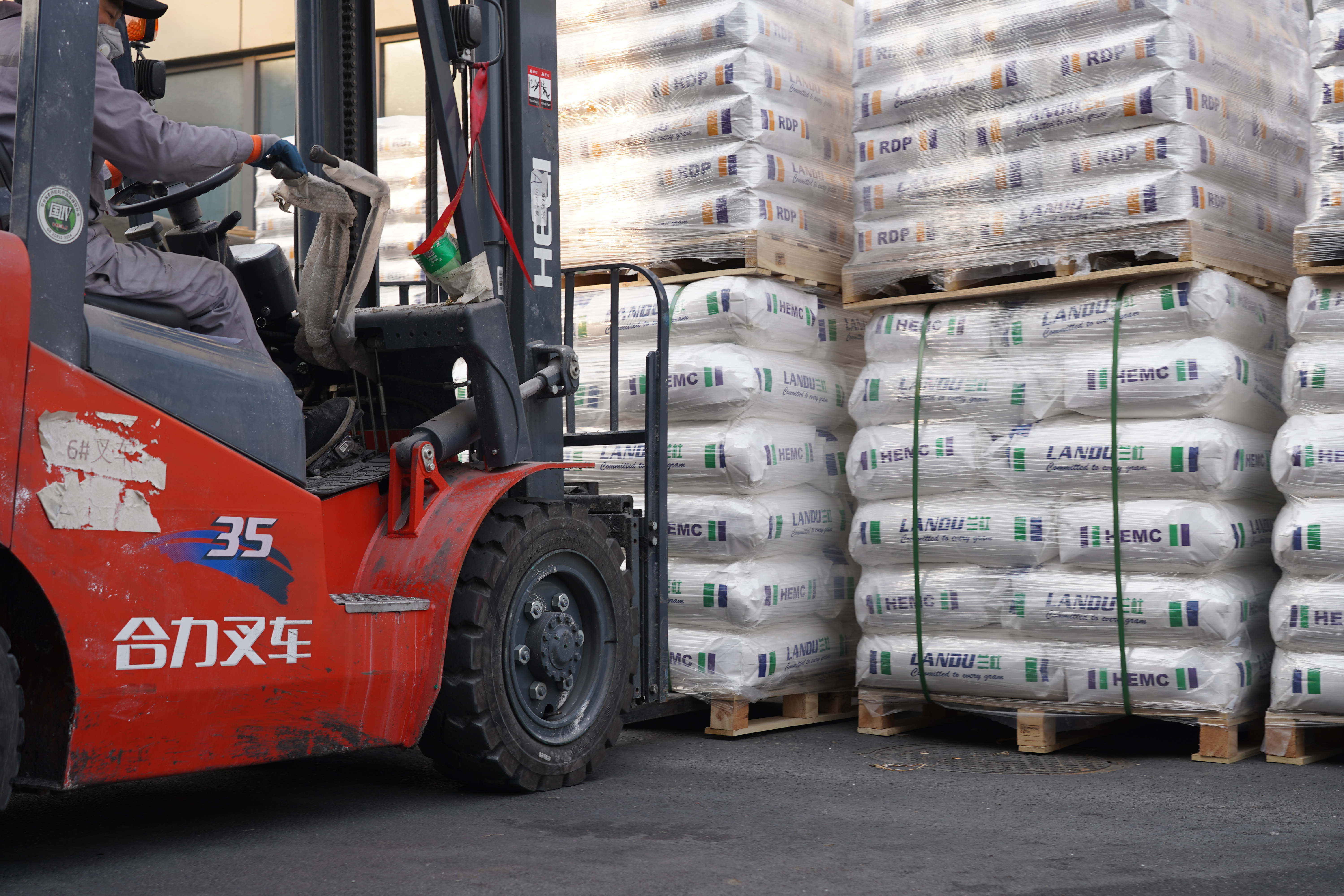 25 kg · Sealed · Food Grade
If your frozen food product has excessive drip loss, texture degradation after thawing, ice crystal damage, sauce separation, poor frozen dough baking performance, watery texture, or inconsistent quality during distribution, the cellulose ether type, grade, and dosage may need to be reviewed.
LANDERCOLL can help evaluate suitable food-grade CMC and HPMC options based on your product type, moisture content, fat level, starch system, freezing conditions, thawing method, texture target, and documentation needs.
Food-grade CMC and HPMC grade selection for your specific frozen food application
Dosage reference based on product type and freeze-thaw requirements
Drip loss reduction support for frozen meat, seafood, and vegetable products
Freeze-thaw stability discussion for frozen ready meals and sauce systems
Frozen dough and bakery support for dough handling and baking performance
Ice cream and frozen dessert texture support for ice crystal management
Documentation support including TDS, SDS, CoA, and food-grade compliance information
Sample and quotation communication for evaluation and commercial planning
LANDERCOLL provides comprehensive food-grade documentation to support frozen food formulation testing, supplier approval, quality review, and regulatory assessment.
| Document | Availability |
|---|---|
| Műszaki Adatlap (TDS) | Available |
| Biztonsági Adatlap (BA) | Available |
| Certificate of Analysis (CoA) | Available |
| Product Specification | Available |
| Food-Grade Statement | Where applicable |
| Allergen Statement | Where applicable |
| GMO Statement | Where applicable |
| Halal / Kosher Information | Where applicable |
| Heavy Metals Information | Where applicable |
| Microbiological Data | Where applicable |
| Packaging and Storage Information | Available |
| Export-Related Documents | Where applicable |
Food-grade CMC and HPMC are the primary cellulose ethers used in frozen food applications. CMC is widely used for moisture retention, water binding, freeze-thaw stability, drip loss reduction, and texture support. HPMC is especially valuable in frozen dough and frozen bakery applications where its water-retention properties and thermal gelation behavior support dough stability and baking performance.
CMC helps bind water, reduce drip loss, limit ice crystal growth, support freeze-thaw stability, maintain sauce viscosity, and improve texture retention after thawing in selected frozen food systems. It is effective at low dosage levels and provides a clean functional contribution without significantly altering flavor or appearance.
HPMC helps maintain dough moisture during freezing and thawing, supports dough workability and handling, and contributes to structure formation during baking through its thermal gelation behavior. This helps frozen dough products achieve better volume, crumb structure, and surface quality after baking compared to formulations without HPMC.
Yes. CMC can help improve water-holding capacity in selected frozen meat and seafood formulations, reducing drip loss upon thawing and helping maintain product weight, texture, and eating quality. Final performance depends on protein content, fat level, salt level, and processing conditions.
Yes. CMC can help improve texture consistency and limit ice crystal growth in ice cream and frozen dessert formulations. It contributes to a smoother texture, more controlled meltdown behavior, and better quality maintenance during frozen storage and temperature fluctuations.
Typical starting reference ranges are 0.1%–2.0%, depending on product type, moisture content, cellulose ether grade, and freeze-thaw requirements. Gluten-free frozen bakery systems may require higher levels (0.5%–2.0%), while frozen sauces and ready meals typically use lower levels (0.1%–0.8%). Final dosage should be confirmed through freeze-thaw trials and sensory evaluation.
Yes. CMC can help maintain sauce viscosity, prevent phase separation, and support texture consistency in frozen sauce systems after thawing and reheating. This is particularly important for frozen ready meals where the sauce component must deliver acceptable quality after microwave or oven reheating.
No. Food applications require suitable food-grade cellulose ether with appropriate food safety documentation, regulatory compliance information, and customer qualification. Industrial-grade materials do not meet the purity, safety, and documentation requirements for food use.
Start with product type, primary quality challenge (drip loss, texture, ice crystals, sauce stability), moisture content, fat level, starch system, freezing conditions, thawing method, texture target, and required food-grade documentation. LANDERCOLL can help recommend suitable grade directions for evaluation based on your specific frozen food application.
Whether you produce frozen dough, frozen bread and bakery products, frozen desserts, frozen ready meals, frozen vegetables, frozen fillings, frozen meat and seafood products, frozen pasta, or frozen soups and sauces — LANDERCOLL can help you choose suitable food-grade CMC or HPMC for freeze-thaw stability, moisture retention, texture improvement, ice crystal management, and processing consistency.
Our food-grade cellulose ether portfolio is supported by full technical documentation, food safety compliance information, and dedicated application support — helping your frozen food development team achieve more consistent product quality from production through to consumer use.
Food-Grade Cellulose Ethers for Frozen Foods, Bakery, Dairy, Sauces & Dressings, Beverage Systems, and Specialty Food Applications.
