Άριστη Πηκτίνη Ήθρε — Αξιόπιστη από 1000+ Επιχειρήσεις σε όλο τον κόσμο Αποκτήστε δωρεάν δείγμα
Η LANDERCOLL κυτταρίνη αιθέρας βοηθά τους κατασκευαστές κονιαμάτων τοιχοποιίας να βελτιώσουν την κατακράτηση νερού, τη διάρκεια ζωής, την ομαλή εφαρμογή, τη συνοχή του κονιάματος, την επαλειψιμότητα και τη σταθερότητα εφαρμογής στο εργοτάξιο.
Εμπιστεύονται από παραγωγούς ξηρών κονιαμάτων που προμηθεύουν συστήματα κονιαμάτων τοιχοποιίας για τούβλα, τσιμεντόλιθους και έτοιμα κονιάματα σε πολλές αγορές.
 Κονίαμα Τοιχοποιίας · Τούβλο & Λίθος

Συνεπής σχηματισμός αρμών κλίνης με σταθερό σώμα κονιάματος καθ' όλη τη διάρκεια της εργασίας τοποθέτησης.
Τσιμέντο · Ασβέστης · Ξηρό μίγμαΤο κονίαμα τοιχοποιίας είναι ένα από τα πιο ευρέως χρησιμοποιούμενα δομικά υλικά σε οικοδομικά έργα παγκοσμίως. Εφαρμόζεται για την τοποθέτηση τούβλων, τσιμεντόλιθων, ελαφρών λίθων, λίθων από αεριζόμενο σκυρόδεμα (AAC), λίθινων μονάδων και άλλων υλικών τοιχοποιίας.


Ένα καλής απόδοσης κονίαμα τοιχοποιίας πρέπει να παραμένει εργάσιμο πάνω στην πλάκα, να απλώνεται ομαλά πάνω στα στοιχεία τοιχοποιίας, να συγκρατεί σωστά το νερό έναντι της απορρόφησης του υποστρώματος και να παρέχει σταθερή, συνεπή συμπεριφορά καθ' όλη τη διάρκεια της διαδικασίας τοποθέτησης.
Η LANDERCOLL προμηθεύει προϊόντα αιθέρα κυτταρίνης HPMC και HEMC / MHEC σε κατασκευαστές κονιαμάτων τοιχοποιίας που χρειάζονται καλύτερη συγκράτηση νερού, παρατεταμένη διάρκεια ζωής, βελτιωμένη εργασιμότητα, ομαλότερη επάλειψη, ισχυρότερη συνοχή και αξιόπιστη συνέπεια εφαρμογής.
Μια κατάλληλη ποιότητα αιθέρα κυτταρίνης βοηθά το κονίαμα τοιχοποιίας να παραμένει χρησιμοποιήσιμο για μεγαλύτερο χρονικό διάστημα στο εργοτάξιο, μειώνει την ταχεία απώλεια νερού σε απορροφητικά τούβλα ή τεμάχια, βελτιώνει την αίσθηση εφαρμογής για τον κτίστη και υποστηρίζει πιο σταθερή απόδοση τοποθέτησης σε διαφορετικούς τύπους μονάδων τοιχοποιίας και κλιματικές συνθήκες.
Το κονίαμα τοιχοποιίας είναι ένα συνδετικό υλικό με βάση το τσιμέντο ή το ασβέστιο-τσιμέντο που χρησιμοποιείται για την ένωση μονάδων τοιχοποιίας — συμπεριλαμβανομένων τούβλων, τσιμεντόλιθων, ελαφρών λίθων, λίθων AAC και φυσικής ή κομμένης πέτρας — σε δομικούς ή μη δομικούς τοίχους τοιχοποιίας.
Γεμίζει τους οριζόντιους και κατακόρυφους αρμούς μεταξύ των τοιχοποιητικών στοιχείων, μεταφέρει δομικά φορτία, σφραγίζει τα κενά έναντι διείσδυσης αέρα και υγρασίας και συμβάλλει στη συνολική απόδοση και ανθεκτικότητα της τοιχοποιίας.
Μια τυπική σύνθεση κονιάματος τοιχοποιίας περιλαμβάνει τσιμέντο, ασβέστη, άμμο, πληρωτικά, αιθέρα κυτταρίνης, πρόσθετα εγκλωβισμού αέρα, παράγοντες συγκράτησης νερού και άλλα λειτουργικά πρόσθετα ανάλογα με τον τύπο προϊόντος, την κατηγορία αντοχής και την τοπική οικοδομική πρακτική.
Μετά την ανάμιξη με νερό, το κονίαμα τοιχοποιίας πρέπει να παρέχει καλή εργασιμότητα, επαρκή διάρκεια ζωής, αξιόπιστη συγκράτηση νερού, πλαστικότητα, συνοχή κονιάματος και σταθερή συνοχή καθ' όλη τη διάρκεια της εργασίας τοποθέτησης. Ο αιθέρας κυτταρίνης βελτιώνει τις ιδιότητες του νωπού κονιάματος και υποστηρίζει πιο αξιόπιστη, σταθερή απόδοση στο εργοτάξιο.

Οι τοιχοποιητικές μονάδες, όπως τα τούβλα από πηλό, οι τσιμεντόλιθοι, οι ελαφροί λίθοι AAC και η φυσική πέτρα, μπορούν να απορροφήσουν γρήγορα νερό από το φρεσκοεφαρμοσμένο κονίαμα. Η κακή συγκράτηση νερού προκαλεί ξηρό, άκαμπτο κονίαμα, μικρή διάρκεια ζωής και ανομοιόμορφο σχηματισμό αρμών. Το LANDERCOLL κυτταρινικός αιθέρας βοηθά στη βελτίωση της συγκράτησης νερού και της εργασιμότητας για πιο ομοιόμορφη τοποθέτηση τούβλων και λίθων.
Μειώνει την ταχεία απώλεια υγρασίας σε απορροφητικά τούβλα, τσιμεντόλιθους και λιθοδομές κατά την τοποθέτηση.
Extends the workable window after mixing and placement on the mortar board.
Τα συστήματα κονιαμάτων τοιχοποιίας συνήθως χρησιμοποιούν αιθέρες κυτταρίνης μεσαίου ιξώδους σε ελεγχόμενες δοσολογίες για βελτίωση της συγκράτησης νερού, της διάρκειας ζωής στην πλάκα και της εργασιμότητας, χωρίς να δημιουργούν υπερβολικά κολλώδες ή βαρύ κονίαμα.
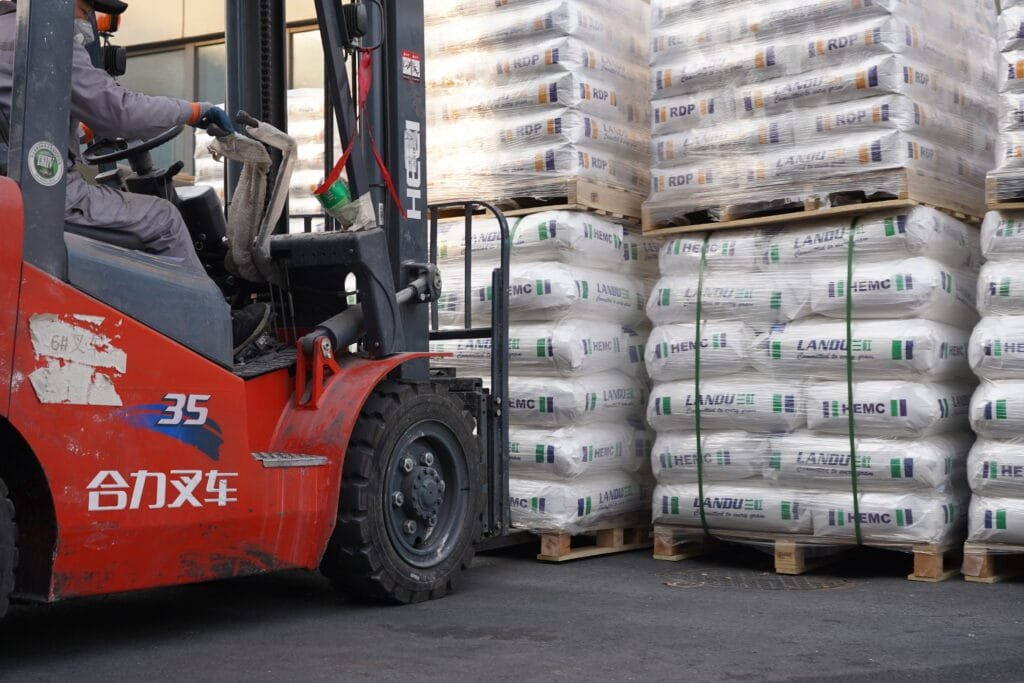
Το HPMC είναι ένας από τους πιο ευρέως χρησιμοποιούμενους αιθέρες κυτταρίνης σε συνθέσεις κονιαμάτων τοιχοποιίας. Παρέχει ισχυρή συγκράτηση νερού, ελεγχόμενη πάχυνση, βελτίωση εργασιμότητας και σταθεροποίηση συνέπειας.
Σε συστήματα ξηρού μείγματος κονιαμάτων τοιχοποιίας, το HPMC βελτιώνει την απλωσιμότητα, μειώνει την τραχύτητα του κονιάματος και υποστηρίζει πιο σταθερή και προβλέψιμη συμπεριφορά χειρισμού στην πλάκα κονιάματος.
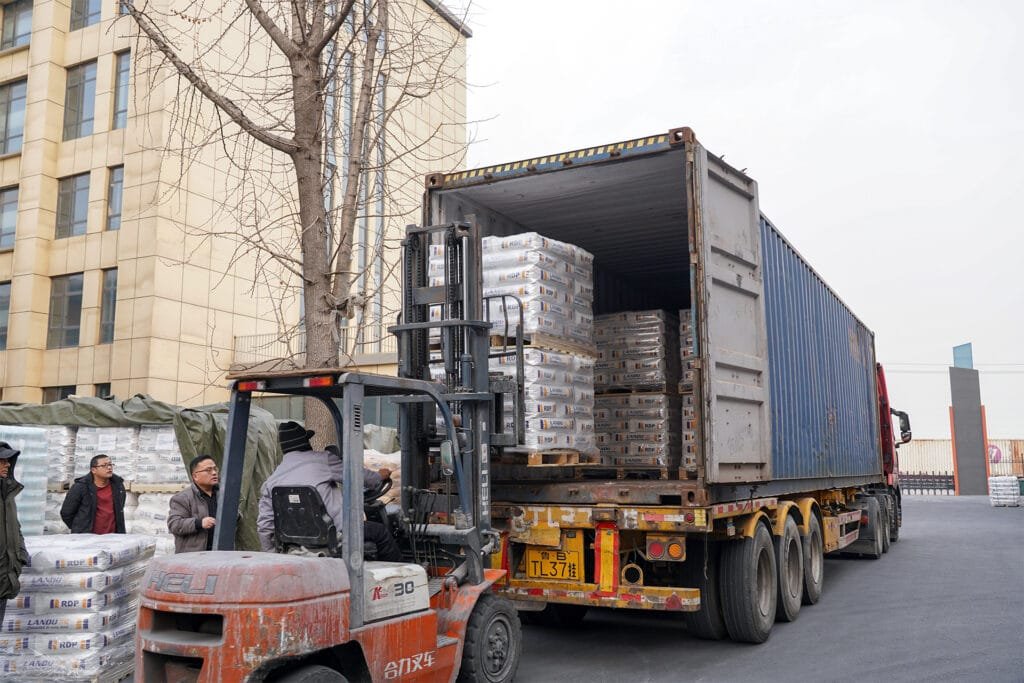
Το HEMC / MHEC είναι κατάλληλο για συστήματα κονιάματος τοιχοποιίας όπου η κατακράτηση νερού, η παρατεταμένη διάρκεια ζωής, η ομαλή επάλειψη, η συνοχή του κονιάματος και η σταθερή συμπεριφορά εφαρμογής είναι σημαντικά.
Σε εφαρμογές κάθετων αρμών και ελαφριάς τοιχοποιίας, το HEMC / MHEC μπορεί να βοηθήσει στη βελτίωση του σώματος του κονιάματος, στη μείωση της ανομοιόμορφης συμπεριφοράς εφαρμογής και στην υποστήριξη πιο ομοιόμορφου σχηματισμού αρμών.
Οι συνθέσεις κονιαμάτων τοιχοποιίας ποικίλλουν ανάλογα με τα τοπικά οικοδομικά πρότυπα, τον τύπο της μονάδας τοιχοποιίας, την απαιτούμενη κατηγορία αντοχής, τη μέθοδο εφαρμογής και τα τοπικά διαθέσιμα πρώτα υλικά.
| Συστατικό | Function in Masonry Mortar |
|---|---|
| Τσιμέντο | Κύριος υδραυλικός συνδετικός παράγοντας· παρέχει δομική αντοχή και πήξη. |
| Lime | Βελτιώνει την πλαστικότητα, την εργασιμότητα και την αίσθηση εφαρμογής σε επιλεγμένα συστήματα. |
| Άμμος | Provides structure, volume, and mechanical support in the joint. |
| Πληρωτικά | Adjust consistency, density, and formulation balance. |
| Κυτταρινικός Αιθέρας (HPMC / HEMC) | Improves water retention, board life, workability, and consistency. |
| Πρόσθετα Εγκλωβισμού Αέρα | Improve workability and freeze-thaw resistance in selected systems. |
| Water-Repellent Additives | Support moisture resistance in selected exterior applications. |
| Άλλα Πρόσθετα Απόδοσης | Adjust setting time, strength, plasticity, or special requirements. |
Different masonry mortar systems have different water retention, workability, and consistency requirements. This table provides a practical starting reference.
| Τύπος Εφαρμογής | Προτεινόμενο Προϊόν | Κύριες Απαιτήσεις Απόδοσης |
|---|---|---|
| Brick Laying Mortar | HPMC or HEMC / MHEC | Board life, water retention, spreadability. |
| Concrete Block Mortar | HPMC or HEMC / MHEC | Workability, consistency, joint filling. |
| Lightweight Block Mortar (AAC) | Medium viscosity HPMC or HEMC / MHEC | Strong water retention, open time, stability. |
| Stone Masonry Mortar | HPMC or HEMC / MHEC | Cohesion, plasticity, stable application. |
| Lime-Cement Masonry Mortar | HPMC or HEMC / MHEC | Plasticity, board life, smooth handling. |
| Ready-Mix Masonry Mortar | HPMC or HEMC / MHEC | Batch consistency, usability, stable performance. |
| Drymix Block Laying Mortar | Medium viscosity HPMC or HEMC / MHEC | Workability, water retention, application control. |
The appropriate cellulose ether dosage depends on formulation design, masonry unit absorption rate, target board life, viscosity grade, water retention requirement, sand grading, and job-site conditions.
In masonry mortar formulations, cellulose ether supports water retention, board life, and workability so mortar remains usable and performs consistently during brick and block laying.
Water retention is the most critical function of cellulose ether in masonry mortar. It helps the mortar keep enough moisture during application and early cement hydration — particularly when working with highly absorbent clay bricks, lightweight AAC blocks, or other porous masonry units.
Board life is the time that mixed mortar remains workable and usable after placement on the mortar board. Cellulose ether helps extend board life by reducing the rate of water loss from the mortar.
Good workability allows masonry mortar to spread easily under trowel pressure, hold its shape in the joint, and respond predictably during unit placement and adjustment.
Masonry mortar must spread smoothly and evenly on brick or block surfaces to create full, consistent bed joints. Cellulose ether helps create a more controlled consistency that spreads readily under tool pressure.
Cellulose ether improves the internal cohesion of fresh masonry mortar, helping it remain uniform and stable during use and supporting complete joint filling.
Plasticity is important for smooth, efficient masonry laying and for allowing fine adjustment of unit position after placement. Cellulose ether supports better plastic behavior by improving water management and rheology.
Cellulose ether helps maintain stable mortar consistency after mixing with water, supporting more predictable and uniform performance across different batches, job sites, and application conditions.
Many fresh masonry mortar problems are related to water retention, workability, and consistency — areas where cellulose ether grade and dosage selection directly affect performance.
Rapid water loss, absorbent masonry units, hot or windy conditions.
Improve water retention and extend workable window.
Poor sand grading, low water retention, unsuitable viscosity grade.
Improve workability and application smoothness.
Weak plasticity, incorrect water dosage, unbalanced formulation.
Improve consistency and spreading behavior.
Low water retention, high unit absorption, fast hydration.
Maintain moisture and workability for longer.
Weak cohesion, poor consistency, low workability.
Improve mortar body and joint filling behavior.
Excessive cellulose ether dosage or unsuitable viscosity grade.
Adjust grade and dosage balance.
Poor rheology, excess water, unstable formulation.
Improve consistency and slurry stability.
Raw material variation, poor mixing, wrong grade.
Improve formulation uniformity and handling behavior.
Rapid drying, poor water retention, shrinkage.
Support water retention and stable hydration.
Understanding the key variables that influence cellulose ether behavior in masonry mortar helps formulators make better product selection and dosage decisions.
Clay bricks, concrete blocks, AAC blocks, and stone have different water absorption rates. Highly absorbent units require stronger water retention performance.
Cement source, fineness, and chemical composition affect hydration rate, water demand, setting behavior, and interaction with cellulose ether.
Lime improves plasticity and workability but also influences water demand, rheology, and setting behavior in masonry mortar.
Sand particle size distribution, shape, and cleanliness directly affect workability, spreadability, joint filling, and water demand.
Medium viscosity grades are commonly used in masonry mortar. Higher grades provide stronger water retention but may increase stickiness if overdosed.
Insufficient dosage leads to short board life or harsh mortar feel. Excessive dosage may create sticky, difficult-to-spread mortar.
Water dosage strongly affects consistency, board life, and joint filling. Mixing time and rest time affect cellulose ether hydration and mortar behavior.
Hot, dry, or windy conditions accelerate water evaporation from fresh mortar, shortening board life and reducing workability.
Hand laying, machine application, and different troweling techniques create different shear and flow conditions in the mortar.
Local building standards and required mortar strength class influence binder ratio, additive selection, and cellulose ether dosage targets.
Selecting the right cellulose ether requires balancing water retention, board life, workability, spreadability, plasticity, and joint filling performance based on masonry unit type and job-site conditions.
Brick laying, block laying, stone masonry, or lime-cement mortar?
Clay brick, concrete block, lightweight AAC block, or stone?
How absorbent are the masonry units in your target market?
Longer board life, smoother spreading, or better joint filling?
What cement, lime, sand, and filler system is used?
What grade are you using, and is it delivering required performance?
What temperature, humidity, and wind are typical during application?
What water dosage and mixing method are used on the job site?
What dosage level balances cost and performance?
Are there local strength class or building standard requirements?
LANDERCOLL can help review your masonry mortar formulation direction and recommend a suitable HPMC or HEMC / MHEC grade for laboratory testing and evaluation.
Ζητήστε Σύσταση ΠοιότηταςLANDERCOLL cellulose ether for masonry mortar applications is supplied in industrial packaging designed for drymix mortar production environments, international shipping, and warehouse storage.
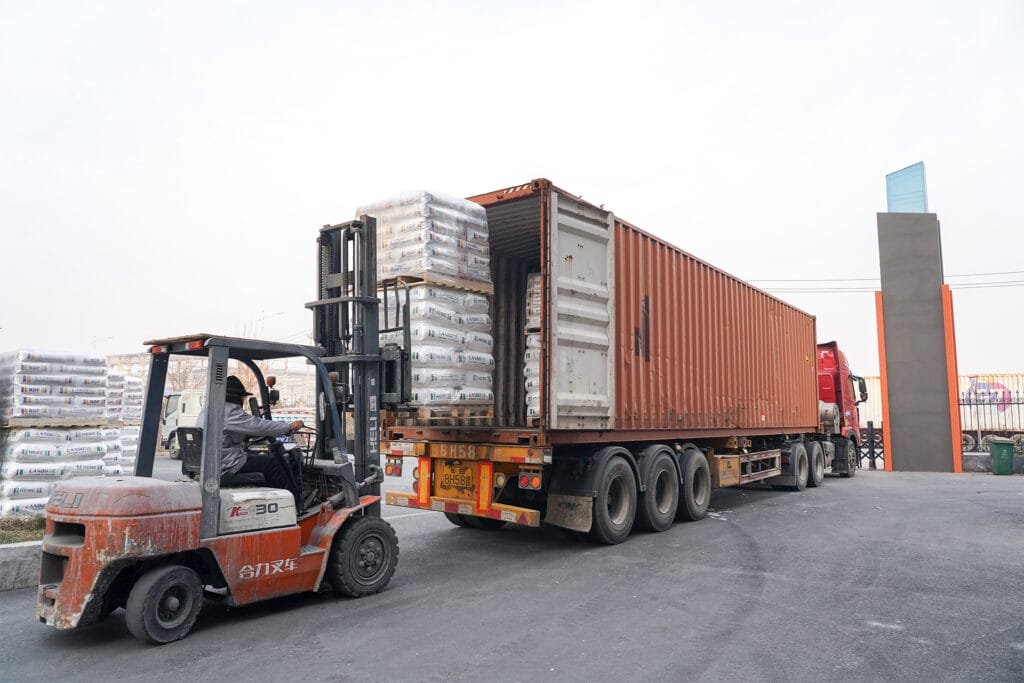
LANDERCOLL can provide a full set of product documentation to support masonry mortar formulation development, purchasing review, quality approval, and import compliance.
If your masonry mortar stiffens too quickly on the board, dries too fast against absorbent bricks or blocks, spreads poorly, feels harsh under the trowel, fills joints unevenly, separates after mixing, or performs inconsistently across batches or job sites, the cellulose ether grade or dosage may need to be reviewed.
LANDERCOLL provides technical support to help drymix masonry mortar manufacturers evaluate suitable HPMC and HEMC / MHEC options based on masonry unit type, raw material system, target board life, water retention requirement, and job-site application conditions.
HPMC and HEMC / MHEC product selection for masonry mortar.
Water retention improvement strategy.
Board life extension support.
Workability and spreadability improvement discussion.
Mortar cohesion and plasticity improvement.
Viscosity grade direction and dosage recommendation.
Sample arrangement and technical evaluation support.
Quotation and supply communication.
HPMC and HEMC / MHEC are commonly used in masonry mortar to improve water retention, board life, workability, spreadability, mortar cohesion, and consistency.
Cellulose ether improves water retention, board life, workability, and mortar consistency, helping prevent rapid drying, short workable time, and inconsistent joint formation during brick and block laying.
HPMC supports water retention, workability, spreadability, mortar consistency, and board life in masonry mortar formulations for brick and block laying applications.
HEMC / MHEC supports water retention, extended board life, smooth application, mortar cohesion, and stable consistency in masonry mortar systems.
A common reference dosage range is 0.10%–0.30% by dry weight, depending on masonry unit type, viscosity grade, water retention requirement, and board life target. Final dosage must be confirmed through testing.
Cellulose ether reduces the rate of water loss from fresh mortar, helping it remain workable and usable on the mortar board for a longer period after mixing.
Rapid drying is often caused by low water retention, highly absorbent masonry units, insufficient cellulose ether dosage, unsuitable viscosity grade, or hot and windy job-site conditions.
Yes. Suitable HPMC or HEMC / MHEC grades can improve workability, spreadability, and application smoothness by supporting better water management and mortar consistency.
Both can be effective depending on the formulation. The best choice depends on masonry unit type, cement and lime system, sand grading, water retention requirement, and board life target.
Start with masonry unit type, mortar application, water retention requirement, board life target, cement and lime system, sand grading, climate conditions, and viscosity grade direction.
Yes. LANDERCOLL can arrange HPMC and HEMC / MHEC samples for masonry mortar formulation testing and evaluation based on masonry unit type, water retention requirement, and performance targets.
Whether you produce brick laying mortar, concrete block mortar, lightweight AAC block mortar, stone masonry mortar, lime-cement mortar, ready-mix dry masonry mortar, or drymix block laying systems, LANDERCOLL can help you identify the right HPMC or HEMC / MHEC grade for better water retention, extended board life, improved workability, and reliable application consistency.
Our team works with drymix mortar manufacturers across multiple markets to support formulation development, product selection, sample evaluation, and supply communication for masonry mortar cellulose ether applications.
