Cellulose Ether Excellence — Betroet af over 1000 virksomheder globalt Få gratis prøve
Fødevaregodkendte CMC-, HPMC- og udvalgte celluloseetherløsninger til viskositetskontrol, suspensionsstabilitet, vandhåndtering, emulsionsstøtte, teksturkonsistens og holdbarhedsstabilitet i fødevaresystemer.
LANDERCOLL fødevaregodkendt celluloseether hjælper fødevareproducenter med at forbedre formuleringens stabilitet, reducere adskillelse, bevare produktets krop, stabilisere partikler, kontrollere vandmigration og understøtte en ensartet tekstur på tværs af drikkevarer, mejeriprodukter, saucer, dressinger, bagværk, frosne fødevarer og forarbejdede fødevaresystemer.
 Drikkevarer
 Mejeri
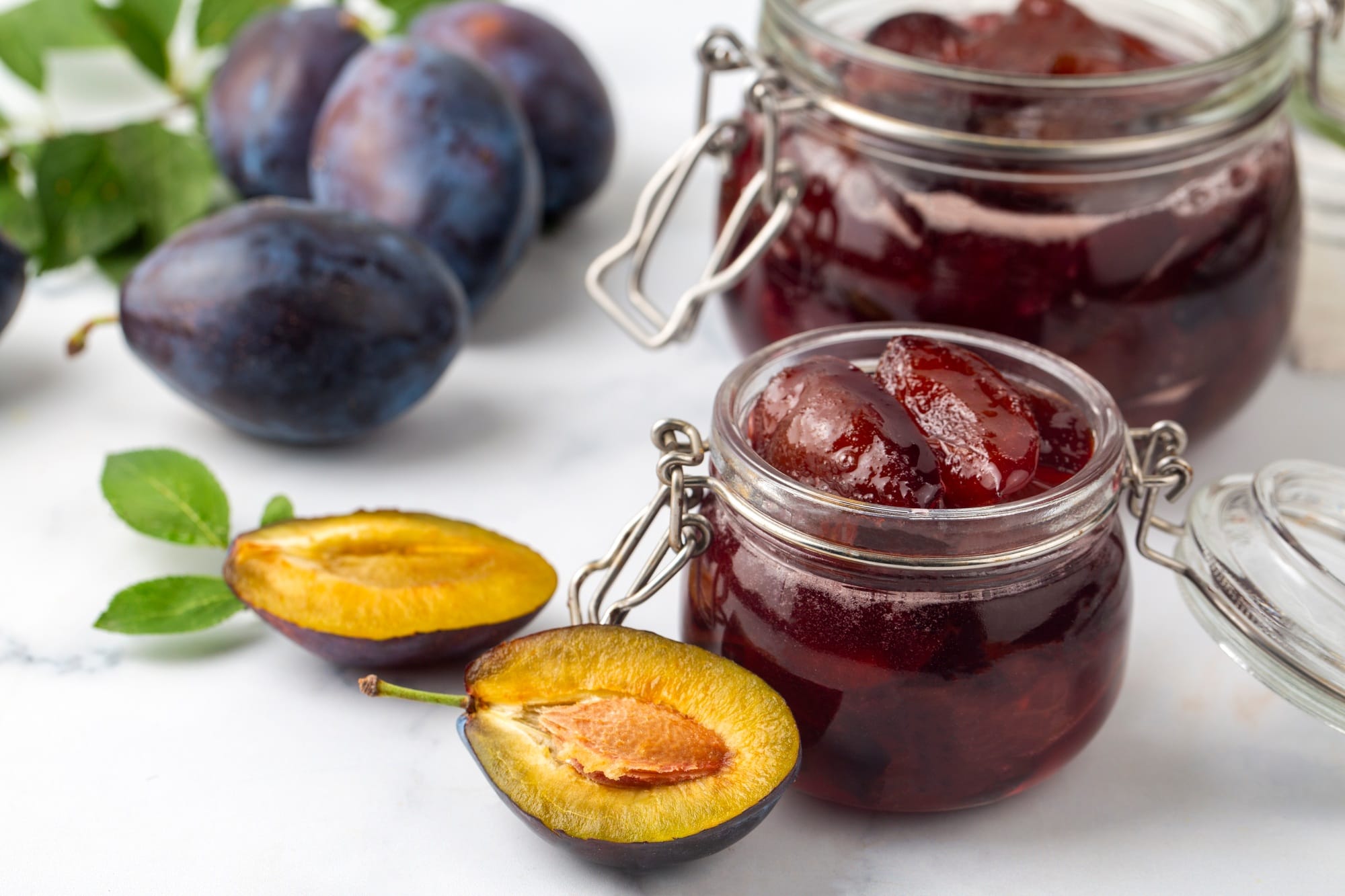 Saucer
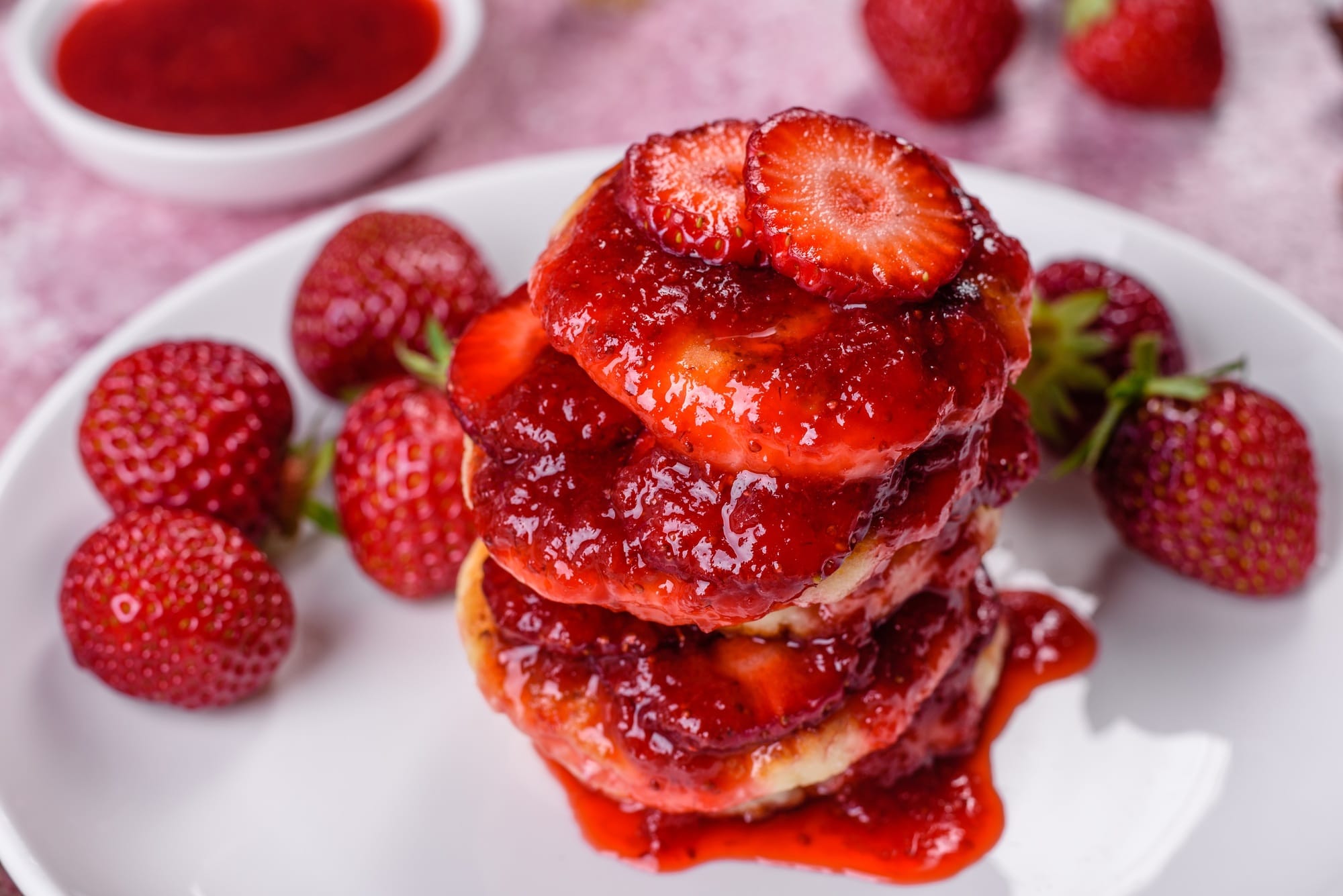 Frossen
Fødevaregodkendt celluloseether til viskositetskontrol, suspensionsstabilitet, vandhåndtering, emulsionsstøtte, teksturkonsistens og holdbarhedsstabilitet i drikkevarer, mejeriprodukter, saucer, bagværk, frosne fødevarer, fyld, plantebaserede og forarbejdede fødevaresystemer.
Fødevaregodkendt CMC er den mest anvendte celluloseether til fødevarestabilisering — den giver viskositetskontrol, suspensionsstabilitet, vandhåndtering, synerese-reduktion og teksturstabilisering på tværs af drikkevarer, mejeriprodukter, saucer, dressinger og forarbejdede fødevarer. HPMC er især værdifuld i bageri, glutenfri, frosne, fedtfattige og plantebaserede systemer, hvor fugtbevarelse og strukturel støtte er påkrævet. Typiske startdoser varierer fra 0.05%–2.0%, depending on food category and stability function.

 Viskositet · Suspension · Stabilitet
Fødevarestabilisering er afgørende for at opretholde produktets udseende, tekstur, viskositet, mundfornemmelse og konsistens gennem forarbejdning, emballering, transport, opbevaring og forbrug. Mange fødevaresystemer indeholder vand, olie, proteiner, stivelse, partikler, mineraler, fibre og smagsstoffer, der skal forblive ensartet fordelt og fysisk stabile – fra produktionslinjen til forbrugerens bord.
LANDERCOLL leverer egnet fødevaregodkendt CMC, HPMC, og udvalgte celluloseetherkvaliteter til fødevarestabiliseringsapplikationer. Disse celluloseethere hjælper med at forbedre vandfasestruktur, viskositet, suspensionsstabilitet, fugtretention, teksturkontrol og processkonsistens på tværs af en bred vifte af fødevarekategorier.
En passende celluloseetherkvalitet kan hjælpe med at reducere vandadskillelse, bundfældning, faseseparation, synerese, viskositetsændring, teksturnedbrydning og ustabilitet forårsaget af opvarmning, afkøling, frysning, optøning, forskydning eller længerevarende opbevaring. Den endelige ydeevne afhænger af produkttype, pH, vandindhold, saltindhold, sukkerindhold, fedtindhold, proteinsystem, stivelsessystem, forarbejdningsmetode og opbevaringsforhold.
Har du brug for vejledning om celluloseether til en udfordring med fødevarestabilitet?
Bed om en produktanbefalingEffektiv fødevarestabilisering adresserer fysiske kvalitetsudfordringer, der påvirker udseende, tekstur og konsistens gennem produktets tilsigtede holdbarhed — relevant for stort set alle fødevarekategorier og forarbejdningsmetoder.
| Stabilitetsudfordring | Beskrivelse | Berørte fødevarekategorier |
|---|---|---|
| Sedimentation | Sænkning af partikler, pulp, kakao eller mineraler | Drikkevarer, saucer, mejeridrikke |
| Vandadskillelse | Frit vand, der migrerer fra fødevarematrixen | Mejeri, saucer, dressinger, fyld |
| Olieseparation | Oliefasen adskiller sig fra vandfasen | Dressinger, saucer, emulgerede produkter |
| Synerese | Valle eller væske, der siver fra gel- eller mejerimatrix | Yoghurt, ost, geléer, fyld |
| Viscosity drift | Uncontrolled change in product thickness | Sauces, beverages, dairy, fillings |
| Texture breakdown | Loss of body, firmness, or structural integrity | Bakery, frozen foods, dairy, fillings |
| Freeze-thaw damage | Ice crystal growth and structural damage | Frozen foods, frozen desserts |
| Moisture loss | Drying out during storage or baking | Bakery, fillings, processed foods |
| Phase separation | Separation of immiscible components | Dressings, beverages, dairy |
Many food products are complex, multi-phase systems inherently prone to physical instability. Food-grade cellulose ether helps manage these instability mechanisms by building water-phase viscosity, binding water, supporting structural integrity, stabilizing suspended particles, and maintaining texture consistency across processing and storage.
LANDERCOLL provides food-grade CMC, HPMC, and selected cellulose ether grades for food stabilization across food categories. All grade selections should be confirmed through formulation trials, stability testing, sensory evaluation, and customer food safety qualification.
Food-grade carboxymethyl cellulose for viscosity & water management
CMC is the most widely used cellulose ether for food stabilization. It provides reliable viscosity building, water-binding capacity, smooth texture contribution, and suspension support across beverages, dairy drinks, sauces, dressings, frozen desserts, fillings, and processed food systems — effective at low dosage levels with a clean functional contribution.

Food-grade hydroxypropyl methyl cellulose for moisture retention & structure
HPMC may be used in selected food systems where water retention, structure support, thermal behavior, or texture improvement is required — especially useful in bakery, gluten-free, frozen food, reduced-fat, plant-based, and processed food applications where non-ionic character and thermal gelation provide distinct stabilization advantages.
Practical selection reference across key food categories. Final product selection should be confirmed through formulation trials.
Suspension, mouthfeel, reduced sedimentation
Texture stability, water management, smooth body
Viscosity, cling, suspension, reduced separation
Freeze-thaw stability, water control, texture
Moisture retention, softness, structure support
Structure support, gas retention, crumb stability
Viscosity, spreadability, water control
Mouthfeel, body, texture support
Suspension, water management, texture consistency
Stability, body, processing consistency
Food stabilization systems vary by product category, pH, solids content, processing method, and target shelf life. Cellulose ether is one component in a complete stabilization formulation strategy.
| Komponent | Function in Food Stabilization |
|---|---|
| Vand | Main phase; affects hydration, viscosity, and separation behavior |
| Protein | Supports structure, nutrition, emulsion, or gel behavior |
| Fat / Oil | Provides mouthfeel, richness, and emulsion structure |
| Starch / Flour | Provides thickness, gel structure, and body |
| Sugar / Sweeteners | Adds solids, sweetness, and water activity influence |
| Salt / Minerals | Flavor, ionic strength, nutrition, and stability influence |
| Emulgatorer | Support oil-in-water or fat dispersion systems |
| Stabilizers / Hydrocolloids | Improve viscosity, water binding, texture, and shelf-life stability |
| Celluloseether (CMC / HPMC) | Viscosity, suspension, water management, texture stability |
| Fibers / Pulp / Particles | Add texture, nutrition, or appearance; may require suspension support |
| Acids / pH Modifiers | Adjust pH, flavor, preservation, and system stability |
| Smagsstoffer / Farver | Provide sensory identity |
| Konserveringsmidler | Support microbiological shelf life where applicable |
| Other Functional Ingredients | Adjust nutrition, structure, processing, or stability |
Cellulose ether dosage for food stabilization depends on product type, target viscosity, water level, solids content, pH, processing conditions, and desired stability performance.
These dosage ranges are starting references only. Final dosage should be confirmed through viscosity testing, suspension testing, processing trials, freeze-thaw evaluation where applicable, sensory evaluation, storage stability testing, and customer validation.
Cellulose ether helps adjust and stabilize viscosity in liquids, semi-solids, sauces, fillings, batters, beverages, and dairy-style systems — the foundation of effective food stabilization in most liquid and semi-liquid categories.
Products containing cocoa, fruit pulp, spices, herbs, fibers, minerals, proteins, or insoluble particles require effective suspension support. CMC helps reduce settling by increasing water-phase viscosity and supporting the structural environment around suspended particles.
Cellulose ether binds and manages water — reducing water separation, syneresis, and moisture migration critical in yogurt, cheese, sauces, fillings, and frozen food systems.
In sauces, dressings, dairy-style systems, and plant-based products, cellulose ether supports water-phase structure and helps improve emulsion stability when used with suitable emulsifiers — reducing oil droplet coalescence and phase separation.
Cellulose ether helps maintain consistent body, smoothness, spreadability, pourability, spoonability, and eating texture during processing and storage — reducing degradation from moisture migration, protein aggregation, or starch retrogradation.
In frozen foods, CMC and selected HPMC grades support water control and texture stability through freezing, storage, thawing, and reheating — binding water and limiting ice crystal growth.
In bakery products, frozen dough, gluten-free foods, and fillings, cellulose ether — particularly HPMC — helps retain moisture and support softer, more stable texture during shelf life.
Suitable cellulose ether grades help maintain predictable behavior during mixing, heating, cooling, homogenization, filling, baking, and freezing — reducing batch-to-batch variation across production runs.
Cellulose ether can help improve many food stability problems, but final product quality depends on the complete formulation, processing conditions, packaging system, storage environment, regulatory requirements, and sensory validation.
Heavy particles, low viscosity, weak stabilizer system.
Supports suspension and uniform particle distribution.
Poor water binding, weak structure, storage stress.
Supports water management and reduces syneresis.
Svag emulsion, dårlig emulgatorbalance, lav vandfaseviskositet.
Understøtter vandfasestruktur og emulsionsstabilitet.
Low solids, insufficient stabilizer, high dilution.
Forbedrer viskositet og produktkrop.
Ice crystal growth, water migration, weak stabilizer.
Supports freeze-thaw texture stability.
Moisture loss, weak water retention, process stress.
Supports moisture retention in bakery and fillings.
Overdreven dosering eller uegnet kvalitet.
Optimize cellulose ether type, grade, and dosage.
pH, salt, heat, shear, or hydration variation.
Review grade compatibility and processing conditions.
Poor dispersion, raw material changes, process variation.
Supports predictable viscosity when properly hydrated.
Understanding the key variables that influence cellulose ether behavior across food systems is essential for designing effective stabilization solutions.
Beverages, dairy, sauces, bakery, and frozen foods all require different stabilization profiles.
Acidic, neutral, fermented, and heat-processed systems affect CMC hydration, viscosity, and stability.
High-water systems need stronger viscosity and water management support.
Electrolytes and minerals can influence hydration, viscosity, and stability.
Dissolved solids affect water activity, viscosity, and storage behavior.
Fat level affects emulsion stability, mouthfeel, and texture support requirements.
Dairy, plant, and egg proteins interact differently with cellulose ether.
Interactions with other thickeners affect final texture — test in complete formulation.
Heating, cooling, freezing, shear, homogenization, and filling affect stabilization performance.
Ambient, refrigerated, frozen, or temperature-cycling storage affects viscosity, separation, and texture.
Choosing cellulose ether for food stabilization requires matching the product type, stability challenge, processing method, storage conditions, and food-grade requirements. The following questions guide early-stage selection.
What food product are you producing and what stability problem needs to be solved?
Is the primary challenge sedimentation, water separation, oil separation, texture breakdown, viscosity drift, or moisture loss?
Is the product liquid, semi-solid, baked, frozen, filled, fermented, or heat-processed?
What pH range, water level, salt level, sugar level, fat level, and solids level are involved?
Does the product contain proteins, starches, fibers, pulp, cocoa, spices, or suspended particles?
Does the system require emulsion stability support, suspension stability, or both?
Will the product be pasteurized, UHT processed, baked, frozen, thawed, or reheated?
What processing steps are involved — mixing, homogenization, filling, cooling, freezing?
What target texture, body, and sensory profile are required throughout shelf life?
What food-grade documentation is required for the target market?
LANDERCOLL can help review your food stabilization application and recommend suitable food-grade CMC or HPMC grade options for evaluation.
Ask for Grade RecommendationLANDERCOLL food-grade cellulose ether for food stabilization applications is supplied in packaging suitable for protected transportation, storage, and food production handling.
| Parameter | Reference |
|---|---|
| Standard Pack Size | 25 kg per bag or drum (depending on grade) |
| Inner Liner | Fugtbeskyttende indvendig foring |
| Palletized Packaging | Available upon request |
| Custom Packaging | Available for qualified supply cooperation |
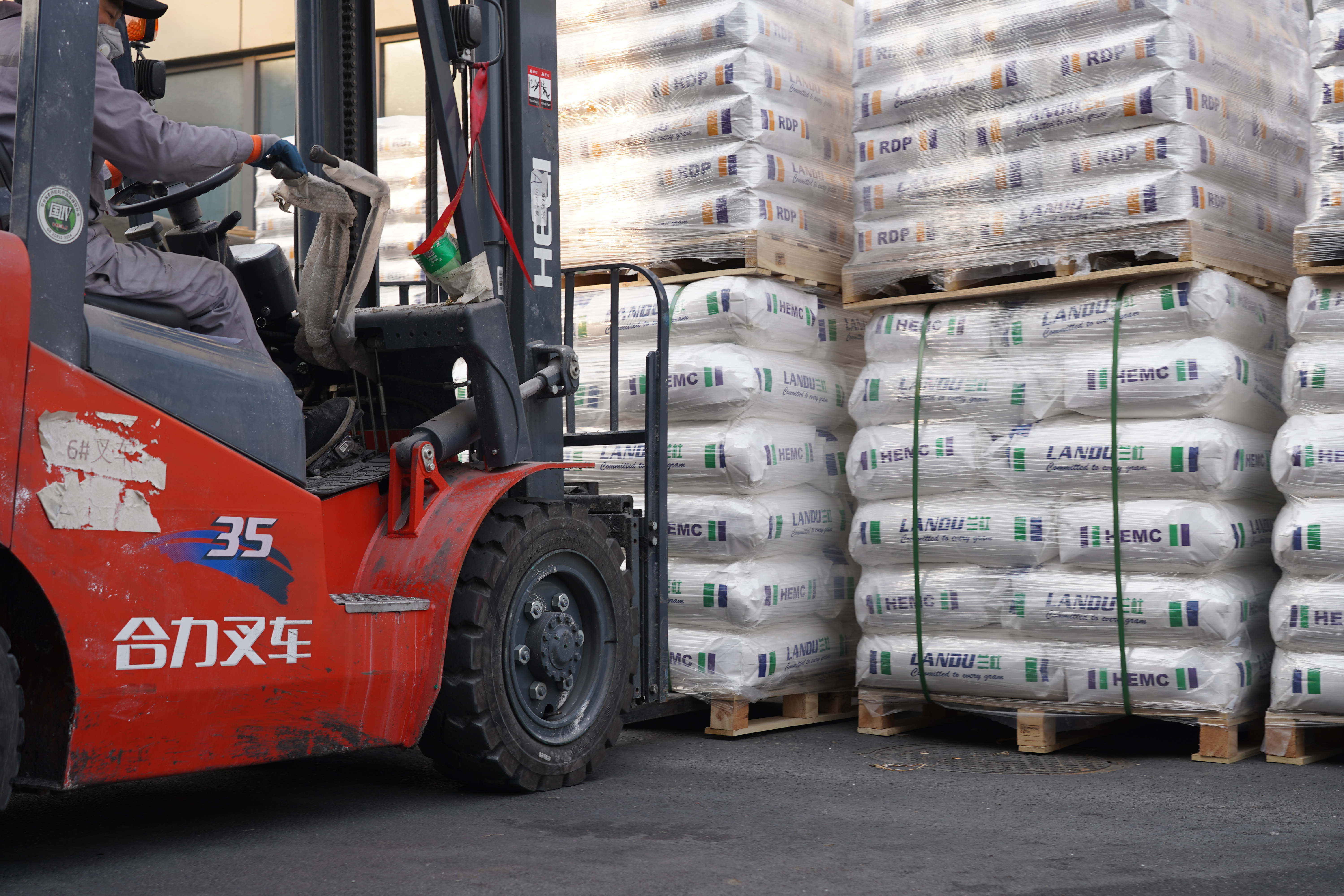 25 kg · Sealed · Food Grade
If your food product has sedimentation, water separation, oil separation, thin texture, freeze-thaw breakdown, dry texture, gummy texture, viscosity drift, or inconsistent batches, the cellulose ether type, grade, and dosage — and the broader formulation approach — may need to be reviewed.
LANDERCOLL can help evaluate suitable food-grade CMC, HPMC, and selected cellulose ether options based on your product type, pH, water level, solids content, protein system, fat level, processing method, storage conditions, and target texture.
Food-grade CMC and HPMC grade selection for your specific food stabilization application
Viscosity direction recommendation based on product type and target stability
Suspension stability support for particle-containing beverages, sauces, and dairy systems
Water management and syneresis reduction support for dairy, fillings, and sauce systems
Emulsion stability discussion for dressings, sauces, and plant-based food systems
Freeze-thaw stability discussion for frozen food applications
Texture and mouthfeel improvement for reduced-fat and specialty food systems
Documentation support including TDS, SDS, CoA, and food-grade compliance information
Sample and quotation communication for evaluation and commercial planning
LANDERCOLL provides comprehensive food-grade documentation to support food stabilization formulation testing, supplier approval, quality review, and regulatory assessment.
| Document | Availability |
|---|---|
| Teknisk datablad (TDS) | Available |
| Sikkerhedsdatablad (SDS) | Available |
| Certificate of Analysis (CoA) | Available |
| Product Specification | Available |
| Food-Grade Statement | Where applicable |
| Allergen Statement | Where applicable |
| GMO Statement | Where applicable |
| Halal / Kosher Information | Where applicable |
| Heavy Metals Information | Where applicable |
| Microbiological Data | Where applicable |
| Packaging and Storage Information | Available |
| Export-Related Documents | Where applicable |
Food-grade CMC and HPMC are the primary cellulose ethers used for food stabilization. CMC is widely used for viscosity control, suspension stability, water management, syneresis reduction, and texture stabilization across beverages, dairy products, sauces, dressings, frozen foods, and processed food systems. HPMC is especially valuable in bakery, gluten-free, frozen food, reduced-fat, and plant-based applications where moisture retention, thermal gelation behavior, and structural support are required.
CMC helps improve viscosity, product body, suspension stability, water management, reduced sedimentation, and smooth texture in selected food and beverage systems. It is effective at low dosage levels and provides a clean functional contribution without significantly altering the flavor or appearance of the food product.
HPMC supports moisture retention, structure, texture stability, and selected thermal behavior in bakery, gluten-free, frozen, reduced-fat, and processed food systems. Its non-ionic character makes it less sensitive to salt and acid interactions compared to CMC, which can be advantageous in certain food stabilization applications.
Yes. Cellulose ether can help improve water management and reduce syneresis or water separation in selected formulations by binding water within the food matrix and supporting the structural integrity of the food system. Final results depend on the complete formulation, pH, ionic strength, processing conditions, and storage environment.
Yes. Food-grade CMC can help suspend pulp, cocoa, spices, herbs, fibers, minerals, and other particles by improving water-phase viscosity and structure — reducing sedimentation and maintaining more uniform ingredient distribution throughout the product’s shelf life.
Cellulose ether can support water-phase viscosity and structure in emulsion systems, helping to slow oil droplet coalescence and phase separation. However, final emulsion stability also depends on emulsifier selection, oil level, homogenization conditions, pH, and the complete formulation design.
Yes. CMC and selected HPMC grades can support water control and texture stability in selected frozen food systems by binding water and limiting ice crystal growth. Final freeze-thaw performance depends on freezing rate, storage temperature, solids balance, and the complete formulation design.
Typical starting reference ranges are 0.05%–2.0%, depending on food category, target stability function, cellulose ether grade, water level, and processing method. Gluten-free bakery systems may require higher levels (0.5%–2.0%), while beverages typically use lower levels (0.05%–0.6%). Final dosage should always be confirmed through product trials and sensory evaluation.
No. Food applications require suitable food-grade cellulose ether with appropriate food safety documentation, regulatory compliance information, and customer qualification. Industrial-grade materials do not meet the purity, safety, and documentation requirements for food use.
Start with product type, primary stability challenge, pH, water level, salt and sugar level, fat content, protein system, starch system, processing method, storage conditions, target sensory profile, and food-grade documentation needs. LANDERCOLL can help recommend suitable CMC or HPMC grade directions for evaluation based on your specific food stabilization application.
Whether you produce drikkevarer, dairy products, sauces and dressings, bakery products, frozen foods, fillings and toppings, plant-based foods, reduced-fat products, or processed food systems — LANDERCOLL can help you choose suitable food-grade CMC or HPMC for viscosity control, suspension stability, water management, texture consistency, and shelf-life stability support.
Our food-grade cellulose ether portfolio is supported by full technical documentation, food safety compliance information, and dedicated application support — helping your food development and quality team achieve more consistent product stability from formulation trial to commercial production and throughout the full supply chain.
Food-Grade Cellulose Ethers for Food Stabilization, Texture Control, Fat Reduction, Bakery, Dairy, Sauces & Dressings, Frozen Foods, and Beverage Systems.
