Selüloz Eter Mükemmelliği — Dünya Genelinde 1000+ Kuruluş tarafından Güvenilir Ücretsiz Örnek Alın
LANDERCOLL HEC, CMC ve HPMC selüloz eter, sıvı deterjan üreticilerinin çamaşır sıvısı, bulaşık deterjanı, çok amaçlı temizleyici ve konsantre formatlarda güvenilir viskozite kontrolü, pürüzsüz doku, partikül süspansiyonu ve uzun vadeli formülasyon stabilitesi elde etmesine yardımcı olur.
Hazır kullanıma uygun sıvı çamaşır deterjanından konsantre jel tipi deterjanlara ve nötr ev temizleyicilerine kadar — doğru selüloz eter kalitesi, denizaşırı üreticiler ve kimyasal alıcılar için öngörülebilir reoloji, üstün ürün kıvamı ve tutarlı dökme davranışı sağlar.
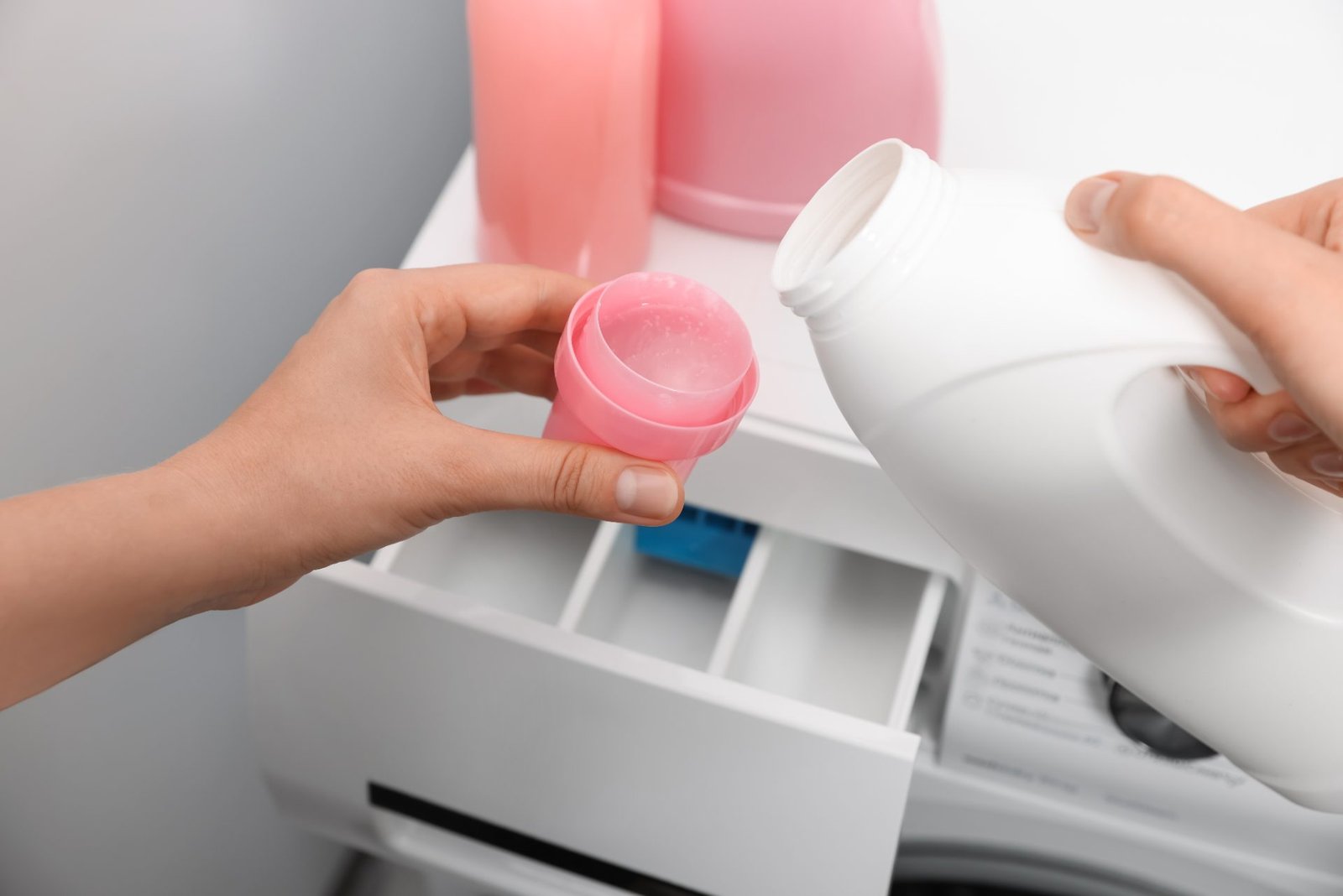
Çamaşır Deterjanı · Bulaşık Yıkama · Çok Amaçlı · Konsantre · Jel Tipi · Nötr Temizleyici
 Hızlı Cevap
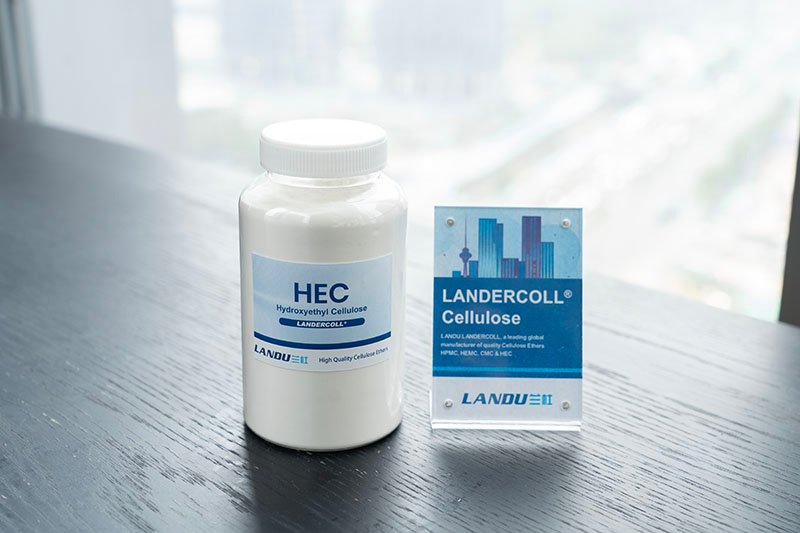
Hızlı CevapSelüloz eter — başlıca HEC — sıvı deterjanda iyonik olmayan bir koyulaştırıcı ve reoloji düzenleyici olarak kullanılır; viskoziteyi kontrol eder, partikül süspansiyonunu destekler, dökme davranışını iyileştirir ve depolama boyunca formülasyon stabilitesini korur. CMC, seçilmiş çamaşır sıvı sistemlerinde kir süspansiyonu ve yeniden birikme önleme desteği için kullanılır.
Denizaşırı sıvı deterjan üreticileri ve kimyasal alıcıları için temel performans, uyumluluk ve tedarik referansı.
Sıvı deterjan viskozitenizi veya stabilitesini iyileştirmek mi istiyorsunuz?
Sıvı Deterjan Tavsiyesi İsteyin Fiyat Teklifi İsteyin


Sıvı deterjan, yüzey aktif maddeler, yapıcılar, çözücüler, koku, koruyucular, viskozite değiştiriciler, stabilizatörler ve fonksiyonel katkı maddeleri ile formüle edilmiş su bazlı bir temizlik ürünüdür. Kumaş yıkama, bulaşık yıkama, sert yüzey temizliği, banyo temizliği, nötr temizlik ve genel ev temizliğinde kullanılır.
Selüloz eter koyulaştırma, reoloji kontrolü, süspansiyon stabilitesi, ürün dokusu ve genel kullanıcı deneyimini desteklemek için fonksiyonel bir polimer katkı maddesi olarak kullanılır. Mevcut tipler arasında, HEC (Hidroksietil Selüloz) iyonik olmayan yapısı ve geniş yüzey aktif madde uyumluluğu nedeniyle sıvı deterjan sistemlerinde en yaygın kullanılan kalitedir.
Viskozite yönetimiyle doğrudan bağlantılı iki yaygın arıza modu vardır: çok düşük viskozite — ince, sulu görünüm, faz ayrışması, zayıf süspansiyon; ve çok yüksek viskozite — zor pompalanma, dökülmesi güç, hatalı dozajlama. Selüloz eter, formülatörlere süspansiyonu ve pürüzsüz dokuyu desteklerken viskozite ve reolojiyi ayarlamak için güvenilir bir araç sağlar.
LANDERCOLL, dünya çapındaki sıvı deterjan üreticilerine ve ev temizlik ürünü formülatörlerine HEC, CMC ve seçilmiş selüloz eter kalitelerini tedarik eder; teknik veri sayfaları, güvenlik bilgi formları, analiz sertifikaları ve uygulama rehberliği ile desteklenir.
Sıvı deterjan, üretimden dağıtıma, perakende raf ömrü ve tüketici kullanımına kadar stabil kalmalıdır. Selüloz eter, sıvı deterjan üreticilerinin ürün kalitesini ve tüketici kabulünü tanımlayan viskozite, doku ve stabilite hedeflerine ulaşmasına yardımcı olur.
HEC is the primary choice for liquid detergent viscosity and texture. CMC supports selected laundry liquid systems. HPMC may be considered for specialty and gel-type formulations.
Birincil · İyonik Olmayan · HEC
Non-ionic cellulose ether for thickening, viscosity control, and liquid formulation stability.
HEC is the most widely used cellulose ether in liquid detergent and household cleaning systems. As a non-ionic, water-soluble polymer, HEC is compatible with a broad range of anionic, non-ionic, and amphoteric surfactant systems. It hydrates readily in water and builds viscosity efficiently at low dosage levels.
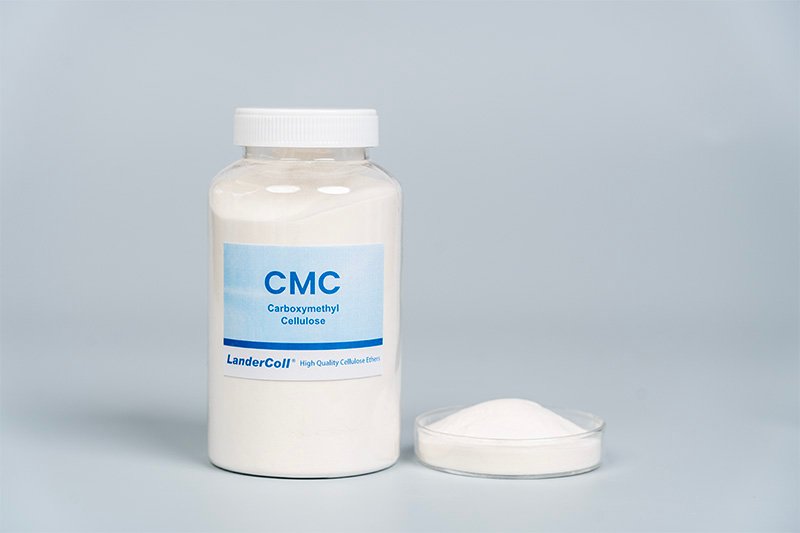 Anionic · CMC · Laundry Liquid
Anionic cellulose ether for suspension support and selected liquid detergent applications.
CMC is used in selected liquid detergent systems — particularly liquid laundry detergent — where soil suspension, anti-redeposition support, and formulation consistency are required. Önemli: CMC is anionic; compatibility with surfactant systems, electrolyte content, pH, and active matter must be confirmed through testing before scale-up.
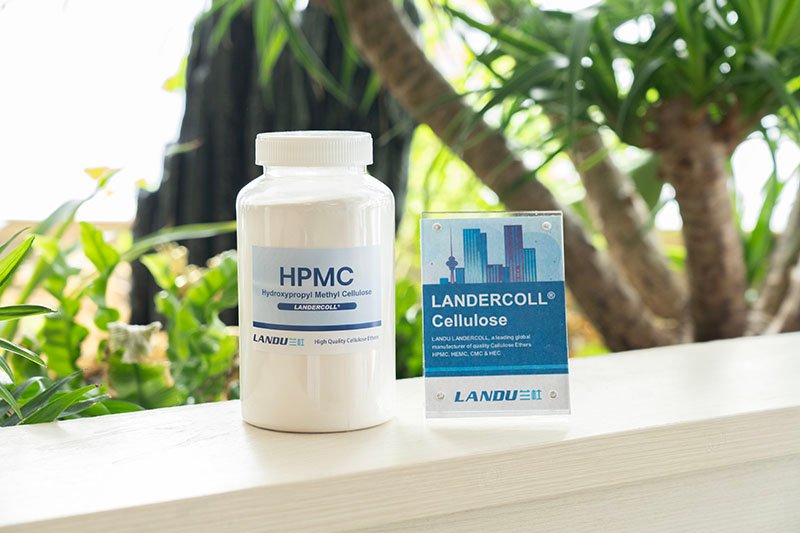 Özel · HPMC · Jel Sistemleri
Specialty cellulose ether for selected rheology and gel-type formulation requirements.
HPMC may be considered in selected liquid detergent or household cleaning systems where special thickening behavior, water-soluble polymer characteristics, or rheology adjustment is required. Its use is more application-specific and should be confirmed through formulation testing with surfactant type, solvent system, pH, electrolytes, fragrance, and preservatives.
The table below provides a general reference for common liquid detergent components and the role cellulose ether plays within the system.
| Bileşen | Function in Liquid Detergent |
|---|---|
| Su | Main solvent and carrier |
| Yüzey aktif maddeler | Cleaning, wetting, emulsifying, and foam properties |
| Selüloz Eter | Improves viscosity, texture, suspension, and stability |
| Builders / Chelating Agents | Cleaning efficiency and water hardness control |
| Solvents | Solubility, clarity, and cleaning performance |
| Koruyucular | Microbial protection for water-based formulas |
| Koku | Product scent |
| pH Ayarlayıcılar | pH control and formulation stability |
| Colorants / Opacifiers | Product appearance in selected formulas |
| Diğer Katkı Maddeleri | Foam, clarity, viscosity, stability, or special performance |
| Uygulama Türü | Önerilen Ürün | Ana Gereksinimler |
|---|---|---|
| Sıvı Çamaşır Deterjanı | HEC / CMC | Viscosity control, soil suspension, stability |
| Liquid Dishwashing Detergent | HEC | Thickening, smooth flow, stable appearance |
| Multipurpose Liquid Cleaner | HEC / seçili CMC | Viscosity, stability, easy application |
| Concentrated Liquid Detergent | HEC / seçilen selüloz eter | Rheology balance, high-active compatibility |
| Neutral Liquid Cleaner | HEC | Mild viscosity, clarity, smooth texture |
| Gel-Type Liquid Detergent | HEC / seçili HPMC | Gel body, suspension, controlled flow |
| Ev Temizlik Sıvısı | HEC / CMC / HPMC | Custom viscosity, stability, texture |
| Endüstriyel Sıvı Deterjan | HEC / seçilen selüloz eter | Process stability, viscosity, compatibility |
These dosage ranges are starting references only. Final dosage must be confirmed through viscosity testing, compatibility testing, storage stability testing, clarity evaluation, suspension testing, pouring behavior evaluation, and consumer-use trials.
| Uygulama | Tipik Referans Dozajı |
|---|---|
| Sıvı Çamaşır Deterjanı | 0.2% – 1.0% |
| Liquid Dishwashing Detergent | 0.2% – 0.8% |
| Multipurpose Liquid Cleaner | 0.1% – 0.8% |
| Concentrated Liquid Detergent | 0.2% – 0.8% |
| Neutral Liquid Cleaner | 0.1% – 0.6% |
| Gel-Type Liquid Detergent | 0.3% – 1.2% |
| Ev Temizlik Sıvısı | 0.1% – 1.0% |
| Endüstriyel Sıvı Deterjan | Depends on viscosity target |
Cellulose ether influences viscosity development, product texture, suspension behavior, pouring performance, and long-term storage stability in water-based liquid detergent systems.
HEC and selected cellulose ether grades help adjust liquid detergent viscosity to a defined target range. Proper viscosity control supports better product body, improved dosing behavior, and a more premium consumer experience. Without adequate control, liquid detergent may appear thin, separate during storage, or fail to meet quality specifications.
Cellulose ether provides water-based thickening and helps eliminate the watery appearance that can reduce perceived product quality. Even at 0.2%–0.5%, HEC can significantly improve product body in surfactant-rich liquid systems.
Liquid detergents may contain insoluble particles, opacifiers, fragrance droplets, or functional additives requiring suspension support. Cellulose ether helps maintain uniform distribution and reduces settling or phase separation during storage.
A smooth and uniform texture improves consumer acceptance and perceived quality — creating more consistent liquid structure, better flow behavior, and a more pleasant tactile experience during dispensing.
Good rheology allows liquid detergent to pour cleanly without being too thin (dripping, splashing) or too stringy (slow, difficult to dose). The right grade and dosage balance viscosity and flow for optimal pouring performance.
Cellulose ether supports stable appearance and viscosity during storage when matched with surfactant system, electrolyte level, pH, and processing method — critical for long shelf-life and temperature-variable distribution.
When liquid detergent fails viscosity, stability, or production quality targets, cellulose ether grade, dosage, hydration, or compatibility is often the first variable to review.
Low thickener level or unsuitable viscosity system.
HEC supports viscosity control and product body.
Weak rheology or particle settling.
Cellulose ether supports suspension stability.
Surfactant, electrolyte, or polymer incompatibility.
Optimize grade selection and formulation balance.
pH, salt, temperature, or surfactant interaction.
Test suitable grade and confirm dosage.
Excessive viscosity or poor rheology profile.
Adjust viscosity grade and dosage.
Poor dispersion or insufficient hydration.
Improve addition process and mixing sequence.
Incompatibility with surfactants, fragrance, or salts.
Confirm compatibility through systematic testing.
Excessive polymer dosage or unsuitable grade.
Reduce dosage or select different viscosity grade.
Understanding these variables helps formulators make better grade selections and avoid common compatibility and stability problems in liquid detergent production.
Anionic, non-ionic, amphoteric, and mixed surfactant systems affect hydration rate, compatibility, clarity, and final viscosity. Non-ionic HEC generally shows broader compatibility than anionic CMC in mixed systems.
Salt, builders, and other electrolytes can significantly influence viscosity response and long-term stability — particularly for anionic CMC. High electrolyte levels may require grade adjustment.
Liquid detergent pH affects polymer performance, preservative function, and overall stability. Most cellulose ether grades perform across a broad pH range, but extreme values should be confirmed through testing.
High-active concentrated formats may require special rheology balancing. Cellulose ether dosage and grade selection may need adjustment for high-active systems.
Solvents affect hydration rate, clarity, viscosity development, and product feel. Solvent type and level should be considered during grade selection.
Fragrance oils and preservatives may affect clarity, viscosity, and stability in sensitive formulations. These interactions should be evaluated during development.
Addition sequence, hydration time, mixing speed, and water temperature affect dispersion and viscosity development. Proper addition method is critical to avoiding lumps and achieving consistent batch quality.
Temperature changes — including freeze-thaw cycles and high-temperature warehousing — may affect viscosity, appearance, and stability. Storage stability testing under relevant conditions is recommended.
Choosing the right cellulose ether requires balancing viscosity target, flow behavior, storage stability, clarity requirements, suspension needs, surfactant compatibility, and processing method.
 Sınıf Seçim Rehberi
LANDERCOLL can review your liquid detergent formulation direction and recommend suitable HEC, CMC, or selected cellulose ether grades for testing.
What type of liquid detergent are you producing?
Is the formulation clear, opaque, pearlescent, or gel-like?
Anionic, non-ionic, amphoteric, or mixed?
What is the target pH range of the formulation?
What electrolyte or salt level is included?
What viscosity (mPa·s or cP) at what shear rate?
Do you need particle suspension or anti-redeposition?
Is the formula concentrated or ready-to-use?
What mixing process and equipment are available?
What temperature range and shelf life are required?
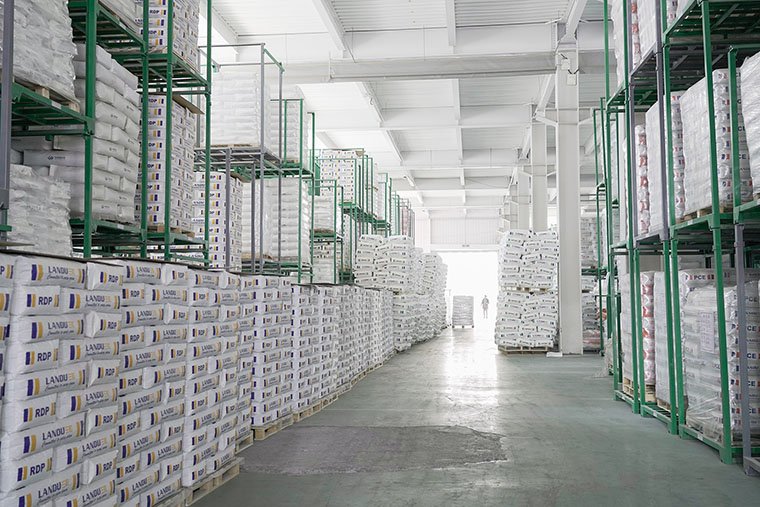
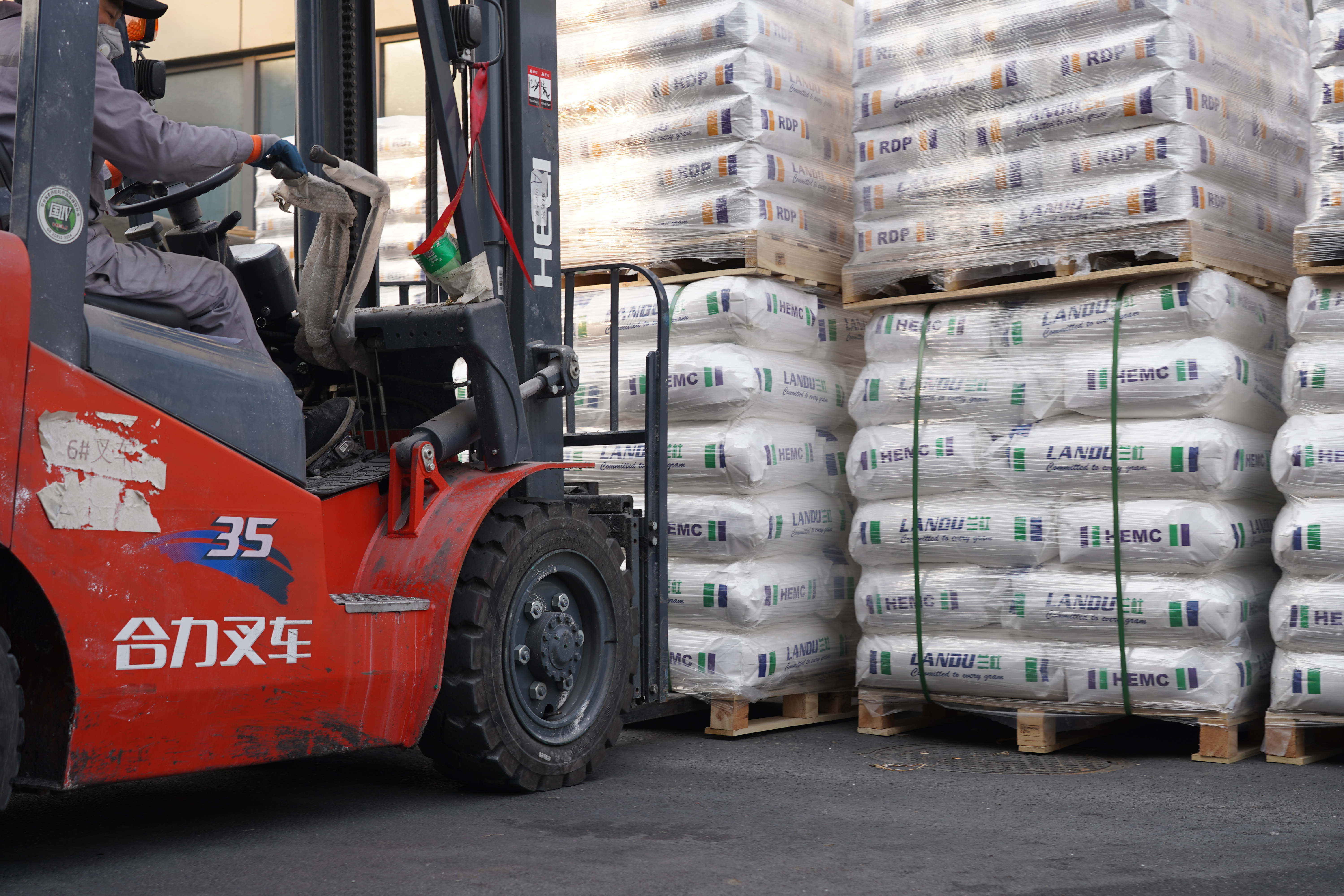

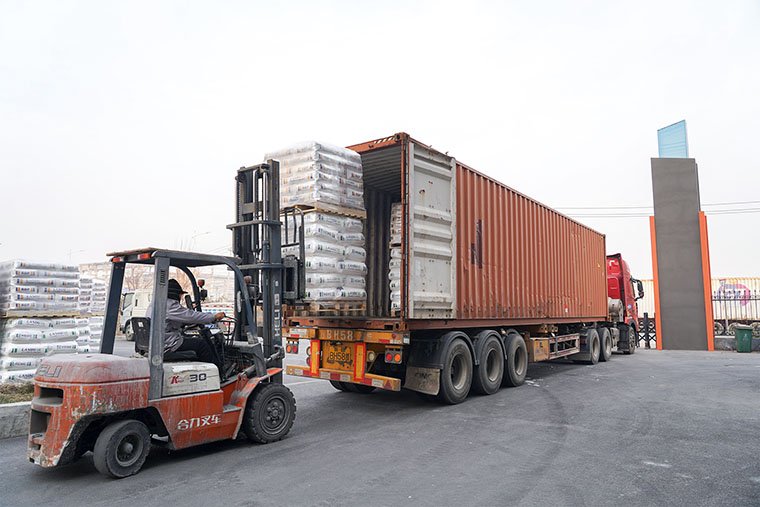
Supporting liquid detergent development with complete technical documentation.
— LANDERCOLL Ar-Ge —LANDERCOLL provides product-related documentation to support liquid detergent formulation testing, purchasing review, quality approval, and import compliance.
Formülasyon incelemesi, kalite onayı ve ithalat uyumluluğunu desteklemek için talep üzerine tüm belgeler sağlanır.
HEC selection for viscosity control and thickening
CMC selection for suspension and laundry-related support
Thickening and rheology adjustment guidance
Storage stability discussion and testing direction
Compatibility testing direction with surfactants and electrolytes
Dozaj referansı ve başlangıç noktası önerileri
Sample supply and technical documentation (TDS, SDS, COA)
Quotation and export supply chain communication
If your liquid detergent is too thin, separates during storage, loses viscosity over time, forms lumps during production, shows poor suspension, becomes difficult to pour, or has unstable appearance — the cellulose ether grade or dosage may need to be reviewed.
LANDERCOLL can help evaluate suitable HEC, CMC, and selected cellulose ether options based on your surfactant system, pH, electrolyte level, active matter content, viscosity target, and processing method.
HEC (Hydroxyethyl Cellulose) is the most commonly used cellulose ether in liquid detergent for viscosity control, thickening, suspension stability, and smooth texture. CMC may be used in selected liquid laundry systems for soil suspension and anti-redeposition. HPMC may be considered in specialty or gel-type formats.
HEC improves viscosity, creates smooth product texture, supports suspension of particles and opacifiers, improves pouring and dosing behavior, and helps maintain formulation appearance during storage. As a non-ionic polymer, HEC is compatible with a broad range of surfactant systems.
Yes. CMC can be used in selected liquid detergent systems, particularly liquid laundry detergent, where soil suspension and anti-redeposition support are required. Because CMC is anionic, compatibility with surfactant system, electrolyte level, and pH must be confirmed through testing before scale-up.
A common reference dosage range is 0.1%–1.2% by weight, depending on detergent type, viscosity target, grade, surfactant system, and electrolyte level. Gel-type systems may use up to 1.2%; neutral cleaners may require 0.1%–0.6%. Final dosage must be confirmed through testing.
Viscosity loss may be caused by surfactant incompatibility, elevated electrolyte levels, pH changes, temperature fluctuations, poor initial hydration, microbial degradation, or unsuitable cellulose ether grade. Systematic storage stability testing under relevant temperature conditions is recommended.
Cellulose ether selection may support clarity in some formulations, but final clarity depends on surfactant type, solvents, fragrance, salt level, polymer grade, and processing. HEC is generally more compatible with clear targets than CMC in many systems, but this must be confirmed through testing.
Lumps or fish eyes typically occur when cellulose ether is added too quickly, poorly dispersed before hydration, or not given sufficient mixing time. Optimize addition method — pre-dispersing in compatible solvent or adding slowly under agitation helps prevent lump formation.
Define your detergent type, surfactant system, pH range, electrolyte level, clarity target, viscosity target, storage requirements, and mixing process. Contact LANDERCOLL with these parameters — our technical team can recommend suitable HEC, CMC, or selected grades and provide samples for testing.
Whether you produce liquid laundry detergent, liquid dishwashing detergent, multipurpose liquid cleaner, concentrated detergent, neutral cleaner, gel-type detergent, or customized household cleaning liquids — LANDERCOLL cellulose ether helps you achieve better viscosity control, suspension stability, smooth texture, and formulation consistency.
Contact LANDERCOLL today to receive a product recommendation, request samples, or get a competitive quote for your liquid detergent formulation project.
