Excelência em Éter de Celulose — Confiável por mais de 1000 empresas globalmente Obter amostra grátis




HEC (Hydroxyethyl Cellulose) is the primary cellulose ether used in architectural coatings. It functions as a water-phase thickener and rheology modifier that builds viscosity, stabilizes pigments and fillers against settling, improves brush and roller application performance, supports leveling, reduces sagging on vertical surfaces, and maintains stable in-can consistency throughout storage.
LANDERCOLL HEC helps architectural coating manufacturers improve thickening efficiency, viscosity control, pigment and filler suspension, brush and roller application, leveling support, anti-sag behavior, and in-can stability across interior, exterior, latex, emulsion, primer, undercoat, texture, and façade coating systems.
From interior wall paints and primers to exterior façade coatings and texture systems — the right HEC grade delivers dependable water-phase thickening, stable rheology, and predictable application performance across the full architectural coatings portfolio.
— HEC · Thickening · Rheology · Pigment Suspension · Anti-Sag · Architectural Coatings · Water-Based
 HEC · Architectural Coatings
Thickening, suspension, and application performance for water-based architectural coatings.
HEC bridges in-can stability and field application performance — from storage through brush and roller application to the finished architectural coating film.
Architectural coatings are paints and coatings applied to buildings for decorative, protective, and functional purposes. They represent one of the largest segments of the global coatings industry and are used across residential, commercial, industrial, and public construction projects on a wide range of interior and exterior surfaces.
Architectural coatings encompass a broad family of products including interior wall paint, exterior wall paint, latex paint, emulsion paint, primers, sealers, undercoats, texture coatings, façade coatings, masonry coatings, and decorative wall coatings. They are applied to interior walls, exterior façades, ceilings, plaster, concrete, cement render, drywall, gypsum board, masonry, and other prepared building surfaces.
A typical architectural coating formulation includes polymer emulsion, titanium dioxide, pigments, fillers, water, dispersants, wetting agents, defoamers, preservatives, pH modifiers, coalescing agents, rheology modifiers, and cellulose ether.
Cellulose ether — specifically HEC (Hydroxyethyl Cellulose) — is used in architectural coatings as the primary water-phase thickener and rheology modifier. It builds viscosity and coating body, stabilizes pigments and fillers against settling, improves brush and roller application behavior, supports leveling, helps reduce sagging on vertical surfaces, and maintains stable in-can consistency during production, storage, and distribution.
cURL Too many subrequests by single Worker invocation. To configure this limit, refer to https://developers.cloudflare.com/workers/wrangler/configuration/#limits
cURL Too many subrequests by single Worker invocation. To configure this limit, refer to https://developers.cloudflare.com/workers/wrangler/configuration/#limits
cURL Too many subrequests by single Worker invocation. To configure this limit, refer to https://developers.cloudflare.com/workers/wrangler/configuration/#limits
cURL Too many subrequests by single Worker invocation. To configure this limit, refer to https://developers.cloudflare.com/workers/wrangler/configuration/#limits
cURL Too many subrequests by single Worker invocation. To configure this limit, refer to https://developers.cloudflare.com/workers/wrangler/configuration/#limits
cURL Too many subrequests by single Worker invocation. To configure this limit, refer to https://developers.cloudflare.com/workers/wrangler/configuration/#limits
HEC (Hydroxyethyl Cellulose) is the primary LANDERCOLL cellulose ether product for architectural coating applications. It is widely used across interior wall paints, exterior wall coatings, latex paints, emulsion coatings, primers, undercoats, texture coatings, and façade coatings because it delivers reliable thickening, stable viscosity development, pigment and filler suspension, and controlled application behavior in polymer emulsion systems.
 HEC · Non-Ionic · Water-Soluble
HEC is a non-ionic, water-soluble cellulose ether. Its non-ionic character provides broad compatibility with the anionic dispersants, surfactants, and polymer emulsions used in water-based architectural coating formulations. It hydrates readily in water and builds viscosity efficiently, providing consistent thickening performance across a wide range of coating types, quality levels, and pigment volume concentrations.
In architectural coatings, HEC helps improve coating body, reduce pigment and filler settling, support smooth brush and roller application, and maintain stable consistency during production, storage, and distribution.
Architectural coating formulations vary by binder type, pigment volume concentration, application area, substrate condition, and target performance standard.
| Componente | Function in Architectural Coatings |
|---|---|
| cURL Too many subrequests by single Worker invocation. To configure this limit, refer to https://developers.cloudflare.com/workers/wrangler/configuration/#limits | cURL Too many subrequests by single Worker invocation. To configure this limit, refer to https://developers.cloudflare.com/workers/wrangler/configuration/#limits |
| Titanium Dioxide | Provides whiteness and hiding power. |
| cURL Too many subrequests by single Worker invocation. To configure this limit, refer to https://developers.cloudflare.com/workers/wrangler/configuration/#limits | cURL Too many subrequests by single Worker invocation. To configure this limit, refer to https://developers.cloudflare.com/workers/wrangler/configuration/#limits |
| cURL Too many subrequests by single Worker invocation. To configure this limit, refer to https://developers.cloudflare.com/workers/wrangler/configuration/#limits | Adjust opacity, body, texture, cost balance, and coating properties. |
| Água | cURL Too many subrequests by single Worker invocation. To configure this limit, refer to https://developers.cloudflare.com/workers/wrangler/configuration/#limits |
| cURL Too many subrequests by single Worker invocation. To configure this limit, refer to https://developers.cloudflare.com/workers/wrangler/configuration/#limits | Help disperse pigments and fillers uniformly. |
| cURL Too many subrequests by single Worker invocation. To configure this limit, refer to https://developers.cloudflare.com/workers/wrangler/configuration/#limits | Improve substrate wetting and pigment dispersion. |
| Antiespumantes | cURL Too many subrequests by single Worker invocation. To configure this limit, refer to https://developers.cloudflare.com/workers/wrangler/configuration/#limits |
| Conservantes | cURL Too many subrequests by single Worker invocation. To configure this limit, refer to https://developers.cloudflare.com/workers/wrangler/configuration/#limits |
| pH Modifiers | Adjust formulation pH and system stability. |
| cURL Too many subrequests by single Worker invocation. To configure this limit, refer to https://developers.cloudflare.com/workers/wrangler/configuration/#limits | Support film formation in selected systems. |
| cURL Too many subrequests by single Worker invocation. To configure this limit, refer to https://developers.cloudflare.com/workers/wrangler/configuration/#limits | Improves viscosity, rheology, suspension, and application performance. |
| Outros aditivos | Adjust leveling, open time, water resistance, durability, or special functions. |
Different architectural coating systems require different viscosity profiles, suspension strength, and application performance characteristics.
| Architectural Coating Type | Direção de produto recomendada | Principais requisitos de desempenho |
|---|---|---|
| Interior Architectural Coatings | HEC | Smooth application, viscosity control, pigment suspension. |
| cURL Too many subrequests by single Worker invocation. To configure this limit, refer to https://developers.cloudflare.com/workers/wrangler/configuration/#limits | HEC | Anti-sag support, coating body, storage stability. |
| cURL Too many subrequests by single Worker invocation. To configure this limit, refer to https://developers.cloudflare.com/workers/wrangler/configuration/#limits | cURL Too many subrequests by single Worker invocation. To configure this limit, refer to https://developers.cloudflare.com/workers/wrangler/configuration/#limits | Brushability, roller application, leveling support. |
| Emulsion Coatings | HEC | Stable viscosity, pigment suspension, in-can stability. |
| cURL Too many subrequests by single Worker invocation. To configure this limit, refer to https://developers.cloudflare.com/workers/wrangler/configuration/#limits | Low to medium viscosity HEC | Flow control, penetration balance, stable consistency. |
| Undercoats | cURL Too many subrequests by single Worker invocation. To configure this limit, refer to https://developers.cloudflare.com/workers/wrangler/configuration/#limits | Body, coverage support, filler suspension. |
| cURL Too many subrequests by single Worker invocation. To configure this limit, refer to https://developers.cloudflare.com/workers/wrangler/configuration/#limits | Medium to high viscosity HEC | cURL Too many subrequests by single Worker invocation. To configure this limit, refer to https://developers.cloudflare.com/workers/wrangler/configuration/#limits |
| cURL Too many subrequests by single Worker invocation. To configure this limit, refer to https://developers.cloudflare.com/workers/wrangler/configuration/#limits | HEC | cURL Too many subrequests by single Worker invocation. To configure this limit, refer to https://developers.cloudflare.com/workers/wrangler/configuration/#limits |
cURL Too many subrequests by single Worker invocation. To configure this limit, refer to https://developers.cloudflare.com/workers/wrangler/configuration/#limits
cURL Too many subrequests by single Worker invocation. To configure this limit, refer to https://developers.cloudflare.com/workers/wrangler/configuration/#limits
cURL Too many subrequests by single Worker invocation. To configure this limit, refer to https://developers.cloudflare.com/workers/wrangler/configuration/#limits
cURL Too many subrequests by single Worker invocation. To configure this limit, refer to https://developers.cloudflare.com/workers/wrangler/configuration/#limits
cURL Too many subrequests by single Worker invocation. To configure this limit, refer to https://developers.cloudflare.com/workers/wrangler/configuration/#limits
cURL Too many subrequests by single Worker invocation. To configure this limit, refer to https://developers.cloudflare.com/workers/wrangler/configuration/#limits
cURL Too many subrequests by single Worker invocation. To configure this limit, refer to https://developers.cloudflare.com/workers/wrangler/configuration/#limits
cURL Too many subrequests by single Worker invocation. To configure this limit, refer to https://developers.cloudflare.com/workers/wrangler/configuration/#limits
cURL Too many subrequests by single Worker invocation. To configure this limit, refer to https://developers.cloudflare.com/workers/wrangler/configuration/#limits
cURL Too many subrequests by single Worker invocation. To configure this limit, refer to https://developers.cloudflare.com/workers/wrangler/configuration/#limits
cURL Too many subrequests by single Worker invocation. To configure this limit, refer to https://developers.cloudflare.com/workers/wrangler/configuration/#limits
Insufficient thickener, poor hydration, unsuitable grade.
Improve viscosity build and coating body.
cURL Too many subrequests by single Worker invocation. To configure this limit, refer to https://developers.cloudflare.com/workers/wrangler/configuration/#limits
Support pigment and filler suspension.
Poor suspension system, low viscosity, additive incompatibility.
cURL Too many subrequests by single Worker invocation. To configure this limit, refer to https://developers.cloudflare.com/workers/wrangler/configuration/#limits
Low viscosity, poor rheology balance, excessive water.
Support controlled application behavior.
Weak structure, high film thickness, low thickener efficiency.
Improve body and anti-sag support.
cURL Too many subrequests by single Worker invocation. To configure this limit, refer to https://developers.cloudflare.com/workers/wrangler/configuration/#limits
Support flow and leveling balance.
Poor filler dispersion, unsuitable viscosity, unstable formulation.
Support smoother application behavior.
Poor hydration, pH effects, surfactant or preservative impact.
cURL Too many subrequests by single Worker invocation. To configure this limit, refer to https://developers.cloudflare.com/workers/wrangler/configuration/#limits
Understanding the variables that influence HEC behavior in architectural coatings helps formulators make better grade selections, optimize dosage, and avoid common production and stability problems.
Different polymer emulsions — acrylic, styrene-acrylic, VAE, pure acrylic — affect viscosity response, compatibility, film formation, and final coating performance.
TiO₂, CaCO₃, kaolin, talc, silica, and colored pigments each have different densities and surface characteristics that influence suspension demand and viscosity requirements.
High-PVC architectural coatings typically require stronger suspension support and greater coating body control. Medium to high viscosity HEC grades at upper dosage range are often needed.
Brush, roller, spray, and trowel application each require different viscosity and flow behavior. HEC grade and dosage should be matched to the intended application method.
Formulation pH and the timing of pH adjustment during production can influence HEC hydration rate, viscosity development, and long-term stability.
Dispersants and surfactants affect pigment dispersion quality, foam behavior, viscosity development, and compatibility with HEC.
Preservatives and defoamers may influence viscosity stability, foam control, and formulation compatibility — particularly for premium or sensitive formulations.
HEC must be properly dispersed and fully hydrated to deliver target viscosity. Pre-dispersing HEC in water before adding pigments and fillers is a common best practice.
Too little HEC may not provide sufficient thickening or suspension. Too much may reduce leveling, increase roller resistance, or create excessive brush drag.
Choosing the right HEC grade requires balancing viscosity target, pigment and filler suspension needs, application method, leveling requirements, anti-sag support, and storage stability.
What type of architectural coating are you producing? (interior, exterior, primer, undercoat, façade, texture)
What target viscosity range (mPa·s or KU) do you need?
What polymer emulsion system is used?
cURL Too many subrequests by single Worker invocation. To configure this limit, refer to https://developers.cloudflare.com/workers/wrangler/configuration/#limits
What PVC level does the formulation have?
Do you need better leveling, stronger suspension, or anti-sag support?
cURL Too many subrequests by single Worker invocation. To configure this limit, refer to https://developers.cloudflare.com/workers/wrangler/configuration/#limits
What pH range and additive system are used?
What production process and hydration time are available?
What storage stability requirement is needed? (temperature range, shelf life duration)
LANDERCOLL can help review your architectural coating formulation direction and recommend a suitable HEC grade for testing. Contact our technical team with your formulation parameters to receive a targeted product recommendation.
Solicite Apoio TécnicoLANDERCOLL HEC for architectural coatings is supplied in industrial packaging suitable for coating production, transportation, and storage.
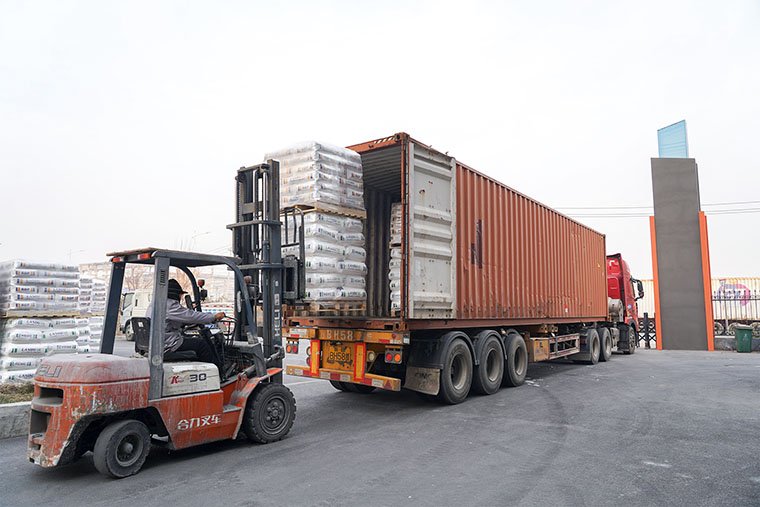
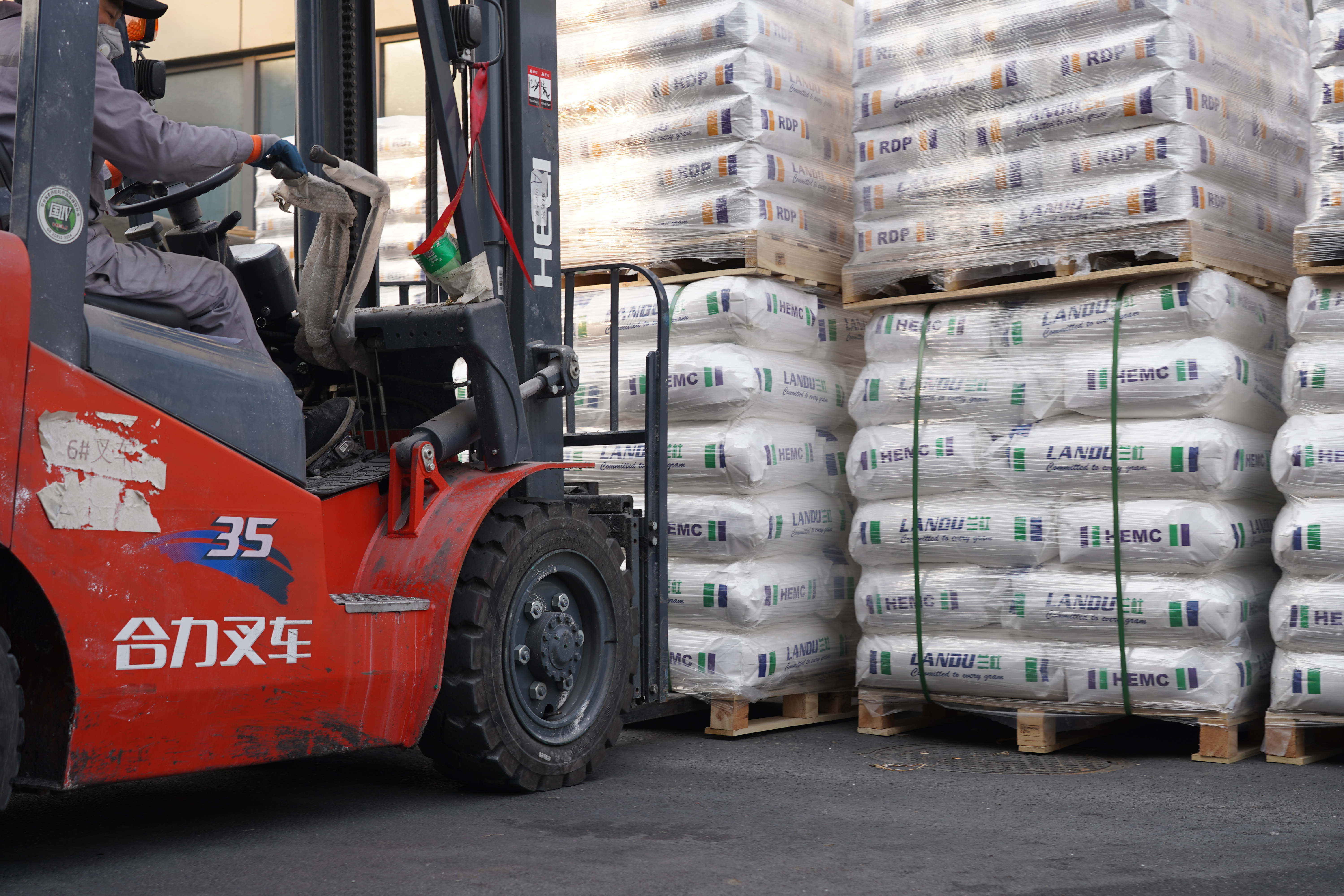
LANDERCOLL provides product-related documentation to support architectural coating formulation testing, purchasing review, and internal approval processes.
If your architectural coating has low viscosity, pigment or filler settling, storage separation, poor leveling, roller spatter, sagging on vertical surfaces, rough application feel, or unstable viscosity during storage, the HEC grade or dosage may need to be reviewed.
cURL Too many subrequests by single Worker invocation. To configure this limit, refer to https://developers.cloudflare.com/workers/wrangler/configuration/#limits
HEC grade selection for target viscosity and rheology profile.
cURL Too many subrequests by single Worker invocation. To configure this limit, refer to https://developers.cloudflare.com/workers/wrangler/configuration/#limits
Brushability and roller application improvement.
Leveling and anti-sag performance guidance.
Façade and exterior coating stability support.
cURL Too many subrequests by single Worker invocation. To configure this limit, refer to https://developers.cloudflare.com/workers/wrangler/configuration/#limits
cURL Too many subrequests by single Worker invocation. To configure this limit, refer to https://developers.cloudflare.com/workers/wrangler/configuration/#limits
cURL Too many subrequests by single Worker invocation. To configure this limit, refer to https://developers.cloudflare.com/workers/wrangler/configuration/#limits
HEC (Hydroxyethyl Cellulose) is the most widely used cellulose ether in architectural coatings. It is used to improve thickening, viscosity control, pigment and filler suspension, rheology behavior, brush and roller application performance, and storage stability across interior wall paints, exterior wall coatings, latex paints, emulsion coatings, primers, undercoats, texture coatings, and façade coatings.
HEC builds viscosity in the water phase of the coating, stabilizes pigments and fillers against settling, improves brush and roller application consistency, supports leveling, helps reduce sagging on vertical wall and façade surfaces, and maintains stable in-can viscosity during storage. As a non-ionic polymer, HEC is compatible with the anionic dispersants and polymer emulsions used in water-based architectural coating systems.
Without adequate thickening, architectural coatings lack the body and structure needed to remain stable during storage and perform consistently during application. Pigments and fillers settle, the coating appears thin and watery, roller spatter increases, sagging occurs on vertical surfaces, and leveling deteriorates. Cellulose ether provides the water-phase thickening and rheology control that makes architectural coatings stable, consistent, and easy to apply.
cURL Too many subrequests by single Worker invocation. To configure this limit, refer to https://developers.cloudflare.com/workers/wrangler/configuration/#limits
cURL Too many subrequests by single Worker invocation. To configure this limit, refer to https://developers.cloudflare.com/workers/wrangler/configuration/#limits
cURL Too many subrequests by single Worker invocation. To configure this limit, refer to https://developers.cloudflare.com/workers/wrangler/configuration/#limits
cURL Too many subrequests by single Worker invocation. To configure this limit, refer to https://developers.cloudflare.com/workers/wrangler/configuration/#limits
cURL Too many subrequests by single Worker invocation. To configure this limit, refer to https://developers.cloudflare.com/workers/wrangler/configuration/#limits
Start by defining your coating type, target viscosity, binder system, pigment and filler loading, PVC level, pH range, additive system, application method, and storage stability requirement. Then contact LANDERCOLL with these parameters — our technical team can recommend suitable HEC grades and provide samples for formulation evaluation.
cURL Too many subrequests by single Worker invocation. To configure this limit, refer to https://developers.cloudflare.com/workers/wrangler/configuration/#limits
cURL Too many subrequests by single Worker invocation. To configure this limit, refer to https://developers.cloudflare.com/workers/wrangler/configuration/#limits
 English English
  العربية
 Deutsch
 Українська
 Ελληνικά
 Español
 Español de Perú
 Français
 Magyar
 Bahasa Indonesia
 Italiano
 Português
 Türkçe
 Русский
 Nederlands
 Slovenčina
 Svenska
 Български
 Čeština
 Dansk
Dansk
 Eesti
Eesti
 Suomi
Suomi
 日本語
日本語
 한국어
한국어
 Lietuvių kalba
 Latviešu valoda
 Norsk bokmål
 Polski
 Português do Brasil
 Română
 Slovenščina
