Ekskluzywna celuloza eteryczna — Zaufana przez ponad 1000 firm na całym świecie Pobierz bezpłatną próbkę

Zastosowanie HPMC w gipsie/tynku: Zwiększenie wytrzymałości, urabialności i trwałości

Wprowadzenie

Tynk gipsowy jest szeroko stosowany w budownictwie ze względu na gładkie wykończenie, krótki czas wiązania oraz właściwości ognioodporne. Często jednak boryka się z problemami, takimi jak pękanie, słaba przyczepność, skurcz oraz szybka utrata wilgoci.
To właśnie tutaj kluczową rolę odgrywa Hydroksypropylometyloceluloza (HPMC). HPMC poprawia retencję wody, urabialność, przyczepność i trwałość, ułatwiając nakładanie tynku gipsowego oraz zapewniając trwałe, bezbłędne wykończenie.

W tym artykule przyjrzymy się:

Let’s dive in!
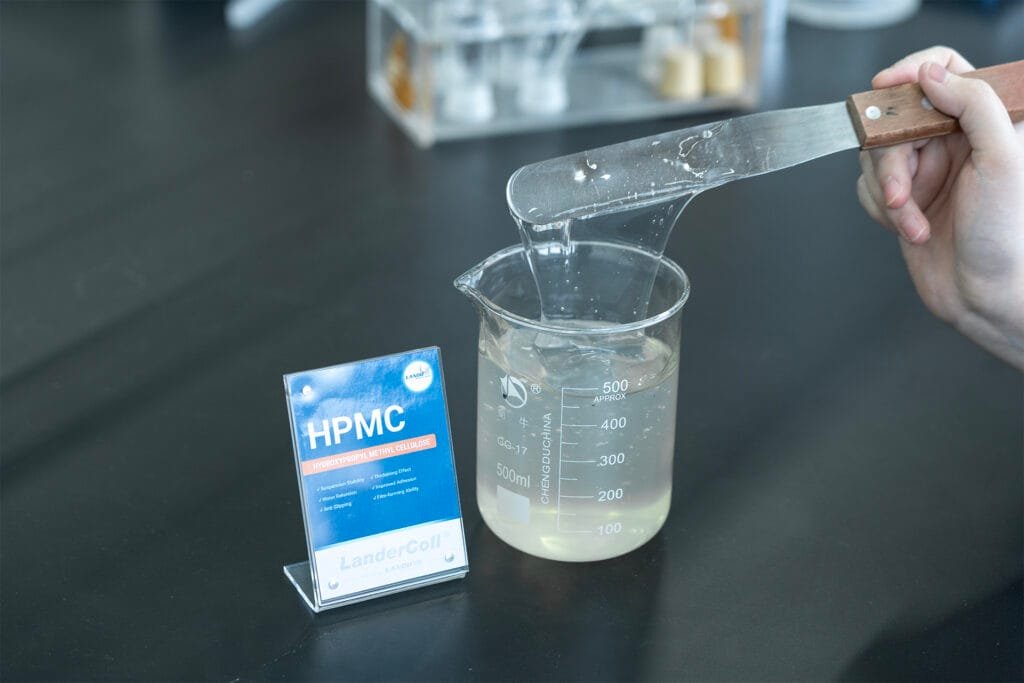
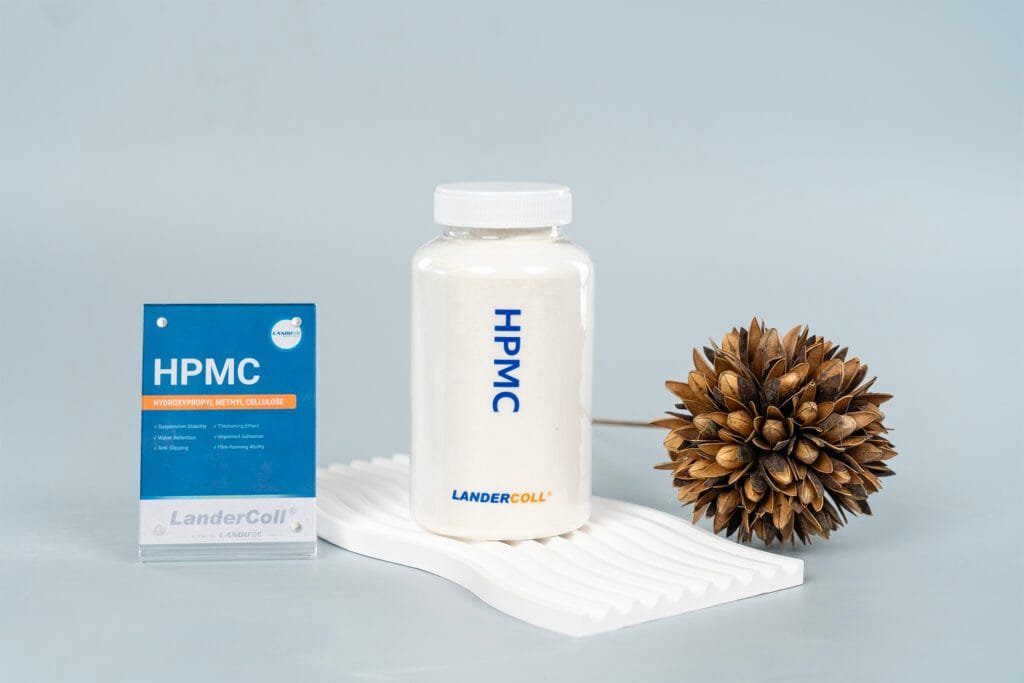
HPMC jest niejonowym eterem celulozy pochodzącym z naturalnych włókien roślinnych. Ze względu na doskonałe właściwości zatrzymywania wody, zagęszczania i przyczepności jest szeroko stosowany w budownictwie, farmacji, przemyśle spożywczym i kosmetycznym.

Skład chemiczny HPMC

HPMC-Hydroxypropyl-Methyl-Cellulose
HPMC-Hydroxypropyl-Methyl-Cellulose-24
hpmc-factory
HPMC is essential in gypsum-based plasters, improving their strength, workability, and longevity.

Why is HPMC Used in Gypsum Plaster?

Tynk gipsowy must be easy to apply, strong, and durable. HPMC ensures these properties by enhancing:

1. Water Retention

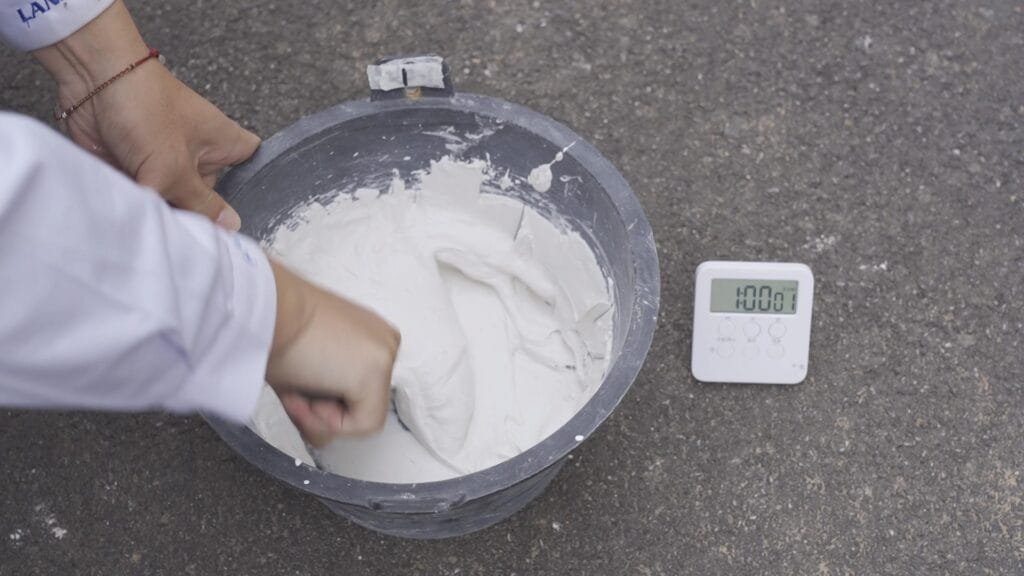
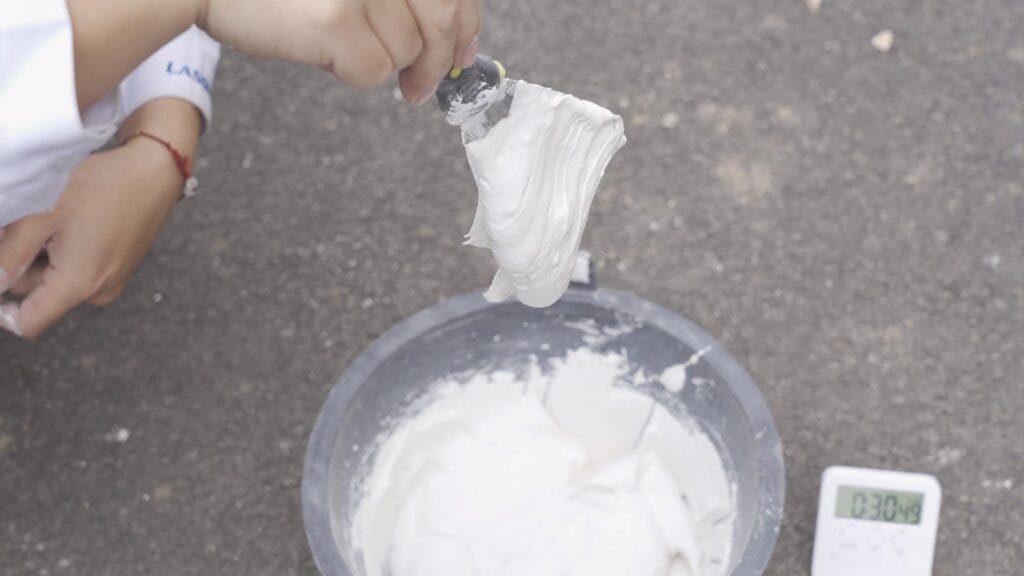
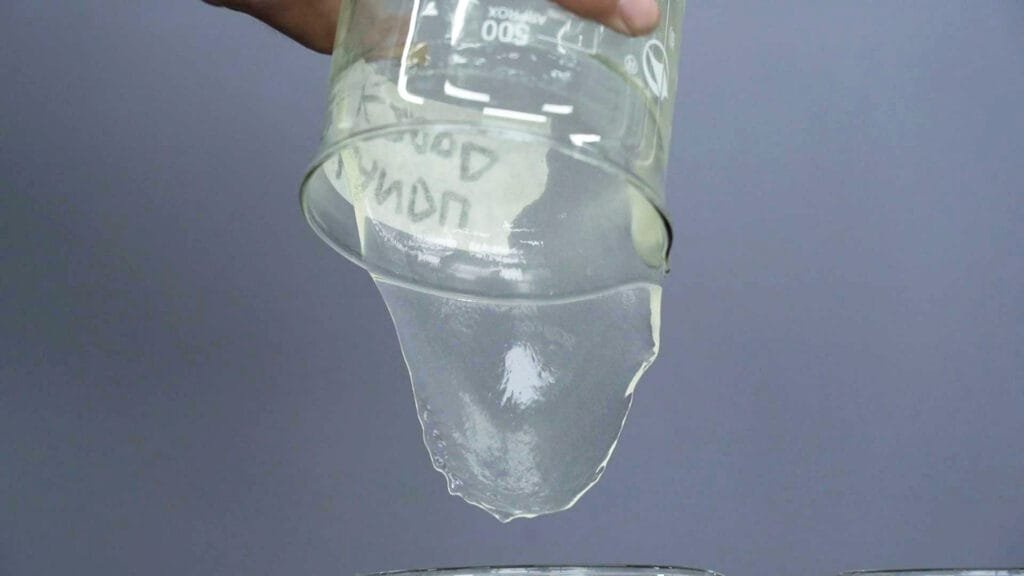
Gypsum plaster requires adequate moisture to fully set and bond to surfaces. HPMC slows down water evaporation, preventing premature drying and ensuring stronger adhesion.

Korzyści:

Hydroxypropyl-Methylcellulose-HPMC-Putty-test2

2. Workability & Application

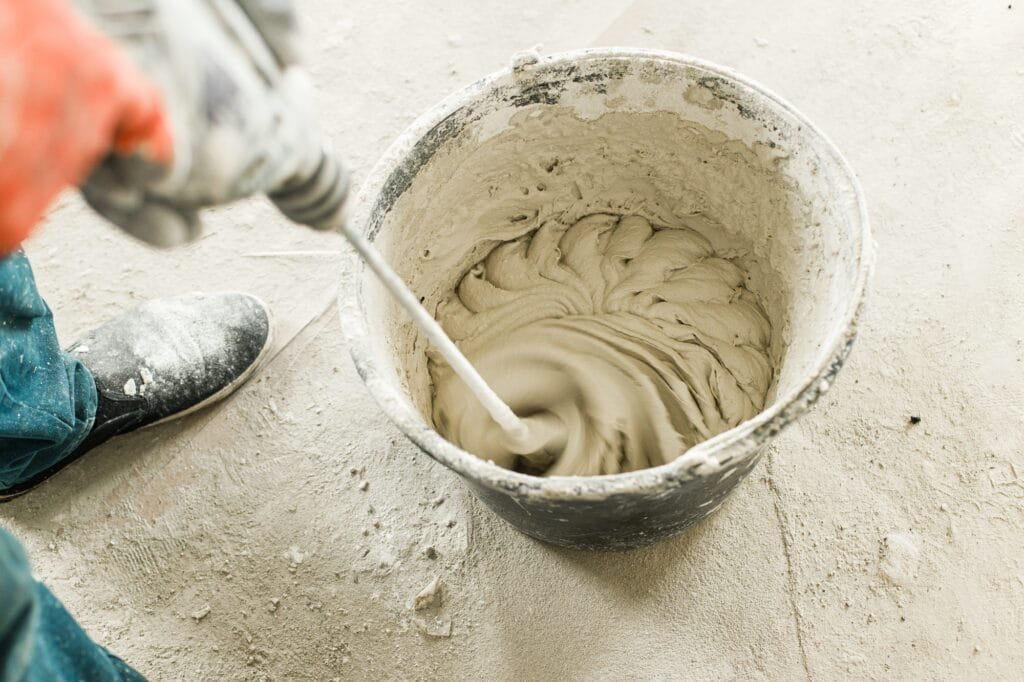
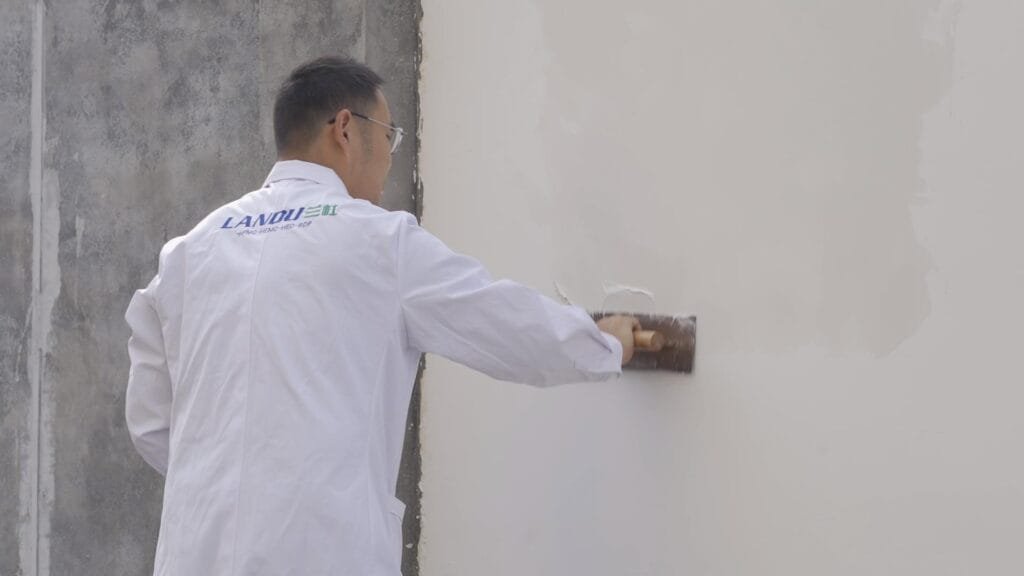
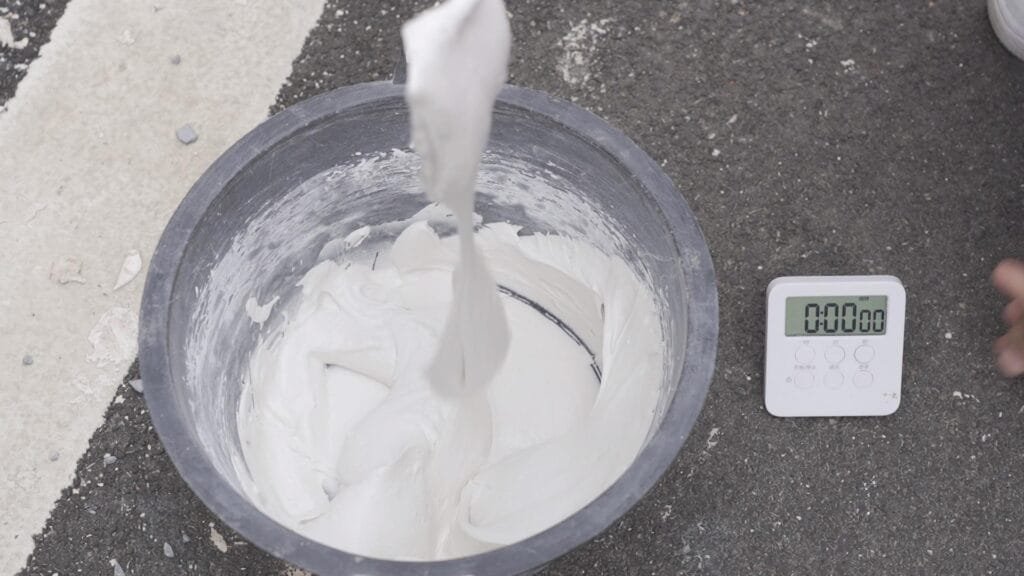
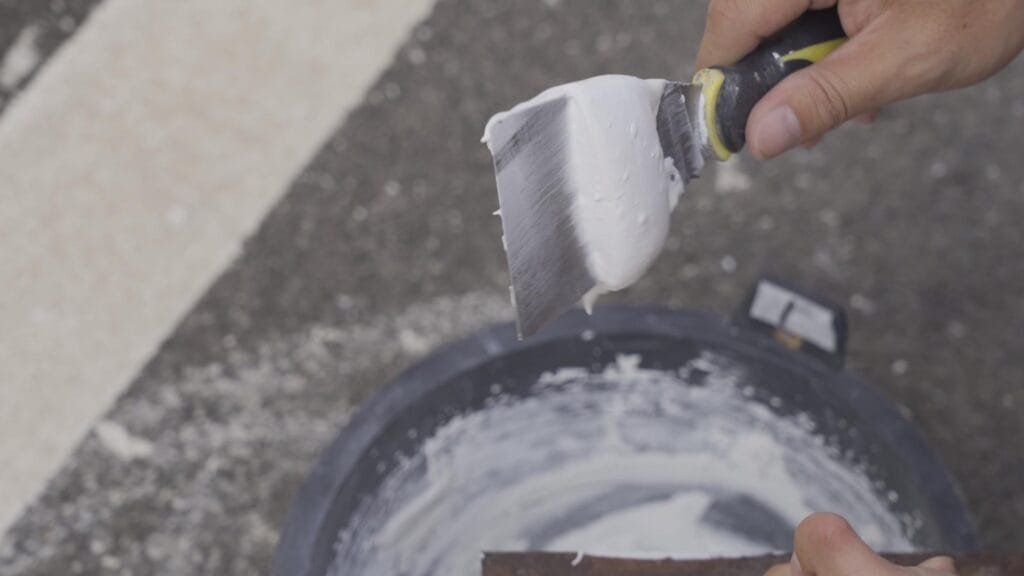
HPMC improves the spreadability and smoothness of Tynk gipsowy, making it easier to apply on walls and ceilings.

Korzyści:

3. Adhesion & Bonding Strength

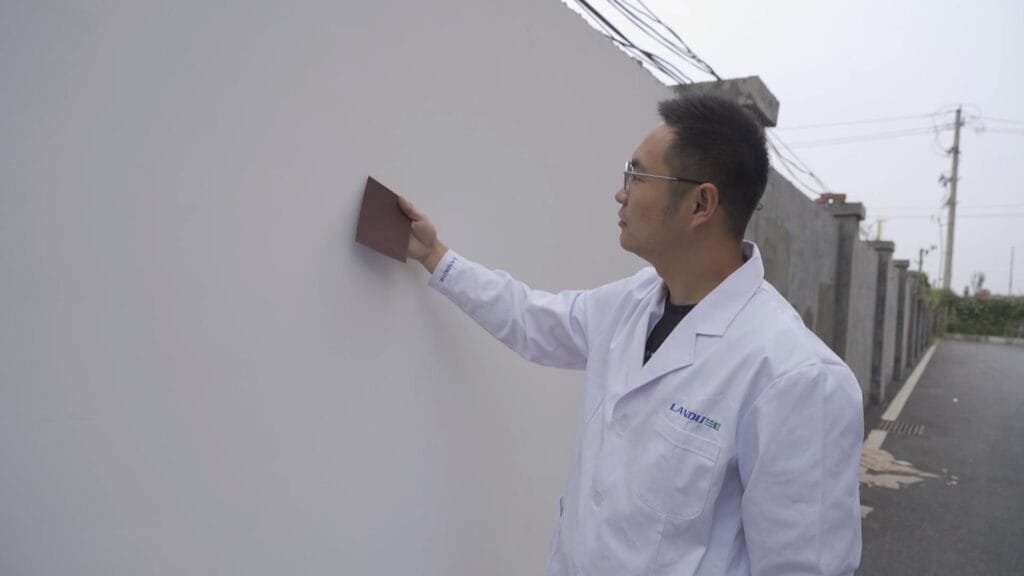
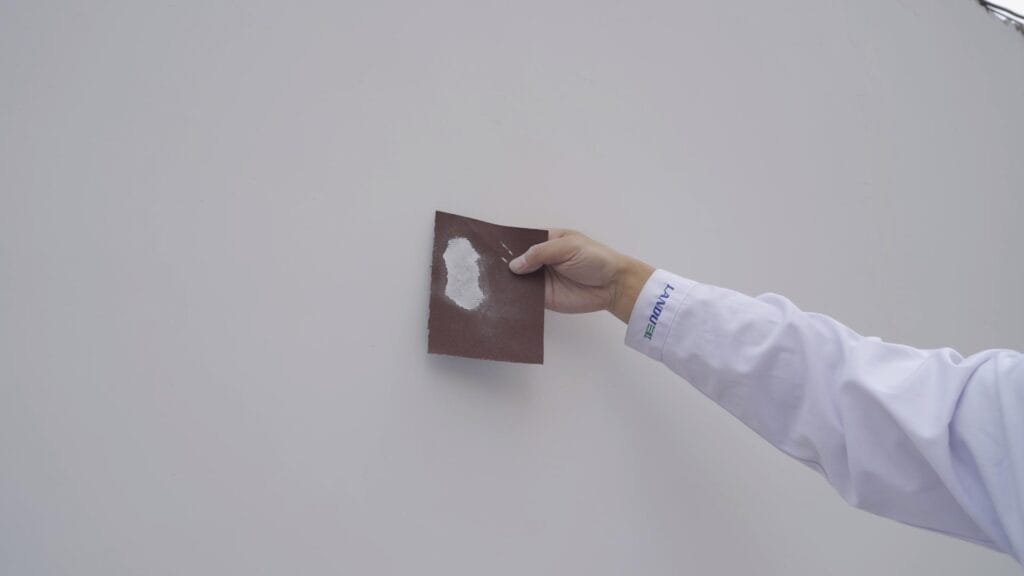
HPMC increases the bonding strength of gypsum plaster to concrete, masonry, and drywall surfaces, preventing delamination or peeling.

Korzyści:

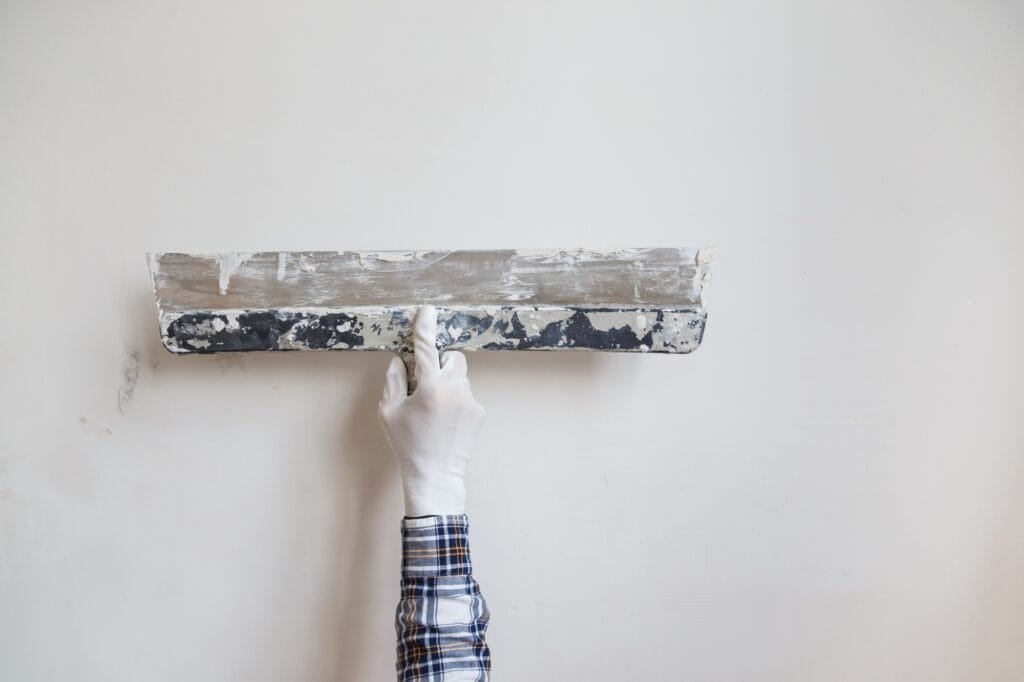
Worker in white gloves performs plastering of the walls of the room.

4. Sag Resistance

Gypsum plaster, especially on ceilings, can sag or slip during application. HPMC increases viscosity, ensuring firm adhesion and preventing sagging.

Korzyści:

5. Crack Prevention & Shrinkage Reduction

Cracking and shrinkage are common problems in gypsum plaster. HPMC controls moisture loss, preventing shrinkage and micro-cracking.

Korzyści:

6. Durability & Long-Term Performance

HPMC strengthens Tynk gipsowy, making it more resistant to environmental stressors such as humidity, temperature changes, and wear & tear.

Korzyści:

What are the Ingredients in Gypsum Plaster?

Tynk gipsowy is made of several key ingredients, each playing a role in its performance and durability:
Składnik Gypsum (Calcium Sulfate) Woda Wapno HPMC (Hydroksypropylometyloceluloza) Other Additives (Starches, Polymers)
Function Main binding material Activates gypsum for setting Improves setting time and smoothness Enhances water retention, adhesion, and crack resistance Improve flexibility, workability, and durability
Among these, HPMC is crucial for ensuring smooth, strong, and durable gypsum plaster applications.

How Does HPMC Improve Gypsum-Based Coatings?

HPMC is also widely used in gypsum-based coatings and paints to:
This makes HPMC an essential ingredient in high-quality construction coatings.
To achieve maximum strength in Tynk gipsowy, follow these tips:

Use High-Quality HPMC

Control Water-to-Gypsum Ratio

Use Proper Mixing Techniques

Apply in Thin, Even Layers

Using these methods, gypsum plaster achieves maximum durability and performance.

How is HPMC Manufactured?

Ten Hydroksypropylometyloceluloza (HPMC) manufacturing process involves:
HPMC-Surowiec-bawełna

Global HPMC Manufacturers for Gypsum Plaster

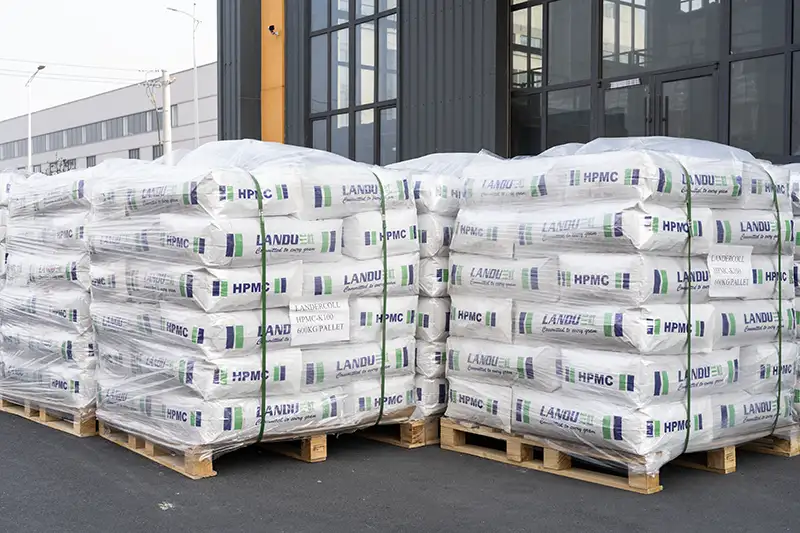
Most HPMC production is based in China, supplying high-quality additives at competitive prices.

HPMC in Gypsum Plaster: Price & Market Trends

The cost of HPMC depends on:

Current Market Trends

As demand for high-performance Tynk gipsowy grows, HPMC usage is expected to rise globally.

Conclusion & Final Thoughts

HPMC is a game-changing additive for gypsum plaster, offering better workability, water retention, adhesion, and durability. It ensures that plaster remains smooth, strong, and resistant to cracks, making it essential for high-quality construction.
Facebook
X
LinkedIn

Uzyskaj wycenę lub poradę

Wyślij zapytanie już teraz!