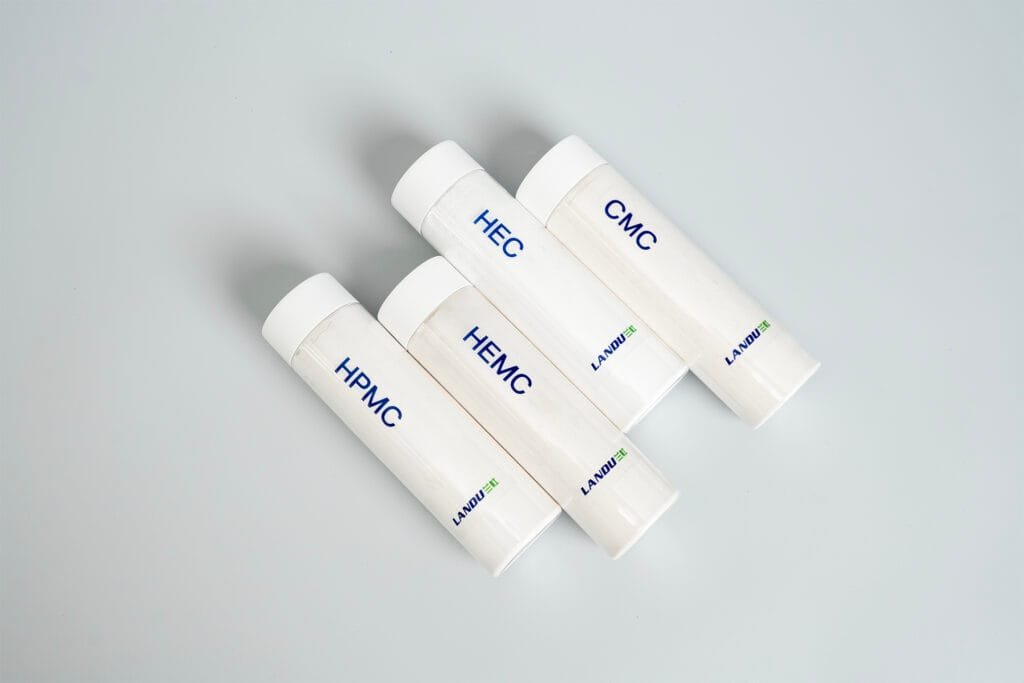
Zrozumienie hydroksyetylocelulozy (HEC) w farbach wodnych

Hydroksyetyloceluloza (HEC) jest pochodną modyfikowanej celulozy, szeroko stosowaną w produkcji farb wodnych. Działa przede wszystkim jako zagęszczacz, środek dyspergujący, i Stabilizator. Unikalna rozpuszczalność w wodzie i wyjątkowe właściwości zagęszczające HEC sprawiają, że jest to niezbędny składnik poprawiający lepkość, właściwości przepływu oraz rozpływność farb. Ponadto HEC poprawia stabilność zdyspergowanych pigmentów i wypełniaczy, zapobiegając osadzaniu się pigmentów i wydłużając okres przydatności farby do użycia.
W typowej formulacji na bazie wody, HEC odgrywa kluczową rolę w kontrolowaniu przepływu, poprawianiu właściwości aplikacyjnych oraz zapewnianiu, że końcowa powłoka przylega do powierzchni gładko, bez problemów takich jak smużenie czy pienienie.
Krok 1: Wybór odpowiedniego HEC i projektowanie formulacji
Dobór gatunku HEC jest kluczowy dla uzyskania pożądanych właściwości farby. Czynniki takie jak molecular weight i degree of substitution determine the rheological performance and thickening efficiency of the paint.
- Molecular Weight: Higher molecular weight HEC enhances viscosity and stabilizes the dispersion of pigments and fillers, while lower molecular weight HEC provides improved flow and leveling.
- Degree of Substitution: This refers to the number of hydroxyethyl groups added to the cellulose structure. A higher degree of substitution enhances water solubility and the thickening power of HEC.
Formulation Design: In the formulation process, it is crucial to balance the HEC concentration with other ingredients like binders, pigments, i additives. The right balance ensures the final product achieves the required Lepkość, płynność, i stability during application.
Step 2: Dissolving HEC for Optimal Viscosity
Proper dissolution of HEC is crucial to achieving the desired consistency. If not dissolved correctly, HEC may form lumps or clumps, compromising the paint’s quality.
- Gradual Addition: Slowly add HEC into water to avoid agglomeration. Adding it all at once can lead to clumps that are difficult to break up.
- Mixing Method: Use a high-shear mixer or mechanical stirrer to ensure that the HEC is uniformly distributed in the solution. This prevents the formation of gel-like clusters.
- Temperature Control: Heat the water to 30-40°C to expedite dissolution, but avoid exceeding 50°C to prevent the breakdown of HEC.
- Dissolution Time: Allow 30 minutes to 2 hours for complete dissolution, continuously stirring the mixture to ensure a smooth solution.
Step 3: Dispersion of Pigments and Fillers
HEC enhances the dispersion of pigments and fillers, ensuring that they remain uniformly distributed in the paint without settling.
- Pigment Dispersion: After HEC is dissolved, introduce pigments and fillers (such as titanium dioxide, węglan wapnia, lub silica) into the mixture. Employ a high-speed disperserlub bead mill to break up agglomerates and ensure a smooth, even dispersion.
- Dispersing Agents: Consider adding dispersing agents to enhance the uniformity of pigment dispersion. These agents lower the energy required for dispersal and reduce the likelihood of pigment aggregation.
- Viscosity Monitoring: During pigment dispersion, viscosity tends to increase. Continuously monitor and adjust the HEC content to achieve the desired consistency for optimal application.
Step 4: Emulsion Incorporation and Binder Selection
The emulsion serves as the binder in water-based paint formulations, forming a solid, durable film upon drying.
- Emulsion Selection: Choose an appropriate emulsion, such as acrylic, polyurethane, lub vinyl acetate, depending on the desired characteristics like adhesion, flexibility, and water resistance.
- Timing: Incorporate the emulsion after the pigments and fillers are uniformly dispersed. Adding the emulsion too early can cause phase separation or instability in the mixture.
- Emulsion Mixing: Gradually blend the emulsion into the pigment-HEC mixture while stirring to avoid breaking the emulsion structure and ensure a homogeneous blend.
Step 5: Fine-Tuning Rheological Properties
One of the key benefits of using HEC in water-based paints is its ability to modify rheological properties.
- Kontrola lepkości: Depending on the desired application characteristics, adjust the viscosity to achieve smooth spreadability, ease of brush application, and resistance to sagging. For thicker paints, increase HEC concentration; for thinner paints, reduce it.
- Flow and Leveling: The viscosity must be optimized to ensure the paint flows evenly across the surface, preventing issues such as brush marks and roller streaks.
Step 6: pH Adjustment and Stability Maintenance
The solubility and performance of HEC can be significantly affected by the pH of the formulation.
- Optimal pH Range: Maintain a pH between 7 and 9to ensure maximum solubility and efficient thickening of HEC. pH levels outside this range can result in instability and reduced performance.
- pH Adjustment: If necessary, adjust the pH using citric acidlub ammonium hydroxide while monitoring its effects on viscosity and stability.
- Buffering Agents: In some cases, buffering agents may be used to stabilize the pH, ensuring consistent performance throughout the product’s shelf life.
Step 7: Adding Functional Additives for Performance Optimization
Enhance the performance and durability of your water-based paint by incorporating functional additives.
- Konserwanty: Use preservatives to prevent microbial contamination and extend the paint’s shelf life.
- Środki przeciwpieniące: Eliminate air bubbles formed during mixing by incorporating defoamers, which ensures a smooth finish without imperfections.
- Flow and Leveling Agents: These additives improve the paint’s ability to spread evenly and level out during application, contributing to a high-quality finish.
Step 8: Rigorous Quality Control and Final Testing

Before packaging and distribution, the formulation must undergo rigorous quality control to ensure consistency and performance.
- Viscosity Testing: Use a viscometer to measure viscosity and confirm that it falls within the desired range for optimal application.
- Stability Testing: Perform tests for stability, such as shelf-life testing and pigment settling, to ensure the paint maintains its integrity over time.
- Application Testing: Evaluate the paint’s performance in real-world applications, assessing spread rate, ease of application, drying time, and finish quality.
Partnering with Landercoll for Premium HEC Solutions
Creating high-quality water-based paints with Hydroksyetyloceluloza (HEC) requires precision and expertise. By following the outlined steps—from formulation to final testing—you can achieve the perfect balance of viscosity, stability, and performance.
W Landercoll, we are proud to offer superior HEC products that cater to the diverse needs of the coatings and paint industries. With decades of experience and a commitment to continuous innovation, we ensure that our HEC products deliver exceptional water solubility, viscosity enhancement, i stability. Whether you’re improving pigment dispersion, optimizing flow properties, or enhancing the overall durability of your paint, Landercoll provides reliable solutions that meet your specific needs.
As a leading HEC manufacturer, we offer both standard and custom formulations to ensure your water-based paints perform at their best. Contact us today to learn more about our HEC products and how we can support your product development efforts, elevating your water-based paint formulations to the next level.