Excellence en Éther de Cellulose — Fiable par plus de 1000 entreprises dans le monde Obtenir un échantillon gratuit
LANDERCOLL cellulose ether helps gypsum plaster manufacturers improve spreading performance, water management, application smoothness, mortar consistency, open working time, and final surface quality.
Engineered for manual gypsum plaster, machine-applied gypsum plaster, gypsum skim coat, lightweight gypsum plaster, and ready-mix gypsum dry plaster systems.

Smooth walls, fine surface quality, reliable working time, and controlled finishing behavior.
Gypsum plaster is one of the most widely used interior finishing materials in modern construction, valued for smooth application, fine surface quality, fast setting behavior, and efficient installation performance on walls and ceilings.


Achieving consistent, high-quality gypsum plaster requires precise control of water retention, workability, spreading behavior, and surface finish. Cellulose ether is one of the key functional additives that makes this possible.
LANDERCOLL supplies HPMC and HEMC / MHEC for manual gypsum plaster, machine-applied gypsum plaster, gypsum skim coat, gypsum joint filler, lightweight gypsum plaster, thick-layer gypsum systems, and ready-mix gypsum dry plaster products.
The right cellulose ether grade helps gypsum plaster mix uniformly, spread smoothly, retain moisture during the application window, maintain workable consistency before setting, and deliver a fine, uniform surface finish.
Gypsum plaster is a gypsum-based finishing material used to create smooth, fine-textured interior wall and ceiling surfaces. It is applied over masonry, concrete blocks, AAC panels, gypsum board, or other suitable substrates, typically in one or more layers depending on the required finish quality and application thickness.
Compared with cement-based systems, gypsum plaster generally provides finer surface texture, faster setting behavior, lower shrinkage, and better workability for interior finishing applications.
A standard gypsum plaster formulation typically contains gypsum binder, mineral fillers, retarders, cellulose ether, starch ether, lightweight aggregates, air-entraining agents, and other functional additives.
Even at a dosage of 0.1%–0.35%, cellulose ether significantly determines how the plaster mixes, spreads, behaves during application, and finishes before setting.

cURL Too many subrequests by single Worker invocation. To configure this limit, refer to https://developers.cloudflare.com/workers/wrangler/configuration/#limits
cURL Too many subrequests by single Worker invocation. To configure this limit, refer to https://developers.cloudflare.com/workers/wrangler/configuration/#limits
cURL Too many subrequests by single Worker invocation. To configure this limit, refer to https://developers.cloudflare.com/workers/wrangler/configuration/#limits
cURL Too many subrequests by single Worker invocation. To configure this limit, refer to https://developers.cloudflare.com/workers/wrangler/configuration/#limits
HEMC / MHEC is especially well-suited for gypsum plaster systems where smooth application feel, extended open working time, water retention, anti-sag behavior, and stable mortar consistency are primary requirements.
It helps create a balanced plaster structure that spreads easily under trowel or machine pressure while maintaining enough body to stay stable on vertical surfaces and thick-layer applications.
Gypsum plaster formulations vary by gypsum binder quality, setting time target, application thickness, application method, and local market requirements.
| Composant | Function in Gypsum Plaster |
|---|---|
| Liant de gypse | Primary setting binder; provides strength and surface hardness. |
| Mineral Fillers | Adjust consistency, density, smoothness, and cost balance. |
| cURL Too many subrequests by single Worker invocation. To configure this limit, refer to https://developers.cloudflare.com/workers/wrangler/configuration/#limits | Reduce density and improve application properties in selected systems. |
| cURL Too many subrequests by single Worker invocation. To configure this limit, refer to https://developers.cloudflare.com/workers/wrangler/configuration/#limits | Improve water retention, workability, spreading, and consistency. |
| cURL Too many subrequests by single Worker invocation. To configure this limit, refer to https://developers.cloudflare.com/workers/wrangler/configuration/#limits | Control and extend setting time for application flexibility. |
| Éther d'amidon | Support anti-sag behavior and rheology fine-tuning. |
| Air-Entraining Agents | Improve workability and reduce density in selected lightweight systems. |
| Autres additifs | Adjust setting behavior, surface hardness, strength, or special properties. |
Different gypsum plaster systems have different cellulose ether performance priorities. The table provides a practical selection reference for each application type.
| Type d'application | Produit recommandé | Primary Performance Requirements |
|---|---|---|
| Manual Gypsum Plaster | Medium-viscosity HPMC / HEMC / MHEC | Smooth spreading, water retention, workability. |
| Machine-Applied Gypsum Plaster | Selected HPMC / HEMC / MHEC | Pumpability, sprayability, consistency, stability. |
| Gypsum Skim Coat | HPMC / HEMC / MHEC | Smooth scraping, fine surface finish, water management. |
| cURL Too many subrequests by single Worker invocation. To configure this limit, refer to https://developers.cloudflare.com/workers/wrangler/configuration/#limits | HPMC / HEMC / MHEC | cURL Too many subrequests by single Worker invocation. To configure this limit, refer to https://developers.cloudflare.com/workers/wrangler/configuration/#limits |
| cURL Too many subrequests by single Worker invocation. To configure this limit, refer to https://developers.cloudflare.com/workers/wrangler/configuration/#limits | HPMC / HEMC / MHEC | cURL Too many subrequests by single Worker invocation. To configure this limit, refer to https://developers.cloudflare.com/workers/wrangler/configuration/#limits |
| cURL Too many subrequests by single Worker invocation. To configure this limit, refer to https://developers.cloudflare.com/workers/wrangler/configuration/#limits | cURL Too many subrequests by single Worker invocation. To configure this limit, refer to https://developers.cloudflare.com/workers/wrangler/configuration/#limits | cURL Too many subrequests by single Worker invocation. To configure this limit, refer to https://developers.cloudflare.com/workers/wrangler/configuration/#limits |
| cURL Too many subrequests by single Worker invocation. To configure this limit, refer to https://developers.cloudflare.com/workers/wrangler/configuration/#limits | Medium-viscosity HPMC / HEMC / MHEC | cURL Too many subrequests by single Worker invocation. To configure this limit, refer to https://developers.cloudflare.com/workers/wrangler/configuration/#limits |
| cURL Too many subrequests by single Worker invocation. To configure this limit, refer to https://developers.cloudflare.com/workers/wrangler/configuration/#limits | HPMC / HEMC / MHEC | cURL Too many subrequests by single Worker invocation. To configure this limit, refer to https://developers.cloudflare.com/workers/wrangler/configuration/#limits |
cURL Too many subrequests by single Worker invocation. To configure this limit, refer to https://developers.cloudflare.com/workers/wrangler/configuration/#limits
cURL Too many subrequests by single Worker invocation. To configure this limit, refer to https://developers.cloudflare.com/workers/wrangler/configuration/#limits
cURL Too many subrequests by single Worker invocation. To configure this limit, refer to https://developers.cloudflare.com/workers/wrangler/configuration/#limits
cURL Too many subrequests by single Worker invocation. To configure this limit, refer to https://developers.cloudflare.com/workers/wrangler/configuration/#limits
cURL Too many subrequests by single Worker invocation. To configure this limit, refer to https://developers.cloudflare.com/workers/wrangler/configuration/#limits
cURL Too many subrequests by single Worker invocation. To configure this limit, refer to https://developers.cloudflare.com/workers/wrangler/configuration/#limits
Medium to high-viscosity grades improve structural body and cohesion for vertical and thick-layer applications.
Maintains water retention during finishing, reduces surface drag, and supports fine texture before painting.
Supports pumpability, sprayability, and rheological stability under pump pressure while reducing excessive slumping, rebound, or surface irregularities.
Improves internal cohesion after mixing, reducing separation, water bleeding, and inconsistent consistency for more predictable application behavior.
Many fresh gypsum plaster issues are linked to water retention, viscosity grade, dosage balance, setting control, substrate absorption, or machine application rheology.
Low water retention, absorbent substrate, hot or dry conditions.
Improve water retention and extend the workable window.
Poor filler quality, unsuitable viscosity grade, low workability.
Improve smoothness and application feel.
Fast-setting gypsum, low water retention, insufficient retarder.
cURL Too many subrequests by single Worker invocation. To configure this limit, refer to https://developers.cloudflare.com/workers/wrangler/configuration/#limits
Weak plaster structure, excess water, low viscosity.
Improve structural body and anti-sag behavior.
Rapid water loss, inconsistent plaster body, rough filler system.
Support smoother finishing behavior.
Excessive dosage or unsuitable high-viscosity grade.
Adjust grade selection and dosage balance.
Wrong rheology, unstable hydration, poor pumpability.
Optimize grade selection and dispersion profile.
Gypsum variation, retarder imbalance, water demand fluctuation.
Improve consistency and formulation stability.
Rapid moisture loss, poor cohesion, thick layer without support.
Improve water retention and internal cohesion.
Understanding the variables that influence cellulose ether behavior helps manufacturers make better formulation decisions and select the most appropriate grade for their product and market.
Gypsum source, calcination method, and purity level affect setting behavior, water demand, strength development, and chemical interaction with cellulose ether.
Retarders and accelerators define the working time and setting profile. Cellulose ether should be selected with the full setting control system in mind.
cURL Too many subrequests by single Worker invocation. To configure this limit, refer to https://developers.cloudflare.com/workers/wrangler/configuration/#limits
cURL Too many subrequests by single Worker invocation. To configure this limit, refer to https://developers.cloudflare.com/workers/wrangler/configuration/#limits
cURL Too many subrequests by single Worker invocation. To configure this limit, refer to https://developers.cloudflare.com/workers/wrangler/configuration/#limits
cURL Too many subrequests by single Worker invocation. To configure this limit, refer to https://developers.cloudflare.com/workers/wrangler/configuration/#limits
cURL Too many subrequests by single Worker invocation. To configure this limit, refer to https://developers.cloudflare.com/workers/wrangler/configuration/#limits
cURL Too many subrequests by single Worker invocation. To configure this limit, refer to https://developers.cloudflare.com/workers/wrangler/configuration/#limits
cURL Too many subrequests by single Worker invocation. To configure this limit, refer to https://developers.cloudflare.com/workers/wrangler/configuration/#limits
cURL Too many subrequests by single Worker invocation. To configure this limit, refer to https://developers.cloudflare.com/workers/wrangler/configuration/#limits
cURL Too many subrequests by single Worker invocation. To configure this limit, refer to https://developers.cloudflare.com/workers/wrangler/configuration/#limits
cURL Too many subrequests by single Worker invocation. To configure this limit, refer to https://developers.cloudflare.com/workers/wrangler/configuration/#limits
cURL Too many subrequests by single Worker invocation. To configure this limit, refer to https://developers.cloudflare.com/workers/wrangler/configuration/#limits
cURL Too many subrequests by single Worker invocation. To configure this limit, refer to https://developers.cloudflare.com/workers/wrangler/configuration/#limits
cURL Too many subrequests by single Worker invocation. To configure this limit, refer to https://developers.cloudflare.com/workers/wrangler/configuration/#limits
cURL Too many subrequests by single Worker invocation. To configure this limit, refer to https://developers.cloudflare.com/workers/wrangler/configuration/#limits
cURL Too many subrequests by single Worker invocation. To configure this limit, refer to https://developers.cloudflare.com/workers/wrangler/configuration/#limits
Surface-treated or untreated cellulose ether?
LANDERCOLL can review your gypsum plaster formulation direction and recommend a suitable HPMC or HEMC / MHEC grade for laboratory evaluation.
Ask for Grade Recommendation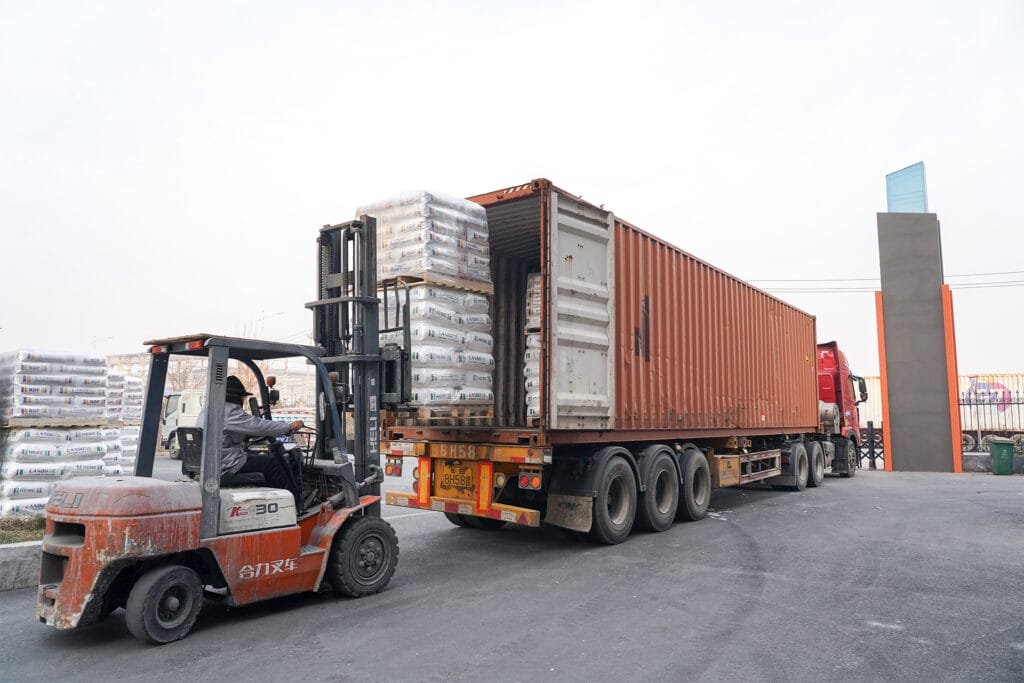
LANDERCOLL provides a complete set of product documentation to support gypsum plaster formulation development, purchasing review, quality approval, and import compliance requirements.
If your gypsum plaster is spreading poorly, drying too quickly, producing inconsistent setting behavior, sagging in thick-layer applications, feeling sticky, delivering rough surface finish, or performing unreliably in machine application, the cellulose ether grade or dosage may need to be reviewed.
LANDERCOLL helps gypsum plaster manufacturers evaluate HPMC and HEMC / MHEC options based on gypsum binder system, retarder profile, filler quality, application method, target consistency, surface finish requirement, and local market conditions.
HPMC and HEMC / MHEC grade selection for gypsum plaster.
Water retention improvement and evaluation.
Smooth spreading and workability support.
Setting time compatibility and open working time discussion.
Anti-sag performance for thick-layer and vertical applications.
Surface finish quality improvement.
Machine application performance support.
Viscosity direction, dosage reference, samples, documents, and quotation communication.
Schema-ready Q&A content for Google Featured Snippets and AI search indexing.
HPMC and HEMC / MHEC are the two main types of cellulose ether used in gypsum plaster formulations. Both improve water retention, smooth spreading, workability, mortar consistency, anti-sag behavior, and surface finish quality.
HPMC improves water retention, smooth spreading, workability, plaster consistency, and surface finishing quality in manual gypsum plaster, machine-applied systems, skim coat, and lightweight gypsum plaster.
HEMC / MHEC improves water retention, smooth application feel, open working time, anti-sag behavior, plaster consistency, and surface finish quality in gypsum-based plaster systems.
Water retention prevents gypsum plaster from losing moisture too quickly to absorbent substrates or evaporation, helping maintain workability, controlled setting behavior, and fine surface finish.
A common reference dosage range is 0.1%–0.35% by weight of the dry formulation, depending on gypsum binder quality, application type, target workability, viscosity grade, and setting time system.
cURL Too many subrequests by single Worker invocation. To configure this limit, refer to https://developers.cloudflare.com/workers/wrangler/configuration/#limits
cURL Too many subrequests by single Worker invocation. To configure this limit, refer to https://developers.cloudflare.com/workers/wrangler/configuration/#limits
cURL Too many subrequests by single Worker invocation. To configure this limit, refer to https://developers.cloudflare.com/workers/wrangler/configuration/#limits
cURL Too many subrequests by single Worker invocation. To configure this limit, refer to https://developers.cloudflare.com/workers/wrangler/configuration/#limits
cURL Too many subrequests by single Worker invocation. To configure this limit, refer to https://developers.cloudflare.com/workers/wrangler/configuration/#limits
cURL Too many subrequests by single Worker invocation. To configure this limit, refer to https://developers.cloudflare.com/workers/wrangler/configuration/#limits
cURL Too many subrequests by single Worker invocation. To configure this limit, refer to https://developers.cloudflare.com/workers/wrangler/configuration/#limits
 English English
  العربية
 Deutsch
 Українська
 Ελληνικά
 Español
 Español de Perú
 Français
 Magyar
 Bahasa Indonesia
 Italiano
 Português
 Türkçe
 Русский
 Nederlands
 Slovenčina
 Svenska
 Български
 Čeština
 Dansk
Dansk
 Eesti
Eesti
 Suomi
Suomi
 日本語
日本語
 한국어
한국어
 Lietuvių kalba
 Latviešu valoda
 Norsk bokmål
 Polski
 Português do Brasil
 Română
 Slovenščina
