Excellence en Éther de Cellulose — Fiable par plus de 1000 entreprises dans le monde Obtenir un échantillon gratuit




HEC (Hydroxyethyl Cellulose) is the primary cellulose ether used in emulsion paint. It functions as a water-phase thickener and rheology modifier that builds viscosity, stabilizes pigments and fillers against settling, improves brush and roller application performance, supports leveling, helps reduce sagging, and maintains stable in-can consistency throughout storage.
LANDERCOLL HEC helps emulsion paint manufacturers improve thickening efficiency, viscosity control, pigment and filler suspension, brush and roller application, leveling support, and in-can stability across economy, standard, premium, interior, exterior, matt, satin, and high-PVC grades.
From economy interior emulsion to premium emulsion paint coatings and high-PVC architectural systems — the right HEC grade delivers dependable water-phase thickening, stable rheology, and predictable application performance.
— HEC · Thickening · Rheology · Pigment Suspension · Leveling · Emulsion Paint · Water-Based Coating
 HEC · Emulsion Paint
Thickening, suspension, and application performance for water-based emulsion paint.
HEC bridges in-can stability and coating performance — from storage through brush and roller application to the finished film.
Emulsion paint is a water-based paint that uses polymer emulsion as its primary film-forming binder. It is the most widely used decorative coating system for interior and emulsion paint surfaces globally, applied to interior walls, emulsion paints, ceilings, plaster, cement render, concrete, gypsum board, drywall, and other prepared building surfaces.
The term “emulsion paint” refers to the fact that the binder — typically an acrylic, styrene-acrylic, vinyl acetate-ethylene (VAE), or pure acrylic polymer — is dispersed as an emulsion in water. When the water evaporates after application, the polymer particles coalesce to form a continuous, durable paint film.
A typical emulsion paint formulation includes polymer emulsion, titanium dioxide, colored pigments, fillers, water, dispersants, wetting agents, defoamers, preservatives, pH modifiers, coalescing agents, rheology modifiers, and cellulose ether.
Cellulose ether — specifically HEC (Hydroxyethyl Cellulose) — is used in emulsion paint as the primary water-phase thickener and rheology modifier. It builds viscosity and paint body, stabilizes pigments and fillers against settling, improves brush and roller application behavior, supports leveling, helps reduce sagging on vertical surfaces, and maintains stable in-can consistency during production, storage, and distribution.
cURL Too many subrequests by single Worker invocation. To configure this limit, refer to https://developers.cloudflare.com/workers/wrangler/configuration/#limits
cURL Too many subrequests by single Worker invocation. To configure this limit, refer to https://developers.cloudflare.com/workers/wrangler/configuration/#limits
cURL Too many subrequests by single Worker invocation. To configure this limit, refer to https://developers.cloudflare.com/workers/wrangler/configuration/#limits
cURL Too many subrequests by single Worker invocation. To configure this limit, refer to https://developers.cloudflare.com/workers/wrangler/configuration/#limits
cURL Too many subrequests by single Worker invocation. To configure this limit, refer to https://developers.cloudflare.com/workers/wrangler/configuration/#limits
cURL Too many subrequests by single Worker invocation. To configure this limit, refer to https://developers.cloudflare.com/workers/wrangler/configuration/#limits
cURL Too many subrequests by single Worker invocation. To configure this limit, refer to https://developers.cloudflare.com/workers/wrangler/configuration/#limits
HEC · Non-Ionic · Water-Soluble
HEC is a non-ionic, water-soluble cellulose ether. Its non-ionic character provides broad compatibility with the anionic dispersants, surfactants, and polymer emulsions commonly used in emulsion paint formulations. It hydrates readily in water and builds viscosity efficiently, providing consistent thickening performance across a wide range of paint types, quality levels, and pigment volume concentrations.
In emulsion paint, HEC helps improve paint body, reduce pigment and filler settling, support smooth brush and roller application, and maintain stable consistency during production, storage, and consumer use.
Emulsion paint formulations vary by binder type, pigment volume concentration, quality level, application area, and target performance.
| Composant | Function in Emulsion Paint |
|---|---|
| cURL Too many subrequests by single Worker invocation. To configure this limit, refer to https://developers.cloudflare.com/workers/wrangler/configuration/#limits | cURL Too many subrequests by single Worker invocation. To configure this limit, refer to https://developers.cloudflare.com/workers/wrangler/configuration/#limits |
| Titanium Dioxide | Provides whiteness and hiding power. |
| Colored Pigments | cURL Too many subrequests by single Worker invocation. To configure this limit, refer to https://developers.cloudflare.com/workers/wrangler/configuration/#limits |
| cURL Too many subrequests by single Worker invocation. To configure this limit, refer to https://developers.cloudflare.com/workers/wrangler/configuration/#limits | Adjust opacity, body, texture, cost balance, and coating properties. |
| L'eau | Main dispersion medium. |
| Dispersants | Help disperse pigments and fillers uniformly. |
| Wetting Agents | Improve pigment wetting and substrate wetting. |
| Antimousses | Reduce foam during production and application. |
| Conservateurs | Support in-can stability and microbial protection. |
| pH Modifiers | Adjust formulation pH and stability. |
| Coalescing Agents | Support film formation in selected systems. |
| Cellulose Ether (HEC) | Improves viscosity, rheology, suspension, and application performance. |
| Autres additifs | Adjust leveling, open time, surface feel, scrub resistance, or special properties. |
Different emulsion paint systems require different viscosity profiles, suspension strength, and application performance characteristics.
| Emulsion Paint Type | Recommended Product Direction | Exigences principales de performance |
|---|---|---|
| Economy Emulsion Paint | Medium viscosity HEC | Basic thickening, suspension, stable application. |
| Standard Emulsion Paint | Medium viscosity HEC | Viscosity control, brushability, roller application. |
| Premium Emulsion Paint | Selected HEC grade | Smooth application, stable viscosity, uniform finish. |
| Interior Emulsion Paint | HEC | Pigment suspension, leveling, storage stability. |
| Exterior Emulsion Paint | HEC | Anti-sag support, coating body, filler stability. |
| Matt Emulsion Paint | HEC | Smooth rolling, pigment stability, surface uniformity. |
| Satin Emulsion Paint | Selected HEC grade | Flow control, leveling, smooth appearance. |
| High-PVC Emulsion Paint | Medium to high viscosity HEC | cURL Too many subrequests by single Worker invocation. To configure this limit, refer to https://developers.cloudflare.com/workers/wrangler/configuration/#limits |
The dosage of HEC in emulsion paint depends on paint type, quality level, target viscosity, pigment and filler loading, PVC level, and application method.
HEC influences every stage of emulsion paint performance — from thickening and pigment suspension to brush and roller application, leveling, and long-term storage stability.
HEC builds viscosity and paint body in emulsion paint formulations. Proper thickening improves in-can appearance, application control, suspension stability, and coating consistency. At typical dosage levels of 0.2%–1.0%, HEC can build a wide range of target viscosities depending on grade selection and formulation conditions — from low-viscosity primers to high-body emulsion paints.
Emulsion paint must maintain stable viscosity from manufacture through storage, transportation, and application. HEC supports stable viscosity development when properly dispersed and hydrated, and when matched with a compatible additive and binder system.
Titanium dioxide, calcium carbonate, kaolin, talc, silica, and colored pigments must remain evenly distributed throughout the paint during storage. HEC increases water-phase viscosity and structural support, reducing the rate of pigment and filler settling.
Emulsion paint requires a carefully balanced rheology profile. It must remain stable in the container, flow smoothly during brush or roller application, and recover sufficient body to resist sagging on vertical surfaces.
A suitable HEC grade improves brush feel and spreading behavior, helping the paint move smoothly across the substrate without excessive drag or resistance. Good brushability reduces applicator fatigue and improves coverage efficiency.
During roller application, emulsion paint must transfer evenly and spread consistently without spattering. HEC supports controlled roller application behavior and helps reduce visible brush marks and roller marks in the dried coating through balanced flow behavior.
HEC helps maintain viscosity and suspension stability during storage. This reduces pigment and filler settling, prevents hard sediment formation, and supports more consistent paint performance after extended storage or temperature variation during distribution and retail storage.
cURL Too many subrequests by single Worker invocation. To configure this limit, refer to https://developers.cloudflare.com/workers/wrangler/configuration/#limits
Insufficient thickener, poor hydration, unsuitable grade.
Improve viscosity build and paint body.
cURL Too many subrequests by single Worker invocation. To configure this limit, refer to https://developers.cloudflare.com/workers/wrangler/configuration/#limits
Support pigment and filler suspension.
Poor suspension system, low viscosity, additive incompatibility.
cURL Too many subrequests by single Worker invocation. To configure this limit, refer to https://developers.cloudflare.com/workers/wrangler/configuration/#limits
Low viscosity, poor rheology balance, excessive water.
Support controlled application behavior.
Weak structure, excessive water, low thickener efficiency.
Improve body and anti-sag support.
Unbalanced rheology, wrong viscosity, incompatible additives.
Support flow and leveling balance.
cURL Too many subrequests by single Worker invocation. To configure this limit, refer to https://developers.cloudflare.com/workers/wrangler/configuration/#limits
cURL Too many subrequests by single Worker invocation. To configure this limit, refer to https://developers.cloudflare.com/workers/wrangler/configuration/#limits
Poor hydration, pH effects, surfactant or preservative impact.
Improve viscosity stability through grade selection.
cURL Too many subrequests by single Worker invocation. To configure this limit, refer to https://developers.cloudflare.com/workers/wrangler/configuration/#limits
Different polymer emulsions — acrylic, styrene-acrylic, VAE, pure acrylic — affect viscosity response, compatibility, film formation, and final coating performance.
TiO₂, CaCO₃, kaolin, talc, silica, and colored pigments each have different densities and surface characteristics that influence suspension demand and viscosity requirements.
cURL Too many subrequests by single Worker invocation. To configure this limit, refer to https://developers.cloudflare.com/workers/wrangler/configuration/#limits
cURL Too many subrequests by single Worker invocation. To configure this limit, refer to https://developers.cloudflare.com/workers/wrangler/configuration/#limits
cURL Too many subrequests by single Worker invocation. To configure this limit, refer to https://developers.cloudflare.com/workers/wrangler/configuration/#limits
Preservatives and defoamers may influence viscosity stability, foam control, and formulation compatibility — particularly for premium or sensitive formulations.
HEC must be properly dispersed and fully hydrated to deliver target viscosity. Pre-dispersing HEC in water before adding pigments and fillers is a common best practice.
cURL Too many subrequests by single Worker invocation. To configure this limit, refer to https://developers.cloudflare.com/workers/wrangler/configuration/#limits
Too little HEC may not provide sufficient thickening or suspension. Too much may reduce leveling, increase roller resistance, or create excessive brush drag.
Choosing the right HEC grade requires balancing viscosity target, pigment and filler suspension needs, application method, leveling requirements, anti-sag support, and storage stability.
cURL Too many subrequests by single Worker invocation. To configure this limit, refer to https://developers.cloudflare.com/workers/wrangler/configuration/#limits
cURL Too many subrequests by single Worker invocation. To configure this limit, refer to https://developers.cloudflare.com/workers/wrangler/configuration/#limits
cURL Too many subrequests by single Worker invocation. To configure this limit, refer to https://developers.cloudflare.com/workers/wrangler/configuration/#limits
cURL Too many subrequests by single Worker invocation. To configure this limit, refer to https://developers.cloudflare.com/workers/wrangler/configuration/#limits
cURL Too many subrequests by single Worker invocation. To configure this limit, refer to https://developers.cloudflare.com/workers/wrangler/configuration/#limits
What PVC level does the formulation have?
cURL Too many subrequests by single Worker invocation. To configure this limit, refer to https://developers.cloudflare.com/workers/wrangler/configuration/#limits
cURL Too many subrequests by single Worker invocation. To configure this limit, refer to https://developers.cloudflare.com/workers/wrangler/configuration/#limits
cURL Too many subrequests by single Worker invocation. To configure this limit, refer to https://developers.cloudflare.com/workers/wrangler/configuration/#limits
What storage stability requirement is needed? (temperature range, shelf life duration)
cURL Too many subrequests by single Worker invocation. To configure this limit, refer to https://developers.cloudflare.com/workers/wrangler/configuration/#limits
Ask for Technical SupportcURL Too many subrequests by single Worker invocation. To configure this limit, refer to https://developers.cloudflare.com/workers/wrangler/configuration/#limits

cURL Too many subrequests by single Worker invocation. To configure this limit, refer to https://developers.cloudflare.com/workers/wrangler/configuration/#limits
cURL Too many subrequests by single Worker invocation. To configure this limit, refer to https://developers.cloudflare.com/workers/wrangler/configuration/#limits
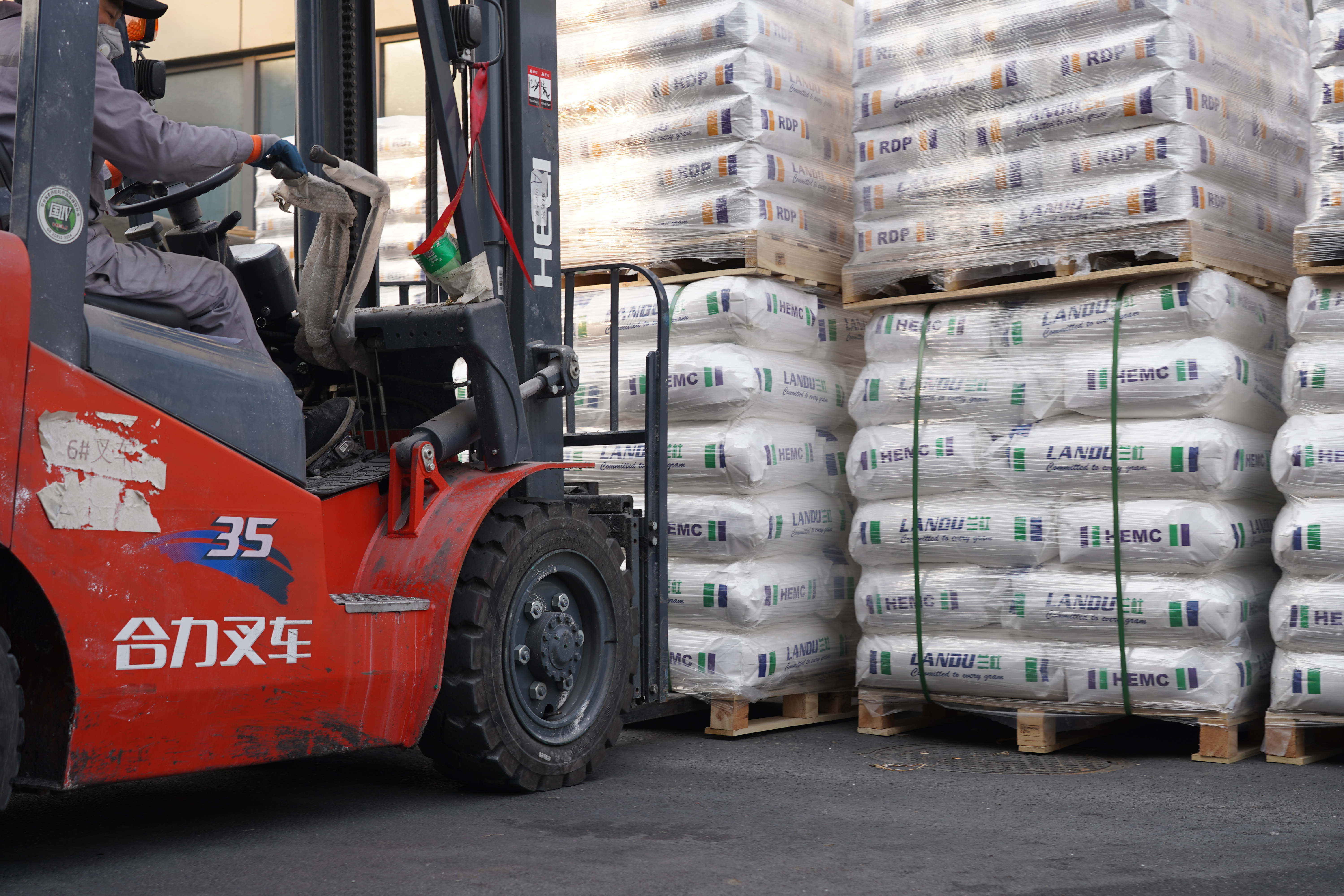
LANDERCOLL can help evaluate suitable HEC options based on your binder system, pigment and filler system, PVC level, target viscosity, application method, and storage stability requirement.
HEC grade selection for target viscosity and rheology.
Pigment and filler suspension support.
Brushability and roller application improvement.
Leveling and anti-sag performance guidance.
Storage stability discussion.
Dosage reference and starting point recommendations.
Sample and quotation communication.
cURL Too many subrequests by single Worker invocation. To configure this limit, refer to https://developers.cloudflare.com/workers/wrangler/configuration/#limits
HEC (Hydroxyethyl Cellulose) is the most widely used cellulose ether in emulsion paint. It is used to improve thickening, viscosity control, pigment and filler suspension, rheology behavior, brush and roller application performance, and storage stability across economy, standard, and premium emulsion paint systems for interior and exterior applications.
HEC builds viscosity in the water phase of the paint, stabilizes pigments and fillers against settling, improves brush and roller application consistency, supports leveling, helps reduce sagging on vertical surfaces, and maintains stable in-can viscosity during storage. As a non-ionic polymer, HEC is compatible with the anionic dispersants and polymer emulsions used in water-based emulsion paint systems.
Without cellulose ether, emulsion paint lacks the body and structure needed to remain stable during storage and perform consistently during application. Pigments and fillers settle, the paint appears thin and watery, roller spatter increases, sagging occurs on vertical surfaces, and leveling deteriorates. Cellulose ether provides the water-phase thickening and rheology control that makes emulsion paint stable, consistent, and easy to apply.
A common reference dosage range is 0.2%–1.0% by weight, depending on paint type, quality level, target viscosity, pigment and filler loading, PVC level, and formulation design. Standard emulsion paints typically use 0.3%–0.7%, while high-PVC formulations may require up to 1.0%. Final dosage must be confirmed through viscosity testing and stability evaluation.
Yes. HEC increases water-phase viscosity and structural support, which helps slow the rate of pigment and filler settling during storage. This supports more consistent color, opacity, and coating appearance. However, the complete suspension system — including dispersant type and dosage, filler particle size, and formulation balance — also plays an important role in suspension performance.
HEC can support leveling by helping control the rheology profile of the paint. A properly selected HEC grade contributes to balanced flow behavior during and after application. However, final leveling performance also depends on the complete formulation system, including binder type, surfactants, dispersants, defoamers, and viscosity balance across the full shear rate range.
HEC primarily improves fresh paint properties such as viscosity, suspension, rheology, and application stability. Final coating durability — including scrub resistance, weather resistance, adhesion, and film integrity — depends primarily on binder type, pigment system, additives, film formation conditions, substrate preparation, and curing. HEC is a processing and stability aid rather than a film-performance modifier.
cURL Too many subrequests by single Worker invocation. To configure this limit, refer to https://developers.cloudflare.com/workers/wrangler/configuration/#limits
Start by defining your paint type and quality level, target viscosity, binder system, pigment and filler loading, PVC level, pH range, additive system, application method, and storage stability requirement. Then contact LANDERCOLL with these parameters — our technical team can recommend suitable HEC grades and provide samples for formulation evaluation.
Whether you produce economy emulsion paint, standard wall paint, premium emulsion coatings, interior emulsion paint, exterior emulsion paint, matt paint, satin paint, or high-PVC emulsion paint, LANDERCOLL HEC helps you achieve better viscosity control, reliable pigment and filler suspension, smooth brush and roller application, leveling support, and consistent storage stability.
LANDERCOLL supplies HEC cellulose ether to emulsion paint manufacturers and coating formulators worldwide. Contact us today to receive an HEC grade recommendation, request samples, or get a competitive quote for your emulsion paint formulation project.
 English English
  العربية
 Deutsch
 Українська
 Ελληνικά
 Español
 Español de Perú
 Français
 Magyar
 Bahasa Indonesia
 Italiano
 Português
 Türkçe
 Русский
 Nederlands
 Slovenčina
 Svenska
 Български
 Čeština
 Dansk
Dansk
 Eesti
Eesti
 Suomi
Suomi
 日本語
日本語
 한국어
한국어
 Lietuvių kalba
 Latviešu valoda
 Norsk bokmål
 Polski
 Português do Brasil
 Română
 Slovenščina
