cURL Too many subrequests by single Worker invocation. To configure this limit, refer to https://developers.cloudflare.com/workers/wrangler/configuration/#limits
cURL Too many subrequests by single Worker invocation. To configure this limit, refer to https://developers.cloudflare.com/workers/wrangler/configuration/#limits
cURL Too many subrequests by single Worker invocation. To configure this limit, refer to https://developers.cloudflare.com/workers/wrangler/configuration/#limits
The CAS number for Hydroxyethyl Cellulose is 9004-62-0.
Is HEC non-ionic?
Yes. HEC is a non-ionic cellulose ether. It carries no ionic charge, which makes it compatible with anionic, cationic, and non-ionic ingredients across a wide range of formulation systems and pH conditions — from pH 2 to pH 12.
What does HEC do in paint?
In water-based paint, HEC improves viscosity control, rheology, pigment and filler suspension, leveling behavior, brushing feel, roller application performance, sag resistance on vertical surfaces, and storage stability. It is the most widely used cellulose ether thickener in latex paint and architectural coatings due to its strong compatibility with latex polymer systems and its absence of thermal gelation.
Why is HEC used in latex paint instead of HPMC?
HEC is preferred over HPMC in latex paint primarily because it does not exhibit thermal gelation — it remains fully dissolved and functional in both cold and hot water, unlike HPMC which gels when heated. HEC also has particularly strong compatibility with latex polymer dispersions. These properties make HEC more reliable and predictable in latex paint systems across the temperature ranges encountered during production, storage, and application.
What does HEC do in shampoo or body wash?
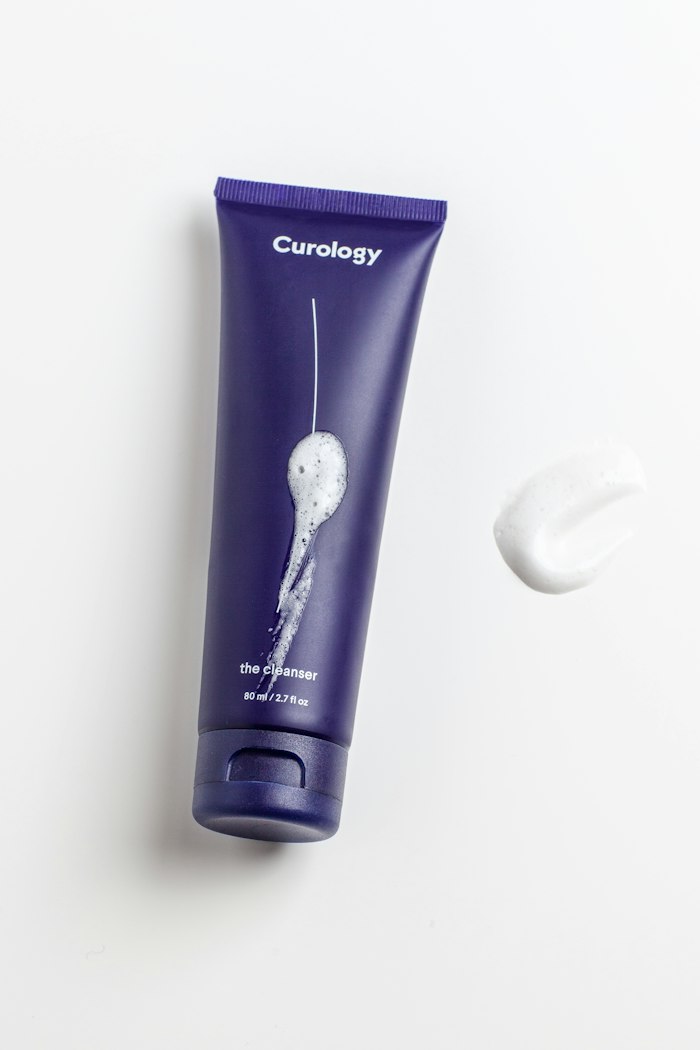
In shampoo, body wash, and other personal care products, HEC helps build viscosity, improve product body and texture, support suspension of particles or actives, and create a smooth, pleasant sensory feel during application. It is non-ionic and compatible with the anionic and amphoteric surfactants commonly used in personal care cleansing products.
Is HEC used in detergents?
Yes. HEC can be used in liquid detergents and household cleaning products to improve viscosity, product body, texture, and storage stability. As a non-ionic polymer, it is compatible with common anionic and non-ionic surfactant systems used in cleaning formulations and does not interfere with cleaning performance.
Can HEC be used in construction materials?
Yes. HEC can be used in selected construction systems such as mortars, tile adhesives, and floor screeds to provide water retention, thickening, and consistency support. However, HPMC and HEMC/MHEC are more commonly selected for drymix construction materials because they generally provide stronger water retention and workability performance in cement and gypsum systems.
What is the difference between HEC and HPMC?
HEC and HPMC are both non-ionic, water-soluble cellulose ethers, but they have different chemical structures. The most important practical difference is thermal behavior: HPMC contains methoxyl groups and gels when heated above its gelation temperature, while HEC contains only hydroxyethyl groups and remains soluble in both cold and hot water. HEC is preferred in latex paint and coating systems; HPMC is more widely used in construction, pharmaceutical, and food applications.
How do I choose the right HEC grade?
The right HEC grade depends on your application type, required viscosity level, pH range, surfactant system, pigment or filler content, electrolyte level, mixing method, hydration conditions, and final stability requirements. Contact LANDERCOLL with your application details, and our team can recommend suitable grade directions and support your formulation evaluation.







 English
  العربية
  Deutsch
  Українська
  Ελληνικά
  Español
  Español de Perú
  Français
  Magyar
  Bahasa Indonesia
  Italiano
  Português
  Türkçe
  Русский
  Nederlands
  Slovenčina
  Svenska
  Български
  Čeština
  Dansk
Dansk  Eesti
Eesti  Suomi
Suomi  日本語
日本語  한국어
한국어  Lietuvių kalba
  Latviešu valoda
  Norsk bokmål
  Polski
  Português do Brasil
  Română
  Slovenščina