Celiuliozės Eterio Puoselėjimas — Patikima daugiau nei 1000 įmonių visame pasaulyje Gaukite nemokamą pavyzdį



CMC and HEC cellulose ether solutions for viscosity control, fluid-loss support, suspension stability, and rheology consistency in water-based and brine-based well completion and workover systems.
CMC and HEC cellulose ether are used in selected completion fluid systems to improve viscosity control, fluid-loss support, suspension stability, and rheology consistency — helping the fluid maintain stable performance during mixing, pumping, placement, and downhole exposure.
From clear brine completion fluids and workover fluids to gravel-pack carrier fluids, kill fluids, packer fluids, and specialty well service applications — LANDERCOLL provides cellulose ether grades selected for completion fluid formulations worldwide.
— CMC · HEC · Viscosity Control · Fluid-Loss Support · Suspension Stability · Brine Compatibility · Completion Fluids
 Well Completion
 Fluid Lab
 Brine Systems
 Workover · Gravel Pack


 Viscosity · Suspension · Brine Compatibility
CMC and HEC cellulose ether are used in selected completion fluid systems to improve viscosity control, fluid-loss support, suspension stability, and rheology consistency in water-based and brine-based well completion and workover operations. A correctly selected grade helps the fluid maintain stable performance during mixing, pumping, placement, and downhole exposure — while remaining compatible with formation conditions, brine chemistry, and the full additive package.
Completion fluids are used during well completion, workover, cleanout, perforation, gravel packing, and related downhole operations. These fluids must support well control, minimize formation damage, maintain stable rheology, and remain compatible with formation conditions and completion equipment throughout the operation.
LANDERCOLL provides cellulose ether grades selected for completion fluid applications. CMC is recommended for filtration control support and viscosity adjustment in compatible water-based systems. HEC is recommended for non-ionic thickening and selected brine-system rheology where broader electrolyte compatibility is needed.
Completion fluids operate under demanding conditions — high salinity, elevated temperature, formation pressure, and contact with sensitive reservoir rock. If the fluid has poor viscosity control, weak suspension behavior, or insufficient filtration support, it may affect operational efficiency, increase formation damage risk, or lead to poor placement and well performance. Cellulose ether helps create a controlled, stable fluid structure in selected systems.
| Funkcija | cURL Too many subrequests by single Worker invocation. To configure this limit, refer to https://developers.cloudflare.com/workers/wrangler/configuration/#limits |
|---|---|
| Klampos kontrolė | cURL Too many subrequests by single Worker invocation. To configure this limit, refer to https://developers.cloudflare.com/workers/wrangler/configuration/#limits |
| cURL Too many subrequests by single Worker invocation. To configure this limit, refer to https://developers.cloudflare.com/workers/wrangler/configuration/#limits | cURL Too many subrequests by single Worker invocation. To configure this limit, refer to https://developers.cloudflare.com/workers/wrangler/configuration/#limits |
| cURL Too many subrequests by single Worker invocation. To configure this limit, refer to https://developers.cloudflare.com/workers/wrangler/configuration/#limits | cURL Too many subrequests by single Worker invocation. To configure this limit, refer to https://developers.cloudflare.com/workers/wrangler/configuration/#limits |
| Suspensijos stabilumas | cURL Too many subrequests by single Worker invocation. To configure this limit, refer to https://developers.cloudflare.com/workers/wrangler/configuration/#limits |
| cURL Too many subrequests by single Worker invocation. To configure this limit, refer to https://developers.cloudflare.com/workers/wrangler/configuration/#limits | cURL Too many subrequests by single Worker invocation. To configure this limit, refer to https://developers.cloudflare.com/workers/wrangler/configuration/#limits |
| cURL Too many subrequests by single Worker invocation. To configure this limit, refer to https://developers.cloudflare.com/workers/wrangler/configuration/#limits | cURL Too many subrequests by single Worker invocation. To configure this limit, refer to https://developers.cloudflare.com/workers/wrangler/configuration/#limits |
| cURL Too many subrequests by single Worker invocation. To configure this limit, refer to https://developers.cloudflare.com/workers/wrangler/configuration/#limits | cURL Too many subrequests by single Worker invocation. To configure this limit, refer to https://developers.cloudflare.com/workers/wrangler/configuration/#limits |
| cURL Too many subrequests by single Worker invocation. To configure this limit, refer to https://developers.cloudflare.com/workers/wrangler/configuration/#limits | cURL Too many subrequests by single Worker invocation. To configure this limit, refer to https://developers.cloudflare.com/workers/wrangler/configuration/#limits |
| cURL Too many subrequests by single Worker invocation. To configure this limit, refer to https://developers.cloudflare.com/workers/wrangler/configuration/#limits | cURL Too many subrequests by single Worker invocation. To configure this limit, refer to https://developers.cloudflare.com/workers/wrangler/configuration/#limits |
| Batch-to-batch reliability | cURL Too many subrequests by single Worker invocation. To configure this limit, refer to https://developers.cloudflare.com/workers/wrangler/configuration/#limits |
cURL Too many subrequests by single Worker invocation. To configure this limit, refer to https://developers.cloudflare.com/workers/wrangler/configuration/#limits

cURL Too many subrequests by single Worker invocation. To configure this limit, refer to https://developers.cloudflare.com/workers/wrangler/configuration/#limits
cURL Too many subrequests by single Worker invocation. To configure this limit, refer to https://developers.cloudflare.com/workers/wrangler/configuration/#limits

Non-ionic thickening and brine-system rheology support
Hydroxyethyl Cellulose (HEC) is particularly well-suited for completion fluid applications where non-ionic thickening, smooth viscosity development, and broader electrolyte compatibility are required. Its non-ionic character makes it more tolerant of high salinity and divalent ions compared to anionic grades such as CMC — making it a preferred option in many brine-based completion fluid systems. HEC performance should be validated through testing, as behavior depends on brine type, salt concentration, temperature, pH, shear exposure, and the full additive package.

Customized filtration, rheology, and operational performance
Specialty completion fluids — including high-density brines, high-temperature systems, or low-residue clear fluids — may require selected cellulose ether grades to balance viscosity, fluid loss, suspension, clarity, salinity tolerance, and pumpability. LANDERCOLL can recommend suitable grades based on fluid type, brine composition, temperature exposure, pressure conditions, formation sensitivity, and operational performance target.
Not sure which grade fits your completion fluid system? cURL Too many subrequests by single Worker invocation. To configure this limit, refer to https://developers.cloudflare.com/workers/wrangler/configuration/#limits
Completion fluid formulations typically include freshwater, seawater, or brine, cellulose ether, salts, fluid-loss additives, corrosion inhibitors, and other functional additives designed to meet specific well control and formation protection requirements.
| Komponentas | Function in Completion Fluids |
|---|---|
| Freshwater / Seawater / Brine | Base fluid and density control medium |
| Celiuliozės eteris | Viscosity control, suspension, and fluid-loss support |
| Salts | Adjust density and well control properties |
| Fluid-Loss Additives | Reduce filtrate invasion in selected systems |
| cURL Too many subrequests by single Worker invocation. To configure this limit, refer to https://developers.cloudflare.com/workers/wrangler/configuration/#limits | Protect tubulars and downhole equipment |
| Biocides | cURL Too many subrequests by single Worker invocation. To configure this limit, refer to https://developers.cloudflare.com/workers/wrangler/configuration/#limits |
| cURL Too many subrequests by single Worker invocation. To configure this limit, refer to https://developers.cloudflare.com/workers/wrangler/configuration/#limits | cURL Too many subrequests by single Worker invocation. To configure this limit, refer to https://developers.cloudflare.com/workers/wrangler/configuration/#limits |
| pH Adjusters | cURL Too many subrequests by single Worker invocation. To configure this limit, refer to https://developers.cloudflare.com/workers/wrangler/configuration/#limits |
| cURL Too many subrequests by single Worker invocation. To configure this limit, refer to https://developers.cloudflare.com/workers/wrangler/configuration/#limits | cURL Too many subrequests by single Worker invocation. To configure this limit, refer to https://developers.cloudflare.com/workers/wrangler/configuration/#limits |
| Kiti priedai | cURL Too many subrequests by single Worker invocation. To configure this limit, refer to https://developers.cloudflare.com/workers/wrangler/configuration/#limits |
cURL Too many subrequests by single Worker invocation. To configure this limit, refer to https://developers.cloudflare.com/workers/wrangler/configuration/#limits
| Taikymo tipas | cURL Too many subrequests by single Worker invocation. To configure this limit, refer to https://developers.cloudflare.com/workers/wrangler/configuration/#limits | Pagrindiniai veikimo reikalavimai |
|---|---|---|
| cURL Too many subrequests by single Worker invocation. To configure this limit, refer to https://developers.cloudflare.com/workers/wrangler/configuration/#limits | CMC / HEC | cURL Too many subrequests by single Worker invocation. To configure this limit, refer to https://developers.cloudflare.com/workers/wrangler/configuration/#limits |
| cURL Too many subrequests by single Worker invocation. To configure this limit, refer to https://developers.cloudflare.com/workers/wrangler/configuration/#limits | HEC / selected cellulose ether | cURL Too many subrequests by single Worker invocation. To configure this limit, refer to https://developers.cloudflare.com/workers/wrangler/configuration/#limits |
| cURL Too many subrequests by single Worker invocation. To configure this limit, refer to https://developers.cloudflare.com/workers/wrangler/configuration/#limits | CMC / HEC | cURL Too many subrequests by single Worker invocation. To configure this limit, refer to https://developers.cloudflare.com/workers/wrangler/configuration/#limits |
| cURL Too many subrequests by single Worker invocation. To configure this limit, refer to https://developers.cloudflare.com/workers/wrangler/configuration/#limits | cURL Too many subrequests by single Worker invocation. To configure this limit, refer to https://developers.cloudflare.com/workers/wrangler/configuration/#limits | cURL Too many subrequests by single Worker invocation. To configure this limit, refer to https://developers.cloudflare.com/workers/wrangler/configuration/#limits |
| cURL Too many subrequests by single Worker invocation. To configure this limit, refer to https://developers.cloudflare.com/workers/wrangler/configuration/#limits | HEC / selected grade | cURL Too many subrequests by single Worker invocation. To configure this limit, refer to https://developers.cloudflare.com/workers/wrangler/configuration/#limits |
| cURL Too many subrequests by single Worker invocation. To configure this limit, refer to https://developers.cloudflare.com/workers/wrangler/configuration/#limits | cURL Too many subrequests by single Worker invocation. To configure this limit, refer to https://developers.cloudflare.com/workers/wrangler/configuration/#limits | Long-term stability, compatibility, performance |
| Cleanout Fluid | HEC / CMC | Suspension, carrying capacity, flow behavior |
| Specialty Completion Fluid | CMC / HEC / selected grade | Customized rheology and fluid-loss support |
Reference dosage ranges for cellulose ether in completion fluid applications (% by fluid volume). Actual dosage should be determined through laboratory testing and field performance validation.
These ranges are starting references only. Final dosage must be confirmed through viscosity testing, fluid-loss testing, brine compatibility testing, temperature aging, shear stability evaluation, formation compatibility testing, and field performance review.
| Paraiška | Typical Reference Dosage (% by fluid volume) |
|---|---|
| cURL Too many subrequests by single Worker invocation. To configure this limit, refer to https://developers.cloudflare.com/workers/wrangler/configuration/#limits | 0.1% – 0.8% |
| cURL Too many subrequests by single Worker invocation. To configure this limit, refer to https://developers.cloudflare.com/workers/wrangler/configuration/#limits | 0.1% – 1.0% |
| cURL Too many subrequests by single Worker invocation. To configure this limit, refer to https://developers.cloudflare.com/workers/wrangler/configuration/#limits | 0.1% – 0.8% |
| cURL Too many subrequests by single Worker invocation. To configure this limit, refer to https://developers.cloudflare.com/workers/wrangler/configuration/#limits | 0.1% – 0.8% |
| cURL Too many subrequests by single Worker invocation. To configure this limit, refer to https://developers.cloudflare.com/workers/wrangler/configuration/#limits | 0.2% – 1.2% |
| cURL Too many subrequests by single Worker invocation. To configure this limit, refer to https://developers.cloudflare.com/workers/wrangler/configuration/#limits | Subject to long-term compatibility testing |
| Cleanout Fluid | 0.1% – 1.0% |
| Specialty Completion Fluid | 0.1% – 1.2% |
Cellulose ether helps adjust completion fluid viscosity to support pumping, placement, particle carrying, and fluid handling in selected systems. The viscosity contribution depends on the grade selected, dosage, brine type, salt concentration, temperature, and shear conditions.
CMC and selected cellulose ether grades can support filtration control in compatible completion fluid systems by reducing the rate of filtrate invasion into permeable formations. Effective fluid-loss control helps protect the reservoir, maintain wellbore integrity, and reduce formation damage risk.
Completion fluids may need to carry gravel, sand, bridging materials, or functional additives during gravel packing, cleanout, or workover operations. Cellulose ether can support suspension stability and carrying capacity in selected formulations, helping maintain uniform particle distribution throughout the fluid.
Many completion fluids contain high concentrations of chloride, bromide, calcium, sodium, potassium, or other salts. Selected cellulose ether grades — particularly HEC — should be tested for compatibility with the specific brine type, density, and ion composition before use.
Completion fluid must remain pumpable while providing enough viscosity and stability for the intended operation. Cellulose ether dosage should be optimized to balance handling performance, suspension, and fluid-loss control without creating excessive pumping resistance.
A suitable cellulose ether grade helps maintain consistent fluid behavior during mixing, storage, circulation, placement, and downhole exposure — reducing the need for frequent adjustments and supporting more predictable completion operations.
When completion fluid performance fails, the cellulose ether grade, dosage, or formulation balance is often the first variable to review. The guide below maps typical symptoms to likely causes and practical support strategies.
Insufficient viscosifier or poor hydration.
CMC / HEC support viscosity control.
Weak filtration control or high formation permeability.
Selected cellulose ether supports fluid-loss control.
Low viscosity or weak suspension.
Improve suspension and carrying capacity.
High salinity or divalent ion concentration.
Test suitable HEC or selected grade for brine conditions.
Temperature, shear, salinity, or pH effects.
Select thermally and chemically compatible grade.
Excessive viscosity or poor flow profile.
Optimize grade and dosage balance.
cURL Too many subrequests by single Worker invocation. To configure this limit, refer to https://developers.cloudflare.com/workers/wrangler/configuration/#limits
cURL Too many subrequests by single Worker invocation. To configure this limit, refer to https://developers.cloudflare.com/workers/wrangler/configuration/#limits
cURL Too many subrequests by single Worker invocation. To configure this limit, refer to https://developers.cloudflare.com/workers/wrangler/configuration/#limits
Improve addition method and mixing procedure.
cURL Too many subrequests by single Worker invocation. To configure this limit, refer to https://developers.cloudflare.com/workers/wrangler/configuration/#limits
cURL Too many subrequests by single Worker invocation. To configure this limit, refer to https://developers.cloudflare.com/workers/wrangler/configuration/#limits
cURL Too many subrequests by single Worker invocation. To configure this limit, refer to https://developers.cloudflare.com/workers/wrangler/configuration/#limits
cURL Too many subrequests by single Worker invocation. To configure this limit, refer to https://developers.cloudflare.com/workers/wrangler/configuration/#limits
cURL Too many subrequests by single Worker invocation. To configure this limit, refer to https://developers.cloudflare.com/workers/wrangler/configuration/#limits
cURL Too many subrequests by single Worker invocation. To configure this limit, refer to https://developers.cloudflare.com/workers/wrangler/configuration/#limits
cURL Too many subrequests by single Worker invocation. To configure this limit, refer to https://developers.cloudflare.com/workers/wrangler/configuration/#limits
cURL Too many subrequests by single Worker invocation. To configure this limit, refer to https://developers.cloudflare.com/workers/wrangler/configuration/#limits
cURL Too many subrequests by single Worker invocation. To configure this limit, refer to https://developers.cloudflare.com/workers/wrangler/configuration/#limits
Mixing shear, pumping shear, and circulation shear can influence viscosity and polymer structure. Shear stability should be evaluated under conditions representative of the actual mixing and pumping process.
Completion fluids contact reservoir rock and formation fluids. Cellulose ether and the full additive package should be tested for formation compatibility — including clay swelling, fines migration, and residue concerns — before field use.
Corrosion inhibitors, biocides, scale inhibitors, oxygen scavengers, surfactants, and fluid-loss additives may interact with cellulose ether. Full additive compatibility should be confirmed through laboratory testing.
Some completion fluids require low polymer residue and high fluid clarity — particularly in clear brine systems used near the production zone. Cellulose ether selection should match the cleanliness, filtration, and clarity requirements of the specific application.
Choosing the right cellulose ether for completion fluids requires balancing viscosity, salinity tolerance, fluid-loss support, suspension, pumpability, thermal stability, formation compatibility, and cleanliness requirements.
LANDERCOLL can help review your completion fluid system and recommend suitable CMC, HEC, or selected cellulose ether grades for laboratory testing and field evaluation.
Is the completion fluid freshwater-based, seawater-based, or brine-based?
What brine type, salt composition, and target density are required?
What viscosity and particle carrying capacity are needed for the operation?
Is fluid-loss control into the formation required?
What temperature and pressure conditions are expected downhole?
Are calcium, magnesium, zinc, or other divalent ions present in the brine?
Are corrosion inhibitors, biocides, scale inhibitors, or other additives included?
Is clarity, low residue, or formation-return performance required?
What formation compatibility testing is required before field use?
What operation is planned — workover, cleanout, gravel pack, kill, or completion?
Not sure which cellulose ether grade fits your completion fluid system? LANDERCOLL can recommend a practical starting grade for laboratory testing.
Ask for Completion Fluid Grade Recommendation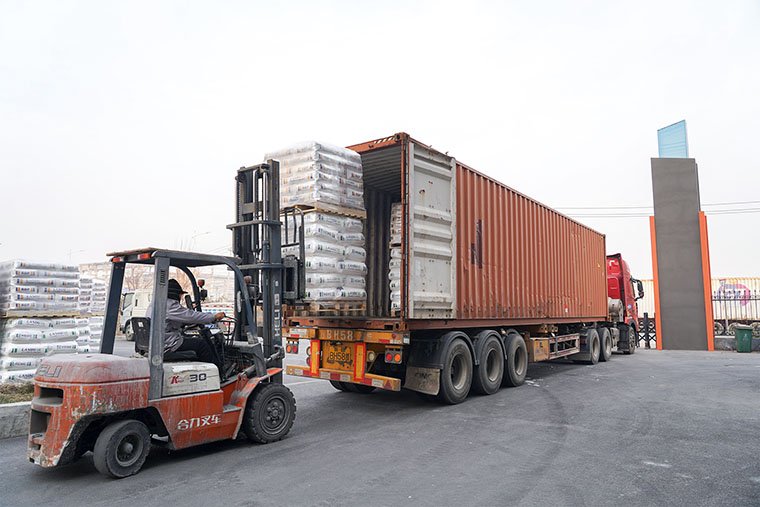
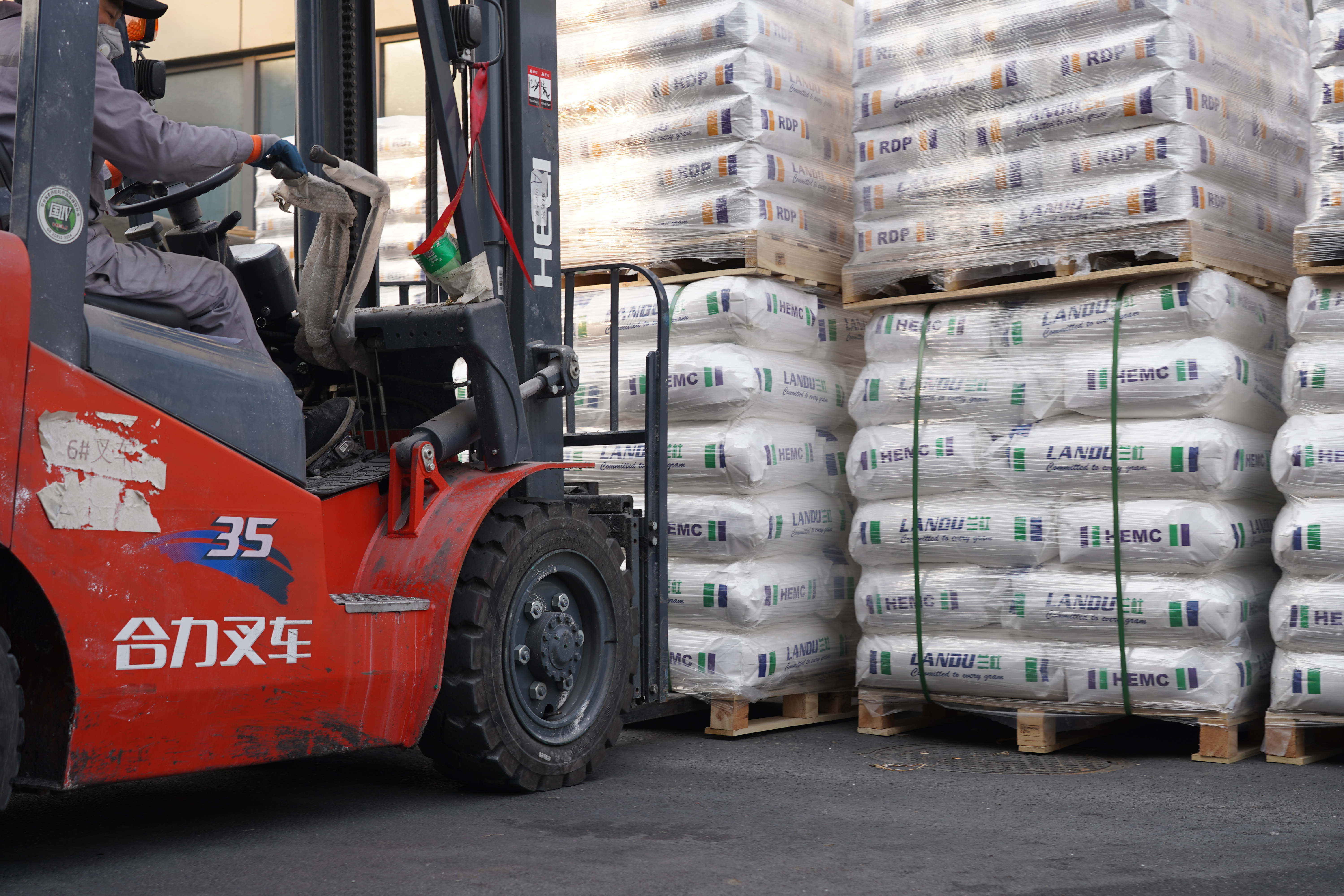 Hygroscopic · Seal When Not in Use
LANDERCOLL provides product-related documentation to support completion fluid formulation testing, purchasing review, quality evaluation, and project approval processes.
Prašyti produkto dokumentųcURL Too many subrequests by single Worker invocation. To configure this limit, refer to https://developers.cloudflare.com/workers/wrangler/configuration/#limits
cURL Too many subrequests by single Worker invocation. To configure this limit, refer to https://developers.cloudflare.com/workers/wrangler/configuration/#limits
cURL Too many subrequests by single Worker invocation. To configure this limit, refer to https://developers.cloudflare.com/workers/wrangler/configuration/#limits
cURL Too many subrequests by single Worker invocation. To configure this limit, refer to https://developers.cloudflare.com/workers/wrangler/configuration/#limits
cURL Too many subrequests by single Worker invocation. To configure this limit, refer to https://developers.cloudflare.com/workers/wrangler/configuration/#limits
cURL Too many subrequests by single Worker invocation. To configure this limit, refer to https://developers.cloudflare.com/workers/wrangler/configuration/#limits
cURL Too many subrequests by single Worker invocation. To configure this limit, refer to https://developers.cloudflare.com/workers/wrangler/configuration/#limits
cURL Too many subrequests by single Worker invocation. To configure this limit, refer to https://developers.cloudflare.com/workers/wrangler/configuration/#limits
cURL Too many subrequests by single Worker invocation. To configure this limit, refer to https://developers.cloudflare.com/workers/wrangler/configuration/#limits
cURL Too many subrequests by single Worker invocation. To configure this limit, refer to https://developers.cloudflare.com/workers/wrangler/configuration/#limits
Pavyzdžių išdėstymas ir pasiūlymų komunikacija
cURL Too many subrequests by single Worker invocation. To configure this limit, refer to https://developers.cloudflare.com/workers/wrangler/configuration/#limits
cURL Too many subrequests by single Worker invocation. To configure this limit, refer to https://developers.cloudflare.com/workers/wrangler/configuration/#limits
cURL Too many subrequests by single Worker invocation. To configure this limit, refer to https://developers.cloudflare.com/workers/wrangler/configuration/#limits
cURL Too many subrequests by single Worker invocation. To configure this limit, refer to https://developers.cloudflare.com/workers/wrangler/configuration/#limits
Selected cellulose ether grades — particularly HEC — may be used in brine-based completion fluids, but compatibility must be confirmed through testing with the specific brine type, density, ion composition, temperature, and full additive package. Not all grades are suitable for high-density or divalent-ion-containing brines.
Yes. Cellulose ether can help increase fluid viscosity and suspension behavior, which may support the carrying capacity for gravel, sand, bridging materials, or functional additives in gravel-pack, cleanout, and workover operations. Final carrying capacity depends on the complete fluid rheology, particle size and density, flow rate, and wellbore geometry.
A common reference dosage range is approximately 0.1%–1.2% by fluid volume, depending on base fluid type, brine composition, viscosity target, fluid-loss target, temperature, and cellulose ether grade. Gravel-pack carrier fluids and specialty systems may require higher dosages. Final dosage must be confirmed through laboratory testing.
Viscosity loss in completion fluids after aging may be caused by elevated temperature, high salinity, pH changes, divalent ion effects, shear degradation, additive incompatibility, insufficient polymer concentration, or an unsuitable grade for the specific brine and temperature conditions. Grade selection should include hot-rolling aging evaluation under representative conditions.
Start by defining the base fluid type, brine composition, target density, temperature range, pH, viscosity target, fluid-loss requirement, formation compatibility needs, and the full additive package. LANDERCOLL can recommend suitable CMC, HEC, or selected cellulose ether grades for your specific completion fluid system and arrange samples for laboratory evaluation.
Whether you formulate water-based completion fluids, brine-based completion fluids, workover fluids, kill fluids, gravel-pack carrier fluids, packer fluids, cleanout fluids, or specialty well service fluids — LANDERCOLL can help you identify the right cellulose ether grade for better viscosity control, fluid-loss support, suspension stability, brine compatibility, and consistent operational performance.
Our technical team is available to review your completion fluid system, recommend suitable CMC, HEC, or selected cellulose ether grades, provide dosage references, arrange samples, and support your evaluation from initial laboratory testing through to field application.
CMC for Viscosity & Fluid-Loss · HEC for Brine Systems · Selected Grades for Specialty Fluids · Suspension Stability · Particle Carrying · Clear Brine · Workover · Gravel Pack · Kill Fluid · Packer Fluid · Cleanout.
All performance data, dosage references, and formulation guidance provided on this page are for reference only. Final suitability must be confirmed through testing under your specific completion fluid system and field conditions. LANDERCOLL reserves the right to update product information without prior notice.
 English English
  العربية
 Deutsch
 Українська
 Ελληνικά
 Español
 Español de Perú
 Français
 Magyar
 Bahasa Indonesia
 Italiano
 Português
 Türkçe
 Русский
 Nederlands
 Slovenčina
 Svenska
 Български
 Čeština
 Dansk
Dansk
 Eesti
Eesti
 Suomi
Suomi
 日本語
日本語
 한국어
한국어
 Lietuvių kalba
 Latviešu valoda
 Norsk bokmål
 Polski
 Português do Brasil
 Română
 Slovenščina
