Keunggulan Ether Selulosa — Dipercaya oleh lebih dari 1000 Perusahaan di Seluruh Dunia Dapatkan Sampel Gratis
HPMC, CMC, HEC, and selected cellulose ether solutions for tablet coating, controlled release, food systems, surface uniformity, binding, protection, and functional film performance.
LANDERCOLL cellulose ether products support film formation, surface uniformity, coating stability, cohesion, and product structure across pharmaceutical, food, coating, construction, adhesive, ceramic, and specialty industrial formulations.
The right film-forming cellulose ether helps manufacturers improve surface appearance, coating consistency, binding performance, and functional behavior — whether the application is a pharmaceutical tablet, a food product, a water-based coating, or an industrial surface system.
Film forming is an important functional property in formulations where a thin, uniform polymer layer contributes to surface quality, protection, binding, coating performance, controlled release, texture, or structural stability. In many applications, a film-forming additive helps improve the way a product dries, coats, binds, protects, or performs after application.
Cellulose ether — particularly HPMC — is one of the most widely used film-forming polymers in pharmaceutical tablet coating, controlled-release drug delivery systems, food coating applications, specialty coatings, adhesives, and selected industrial surface formulations. When properly dissolved or dispersed, suitable cellulose ether grades can form a transparent, flexible, and uniform film after water evaporation or drying.
Film forming is not only about creating a visible surface layer — it supports tablet coating integrity, controlled drug release, food texture and moisture management, construction material cohesion, adhesive film strength, and industrial product performance.
LANDERCOLL provides cellulose ether film-forming solutions based primarily on HPMC, with CMC, HEC, and HEMC / MHEC supporting film or surface structure in selected applications across different industries.

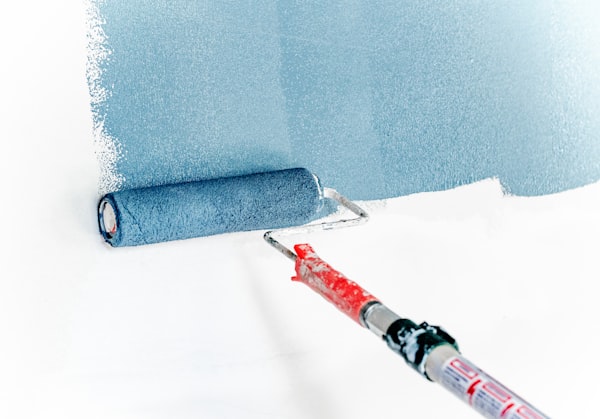

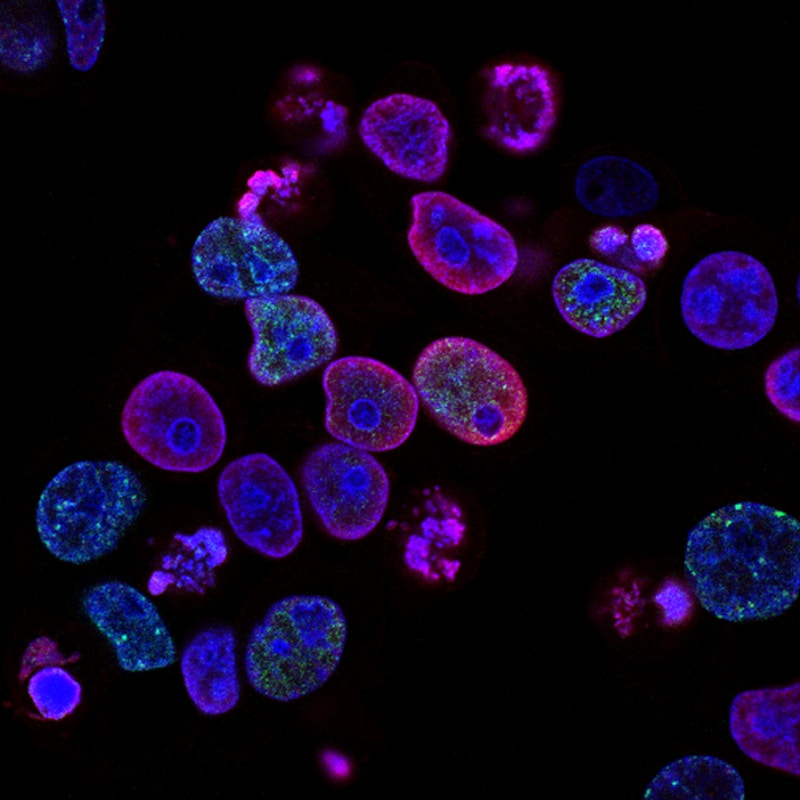

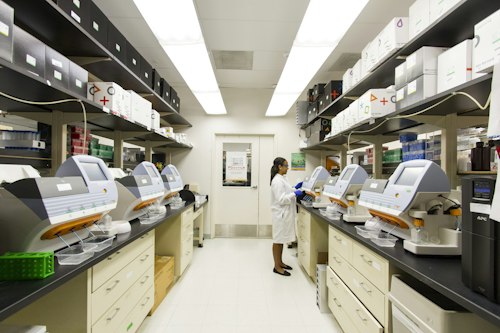
A well-formed cellulose ether film must be uniform in thickness, clear in appearance, flexible enough to resist cracking, well-adhered to the substrate, mechanically stable for the intended use, and — in pharmaceutical systems — designed to manage moisture and drug release with precision.
Film forming refers to the ability of a polymer or additive to create a continuous or semi-continuous layer after drying, cooling, coating, or processing. This layer may serve one or more functional purposes: protecting a surface from moisture or mechanical damage, improving visual appearance and uniformity, binding particles or substrates together, controlling the release of active ingredients, reducing dusting or surface fragility, improving texture or mouthfeel, or supporting structural stability in the final product.
In cellulose ether applications, film forming is most closely associated with water-soluble polymers such as HPMC. When a suitable HPMC grade is dissolved in water and applied to a surface, it can form a transparent or semi-transparent film as the water evaporates during drying — whether on a tablet core, a food product, a paper substrate, or an industrial surface.
Consistent thickness and appearance across the coated surface — essential for pharmaceutical and food applications.
cURL Too many subrequests by single Worker invocation. To configure this limit, refer to https://developers.cloudflare.com/workers/wrangler/configuration/#limits
cURL Too many subrequests by single Worker invocation. To configure this limit, refer to https://developers.cloudflare.com/workers/wrangler/configuration/#limits
cURL Too many subrequests by single Worker invocation. To configure this limit, refer to https://developers.cloudflare.com/workers/wrangler/configuration/#limits
cURL Too many subrequests by single Worker invocation. To configure this limit, refer to https://developers.cloudflare.com/workers/wrangler/configuration/#limits
cURL Too many subrequests by single Worker invocation. To configure this limit, refer to https://developers.cloudflare.com/workers/wrangler/configuration/#limits
cURL Too many subrequests by single Worker invocation. To configure this limit, refer to https://developers.cloudflare.com/workers/wrangler/configuration/#limits
cURL Too many subrequests by single Worker invocation. To configure this limit, refer to https://developers.cloudflare.com/workers/wrangler/configuration/#limits
cURL Too many subrequests by single Worker invocation. To configure this limit, refer to https://developers.cloudflare.com/workers/wrangler/configuration/#limits
cURL Too many subrequests by single Worker invocation. To configure this limit, refer to https://developers.cloudflare.com/workers/wrangler/configuration/#limits

Different cellulose ether products support film-forming behavior in different ways and are suited to different application environments. HPMC is the primary cellulose ether for dedicated film-forming applications. CMC, HEC, and HEMC / MHEC may support film or surface structure in selected systems where film formation works alongside other functional requirements such as binding, thickening, or rheology control.
 Primary Film Former
Hydroxypropyl methylcellulose (HPMC) is the most important cellulose ether for film-forming applications. Suitable HPMC grades can form clear, flexible, and mechanically stable films, making them widely used in pharmaceutical tablet coating, controlled-release drug delivery systems, oral film formulations, food coating applications, specialty coatings, adhesives, and selected industrial surface systems.
In pharmaceutical applications, HPMC is one of the most established film-forming excipients for immediate-release tablet film coating and modified-release systems. It provides smooth, uniform coating layers, good adhesion to tablet cores, and compatibility with a wide range of pharmaceutical excipients and active ingredients. HPMC is available in a range of viscosity grades and substitution types — lower viscosity grades are typically preferred for coating solution preparation; higher viscosity grades for systems requiring more structural support or controlled-release matrix formation.
CMC contributes to film-like surface structure, coating support, and surface uniformity in selected applications. In paper manufacturing, it improves surface strength and printability. In textile printing, it forms stable paste structure supporting color consistency. In ceramic systems, it supports green strength, glaze suspension, and surface uniformity.
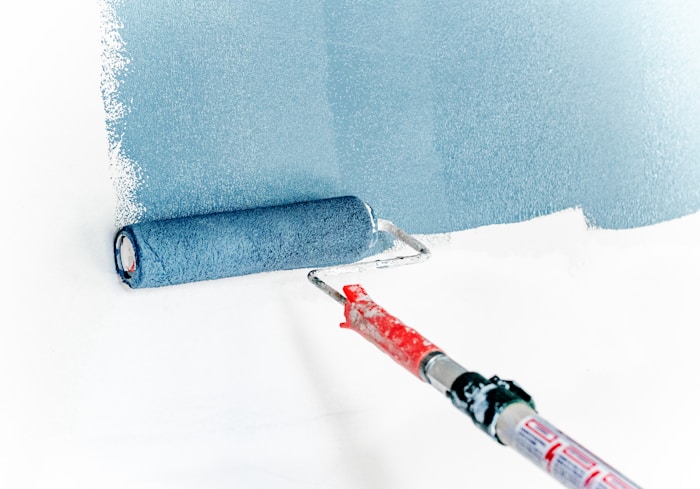
HEC is primarily used for thickening and rheology control. In selected coating, adhesive, ink, and industrial surface systems, HEC also supports film uniformity and surface consistency. Its contribution to flow control and leveling helps create a more uniform wet film that dries to a smoother, more consistent surface appearance.

cURL Too many subrequests by single Worker invocation. To configure this limit, refer to https://developers.cloudflare.com/workers/wrangler/configuration/#limits
cURL Too many subrequests by single Worker invocation. To configure this limit, refer to https://developers.cloudflare.com/workers/wrangler/configuration/#limits
| Aplikasi | Produk yang Direkomendasikan | cURL Too many subrequests by single Worker invocation. To configure this limit, refer to https://developers.cloudflare.com/workers/wrangler/configuration/#limits |
|---|---|---|
| Tablet Film Coating | Pharmaceutical-grade HPMC | cURL Too many subrequests by single Worker invocation. To configure this limit, refer to https://developers.cloudflare.com/workers/wrangler/configuration/#limits |
| cURL Too many subrequests by single Worker invocation. To configure this limit, refer to https://developers.cloudflare.com/workers/wrangler/configuration/#limits | Pharmaceutical-grade HPMC | cURL Too many subrequests by single Worker invocation. To configure this limit, refer to https://developers.cloudflare.com/workers/wrangler/configuration/#limits |
| Sistem Film Oral | Pharmaceutical-grade HPMC | cURL Too many subrequests by single Worker invocation. To configure this limit, refer to https://developers.cloudflare.com/workers/wrangler/configuration/#limits |
| Sistem Pelapis Makanan | cURL Too many subrequests by single Worker invocation. To configure this limit, refer to https://developers.cloudflare.com/workers/wrangler/configuration/#limits | cURL Too many subrequests by single Worker invocation. To configure this limit, refer to https://developers.cloudflare.com/workers/wrangler/configuration/#limits |
| Paper Coating / Surface Sizing | CMC | cURL Too many subrequests by single Worker invocation. To configure this limit, refer to https://developers.cloudflare.com/workers/wrangler/configuration/#limits |
| Pencetakan Tekstil | CMC | Film structure, paste stability, printing definition |
| Pelapis Berbasis Air | HEC / HPMC | Surface uniformity, flow, coating consistency |
| Lem | HPMC / CMC / HEC | Cohesion, film strength, process stability |
| Dempul Dinding / Lapisan Skim | HPMC / HEMC / MHEC | Surface finish, cohesion, smooth application |
| Glaze Keramik | CMC | Binding, suspension, surface uniformity |
| Industrial Surface Formulations | HPMC / CMC / HEC | Film support, stability, uniform surface behavior |
This table is for general selection guidance only. Final product selection should always be confirmed through laboratory testing in your own formulation, because film formation is significantly affected by polymer grade, viscosity, dosage, plasticizer system, drying conditions, substrate type, pH, solids content, salt content, and other additives and processing variables.
The following table summarizes the film-forming strength, best-fit applications, and additional functional benefits of each cellulose ether product family offered by LANDERCOLL.
| Keluarga Produk | Film Forming Strength | Aplikasi Terbaik | Manfaat Tambahan |
|---|---|---|---|
| HPMC | Luar biasa | Pharmaceutical coating, controlled release, food coating, specialty coatings | Binding, thickening, water retention, stability |
| CMC | Baik dalam sistem terpilih | Food, paper, textile, adhesives, ceramics | Binding, stabilization, water management |
| HEC | Selected support | Water-based coatings, inks, adhesives | Rheology control, leveling, suspension |
| HEMC / MHEC | Selected construction support | Wall putty, plaster, skim coat, finishing mortar | Water retention, cohesion, surface finish |
HPMC is the primary cellulose ether for dedicated film-forming applications, particularly in pharmaceutical tablet coating, controlled-release systems, and selected food or specialty coating uses. CMC supports film-like surface structure and binding in food, paper, textile, adhesive, and ceramic systems. HEC and HEMC / MHEC contribute to film appearance and surface quality as part of broader formulation systems where film formation works alongside rheology control, water retention, and other functional requirements.
Cellulose ether dosage for film-forming applications depends on the application type, target film thickness and properties, polymer grade and viscosity, formulation design, drying conditions, substrate characteristics, and end-use performance requirements. The following ranges are general starting points for laboratory evaluation and should not be treated as fixed usage standards.

Pharmaceutical and food applications require suitable compliant grades, appropriate technical documentation, and formulation validation according to the applicable regulatory requirements of the target market. Final dosage for all applications must be confirmed through laboratory testing, film evaluation, stability testing, and end-use performance assessment.
| Aplikasi | Dosis Referensi Umum |
|---|---|
| Tablet Film Coating | Depends on coating system and formulation design |
| cURL Too many subrequests by single Worker invocation. To configure this limit, refer to https://developers.cloudflare.com/workers/wrangler/configuration/#limits | Depends on release profile and dosage form |
| Sistem Film Oral | Depends on film structure and performance target |
| Food Coating / Texture Systems | 0.1% – 1.0% |
| Paper Coating / Surface Sizing | Depends on coating formula and substrate |
| cURL Too many subrequests by single Worker invocation. To configure this limit, refer to https://developers.cloudflare.com/workers/wrangler/configuration/#limits | Depends on paste viscosity and process requirements |
| Pelapis Berbasis Air | 0.1% – 0.8% |
| Lem | Depends on formulation design and performance target |
| Dempul Dinding / Lapisan Skim | 0.2% – 0.5% |
| Construction Finishing Materials | 0.15% – 0.5% |
| Ceramic Glaze / Slurry | 0.1% – 1.0% |
| Industrial Surface Systems | Depends on application and target film behavior |
Film formation quality depends on both the cellulose ether product selected and the complete formulation and processing environment. A film that performs well in one system may crack, haze, delaminate, or dry unevenly in another if key formulation conditions are different. Understanding the main factors that influence film formation helps formulators achieve more consistent results.
cURL Too many subrequests by single Worker invocation. To configure this limit, refer to https://developers.cloudflare.com/workers/wrangler/configuration/#limits
cURL Too many subrequests by single Worker invocation. To configure this limit, refer to https://developers.cloudflare.com/workers/wrangler/configuration/#limits
cURL Too many subrequests by single Worker invocation. To configure this limit, refer to https://developers.cloudflare.com/workers/wrangler/configuration/#limits
cURL Too many subrequests by single Worker invocation. To configure this limit, refer to https://developers.cloudflare.com/workers/wrangler/configuration/#limits
cURL Too many subrequests by single Worker invocation. To configure this limit, refer to https://developers.cloudflare.com/workers/wrangler/configuration/#limits
cURL Too many subrequests by single Worker invocation. To configure this limit, refer to https://developers.cloudflare.com/workers/wrangler/configuration/#limits
cURL Too many subrequests by single Worker invocation. To configure this limit, refer to https://developers.cloudflare.com/workers/wrangler/configuration/#limits
cURL Too many subrequests by single Worker invocation. To configure this limit, refer to https://developers.cloudflare.com/workers/wrangler/configuration/#limits
Aplikasi · i.
cURL Too many subrequests by single Worker invocation. To configure this limit, refer to https://developers.cloudflare.com/workers/wrangler/configuration/#limits
cURL Too many subrequests by single Worker invocation. To configure this limit, refer to https://developers.cloudflare.com/workers/wrangler/configuration/#limits
cURL Too many subrequests by single Worker invocation. To configure this limit, refer to https://developers.cloudflare.com/workers/wrangler/configuration/#limits
Suitable food-grade HPMC and CMC grades may support coating, texture, moisture management, and structural behavior in selected food applications. HPMC contributes to surface uniformity and moisture management in coated food products. Food-grade CMC supports coating stability, binding, and texture in sauces, dressings, dairy products, and other food systems.
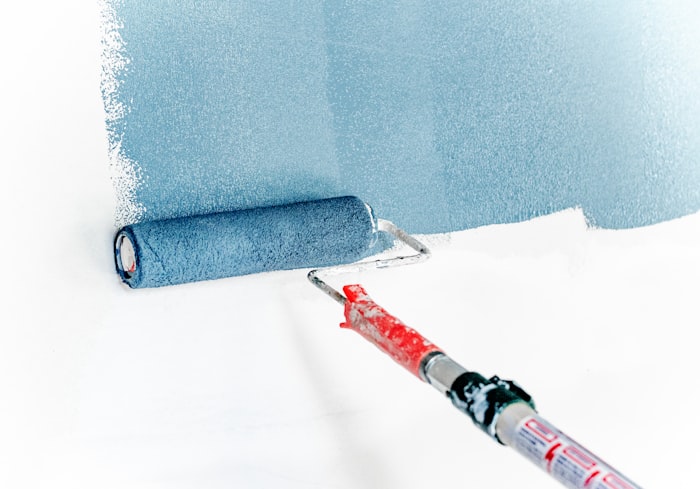
In water-based architectural coatings, decorative finishes, and specialty surface formulations, cellulose ether contributes to coating consistency, flow behavior, leveling, and surface uniformity — directly influencing the quality and appearance of the dried film. HEC is the most commonly used cellulose ether in water-based coatings, where its contribution to flow control and leveling helps create a more uniform wet film.

In wall putty, skim coat, cement plaster, gypsum plaster, repair mortar, and other construction finishing materials, cellulose ether supports surface cohesion, finishing quality, and film-like surface structure. HPMC and HEMC / MHEC help create a more cohesive, smooth, and uniform finishing layer — easier to scrape, sand, or paint over.

CMC is widely used in paper manufacturing for surface sizing and coating, where it improves paper surface strength, printability, ink holdout, and surface uniformity. In textile printing, CMC forms a stable paste structure supporting printing definition, color consistency, and wash fastness. In adhesive formulations, HPMC, CMC, and HEC can all contribute to film strength and cohesion.

In ceramic manufacturing, film and surface structure influence green strength, handling behavior, glaze suspension, drying uniformity, and surface quality before and after firing. CMC is widely used in ceramic slurry and glaze systems — its film-forming contribution helps improve green strength, reduce handling defects, and support more uniform glaze application. In specialty industrial surface systems, HPMC, CMC, and HEC may each support film formation and surface uniformity.
cURL Too many subrequests by single Worker invocation. To configure this limit, refer to https://developers.cloudflare.com/workers/wrangler/configuration/#limits
cURL Too many subrequests by single Worker invocation. To configure this limit, refer to https://developers.cloudflare.com/workers/wrangler/configuration/#limitscURL Too many subrequests by single Worker invocation. To configure this limit, refer to https://developers.cloudflare.com/workers/wrangler/configuration/#limits
cURL Too many subrequests by single Worker invocation. To configure this limit, refer to https://developers.cloudflare.com/workers/wrangler/configuration/#limits
cURL Too many subrequests by single Worker invocation. To configure this limit, refer to https://developers.cloudflare.com/workers/wrangler/configuration/#limits
cURL Too many subrequests by single Worker invocation. To configure this limit, refer to https://developers.cloudflare.com/workers/wrangler/configuration/#limits
cURL Too many subrequests by single Worker invocation. To configure this limit, refer to https://developers.cloudflare.com/workers/wrangler/configuration/#limits
LANDERCOLL can help you evaluate suitable HPMC, CMC, HEC, or HEMC / MHEC products based on your specific application, target film properties, processing method, substrate characteristics, and documentation requirements.

Product selection and grade recommendation based on your application type, target film properties, processing method, and substrate characteristics.
HPMC grade direction discussion for pharmaceutical, food-grade, or industrial-grade use — including viscosity selection and substitution type guidance.
Food-grade and pharmaceutical-grade product discussion, including documentation requirements and compliance information for your target market.
Coating and surface performance review to help identify root causes of film defects, uneven surfaces, poor adhesion, or inconsistent coating behavior.
Viscosity grade and dosage guidance to help achieve the right balance between film strength, flexibility, and processing behavior in your specific system.
Plasticizer compatibility discussion for pharmaceutical and specialty film coating systems — including common plasticizer options and their effect on film mechanical properties.
Technical document support including TDS, SDS, COA, and pharma documentation, plus sample arrangement and quotation communication from evaluation through commercial sourcing.
Film forming means the ability of a polymer or additive to create a continuous or semi-continuous layer after drying, cooling, coating, or processing. This layer can serve multiple functions including surface protection, improved appearance, binding of particles or substrates, controlled release of active ingredients, dust reduction, moisture management, or structural stability in the final product.
HPMC is the most important cellulose ether for film-forming applications. Suitable HPMC grades can form clear, flexible, and mechanically stable films, making them the standard choice for pharmaceutical tablet coating, controlled-release systems, food coating applications, and selected industrial surface formulations. CMC, HEC, and HEMC / MHEC support film or surface structure in selected applications where film formation works alongside other functional requirements.
Yes. Suitable pharmaceutical-grade HPMC is one of the most widely used and well-established excipients for tablet film coating and controlled-release drug delivery systems. It provides smooth, uniform coating layers with good adhesion and compatibility with a wide range of active ingredients and excipients. Pharmaceutical applications require suitable grade selection, regulatory documentation, and formulation validation.
In immediate-release tablet coating, HPMC forms a thin, rapidly dissolving film that protects the tablet, improves appearance, and facilitates swallowing without significantly affecting drug release. In controlled-release systems, HPMC is used either as a thicker coating membrane that controls drug permeation, or as a hydrophilic matrix former that creates a gel layer controlling drug diffusion. The specific HPMC grade, viscosity, film thickness, and formulation design determine the release profile.
CMC can support film-like surface structure, binding, and surface properties in selected applications including paper surface sizing, textile printing, food systems, ceramic glazes, and adhesives. However, HPMC is generally the stronger choice for dedicated film-forming applications where film clarity, flexibility, and mechanical integrity are the primary requirements.
HEC is primarily used for thickening, rheology control, suspension stability, and water-based formulation stability. While it is not typically selected as the primary film-forming polymer, HEC can support film appearance and surface uniformity in water-based coating, adhesive, and ink systems by improving flow, leveling, and coating consistency.
Suitable food-grade HPMC and food-grade CMC may be used in selected food coating and texture applications. Food use requires compliant grades with appropriate food safety documentation and regulatory approval for the target market. Applicable usage levels and regulatory status vary by country and product category.
HPMC and HEMC / MHEC support surface cohesion, finishing quality, and film-like surface structure in wall putty, skim coat, cement plaster, gypsum plaster, repair mortar, and other construction finishing materials. These products combine film support with water retention and rheology control functions within a single additive.
Film cracking or uneven appearance can result from several causes including unsuitable cellulose ether grade or viscosity, insufficient or excessive polymer dosage, poor dispersion or hydration of the polymer, excessively fast drying conditions, insufficient plasticizer in systems that require it, incompatible additives, pH outside the stable range, poor substrate adhesion, or inconsistency in raw material quality. Systematic evaluation of the formulation and drying conditions is needed to identify and resolve the root cause.
Common plasticizers used with HPMC in pharmaceutical film coating include polyethylene glycol (PEG), propylene glycol, and triethyl citrate. In food and industrial systems, the choice of plasticizer depends on regulatory requirements, compatibility, and the target film properties. The plasticizer type and level significantly affect film flexibility, mechanical strength, and coating performance.
Yes. Share your application type, target film properties, grade requirements, processing method, substrate characteristics, and any documentation or compliance requirements. LANDERCOLL can help recommend suitable HPMC, CMC, HEC, or HEMC / MHEC products and grades for laboratory evaluation and production trials.
cURL Too many subrequests by single Worker invocation. To configure this limit, refer to https://developers.cloudflare.com/workers/wrangler/configuration/#limits
cURL Too many subrequests by single Worker invocation. To configure this limit, refer to https://developers.cloudflare.com/workers/wrangler/configuration/#limits
 English English
  العربية
 Deutsch
 Українська
 Ελληνικά
 Español
 Español de Perú
 Français
 Magyar
 Bahasa Indonesia
 Italiano
 Português
 Türkçe
 Русский
 Nederlands
 Slovenčina
 Svenska
 Български
 Čeština
 Dansk
Dansk
 Eesti
Eesti
 Suomi
Suomi
 日本語
日本語
 한국어
한국어
 Lietuvių kalba
 Latviešu valoda
 Norsk bokmål
 Polski
 Português do Brasil
 Română
 Slovenščina
