Tselluloosi eeteri suurepärasus — usaldusväärne üle 1000 ettevõtte poolt kogu maailmas Saada tasuta proovi
LANDERCOLL HEC, CMC, and HPMC cellulose ether helps liquid detergent manufacturers achieve reliable viscosity control, smooth texture, particle suspension, and long-term formulation stability across laundry liquid, dishwashing liquid, multipurpose cleaner, and concentrated formats.
From ready-to-use laundry liquid to concentrated gel-type detergents and neutral household cleaners — the right cellulose ether grade delivers predictable rheology, premium product body, and consistent pouring behavior for overseas manufacturers and chemical buyers.

Laundry Liquid · Dishwashing · Multipurpose · Concentrated · Gel-Type · Neutral Cleaner
 Quick Answer
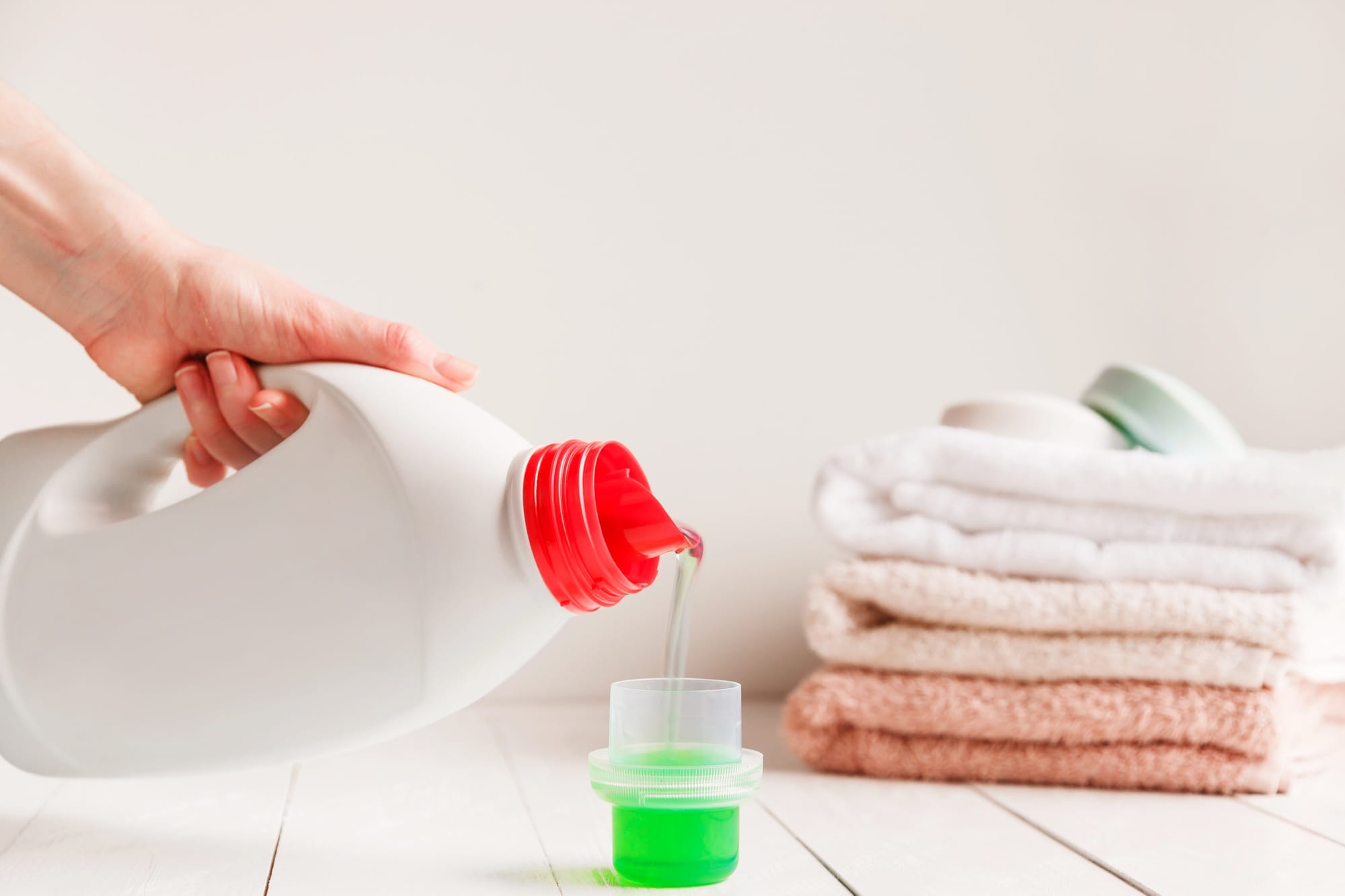
Quick AnswerCellulose ether — primarily HEC — is used in liquid detergent as a non-ionic thickener and rheology modifier that controls viscosity, supports particle suspension, improves pouring behavior, and maintains formulation stability throughout storage. CMC is used in selected laundry liquid systems for soil suspension and anti-redeposition support.
Key performance, compatibility, and supply reference for overseas liquid detergent manufacturers and chemical buyers.
Looking to improve your liquid detergent viscosity or stability?
Ask for a Liquid Detergent Recommendation Paluge pakkumist


Liquid detergent is a water-based cleaning product formulated with surfactants, builders, solvents, fragrance, preservatives, viscosity modifiers, stabilizers, and functional additives. It is used across fabric washing, dishwashing, hard surface cleaning, bathroom cleaning, neutral cleaning, and general household cleaning.
Tselluloosi eeter is used as a functional polymer additive to support thickening, rheology control, suspension stability, product texture, and overall user experience. Among available types, HEC (hüdroksüetüültselluloos) is the most widely used grade in liquid detergent systems due to its non-ionic character and broad surfactant compatibility.
Two common failure modes are directly linked to viscosity management: too low viscosity — thin, watery appearance, phase separation, poor suspension; and too high viscosity — difficult pumping, hard to pour, inaccurate dosing. Cellulose ether gives formulators a reliable tool to adjust viscosity and rheology while supporting suspension and smooth texture.
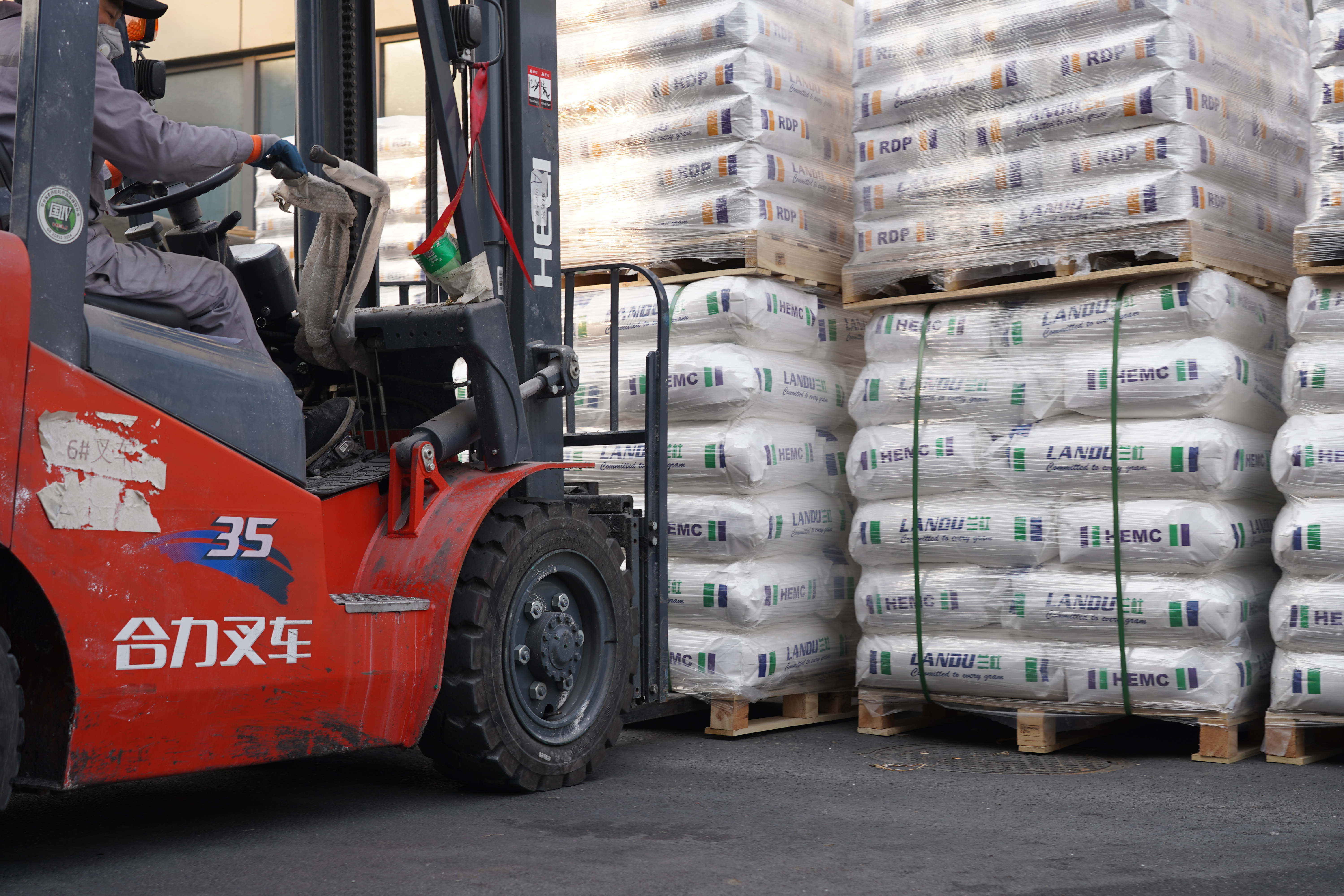
LANDERCOLL supplies HEC, CMC, and selected cellulose ether grades to liquid detergent manufacturers and household cleaning product formulators worldwide — supported by technical data sheets, safety data sheets, certificates of analysis, and application guidance.
cURL Too many subrequests by single Worker invocation. To configure this limit, refer to https://developers.cloudflare.com/workers/wrangler/configuration/#limits
cURL Too many subrequests by single Worker invocation. To configure this limit, refer to https://developers.cloudflare.com/workers/wrangler/configuration/#limits
 Primary · Non-Ionic · HEC
cURL Too many subrequests by single Worker invocation. To configure this limit, refer to https://developers.cloudflare.com/workers/wrangler/configuration/#limits
cURL Too many subrequests by single Worker invocation. To configure this limit, refer to https://developers.cloudflare.com/workers/wrangler/configuration/#limits
Anionic · CMC · Laundry Liquid
Anionic cellulose ether for suspension support and selected liquid detergent applications.
CMC is used in selected liquid detergent systems — particularly liquid laundry detergent — where soil suspension, anti-redeposition support, and formulation consistency are required. Important: CMC is anionic; compatibility with surfactant systems, electrolyte content, pH, and active matter must be confirmed through testing before scale-up.
 cURL Too many subrequests by single Worker invocation. To configure this limit, refer to https://developers.cloudflare.com/workers/wrangler/configuration/#limits
Specialty cellulose ether for selected rheology and gel-type formulation requirements.
HPMC may be considered in selected liquid detergent or household cleaning systems where special thickening behavior, water-soluble polymer characteristics, or rheology adjustment is required. Its use is more application-specific and should be confirmed through formulation testing with surfactant type, solvent system, pH, electrolytes, fragrance, and preservatives.
The table below provides a general reference for common liquid detergent components and the role cellulose ether plays within the system.
| Komponent | Function in Liquid Detergent |
|---|---|
| Vesi | Main solvent and carrier |
| Surfactants | Cleaning, wetting, emulsifying, and foam properties |
| Tselluloosi eeter | Improves viscosity, texture, suspension, and stability |
| Builders / Chelating Agents | Cleaning efficiency and water hardness control |
| cURL Too many subrequests by single Worker invocation. To configure this limit, refer to https://developers.cloudflare.com/workers/wrangler/configuration/#limits | Solubility, clarity, and cleaning performance |
| Säilitusained | Microbial protection for water-based formulas |
| Fragrance | Product scent |
| pH Adjusters | pH control and formulation stability |
| Colorants / Opacifiers | Product appearance in selected formulas |
| Muud lisaained | Foam, clarity, viscosity, stability, or special performance |
| Rakenduse tüüp | Soovitatav toode | cURL Too many subrequests by single Worker invocation. To configure this limit, refer to https://developers.cloudflare.com/workers/wrangler/configuration/#limits |
|---|---|---|
| Vedel pesupesemisvahend | HEC / CMC | cURL Too many subrequests by single Worker invocation. To configure this limit, refer to https://developers.cloudflare.com/workers/wrangler/configuration/#limits |
| cURL Too many subrequests by single Worker invocation. To configure this limit, refer to https://developers.cloudflare.com/workers/wrangler/configuration/#limits | HEC | cURL Too many subrequests by single Worker invocation. To configure this limit, refer to https://developers.cloudflare.com/workers/wrangler/configuration/#limits |
| cURL Too many subrequests by single Worker invocation. To configure this limit, refer to https://developers.cloudflare.com/workers/wrangler/configuration/#limits | HEC / selected CMC | cURL Too many subrequests by single Worker invocation. To configure this limit, refer to https://developers.cloudflare.com/workers/wrangler/configuration/#limits |
| cURL Too many subrequests by single Worker invocation. To configure this limit, refer to https://developers.cloudflare.com/workers/wrangler/configuration/#limits | HEC / selected cellulose ether | cURL Too many subrequests by single Worker invocation. To configure this limit, refer to https://developers.cloudflare.com/workers/wrangler/configuration/#limits |
| cURL Too many subrequests by single Worker invocation. To configure this limit, refer to https://developers.cloudflare.com/workers/wrangler/configuration/#limits | HEC | cURL Too many subrequests by single Worker invocation. To configure this limit, refer to https://developers.cloudflare.com/workers/wrangler/configuration/#limits |
| cURL Too many subrequests by single Worker invocation. To configure this limit, refer to https://developers.cloudflare.com/workers/wrangler/configuration/#limits | HEC / selected HPMC | cURL Too many subrequests by single Worker invocation. To configure this limit, refer to https://developers.cloudflare.com/workers/wrangler/configuration/#limits |
| Household Cleaning Liquid | HEC / CMC / HPMC | cURL Too many subrequests by single Worker invocation. To configure this limit, refer to https://developers.cloudflare.com/workers/wrangler/configuration/#limits |
| Industrial Liquid Detergent | HEC / selected cellulose ether | cURL Too many subrequests by single Worker invocation. To configure this limit, refer to https://developers.cloudflare.com/workers/wrangler/configuration/#limits |
cURL Too many subrequests by single Worker invocation. To configure this limit, refer to https://developers.cloudflare.com/workers/wrangler/configuration/#limits
| Taotlus | Typical Reference Dosage |
|---|---|
| Vedel pesupesemisvahend | 0,2% – 1,0% |
| cURL Too many subrequests by single Worker invocation. To configure this limit, refer to https://developers.cloudflare.com/workers/wrangler/configuration/#limits | 0,2% – 0,8% |
| cURL Too many subrequests by single Worker invocation. To configure this limit, refer to https://developers.cloudflare.com/workers/wrangler/configuration/#limits | 0.1% – 0.8% |
| cURL Too many subrequests by single Worker invocation. To configure this limit, refer to https://developers.cloudflare.com/workers/wrangler/configuration/#limits | 0,2% – 0,8% |
| cURL Too many subrequests by single Worker invocation. To configure this limit, refer to https://developers.cloudflare.com/workers/wrangler/configuration/#limits | 0,1% – 0,6% |
| cURL Too many subrequests by single Worker invocation. To configure this limit, refer to https://developers.cloudflare.com/workers/wrangler/configuration/#limits | 0,3% – 1,2% |
| Household Cleaning Liquid | 0.1% – 1.0% |
| Industrial Liquid Detergent | cURL Too many subrequests by single Worker invocation. To configure this limit, refer to https://developers.cloudflare.com/workers/wrangler/configuration/#limits |
cURL Too many subrequests by single Worker invocation. To configure this limit, refer to https://developers.cloudflare.com/workers/wrangler/configuration/#limits
cURL Too many subrequests by single Worker invocation. To configure this limit, refer to https://developers.cloudflare.com/workers/wrangler/configuration/#limits
cURL Too many subrequests by single Worker invocation. To configure this limit, refer to https://developers.cloudflare.com/workers/wrangler/configuration/#limits
cURL Too many subrequests by single Worker invocation. To configure this limit, refer to https://developers.cloudflare.com/workers/wrangler/configuration/#limits
cURL Too many subrequests by single Worker invocation. To configure this limit, refer to https://developers.cloudflare.com/workers/wrangler/configuration/#limits
cURL Too many subrequests by single Worker invocation. To configure this limit, refer to https://developers.cloudflare.com/workers/wrangler/configuration/#limits
Cellulose ether supports stable appearance and viscosity during storage when matched with surfactant system, electrolyte level, pH, and processing method — critical for long shelf-life and temperature-variable distribution.
When liquid detergent fails viscosity, stability, or production quality targets, cellulose ether grade, dosage, hydration, or compatibility is often the first variable to review.
Low thickener level or unsuitable viscosity system.
cURL Too many subrequests by single Worker invocation. To configure this limit, refer to https://developers.cloudflare.com/workers/wrangler/configuration/#limits
Weak rheology or particle settling.
Cellulose ether supports suspension stability.
Surfactant, electrolyte, or polymer incompatibility.
Optimize grade selection and formulation balance.
pH, salt, temperature, or surfactant interaction.
Test suitable grade and confirm dosage.
Excessive viscosity or poor rheology profile.
Adjust viscosity grade and dosage.
Poor dispersion or insufficient hydration.
Improve addition process and mixing sequence.
Incompatibility with surfactants, fragrance, or salts.
Confirm compatibility through systematic testing.
cURL Too many subrequests by single Worker invocation. To configure this limit, refer to https://developers.cloudflare.com/workers/wrangler/configuration/#limits
Reduce dosage or select different viscosity grade.
Understanding these variables helps formulators make better grade selections and avoid common compatibility and stability problems in liquid detergent production.
Anionic, non-ionic, amphoteric, and mixed surfactant systems affect hydration rate, compatibility, clarity, and final viscosity. Non-ionic HEC generally shows broader compatibility than anionic CMC in mixed systems.
Salt, builders, and other electrolytes can significantly influence viscosity response and long-term stability — particularly for anionic CMC. High electrolyte levels may require grade adjustment.
Liquid detergent pH affects polymer performance, preservative function, and overall stability. Most cellulose ether grades perform across a broad pH range, but extreme values should be confirmed through testing.
High-active concentrated formats may require special rheology balancing. Cellulose ether dosage and grade selection may need adjustment for high-active systems.
Solvents affect hydration rate, clarity, viscosity development, and product feel. Solvent type and level should be considered during grade selection.
Fragrance oils and preservatives may affect clarity, viscosity, and stability in sensitive formulations. These interactions should be evaluated during development.
Addition sequence, hydration time, mixing speed, and water temperature affect dispersion and viscosity development. Proper addition method is critical to avoiding lumps and achieving consistent batch quality.
Temperature changes — including freeze-thaw cycles and high-temperature warehousing — may affect viscosity, appearance, and stability. Storage stability testing under relevant conditions is recommended.
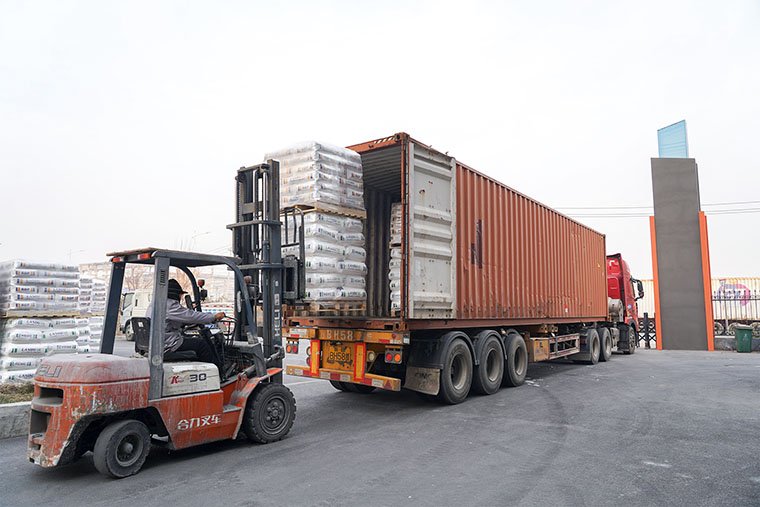
Choosing the right cellulose ether requires balancing viscosity target, flow behavior, storage stability, clarity requirements, suspension needs, surfactant compatibility, and processing method.
 Grade Selection Guide
LANDERCOLL can review your liquid detergent formulation direction and recommend suitable HEC, CMC, or selected cellulose ether grades for testing.
cURL Too many subrequests by single Worker invocation. To configure this limit, refer to https://developers.cloudflare.com/workers/wrangler/configuration/#limits
cURL Too many subrequests by single Worker invocation. To configure this limit, refer to https://developers.cloudflare.com/workers/wrangler/configuration/#limits
cURL Too many subrequests by single Worker invocation. To configure this limit, refer to https://developers.cloudflare.com/workers/wrangler/configuration/#limits
cURL Too many subrequests by single Worker invocation. To configure this limit, refer to https://developers.cloudflare.com/workers/wrangler/configuration/#limits
cURL Too many subrequests by single Worker invocation. To configure this limit, refer to https://developers.cloudflare.com/workers/wrangler/configuration/#limits
cURL Too many subrequests by single Worker invocation. To configure this limit, refer to https://developers.cloudflare.com/workers/wrangler/configuration/#limits
cURL Too many subrequests by single Worker invocation. To configure this limit, refer to https://developers.cloudflare.com/workers/wrangler/configuration/#limits
cURL Too many subrequests by single Worker invocation. To configure this limit, refer to https://developers.cloudflare.com/workers/wrangler/configuration/#limits
cURL Too many subrequests by single Worker invocation. To configure this limit, refer to https://developers.cloudflare.com/workers/wrangler/configuration/#limits
cURL Too many subrequests by single Worker invocation. To configure this limit, refer to https://developers.cloudflare.com/workers/wrangler/configuration/#limits

cURL Too many subrequests by single Worker invocation. To configure this limit, refer to https://developers.cloudflare.com/workers/wrangler/configuration/#limits
cURL Too many subrequests by single Worker invocation. To configure this limit, refer to https://developers.cloudflare.com/workers/wrangler/configuration/#limitscURL Too many subrequests by single Worker invocation. To configure this limit, refer to https://developers.cloudflare.com/workers/wrangler/configuration/#limits
All documents supplied upon request to support formulation review, quality approval, and import compliance.
cURL Too many subrequests by single Worker invocation. To configure this limit, refer to https://developers.cloudflare.com/workers/wrangler/configuration/#limits
cURL Too many subrequests by single Worker invocation. To configure this limit, refer to https://developers.cloudflare.com/workers/wrangler/configuration/#limits
cURL Too many subrequests by single Worker invocation. To configure this limit, refer to https://developers.cloudflare.com/workers/wrangler/configuration/#limits
cURL Too many subrequests by single Worker invocation. To configure this limit, refer to https://developers.cloudflare.com/workers/wrangler/configuration/#limits
cURL Too many subrequests by single Worker invocation. To configure this limit, refer to https://developers.cloudflare.com/workers/wrangler/configuration/#limits
cURL Too many subrequests by single Worker invocation. To configure this limit, refer to https://developers.cloudflare.com/workers/wrangler/configuration/#limits
Sample supply and technical documentation (TDS, SDS, COA)
Quotation and export supply chain communication
cURL Too many subrequests by single Worker invocation. To configure this limit, refer to https://developers.cloudflare.com/workers/wrangler/configuration/#limits
cURL Too many subrequests by single Worker invocation. To configure this limit, refer to https://developers.cloudflare.com/workers/wrangler/configuration/#limits
HEC (Hydroxyethyl Cellulose) is the most commonly used cellulose ether in liquid detergent for viscosity control, thickening, suspension stability, and smooth texture. CMC may be used in selected liquid laundry systems for soil suspension and anti-redeposition. HPMC may be considered in specialty or gel-type formats.
HEC improves viscosity, creates smooth product texture, supports suspension of particles and opacifiers, improves pouring and dosing behavior, and helps maintain formulation appearance during storage. As a non-ionic polymer, HEC is compatible with a broad range of surfactant systems.
Yes. CMC can be used in selected liquid detergent systems, particularly liquid laundry detergent, where soil suspension and anti-redeposition support are required. Because CMC is anionic, compatibility with surfactant system, electrolyte level, and pH must be confirmed through testing before scale-up.
A common reference dosage range is 0.1%–1.2% by weight, depending on detergent type, viscosity target, grade, surfactant system, and electrolyte level. Gel-type systems may use up to 1.2%; neutral cleaners may require 0.1%–0.6%. Final dosage must be confirmed through testing.
Viscosity loss may be caused by surfactant incompatibility, elevated electrolyte levels, pH changes, temperature fluctuations, poor initial hydration, microbial degradation, or unsuitable cellulose ether grade. Systematic storage stability testing under relevant temperature conditions is recommended.
Cellulose ether selection may support clarity in some formulations, but final clarity depends on surfactant type, solvents, fragrance, salt level, polymer grade, and processing. HEC is generally more compatible with clear targets than CMC in many systems, but this must be confirmed through testing.
Lumps or fish eyes typically occur when cellulose ether is added too quickly, poorly dispersed before hydration, or not given sufficient mixing time. Optimize addition method — pre-dispersing in compatible solvent or adding slowly under agitation helps prevent lump formation.
Define your detergent type, surfactant system, pH range, electrolyte level, clarity target, viscosity target, storage requirements, and mixing process. Contact LANDERCOLL with these parameters — our technical team can recommend suitable HEC, CMC, or selected grades and provide samples for testing.
Whether you produce liquid laundry detergent, liquid dishwashing detergent, multipurpose liquid cleaner, concentrated detergent, neutral cleaner, gel-type detergent, or customized household cleaning liquids — LANDERCOLL cellulose ether helps you achieve better viscosity control, suspension stability, smooth texture, and formulation consistency.
Contact LANDERCOLL today to receive a product recommendation, request samples, or get a competitive quote for your liquid detergent formulation project.
 English English
  العربية
 Deutsch
 Українська
 Ελληνικά
 Español
 Español de Perú
 Français
 Magyar
 Bahasa Indonesia
 Italiano
 Português
 Türkçe
 Русский
 Nederlands
 Slovenčina
 Svenska
 Български
 Čeština
 Dansk
Dansk
 Eesti
Eesti
 Suomi
Suomi
 日本語
日本語
 한국어
한국어
 Lietuvių kalba
 Latviešu valoda
 Norsk bokmål
 Polski
 Português do Brasil
 Română
 Slovenščina
