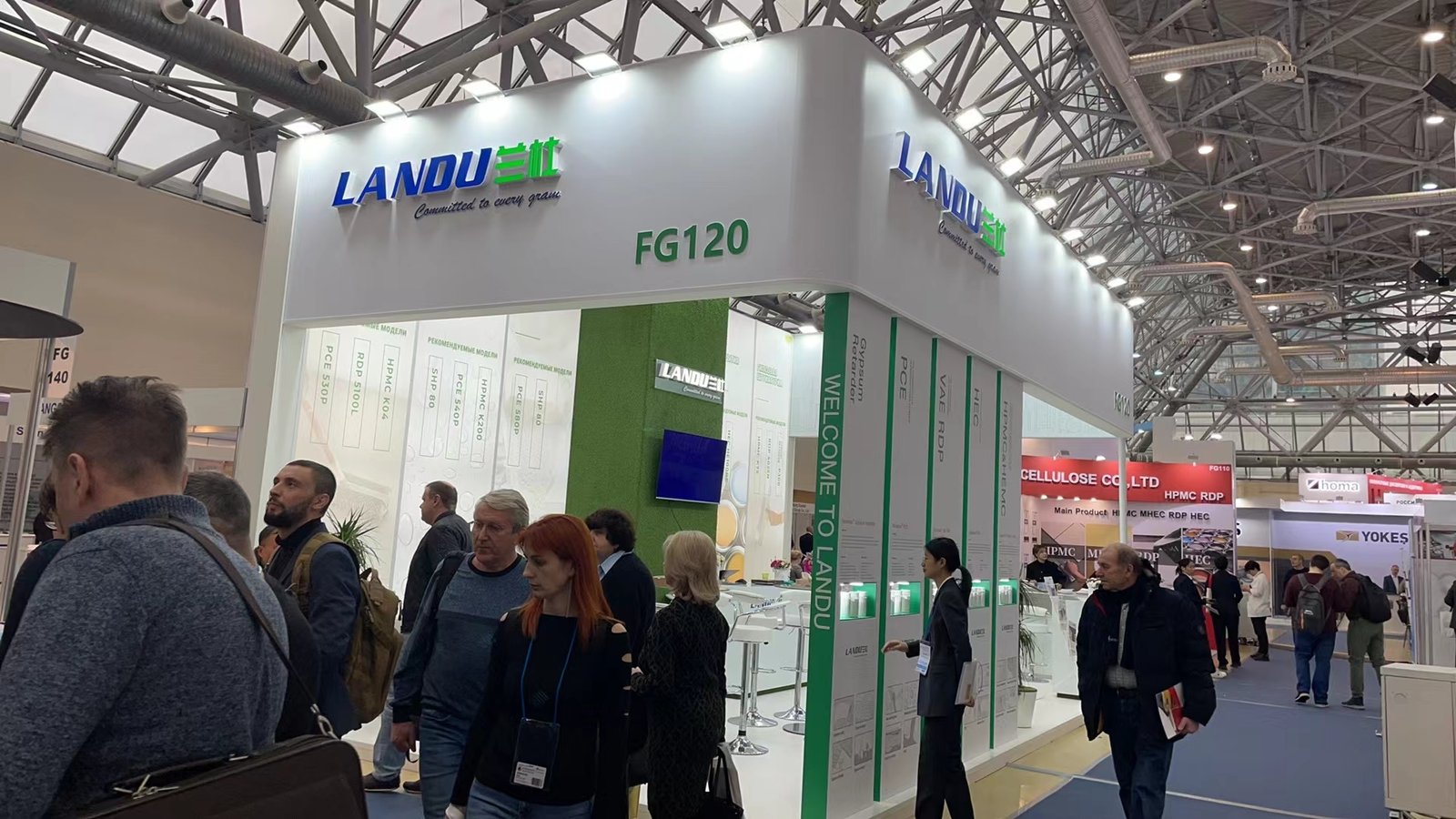
Cellulose Ether Excellence — Trusted by 1000+ Enterprises Globally Get Free Sample
LANDERCOLL · Cellulose Ether Products Product Portfolio · HPMC · HEMC / MHEC · HEC · CMC Construction · Coatings · Detergents · More
Product Collection

Cellulose Ether Products

HPMC, HEMC / MHEC, HEC, and CMC solutions for construction, coatings, detergents, personal care, pharmaceuticals, food, and industrial applications.

LANDERCOLL provides cellulose ether products designed to improve water retention, thickening, rheology control, stability, binding, and formulation performance across diverse industries.

Function Water retention · thickening · rheology control · stability · binding Industries Construction · coatings · detergents · personal care · pharma · food
Cellulose ether laboratory material research
CE Functional Additive
Intro Section

What Is Cellulose Ether?

Cellulose ether is produced by chemically modifying natural cellulose to create functional additives with specific performance properties. Because of its thickening, water retention, stabilizing, film-forming, and binding abilities, cellulose ether is widely used in both dry and liquid formulation systems.

In practical industrial use, cellulose ether is not just a thickener. It can influence how a product mixes, flows, spreads, holds water, resists sagging, stabilizes particles, builds texture, and performs during application. These functions make it an important additive in construction materials, coatings, detergents, personal care products, pharmaceutical formulations, food systems, ceramics, oilfield fluids, and other industrial products.

LANDERCOLL focuses on supplying cellulose ether products that help customers achieve more stable production, better formulation performance, and more reliable end-use results.


Product Portfolio Section

Our Cellulose Ether Product Portfolio

LANDERCOLL offers a focused cellulose ether portfolio covering the most widely used product families in industrial formulations. Each product type has its own performance profile, application strengths, and formulation advantages.

These products can be selected by chemistry, application, function, viscosity requirement, and target performance. For many customers, the best choice depends not only on the product name, but also on the formulation environment and final application.

HPMC for construction materials and tile adhesive
01
Full Name
Hydroxypropyl Methyl Cellulose
Product Family 1

HPMC

Hydroxypropyl Methyl Cellulose

A versatile cellulose ether for water retention, thickening, workability, and formulation stability.

HPMC is one of the most widely used cellulose ether products across construction, home care, pharmaceuticals, food, and specialty industrial applications. It provides a strong balance of water retention, viscosity control, film formation, workability improvement, and stabilizing performance.

In construction materials, HPMC helps improve open time, troweling feel, sag resistance, water retention, and application consistency. In liquid systems, it can support viscosity development and texture control. In selected pharmaceutical and food-related applications, HPMC may also be used for functional formulation support depending on grade and regulatory suitability.

Common Applications
  • Tile adhesive
  • Wall putty
  • Skim coat
  • Cement render
  • Gypsum plaster
  • Self-leveling compounds
  • Detergents
  • Pharmaceutical formulations
  • Food-related systems
  • Specialty industrial formulations
Key Functions
  • Water retention
  • Thickening
  • Workability improvement
  • Film forming
  • Binding support
  • Suspension stability
View HPMC Products
HEMC MHEC for drymix mortar and building materials
02
Full Name
Hydroxyethyl Methyl Cellulose / Methyl Hydroxyethyl Cellulose
Product Family 2

HEMC / MHEC

Hydroxyethyl Methyl Cellulose / Methyl Hydroxyethyl Cellulose

A high-performance cellulose ether for drymix mortar and building material applications.

HEMC, also known as MHEC, is widely used in cement-based and gypsum-based construction formulations. It is especially valued for balanced water retention, open time, workability, anti-sag behavior, and improved application performance in drymix systems.

For manufacturers of tile adhesive, wall putty, plaster, masonry mortar, insulation mortar, and other building materials, HEMC / MHEC can help create more stable formulations with improved handling and better job-site usability. It is often selected where construction performance, consistency, and application feel are major priorities.

Common Applications
  • Tile adhesive
  • Tile grout
  • Wall putty
  • Cement plaster
  • Gypsum plaster
  • Masonry mortar
  • EIFS / ETICS mortar
  • Waterproof mortar
  • Repair mortar
  • Ready-mix dry mortar
Key Functions
  • Excellent water retention
  • Improved open time
  • Anti-sag support
  • Smooth workability
  • Better mortar consistency
  • Application performance support
View HEMC / MHEC Products
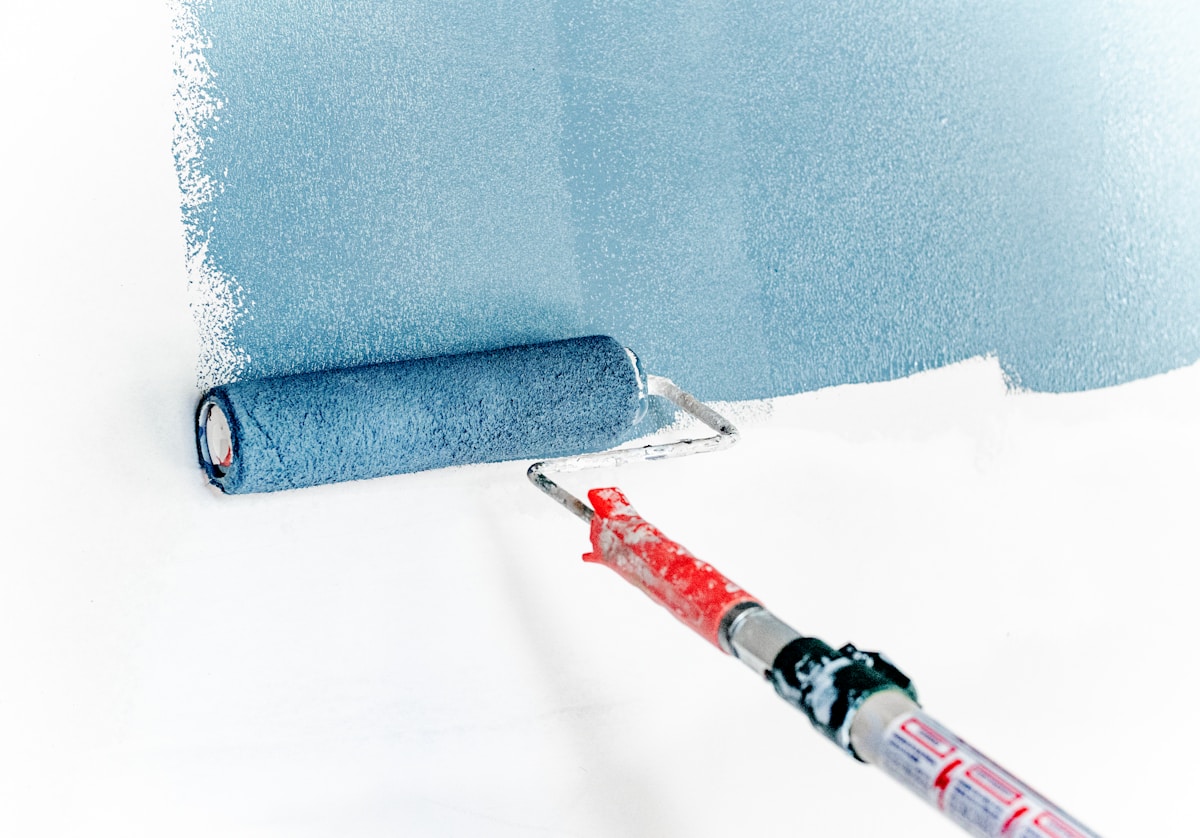
HEC for paints coatings and water based systems
03
Full Name
Hydroxyethyl Cellulose
Product Family 3

HEC

Hydroxyethyl Cellulose

An effective thickener and rheology modifier for water-based systems.

HEC is widely used in water-based formulations where viscosity control, flow behavior, storage stability, and smooth application are important. It is especially common in paints and coatings, home care products, personal care products, and selected industrial liquid systems.

In coatings, HEC helps improve thickening efficiency, pigment suspension, leveling, brushing performance, roller application, and in-can stability. In detergents and personal care products, it supports texture, body, and consistency. For manufacturers working with water-based systems, HEC is a practical solution for controlled rheology and stable product appearance.

Common Applications
  • Interior wall paint
  • Exterior wall paint
  • Latex paint
  • Water-based coatings
  • Texture coatings
  • Liquid detergents
  • Surface cleaners
  • Shampoo
  • Body wash
  • Facial cleanser
  • Industrial liquid systems
Key Functions
  • Thickening
  • Rheology control
  • Flow adjustment
  • Suspension stability
  • Texture improvement
  • Storage stability support
View HEC Products
CMC for food detergents ceramics and industrial formulations
04
Full Name
Carboxymethyl Cellulose
Product Family 4

CMC

Carboxymethyl Cellulose

A multifunctional cellulose derivative for thickening, stabilization, binding, and texture control.

CMC is a widely used cellulose derivative known for its strong thickening, stabilizing, binding, suspending, and water management properties. It is used across food, pharmaceuticals, detergents, ceramics, paper, textile, oilfield, and other industrial applications.

In food systems, CMC can support texture and stability. In detergents, it helps improve formulation consistency and anti-redeposition performance depending on application design. In ceramics and industrial systems, it can provide binding and process support. Its broad functionality makes CMC a practical option for many different formulation environments.

Common Applications
  • Food systems
  • Pharmaceutical formulations
  • Detergents
  • Toothpaste
  • Ceramics
  • Paper and pulp
  • Textile printing
  • Oilfield fluids
  • Adhesives
  • Industrial formulations
Key Functions
  • Thickening
  • Stabilization
  • Binding
  • Suspension control
  • Texture improvement
  • Water management
View CMC Products
Product Comparison Section

Compare Cellulose Ether Product Families

Each cellulose ether product family has different strengths. The table below provides a simple overview to help customers understand how HPMC, HEMC / MHEC, HEC, and CMC are commonly positioned across major applications and functions.

Product Main Strength Typical Applications Key Functions
HPMC Versatile performance across dry and liquid systems Construction, detergents, pharma, food, industry Water retention, thickening, film forming, workability
HEMC / MHEC Strong performance in drymix building materials Tile adhesive, wall putty, plaster, mortar Water retention, open time, anti-sag, workability
HEC Rheology control in water-based systems Paints, coatings, cleaners, personal care Thickening, flow control, suspension, stability
CMC Broad thickening and stabilization performance Food, detergents, ceramics, pharma, oilfield Thickening, binding, stabilization, suspension

This comparison is a general guide. The best product choice depends on your specific application, formulation conditions, required viscosity, raw material compatibility, and target performance.

Product by Function Section

Choose Cellulose Ether by Function

Many customers begin product selection by identifying the performance problem they want to solve. LANDERCOLL cellulose ether products can support multiple formulation functions across drymix, liquid, semi-solid, and industrial systems.

01

Thickening

Cellulose ether helps build viscosity and body in liquid and semi-solid formulations. It is commonly used in paints, detergents, personal care products, food systems, and industrial fluids where controlled consistency is required.

Recommended Product Families HEC, CMC, HPMC
02

Water Retention

In cement-based and gypsum-based building materials, cellulose ether helps retain water and improve application performance. Better water retention can support longer open time, improved workability, and more reliable curing behavior.

Recommended Product Families HPMC, HEMC / MHEC
03

Rheology Control

Cellulose ether helps adjust flow, leveling, sag resistance, brushing feel, roller behavior, and product stability. This is especially important in coatings, detergents, personal care products, and construction formulations.

Recommended Product Families HEC, HPMC, HEMC / MHEC, CMC
04

Suspension Stability

In formulations containing particles, pigments, fillers, or insoluble materials, cellulose ether can help improve suspension stability and reduce separation during storage or use.

Recommended Product Families HEC, CMC, HPMC
05

Film Forming

Certain cellulose ether products can support film formation and surface properties in selected applications. This can be useful in construction, coatings, pharmaceuticals, and specialty formulation systems.

Recommended Product Families HPMC, HEMC / MHEC
06

Binding and Cohesion

Cellulose ether can support binding, cohesion, and structural integrity in applications such as ceramics, pharmaceuticals, drymix materials, and other industrial systems.

Recommended Product Families CMC, HPMC, HEMC / MHEC
Product by Grade Section

Cellulose Ether Grades for Different Industries

Different industries require different cellulose ether grades. LANDERCOLL supports customers by helping match product grade direction with the application environment, expected performance, and processing conditions.

Construction Grade

Designed for tile adhesive, wall putty, skim coat, cement render, gypsum plaster, masonry mortar, waterproof mortar, and drymix construction materials requiring water retention, workability, anti-sag performance, and application consistency.

Paint Grade

Used in water-based paints and coatings to support viscosity control, pigment suspension, flow behavior, leveling, and storage stability.

Detergent Grade

Used in liquid detergents, dishwashing liquid, toilet cleaners, surface cleaners, and gel cleaners to support viscosity, texture, product body, and consistency.

Personal Care Grade

Used in shampoo, body wash, facial cleanser, hand soap, creams, lotions, toothpaste, and other personal care formulations where texture, stability, and user experience are important.

Pharmaceutical Grade

Used in selected pharmaceutical applications such as tablet binding, coating, controlled-release systems, and excipient-related formulation support, depending on product grade and customer requirements.

Food Grade

Used in selected food systems for thickening, stabilization, texture control, water management, and improved consistency.

Oilfield Grade

Used in drilling fluids, cementing support, completion fluids, and specialty fluid systems where viscosity control and fluid behavior are required.

Application Section

Cellulose Ether Applications

Cellulose ether is used in many industries because it can deliver multiple performance benefits in different formulation systems. LANDERCOLL products are designed to support both mainstream and specialty applications.

Construction and building materials

Construction and Building Materials

Cellulose ether improves water retention, workability, open time, anti-sag performance, and application consistency in drymix mortar, tile adhesive, wall putty, plaster, and related systems.

01
Paints and coatings

Paints and Coatings

HEC and related cellulose ether products help control viscosity, stabilize pigments, improve leveling, and support smooth application in water-based coatings.

02
Home care and detergents

Home Care and Detergents

Cellulose ether helps adjust viscosity, improve texture, and support stable product appearance in liquid detergents, dishwashing liquids, toilet cleaners, and surface cleaners.

03
Personal care and cosmetics

Personal Care and Cosmetics

Cellulose ether contributes to smooth texture, controlled viscosity, stable appearance, and better sensory experience in shampoo, body wash, facial cleanser, creams, and toothpaste.

04
Pharmaceuticals

Pharmaceuticals

Selected cellulose ether products are used as functional excipients for binding, coating, controlled release, and other formulation purposes.

05
Food and nutrition

Food and Nutrition

Cellulose derivatives can help improve texture, stabilize systems, manage water, and support consistency in selected food applications.

06
Ceramics application

Ceramics

Cellulose ether supports binding, workability, shaping, and process control in ceramic production systems.

07
Oilfield and industrial uses

Oilfield and Industrial Uses

Cellulose derivatives can support viscosity control, fluid stability, binding, and processing behavior in oilfield fluids, adhesives, paper, textile, and other industrial applications.

08
Selection Guide Section

How to Select the Right Cellulose Ether

Selecting the right cellulose ether requires more than choosing a product name. The best option depends on your application, formulation system, production process, and performance expectations.

Key Questions to Consider
  • 01
    What is your application?
  • 02
    Is the system dry, liquid, semi-solid, or fluid-based?
  • 03
    Do you need thickening, water retention, rheology control, binding, or stabilization?
  • 04
    What viscosity range do you require?
  • 05
    What processing conditions should the product support?
  • 06
    What final performance issues are you trying to improve?
  • 07
    Are there special requirements for grade, documentation, or market use?

If you are unsure which product is suitable, LANDERCOLL can help review your application and recommend a practical product direction for evaluation.

Why LANDERCOLL Section

Why Choose LANDERCOLL Cellulose Ether?

Choosing the right cellulose ether supplier is important for both product development and long-term production stability. LANDERCOLL supports customers with a focused product portfolio, broad application coverage, and professional communication.

01

Focused Cellulose Ether Portfolio

Our product direction is centered on cellulose ether solutions, allowing us to focus on the functional needs of industrial customers.

02

Broad Application Knowledge

We support customers across construction, coatings, detergents, personal care, pharmaceuticals, food, ceramics, oilfield, and other industrial markets.

03

Application-Oriented Support

We help customers connect product selection with real formulation goals, such as water retention, viscosity, workability, stability, and texture.

04

Reliable Product Matching

Our team supports product recommendation based on application type, performance target, and customer requirements.

05

Long-Term Cooperation

We aim to build stable cooperation with manufacturers, distributors, importers, and industrial brands around the world.

Technical Support Section

Need Help Choosing a Cellulose Ether Product?

If you are developing a new formulation, replacing an existing additive, improving product performance, or comparing different cellulose ether options, LANDERCOLL can help you move toward a more suitable product selection.

Tell us your application, product type, required performance, and target market. Our team will help you identify a practical cellulose ether solution for testing and evaluation.

FAQ Section

Frequently Asked Questions About Cellulose Ether

What is cellulose ether used for?

Cellulose ether is used as a functional additive for thickening, water retention, rheology control, stabilization, film formation, binding, and texture improvement. It is widely used in construction materials, paints, detergents, personal care, pharmaceuticals, food, ceramics, oilfield, and industrial products.

What are the main types of cellulose ether?

The main cellulose ether product families supplied by LANDERCOLL include HPMC, HEMC / MHEC, HEC, and CMC. Each product family has different strengths and application areas.

Which cellulose ether is best for tile adhesive?

HPMC and HEMC / MHEC are commonly used in tile adhesive formulations because they support water retention, open time, workability, and anti-sag performance.

Which cellulose ether is used in paint?

HEC is widely used in water-based paint and coatings for thickening, rheology control, pigment suspension, and storage stability.

Which cellulose ether is suitable for detergents?

HPMC, HEC, and CMC may be used in detergent and cleaning formulations depending on the target viscosity, texture, stability, and product design.

Can LANDERCOLL recommend a product for my formulation?

Yes. You can contact LANDERCOLL with your application, formulation type, target performance, and required quantity. Our team can help recommend suitable product options for evaluation.

Final CTA Section

Find the Right Cellulose Ether for Your Application

From HPMC and HEMC / MHEC to HEC and CMC, LANDERCOLL provides cellulose ether products for a wide range of industrial applications. Contact our team to discuss your product needs, application goals, and sourcing requirements.

Product Direction

HPMC · HEMC / MHEC · HEC · CMC for construction, coatings, detergents, personal care, pharmaceuticals, food, ceramics, oilfield, and industrial applications.