Key Takeaways
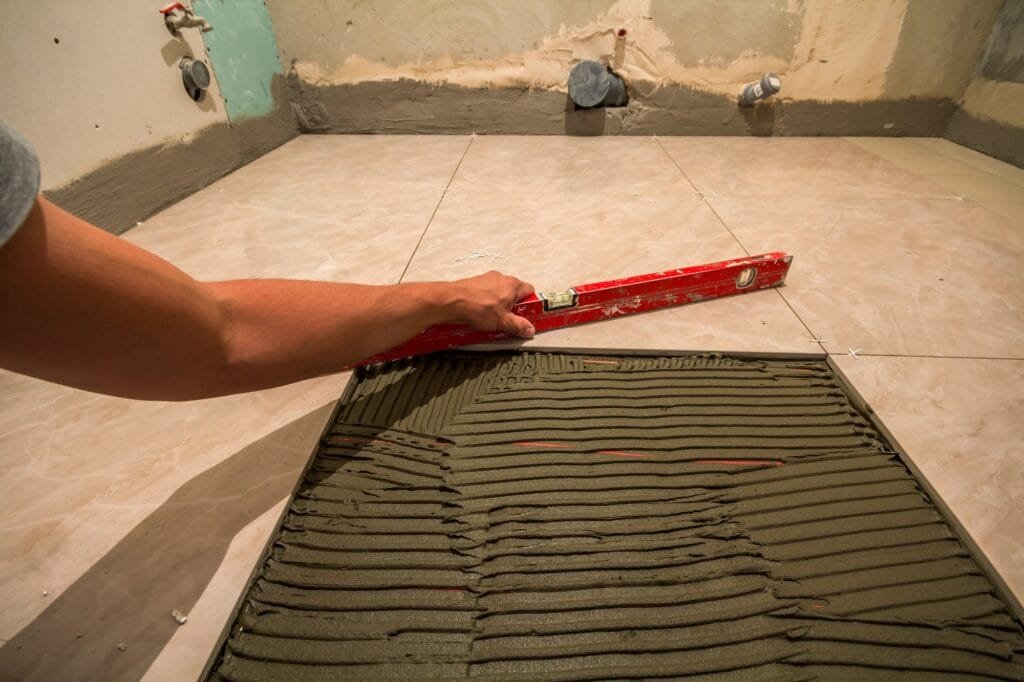
HPMC improves tile adhesive by making it thicker and stopping tiles from sliding during installation.
It helps keep water in, so tiles dry properly and don’t crack.
HPMC makes the glue stronger, keeping tiles firmly in place for a long time, even in busy areas.
It gives you more time to move tiles around without losing stickiness.
Picking the right thickness of HPMC is important; thicker HPMC is better for walls, while medium works for floors.
Mix it correctly; always use the right amount of water and adhesive for the best results.
Use a notched trowel to spread the glue evenly for strong sticking and a neat look.
Be patient while it dries; don’t touch the tiles until the glue is fully set to make them last longer.
Understanding HPMC and Its Role in Tile Adhesive
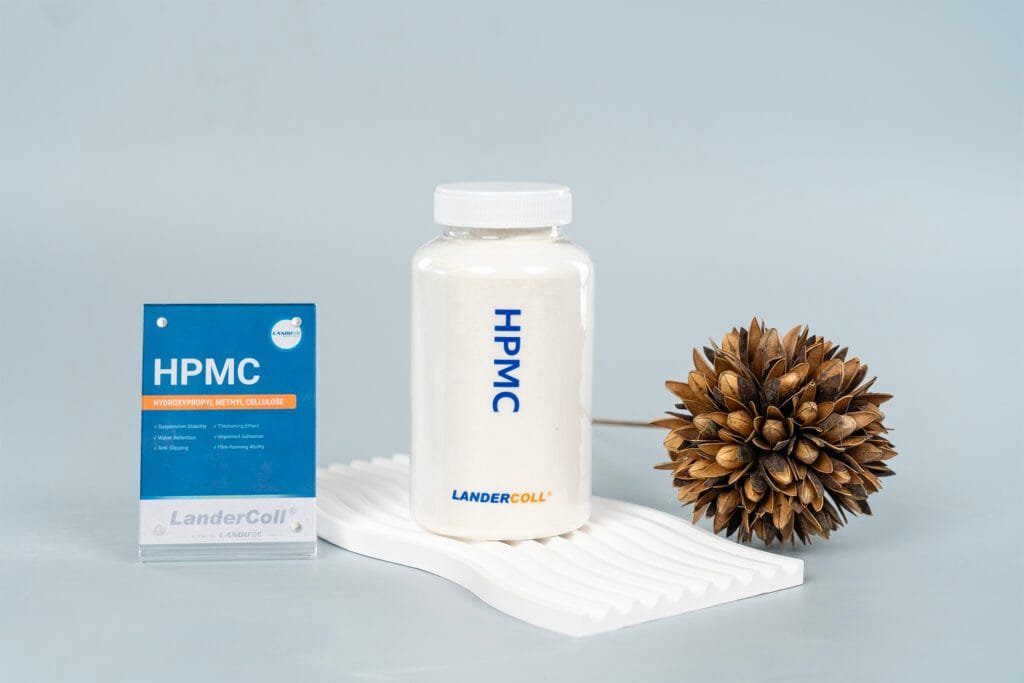
What is HPMC?
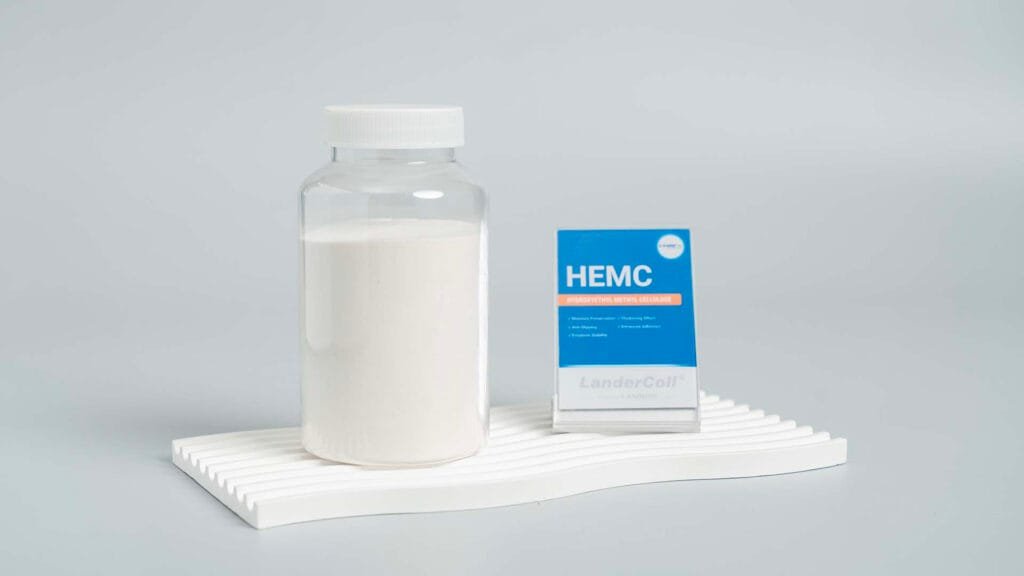
Hydroxypropyl Methylcellulose (HPMC) is a non-ionic cellulose ether derived from refined cotton through a series of chemical reactions. It is widely used in construction materials due to its unique properties. This polymer dissolves in cold water, forming a clear solution, but it resists dissolving in hot water. Its gelation temperature is higher than that of methyl cellulose, making it suitable for demanding applications like tile adhesives.
HPMC stands out for its ability to retain water, improve viscosity, and enhance bonding strength. These characteristics make it an essential additive for achieving durable and efficient tile adhesive performance.
Key Properties of HPMC
To understand why HPMC is so effective in tile adhesive, you need to look at its key properties. These include:
High water retention: Prevents rapid drying and cracking.
Strong bonding capabilities: Ensures tiles adhere firmly to surfaces.
Viscosity control: Improves consistency and prevents tiles from slipping during installation.
Stability: Performs well in a wide pH range (2 to 12) and resists degradation from enzymes.
Here’s a quick breakdown of HPMC’s properties and functions:
Property/Function | Description |
|---|---|
Solubility | Soluble in cold water; difficult to dissolve in hot water. Gelation temperature is higher than methyl cellulose. |
Viscosity | Depends on molecular weight; higher molecular weight leads to higher viscosity. Less affected by temperature compared to methyl cellulose. |
Stability | Stable in acids and alkalis; stable pH range of 2 to 12. Minimal effect from sodium hydroxide and lime water. |
Water Retention | Higher water retention rate than methyl cellulose at the same dosage. |
Adhesion | Exhibits higher adhesion in mortar construction compared to methyl cellulose. |
Enzymatic Resistance | Better resistance to enzymatic degradation than methyl cellulose. |
Benefits of HPMC in Tile Adhesive
When you use HPMC in tile adhesive, you unlock several benefits that improve both the application process and the final results.
Thickening effect: HPMC enhances the adhesive’s consistency, making it easier to apply and preventing tiles from slipping.
Water retention: By maintaining moisture, HPMC ensures proper curing and reduces the risk of cracks.
Bonding strength: It increases adhesion, ensuring tiles stay securely in place for years.
Extended working time: HPMC slows down the drying process, giving you more time to adjust tiles during installation.
These benefits not only make your work easier but also ensure a professional finish. With HPMC, you can achieve superior results in both wall and floor tile applications.
How HPMC Improves Tile Adhesive Performance
HPMC plays a pivotal role in enhancing the performance of tile adhesive. Its unique properties directly impact the quality of your adhesive, making it more reliable and efficient for various applications. Here’s how it works:
Improved Water Retention
HPMC ensures that your tile adhesive retains moisture for a longer period. This prevents the adhesive from drying too quickly, which can lead to weak bonds and cracks. By maintaining the right level of hydration, HPMC allows the adhesive to cure properly, resulting in a stronger and more durable bond between the tiles and the substrate.Enhanced Workability
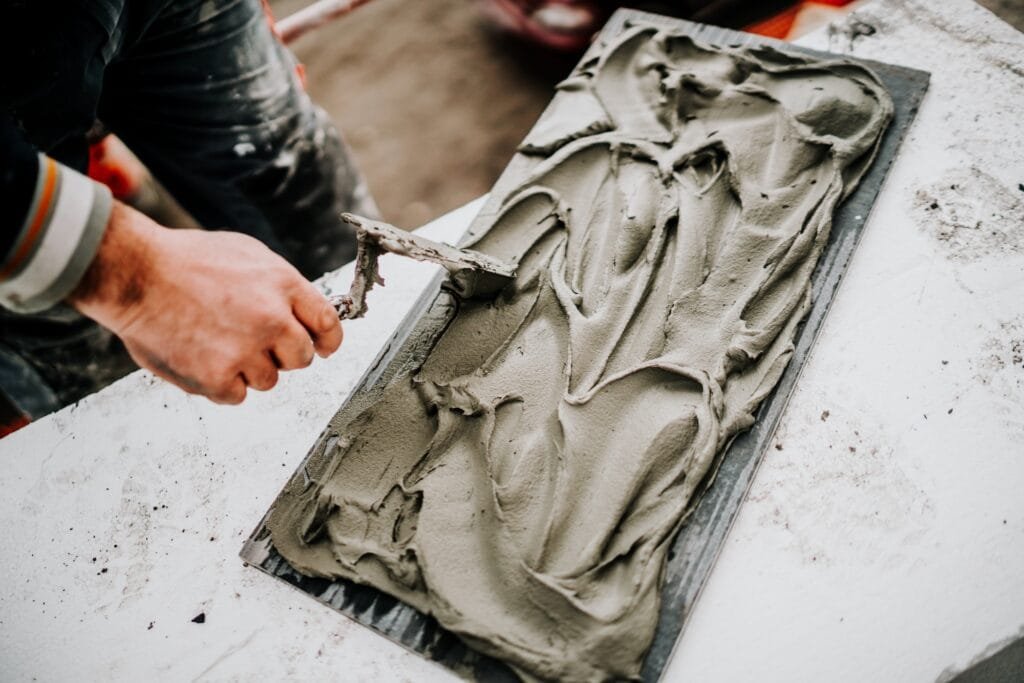
When you mix tile adhesive with HPMC, you’ll notice a smoother and more consistent texture. This makes the adhesive easier to spread and apply. Whether you’re working on wall tiles or floor tiles, the improved workability reduces effort and ensures even coverage. A well-mixed adhesive also minimizes the risk of tile slippage during installation.Increased Adhesion Strength
HPMC significantly boosts the bonding strength of tile adhesive. This ensures that your tiles stay firmly in place, even under challenging conditions. Strong adhesion is especially important for areas exposed to heavy foot traffic or environmental stress, such as bathrooms and outdoor spaces.Extended Open Time
One of the standout benefits of HPMC is its ability to extend the open time of tile adhesive. Open time refers to the period during which the adhesive remains workable after application. With HPMC, you have more time to adjust and position tiles without compromising the adhesive’s performance. This feature is particularly useful for large-scale projects or intricate tile patterns.Resistance to Environmental Factors
HPMC enhances the stability of tile adhesive, making it resistant to temperature fluctuations and humidity. This ensures consistent performance, regardless of the environmental conditions. Whether you’re working in a hot, dry climate or a damp, humid area, HPMC helps maintain the adhesive’s integrity.
Tip: To maximize these benefits, always follow the manufacturer’s recommendations for mixing and application. Proper preparation ensures that you get the most out of your HPMC-enhanced tile adhesive.
By incorporating HPMC into your tile adhesive, you can achieve professional-grade results with ease. Its ability to improve water retention, workability, adhesion strength, and stability makes it an indispensable additive for any tiling project.
Choosing the Right Grade of Landercoll HPMC
Selecting the right grade of Landercoll HPMC is essential for achieving optimal performance in tile adhesive applications. By considering specific factors and understanding viscosity grades, you can ensure the adhesive meets your project’s requirements.
Factors to Consider
Application Type (e.g., wall tiles vs. floor tiles)
The type of tile application significantly influences the choice of HPMC grade. Wall tiles often require adhesives with higher viscosity to prevent sagging during installation. For floor tiles, a medium-viscosity grade provides a balance between adhesion and ease of application.
Environmental Conditions (e.g., temperature, humidity)
Environmental factors like temperature and humidity also play a crucial role. In hot or dry climates, high-viscosity HPMC ensures better water retention, preventing premature drying. Conversely, in humid conditions, a lower viscosity grade may improve workability without compromising performance.
Tip: Always assess the specific conditions of your project site to select the most suitable HPMC grade.
Viscosity Grades
Low Viscosity vs. High Viscosity
Viscosity is a critical indicator of HPMC’s performance in tile adhesives. Higher viscosity enhances adhesion, anti-sagging, and anti-dispersion properties. However, it may reduce fluidity, making it less suitable for applications requiring high operability. Lower viscosity grades, on the other hand, offer adequate adhesion and improved workability, making them ideal for lighter tiles or less demanding applications.
Matching Viscosity to Application Needs
To help you choose the right viscosity grade, here’s a quick comparison:
Viscosity Grade | Effect on Adhesive Performance | Notes |
|---|---|---|
Low Viscosity | Adequate adhesion, limited anti-sagging | Suitable for lighter tiles |
Medium Viscosity | Balanced adhesion and fluidity | Commonly used in standard applications |
High Viscosity | Strong adhesion, excellent anti-sagging | May reduce fluidity and operability |
Matching the viscosity grade to your application ensures the adhesive performs as expected, whether you’re working on walls, floors, or intricate designs.
Manufacturer Recommendations
Landercoll provides clear guidelines to help you maximize the benefits of HPMC in tile adhesive. Following these recommendations ensures consistent results:
Recommendation Type | Details |
|---|---|
HPMC Grade Selection | Choose the appropriate HPMC grade for the desired adhesive performance. |
Viscosity Consideration | High-viscosity HPMC enhances water retention, while low-viscosity options improve workability. |
Purity | Opt for high-purity HPMC to minimize unwanted chemical interactions. |
Mixing Procedure | Slowly add HPMC to water while stirring to prevent clumping. |
Performance Optimization | HPMC improves the adhesive’s ability to bond lightweight bricks effectively, ensuring a strong and durable connection. |
By adhering to these recommendations, you can achieve superior results in your tile adhesive applications. Proper selection and usage of Landercoll HPMC ensure durability, ease of application, and professional-grade finishes.
Mixing and Applying Tile Adhesive with HPMC
Preparing the Mixture
Correct Water-to-Adhesive Ratio
Getting the water-to-adhesive ratio right is crucial for achieving the best results. Too much water can weaken the adhesive, while too little can make it difficult to spread. Always follow the manufacturer’s guidelines for the recommended ratio. Use a clean container to measure the water and adhesive accurately. This ensures consistency and prevents errors during mixing.
Tip: Start by adding water to the container before introducing the adhesive. This method reduces clumping and makes the mixing process smoother.
Mixing Techniques for Consistency
Proper mixing is essential for creating a uniform adhesive mixture. Use a mechanical mixer for the best results, as it ensures even distribution of HPMC throughout the adhesive. Stir the mixture at a moderate speed to avoid introducing too much air, which can weaken the bond. Mix until the adhesive reaches a smooth, lump-free consistency.
If you’re working on a smaller project, you can mix manually using a sturdy tool. However, ensure you stir thoroughly to achieve the same level of consistency as a mechanical mixer.
Note: Let the mixture rest for a few minutes after mixing. This allows the HPMC to fully hydrate, enhancing its water retention and bonding properties.
Application Techniques
Using the Right Tools
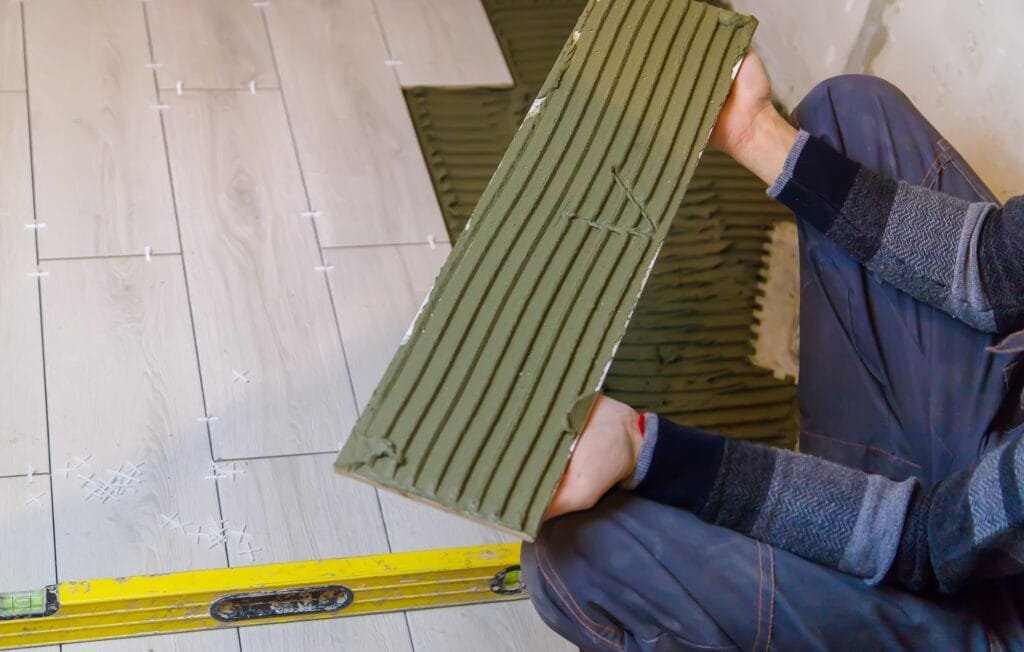
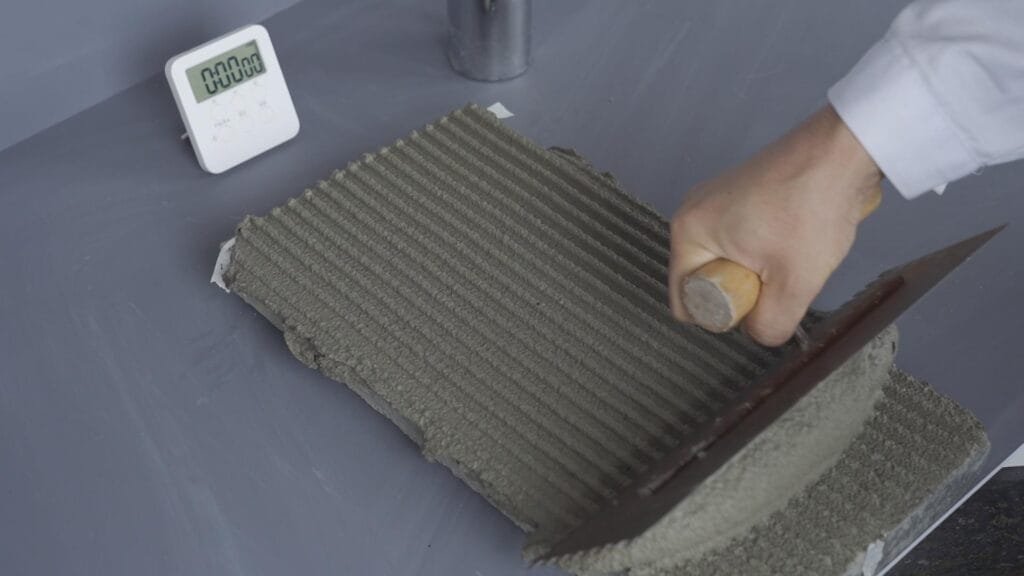
The tools you use can significantly impact the quality of your tile adhesive application. A notched trowel is ideal for spreading the adhesive evenly. Choose a trowel with the appropriate notch size based on the type of tile you’re installing. Larger tiles typically require a trowel with deeper notches to ensure adequate adhesive coverage.
Keep your tools clean and free of dried adhesive. This prevents uneven application and ensures a professional finish.
Ensuring Even Coverage
Achieving an even layer of adhesive is critical for strong bonding. Spread the adhesive in straight lines or a consistent pattern using your trowel. Avoid leaving gaps, as these can weaken the bond and lead to tile failure.
HPMC in the adhesive mix helps you achieve a uniform layer by improving its workability. Its water retention properties prevent premature drying, giving you more time to adjust and position tiles. Additionally, HPMC provides anti-sagging capabilities, ensuring heavy tiles stay in place during installation.
- HPMC retains water, enhancing curing and bonding.
- It improves ease of application, allowing for a smooth, even layer.
- Its anti-sagging properties ensure tiles remain stable.
Tip: Work in small sections to maintain control and ensure even coverage before the adhesive begins to set.
Curing and Setting
Allowing Adequate Time for Bonding
Curing is a critical step in ensuring the adhesive forms a strong bond. Allow the adhesive to set for the time recommended by the manufacturer. This period lets the HPMC in the adhesive retain moisture, promoting proper curing and stronger adhesion.
Avoid rushing this process, as premature stress on the tiles can weaken the bond. Patience during curing ensures a durable and long-lasting installation.
Avoiding Premature Stress on Tiles
Once the tiles are in place, avoid applying pressure or stress until the adhesive has fully cured. Walking on the tiles or placing heavy objects too soon can disrupt the bond. If you’re working in a high-traffic area, consider blocking off the space to prevent accidental damage.
HPMC enhances the adhesive’s stability, making it resistant to environmental factors like temperature and humidity. This ensures the bond remains strong even under challenging conditions.
Note: Check the adhesive’s curing progress periodically to ensure it’s setting as expected.
Troubleshooting Common Issues with HPMC in Tile Adhesive
Even with the best materials, challenges can arise during tile adhesive preparation and application. Understanding common issues and their solutions ensures you achieve optimal results with HPMC-enhanced adhesives.
Identifying Common Problems
Poor Adhesion
Poor adhesion often occurs when the adhesive fails to bond tiles securely to the substrate. This issue may result from using low-quality HPMC, improper mixing, or incorrect water-to-adhesive ratios. Adhesion strength directly impacts the durability of your tile installation, especially in high-traffic areas or challenging environments.
Inconsistent Mixture
An inconsistent mixture can lead to uneven application, weak bonding, or premature drying. This problem typically arises from inadequate mixing techniques or failing to follow the recommended water-to-adhesive ratio. A poorly mixed adhesive may also contain lumps, reducing its effectiveness.
Quick Tip: Regularly test your adhesive for water retention and adhesion strength to identify potential issues early.
| Test Type | Description | Implication of Poor Quality HPMC |
|---|---|---|
| Water Retention Test | Mix HPMC in a cement-based tile adhesive and check the setting time. | Poor-quality HPMC may cause premature drying. |
| Adhesion Strength Test | Apply tile adhesive containing HPMC on a substrate and measure adhesion strength. | Inferior HPMC reduces bonding performance. |
Solutions to Common Issues
Adjusting Water Content
The water-to-adhesive ratio plays a critical role in achieving the right consistency and performance. Too much water can weaken the adhesive, while too little can make it difficult to spread. Always measure water and adhesive accurately, following the manufacturer’s guidelines. Adjust the water content gradually if you notice the mixture is too thick or too runny.
- HPMC enhances water retention, preventing premature drying and ensuring stronger adhesion.
- Proper hydration improves workability, allowing for easier application and better spreadability.
Ensuring Proper Mixing
Mixing techniques significantly affect the adhesive’s consistency. Use a mechanical mixer for large batches to ensure even distribution of HPMC. Stir at a moderate speed to avoid introducing air bubbles, which can weaken the bond. For smaller projects, mix manually but ensure thorough blending to eliminate lumps. Let the mixture rest for a few minutes to allow the HPMC to fully hydrate.
Pro Tip: Hydrated HPMC improves viscosity, ensuring better fluidity control and preventing tile slippage during application.
Preventing Errors
Avoiding Over- or Under-Application
Applying too much adhesive can lead to uneven surfaces, while too little may weaken the bond. Use a notched trowel to spread the adhesive evenly, ensuring consistent coverage. Match the trowel size to the tile dimensions for optimal results. Work in small sections to maintain control and prevent the adhesive from setting before you finish.
Monitoring Environmental Factors
Temperature and humidity can impact the adhesive’s performance. High temperatures may accelerate drying, while excessive humidity can reduce curing efficiency. Choose the appropriate HPMC grade for your environment to maintain stability. For example, high-viscosity HPMC works well in hot climates by retaining moisture, while lower viscosity grades improve workability in humid conditions.
Note: HPMC improves freeze-thaw stability, making adhesives more durable in cold climates.
By addressing these common issues, you can ensure a smooth and successful tile installation. Proper preparation, mixing, and application techniques maximize the benefits of HPMC, delivering professional-grade results every time.
Comparing Landercoll HPMC with Other Brands
Key Differences
Performance Metrics
When comparing Landercoll HPMC with other brands, you’ll notice significant differences in performance metrics. These differences stem from the production process and the chemical composition of HPMC. Landercoll HPMC is produced through a precise reaction involving alkalized cellulose and etherifying agents. This ensures consistent quality and performance.
Key factors that influence the performance of HPMC include:
Viscosity Stability: Landercoll HPMC maintains stable viscosity, ensuring reliable results in tile adhesive applications.
Methoxy and Hydroxypropyl Content: The balance of these groups directly impacts water retention and bonding strength.
Purity and Impurities: High-purity HPMC from Landercoll minimizes unwanted chemical interactions, unlike some competitor products.
Moisture Content: Controlled moisture levels enhance the adhesive’s workability and curing process.
Particle Size and Uniformity: Uniform particle size ensures even mixing and application, reducing the risk of inconsistencies.
These metrics highlight why Landercoll HPMC consistently outperforms other brands in tile adhesive applications.
Cost-Effectiveness
While some brands may offer lower upfront costs, Landercoll HPMC provides better long-term value. Its superior water retention and thickening properties reduce material waste and improve efficiency during application. You’ll also save time and effort due to its enhanced workability and extended open time. These benefits translate to fewer repairs and replacements, making Landercoll HPMC a cost-effective choice for both small and large projects.
Why Choose Landercoll HPMC?
Proven Track Record
Landercoll HPMC has earned a reputation for reliability in the construction industry. Its white, odorless, and tasteless powder dissolves easily in water, making it versatile for various applications. In tile adhesives, it ensures proper curing by retaining water and enhancing bonding strength. Installers trust Landercoll HPMC to deliver consistent results, even in challenging environments.
Superior Quality and Consistency
Landercoll HPMC stands out for its exceptional quality and consistency. It improves open time, giving you more flexibility during tile installation. Its thickening properties make the adhesive easier to spread, ensuring even coverage without sagging. These features help tiles stay securely fixed for decades, demonstrating the product’s long-term reliability.
By choosing Landercoll HPMC, you’re investing in a product that combines performance, durability, and cost-effectiveness. Its unmatched quality ensures professional-grade results every time.
Using Landercoll HPMC in tile adhesive ensures professional-grade results. To achieve the best performance, focus on selecting the right grade, mixing the adhesive properly, and applying it with precision.
HPMC improves adhesive consistency, making application smoother.
It prevents sagging, ensuring a uniform layer between tiles.
Its water retention capacity enhances the hardening process and bonding strength.
Anti-slip properties make installation easier and more reliable.
By following these tips, you can create durable, high-quality tile installations. Choose Landercoll HPMC for its proven performance and superior quality. For tailored advice, consult an expert to meet your specific project needs.
FAQ
What is the best way to store Landercoll HPMC?
Store Landercoll HPMC in a cool, dry place. Keep it in a sealed container to prevent moisture absorption. Avoid direct sunlight and high humidity to maintain its quality.
Can I use Landercoll HPMC for both wall and floor tiles?
Yes, Landercoll HPMC works for both applications. Choose the appropriate viscosity grade based on the type of tile and surface to ensure optimal performance.
How do I know the correct water-to-adhesive ratio?
Follow the manufacturer’s guidelines for the recommended ratio. Use a clean container to measure accurately. Adding water first helps prevent clumping during mixing.
Does Landercoll HPMC improve adhesive strength?
Absolutely! Landercoll HPMC enhances bonding strength by retaining moisture and improving the adhesive’s consistency. This ensures tiles stay securely in place.
What tools should I use for applying tile adhesive?
A notched trowel is ideal for spreading adhesive evenly. Select the notch size based on your tile dimensions. Clean tools regularly to avoid uneven application.
How does HPMC prevent tile slippage?
HPMC increases the adhesive’s viscosity, providing anti-sagging properties. This ensures tiles remain stable during installation, even on vertical surfaces.
Can I use Landercoll HPMC in humid environments?
Yes, Landercoll HPMC performs well in humid conditions. Its water retention properties and stability ensure consistent results, even in challenging environments.
How long should I wait for the adhesive to cure?
Allow the adhesive to cure for the time specified by the manufacturer. This ensures proper bonding and prevents premature stress on the tiles.
Tip: Always test a small batch of adhesive before starting your project to ensure the mixture meets your expectations.