
TDS
Technical Data Sheet
Product specifications and performance data for formulation review.
LANDERCOLL cellulose ether helps manufacturers of household cleaning products enhance product viscosity, smoothness, suspension stability, and overall performance across liquid detergents, dishwashing liquids, surface cleaners, neutral cleaners, gel cleaners, toilet cleaners, and concentrated cleaning systems.
From everyday dish soap and laundry liquids to premium gel cleaners and multipurpose surface sprays — the right HEC, CMC, or HPMC grade delivers predictable rheology, stable product body, and consistent consumer experience for overseas manufacturers and chemical buyers.

Liquid Detergent · Dish Soap · Surface · Neutral · Gel · Toilet · Concentrate
 Quick Answer
Quick AnswerHEC (Hydroxyethyl Cellulose) is the primary cellulose ether for household cleaning formulations, providing viscosity control, smooth texture, and stable flow behavior. CMC (Carboxymethyl Cellulose) supports suspension stability and formulation consistency in selected systems. HPMC (Hydroxypropyl Methylcellulose) may be used in specialty rheology, film-forming, and gel-type applications. Together, these grades help manufacturers achieve consistent performance across liquid detergents, dishwashing liquids, surface cleaners, neutral cleaners, gel cleaners, toilet cleaners, and concentrated cleaning systems.
Key performance, compatibility, and supply reference for overseas household cleaning product manufacturers and chemical buyers.
Looking for a cellulose ether recommendation for your household cleaning formulation?
Ask for a Household Cleaner Recommendation Request a Quote


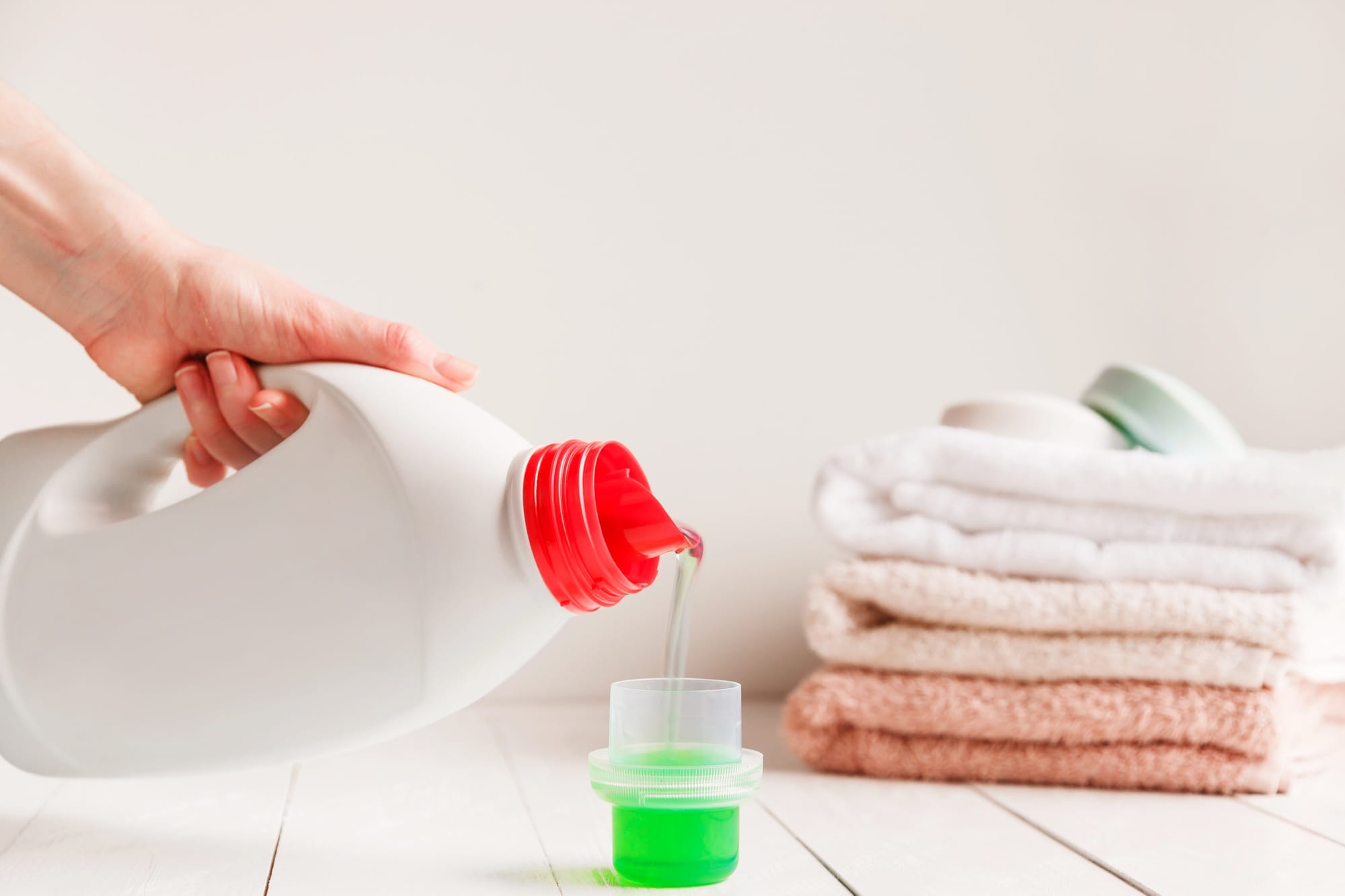
Household cleaning formulations are water-based products designed for cleaning, degreasing, stain removal, and surface care in domestic environments. These formulations may be produced as liquids, gels, sprays, or concentrated systems, depending on the target application — covering liquid detergents, dishwashing liquids, surface cleaners, neutral cleaners, gel cleaners, toilet cleaners, multipurpose cleaners, and concentrated cleaning systems.
LANDERCOLL offers HEC (Hydroxyethyl Cellulose) for viscosity control and smooth texture, CMC (Carboxymethyl Cellulose) for suspension support and stability, and selected HPMC (Hydroxypropyl Methylcellulose) grades for specialty rheology, film-forming, and gel-like applications. Using the right cellulose ether helps manufacturers achieve consistent performance, improve pouring and dispensing behavior, and maintain product stability during storage and use.
Without effective thickening and rheology control, household cleaning products face critical challenges: watery appearance, poor suspension of particles and colorants, inconsistent pour or spray behavior, batch-to-batch viscosity variation, separation during storage, and reduced consumer-perceived product value.
LANDERCOLL provides HEC, CMC, HPMC, and selected cellulose ether grades for household cleaning product manufacturers who need dependable viscosity control, smooth texture, suspension stability, and formulation consistency across different product types and production environments.
Household cleaning products must be stable, easy to apply, pourable, and maintain consistent texture and viscosity over time. Cellulose ether helps formulators adjust viscosity, support suspension of particles, enhance smoothness, maintain controlled flow, and provide batch-to-batch consistency.
LANDERCOLL offers HEC as the primary cellulose ether for household cleaning applications, with CMC for suspension support and HPMC for selected specialty rheology needs.
 Primary · Non-Ionic · HEC
Non-ionic cellulose ether for viscosity control, smooth texture, controlled flow, and formulation stability in household cleaning systems.
HEC is the most widely used cellulose ether in household cleaning formulations. As a non-ionic, water-soluble polymer, HEC is compatible with a broad range of anionic, non-ionic, and amphoteric surfactant systems. It hydrates readily in water, builds viscosity efficiently at low dosage levels, creates smooth product texture, and maintains consistent rheology during storage. Suitable for liquid detergents, dishwashing liquids, surface cleaners, neutral cleaners, gel cleaners, toilet cleaners, and multipurpose cleaning systems after compatibility testing.
 Anionic · CMC · Suspension Systems
Carboxymethyl Cellulose for suspension support, product body, and formulation consistency in selected household cleaning systems.
CMC may be used in selected household cleaning formulations where suspension support, viscosity contribution, or cost-performance balance is a priority. CMC is an anionic polymer; compatibility with surfactant system, electrolyte level, pH, fragrance, preservative, and active ingredient chemistry must be confirmed through formulation testing. Important: CMC performance is sensitive to salt level, pH, and surfactant type — testing is essential before production scale-up.
Specialty · HPMC · Custom Rheology
Hydroxypropyl Methylcellulose for specialty thickening, film-forming properties, and customized product texture.
HPMC may be considered in specialty household cleaning products, gel-type cleaners, or customized formulations where specific rheology behavior, film-forming properties, or customized gel texture is required. HPMC has different solubility and rheology characteristics compared to HEC. Final performance must be confirmed through formulation testing, as surfactant type, solvent level, pH, electrolyte content, and production method can all influence HPMC performance.
Household cleaning formulations vary by product type, target surface, cleaning chemistry, and market positioning. The table below provides a general reference for common components.
| Component | Function in Household Cleaning Formulations |
|---|---|
| Water | Main solvent and carrier |
| Surfactants | Cleaning, wetting, foaming |
| Cellulose Ether (HEC / CMC / HPMC) | Viscosity control, texture, suspension, smooth flow |
| Solvents | Solubility, cleaning enhancement |
| pH Adjusters | Maintain pH and product stability |
| Preservatives | Protect water-based formulations |
| Fragrance | Provide scent |
| Chelating Agents | Control hardness and improve cleaning |
| Colorants | Improve appearance |
| Other Additives | Foam, clarity, viscosity, stability, specialty performance |
| Household Cleaning Type | Recommended Product | Main Requirements |
|---|---|---|
| Liquid Detergent | HEC / CMC | Viscosity control, smooth flow, stability |
| Laundry Detergent | HEC / CMC | Viscosity, soil suspension, storage stability |
| Dishwashing Liquid | HEC | Thickening, smooth flow, stable appearance |
| Surface Cleaner | HEC / selected cellulose ether | Product body, sprayability, formulation consistency |
| Neutral Cleaner | HEC | Mild viscosity, smooth texture, controlled flow |
| Gel Cleaner | HEC / selected HPMC | Gel body, surface cling, controlled dispensing |
| Toilet Cleaner | HEC / selected grade after testing | Acid/alkali compatibility, cling, stability |
| Multipurpose Cleaner | HEC / selected CMC | Versatile viscosity, stability, easy application |
| Concentrated Cleaning System | HEC / selected cellulose ether | High-active compatibility, rheology balance |
These ranges are starting references only. Final dosage must be confirmed through viscosity testing, compatibility testing, storage stability evaluation, suspension testing, pouring or dispensing behavior assessment, and consumer-use trials.
| Household Cleaning Application | Typical Reference Dosage |
|---|---|
| Liquid Detergent | 0.1% – 1.0% |
| Laundry Detergent | 0.2% – 1.0% |
| Dishwashing Liquid | 0.2% – 0.8% |
| Surface Cleaner | 0.05% – 1.2% |
| Neutral Cleaner | 0.05% – 0.9% |
| Gel Cleaner | 0.3% – 1.2% |
| Toilet Cleaner | 0.2% – 1.2% |
| Multipurpose Cleaner | 0.1% – 0.8% |
| Concentrated Cleaning System | 0.2% – 0.8% |
Cellulose ether influences viscosity development, smooth texture, suspension stability, controlled flow, dispensing performance, and long-term storage behavior in water-based household cleaning systems.
Cellulose ether helps adjust household cleaning product viscosity to create a stable, user-friendly product body. HEC builds viscosity efficiently across a wide dosage range — from low-viscosity spray cleaners to thickened gels and concentrated systems — without making the product too heavy, stringy, or difficult to apply.
A smooth and uniform texture improves product appearance in the bottle and consumer acceptance during use. Cellulose ether helps reduce the watery feel of low-surfactant formulations and supports consistent, pleasant flow behavior across different temperatures and product formats.
Many household cleaning products contain opacifiers, fragrance droplets, colorants, particles, or functional additives that require stable distribution throughout the product. CMC and HEC can support suspension stability when properly matched with the complete formulation system.
Household cleaners may be poured, sprayed, wiped, squeezed, or diluted before use. Cellulose ether helps create flow behavior that matches the intended application method — fluid enough for spraying or pouring, yet stable enough to maintain body during storage.
Cellulose ether improves pouring and dispensing behavior from bottles, nozzles, pumps, and caps. Final dispensing feel depends on the complete formulation design, dosage level, packaging format, and the specific product type being produced.
A suitable cellulose ether grade helps maintain stable appearance, viscosity, and suspension during storage — reducing separation, viscosity drift, settling, and inconsistent performance across different temperatures and shelf-life conditions.
When household cleaning products fail viscosity, flow, suspension, or stability targets, cellulose ether grade, dosage, hydration, or compatibility is often the first variable to review.
Low viscosity or weak thickening system.
HEC supports viscosity control and product body.
Excessive dosage or unsuitable viscosity grade.
Adjust grade selection and dosage level.
Poor suspension or formulation imbalance.
CMC or HEC supports suspension through grade selection.
Viscosity too high or wrong rheology profile.
Use lower viscosity grade and optimize dosage.
Unsuitable rheology or excessive thickening.
Adjust grade and full formulation balance.
Surfactant, solvent, electrolyte, or temperature interaction.
Test compatible grade with full formulation system.
Poor dispersion or hydration method.
Improve addition sequence and mixing process.
Ingredient incompatibility or poor storage stability.
Review full formulation compatibility.
Household cleaning formulations are chemically complex. Multiple factors influence how cellulose ether performs and how stable the product remains over time.
Liquid detergents, dish soaps, surface cleaners, gels, and concentrates each require different viscosity targets and rheology profiles. Grade selection must match the intended product format and application method.
Surfactant type, concentration, and combination affect cleaning performance, foam behavior, viscosity response, and cellulose ether compatibility. Surfactant system should be evaluated during formulation testing.
Acidic, alkaline, and neutral household cleaners each have different compatibility requirements. Cellulose ether grade selection must match the final pH range and active ingredient system.
Salts, chelating agents, and builders can influence viscosity response, product clarity, and long-term stability. High-electrolyte systems may require specific HEC or CMC grades with appropriate substitution levels.
Solvents may support cleaning performance but can also influence cellulose ether hydration, product clarity, viscosity development, and long-term stability. Solvent type and concentration should be evaluated during testing.
Disinfecting agents, enzymes, bleach, acids, alkalis, or specialty actives may affect polymer stability and final product performance. Compatibility testing with all active ingredients is essential.
Addition sequence, dispersion quality, hydration time, mixing speed, and water temperature all affect cellulose ether dispersion and final viscosity development. Poor dispersion leads to lumps, fish eyes, and inconsistent batches.
Temperature changes may influence viscosity, product clarity, and long-term stability. Stability testing across the expected storage temperature range is recommended for all household cleaning formulations.
Choosing the right cellulose ether requires balancing viscosity target, product format, surfactant compatibility, suspension needs, dispensing behavior, and storage stability across the complete cleaning system.
 Grade Selection Guide
LANDERCOLL can review your household cleaning formulation direction and recommend suitable HEC, CMC, HPMC, or selected cellulose ether grades for testing.
Liquid detergent, dish soap, surface cleaner, gel, or concentrate?
What target viscosity is required for the intended format?
What surfactant system and loading level are used?
What is the final pH range of the formulation?
Does the product contain particles, opacifiers, or suspended actives?
Clear, opaque, or does it contain suspended particles?
Pour, spray, wipe, squeeze, or dilute before use?
Are solvents, salts, acids, alkalis, or enzymes included?
What production equipment and hydration method are available?
What temperature range and shelf life are expected?
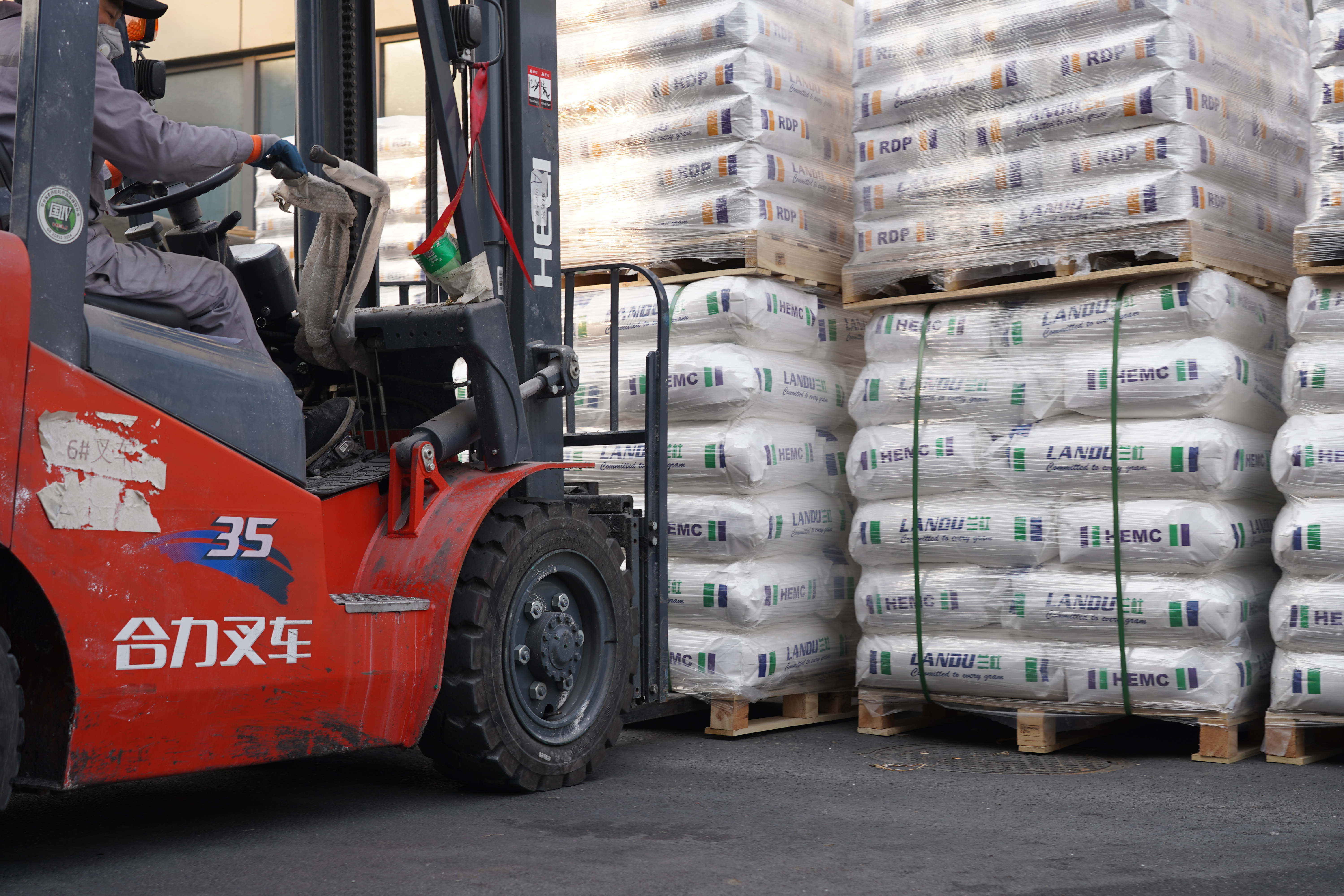
LANDERCOLL provides product-related documentation to support household cleaning formulation testing, purchasing review, quality approval, and import compliance.
 Formulation & Performance Evaluation
Supporting household cleaning product development with complete technical documentation.
— LANDERCOLL R&D —Product specifications and performance data for formulation review.
Safety, handling, and regulatory information (SDS / MSDS).
Batch quality confirmation supplied per shipment.
Overview of cellulose ether range and application areas.
Formulation guidance and usage recommendations.
Grade recommendation for specific household cleaning applications.
Handling, shelf life, and storage condition reference.
Available where applicable for international orders and import compliance.
All documents supplied upon request to support formulation review, quality approval, and import compliance.
Request Product DocumentsHEC, CMC, and HPMC grade selection for household cleaning systems
Viscosity control and smooth texture optimization
Suspension stability discussion and testing direction
Flow control and dispensing behavior adjustment
Compatibility review for different surfactant and pH systems
Dosage reference for different household cleaning product types
Sample provision and quotation communication
If your household cleaning product is too thin, too thick, unstable during storage, separating in the bottle, difficult to spray or pour, forming lumps, or losing viscosity over time, the cellulose ether grade or dosage may need to be reviewed.
LANDERCOLL can help evaluate suitable HEC, CMC, HPMC, and selected cellulose ether options based on your product type, surfactant system, pH, active ingredients, viscosity target, suspension needs, and production process.
HEC (Hydroxyethyl Cellulose) is the primary cellulose ether for household cleaning formulations, providing viscosity control, smooth texture, and stable flow behavior. CMC (Carboxymethyl Cellulose) supports suspension stability in selected systems. HPMC (Hydroxypropyl Methylcellulose) may be used in specialty rheology and gel-type applications after compatibility testing.
HEC dissolves in the water phase and builds viscosity, product body, and a stable rheology profile. In household cleaning products, this improves smooth texture, supports controlled flow during pouring or spraying, helps suspend opacifiers and particles, and maintains stable consistency during storage.
CMC may be considered when suspension support, particle stability, or formulation consistency is a priority in compatible systems. However, CMC is an anionic polymer sensitive to pH, electrolyte level, and surfactant type — compatibility testing is essential before use in household cleaning formulations.
A common reference dosage range is approximately 0.05%–1.2% by formulation weight, depending on product type, target viscosity, surfactant system, and cellulose ether grade. Spray and floor cleaners typically use lower dosages; thickened gels and concentrated formats use higher dosages. Final dosage must be confirmed through testing.
Cellulose ether primarily supports viscosity, texture, suspension, and application stability — not cleaning chemistry. Cleaning performance depends on surfactants, solvents, pH, active ingredients, and application conditions. However, improved flow control and surface contact time may indirectly support cleaning effectiveness.
Separation may be caused by poor suspension system design, surfactant incompatibility, solvent effects, electrolyte level, temperature fluctuations, preservative interaction, or an unsuitable cellulose ether grade. A full formulation compatibility review is recommended.
Viscosity loss may be caused by pH changes, surfactant incompatibility, high electrolyte levels, solvent effects, temperature fluctuations, poor initial hydration, oxidizing ingredient degradation, or an unsuitable cellulose ether grade for the system.
Start by defining your product type, target viscosity, application method, pH, surfactant system, suspension needs, storage conditions, and production process. LANDERCOLL can review your formulation direction and recommend suitable HEC, CMC, HPMC, or selected cellulose ether grades for evaluation and testing.
Whether you produce liquid detergent, laundry detergent, dishwashing liquid, surface cleaner, neutral cleaner, gel cleaner, toilet cleaner, multipurpose cleaner, or concentrated cleaning system — LANDERCOLL can help you choose the right cellulose ether grade for better viscosity control, suspension stability, smooth texture, controlled flow, and formulation consistency.
Our team can provide grade recommendations, dosage references, technical data sheets, samples, and quotations to support your formulation development and purchasing process.
LANDERCOLL cellulose ether products are manufactured for industrial and commercial use. All formulation data, dosage references, and application guidance provided are for general reference only. Final product performance must be confirmed through testing under your specific formulation, process, and storage conditions.
 English English
  العربية
 Deutsch
 Українська
 Ελληνικά
 Español
 Español de Perú
 Français
 Magyar
 Bahasa Indonesia
 Italiano
 Português
 Türkçe
 Русский
 Nederlands
 Slovenčina
 Svenska
 Български
 Čeština
 Dansk
Dansk
 Eesti
Eesti
 Suomi
Suomi
 日本語
日本語
 한국어
한국어
 Lietuvių kalba
 Latviešu valoda
 Norsk bokmål
 Polski
 Português do Brasil
 Română
 Slovenščina