Celluloseether-Exzellenz — Vertraut von über 1000 Unternehmen weltweit Kostenloses Muster erhalten
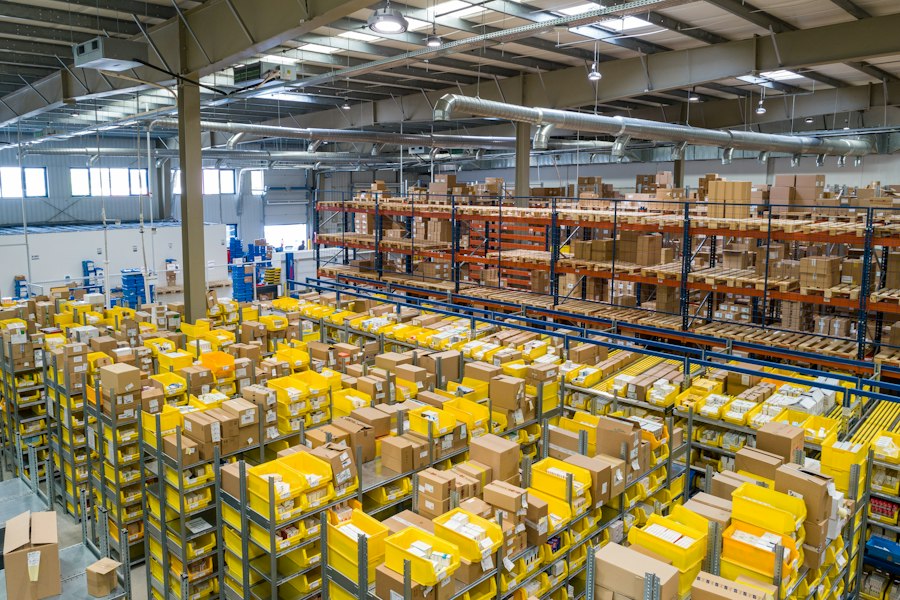



LANDERCOLL oilfield grade cellulose ether helps improve viscosity control, suspension stability, rheology behavior, fluid-loss control, water management, and process consistency in water-based oilfield fluid systems.
In drilling, completion, cementing, and specialty service fluids, the right polymer additive helps support better fluid behavior, more consistent operations, and improved formation protection. Grade selection must always be confirmed through laboratory testing under actual fluid system conditions.
— CMC Drilling Fluid Additive · HEC Oilfield Polymer · Fluid-Loss Control · Mud Stabilizer · Completion Fluid Polymer · Oilfield Cellulose Ether Supplier
 Bohrflüssigkeiten
 Abschlussflüssigkeiten
 Fluid-Loss Control
 Cementing & Service
Oilfield fluid performance depends on the full formulation system, including water quality, salinity, temperature, pH, solids content, clay system, additives, shear conditions, and field requirements. Cellulose ether selection should be confirmed through laboratory testing and application evaluation before field use. LANDERCOLL can support oilfield customers with product direction, technical documents, grade comparison, and sample discussion based on target fluid performance.
 Viscosity · Suspension · Fluid-Loss Control
Oilfield grade cellulose ether is used in fluid systems where viscosity, suspension, fluid-loss control, rheology, stability, and process reliability are important operational requirements. In drilling, completion, cementing, and specialty service fluids, the right polymer additive helps support better fluid behavior, more consistent operations, and improved formation protection.
LANDERCOLL oilfield grade cellulose ether includes two primary product directions: CMC and HEC. CMC is widely used in water-based drilling and completion fluids where viscosity control, filtration reduction, and mud stability are required. HEC can support viscosity, suspension, and rheology control in selected oilfield and industrial fluid systems where a non-ionic polymer is preferred.
Oilfield formulations operate under demanding conditions. Product performance can be significantly affected by salt content, temperature, shear rate, solids loading, pH, and other additives present in the fluid system. Grade selection should therefore be based on actual fluid system requirements and confirmed through laboratory testing rather than product name alone.
LANDERCOLL oilfield grade direction includes two primary options — CMC and HEC — with HPMC available for selected specialty systems. CMC is the primary cellulose derivative for most water-based drilling and completion fluid applications. HEC may be preferred where a non-ionic polymer is required. All grades must be evaluated in the actual fluid system before field deployment.
Drilling fluids, completion fluids, viscosity control, and fluid-loss reduction
Carboxymethyl cellulose (CMC) is one of the most widely used cellulose derivatives in oilfield fluid systems globally. It supports viscosity, filtration control, suspension stability, and mud system consistency in water-based drilling and completion fluids. CMC helps reduce fluid loss into formations, improves carrying capacity for drilled solids, stabilizes suspended weighting materials, and supports more consistent rheological behavior across varying operating conditions.
cURL Too many subrequests by single Worker invocation. To configure this limit, refer to https://developers.cloudflare.com/workers/wrangler/configuration/#limits
cURL Too many subrequests by single Worker invocation. To configure this limit, refer to https://developers.cloudflare.com/workers/wrangler/configuration/#limits
cURL Too many subrequests by single Worker invocation. To configure this limit, refer to https://developers.cloudflare.com/workers/wrangler/configuration/#limits
cURL Too many subrequests by single Worker invocation. To configure this limit, refer to https://developers.cloudflare.com/workers/wrangler/configuration/#limits
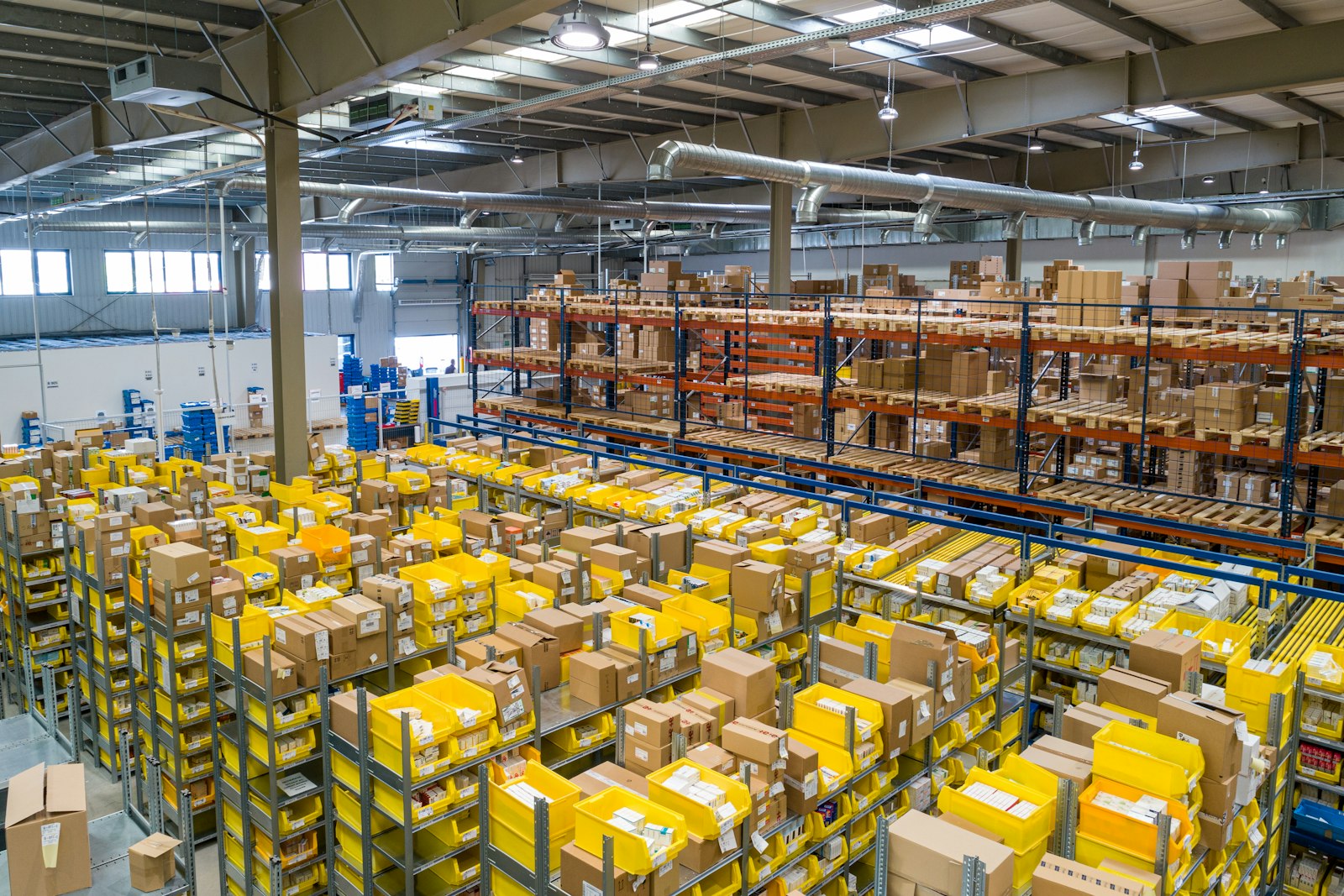
Drilling fluids require controlled viscosity, suspension stability, filtration control, and consistent rheology throughout the drilling operation. Oilfield grade CMC and selected HEC products help improve the behavior of water-based drilling systems under demanding downhole conditions. A suitable cellulose ether grade supports carrying capacity for drilled cuttings, reduces settling of solids during static periods, helps control fluid loss into permeable formations, and improves mud consistency during extended drilling operations.
Fluid-loss control is one of the most important functions of oilfield grade cellulose ether in water-based drilling systems. CMC helps reduce the loss of the liquid phase into porous formations by supporting filtration control and contributing to mud cake behavior at the formation face. Final fluid-loss performance depends on the particle system, polymer grade and concentration, fluid chemistry, pressure differential, temperature, and the presence of other additives in the system.

Completion fluids require stable behavior, formation compatibility, and consistent performance in the well environment. Cellulose ether may be used to support viscosity, suspension, and fluid stability in selected completion fluid systems. The right product should be evaluated according to brine salinity, clarity requirements, formation compatibility, temperature conditions, and the overall fluid design.
Workover fluids may require viscosity control, suspension, and stability during well maintenance or intervention operations. CMC and HEC may help support the desired fluid structure depending on the formulation design and specific field requirement. The final grade selection must be confirmed according to fluid density, solids content, and operating conditions.
Zementierende Unterstützung
cURL Too many subrequests by single Worker invocation. To configure this limit, refer to https://developers.cloudflare.com/workers/wrangler/configuration/#limits
Specialty Service Fluids
cURL Too many subrequests by single Worker invocation. To configure this limit, refer to https://developers.cloudflare.com/workers/wrangler/configuration/#limits
Industrial Fluid Systems
cURL Too many subrequests by single Worker invocation. To configure this limit, refer to https://developers.cloudflare.com/workers/wrangler/configuration/#limits
Different oilfield fluid systems require different cellulose ether performance profiles. This table provides a general selection reference for oilfield fluid formulators and service engineers. Final product selection must be confirmed through testing in the customer's own fluid system, because salinity, hardness, pH, temperature, shear conditions, solids loading, weighting agents, clay type, and other additives can all significantly affect performance.
| Anmeldung | Recommended Product Direction | Hauptleistungsanforderungen |
|---|---|---|
| Water-Based Drilling Fluids | CMC / selected HEC | Viscosity, suspension, fluid-loss control, mud stability |
| Low-Solids Drilling Fluids | CMC | Filtration control, viscosity, stable rheology |
| Abschlussflüssigkeiten | HEC / CMC | Viscosity, suspension, fluid compatibility |
| Workover-Flüssigkeiten | HEC / CMC | Fluid body, suspension, system stability |
| Fluid-Loss Control Systems | CMC | Filtration reduction, mud cake support, water management |
| cURL Too many subrequests by single Worker invocation. To configure this limit, refer to https://developers.cloudflare.com/workers/wrangler/configuration/#limits | Selected HEC / CMC / HPMC | Water behavior, viscosity, suspension |
| Specialty Service Fluids | CMC / HEC | Rheology control, suspension, process consistency |
| Industrial Water-Based Fluids | HEC / CMC / selected HPMC | Thickening, stabilization, suspension |
Dosage in oilfield fluid systems depends on fluid type, target viscosity, filtration control requirement, salinity, temperature, solids content, shear conditions, and final performance target. The following information is a broad reference for initial laboratory evaluation only, not a fixed usage standard.
Oilfield dosage should be confirmed through laboratory testing, rheology measurement, filtration testing, thermal stability testing, compatibility testing, and field-condition simulation where applicable. Performance can vary significantly between fluid systems.
| Anmeldung | Typical Reference Direction |
|---|---|
| Water-Based Drilling Fluids | Depends on target viscosity, filtration control, and mud system design |
| Abschlussflüssigkeiten | Depends on brine system, viscosity target, and compatibility requirements |
| Workover-Flüssigkeiten | Depends on fluid density, viscosity, and suspension needs |
| Fluid-Loss Control Systems | Depends on filtration target and additive package |
| cURL Too many subrequests by single Worker invocation. To configure this limit, refer to https://developers.cloudflare.com/workers/wrangler/configuration/#limits | Depends on cement chemistry and fluid design |
| cURL Too many subrequests by single Worker invocation. To configure this limit, refer to https://developers.cloudflare.com/workers/wrangler/configuration/#limits | Depends on operating conditions and service requirements |
| Industrial Water-Based Fluids | Depends on formulation design and target rheology |
Oilfield grade cellulose ether delivers a range of operational performance functions that directly affect fluid behavior, formation protection, and operational consistency during drilling, completion, and service operations.
CMC and HEC help build viscosity in water-based fluid systems. Proper viscosity supports fluid carrying capacity, suspension behavior, cuttings transport, and process control during drilling and completion operations.
Oilfield fluids must suspend drilled solids, weighting materials, and other particles during both dynamic and static conditions. Cellulose ether helps reduce settling and supports more uniform fluid behavior throughout the operation.
CMC helps reduce filtration loss in selected water-based drilling fluid systems by supporting water management and filtration control at the formation face, contributing to formation protection and wellbore stability.

Cellulose ether helps adjust flow behavior under different shear conditions, supporting better fluid handling, pump efficiency, and operational consistency during drilling and completion activities.

In water-based drilling systems, cellulose ether supports mud stability by improving viscosity, suspension, and fluid structure, helping maintain consistent mud properties throughout the drilling program. Stable mud contributes to more predictable wellbore conditions and reduced non-productive time.
Cellulose ether helps control water behavior in selected oilfield and cementing support fluids, contributing to system consistency, formation protection, and process reliability. A suitable oilfield grade helps maintain more consistent fluid behavior during mixing, storage, pumping, and use — reducing variability and supporting more predictable operational outcomes.
cURL Too many subrequests by single Worker invocation. To configure this limit, refer to https://developers.cloudflare.com/workers/wrangler/configuration/#limits
cURL Too many subrequests by single Worker invocation. To configure this limit, refer to https://developers.cloudflare.com/workers/wrangler/configuration/#limits
cURL Too many subrequests by single Worker invocation. To configure this limit, refer to https://developers.cloudflare.com/workers/wrangler/configuration/#limits
Oilfield applications require practical laboratory testing because cellulose ether performance can change significantly under different fluid conditions. A grade should always be evaluated in the complete formulation system, not only in clean water — because salinity, solids, additives, and temperature all affect the final result.
LANDERCOLL can support customers with product information and grade direction. Final evaluation should be performed according to the customer's own testing procedures, industry standards, and field requirements.

LANDERCOLL can provide product information and grade direction for initial evaluation. Final testing, performance confirmation, and field deployment decisions must be made by the customer's own technical and operations teams according to their testing procedures and field requirements.
Choosing the right oilfield grade cellulose ether requires a clear understanding of the fluid system design and the operating conditions it will encounter. The best grade must match the required viscosity, filtration control, suspension stability, salinity tolerance, temperature range, and process conditions.
If you are not sure which oilfield grade is most suitable, LANDERCOLL can review your application requirements and recommend a practical CMC or HEC grade direction for initial testing.


Drilling fluid, completion fluid, workover fluid, cementing support, or specialty service fluid?
Viscosity, suspension, fluid-loss control, or rheology modification?
What water quality or brine system is used in the formulation?
What is the salinity or water hardness level of the system?
What temperature range will the fluid experience downhole?
What pH range is required for the fluid system?
Weighting agents, clays, other chemical additives included in the system?
What shear conditions during mixing and pumping?
cURL Too many subrequests by single Worker invocation. To configure this limit, refer to https://developers.cloudflare.com/workers/wrangler/configuration/#limits
cURL Too many subrequests by single Worker invocation. To configure this limit, refer to https://developers.cloudflare.com/workers/wrangler/configuration/#limits
cURL Too many subrequests by single Worker invocation. To configure this limit, refer to https://developers.cloudflare.com/workers/wrangler/configuration/#limits
cURL Too many subrequests by single Worker invocation. To configure this limit, refer to https://developers.cloudflare.com/workers/wrangler/configuration/#limits
cURL Too many subrequests by single Worker invocation. To configure this limit, refer to https://developers.cloudflare.com/workers/wrangler/configuration/#limits
cURL Too many subrequests by single Worker invocation. To configure this limit, refer to https://developers.cloudflare.com/workers/wrangler/configuration/#limits
cURL Too many subrequests by single Worker invocation. To configure this limit, refer to https://developers.cloudflare.com/workers/wrangler/configuration/#limits
cURL Too many subrequests by single Worker invocation. To configure this limit, refer to https://developers.cloudflare.com/workers/wrangler/configuration/#limits
cURL Too many subrequests by single Worker invocation. To configure this limit, refer to https://developers.cloudflare.com/workers/wrangler/configuration/#limits
cURL Too many subrequests by single Worker invocation. To configure this limit, refer to https://developers.cloudflare.com/workers/wrangler/configuration/#limits
cURL Too many subrequests by single Worker invocation. To configure this limit, refer to https://developers.cloudflare.com/workers/wrangler/configuration/#limits
cURL Too many subrequests by single Worker invocation. To configure this limit, refer to https://developers.cloudflare.com/workers/wrangler/configuration/#limits
cURL Too many subrequests by single Worker invocation. To configure this limit, refer to https://developers.cloudflare.com/workers/wrangler/configuration/#limits
cURL Too many subrequests by single Worker invocation. To configure this limit, refer to https://developers.cloudflare.com/workers/wrangler/configuration/#limits
Grade comparison and dosage reference
Sample and quotation communication
Oilfield grade cellulose ether refers to cellulose-derived polymers used in oilfield fluid systems for viscosity control, suspension stability, fluid-loss control, rheology modification, and mud stabilization in water-based drilling, completion, workover, and specialty service fluids.
CMC is the most widely used cellulose derivative in water-based drilling fluids because it supports viscosity, suspension stability, fluid-loss control, and mud stabilization. HEC may also be used in selected oilfield fluid systems, particularly where a non-ionic polymer is preferred.
CMC improves viscosity, suspends drilled solids and weighting materials, reduces filtration loss into formations, stabilizes mud systems, and supports more consistent fluid behavior in water-based drilling operations.
HEC supports viscosity development, suspension stability, and rheology control in selected drilling, completion, workover, and specialty water-based fluid systems. As a non-ionic polymer, it may offer more consistent performance in certain high-salinity or mixed-brine environments.
HPMC is not typically the primary cellulose ether for oilfield fluid systems. It may be considered in selected specialty industrial or cement-related fluid applications where viscosity or water management support is needed. CMC and HEC are the main product directions for most oilfield applications.
Fluid-loss control refers to reducing the amount of liquid phase that escapes from a drilling or service fluid into a porous or permeable formation. CMC supports filtration control in selected water-based systems by contributing to mud cake formation and water management at the formation face.
Performance depends on the specific grade, salt type, salt concentration, temperature, and the complete fluid formulation. Oilfield fluid compatibility should always be confirmed through laboratory testing under target conditions before field use.
Key factors include salinity, water hardness, temperature, pH, shear rate, solids content, clay type, weighting materials, other chemical additives, and hydration conditions during mixing. All of these variables can significantly affect viscosity, suspension, and filtration performance.
Start by defining the fluid type, target viscosity, filtration requirement, salinity, temperature range, solids content, pH, and testing method. LANDERCOLL can help recommend suitable CMC or HEC grade directions for evaluation and testing in your specific fluid system. Final grade performance must always be confirmed through laboratory testing under actual operating conditions before field deployment.
Whether you need CMC for drilling fluid viscosity and fluid-loss control, HEC for suspension and rheology in completion or workover fluids, or selected cellulose ether support for specialty oilfield service systems, LANDERCOLL can help you identify the right oilfield grade direction for testing and sourcing.
Our team is ready to review your fluid system requirements, recommend suitable grades for evaluation, provide technical data sheets and safety data sheets, and support your sample and quotation process.
Oilfield Grade Cellulose Ether | CMC Drilling Fluid Additive | HEC Oilfield Polymer | Water-Based Drilling Fluid Viscosifier | Fluid-Loss Control Additive | Completion Fluid Polymer | Mud Stabilizer | Oilfield CMC Supplier.
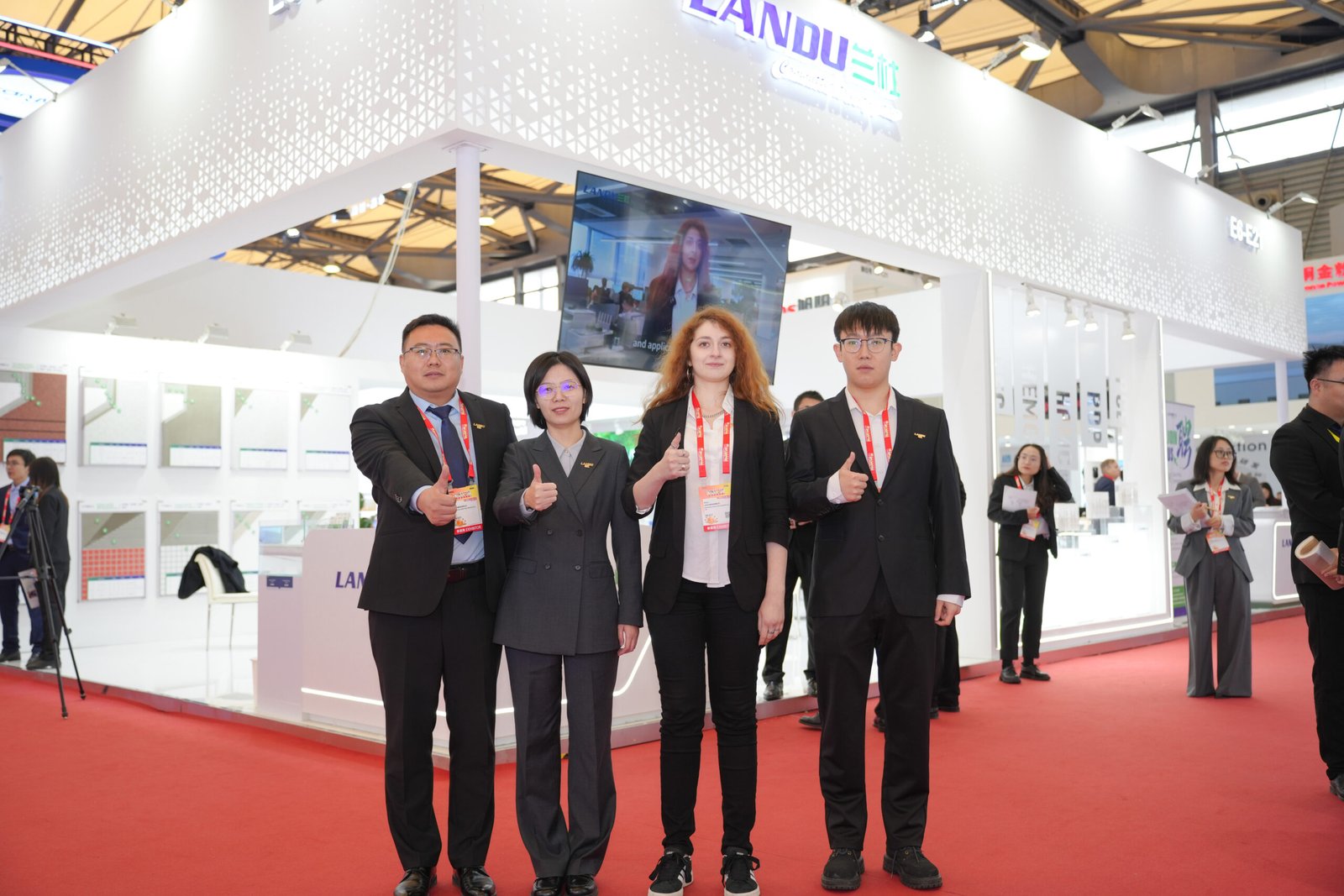
Technical support available. Samples on request. Documentation provided according to grade and fluid system requirements.
 English English
  العربية
 Deutsch
 Українська
 Ελληνικά
 Español
 Español de Perú
 Français
 Magyar
 Bahasa Indonesia
 Italiano
 Português
 Türkçe
 Русский
 Nederlands
 Slovenčina
 Svenska
 Български
 Čeština
 Dansk
Dansk
 Eesti
Eesti
 Suomi
Suomi
 日本語
日本語
 한국어
한국어
 Lietuvių kalba
 Latviešu valoda
 Norsk bokmål
 Polski
 Português do Brasil
 Română
 Slovenščina
